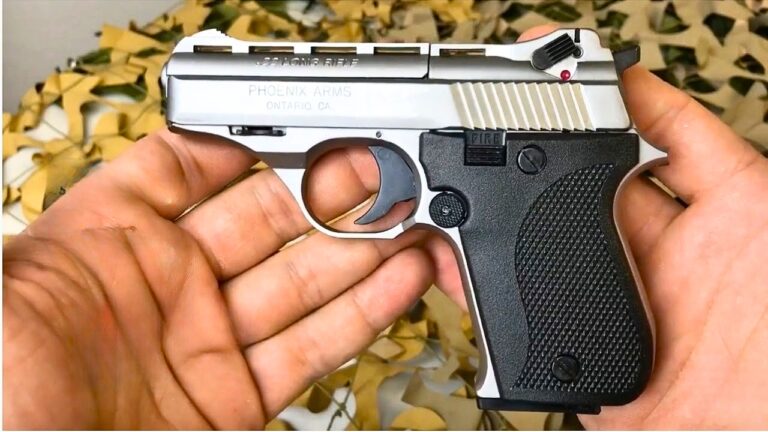
Photo credit: ClassicFirearms/YouTube
Some rifles are real lookers on the rack. They get praise on forums, earn likes in gun groups, and turn heads when you uncase them at deer camp. But the shine wears off quick once you’ve hauled one through a thicket or tried to shoot offhand in freezing wind. Sometimes what felt like the “right choice” at the store turns into the first thing you want to leave behind after a full day in the field. Whether it’s weight, balance, recoil, or controls that don’t cooperate, some rifles prove more frustrating than functional once boots hit dirt. If you’ve ever regretted carrying a gun halfway into a hunt, this one’s for you.
Barrett M82

You probably dreamed about owning one at some point. Who doesn’t want a .50 BMG? But the second you sling the Barrett M82 over your shoulder and start hiking, reality sets in. It’s massive, heavy, and awkward in every direction.
This rifle wasn’t built for run-and-gun hunters or casual range days. It’s a tool for a very specific job—and unless you’re behind sandbags or on a tripod, it’s going to wear you out fast. A lot of folks buy it for the cool factor, but it ends up staying in the safe more than it hits the range. It looks great online, but it’s not something you want to carry up a ridge.
Springfield M1A Loaded
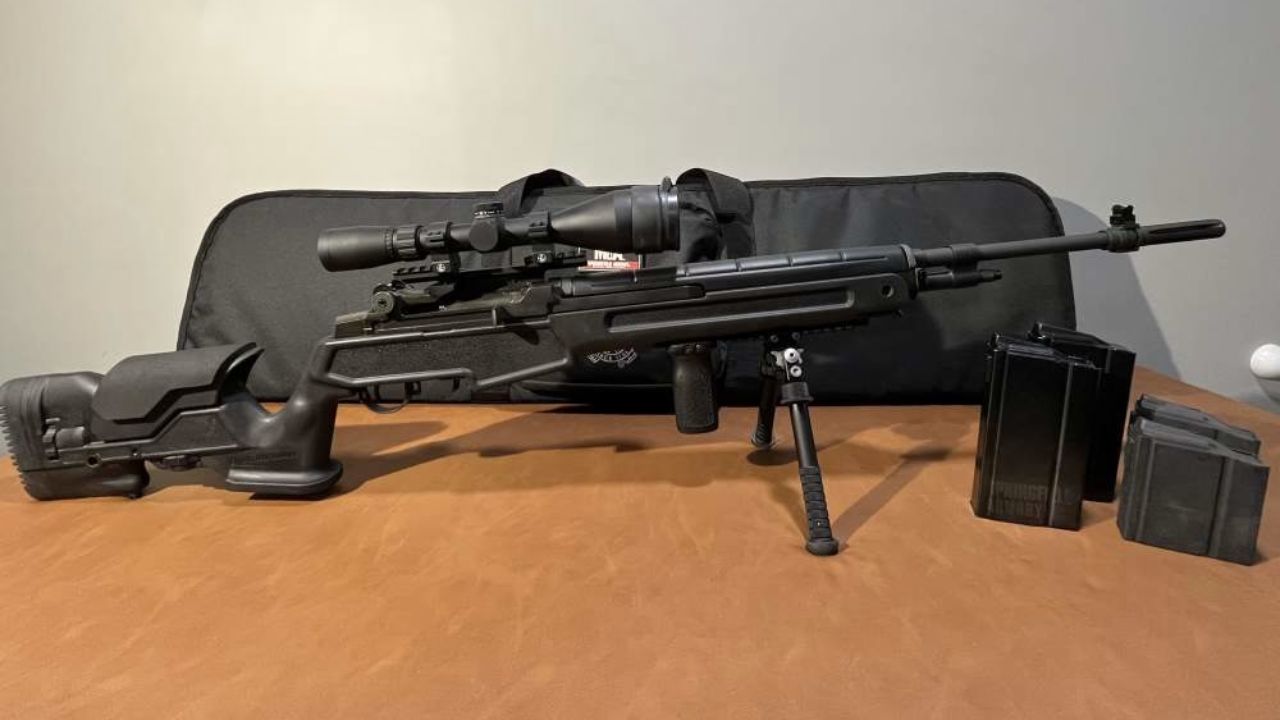
The M1A Loaded checks every box on paper—national match barrel, iron sights that are dialed in, and the classic wood stock feel. But the thing weighs a ton. Add a scope and sling, and it feels more like hauling a fencepost than a rifle.
Shooters fall for the history and reputation, but few stick with it long in the field. The controls are fine on the bench, but gloves and cold fingers make it a pain to run. After one mountain hunt or long weekend of dragging it through the woods, most folks start shopping for something lighter. Nostalgia wears off when your shoulder and back start talking.
FN SCAR 17S
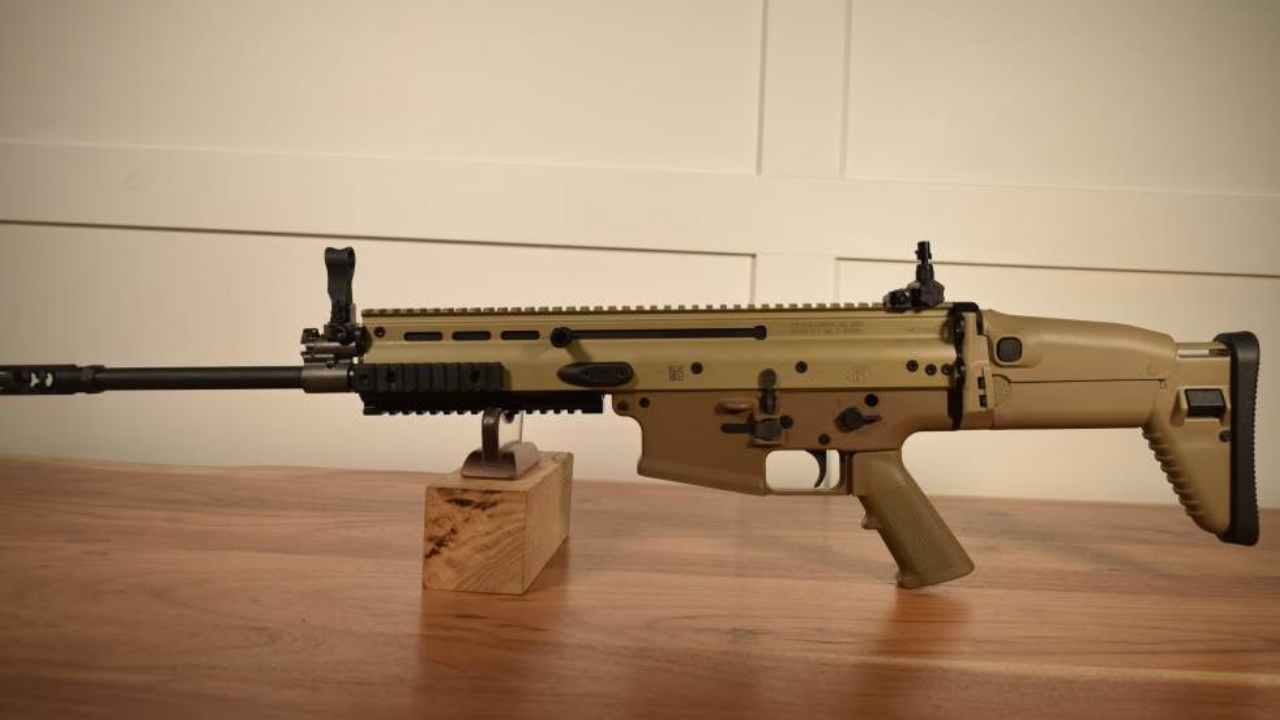
The SCAR 17S has all the tactical allure a shooter could want. It’s a .308 in a modern package, with plenty of rail space and a folding stock. But once you start carrying it through thick cover or steep country, the quirks show up quick.
The reciprocating charging handle loves to smash knuckles, and the balance shifts weird when you add optics or a bipod. And while it’s accurate and dependable, the cost and weight make it a tough pick for most practical hunting or field work. For all its hype, it ends up being a “range star” more than a field-ready rifle.
Marlin 1895 SBL (Pre-Ruger)

Before Ruger cleaned them up, the Marlin 1895 SBL looked great on paper. Big loop lever, stainless steel, and .45-70 power made it a favorite among bear country daydreamers. But carry one for a few miles and the tune changes.
The fit and finish were hit-or-miss, and that big lever would chew up your hand if you weren’t wearing gloves. Add in a heavy barrel and awkward balance, and it didn’t exactly carry like a handy carbine. Once the recoil and rough cycling kicked in, plenty of folks started looking for something smoother and lighter to haul on their next trip.
CZ 550 Safari Magnum

Built to take down big game in Africa, the CZ 550 Safari Magnum is a beast in every way. But unless you’re actually tracking dangerous game, it feels like overkill in the field. The rifle is long, heavy, and built like a sledgehammer.
Carrying it around for elk or bear hunts in the mountains? You’ll notice every pound. The recoil isn’t for the faint of heart either. It’s a great rifle for collectors or a specific type of hunt, but for most folks, it turns into a safe queen after one heavy pack-out. It’s one of those guns that photographs better than it carries.
IWI Tavor X95
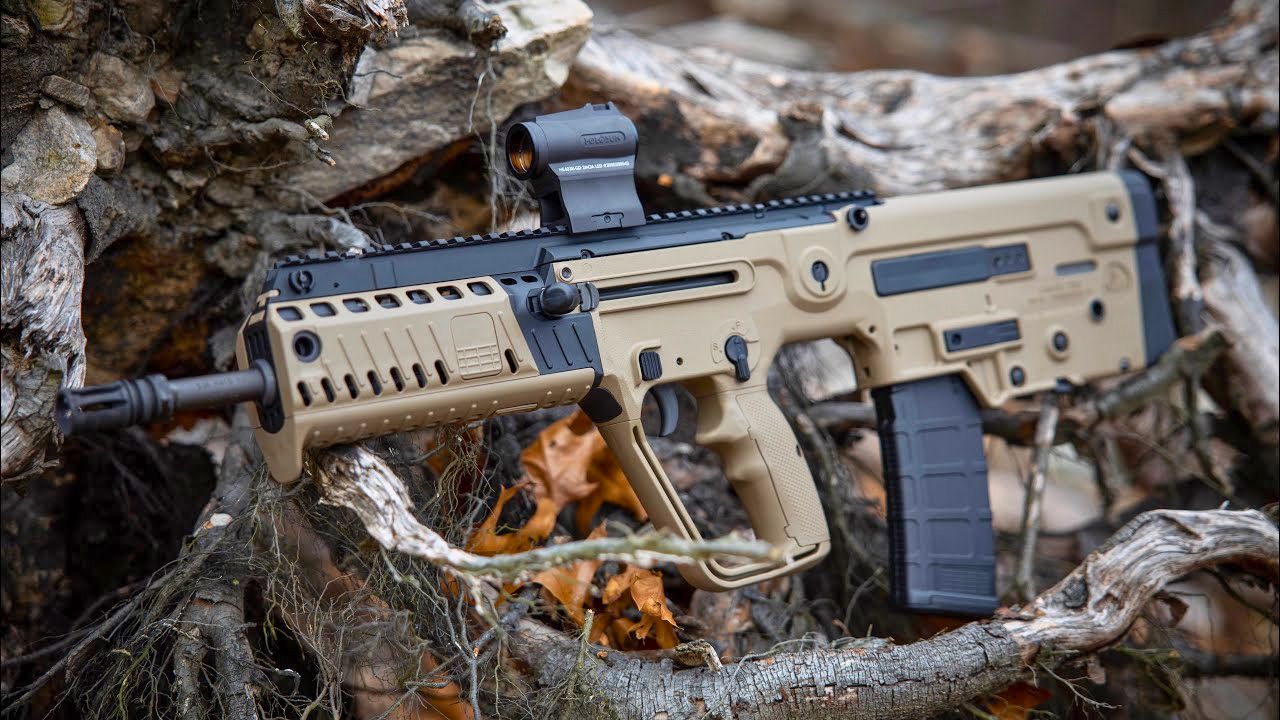
The IWI Tavor X95 gets a lot of attention for its bullpup design and compact length. It looks like a perfect truck gun or backcountry rig. But once you start putting rounds downrange or carrying it all day, some issues surface.
The trigger is stiff, the balance is odd, and maintenance can be a chore compared to more traditional rifles. While it’s shorter overall, the weight doesn’t disappear—it’s just shifted back in a way that wears differently on your shoulder. It’s an attention-grabber, but it’s not always the most practical rifle to carry when you’re out covering serious ground.
Armalite AR-10
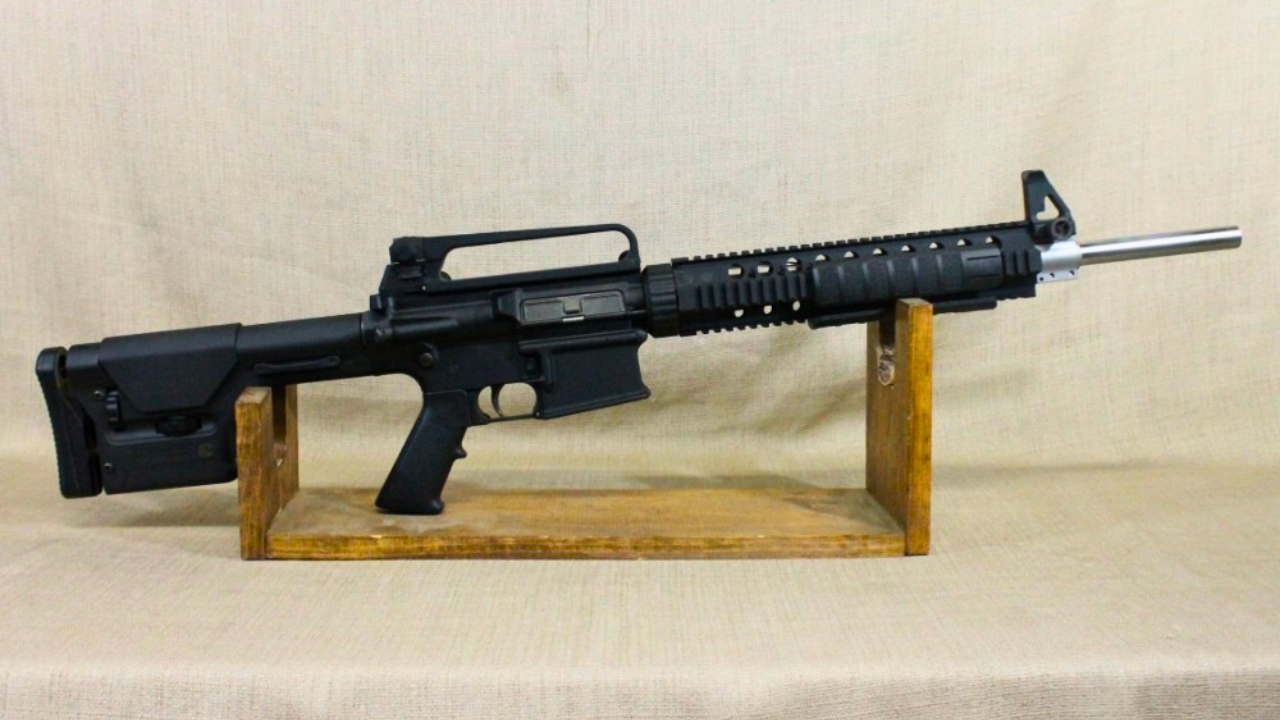
The original AR-10 helped kick off the semi-auto .308 market, and it still draws interest from shooters who want to punch harder than a 5.56. But that heavier frame and longer barrel start to feel like a mistake by the second mile.
It doesn’t balance as well as newer rifles in the same class, and adding a scope, bipod, or sling quickly turns it into a boat anchor. It’s great from a bench or prone, but it’s not something you want to lug around in steep country. A lot of folks buy one thinking it’ll be their go-to rifle—and end up reaching for a lightweight bolt-action instead.
Ruger Precision Rifle

The Ruger Precision Rifle delivers impressive accuracy, adjustability, and long-range potential. But it’s a pig to carry. It was never really meant to be a field rifle, though plenty of folks buy it thinking they can run it on a hunt or hike.
With a heavy barrel, long chassis, and bulky frame, it’ll wear on you fast. You’ll spend more time adjusting the stock than actually shooting in the field. It’s a great platform for a range day or match shoot, but it loses its charm once you’re halfway up a ridge with it slung across your back.
Remington 700 Police
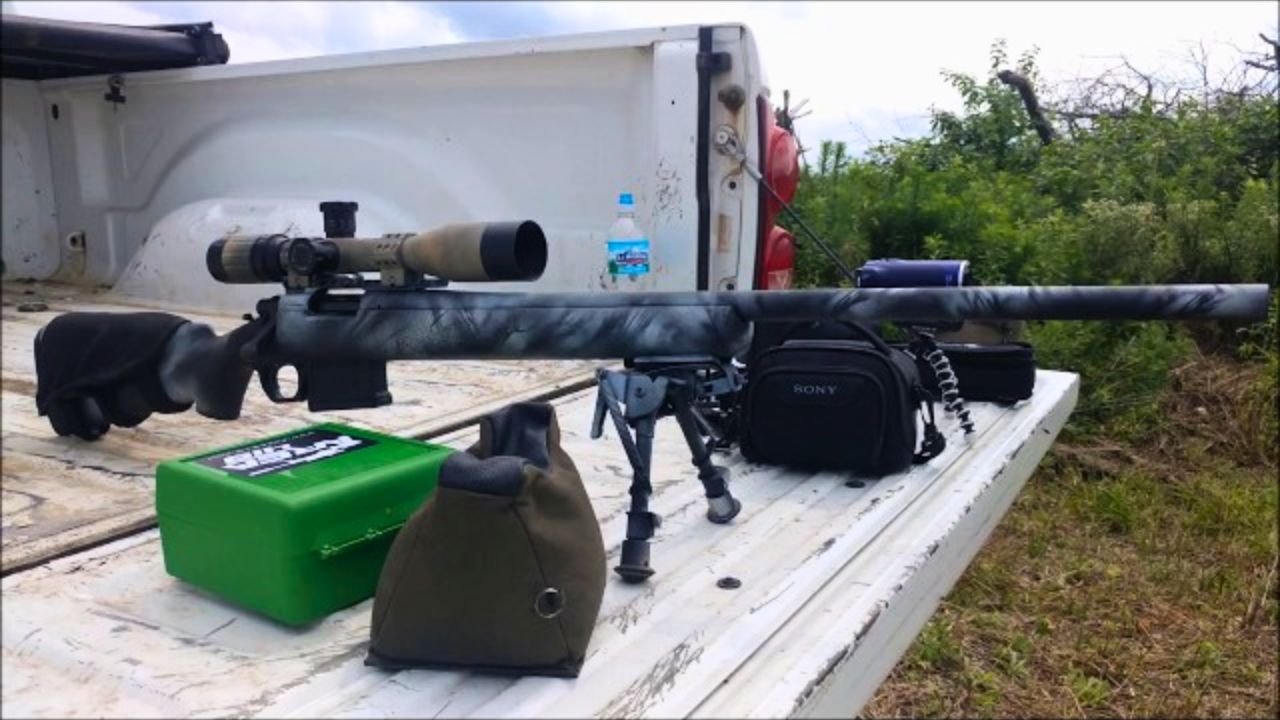
The Remington 700 Police is another rifle built for a different purpose. Heavy barrel, heavy stock, and the kind of profile designed for a rest or sandbag—not a treestand or backcountry push. It’s not even the recoil that gets you. It’s the weight and bulk.
Once you load it up with glass and accessories, it becomes a burden real quick. People love the accuracy and the reputation, but once it hits your shoulder and you start walking, the magic wears off. There are better options out there for hunters or backcountry shooters looking for both performance and portability.
PTR-91

The PTR-91 looks like a tank and feels like one, too. It’s based on the G3 platform and built to be tough, but that durability comes with a price in weight and handling. The recoil impulse is sharp, and carrying it through rough terrain gets old fast.
Magazines are cheap and the reliability is decent, but it’s not a rifle you enjoy hauling around all day. Add in the loud action and tricky manual of arms, and it becomes more of a range toy than a practical field rifle. It has its fans, but if you’re actually hiking with it, you’ll start second-guessing the decision.
M1903 Springfield
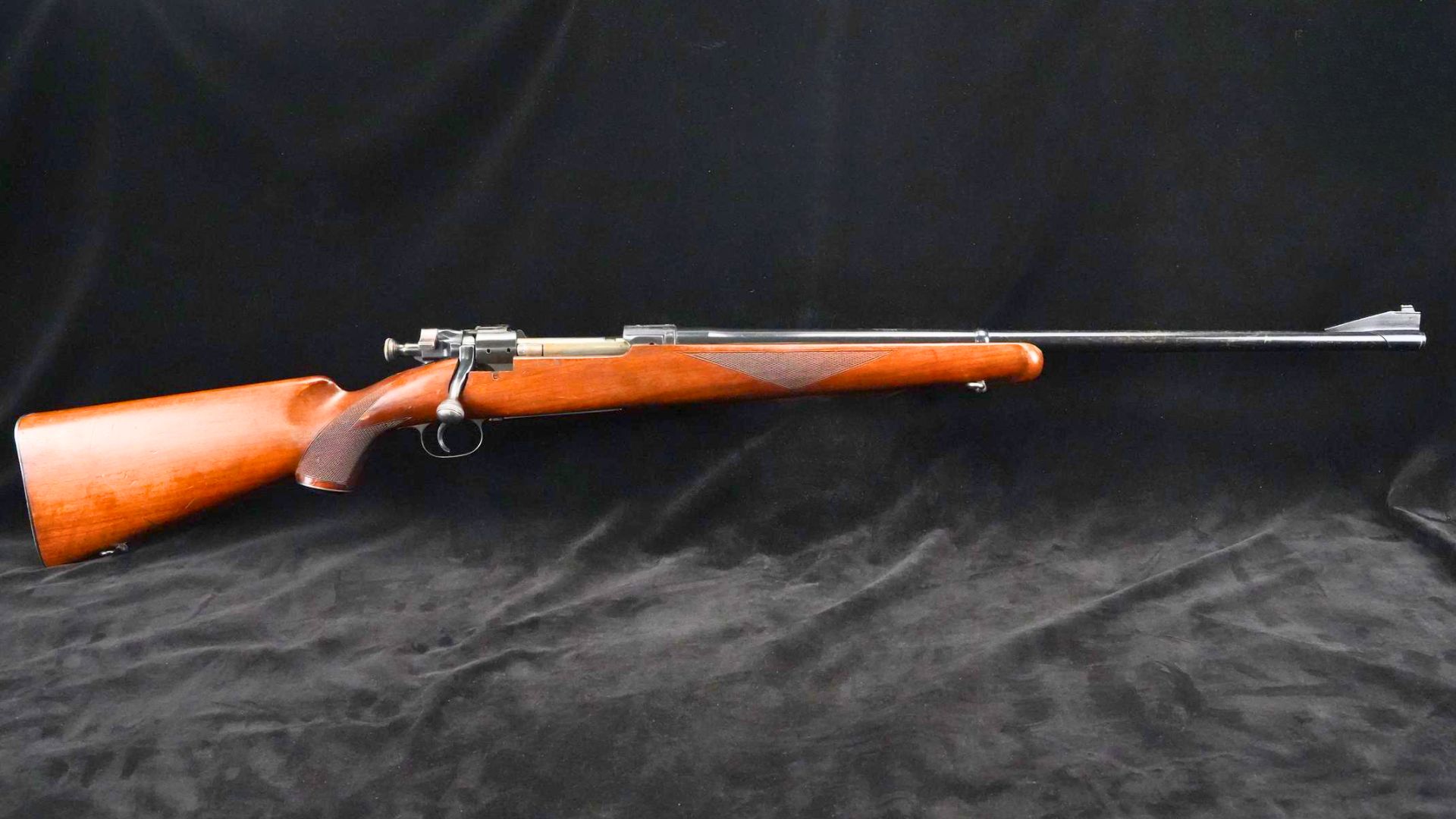
The M1903 Springfield is a classic for sure. Gorgeous walnut stock, iron sights that feel like they belong in a museum, and a piece of American history. But once you carry one in the field, the flaws start creeping in.
The bolt is smooth but slow, and the weight isn’t balanced like modern rifles. Add a leather sling and maybe a scope mount, and you’re hauling more than you need. It’s a nostalgic rifle, but not exactly a practical one for today’s hunter or shooter. Most people who try to carry one for more than a few outings find themselves looking for a lighter, faster option.
HK MR762A1

The HK MR762A1 gets praised for its precision, build quality, and design. It’s a civilian-ready version of a military rifle, and it comes with the price tag and heft to match. But after you haul it around the field, the shine wears off.
It’s heavy, front-loaded, and doesn’t balance as naturally as lighter .308s. It can shoot lights-out, no doubt, but it wasn’t meant to be a mountain rifle or your all-day carry choice. Once folks run one through a long day in the field, they realize it’s better suited for controlled conditions than backcountry adventure.
Steyr Scout

The Steyr Scout seems like it should be the answer to every backcountry shooter’s dream. It’s compact, it’s lightweight, and it’s got Jeff Cooper’s fingerprints all over it. But it doesn’t quite live up to the hype once you start actually using it.
The forward-mounted optic setup limits your glass options, and the trigger isn’t as crisp as some expect. The rifle carries well, but the ergonomics can feel weird in practice. Folks pick it thinking it’s the ultimate do-everything rifle, but more often than not, they move on to something more conventional after a season or two.
M1 Garand

It’s one of the most iconic rifles ever made, and for good reason. The M1 Garand served American troops through hard times and earned a reputation for durability and power. But these days, carrying one in the field is an exercise in endurance.
It’s heavy, long, and awkward to sling. The en-bloc clip system is unique but slow, and spare parts aren’t exactly sitting on every shelf. It’s a rifle you respect and admire—but not one you want on your back for a full day of hiking or hunting. Most folks end up appreciating it from the safe or the bench.
Desert Tech MDRX
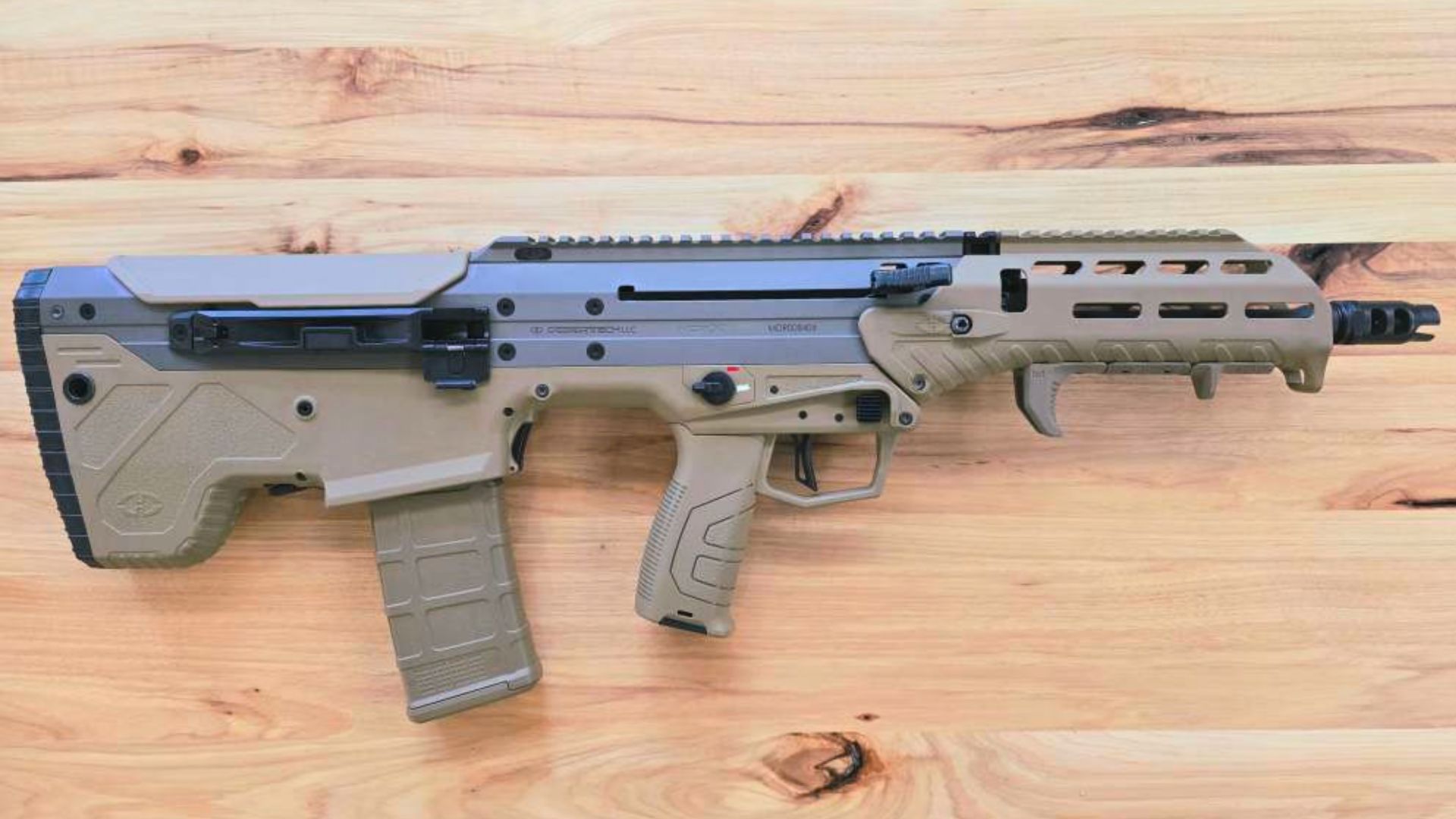
The MDRX looks slick and promises big things. Bullpup layout, multi-caliber capability, and full ambidextrous controls. It’s the kind of rifle that turns heads at the range. But after some time on the trail, the weight and quirks start adding up.
The trigger isn’t great, the controls take time to get used to, and the balance can be weird when slung. You think you’re getting compact power, but it still feels like a lot of rifle when you’re miles deep. It’s a neat concept, but for many shooters, it’s more fun in theory than in day-to-day use.
Browning BAR Mark II Safari

The Browning BAR Mark II Safari is a gorgeous semi-auto hunting rifle, and it performs well when you get set up. But it’s no featherweight. Between the wood furniture and gas system, it gets heavy fast, especially in larger calibers.
It shoulders beautifully and cycles clean, but if you’re hiking long distances or hunting steep terrain, you’ll feel it every step. Many folks love how it shoots, but end up swapping it for something lighter after a few seasons. It’s a great rifle for blinds or shorter hunts—not the one you want to carry up and down the mountain.
DPMS GII Recon
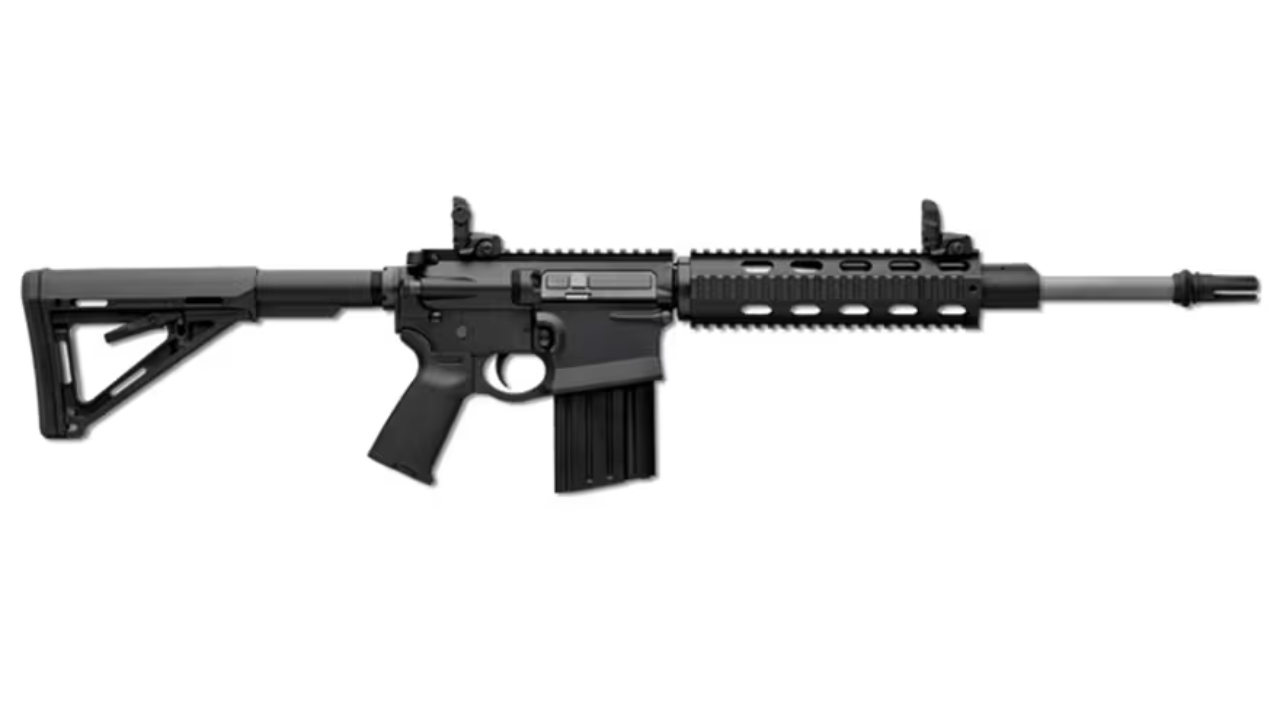
The DPMS GII Recon shrinks the .308 AR package down a bit, and it sounds like a great compromise. But it’s still a chunk of rifle. Once you hang optics, sling, and accessories on it, you’re back in heavy territory.
It’s accurate and reliable, but it doesn’t carry much better than its older cousins. The recoil is manageable, but the balance can be odd for extended hikes or fast transitions. Plenty of folks buy it thinking they’ll have the best of both worlds—and wind up realizing that it’s more of a bench rifle than a backwoods companion.
Like The Avid Outdoorsman’s content? Be sure to follow us.
Here’s more from us:
The worst deer rifles money can buy
Sidearms That Belong in the Safe — Not Your Belt
*This article was developed with AI-powered tools and has been carefully reviewed by our editors.