Photo credit: Dmitri T/Shutterstock.com
Some pistols feel tight for the first mag, then start shaking like an old gate hinge by round fifty. You know the type—slide play gets worse, pins start to walk, screws back out, or the takedown lever feels like it’s about to fall out. Some of these guns are built with looser tolerances from the jump. Others aren’t put together with longevity in mind. Doesn’t matter if you clean them or baby them. If a pistol can’t stay snug through basic range use, it’s not one you’ll want to trust when it counts. These are the pistols that tend to loosen up before the barrel cools.
Taurus G3C

The G3C is affordable, compact, and popular with budget-minded buyers—but it’s also one of those guns that starts to feel sloppy after a few boxes of ammo. Slide-to-frame fit opens up, and some shooters notice side-to-side play after only a few hundred rounds.
The takedown pin can begin to walk slightly, and trigger reset may feel spongier over time. While some of this wear is cosmetic, there’s often a noticeable difference in how it returns to battery. For casual use, it holds up well enough, but if you shoot regularly, you’ll start to feel it shift in your hand a little more than you’d like.
KelTec PF9

The KelTec PF9 was built to be slim and light, not to be a range warrior. After a few boxes of ammo, you’ll feel things start to loosen up. The polymer frame flexes under recoil, and the slide rails show wear early.
The takedown pin can work itself loose, and the recoil spring assembly has been known to walk forward during fire. Many owners report needing to check screws and re-tighten pins after each session. For deep carry, it makes sense—but it’s not built for regular range use or high round counts. If you shoot it too much, it’ll start to complain.
SCCY CPX-2

The SCCY CPX-2 is often recommended as a budget-friendly carry piece, but extended use exposes its limits. After a few hundred rounds, the slide can start to rattle and ride loose on the frame. The long double-action trigger doesn’t help—it tends to degrade over time and feel even grittier.
Owners frequently mention pins walking and the rear sight loosening up. Even the recoil spring loses tension quickly if you run it hard. It’s not meant to be a range blaster, and it reminds you of that every time you pass the 50-round mark without checking hardware.
Zastava M70A

The M70A looks like a classic Tokarev clone, and it mostly is—but not always in a good way. These surplus imports can vary wildly in fit and finish. Once you start putting rounds through them, you’ll often notice the slide feels looser with every mag.
The safety components and slide lock can show wear early, and the barrel bushing might start to rotate under recoil. Some shooters have even had sights drift from frame vibration. It’s got character, but it isn’t built to stay tight under pressure unless you’re lucky enough to snag a well-fitted one.
ATI FXH-45
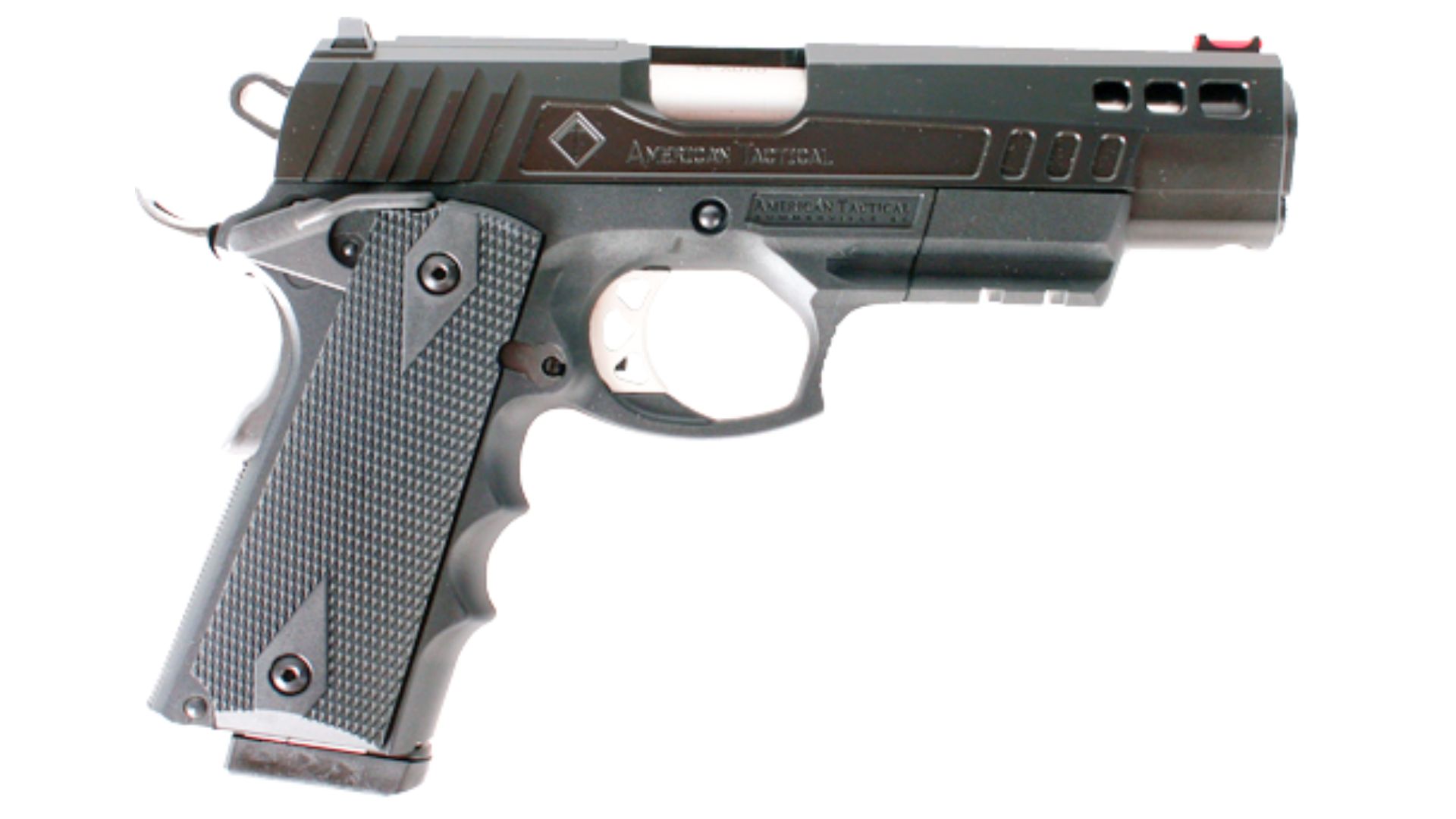
The FXH-45 is a polymer-frame 1911 clone that tries to do too much for too little. After a couple hundred rounds, the frame-to-slide fit loosens noticeably. Unlike steel-framed 1911s, this one doesn’t wear in—it wears out.
The polymer frame flexes under recoil, and that shows up in how poorly it returns to battery once it gets warm. Tolerances on parts like the barrel link and slide stop are inconsistent. Some shooters report pins walking or grip bushings loosening. For range play, it’s manageable. For anything more serious, it starts to feel unreliable fast.
Hi-Point C9

The Hi-Point C9 doesn’t pretend to be high-end, but even in the budget world, it gets sloppy quick. Slide fit is already loose from the factory, and it gets looser with every mag dump. It’s a blowback design, and recoil beats up internal parts fast.
The trigger gets mushier, the safety can start to feel vague, and the slide often develops visible wobble. Many users have to re-tighten screws or replace small parts after regular shooting. It’s fine for backyard plinking, but the more you shoot it, the more it sounds and feels like it’s barely hanging on.
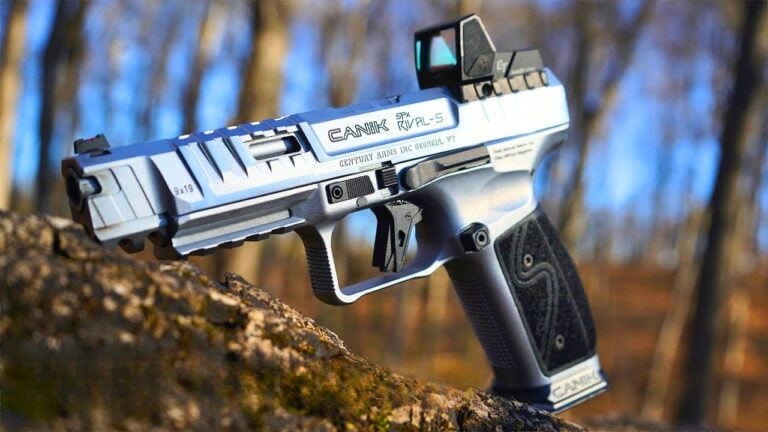
Canik TP9DA
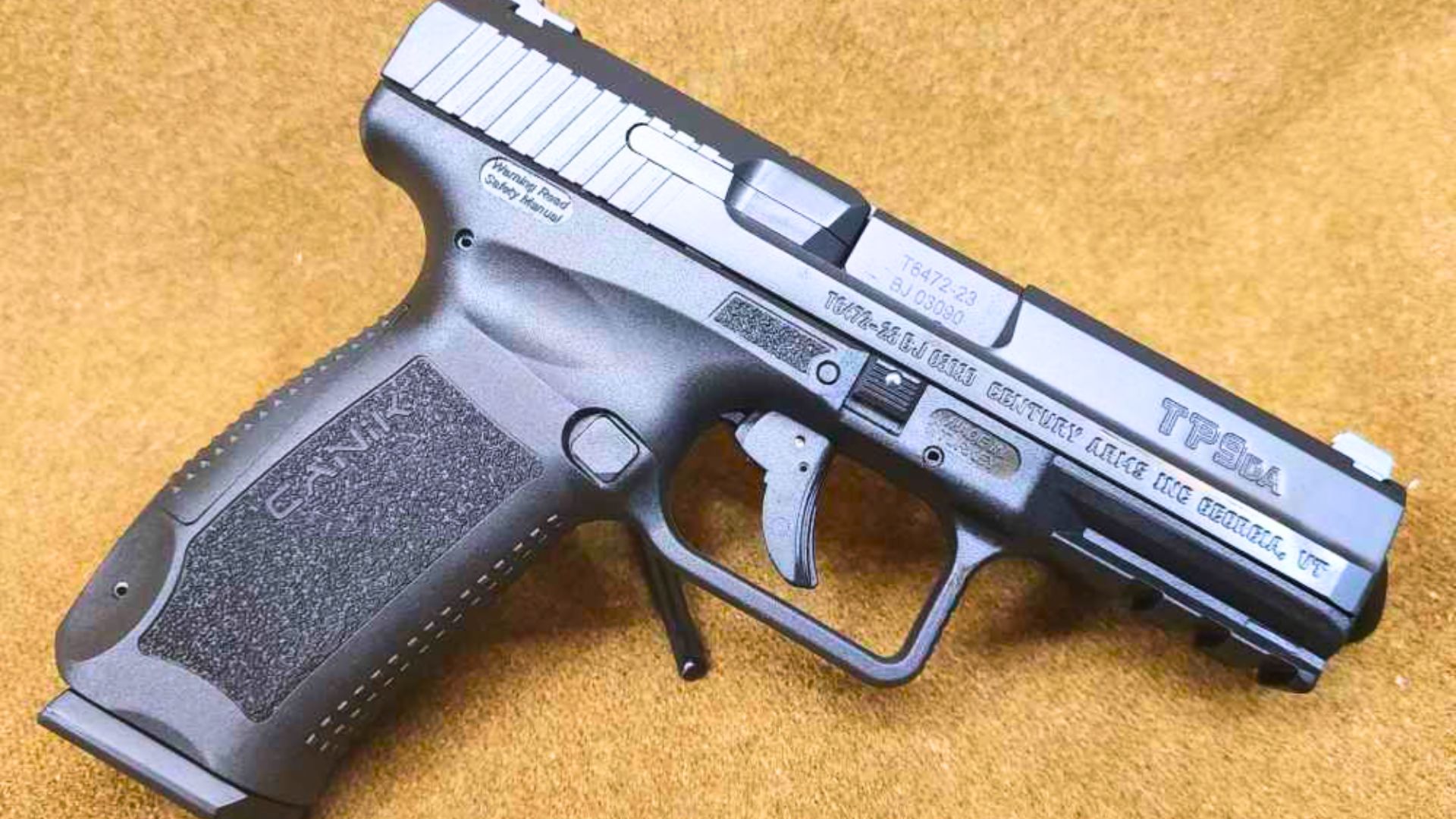
Canik makes solid shooters overall, but the TP9DA in particular can feel noticeably looser over time. The decocker system and slide stop lever wear faster than expected, and shooters often report slide rattle setting in after a few hundred rounds.
There’s also slight play in the barrel lockup that can widen with extended use. While it’s not dangerous, it does affect accuracy and confidence. The DA/SA trigger group also starts to feel less consistent, especially if you run it hard without cleaning. It shoots well, but the build quality shows its cracks when put under regular pressure.
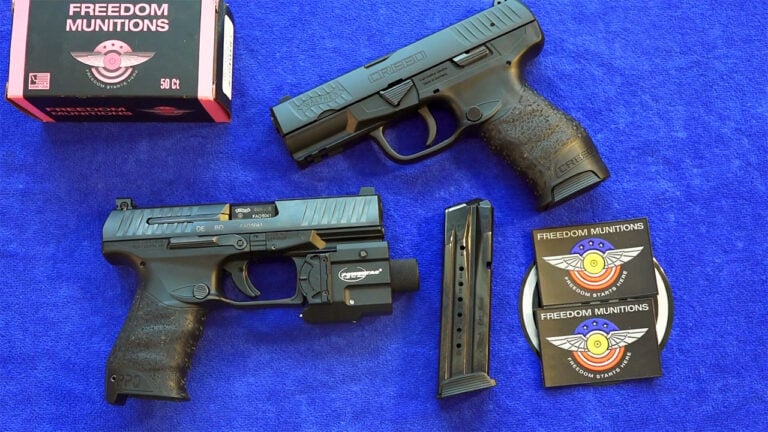
Walther Creed

The Creed was Walther’s budget entry, and it shows where they saved costs. After a box or two of ammo, you’ll notice the slide feeling looser and the trigger group getting less crisp. The polymer frame starts to show signs of flex, and the barrel fit gets more vague with use.
Some owners have reported minor peening near the slide lock notch or wear on the barrel hood. It’s accurate early on, but repeated use tends to shake things out of spec. It still runs, but it loses that “tight” feel fast, even with regular maintenance.
Remington R51
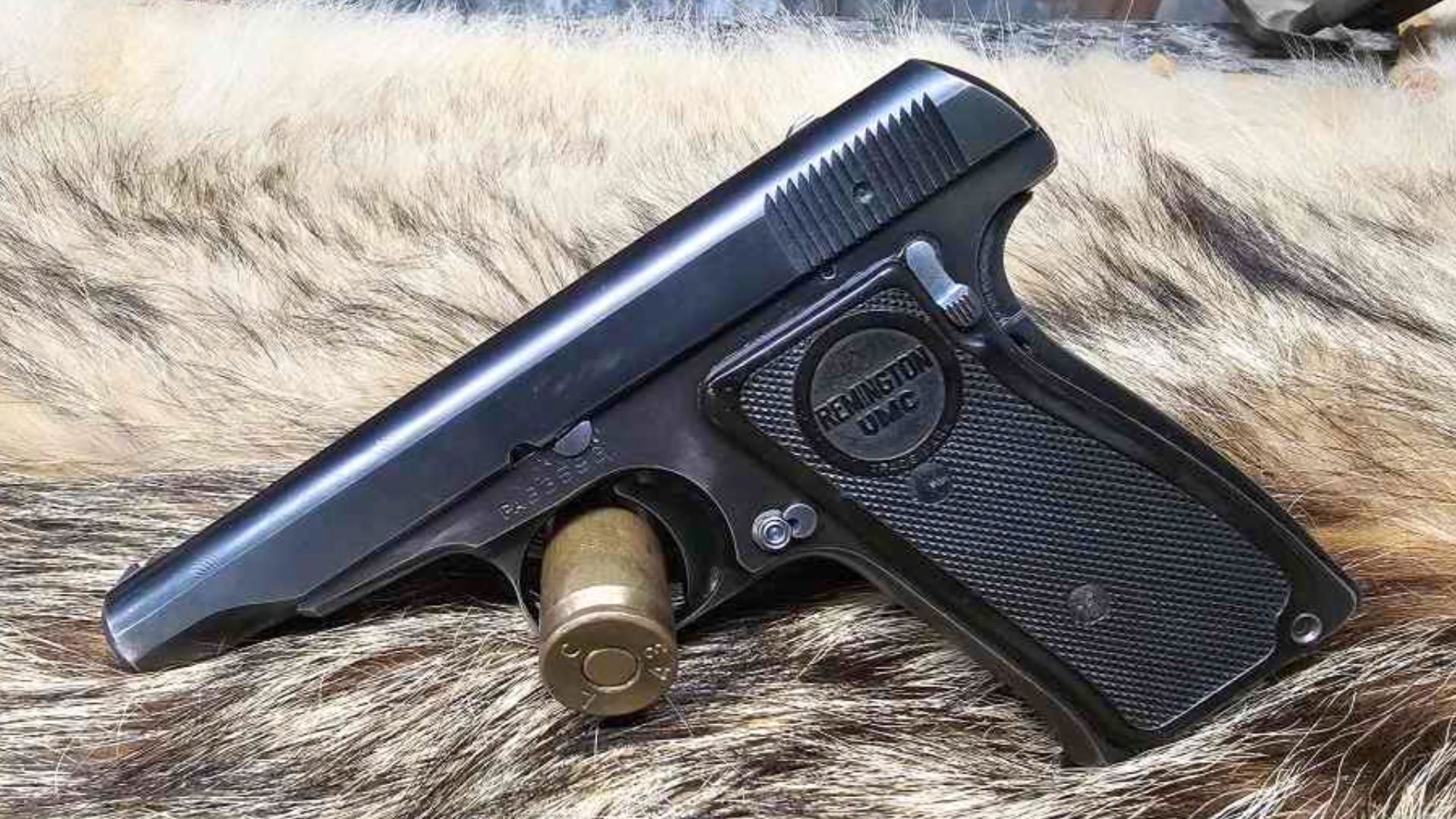
The R51 had a rough launch, and even the later-gen models didn’t fix everything. Its unique locking system creates a lot of internal motion, and that shows in how quickly the gun starts to feel loose. The slide, in particular, starts to rattle and show wear early.
The recoil spring assembly and barrel camming system tend to degrade quickly if you shoot often. Some parts are prone to peening, and feeding reliability can suffer. After a couple boxes, it doesn’t feel like the same pistol. Accuracy drops, and most owners stop trusting it as a serious carry gun.
Jimenez JA Nine

This one was never known for precision, but it’s still worth mentioning. After about 50–100 rounds, the JA Nine often sounds like a toolbox. The slide-to-frame fit is rough, and recoil only makes it worse.
The magazine release and safety components start to feel soft and loose. Parts walk. Screws back out. Even the takedown system becomes questionable after light use. It was built to a price, not to a standard. Anyone expecting consistency or durability out of this one is going to be let down by how quickly it starts to shake itself apart.
Desert Eagle .50 AE (magnum flex)
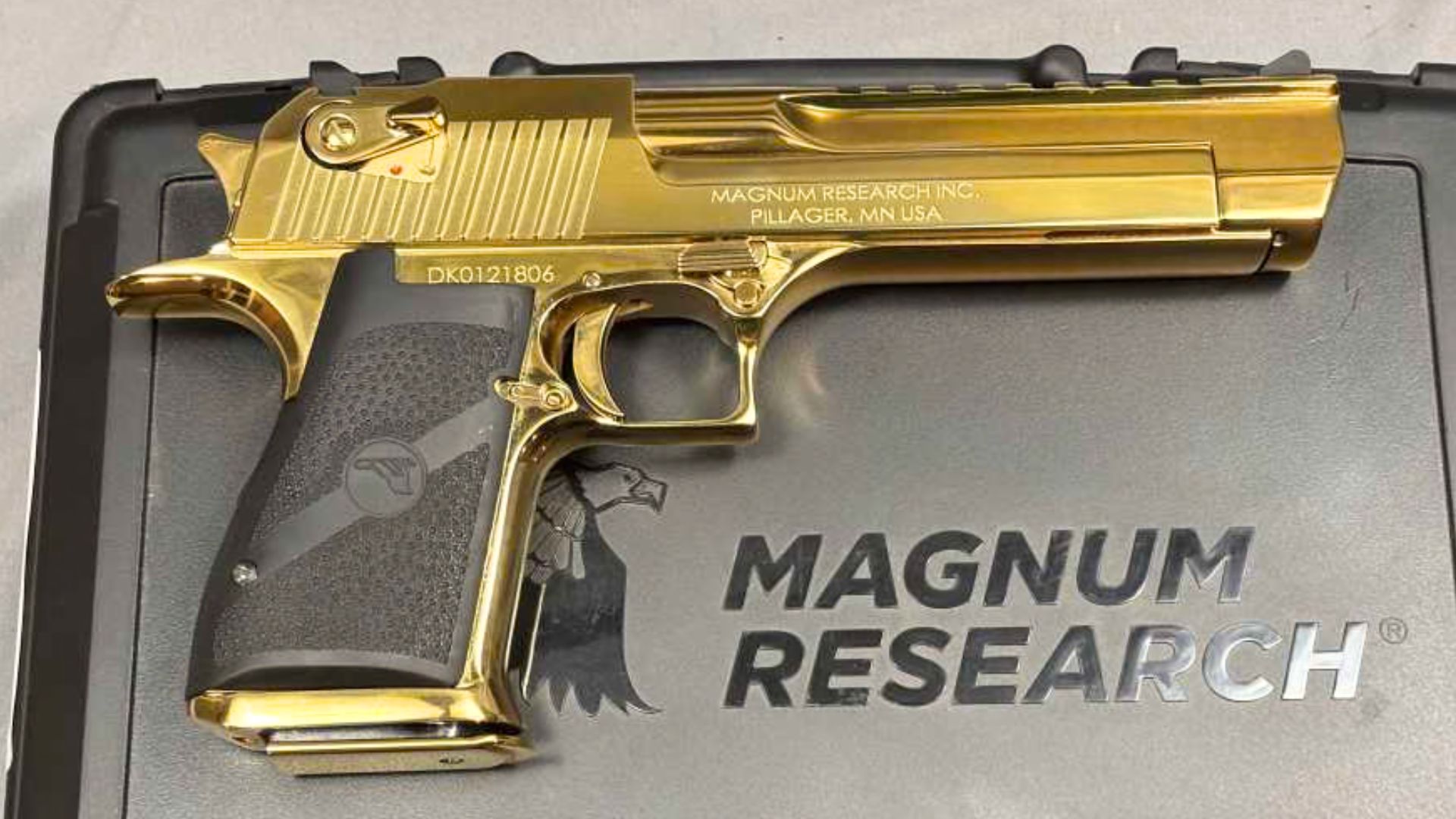
The Desert Eagle is a range showstopper, but it’s not built for sustained magnum pounding without some attention. That huge slide and gas system take a beating, and after a few boxes of full-power ammo, wear starts to show.
Recoil loosens the slide fit, and the gas rings and recoil springs can degrade quickly. Accuracy drops, and the gun starts to feel sluggish returning to battery. It’s fun to shoot and definitely has power, but if you don’t clean it often and replace parts on schedule, it’ll start rattling like a used pickup on a logging road.
Like The Avid Outdoorsman’s content? Be sure to follow us.
Here’s more from us:
The worst deer rifles money can buy
Sidearms That Belong in the Safe — Not Your Belt
*This article was developed with AI-powered tools and has been carefully reviewed by our editors.