Photo credit: The Longgunner/YouTube
You’ve probably been there—first few shots land where they’re supposed to, but as the barrel heats, your group starts drifting like a slow-moving tide. You adjust your rest, double-check your breathing, maybe even swap ammo, but the truth is the rifle itself is changing under heat. Barrel harmonics, bedding issues, thin profiles—they all play a role. Some rifles just don’t hold up when things get warm, and it’s not something you can fix with a better optic or a different load. If you hunt in hot weather, shoot longer strings, or zero once and expect it to stay, these rifles will leave you scratching your head. You don’t need match-grade performance in the woods, but you need predictable. These rifles don’t offer that once the barrel starts to warm.
Remington 783
On paper, the Remington 783 looks like a budget-friendly way to get into centerfire hunting. And for the first few rounds, it shoots better than you might expect. But after five to six shots, that lightweight sporter barrel heats up and the point of impact starts shifting. It’s subtle at first, but it can stretch groups out fast. You might not notice during sight-in, but it’ll show up when confirming zero or shooting multiple targets. This isn’t a knock on the whole rifle—it’s serviceable for hunting. But if you’re practicing a lot or taking follow-ups at range, this one walks enough to matter. You’ll spend more time second-guessing than shooting.
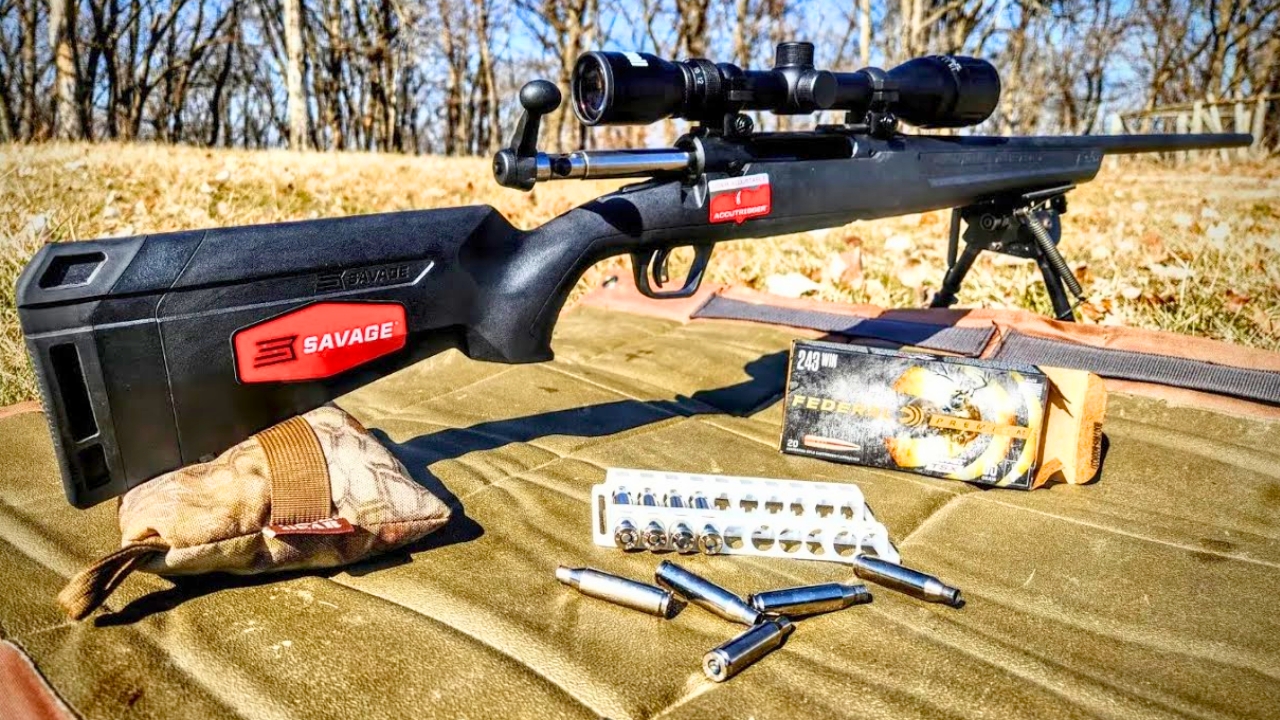
Savage Axis II

The Savage Axis II is popular because it’s cheap and usually shoots well enough out of the box. But that pencil-thin barrel can’t hide what it is for long. After a few quick shots, especially in warm conditions, you’ll start seeing vertical stringing and even lateral drift. For slow hunting scenarios, it’ll do the job, but it’s not built for sustained shooting. If you’re checking drop at multiple distances, or doing a little practice on steel past 200, things get frustrating fast. The action and trigger are better than you’d expect, but the heat management is where this rifle falls short. It’s not built for long sessions, and it shows.
Ruger American Predator
You might be surprised to see this one here, but the Predator version of the Ruger American—while more accurate than the standard model—can still struggle with thermal consistency. The barrel is heavier than the base American, sure, but it’s not a true varmint or target profile. After a few shots, particularly with hotter loads, you’ll sometimes see a noticeable drift in group placement. It’s not always dramatic, but it’s enough to miss a vital zone at longer distances. If you give it time to cool, it’ll return to zero, but that’s not always an option in the field. For the money, it’s still a strong performer—just not immune to walking shots.
Mossberg Patriot

The Mossberg Patriot has a decent reputation among budget hunters, and it offers a nice range of calibers. But most versions come with a light contour barrel that just doesn’t handle heat well. Especially in magnum chamberings, this thing starts walking after a string of three to four shots. You’ll start seeing a shift in group shape, usually opening up vertically. On the bench it’s manageable, but in field conditions where you’re verifying holdovers or taking a second shot, it can get frustrating. The rifle’s light weight makes it nice to carry, but there’s a tradeoff in barrel stability when temps climb.
Winchester XPR
The Winchester XPR offers a lot of features for the money, including a solid action and decent trigger. But its barrel, especially on the standard models, is prone to thermal wandering. If you’re taking one or two cold shots like a typical hunter, you’ll never notice. But stretch it out, especially on warm days or during repeated sight-in work, and your groups will start shifting. It’s not a disaster, but it’s enough to make you question your scope or ammo when the problem’s really the barrel heating unevenly. It’s a great walking rifle, but it’s not a fan of being run hard.
Thompson/Center Compass

This rifle always promised more than it delivered. It came in at a competitive price and claimed sub-MOA accuracy. And with the right ammo, it can shoot tight groups—until the barrel gets warm. Then things start spreading out and shifting, making it hard to trust at distance. The lightweight, thin barrel combined with inconsistent bedding doesn’t help. Once the heat sets in, your zero moves around, and the Compass turns into a guessing game. For casual range trips or slow-paced hunting, it’s okay. But if you’re putting in range time or taking fast follow-up shots, this one’s going to test your patience.
Remington 770
The Remington 770 has a well-earned reputation as one of the most forgettable rifles ever produced. Accuracy was always hit or miss, even cold. But once the barrel starts to heat up, the groups really start wandering. You’ll see horizontal drift, vertical stringing—sometimes both. The flimsy stock and poor barrel-to-action fit only make it worse. This rifle doesn’t just walk—it limps after the third shot. If you’re running drills, verifying dope, or just trying to keep a 1.5-inch group at 100 yards after the fifth shot, good luck. This is one rifle where heat exposes every flaw it already had to begin with.
Like The Avid Outdoorsman’s content? Be sure to follow us.
Here’s more from us:
The worst deer rifles money can buy
Sidearms That Belong in the Safe — Not Your Belt
*This article was developed with AI-powered tools and has been carefully reviewed by our editors.