Photo credit: TFB TV/YouTube
When you spend enough time shooting in the real world conditions, you learn quickly which pistols hold up and which ones crumble the second conditions stretch beyond a clean indoor bay. Dust, sweat, cold weather, cheap ammo, and long training sessions expose design shortcuts that never show up in glossy marketing.
Some models struggle with fouling, some hate being run dirty, and others choke the moment you switch from premium ammo to whatever’s on sale. These pistols might seem fine at first, but under pressure and real field use, their weak spots become obvious fast.
Kimber Micro 9

The Kimber Micro 9 looks good on paper, but real-world conditions expose its sensitivity. Many shooters find it starts struggling once you introduce pocket lint, dry conditions, or anything but premium ammunition. The small slide and tight tolerances make it prone to sluggish cycling when it isn’t perfectly clean and lubricated.
In cold weather or extended range sessions, the Micro 9’s reliability becomes inconsistent. Some shooters report frequent failures to feed or return to battery after the gun gets warm or dirty. If you need a pistol that keeps running in imperfect conditions, the Micro 9 isn’t the safest bet.
Taurus PT111 G2 (early production)

While later Taurus models improved significantly, many early PT111 G2 pistols developed reliability hiccups in real-world use. Dirt, sweat, or even mild fouling often caused light strikes and sluggish feeding. The triggers on early guns were also inconsistent, which only added to the uneven performance.
Shooters who trained regularly found the pistol had trouble keeping up with longer sessions. Limp-wristing issues, inconsistent magazine springs, and occasional extraction failures showed up the moment the gun wasn’t perfectly maintained. It’s a pistol that works fine in ideal conditions but becomes unpredictable when pushed.
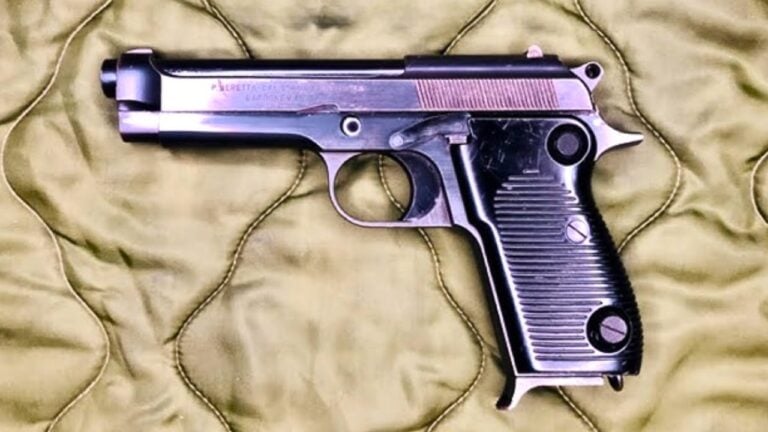
Remington R51

The R51 is known for struggling once you step outside ideal testing conditions. The hesitation-lock system sounds clever, but in the field it often leads to feed issues and failures to chamber when the gun heats up or gets even slightly dirty.
Real-world shooters reported the gun becoming erratic in dusty or humid conditions, and the slide’s movement can feel sluggish under fouling. Even magazines have been a reliability point. While improved versions helped, the R51 still has a reputation for faltering anywhere outside a clean bench.
SIG Sauer P238 (with weak magazine springs)

The P238 is a solid design when everything is in perfect shape, but real-world reliability often depends on magazine spring condition. Many owners experience nose-dives, misfeeds, and inconsistent lockback once the springs weaken, especially after long-term carry.
In cold weather, the tiny gun can also struggle with sluggish cycling, particularly with lower-power ammo. Sweat and pocket debris add more variables. It’s a pistol that can run well, but only if you stay on top of maintenance—something real-world carry doesn’t always allow.
KelTec PF9

The PF9 is known for being extremely lightweight, and that comes at the cost of real-world reliability. Under rapid fire, many shooters experience failures to extract or feed, especially once the gun gets warm or dirty. The short slide travel doesn’t leave much room for error.
Even moderate fouling can cause noticeable performance drops, and the gun’s recoil impulse makes limp-wrist-induced malfunctions more common. The PF9 can function well enough for occasional use, but it’s far from dependable in harsh, extended, or unpredictable conditions.
Springfield 911

Although well-built, the Springfield 911 tends to be sensitive to ammo and lubrication. Many real-world users report inconsistent feeding once the gun gets dusty or sweaty, especially during pocket carry. Like many micro-1911-style pistols, tight tolerances mean any fouling throws off performance.
During long sessions, the slide can become sluggish, and some shooters notice failures to return to battery with weaker ammunition. It’s a comfortable gun to carry, but it requires more attention than many people realistically give a daily carry pistol.
Smith & Wesson Bodyguard .380 (early production)

The early Bodyguard .380 models struggled with real-world reliability once exposed to dirt, lint, or inconsistent ammo. The small slide and tight spring tension sometimes caused failures to feed after extended carry or heavy use. The built-in laser modules on early guns also added variables.
Shooters who practiced regularly saw more malfunctions than ideal, especially during rapid fire. Cold weather and sweaty conditions increased the chances of light strikes or sluggish cycling. Newer versions improved, but the early Bodyguard remains known for faltering under real-world stress.
Ruger LC9 (pre-Pro models)
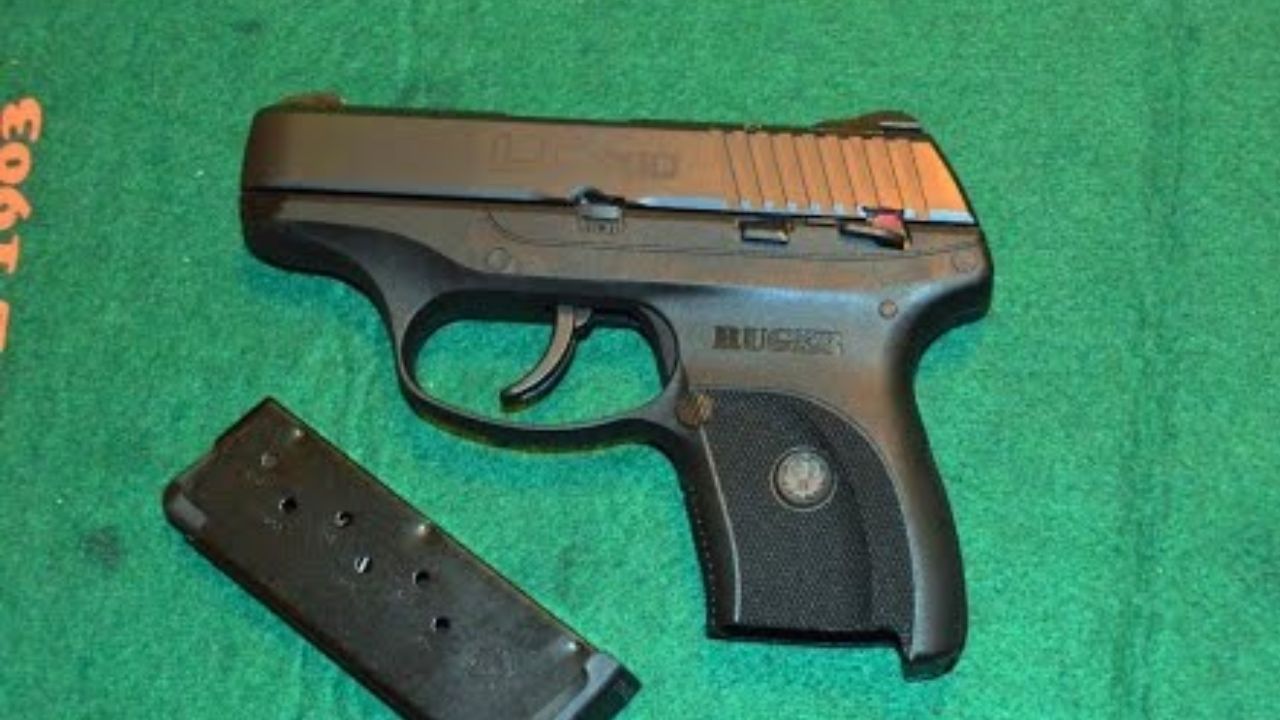
The original LC9 is reliable under ideal conditions, but many shooters found it started struggling with real-world debris, lint, and extended shooting sessions. The long, heavy trigger pull contributed to inconsistent cycling when grip tension changed under stress.
Fouling also affects the LC9 more than other pistols in its class. Once it gets dirty, misfeeds and failures to eject become more common. Ruger improved a lot of these issues in later Pro models, but the first-generation LC9 still has a reputation for being finicky outside controlled environments.
Kimber Solo

The Kimber Solo is notorious for requiring specific ammunition to function reliably. In the real world—where you may run whatever 9mm you can find—that limitation becomes a major issue. Practice ammo often causes failures to feed or return to battery.
The pistol is extremely sensitive to fouling and lubrication, struggling even after short range sessions. When exposed to dust, humidity, or cold temperatures, the Solo’s performance drops further. It’s a gun that works only under strict conditions most shooters can’t consistently maintain.
SCCY CPX-1 (older runs)

Older CPX-1 models had real-world reliability issues tied to extractor tension, magazine feed lips, and inconsistent spring quality. While not every pistol suffered, enough did that the model earned a reputation for choking when exposed to dust or extended firing.
Shooters frequently noted failures to feed and failures to eject during long practice sessions. The safety design on early versions also caused inadvertent engagement during recoil. Later improvements helped, but early CPX-1 pistols aren’t built to thrive in tougher environments.
Beretta Pico

The Pico is well-made, but its ultra-small slide and strong springs mean real-world conditions affect it quickly. Lint, dry conditions, or lower-powered ammunition can cause sluggish cycling or failures to feed.
When the gun warms up from longer strings, some shooters see failures to return to battery. The pistol performs best with premium ammunition and frequent cleaning—which isn’t always realistic for daily carry. Under dirty or cold conditions, the Pico becomes unreliable fast.
Kahr CW380

The CW380 can run well, but only when it’s kept clean and well-lubricated. Real-world carry introduces lint and pocket debris that often lead to failures to feed or eject. The gun’s small slide mass leaves little margin for imperfect conditions.
Extended shooting sessions reveal its sensitivity to heat and fouling. Light ammunition also causes cycling problems. For a pistol meant for deep concealment, it demands more maintenance than many shooters want to manage.
Remington RP9
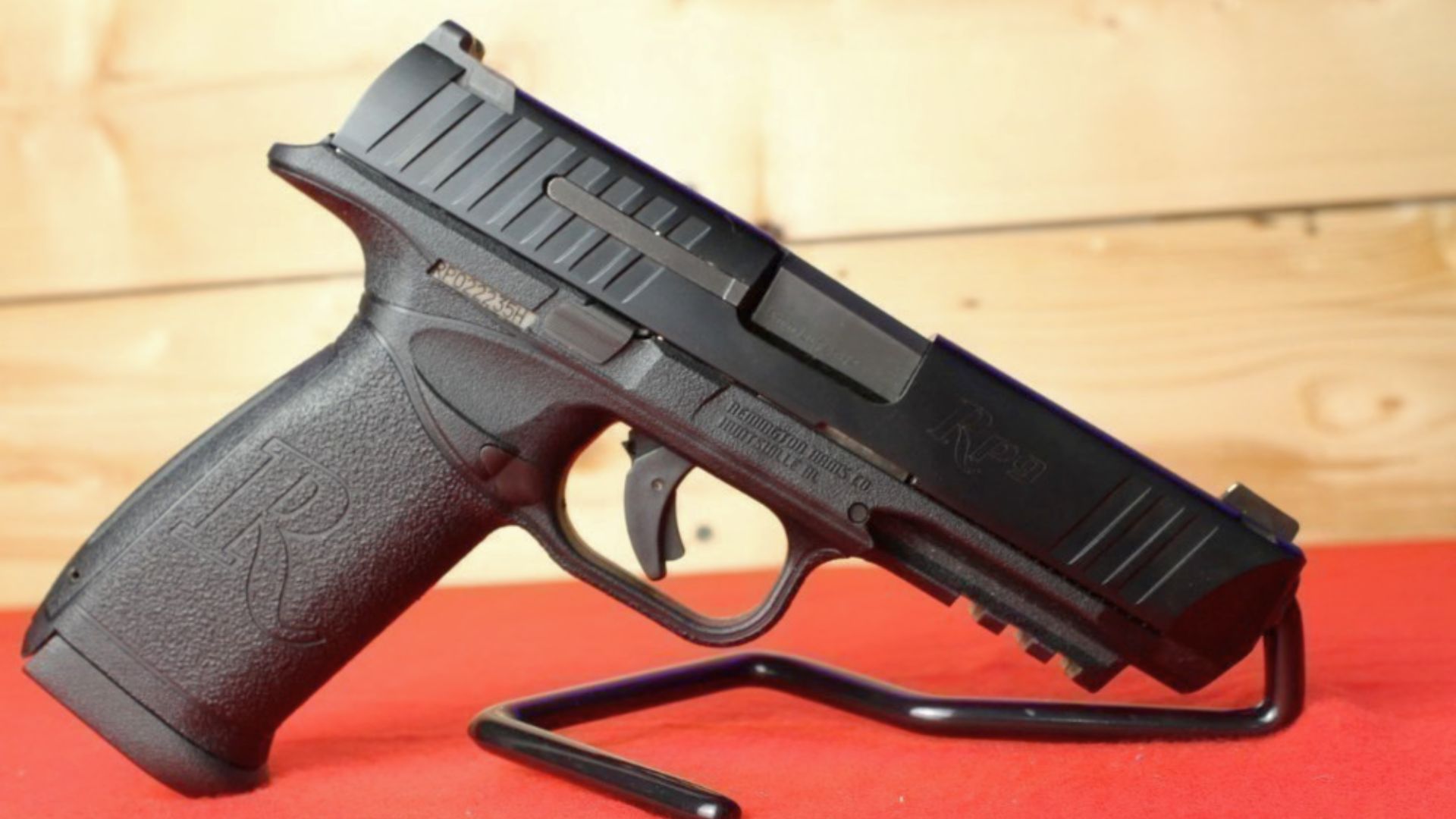
The RP9’s full-size frame gives you the impression it should handle anything. But many shooters found that real-world fouling, cold weather, and weak ammo caused failures to feed and inconsistent extraction. Differences between magazines made reliability even more unpredictable.
In long training sessions, the gun often struggled once it warmed up. Dust, sweat, and lower-quality ammunition exposed cycling inconsistencies. The RP9 had potential on paper but didn’t deliver in rougher conditions.
Taurus Spectrum
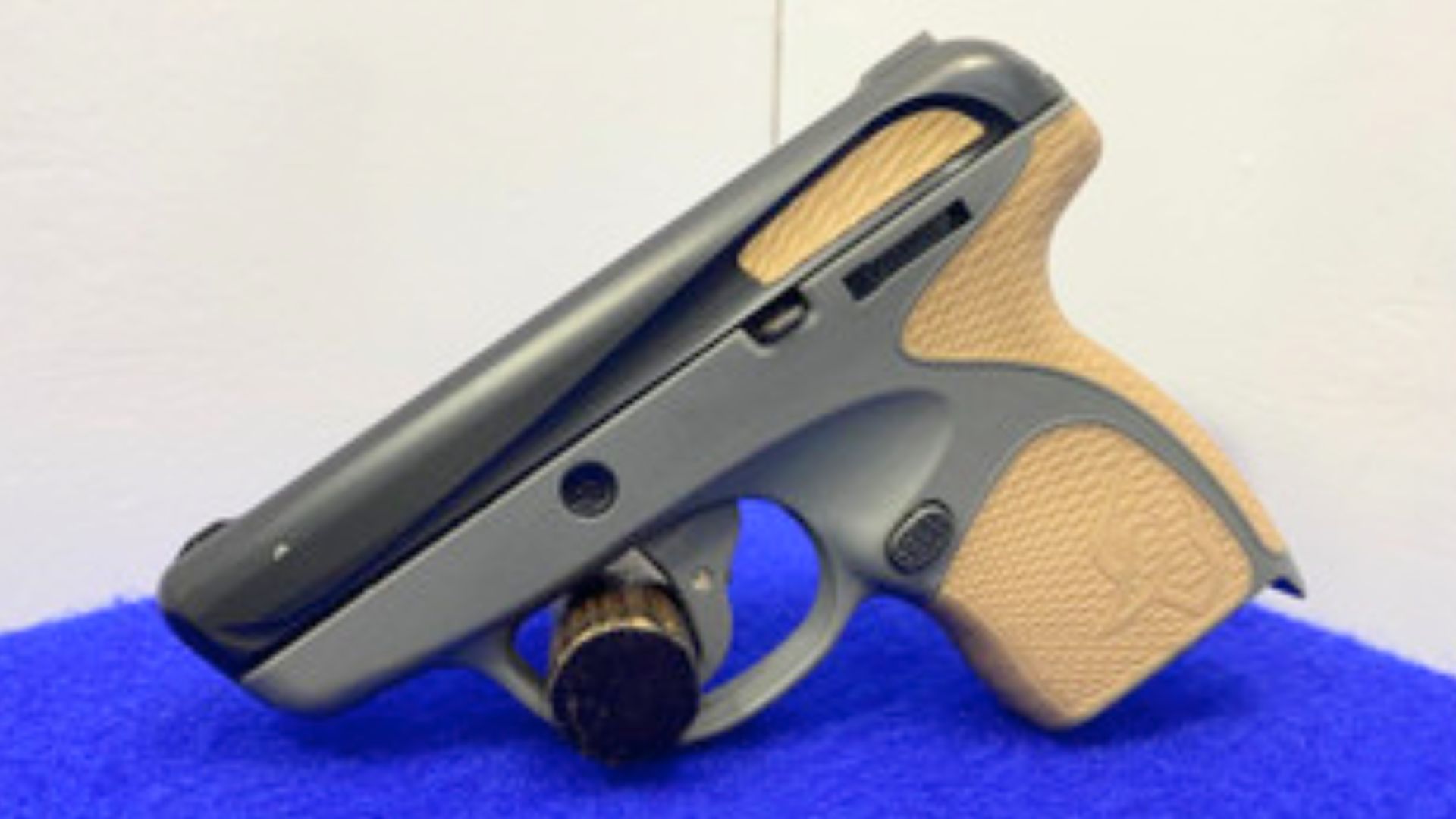
The Taurus Spectrum was marketed as a soft-shooting .380, but real-world reliability turned out to be inconsistent. Dirt or lint from pocket carry often caused feeding issues, and some owners reported light primer strikes not tied to ammo quality.
Under heat or extended use, the pistol sometimes exhibited sluggish cycling. Even magazine variations caused noticeable changes in reliability. It’s a gun that performs well only in controlled environments—something daily carry rarely offers.
Honor Defense Honor Guard (early production)
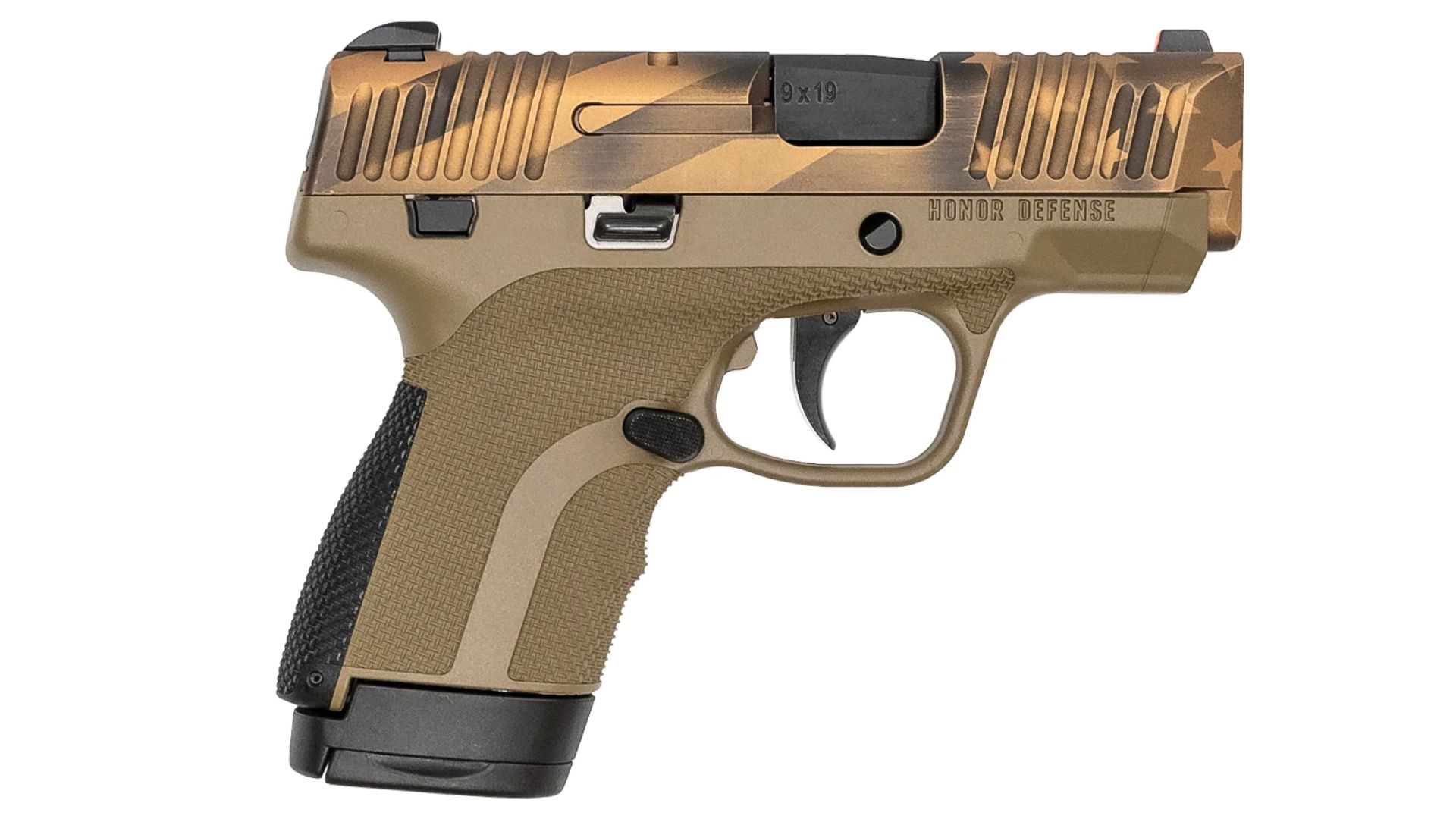
The Honor Guard had notable early reliability issues tied to debris sensitivity and inconsistent extraction. Dust and fouling caused the slide to slow just enough to interrupt the cycle, leading to failures to feed or eject.
Shooters who trained heavily found performance dropped once the gun heated up or became dirty. While updated models improved, early versions earned a reputation for faltering under real-world conditions where dirt, sweat, and inconsistent ammo are part of the equation.
Like The Avid Outdoorsman’s content? Subscribe to our newsletter so you never miss an article.
Here’s more from us: