Photo credit: Stenko Vlad/ShutterStock.com
Some calibers work beautifully from a treestand because the shots are close, angles are controlled, and deer aren’t usually far from your lane. But the moment you stretch them past that comfortable yardage, the performance falls apart. Velocity drops fast, bullets lose steam, and accuracy can drift enough to turn a clean hit into a tracking job you never wanted.
You see these calibers show up in camps every season because they’re familiar or nostalgic, but familiarity doesn’t change physics. When you step beyond those tight woods or that 40-yard window, these rounds stop giving you the kind of consistency you need for ethical shots.
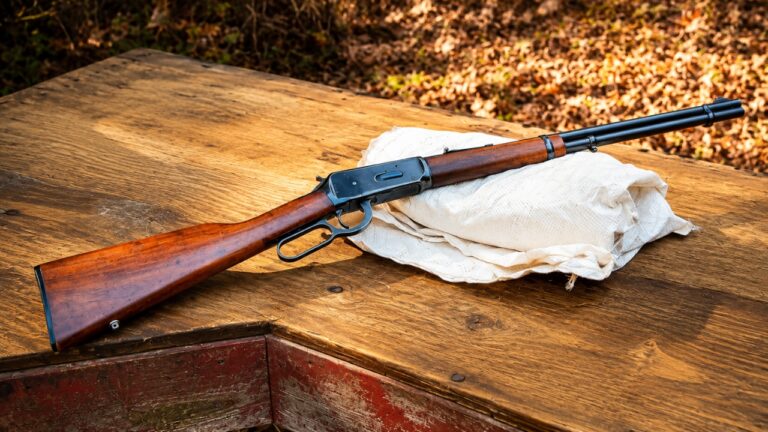
.30-30 Winchester with basic soft points

The .30-30 is a woods legend, and it still works well in tight cover. But when you push standard soft points beyond the treestand, the drop becomes obvious, and velocity falls off fast. You can make hits at longer distances, but the margin for error narrows quickly, especially with older flat-nose designs that bleed speed.
Inside 75 yards it will always be dependable, but once you leave the timber, you’re working against limitations that haven’t changed in 125 years. It’s a great round for short work, but it’s never been a confident performer when the woods open up.
.35 Remington

The .35 Remington is a thumper at close range, but its trajectory turns into a rainbow past typical treestand distances. It holds energy at short ranges, yet the slow velocity and heavy bullets create serious drop once you reach more open country.
Most deer hit inside bow-range equivalent distances fall quickly, but trying to stretch this round introduces too much guesswork. It’s reliable in thick brush and tight shooting lanes, but stepping out into a field with a .35 Rem means you’re forcing it into a job it was never built for.
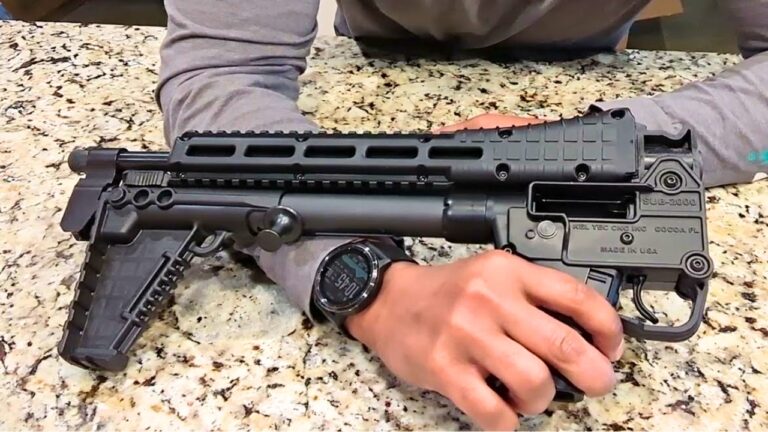
.44 Magnum (from carbines)
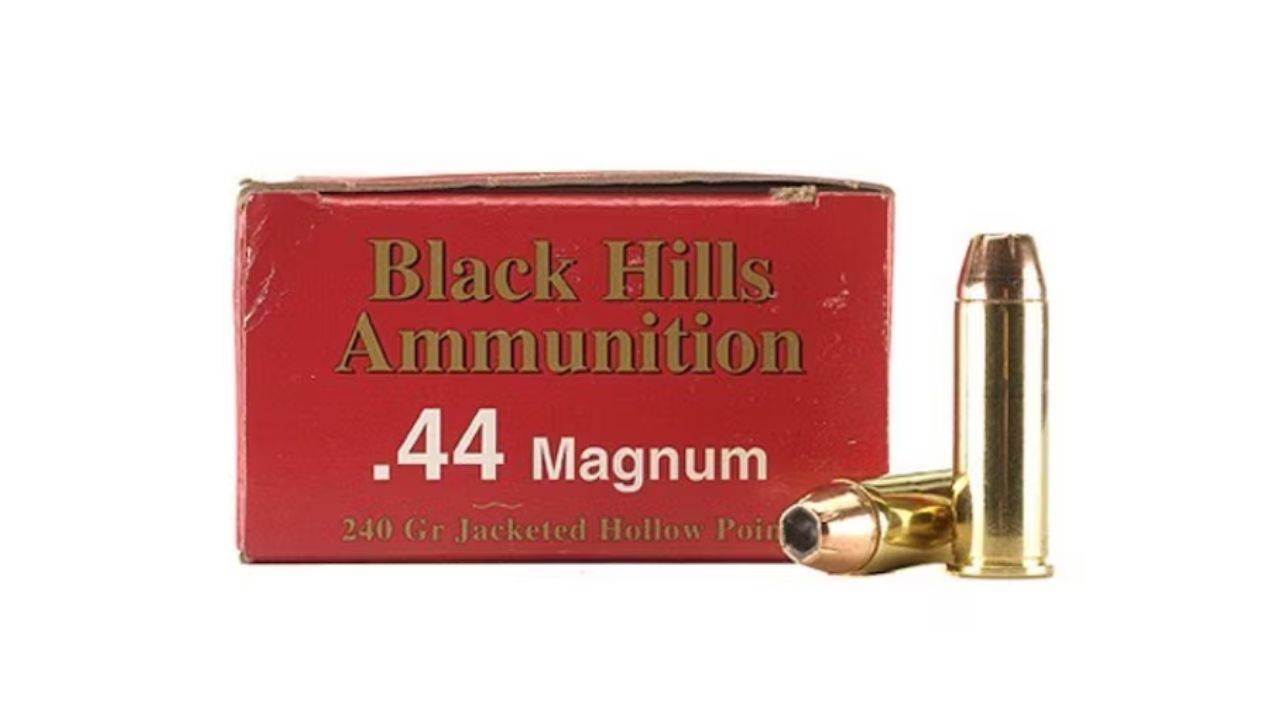
A .44 Magnum carbine is a handy deer rifle in heavy timber. You get quick handling, good energy at short range, and easy shots inside 60 yards. But the round loses velocity so quickly that it becomes unpredictable as soon as the shot reaches the far side of a typical treestand setup.
Bullet drop and wind drift grow fast past that point, and many loads don’t expand well at longer ranges. You can make it work if you know your limits, but it’s not a caliber suited for open hardwood ridges or late-season cuts where distances stretch farther.
.357 Magnum (from carbines)
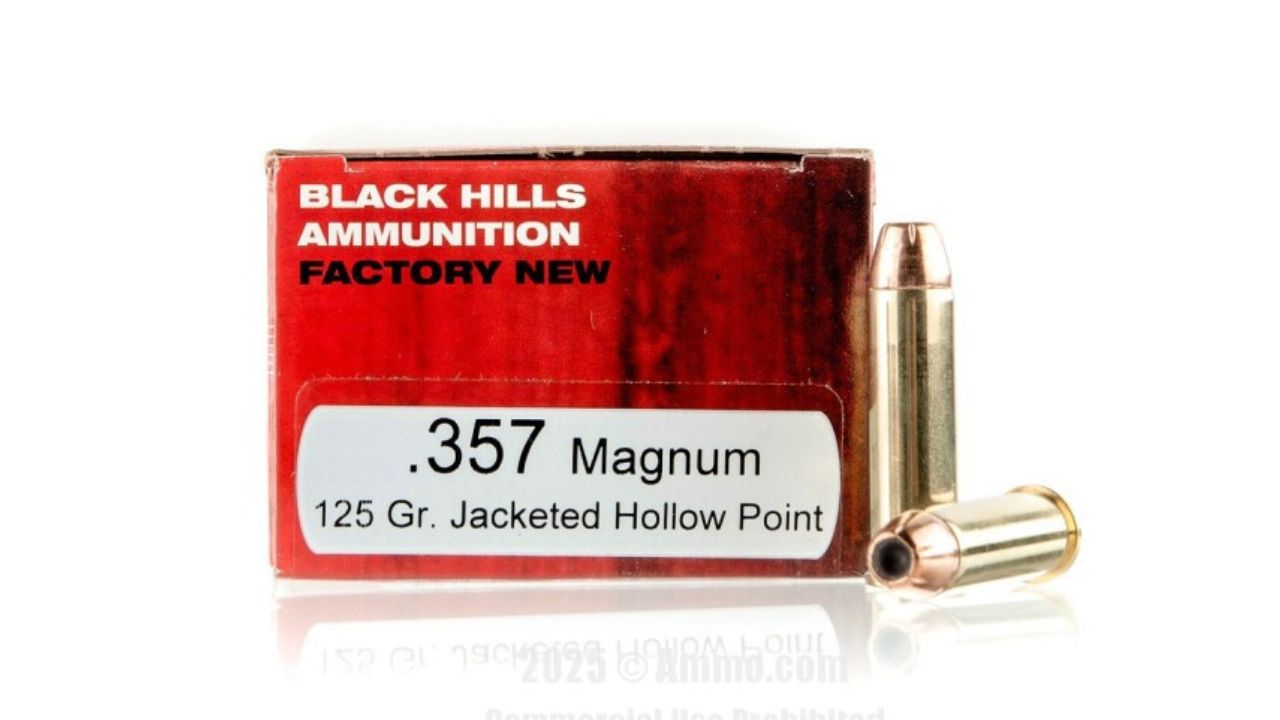
The .357 Magnum has its place for calm, controlled shots in tight spaces. It’s surprisingly effective at close range from a carbine barrel, but the performance fades fast as distance grows. Energy drops sharply past 75 yards, and many bullets are built for handguns, not longer-range expansion.
When you’re sitting in a treestand tucked into thick timber, it does exactly what you need. But once you step into situations where the deer might be farther than expected, the cartridge’s limitations show quickly. It’s great for woods work—not for open cover.
.450 Bushmaster with lightweight bullets

The .450 Bushmaster is powerful, but lightweight loads fall behind when distance increases. These bullets can shed velocity quickly, and drop becomes dramatic once you move past the short-range window it shines in.
Inside a treestand’s typical range, it hits hard and performs well. However, when you take it beyond that bubble, the bullet’s shape and velocity limits create challenges. Hunters often overestimate what this round can do at range because of its size. It’s best kept to the close shots it was made for.
.45-70 Government with traditional loads

The .45-70 remains a classic, but old-school loads aren’t built for anything beyond close work. They’re slow, they arc heavily, and expansion can be hit-or-miss at distance. Modern loads improve things, but traditional ammo still dominates many shelves.
From a treestand, it’s devastating. Past that, it becomes unpredictable unless you’re deeply familiar with its trajectory. Most hunters using this caliber are doing so in thick timber anyway, and that’s the environment where it truly shines.
.30 Carbine

The .30 Carbine sits on the edge of what’s acceptable for deer at close range. From a treestand inside bow-style distances, it works when placed correctly. But beyond that short window, the lack of energy and the lightweight bullet design fall short quickly.
Wind, drop, and poor terminal performance at range make it unreliable for anything beyond tight woods. It’s historically interesting but realistically limited. It belongs in the close-range category and stays there.
7.62×39 (with cheap soft points)
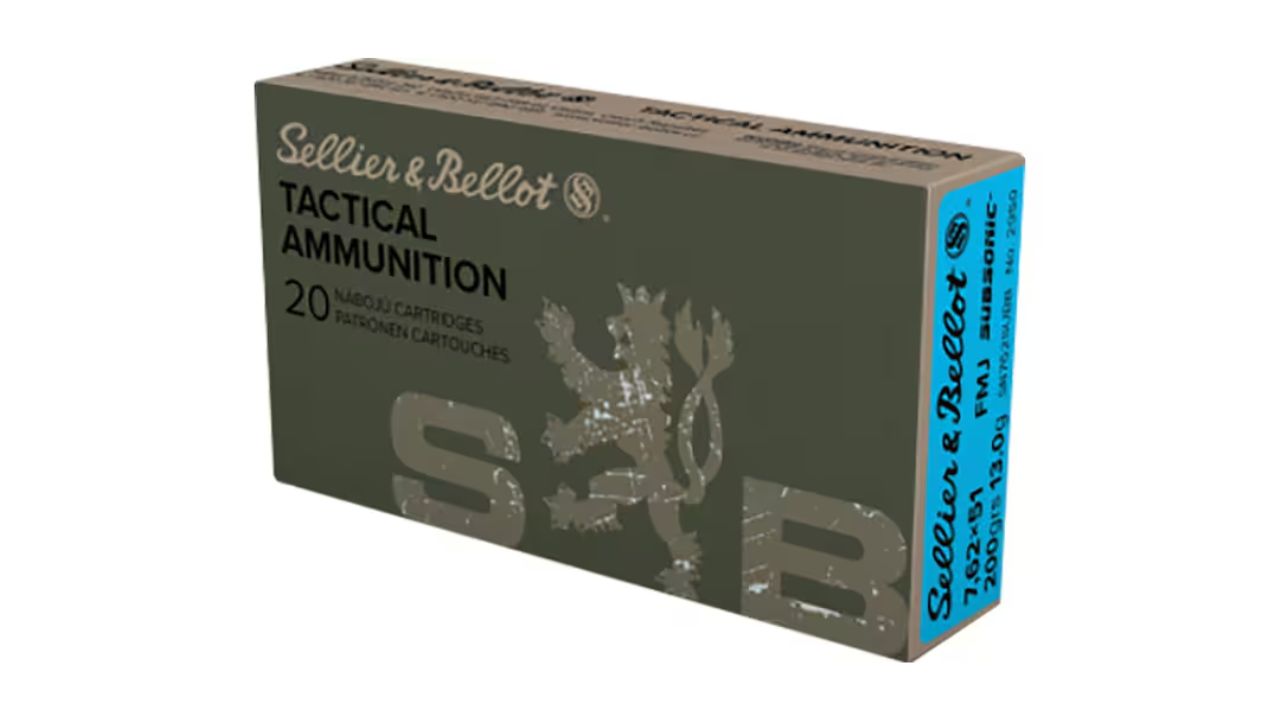
The 7.62×39 can take deer cleanly at short ranges with good ammo, but many hunters rely on cheap soft points that don’t hold up well as distance increases. They often fail to expand consistently at lower velocities, and accuracy varies widely across rifles.
Inside a treestand lane, it usually does what you need. Step into open timber or fields, and the limitations stack up quickly. Good ammo helps, but even then it’s not a round you stretch far.
.410 slugs
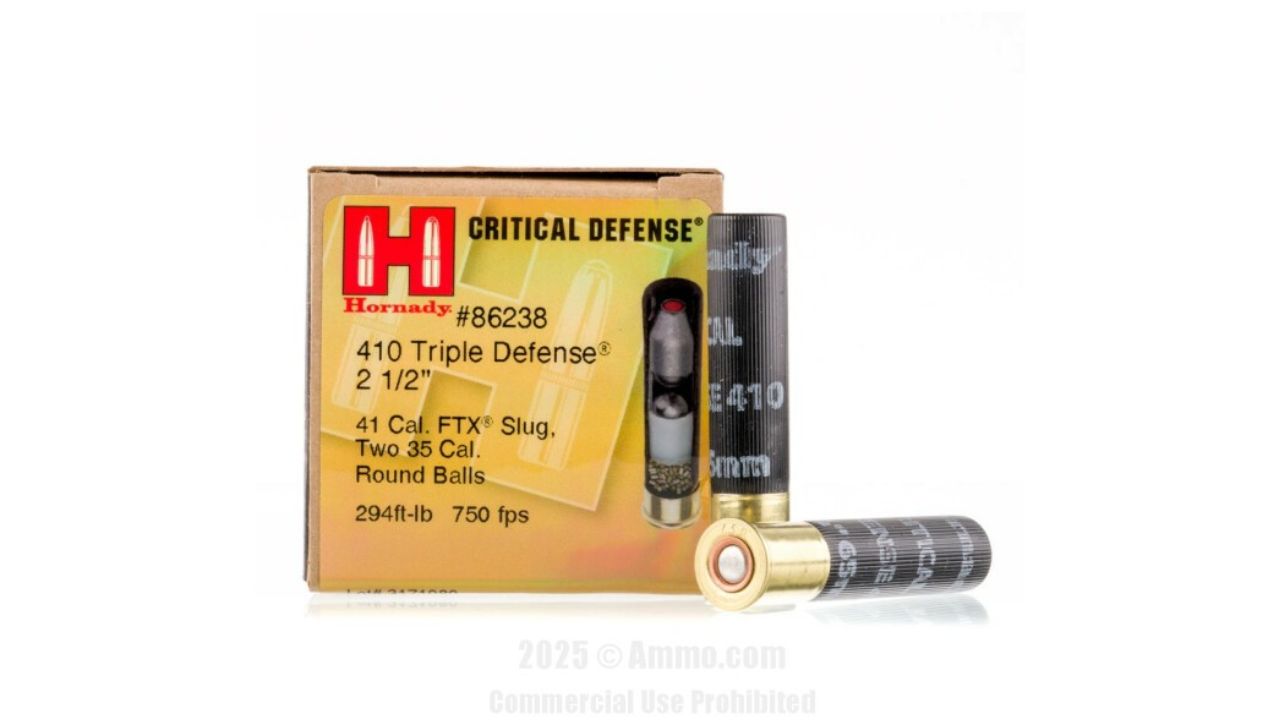
A .410 slug will take a deer, but only when everything lines up perfectly and the distance is extremely close. Energy is minimal, and accuracy can be inconsistent beyond short treestand ranges.
Once you step outside that tight window, the slug’s shortcomings show immediately. Many hunters underestimate how fast it loses steam. It’s best kept to the tightest of scenarios, not anything resembling open woods.
.300 Blackout (subsonics)
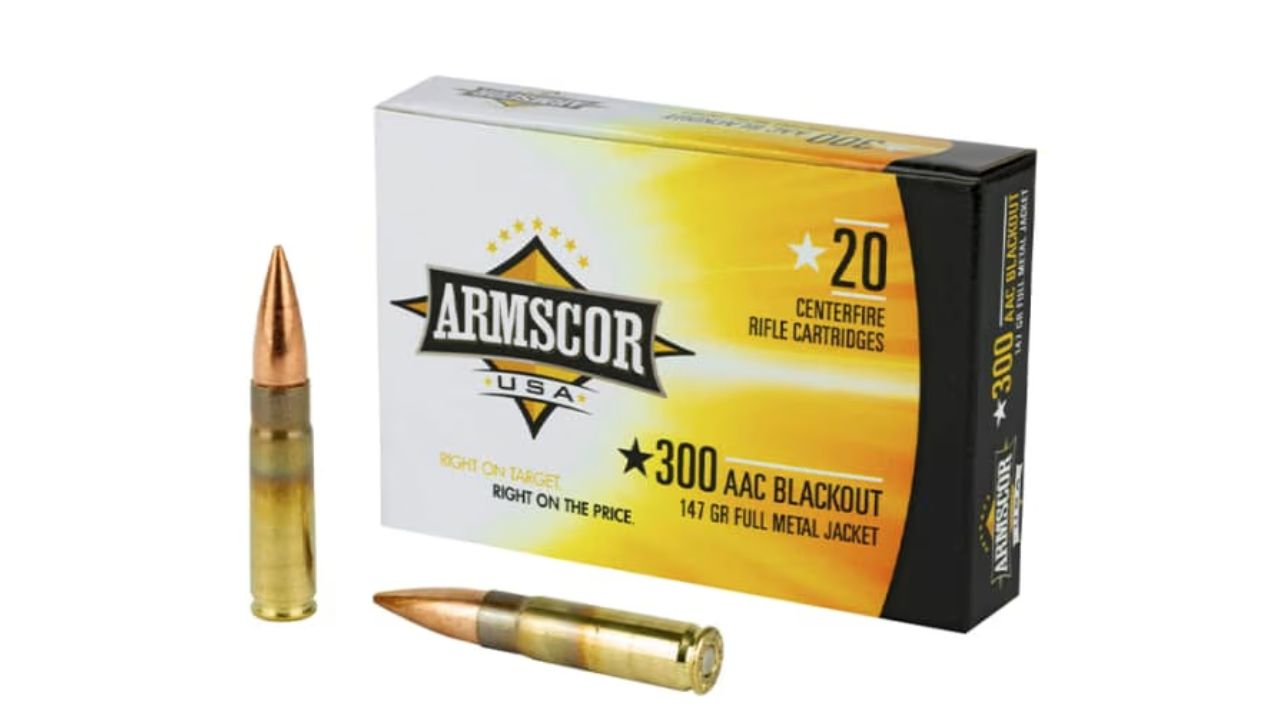
Subsonic .300 Blackout loads have a place, but taking them into open country isn’t one of them. They’re quiet and accurate at short range, but they carry limited energy and drop like a stone.
From an elevated stand in thick cover, they work well with the right bullet. But once you leave that comfort zone, the round becomes too specialized. It’s built for niche conditions, not long-range deer hunting.
.22 Hornet
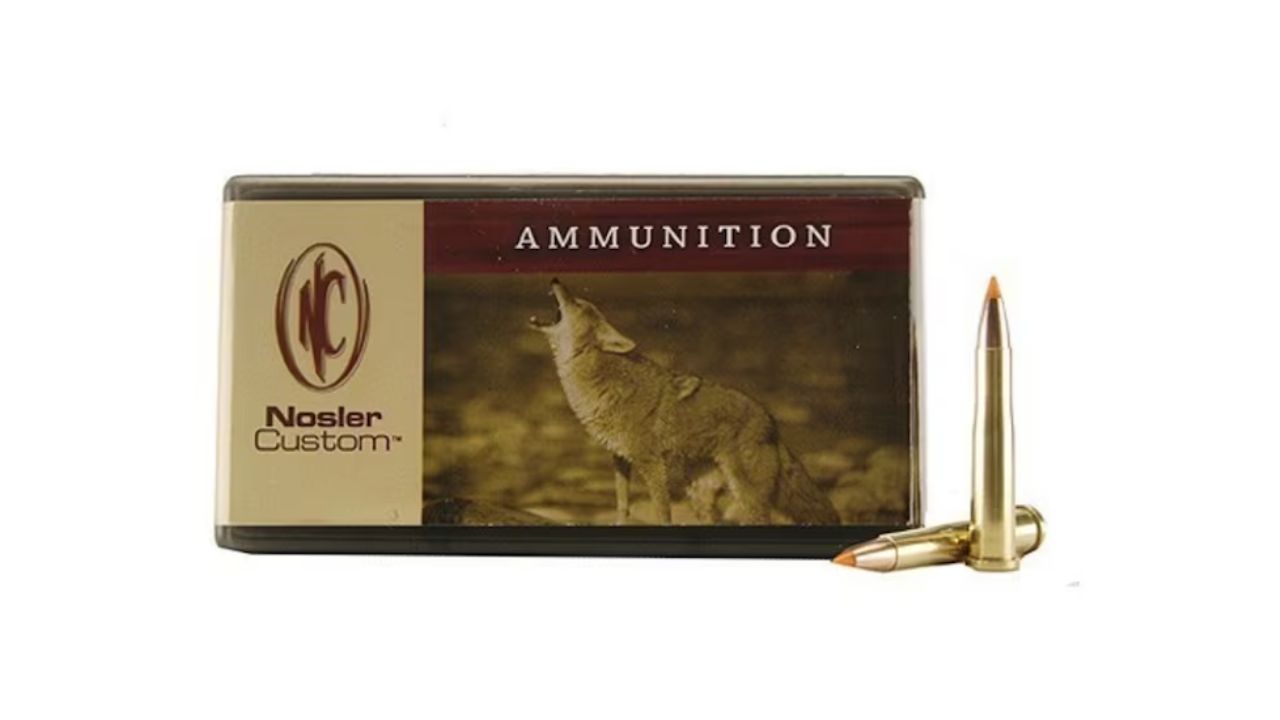
The .22 Hornet can work with perfect placement at close range, but its velocity drops quickly, and expansion can be unpredictable at distance. It’s a rimfire-adjacent centerfire round that doesn’t give you much margin for error once shots stretch out.
In a treestand over tight lanes, it can be managed by an experienced shooter. Beyond that, it’s simply too limited. Ethical kills become harder to guarantee.
.45 Colt (from rifles)

Rifle-length .45 Colt loads step up performance, but not enough to push them into longer-range hunting. They’re excellent inside 50–75 yards, but their velocity curve falls hard beyond that.
Accuracy varies depending on the rifle, and bullets often aren’t designed for extended-range expansion. It’s another caliber that stays effective only within the treestand’s natural limits.
.44 Special (from carbines)

A .44 Special carbine is pleasant to shoot, but the slower velocities hold it back for anything beyond short-range shots. Energy drops fast, and wind drift becomes a real concern even in light breezes.
For extremely close encounters, it’s workable. But it’s not a round to choose for situations where deer may appear across open timber or field edges. Its role begins and ends inside the woods.
.32 Winchester Special

The .32 Winchester Special is charming and nostalgic, but it has uneven bullet performance across different ammo makers. Past 100 yards, the drop becomes dramatic, and accuracy can vary widely depending on the rifle’s bore condition.
In a treestand with tight lanes, it’s serviceable. Outside that environment, you’re guessing more than you should be. It remains a short-range caliber through and through.
.223 Remington with varmint bullets

The .223 can be deadly on deer with the right bullets, but many hunters still use varmint loads that explode rather than penetrate. Those bullets fall apart quickly at lower velocities and don’t perform well past close treestand ranges.
With proper projectiles, the .223 becomes far more capable. But with the wrong ones—which are still common on shelves—it belongs strictly inside short hunting distances where placement is controlled and predictable.
Like The Avid Outdoorsman’s content? Be sure to follow us.
Here’s more from us: