Photo credit: Savage Arms
Some guns look great on paper or in a store display, but fall apart when you actually put them through real-world use. Maybe they’re too fragile, prone to malfunctions, or they just can’t handle the conditions you hunt or shoot in. The truth is, a gun that fails when it matters most isn’t worth the space it takes up. These are the ones that tend to get benched or sold off after proving they can’t hang in everyday conditions.
Remington R51

When the R51 first hit the market, the hype was big, but real-world shooters found problems fast. The original design suffered from feeding and reliability issues that made it frustrating to run. Some were accurate when they worked, but “when they worked” was the problem.
If you’re looking for a defensive pistol, trust is everything. The R51’s early run proved that good ergonomics can’t make up for mechanical headaches. Even with later revisions, the first impression stuck, and many owners moved on to more dependable options.
Kimber Solo Carry

The Kimber Solo Carry promised high-end build quality in a tiny package, but it had strict ammo requirements. If you didn’t feed it premium defensive loads, it often struggled with cycling. For something meant to be carried daily, that’s a serious drawback.
On the range, you could make it run well with the right ammo, but in the real world, you don’t always have that luxury. Many owners ended up trading it in for pistols that ran reliably on whatever quality ammo they could get their hands on.
Taurus Judge Public Defender Poly

The Judge Public Defender Poly sounds versatile on paper—shooting both .45 Colt and .410 shotshells—but in practice, it’s bulky for what it offers. Accuracy with .45 Colt is limited by the short barrel, and .410 loads from a handgun lack the punch people expect.
It’s a conversation piece more than a practical tool for most situations. In the field, it’s neither a great revolver nor a great shotgun substitute. Once the novelty wore off, many found it didn’t earn a regular spot in their lineup.
Remington 710

The Remington 710 was aimed at budget hunters, but its plastic components and rough action made it feel cheap in the hands. While it could get the job done, it lacked the smoothness and long-term durability most hunters expect from a bolt gun.
The detachable magazine design was also prone to fit issues. For a rifle meant to be your workhorse, it left too much to be desired. Many who bought one as a starter rifle ended up upgrading quickly to something that would last.
FN PS90

The FN PS90 stands out with its futuristic design and 5.7x28mm chambering, but for many shooters, it’s more of a novelty than a practical rifle. Ammo is expensive and not as widely available, and performance in real-world hunting or defensive roles doesn’t always justify the cost.
It’s light and fast-handling, sure, but in the field, its specialized role leaves it sitting in the safe more than being carried. For most, it’s a cool range toy rather than a go-to working gun.
Colt All American 2000

Colt’s attempt at a modern polymer pistol in the ’90s fell flat. The All American 2000 had poor ergonomics, a heavy trigger, and spotty reliability. It was a commercial flop, and for good reason—it simply didn’t stack up to other options at the time.
In the real world, it felt awkward to shoot and never inspired confidence. Most who bought one quickly found themselves moving on to pistols that were more accurate, reliable, and comfortable in the hand.
Kel-Tec PF-9
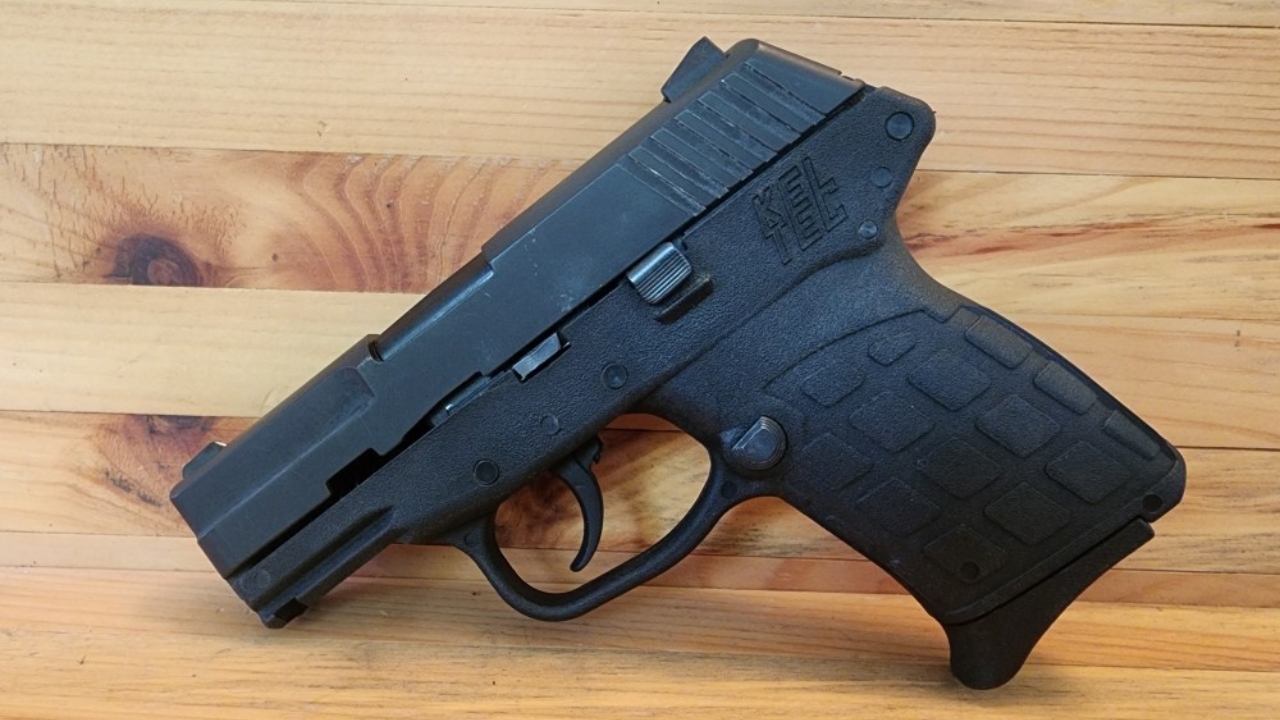
The Kel-Tec PF-9 wins points for being lightweight and compact, but the recoil impulse is snappy enough to turn some shooters off. Combined with a gritty trigger and a tendency to be finicky with ammo, it wasn’t everyone’s first choice for a carry gun.
It could work well with consistent maintenance and the right loads, but many found the experience unpleasant enough to switch to something more shootable. A carry pistol you dread practicing with isn’t going to stay in rotation for long.
Mossberg 715T

The Mossberg 715T looks like a tactical AR, but it’s really a .22 LR dressed up in polymer furniture. While fun for plinking, it has a reputation for inconsistent reliability compared to other .22 rifles, especially with bulk ammo.
In the field, or even during long range sessions, that inconsistency gets old. Plenty of owners eventually moved to more proven .22 platforms that could handle cheap ammo without constant cleaning or adjustment.
Desert Eagle .50 AE
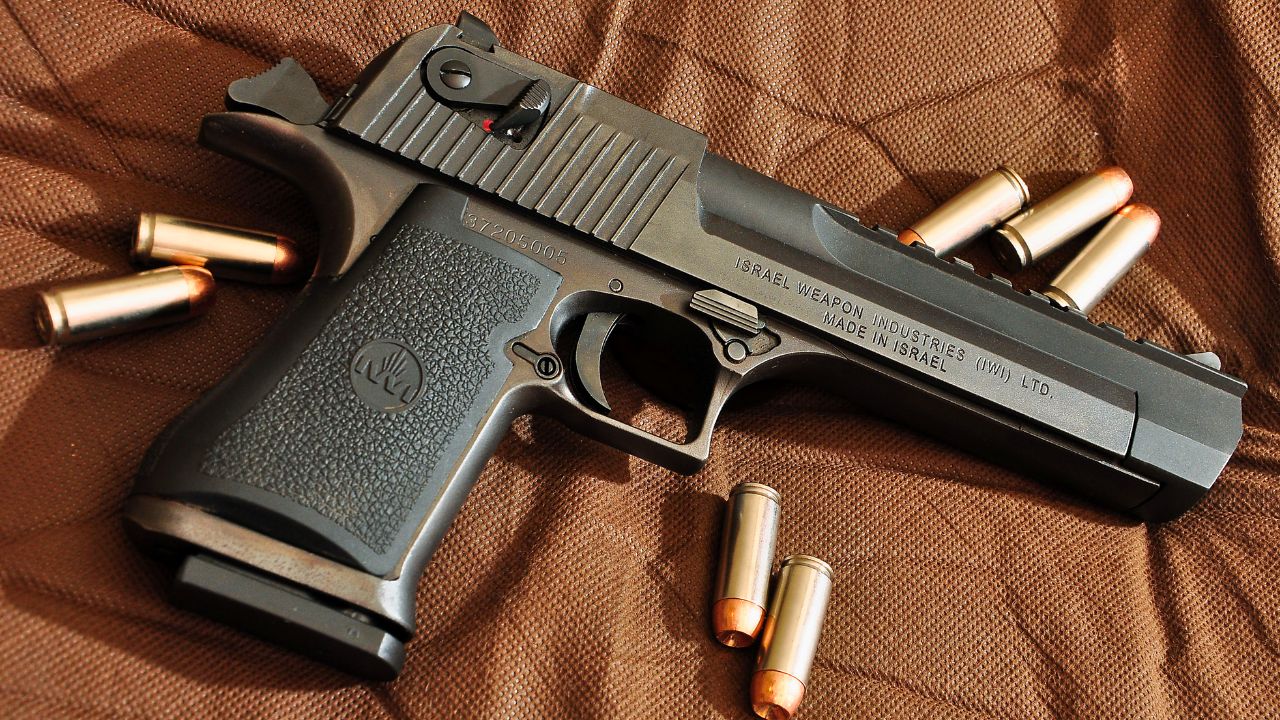
The Desert Eagle .50 AE is a beast on the range and a head-turner, but it’s heavy, expensive to feed, and far from practical for most shooters. It’s fun for the occasional mag dump, but hauling it around in the field is another story.
Recoil isn’t unmanageable, but it’s enough to slow follow-up shots. For most real-world needs—hunting, carry, or competition—it’s overkill. Once the novelty wears off, many find it spends more time in the safe than in a holster.
IWI Tavor SAR
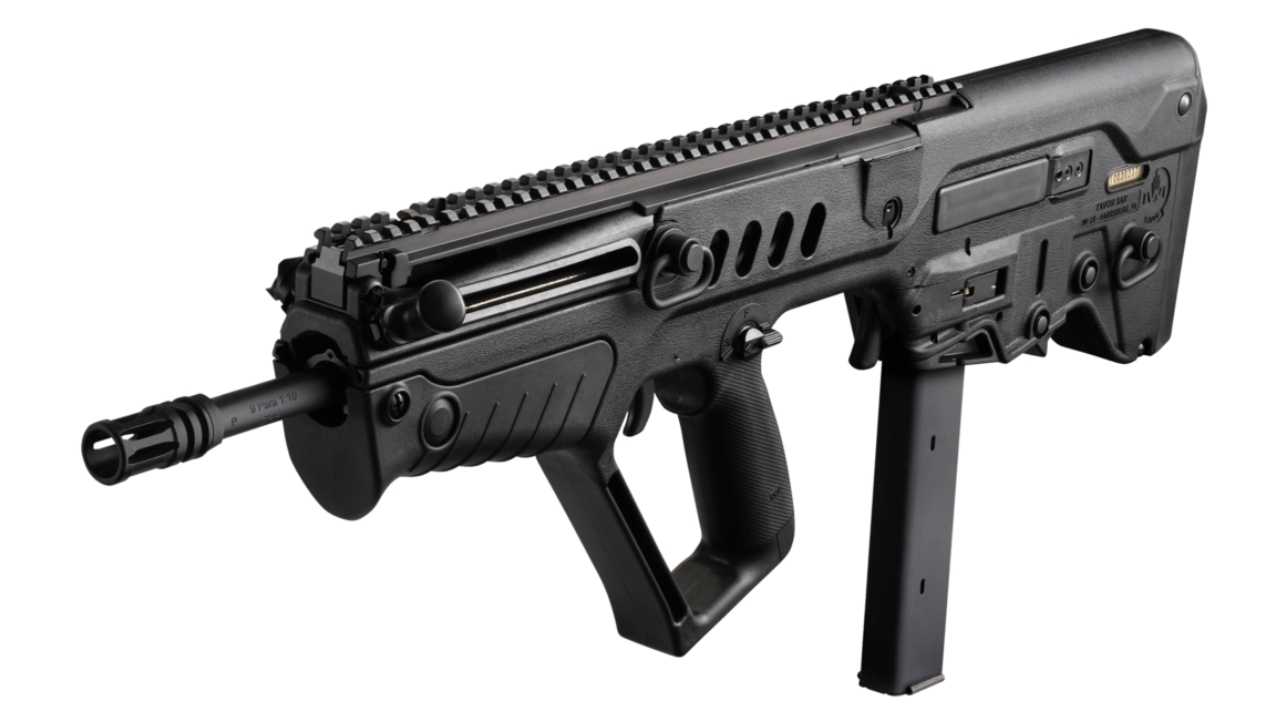
The Tavor SAR has its fans, but some shooters find the heavy trigger, front-heavy balance, and awkward mag changes less than ideal for practical use. It’s durable, but for many, the ergonomics take time to get used to—and some never do.
While it shines in certain environments, in everyday range and hunting conditions, it’s often overshadowed by lighter, more familiar platforms. Plenty of owners have traded it in for rifles that feel more intuitive in the hands.
*This article was developed with AI-powered tools and has been carefully reviewed by our editors.