Photo credit: By Grasyl, CC BY-SA 4.0, via Wikimedia Commons
When the wind picks up, even slightly, some rounds start drifting off target faster than you can adjust your hold. Light, slow-moving bullets are usually the first to suffer, but even some higher-velocity rounds can get pushed more than you’d expect. If you’re shooting in open country or anywhere crosswinds are common, knowing which calibers are more wind-sensitive helps you avoid frustration—and missed shots. These are the ones that tend to wander when the breeze kicks in, no matter how steady you are behind the rifle.
.22 Long Rifle

The .22 LR is accurate at short distances, but its low velocity and light bullet weight make it extremely wind-sensitive. Even a light breeze can push it several inches off target at 100 yards.
This round is great for plinking or close-range small game, but it’s not a smart choice when wind is in the forecast. You’ll spend more time chasing your zero than hitting your mark.
.17 HMR
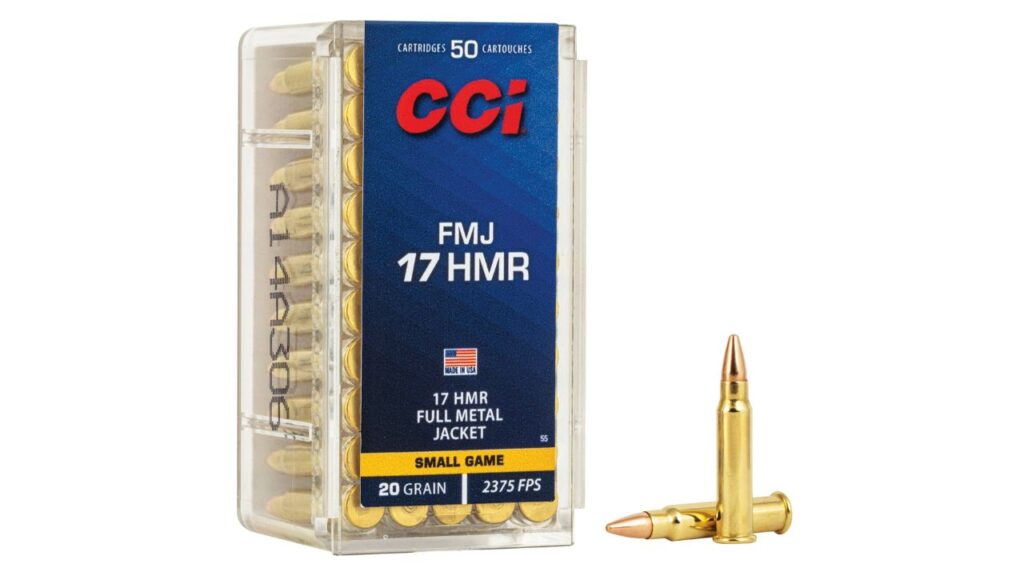
The .17 HMR shoots fast, but the bullet is tiny—usually 17 to 20 grains—which means it loses momentum quickly. A mild crosswind can make your impacts land inches away at moderate distances.
It’s a fun varmint round in calm weather, but wind negates a lot of its flat-shooting advantage. Without steady air, precision beyond 100 yards becomes a guessing game.
.204 Ruger
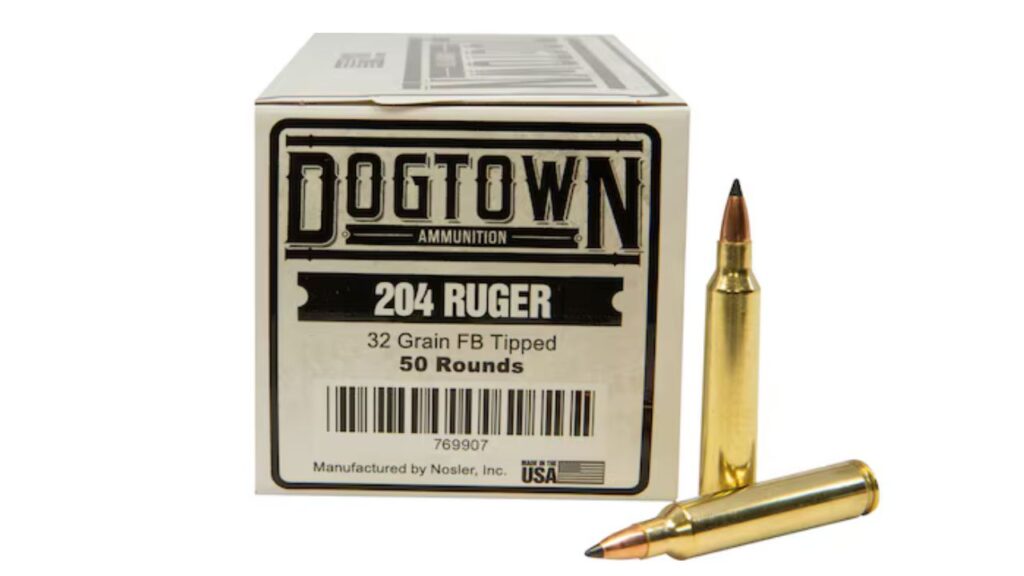
While the .204 Ruger is screaming fast, its lightweight projectiles don’t have the sectional density to buck the wind well. That speed helps initially, but drag catches up quickly.
It works fine for prairie dog towns on calm days, but even mild crosswinds can cause noticeable drift, especially past 300 yards. That makes it less reliable for windy plains shooting.
.22-250 Remington with Light Loads

The .22-250 is a great varmint cartridge, but when paired with lighter bullets—under 50 grains—it can get blown around more than you’d expect. Velocity alone can’t completely offset low mass.
If you want to run this caliber in wind, heavier bullets with better ballistic coefficients help. Without them, it becomes unpredictable in crosswinds.
.30 Carbine
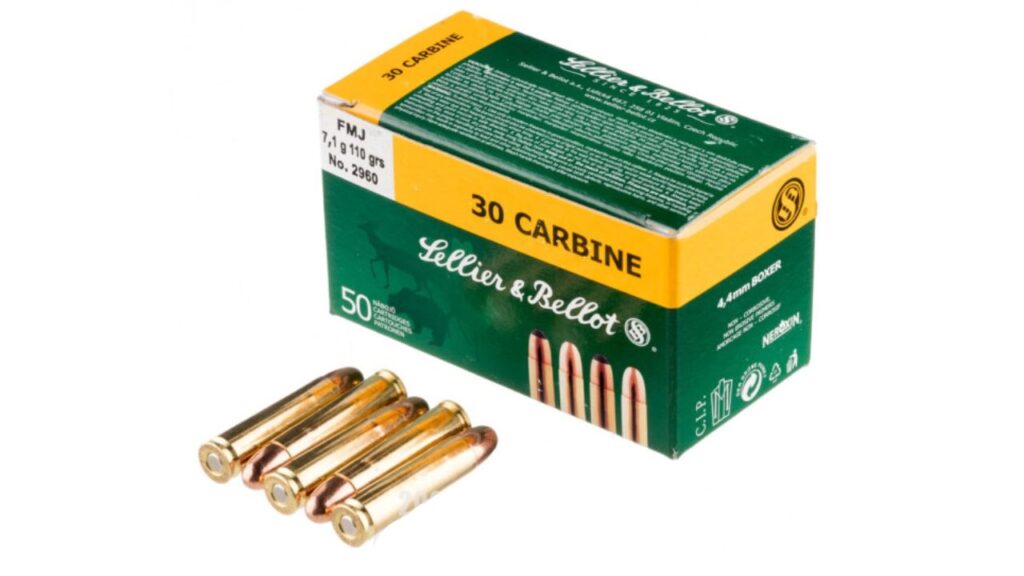
The .30 Carbine is slow by rifle standards, and its blunt-nosed bullets shed speed quickly. That combination makes it drift significantly in even moderate wind.
It’s fine for short-range work, but it’s never going to be a consistent performer at distance when the air is moving. This is one to leave in the rack for breezy days.
7.62×39mm
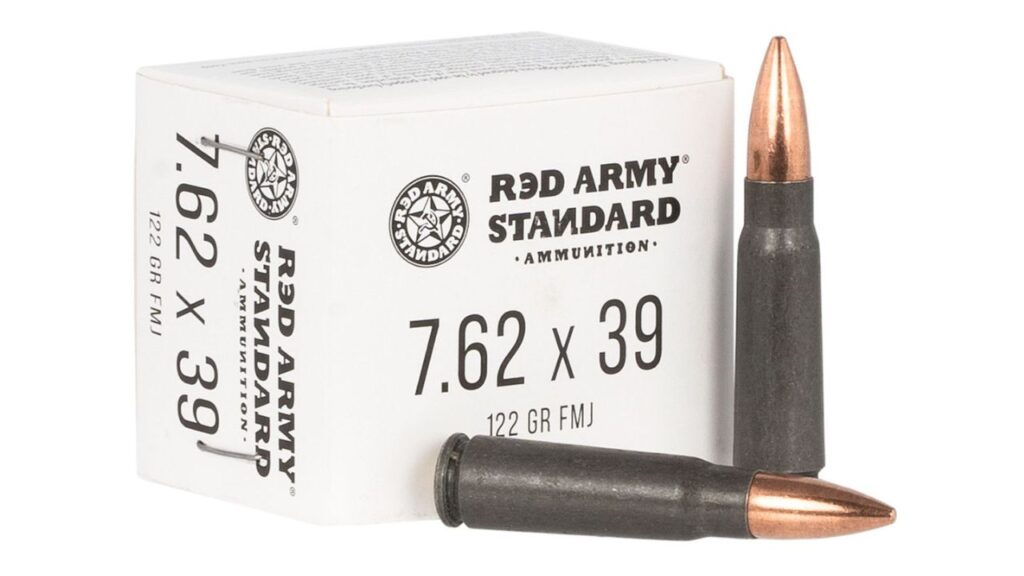
While the 7.62×39 is a proven round for close to mid-range, its relatively low velocity and less aerodynamic bullets make it more wind-affected than many expect.
At 200 yards and beyond, even mild wind can push it noticeably off course. It’s best kept inside its effective range if you’re dealing with crosswinds.
.300 Blackout Subsonic
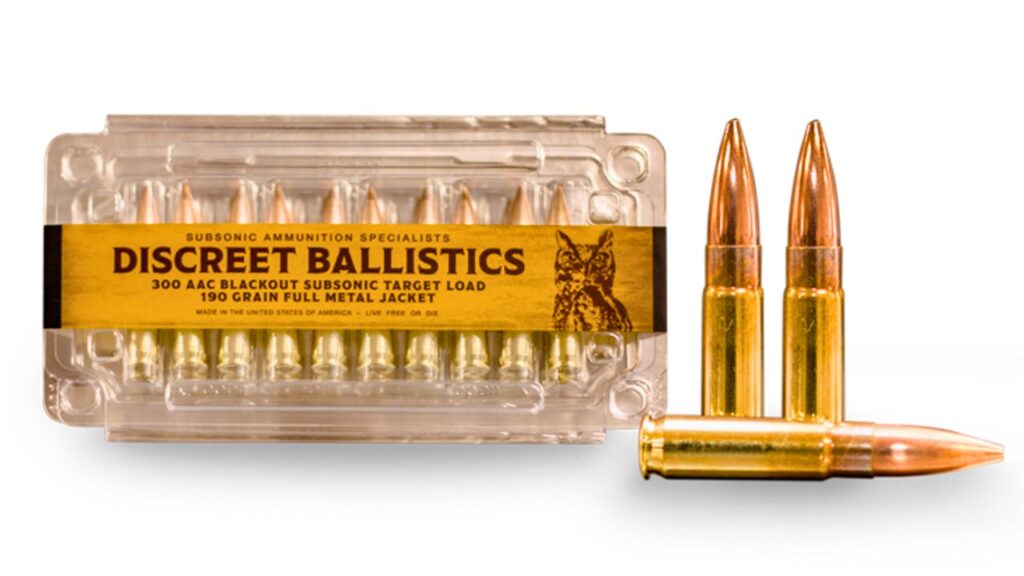
Subsonic .300 Blackout loads move slow and carry heavy bullets, but that low speed gives wind plenty of time to push them around. Past 100 yards, drift can get significant.
For close-quarters or suppressed shooting, it’s excellent. For stretching shots in the wind, it’s going to make precise hits much harder.
5.45×39mm
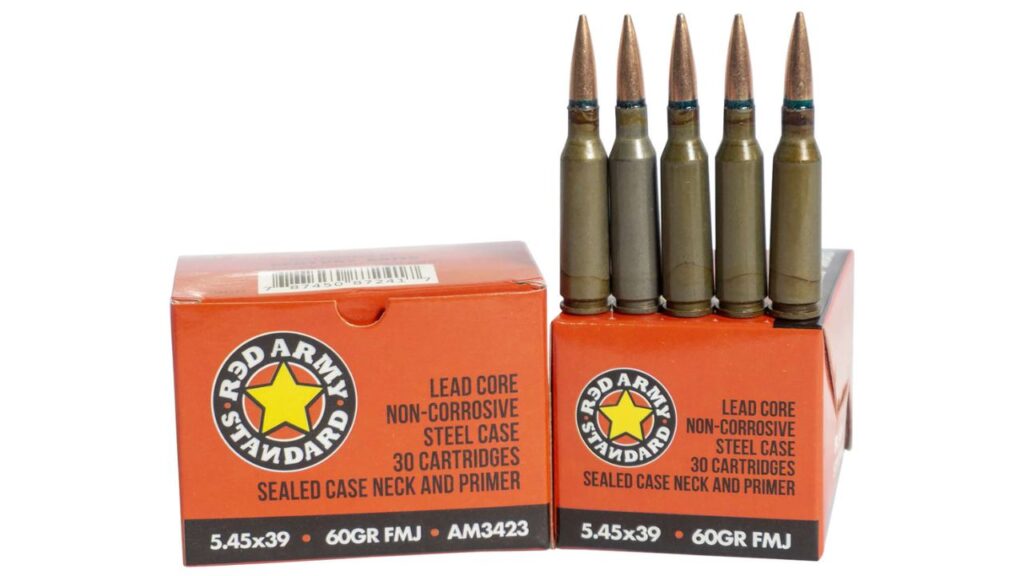
The 5.45×39 was built for light recoil and high velocity, but the small bullet still loses to the wind faster than heavier projectiles. Its performance past 200 yards suffers in crosswinds.
In still air, it’s flat-shooting and easy to run. Add wind, and you’ll notice more holdover corrections than you’d like.
.223 Remington with Lightweight Varmint Loads
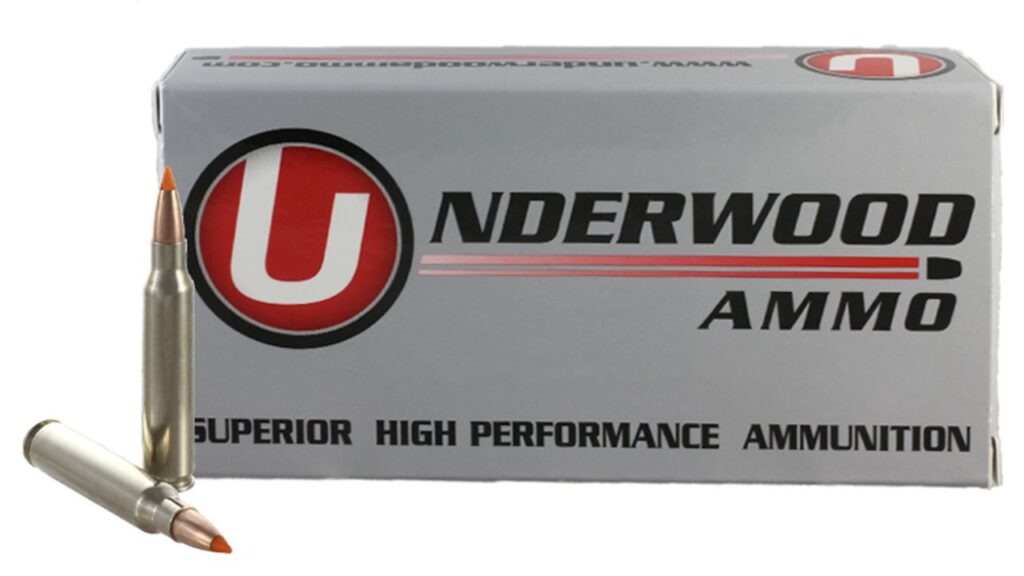
Standard .223 can handle wind decently with heavier match bullets, but the lightweight 40-grain varmint loads are a different story. They shed speed fast and get pushed easily.
These loads are fine for small game in calm weather, but in wind they’ll wander enough to make precise shooting tough past 150 yards.
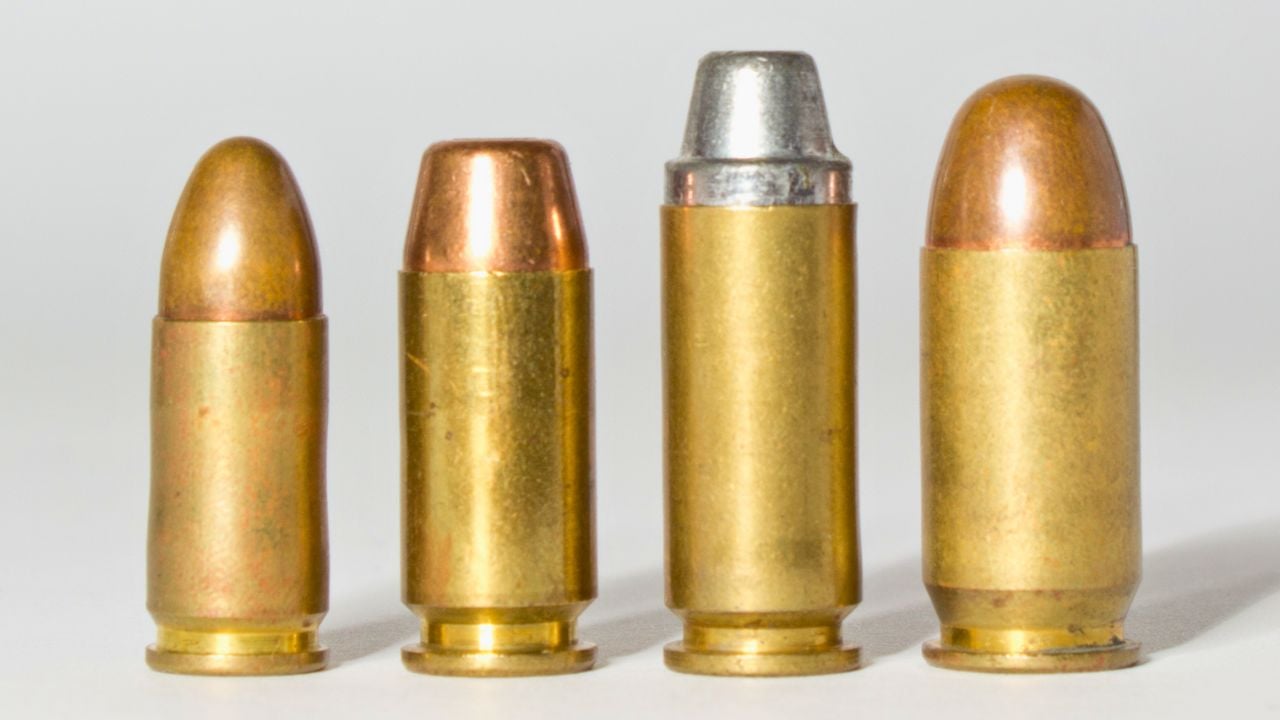
9mm Luger from a Carbine
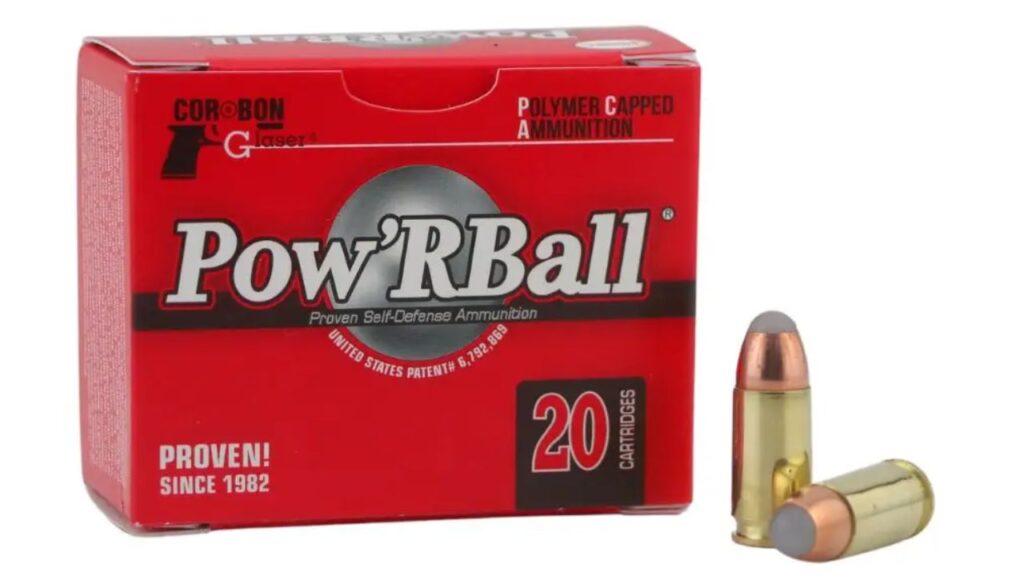
Even from a carbine-length barrel, 9mm is a slow, pistol-caliber round. It doesn’t have the velocity or ballistic profile to fight off wind drift well.
At short defensive ranges, this doesn’t matter much. Once you stretch it out past 50 yards in crosswinds, you’ll see hits start to drift more than expected.
*This article was developed with AI-powered tools and has been carefully reviewed by our editors.