Photo credit: 2HrLunch/YouTube
Some guns do not explode onto the market with instant praise. They do not always have the prettiest finish, the loudest fans, or the kind of marketing that makes buyers feel like they need one right away. A lot of them get ignored at first because they look plain, seem too affordable, come from an unexpected brand, or do not fit the trend of the moment.
Then people start using them. They get carried, hunted with, cleaned, loaned out, and shot beside guns that cost more. Slowly, opinions change. These are the guns that quietly won people over by being more useful, reliable, accurate, or enjoyable than their first impression suggested.
Ruger SR22
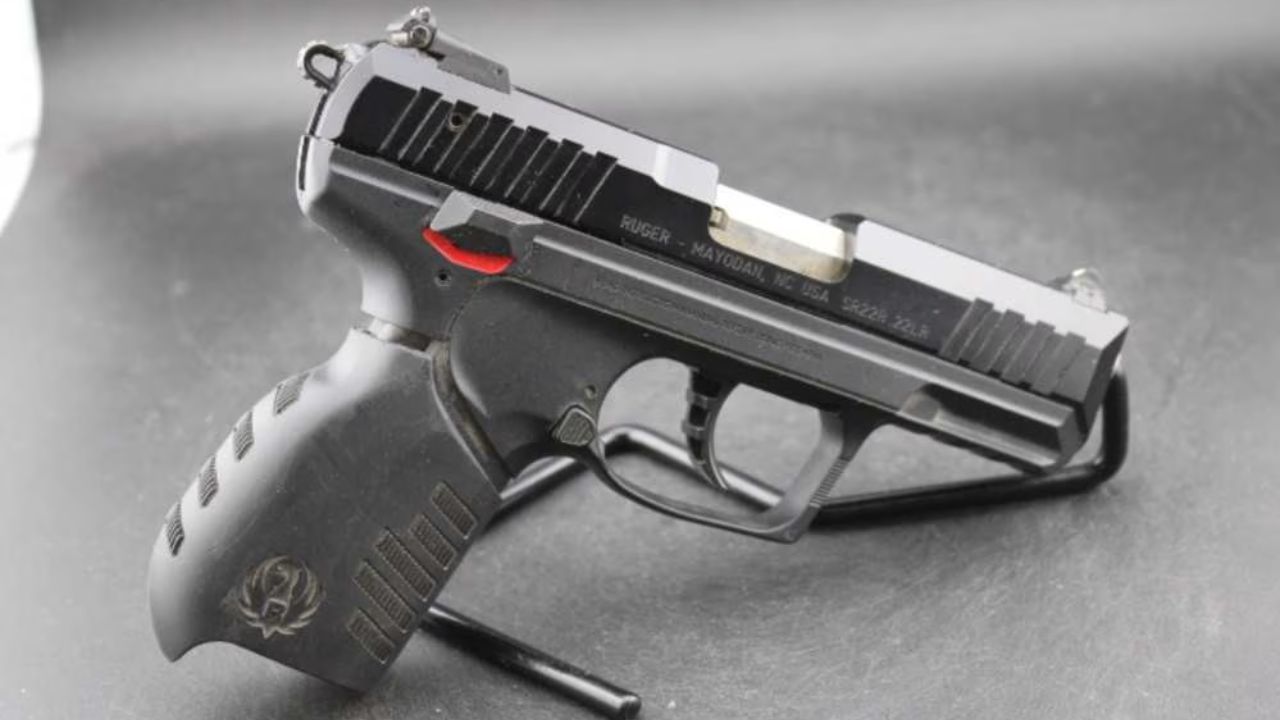
The Ruger SR22 did not arrive as a serious target pistol or a fancy rimfire collectible. It looked like a small, lightweight .22 pistol built mostly for casual range use.
That is exactly why it won people over. The SR22 is easy to handle, easy to teach with, and fun enough that owners keep bringing it out. It does not try to compete with heavy bull-barrel target pistols. It fills the simple role of a handy rimfire pistol that works for plinking, new shooters, and cheap practice. A gun that gets used often tends to earn more affection than people expect.
Winchester Model 70 Ranger
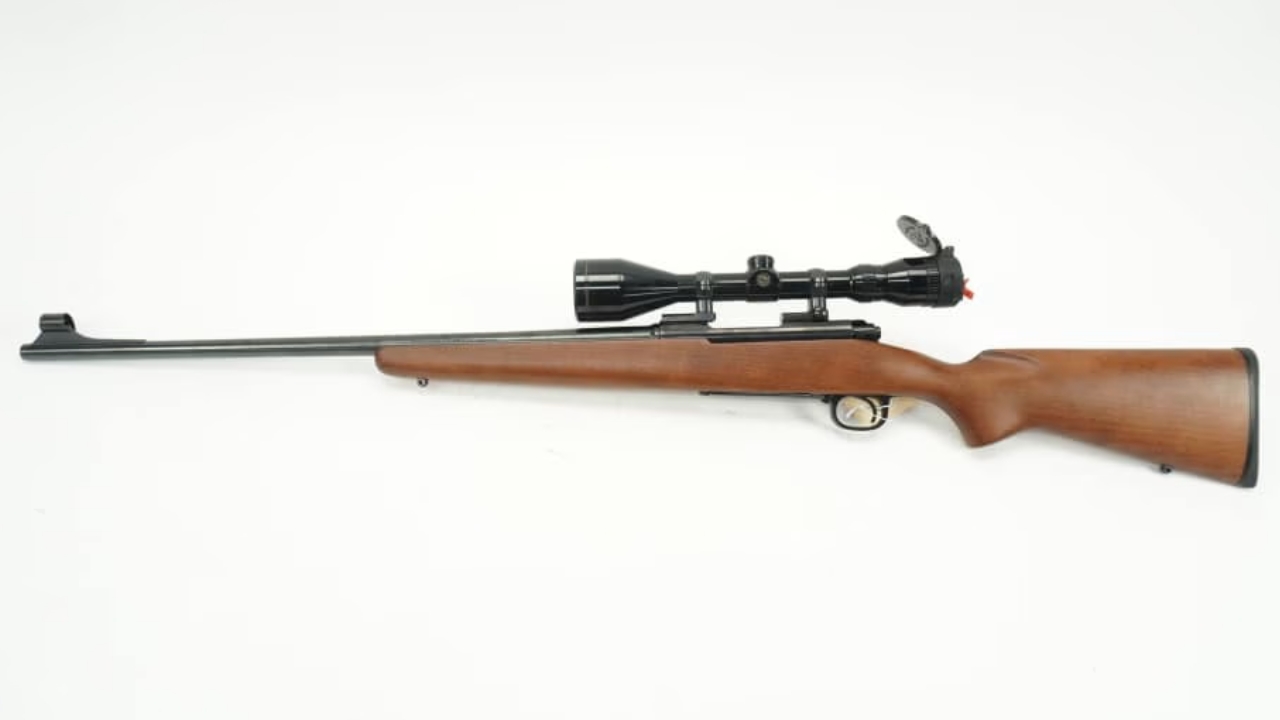
The Winchester Model 70 Ranger spent years being treated like the plain version of a famous rifle. It did not have the same polish as higher-end Model 70s, so some hunters ignored it.
But a good Ranger still had the bones that mattered. It was a working hunting rifle with a familiar action, useful chamberings, and enough accuracy for real deer-season confidence. Owners who bought them as practical tools often found they had no reason to move on. The rifle won people over because it did the Model 70 job without demanding fancy-rifle money.
Smith & Wesson 457
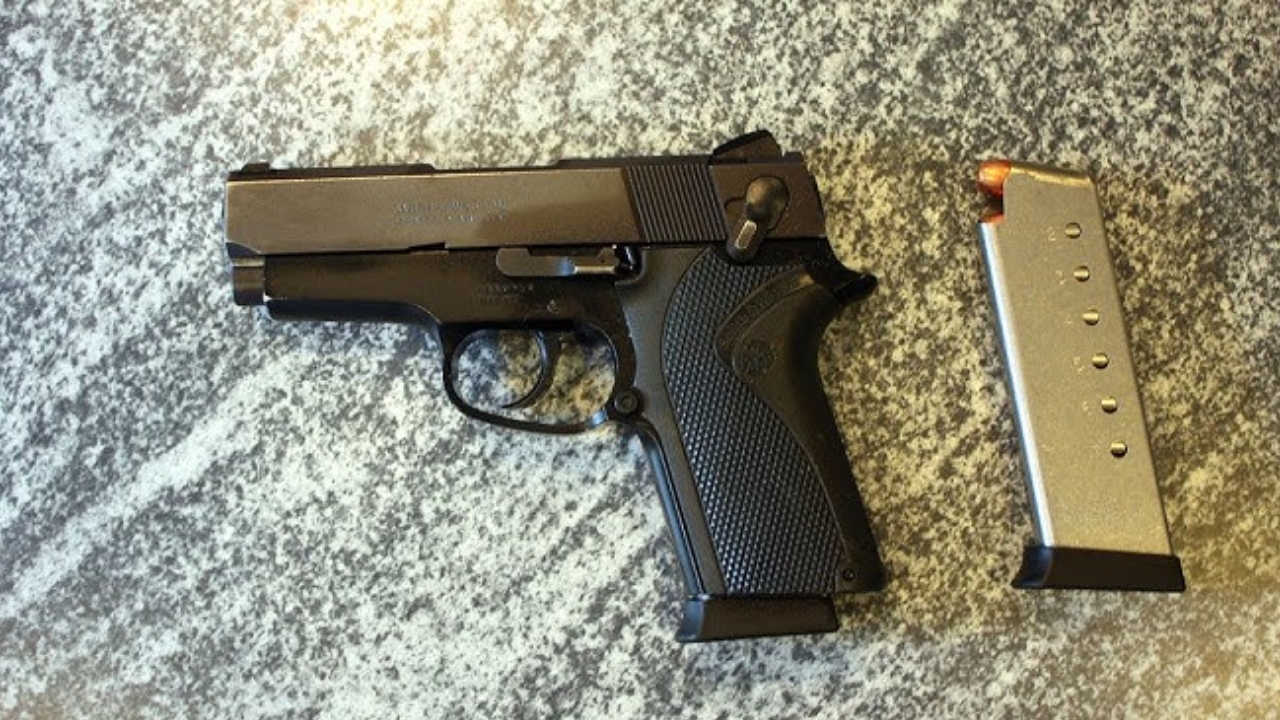
The Smith & Wesson 457 looked like a chunky compact .45 from another era, and that made it easy to overlook once polymer carry pistols took over. It was not sleek, high-capacity, or modern-looking.
Owners who spent time with one often came away with more respect. The 457 was sturdy, manageable for its size, and carried the same old Smith auto confidence people are starting to appreciate again. It was not a pocket pistol, but it was a serious compact .45 that shot better than many expected. Quiet guns like this age well when people get tired of disposable-feeling pistols.
Mossberg 535 ATS
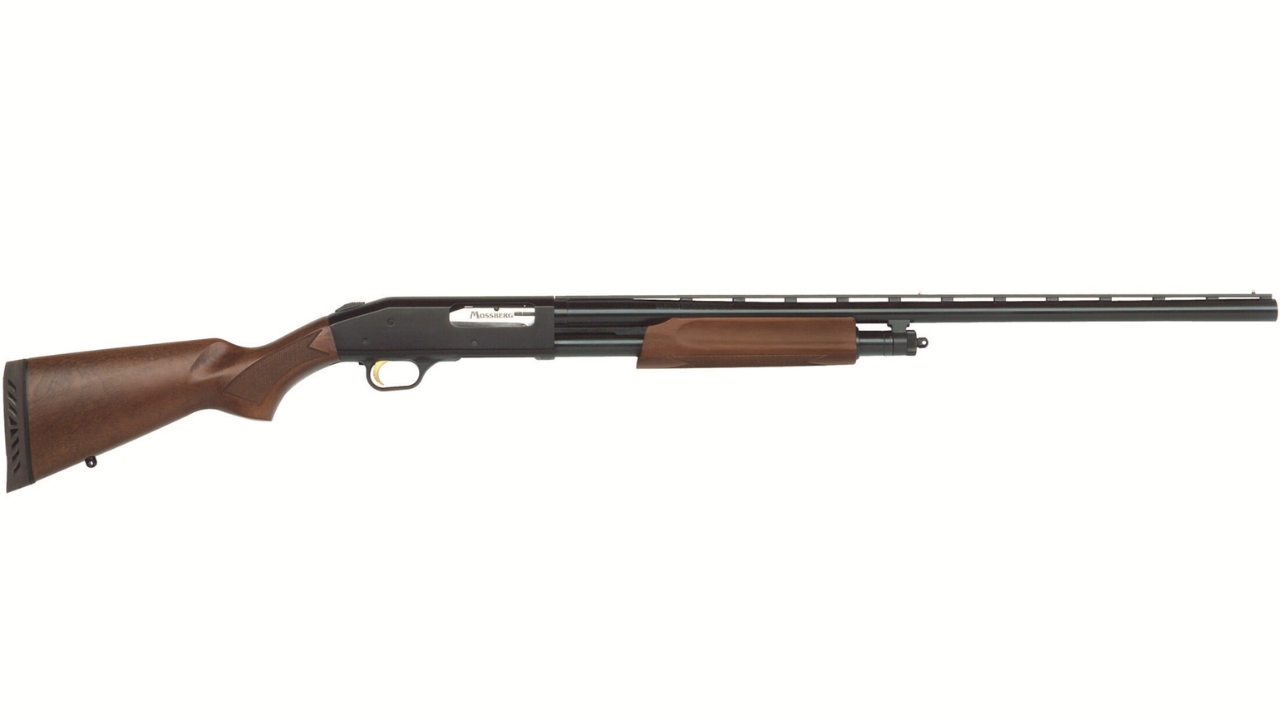
The Mossberg 535 ATS did not get the same love as the 500 or 835, and that made some buyers treat it like a middle-child shotgun. It was a pump gun with 3½-inch capability, but it did not have much glamour.
Hunters who used one hard often found it more useful than its reputation suggested. It could handle turkey loads, waterfowl loads, deer setups, and general field work without costing a fortune. It was not refined, and heavy shells were not pleasant, but it filled a practical role. The 535 won people over by being the kind of shotgun that simply kept showing up for rough jobs.
CZ 455
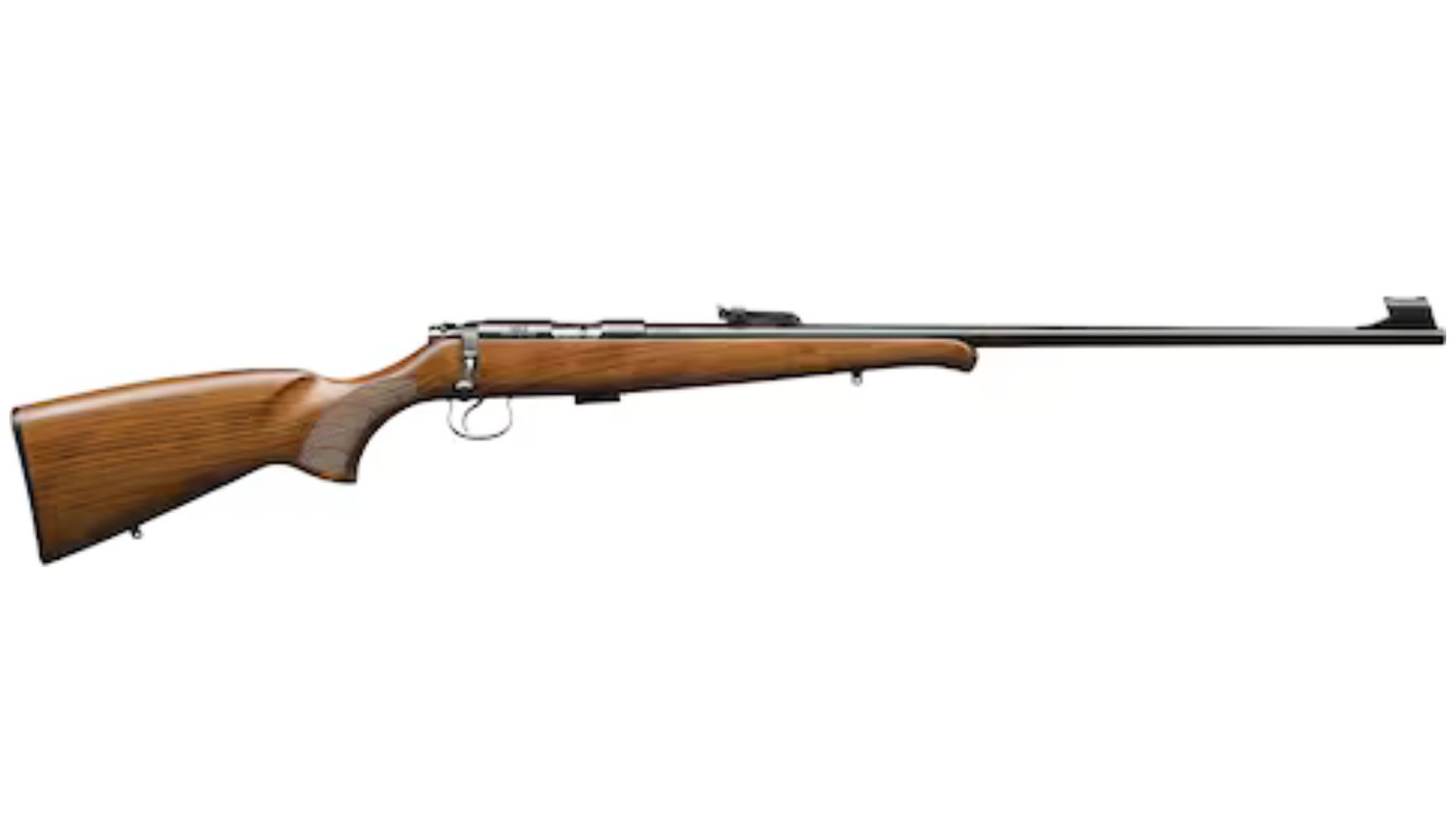
The CZ 455 had big shoes to fill because the CZ 452 had already built a loyal following. Any replacement or update was going to get judged hard by rimfire shooters.
Over time, the 455 earned its own respect. The switch-barrel system gave owners flexibility, accuracy was strong, and the rifle still had the grown-up feel that made CZ rimfires appealing. It was not just a cheaper-feeling replacement. It became a practical platform for small game, target shooting, and rimfire tinkering. Once shooters spent time with it, the doubt softened.
Beretta 3901

The Beretta 3901 was easy to overlook because it looked like a plainer, more affordable Beretta semi-auto. Shotgun buyers often focus on the better-known premium models, so the 3901 did not always get full credit.
That changed for people who actually hunted and shot clays with one. It was soft-shooting, reliable when maintained, and backed by proven Beretta gas-gun design. It did not need luxury wood or high-end styling to do its job. The 3901 quietly won people over because it gave regular shooters a smooth semi-auto without acting precious.
Ruger M77 VT
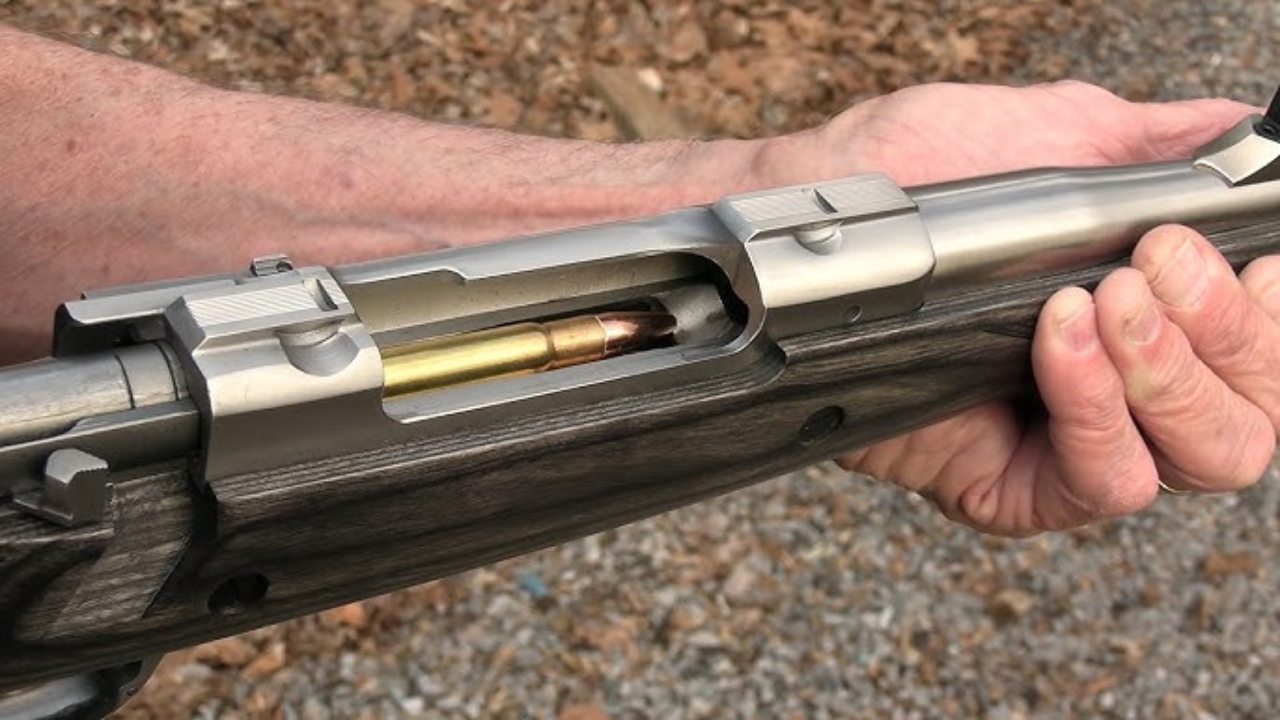
The Ruger M77 VT did not look exciting in the way modern precision rifles do. It was a heavy-barrel varmint rifle with a more traditional feel, not a chassis gun covered in adjustable parts.
Shooters who cared about results understood it quickly. A good M77 VT could shoot, stay steady, and handle varmint or target work with confidence. It had the rugged Ruger action feel and enough weight to make careful shooting easier. Newer rifles may look more advanced, but the VT won people over by quietly doing the accuracy job without much drama.
Taurus PT1911

The Taurus PT1911 had to fight brand bias from the start. A feature-heavy 1911 from Taurus was always going to make some shooters skeptical, especially in a market full of strong 1911 opinions.
Plenty of owners still found a better pistol than expected. The PT1911 offered useful features, a decent trigger, and real 1911 shooting feel at a price that made the platform more accessible. It was not a custom gun, and it did not have to be. It won people over by giving regular shooters a 1911 they could actually buy, shoot, and enjoy without treating it like jewelry.
Marlin Model 925
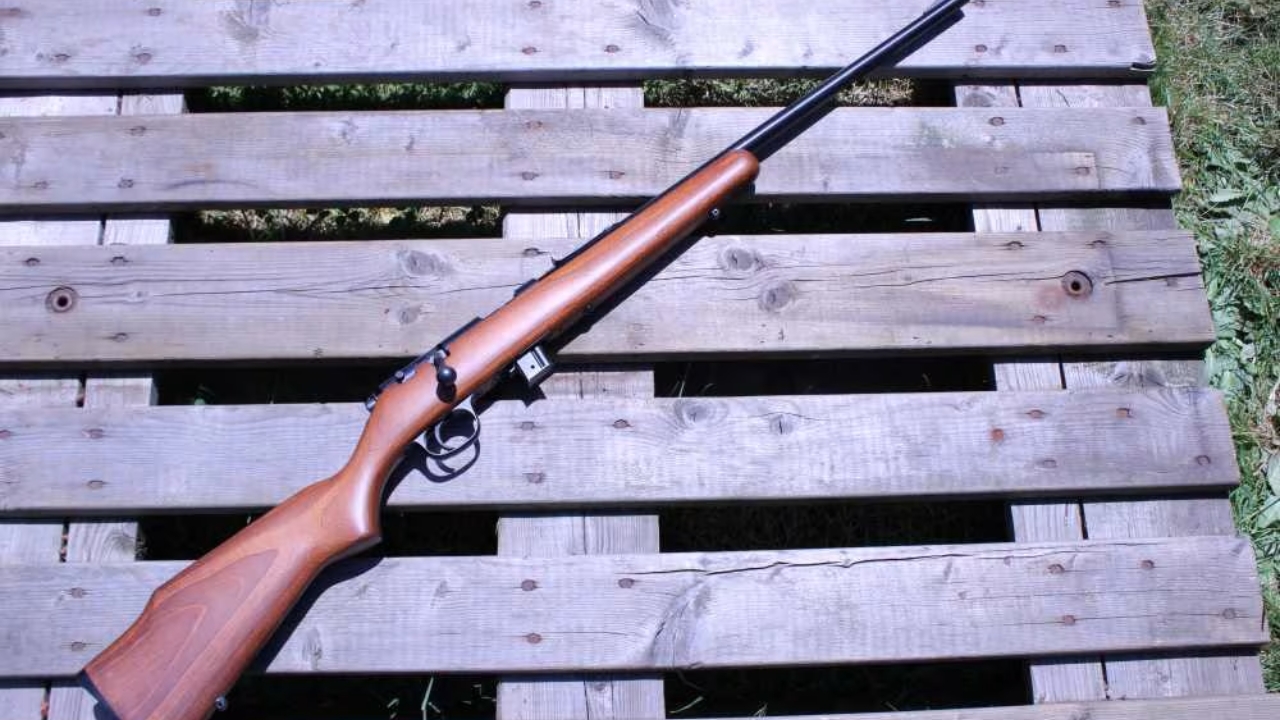
The Marlin Model 925 was a plain bolt-action .22 that did not draw much attention when rimfire buyers were chasing semi-autos or more expensive target rifles. It looked like a basic small-game gun.
That basic role is why it earned respect. The 925 was accurate enough for squirrels, reliable enough for regular use, and simple enough that owners did not have to fuss with it. It felt more substantial than many cheap rimfires and did exactly what a bolt-action .22 should do. A quiet little rifle can win people over fast when it keeps hitting what it is aimed at.
Stoeger Condor

The Stoeger Condor has been criticized for being a budget over-under, and some of that criticism comes from fair comparisons to nicer doubles. It is not a Browning or Beretta, and nobody should pretend it is.
But the Condor won people over by making over-under ownership possible for buyers who could not spend premium money. For casual clays, dove fields, upland hunting, and new shotgun shooters, it filled a real need. Plenty of owners bought one with low expectations and ended up using it more than expected. Affordable does not always mean forgettable.
SIG Sauer 1911 Nitron
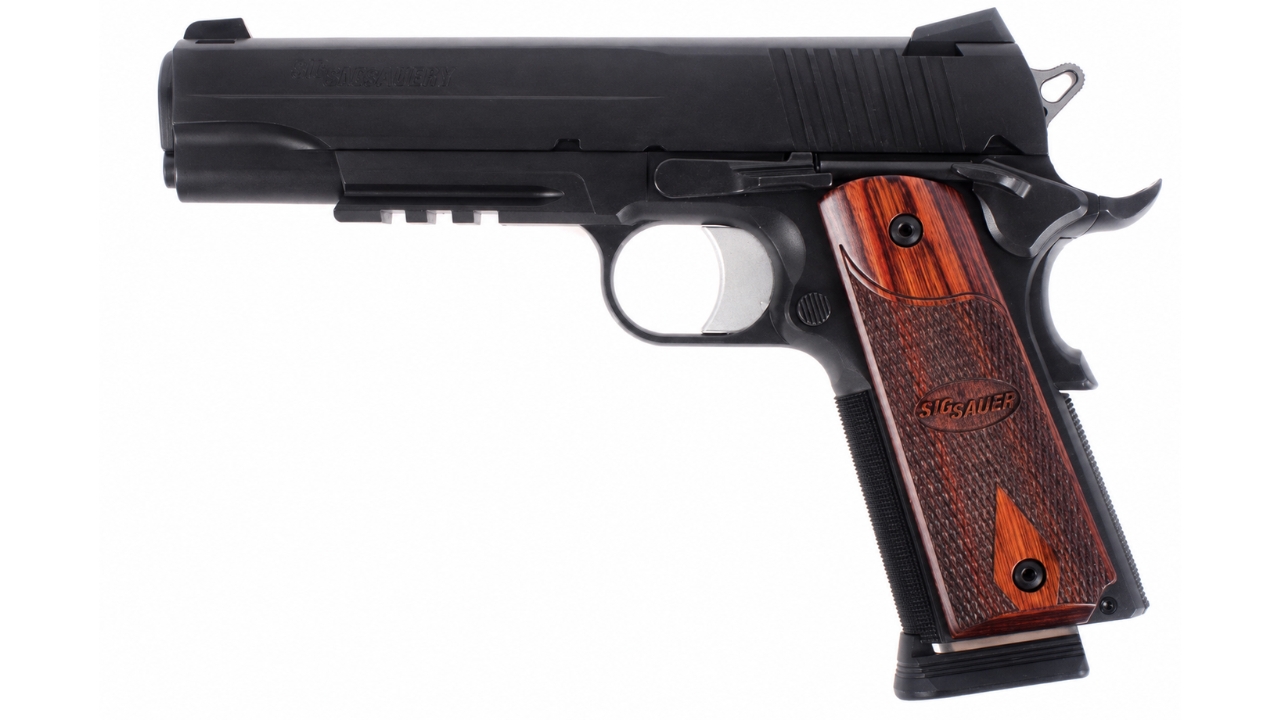
The SIG Sauer 1911 Nitron looked strange to some 1911 purists because of its external extractor and squared slide profile. Traditional buyers were quick to question whether it really belonged in the 1911 conversation.
Over time, many shooters warmed up to it. The pistols often ran well, shot accurately, and gave owners solid 1911 performance with SIG’s own style. It was not a clone of every other Government Model, and that bothered some people. But owners who judged it by function instead of tradition found a pistol worth respecting.
Savage Model 93R17
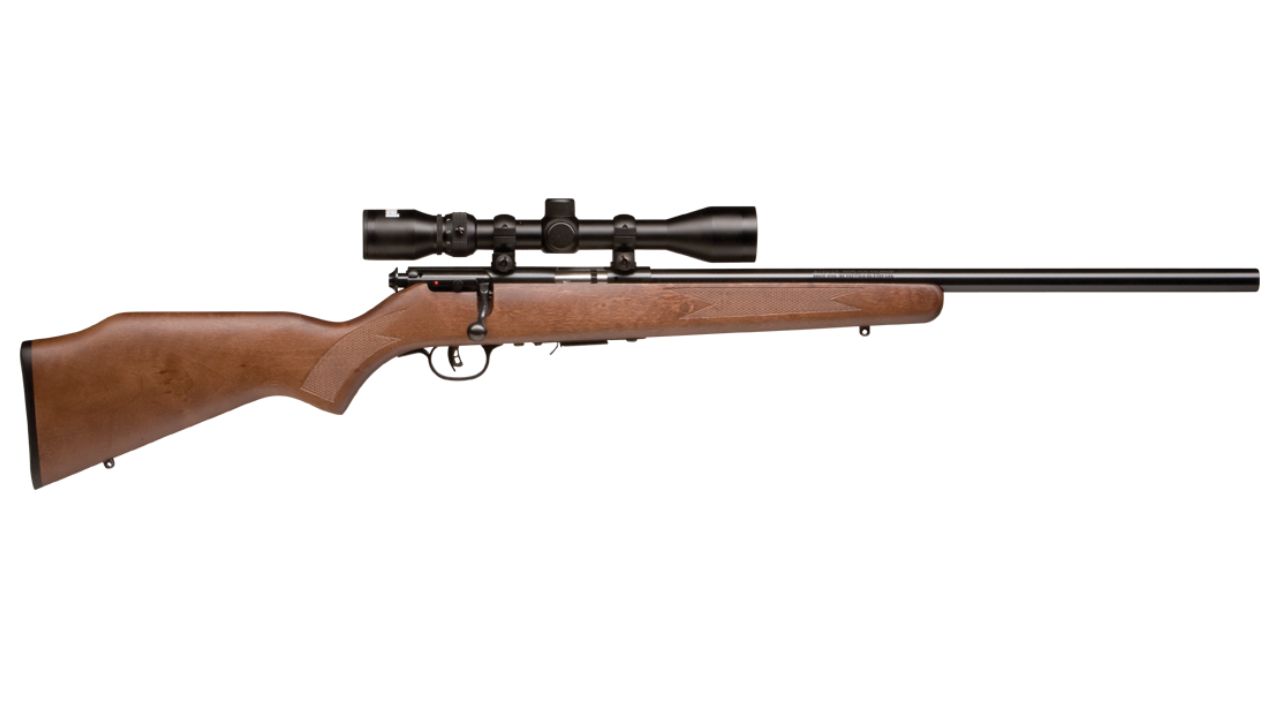
The Savage Model 93R17 quietly won over small-game and varmint shooters because it made the .17 HMR cartridge easy to enjoy without a huge investment. It looked plain, but the little rifle could shoot.
That mattered more than the stock or finish. For prairie dogs, crows, squirrels, and paper targets, the 93R17 gave shooters flat trajectories and solid accuracy at rimfire prices. It was not a fancy rifle, but it made the cartridge shine. A lot of owners bought one as a curiosity and ended up keeping it because it was simply too useful to ignore.
Browning Silver Hunter
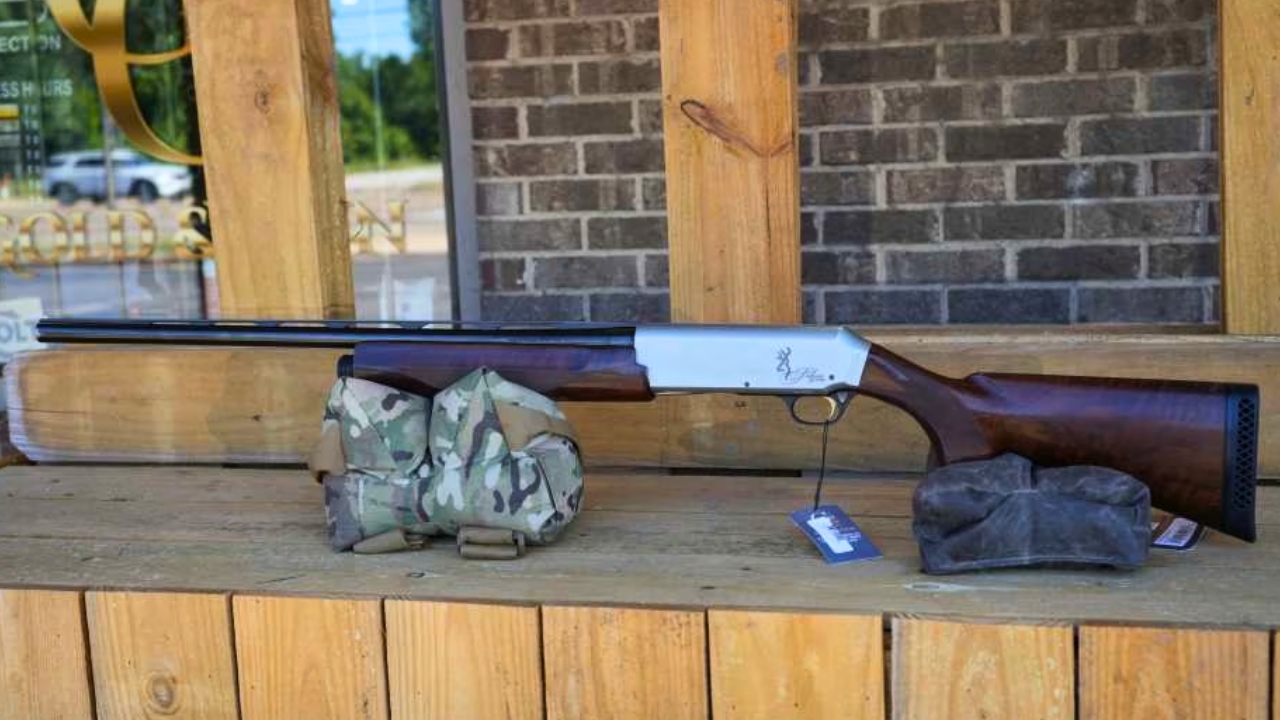
The Browning Silver Hunter never got as much attention as some other Browning semi-autos, but it slowly earned respect with hunters who actually used it. It was not flashy. It was a clean gas-operated field shotgun with a practical personality.
That turned out to be enough. The recoil was manageable, the handling felt natural, and the shotgun worked well for birds, clays, and general hunting. It did not have to be the most famous shotgun in the lineup to be good. The Silver Hunter won people over because it quietly delivered what shotgun owners needed.
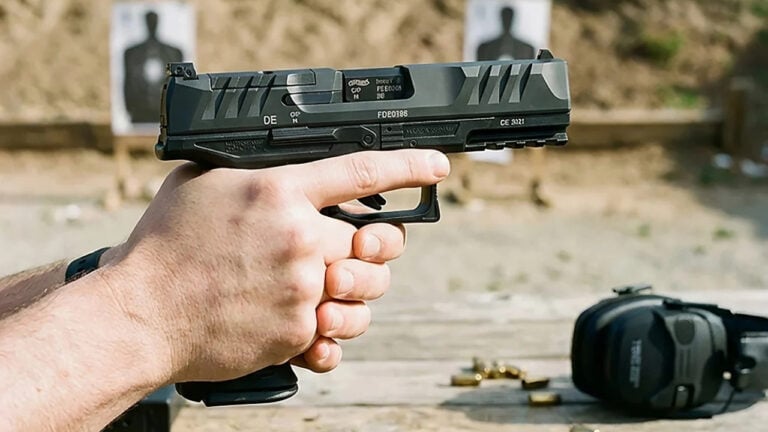
Walther PK380
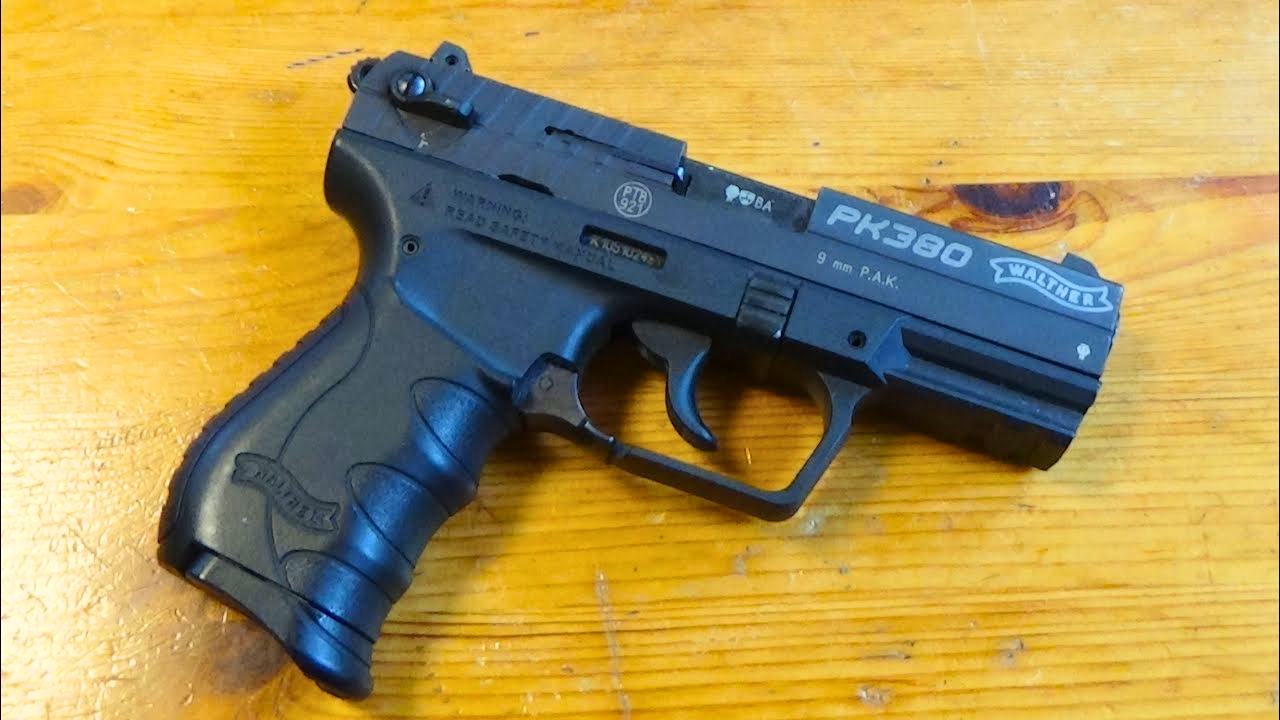
The Walther PK380 was easy to dismiss because it was not as powerful as a 9mm and not as tiny as many .380 pocket guns. It sat in a strange middle ground that made some buyers wonder why it existed.
For the right owner, that middle ground was the point. The slide was easier to rack, recoil was mild, and the grip gave shooters more control than many tiny .380s. It became a useful option for people who struggled with smaller, harsher pistols. Serious shooters sometimes overlook accessibility, but owners who needed it understood why the PK380 mattered.
Remington Model 798

The Remington Model 798 did not have a long moment in the spotlight. It was a Zastava-made Mauser-style rifle wearing Remington branding, and many buyers did not know what to make of it.
Hunters who liked Mauser actions saw the value. Controlled-round feed, useful chamberings, and a traditional hunting-rifle feel gave it more appeal than the short production run suggested. It was not polished like a high-end European rifle, but it had real mechanical honesty. The 798 quietly won people over because it gave hunters an old-school action in a modern commercial package.
Like The Avid Outdoorsman’s content? Subscribe to our newsletter so you never miss an article.
Here’s more from us: