Photo credit: SilencerCo
Suppressor shelves are being cleared out as buyers rush to lock in models they fear will be scarce or more expensive later. You are not just seeing a casual uptick in interest, you are watching a full‑blown run on specific cans that promise versatility, value, and a smoother path through the remaining red tape. To make sense of what is vanishing first, you need to look at how policy shifts, hunting trends, and new product launches are reshaping demand in real time.
Why panic buying hit the suppressor aisle
The current surge in suppressor demand starts with simple economics: when barriers fall, you move. With the long discussed $200 federal tax on firearm suppressors scheduled to disappear at the start of the year, buyers who have been on the fence suddenly see a narrow window where paperwork habits are changing, inventories are in flux, and pricing strategies are being rewritten. The prospect of that $200 hurdle going away has convinced many that if they want a specific model, they should act before distributors and retailers reprice or repackage their inventories in response to the new rules, a dynamic highlighted in coverage of what it means for buyers.
Layered on top of that policy shift is a cultural change inside the shooting world. Suppressors have always been wrapped in the legacy of the National Firearms Act, which kept them in a niche corner of the market, but you now see mainstream hunters, precision shooters, and first‑time gun owners treating them as standard equipment rather than exotic accessories. Reporting on how the hunting community is embracing these devices notes that Suppressors have always been a bit of a legal hassle because they’re regulated under the old National Firearms Act, yet retailers are now telling you that customers feel a real urgency to buy now before backlogs and stock shortages get worse.
The calibers driving the rush
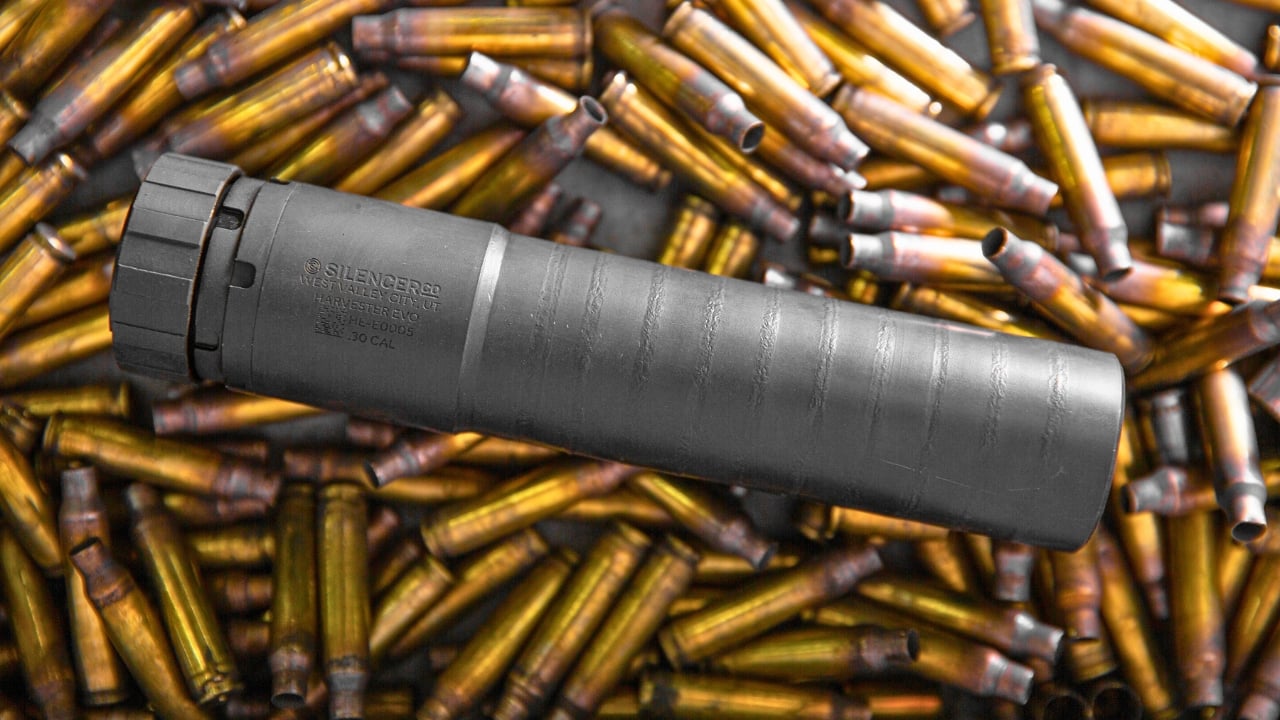
When you look closely at what is selling out first, you notice that panic buying is not evenly spread across the rack. The most intense pressure is on multi‑caliber rifle cans that can handle everything from .223 and 5.56 up through popular hunting and precision rounds, because you can move one suppressor between several hosts. Guides that walk you through caliber sizes emphasize that you should match the bore and pressure rating of the can to your cartridge, and they spell out how a single suppressor can safely cover multiple roles if you choose carefully, a point driven home in resources on choosing the right suppressor.
At the same time, long‑range shooters are quietly fueling a secondary wave of demand in the magnum space. Interest in the 338 caliber has been climbing as more shooters stretch past traditional hunting distances, and that shift is pushing manufacturers to offer cans that can tame recoil and blast on big rifles without adding excessive length or weight. One source notes that Another caliber increasing in popularity for the long-range shooter is the . 338 rifle caliber size. Typically, that means you are looking at larger diameter, higher pressure rated suppressors that are more complex to build, which helps explain why these models are disappearing quickly once a shipment hits the shelf.
Hunting cans that suddenly became “must buy”
If you hunt, you are watching a quiet revolution in how people think about sound moderation in the field. Retailers report that more customers now start the rifle buying conversation by asking which suppressor will pair best with their deer or elk setup, not whether they should bother with one at all. Coverage of the hunting segment notes that the hunting community is embracing suppressors as tools for hearing protection, recoil reduction, and better communication in the field, and that shift is turning compact, lightweight rifle cans into high priority purchases before the next season.
In practical terms, that means you and other hunters are gravitating toward suppressors that balance sound reduction with manageable length on a mountain rifle or a brush gun. Models built around common hunting calibers like .308, 6.5 Creedmoor, and mid‑range magnums are being snapped up because they let you keep overall rifle length reasonable while still cutting blast enough to skip earplugs on a single shot. Retailers quoted in the same reporting warn that if you want a specific hunting‑focused model, you should not assume it will be available closer to opening day, since every new wave of buyers is being told that a suppressor can make them a better neighbor and a more comfortable customer if they buy now.
AR‑15 workhorses at the center of the storm
On the semi‑auto side, the AR‑15 platform is still the gravitational center of the suppressor market, and that is exactly where panic buying is most visible. You see it in the way certain 5.56 cans vanish from online carts before you can finish entering payment details, and in the wait lists forming around models that promise low back pressure and minimal gas to the face. Guides to the Best AR options highlight dedicated 5.56 Suppressors such as the HUXWRX Flow 556K, which is singled out as an Editor‘s pick for its Flow‑through design that vents gas forward instead of back into the action.
That kind of engineering is exactly what you and other high‑volume shooters are paying for, because it keeps rifles running cleaner during long strings of fire and makes suppressed training days more comfortable. The same guides point to options like the PTR Vent 3 as some of the quietest 5.56 Suppressors available, and they underline how modern mounting systems let you move a single can between multiple uppers without tools. When you combine that flexibility with the expectation that future regulations or price shifts could complicate ownership, it is no surprise that AR‑centric models such as the HUXWRX Flow 556K are among the first to sell out once a retailer announces fresh stock.
Budget cans that suddenly look like steals
Not every buyer rushing into the suppressor market is chasing premium titanium or exotic baffle designs. A large share of the current panic buying is focused on budget‑friendly models that promise acceptable performance at a price that feels safe if the legal or economic landscape shifts again. Video reviews that put inexpensive cans through their paces, such as the clip titled These Budget Suppressors Surprised Us, have helped convince you that a lower price tag does not automatically mean poor sound reduction or flimsy construction.
Manufacturers like Sylvan Arms are leaning into that perception by offering cans that ship with multiple mounting options and user‑serviceable designs, which appeal to shooters who want to clean their own gear and move it between hosts. Reviewers in the same video space talk about how Our expectations for entry‑level suppressors have changed, and that shift is driving you and other value‑conscious buyers to grab affordable models now in case manufacturers respond to the end of the tax stamp era by nudging prices upward.
Rimfire and trainer setups you did not expect to sell out
While centerfire rifle cans get most of the attention, the panic buying wave has also swept up rimfire suppressors that turn .22 trainers into quiet, low‑recoil tools for new shooters. You might not expect a small‑bore can to be hard to find, yet models that combine easy disassembly with strong brand recognition are increasingly backordered. One example is the way Ruger is breaking onto the NFA scene with its Silent‑SR 22 suppressor, a move that instantly put a familiar name in front of buyers who might have been wary of smaller boutique brands.
That Silent‑SR 22, often shortened to simply Silent, illustrates why rimfire cans are now part of the rush. You can use a single .22 suppressor on a pistol, a bolt‑action trainer, and a semi‑auto rifle, which makes it a cost‑effective way to introduce family members to suppressed shooting. As more parents and instructors realize that a quiet .22 session is less intimidating for new shooters, they are joining the queue for these models, adding yet another category to the list of suppressors that are unexpectedly hard to find.
New 2025 launches that instantly hit wait lists
Even as buyers clear out existing inventory, manufacturers are feeding the frenzy with new models that promise to solve long‑standing complaints. Some of the most anticipated 2025 cans are built around modular mounting systems and full‑auto ratings, which appeal to you if you run short‑barreled rifles or want one suppressor to cover both duty and training roles. One new model is described as full‑auto rated with no barrel‑length restrictions and compatible with B&T’s Rotex hub, a combination that has already pushed it onto pre‑order lists before most shooters have even seen one in person.
Trade show coverage underscores how quickly these launches translate into real‑world demand. Reports from SHOT Show highlight a model called the Prophet, which is Set for release in the second quarter and pitched as offering significant advancements in internal design without compromising firearm length or handling. When you combine that kind of promise with the broader regulatory shift, it is easy to see why shooters are lining up deposits now rather than waiting to see how these cans perform once they hit the range.
What online chatter reveals about buyer psychology
If you want to understand why certain models are being panic‑bought while others sit, you need to listen to how shooters talk to each other online. In regional forums, you see people wrestling with whether to jump now or wait for prices to settle, with one thread bluntly titled around whether someone should buy suppressors now or not. In that discussion, a commenter notes that Otherwise, it is all speculation if suppressors will be cheaper later or even available in the same form, which captures the uncertainty driving you and others toward immediate purchases.
Specialized communities focused on silencers add another layer of insight. In one conversation, a self‑described Suppressor Buyer explains that recent price drops are largely a trend to move sales for Q4 rather than a sign of collapsing margins, and that they would advise buying now rather than gambling on deeper discounts. That kind of peer‑to‑peer guidance, grounded in perceived insider knowledge, is exactly what pushes you toward specific models that are rumored to be underpriced relative to their performance, which in turn accelerates the run on those cans.
How to choose smartly when everyone else is panic‑buying
In a market this emotional, your best move is to slow down just enough to match your purchase to your actual shooting habits. Start by mapping out which calibers you shoot most and how you use them, then look for suppressors that are rated appropriately rather than simply chasing whatever is trending on social media. Technical guides on caliber sizes remind you that a can built for high‑pressure rifle rounds will usually handle lower pressure cartridges safely, but the reverse is not true, so you should prioritize a suppressor that covers your hottest load and then work backward toward versatility.
Next, pay attention to how specific models are performing in the real world instead of relying solely on marketing claims. Best‑seller lists that feature items like the B&t print‑xh rbs 5.56 – blk can help you spot patterns in what other shooters are actually buying and keeping, while in‑depth AR‑15 suppressor reviews that highlight options such as the HUXWRX Flow 556K give you a sense of how those cans behave under sustained fire. If you combine that kind of data with a clear understanding of your own needs, you can navigate the current rush with a cooler head, picking suppressors that will still make sense for you long after the panic has faded.
Like The Avid Outdoorsman’s content? Be sure to follow us.
Here’s more from us: