Photo credit: G Squared Tactical/YouTube
Modern pistols can look convincing before they ever get fired. They come with optic cuts, aggressive grip texture, higher capacity, better sights, upgraded triggers, or a sales pitch that makes the older gun in your safe feel outdated. That excitement can fade fast once the pistol has to prove itself during real practice.
Disappointment usually shows up in small ways first. The trigger feels worse than expected. The recoil is sharper than the size suggests. The gun is picky with ammo, awkward to carry, or not different enough to justify the price. These pistols are not all failures, but they left enough owners feeling like the promise was stronger than the ownership experience.
Glock 44

The Glock 44 sounded like an easy win when it was announced. A Glock-made .22 LR trainer that matched the feel of a Glock 19 should have been exactly what many shooters wanted.
The problem was expectations. Some owners ran them fine, but others dealt with ammunition sensitivity, reliability complaints, and frustration that a Glock rimfire did not feel as boringly dependable as their centerfire pistols. A .22 trainer is supposed to make practice cheaper and easier. When it becomes the gun that needs special ammo and extra patience, buyers start wondering why they did not just buy a proven rimfire pistol instead.
SIG Sauer P365 SAS

The P365 SAS pulled in buyers because the idea sounded slick. A snag-free carry pistol with an integrated sighting system seemed like a smart answer for deep concealment.
Then owners actually tried shooting it fast. The flush sight system was not for everyone, and many shooters found it slower or less precise than normal sights. The controls also felt too minimal for some hands. It carried smoothly, but carry comfort is only half the job. A defensive pistol still has to be easy to aim and run under pressure. Plenty of buyers ended up preferring the standard P365.
Springfield Armory 1911 DS Prodigy
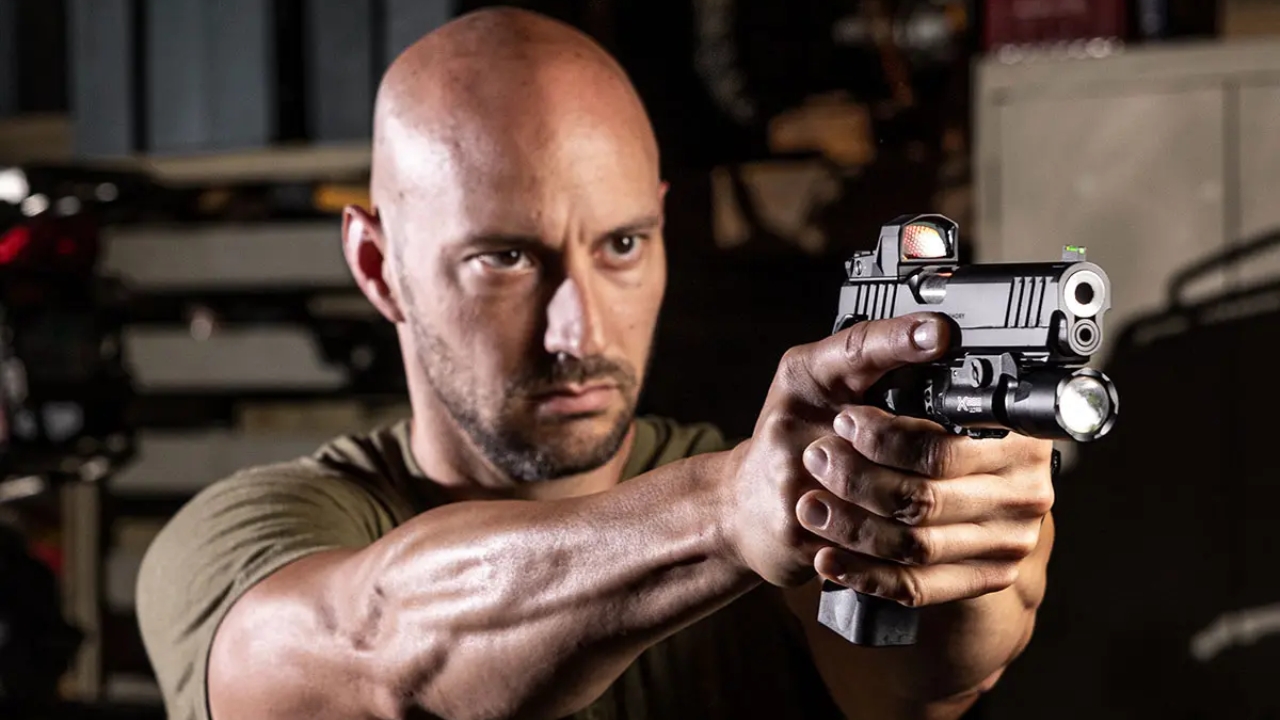
The Prodigy had huge interest because it promised double-stack 1911 performance at a price below the premium 2011 world. That was enough to get a lot of people excited.
Early ownership was not always smooth. Some buyers reported break-in frustration, magazine issues, rough cycling, or the need for tuning before the pistol felt reliable enough to trust. The concept was strong, and later versions improved the conversation, but early owners expected more out of the box. When a pistol is sold on performance, it hurts when the first range trips feel like troubleshooting.
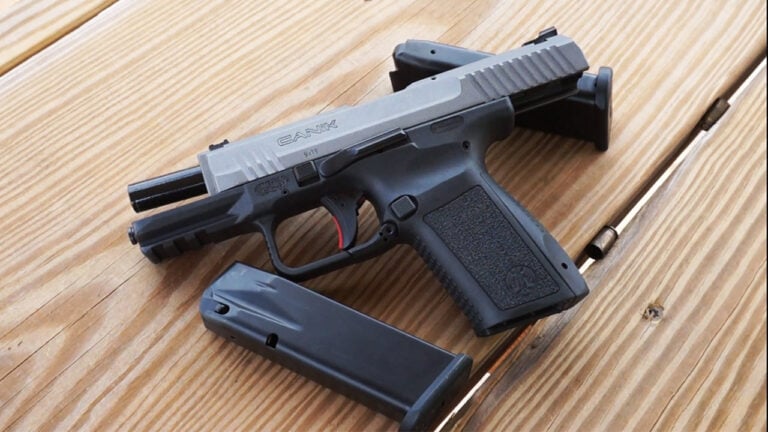
Canik Mete MC9
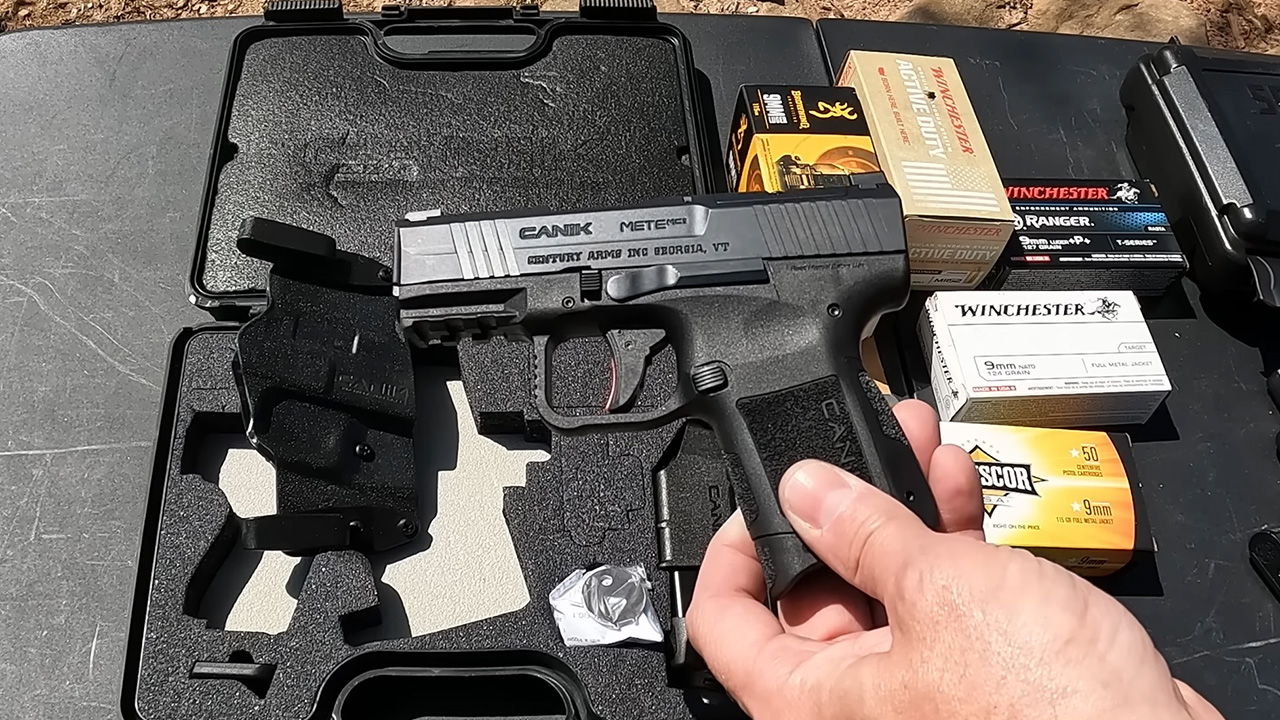
The Mete MC9 had a lot going for it on paper. Canik had already earned a reputation for strong triggers and good value, so a smaller carry pistol from the same family sounded like a smart move.
Some owners were disappointed when the tiny version did not feel as settled as the larger Caniks. Reports of feeding issues, return-to-battery problems, and snappier handling made buyers cautious. A carry pistol has a much smaller margin for forgiveness than a range gun. If the owner has to wonder whether the gun is fully sorted, confidence fades quickly.
Beretta APX Carry

The Beretta APX Carry looked like it should have been a strong single-stack carry pistol from a trusted company. It had Beretta’s name, a slim profile, and a role that made sense when small 9mms were still dominating the case.
The pistol never really won over enough owners. The trigger, grip feel, and overall shooting experience left some buyers cold. It carried fine, but it did not always shoot well enough to stand out against stronger competitors. For a company with Beretta’s reputation, “fine” felt like a letdown. Many owners moved on to carry pistols that felt easier to shoot and support.
Ruger American Pistol Compact

The Ruger American Pistol Compact had the right idea. It was rugged, affordable, and backed by a major company known for durable guns. Buyers looking for a practical compact 9mm had reasons to consider it.
The disappointment came from how chunky and forgettable it felt compared with the competition. It worked for many owners, but it never had the carry comfort, trigger feel, or aftermarket support that made people excited to keep it. Some pistols fail because they are unreliable. This one disappointed because it felt like a sensible answer that arrived without much spark.
Kimber EVO SP
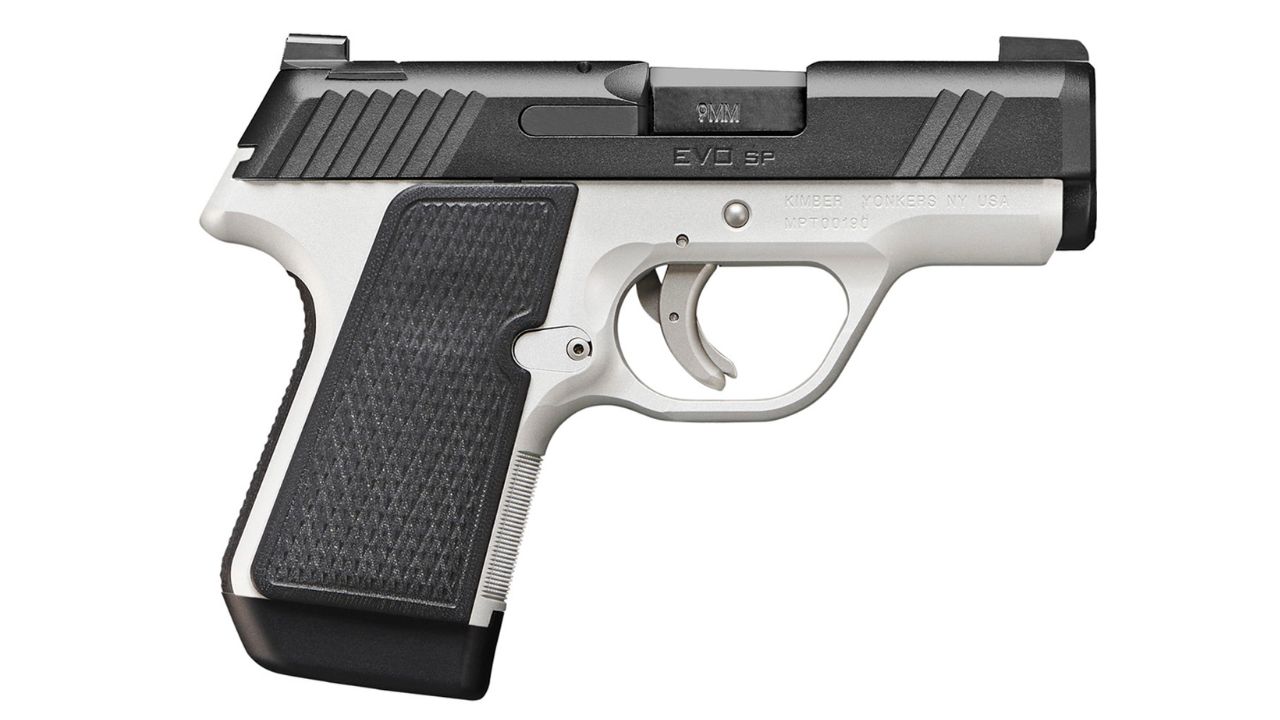
The Kimber EVO SP looked like Kimber’s attempt to build a serious modern micro 9mm without leaning on the tiny 1911-style format. It was attractive, compact, and felt more upscale than many polymer carry guns.
For some owners, the shooting experience did not match the price. The pistol had to compete with cheaper guns that offered more capacity, broader support, and stronger track records. When a small pistol costs more, it has to feel clearly better. Many buyers found the EVO SP interesting but not convincing enough to keep over simpler carry options.
Remington RP9

The Remington RP9 was supposed to give buyers a full-size, affordable, striker-fired 9mm from a famous American name. That should have been a straightforward formula.
Instead, it became another reminder that brand history does not guarantee handgun success. The pistol felt bulky, the trigger and ergonomics were not loved by many shooters, and buyer confidence never really took off. It entered a market packed with better-established choices, and it did not do enough to pull people away. Owners who wanted Remington to return strong to handguns were left disappointed.
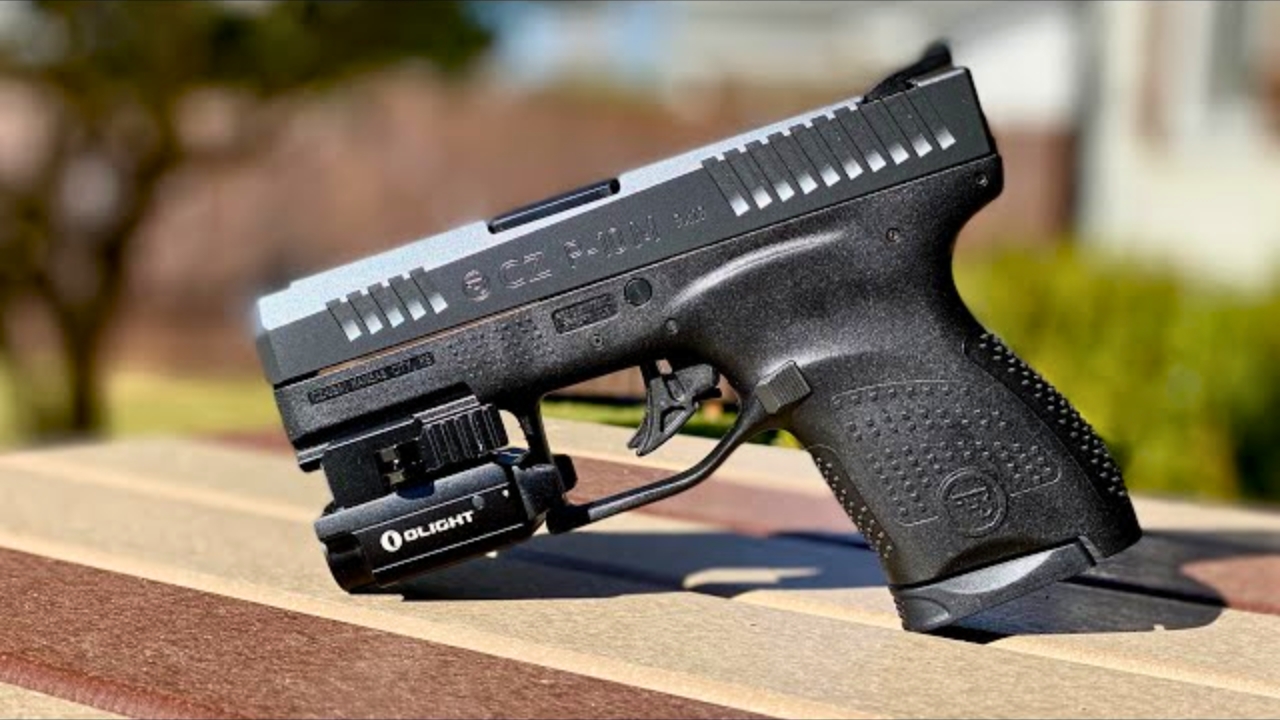
CZ P-10 M
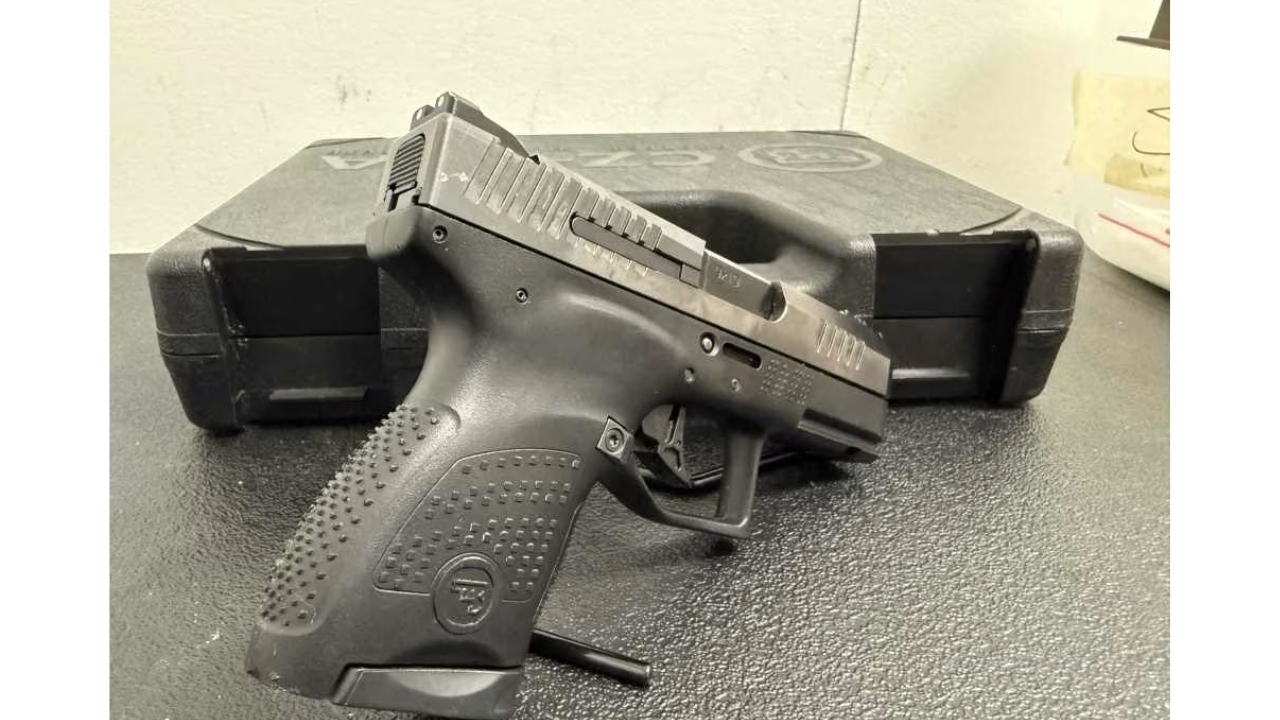
The CZ P-10 M sounded promising because the larger P-10 pistols had already earned respect. A slim, carry-friendly version should have been an easy recommendation for CZ fans.
But the M version disappointed some buyers because it felt stripped down in ways that hurt the experience. Capacity was limited compared with newer micro-compacts, and the controls were more minimal than many shooters liked. It carried easily, but it did not always feel like a full-strength CZ answer to the carry market. People expected more from the P-10 name.
Taurus G3c

The Taurus G3c attracted buyers with a low price, good capacity, and a feature list that looked strong for the money. For budget-minded carry buyers, it seemed like a lot of pistol without much financial risk.
Some owners still came away disappointed after comparing it to slightly more expensive options. The trigger feel, finish, recoil control, and long-term confidence did not satisfy everyone. Plenty of G3c pistols run and serve their owners well, but buyers expecting it to feel like a hidden premium gun often learned the difference quickly. Value matters, but so does confidence.
Shadow Systems CR920
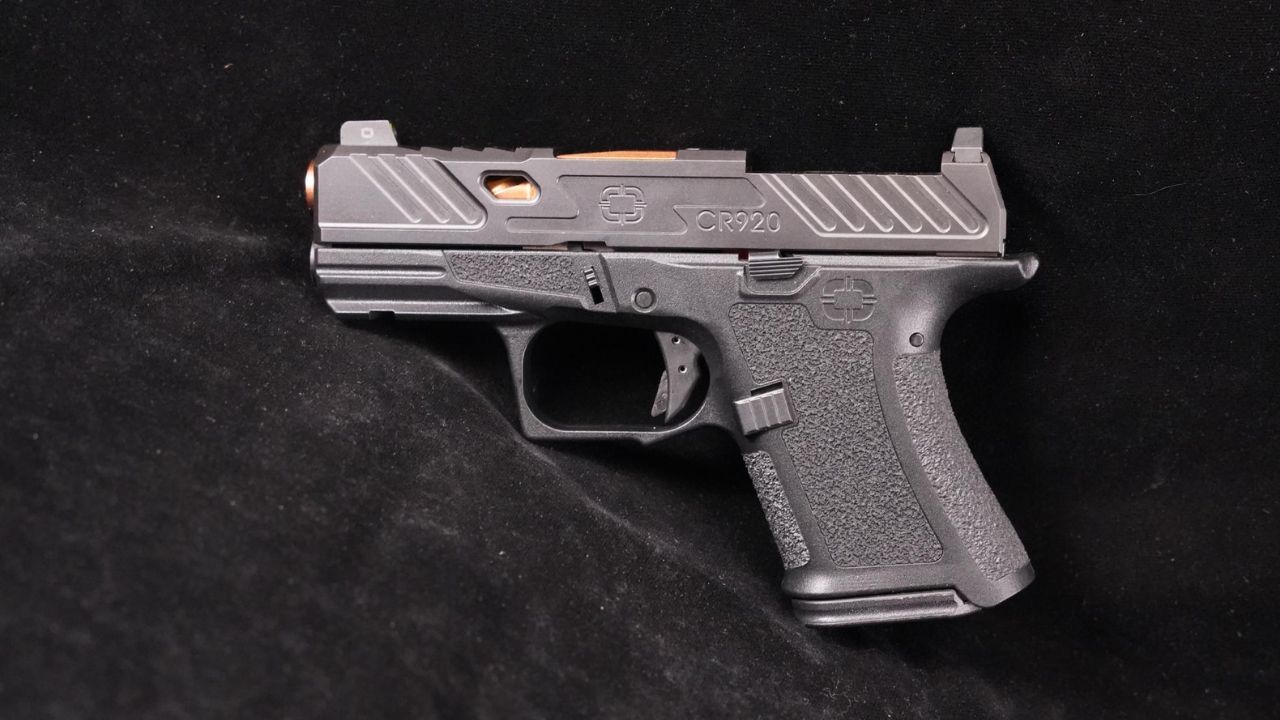
The Shadow Systems CR920 had a strong pitch. It offered a small carry pistol with upgraded features, Glock-like familiarity, and a more refined feel than a basic micro-compact.
The issue for some owners was that early confidence was uneven. Reports of break-in needs, reliability concerns, and picky behavior made some buyers nervous. A tiny carry pistol already demands practice, and an upgraded one costs enough that people expect it to run cleanly. When a premium-leaning carry gun makes owners question reliability, disappointment comes fast.
Smith & Wesson SW1911SC E-Series

The SW1911SC E-Series had real appeal for buyers who wanted a lightweight, scandium-framed 1911 from a major manufacturer. It looked like a carry-friendly way to get classic 1911 handling without full steel weight.
Some owners found the tradeoff harder to love. Lightweight 1911s can be sharper in recoil, more sensitive to setup, and less relaxing to shoot than heavier models. The pistol itself may be well-made, but buyers who expected easy carry and easy range manners sometimes only got one of those. A lighter 1911 sounds great until practice stops being fun.
EAA Girsan MC1911 Match Elite
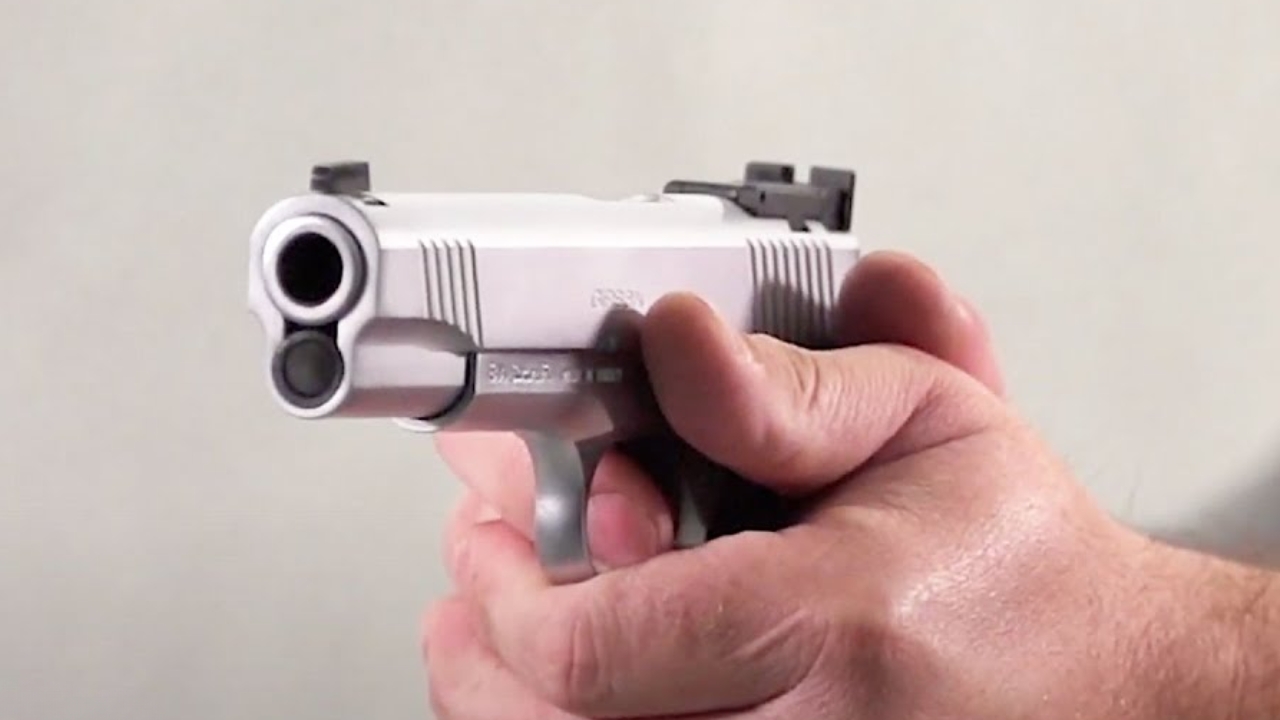
The Girsan MC1911 Match Elite tempted buyers who wanted a feature-heavy 1911 without paying premium money. The looks, controls, and price made it easy to think you were getting a serious shortcut.
Some owners learned that features do not always equal refinement. The trigger, fit, finish, and reliability consistency did not always match what shooters expect from more expensive 1911s. It can be a good value for the right buyer, but anyone expecting high-end 1911 smoothness at bargain pricing may feel let down. Cheap upgrades still have to perform.
Rock Island Armory BBR 3.10
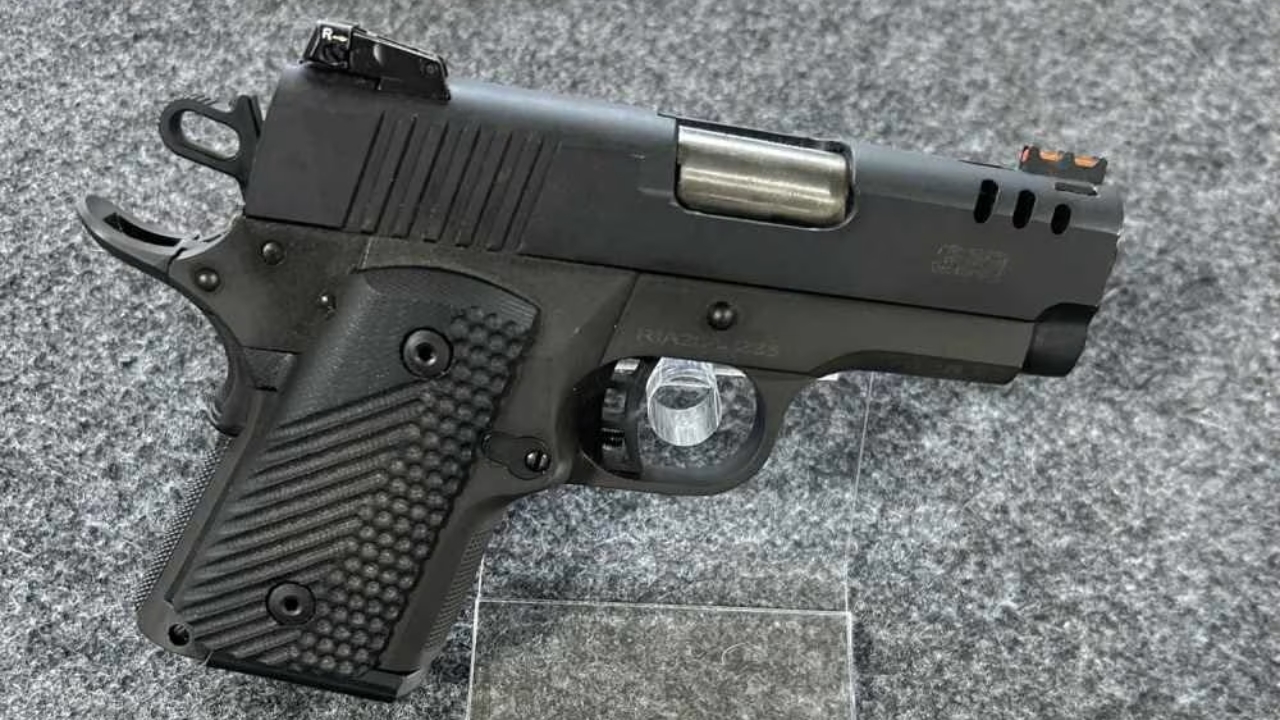
The Rock Island BBR 3.10 looked like a wild little carry pistol: double-stack capacity, .45 ACP chambering, and compact size. At the counter, that combination can sound powerful and practical.
Then the tradeoffs show up. A short, chunky .45 is not always easy to carry comfortably or shoot quickly. Recoil, weight, grip size, and magazine considerations make it more specialized than the sales pitch suggests. Some owners liked the idea more than the experience. More power in a smaller pistol is not always an upgrade if the gun becomes harder to run well.
Hudson H9A
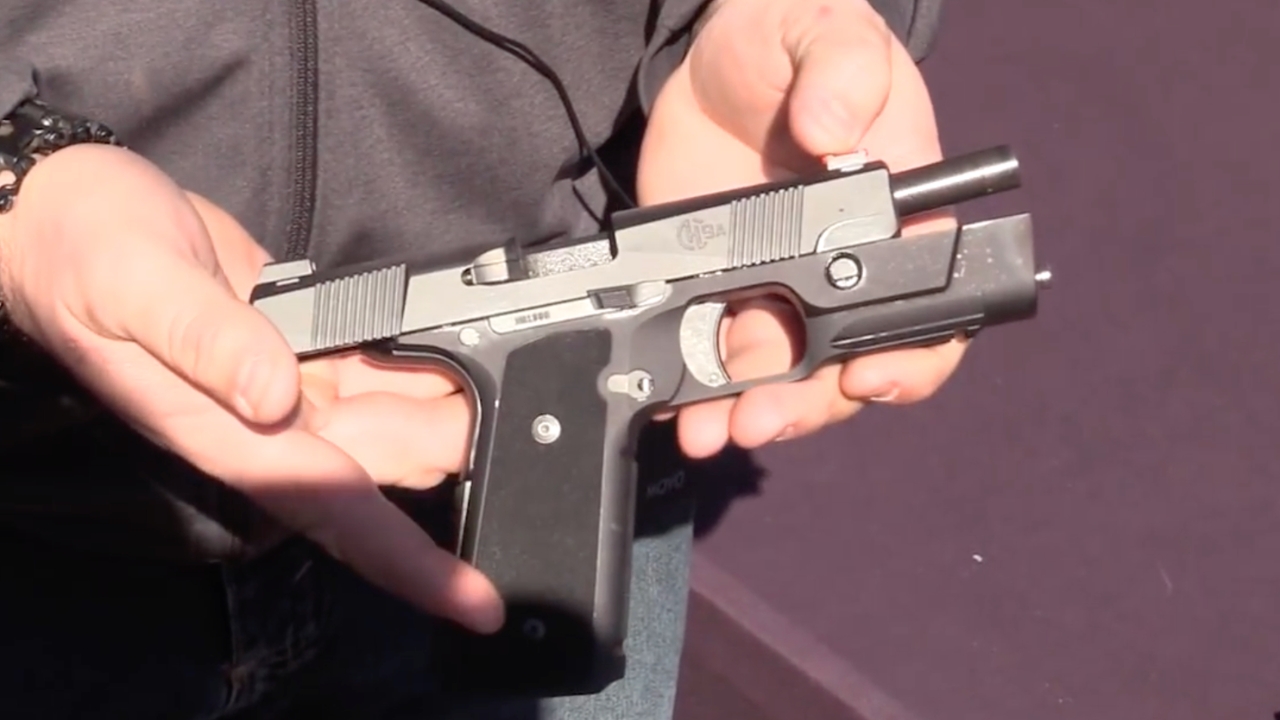
The Hudson H9A carried the same excitement as the original Hudson idea, but with an aluminum frame that promised less weight and broader appeal. Buyers who liked the concept hoped it would solve some of the original pistol’s drawbacks.
Instead, the company’s collapse made the whole platform feel risky. Even owners who liked the way it shot had to worry about parts, service, magazines, and long-term support. That is a hard thing to accept after spending serious money. A pistol can be clever and still disappoint if ownership becomes uncertain the moment something breaks.
Like The Avid Outdoorsman’s content? Subscribe to our newsletter so you never miss an article.
Here’s more from us: