Photo credit: CLP STORE/Shutterstock.com
It’s easy to get caught up in ballistics charts and paper accuracy, but not every caliber that groups tight at 100 yards is worth betting your hunt on. Some rounds look good in theory but don’t carry the weight, energy, or performance you actually need to take down real game. When things get messy in the field—thick brush, bad angles, less-than-perfect hits—you need more than a clean paper punch. These are the calibers that sound good on paper but tend to fall apart when you put them to work.
.17 HMR
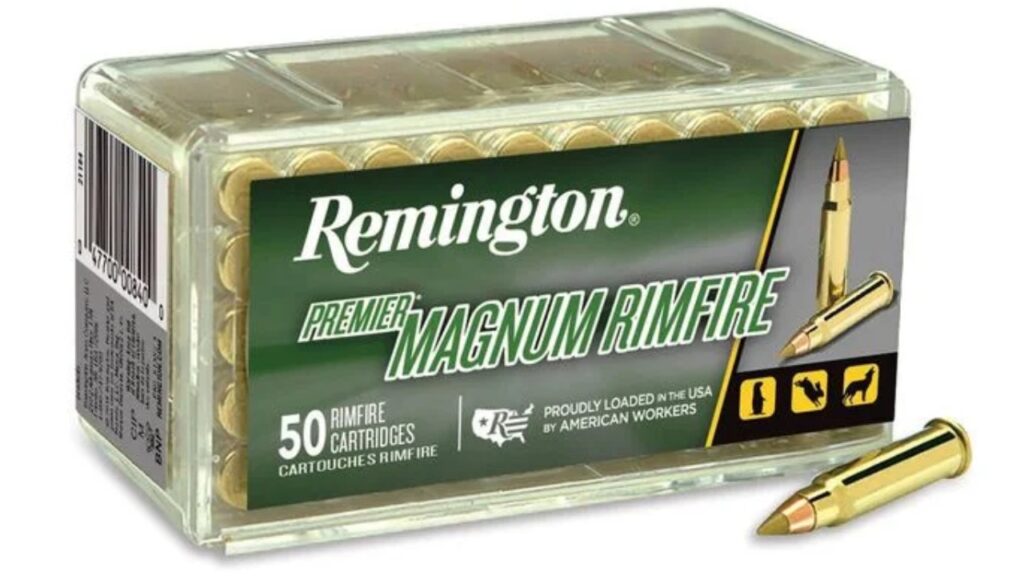
The .17 HMR is a tack driver at the range. It’ll give you beautiful groups all day and make you feel like a sniper. But when you take it out after anything bigger than a squirrel, the problems show up fast. Light bullets at high speeds don’t penetrate well, and that becomes a serious issue on anything with muscle or bone.
Even on varmints, shot placement has to be perfect. Miss the mark just a little, and you’re likely to wound rather than drop. It’s a fun round, no doubt, but it’s not built for serious game work.
.22 Long Rifle
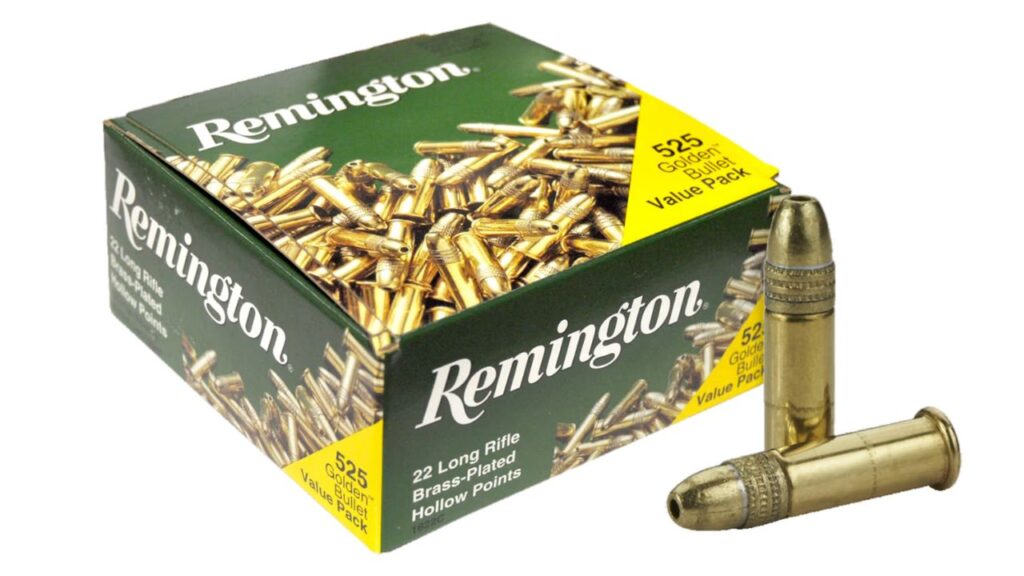
Everyone owns a .22, and it absolutely has its place. It’s cheap, quiet, and easy to shoot. But once folks start pushing it as a hunting round for more than rabbits, things get dicey. It doesn’t have the power to cleanly take down anything much bigger, especially at a distance.
Plenty of animals have run off wounded after being hit with a .22, even with a solid shot. For dispatching trapped animals or popping small pests, sure. But for ethical hunting? It falls short fast.
5.7x28mm

The 5.7x28mm looks good on a spec sheet. It’s fast, flat, and zippy. But when it comes to real-world effectiveness on game, especially anything beyond varmints, it’s underwhelming. The light projectile just doesn’t deliver enough punch on impact.
You’ll get penetration on soft targets, but not the kind of tissue damage you need to put an animal down quickly. It’s a defensive round at best—and even that’s debated—but it’s not built for hunting anything that fights back or runs far.
.223 Remington (With the Wrong Bullet)
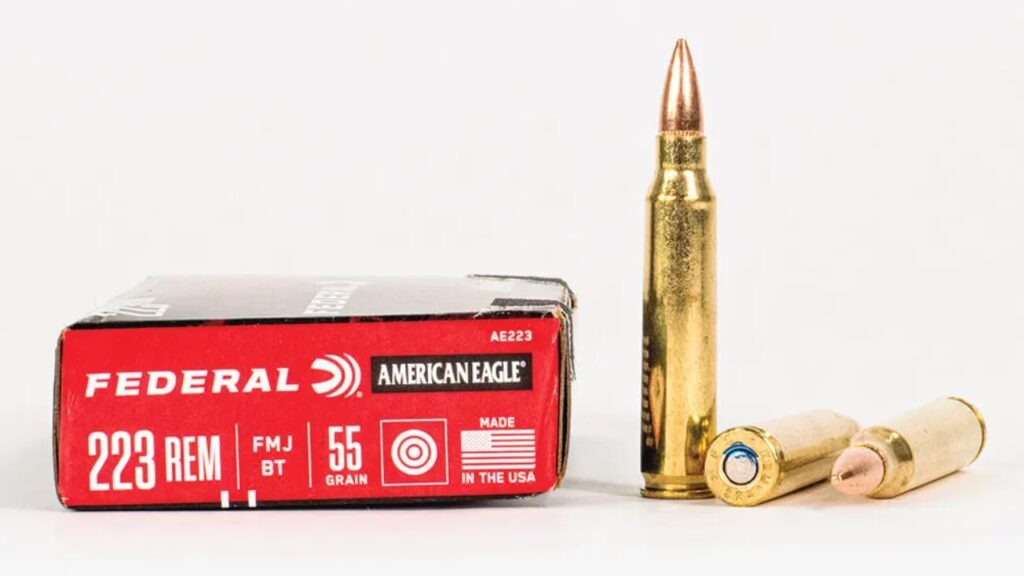
The .223 can absolutely be a capable hunting round—but only if you’re using the right bullet. Stick with lightweight varmint loads, and it becomes a liability fast. You’ll see shallow wounds and runners instead of clean kills.
Many folks use cheap FMJs or target rounds on deer-sized game, thinking velocity alone is enough. It’s not. If you’re going to hunt with .223, you need proper soft points or bonded bullets designed for that job. Otherwise, all you’ve got is a glorified paper puncher.
.25 ACP

Some folks carry a .25 ACP pocket pistol and talk themselves into thinking it’s “enough” for small game or even defense. On paper, it might seem more impressive than a .22. In the real world, though, it’s almost laughably weak.
Penetration is poor, expansion is nonexistent, and shot placement has to be surgical. Even with perfect hits, animals often run. It’s an outdated caliber that’s still around for some reason, but it shouldn’t be your go-to for anything that moves.
.30 Carbine
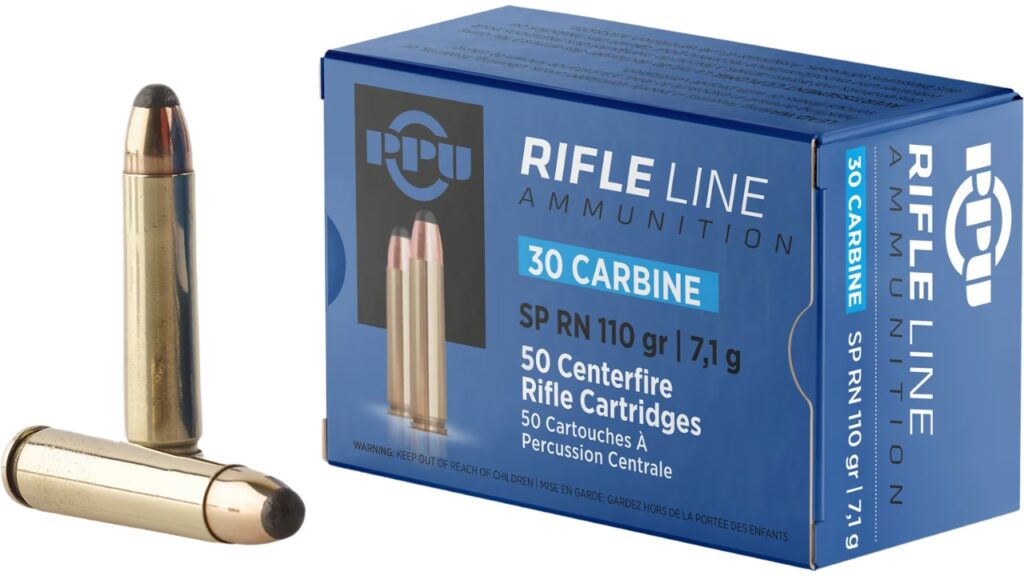
The M1 Carbine has its fans, and the round looks solid on paper—decent velocity, manageable recoil. But performance on game tells a different story. The bullets tend to over-penetrate or fail to expand, and animals often run after a hit.
For plinking or self-defense, sure. But as a hunting round? It’s too unpredictable. It was built for fighting people in WWII, not dropping hogs or deer. That difference matters more than most folks realize.
7.62x39mm (With Cheap FMJs)
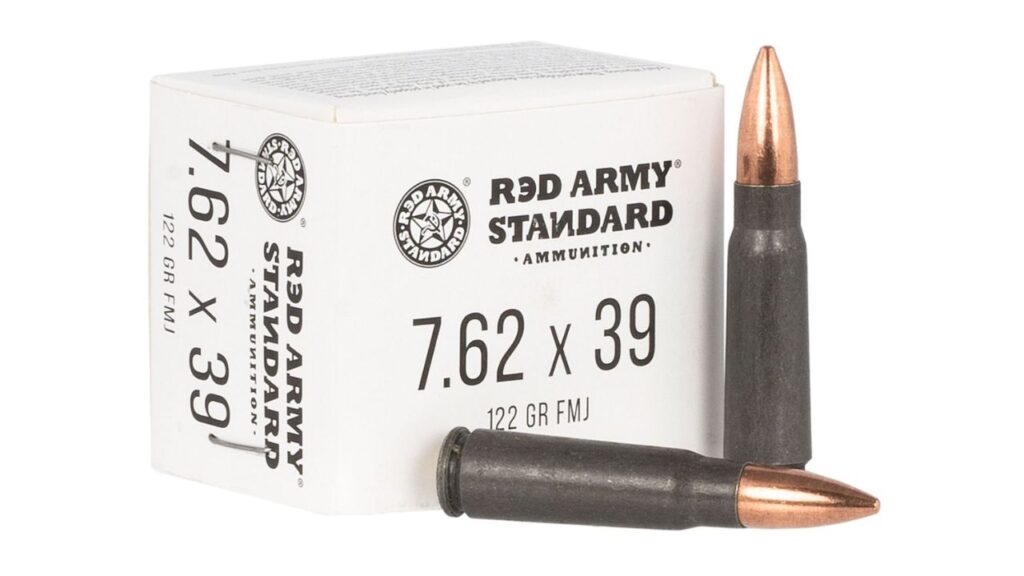
The 7.62x39mm is often seen as a .30-30 alternative. And with the right hunting load, it can get the job done. But cheap steel-case FMJs? That’s a different story. You’ll get ice-pick wounds with little actual trauma.
Animals hit with FMJs tend to keep running, and blood trails are minimal. If you’re going to use this round, you need soft points or something designed to open up. Otherwise, it’s not doing anything a paper target wouldn’t survive.
.32 ACP

This old-school pistol caliber still floats around, mostly in pocket guns and some survival rifles. It’s soft-shooting, easy to carry, and honestly kind of cool. But it doesn’t hit hard enough to be reliable on game.
You’ll hear stories of people taking rabbits or raccoons with one, but they’re the exception. The round was never meant to be a hunting tool, and it shows. If you’re relying on it in the field, you’re setting yourself up for frustration.
.380 ACP
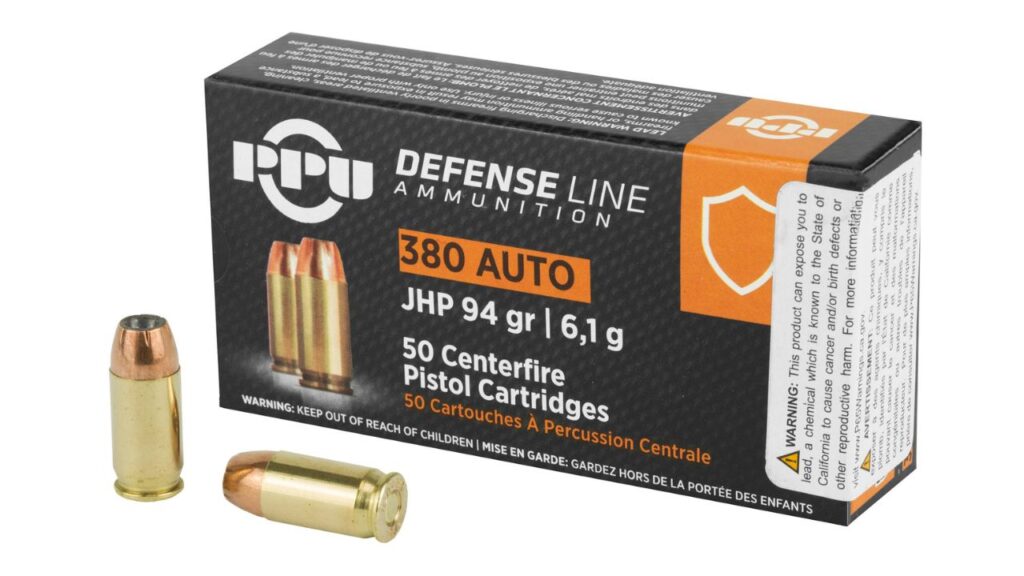
The .380 ACP walks a fine line. It’s okay for close-range self-defense with good ammo, but for hunting small game or survival use? Not ideal. Penetration is usually lacking, especially with hollow points. And FMJs just poke holes.
In a survival situation, it might be all you’ve got—but that doesn’t mean it’s good. If your goal is quick, humane kills, the .380 is going to make you work harder than you want. It’s better than nothing, but not by much.
.45 ACP (For the Wrong Use)

The .45 ACP has power and mass, but that doesn’t make it a good hunting round. It’s slow, it drops fast, and the expansion can be unpredictable outside of soft tissue. Great for self-defense, not so great in the field.
Plenty of folks love the idea of a .45 in a carbine for small game or backup. But unless you’re in bear country and need a last-ditch option, it’s usually overkill in the wrong way. Loud, heavy, and not great on anything that moves fast.
*This article was developed with AI-powered tools and has been carefully reviewed by our editors.