Photo credit: Wirestock Creators/Shutterstock.com
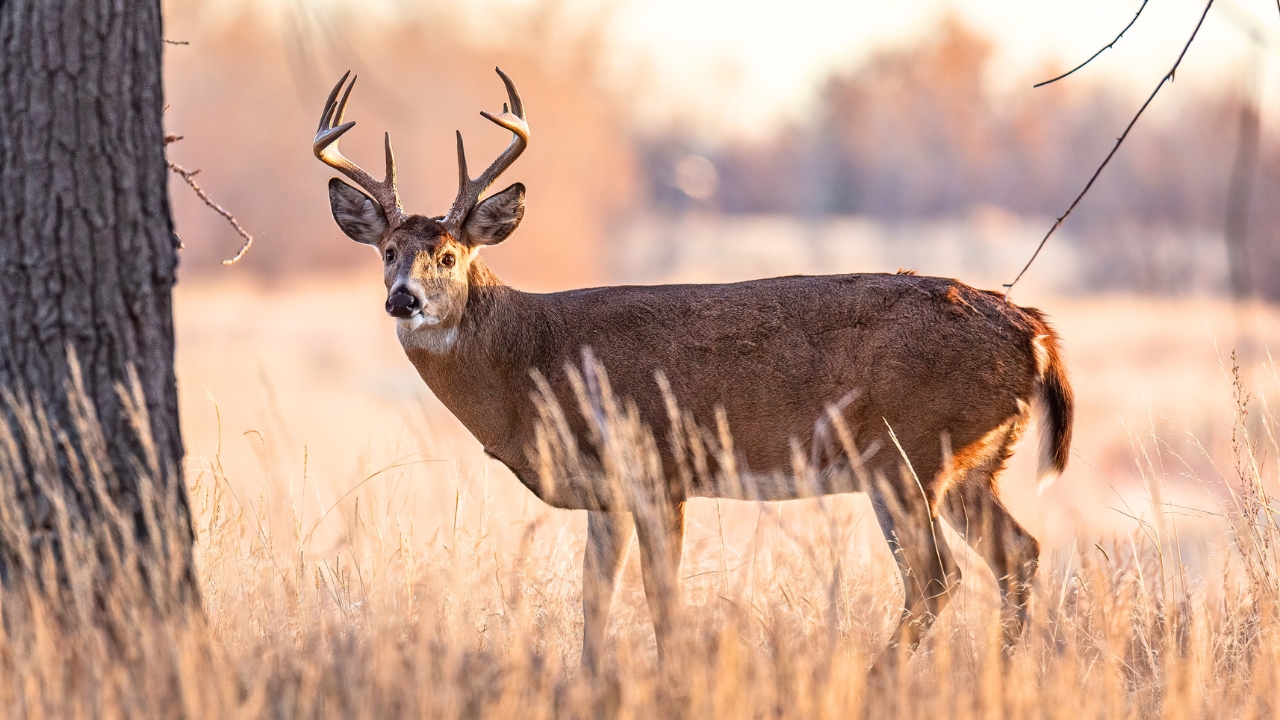
A broadside deer at a calm distance should be the easiest shot in the woods. You settle in, tuck it behind the shoulder, and expect the lights to go out fast. But every seasoned hunter has seen the opposite: a “perfect” hit, a mule kick, and then… nothing on the ground. No spray. No highway. Just a few pinhead drops that start 40 yards later.
Most of the time, the cartridge isn’t the real villain by itself. The combo is what gets you—high velocity, a bullet that opens too fast or too slow, and a hit that threads soft tissue without breaking anything meaningful. The rounds below can absolutely kill deer clean. But with the wrong bullet choice or impact speed, they’re more likely than you’d expect to turn good broadside hits into tracking jobs.
.243 Winchester

The .243 kills deer every season, but it can also leave you scratching your head after a clean broadside hit. With lighter, fast-opening bullets, you can get dramatic internal damage without much of an exit. That’s great for quick kills, but it’s not great for blood on the ground.
If you hit tight behind the shoulder and don’t clip bone, the deer can run on adrenaline while the lungs fill. Without a low exit hole, that blood stays inside longer. The fix is bullet selection—choose a controlled-expansion deer bullet, not a varmint-style option—and keep your placement slightly lower when you can. The .243 isn’t “weak,” but it can be stingy with blood trails when everything goes too clean.
.22-250 Remington

Plenty of deer have been taken with a .22-250, but it’s a cartridge that can punish you for thinking “broadside equals automatic.” At deer impact speeds, many .224 bullets are designed to open violently. That can cause shallow fragmentation or a blow-up that never exits, especially if you hit ribs instead of shoulder.
When you don’t get an exit, you’re relying on internal bleeding and time. A deer can cover a surprising distance on a double-lung hit before it realizes it’s done. If you insist on using a .22-250 for deer, you need a true big-game bullet and strict shot discipline. The cartridge can work, but it can also turn a clean hit into a long walk in leaves.
6mm Creedmoor

The 6mm Creedmoor is accurate and easy to shoot well, which is why it tempts hunters into thinking it’s foolproof. The reality is it can behave like any fast 6mm: dramatic internal damage, but sometimes a small or nonexistent exit when you hit soft tissue cleanly.
That’s where tracking jobs are born. You see the deer react hard, you feel good about the shot, and then you find only a few specks of blood because the chest cavity is holding it. The cartridge isn’t the problem as much as bullet choice. Go heavier and tougher in the 6mm class, and you’ll improve penetration and odds of an exit. If you run thin-jacketed bullets at high speed, you’re gambling on a perfect exit hole you might not get.
.25-06 Remington

The .25-06 is a flat-shooting deer hammer, but it can be rough on bullets—especially up close. With light-for-caliber, fast-expanding bullets, the impact can be so violent that the bullet sheds weight early and doesn’t leave a good exit. That’s how you get a dead deer and a weak blood trail.
On a broadside rib shot, you can get a big internal wound and a deer that still runs 80 yards with almost nothing on the ground. The solution is boring and effective: use a tougher deer bullet and don’t chase maximum speed for its own sake. The .25-06 performs best when the bullet holds together long enough to punch through and leave a low hole. When it doesn’t, you’ll be tracking.
.270 Winchester

The .270 has earned its reputation, but it’s also one of the most common cartridges where bullet mismatch causes headaches. With very soft bullets, especially at close range, you can get rapid expansion that burns up penetration and leaves you with no exit. The deer still dies, but you may not get the blood trail you expected.
A “perfect” broadside behind the shoulder can turn into a tracking job when the chest fills and the only leak is a small entrance high on the ribcage. Pick a controlled-expansion bullet, and the .270 becomes far more consistent. This isn’t a knock on the cartridge—it’s a reminder that velocity and soft bullets can be a messy combo. A tougher bullet usually fixes the problem fast.
7mm Remington Magnum

The 7mm Rem Mag hits hard, but high velocity can create odd results when bullets open too fast. You can absolutely paste a deer with a broadside shot and still end up tracking because the bullet grenaded early and didn’t exit. That’s more common with lighter bullets and softer designs, especially at close distances.
When the damage is internal and the entrance hole is small, blood on the ground can be delayed. The deer might go 60–120 yards before the trail becomes obvious. The fix is not “more caliber.” It’s a bullet that stays together at magnum speeds. Use a tougher 150–160 grain hunting bullet and the cartridge becomes far more reliable about exits and blood trails. Magnum speed is useful, but it demands the right projectile.
.300 Winchester Magnum

The .300 Win Mag is often treated like a sledgehammer, but it can still create tracking problems when the bullet choice is wrong. A very soft bullet at high impact speed can over-expand, shed weight, and stop inside the deer. That sounds backwards for a .30 magnum, but it happens, especially on close broadside rib shots.
When you don’t get an exit, you lose that steady blood leak that makes recovery easy. The deer may be dead on its feet, but it can still cover ground before it tips over. The solution is to run a controlled-expansion bullet built for magnum velocities. When the bullet holds together, you’ll usually get a pass-through and a better trail. The cartridge has plenty of power—sometimes the bullet can’t keep up.
.204 Ruger (where legal)
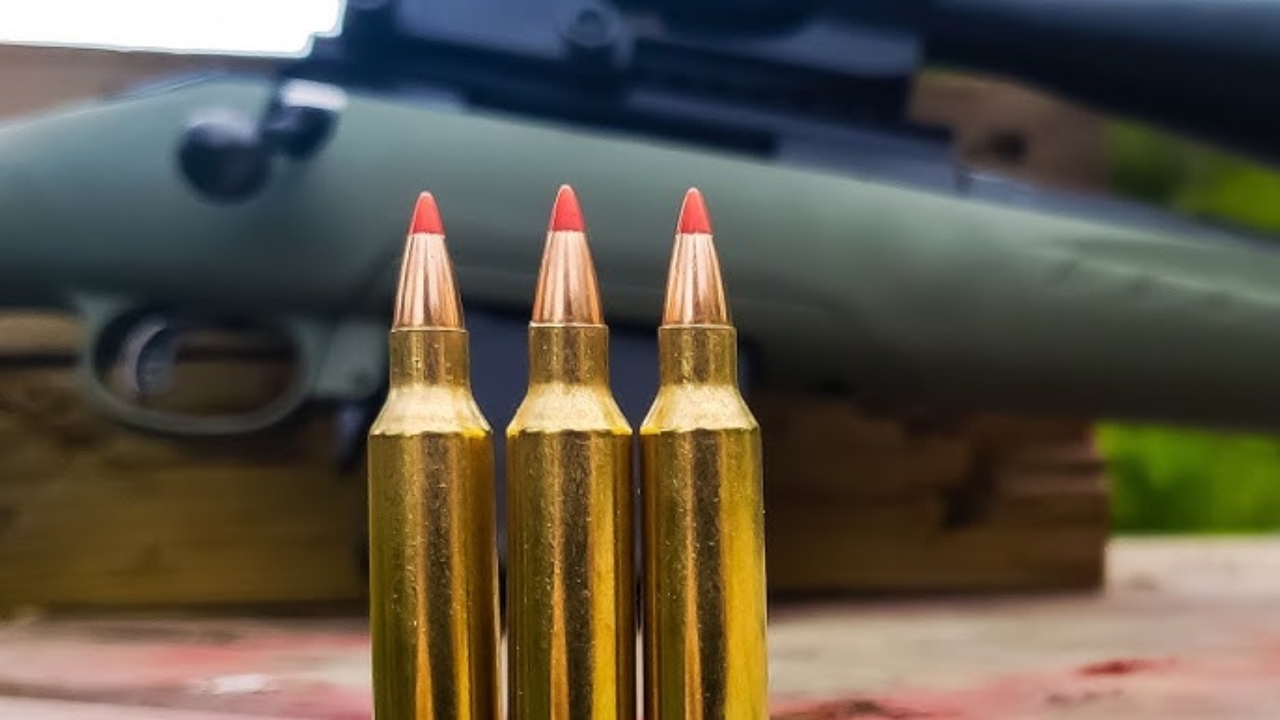
In places where it’s legal, the .204 Ruger can kill deer with perfect placement, but it’s also a prime example of how a broadside shot can still become a tracking job. Most .204 bullets are built for varmints, meaning fast expansion and limited penetration. On deer, that often means no exit and inconsistent wound channels.
You can punch lungs and still get minimal blood on the ground because the entrance is tiny and the damage stays inside. A deer can run farther than you’d expect on a clean lung hit, especially if the shot is a touch high. This is not a cartridge you pick if you want easy recoveries. It can work, but it’s unforgiving. When the goal is quick, obvious kills with good trails, small, high-velocity varmint rounds are a risky tool.
.223 Remington (where legal)
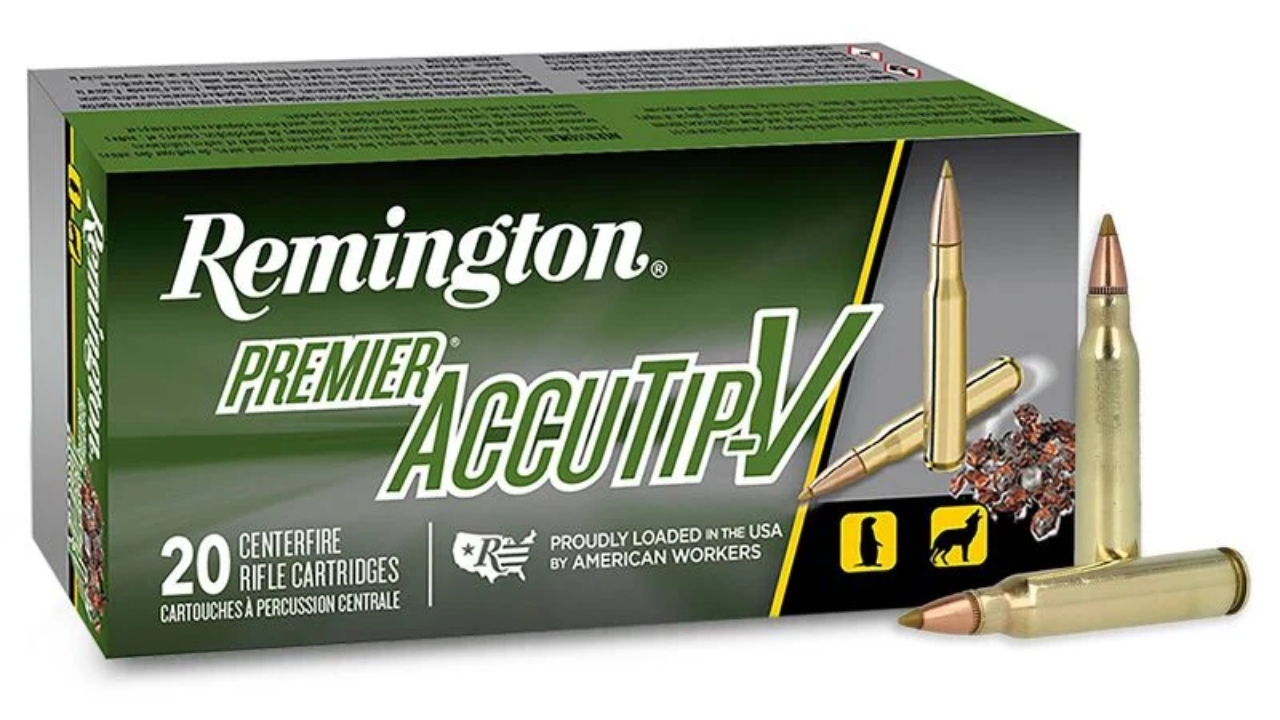
The .223 can be a clean deer killer with the right bullet, but it’s also one of the most common “perfect shot, lousy blood trail” stories. When you use bullets that fragment early or don’t penetrate well, you can destroy lungs and still not get an exit. That’s a recipe for a delayed blood trail.
Even with good bullets, the small entrance hole doesn’t leak much unless you hit low or get a pass-through. Deer can run surprisingly far with a double-lung hit, and in dry leaves that track can feel invisible. If you run .223 on deer, use a real deer bullet and keep your shot angles conservative. The cartridge isn’t magic, and it won’t break you out of bad recovery conditions. It can absolutely turn clean hits into long tracking jobs if the setup is wrong.
6.5 Creedmoor (with match-style bullets)

The 6.5 Creedmoor is a great deer round when you use hunting bullets. Problems show up when people run match bullets or thin-jacketed designs and expect consistent terminal performance. Some match bullets open violently, some pencil through, and neither outcome guarantees a clean exit or an easy blood trail.
On a broadside rib shot, you can get a deer that reacts hard and still runs with very little blood on the ground for the first stretch. That’s usually because the entrance is small and the main bleeding is internal. With proper hunting bullets, the Creedmoor is usually reliable and often exits. With the wrong bullets, it becomes unpredictable. If you want fewer tracking jobs, treat bullet choice as part of the cartridge, not an afterthought.
.240 Weatherby Magnum

The .240 Weatherby is fast, flat, and accurate, but speed is the whole story here. At close to moderate distances, impact velocity can be high enough to stress lighter bullets and cause violent expansion. That can mean big internal damage with limited penetration, especially if you don’t hit shoulder.
A broadside lung shot can still lead to a poor blood trail if the bullet doesn’t exit and the entrance is high. The deer may die quickly, but you might be tracking on sparse sign until it piles up. The fix is to run tougher bullets and be honest about range. The .240 Weatherby can be excellent on deer, but it’s not a cartridge that forgives soft bullets up close. When it acts up, it’s usually because velocity outpaced bullet construction.
.257 Weatherby Magnum

The .257 Weatherby is another “speed first” cartridge that can create tracking jobs when bullets open too fast. On broadside deer, it can turn the lungs into soup, but if the bullet sheds weight early and stops inside, the trail can be weak until you’re closer to the deer.
You’ll see the deer react like it got hit hard, which makes the lack of blood feel confusing. That’s usually because the entrance is small and the chest cavity holds the mess. Choose a controlled-expansion bullet built for high velocity, and the cartridge becomes much more consistent about exits. The .257 Weatherby is effective, but it demands good bullet discipline. If you treat it like any other .25 caliber and grab the softest bullet you can find, you’re inviting a longer recovery than you expected.
.30-30 Winchester

This might surprise people, but the .30-30 can create tracking jobs when the bullet doesn’t expand much and the shot is placed tight behind the shoulder. At moderate velocities, some tougher bullets can act a little “polite,” especially at longer woods distances. You get a clean hole through lungs, but not a dramatic wound.
That can mean a deer that runs a good ways and leaves a lighter trail than you expected, particularly if the exit hole is higher and doesn’t drain well. The .30-30 still kills deer very effectively, but it’s not always a dramatic blood-sprayer. Use a proven deer bullet that expands reliably at .30-30 speeds, and you’ll usually see better trails. When the bullet behaves like a pencil, your tracking job gets longer.
7.62×39 (in hunting loads)

With proper hunting ammo, 7.62×39 is a legitimate deer cartridge. The problem is that not all loads are built for consistent expansion, and some bullets can punch through with limited upset, especially at the lower end of velocity. On a broadside deer, that can produce a narrow wound channel and a delayed blood trail.
You’ll still kill the deer if you hit lungs, but you might not get much sign at first—especially if the shot is a touch high and the exit doesn’t drain. The fix is to pick hunting-specific soft points or controlled-expansion bullets that are known to open at x39 speeds. When you do, it can be very effective in the woods. When you don’t, a “perfect” broadside can turn into a longer track than it needed to be.
.45 Colt (from carbines, where legal)

In a carbine, .45 Colt can be a deer killer at close range, but it can also create tracking jobs depending on bullet choice. Some loads are built for penetration and don’t expand much, especially if they’re hard-cast or designed for deeper targets. A broadside lung shot can leave two neat holes and not much drama.
That’s not always a bad thing, but it can mean less blood early if the holes are small or positioned high. The deer can run farther than you’d expect because the damage isn’t as disruptive as a faster rifle round. With expanding bullets designed for deer, you can get better tissue damage and more consistent blood trails. .45 Colt works, but it’s a cartridge where ammo choice changes the whole story. If you pick the wrong load, you’ll be tracking more than you planned.
Like The Avid Outdoorsman’s content? Be sure to follow us.
Here’s more from us: