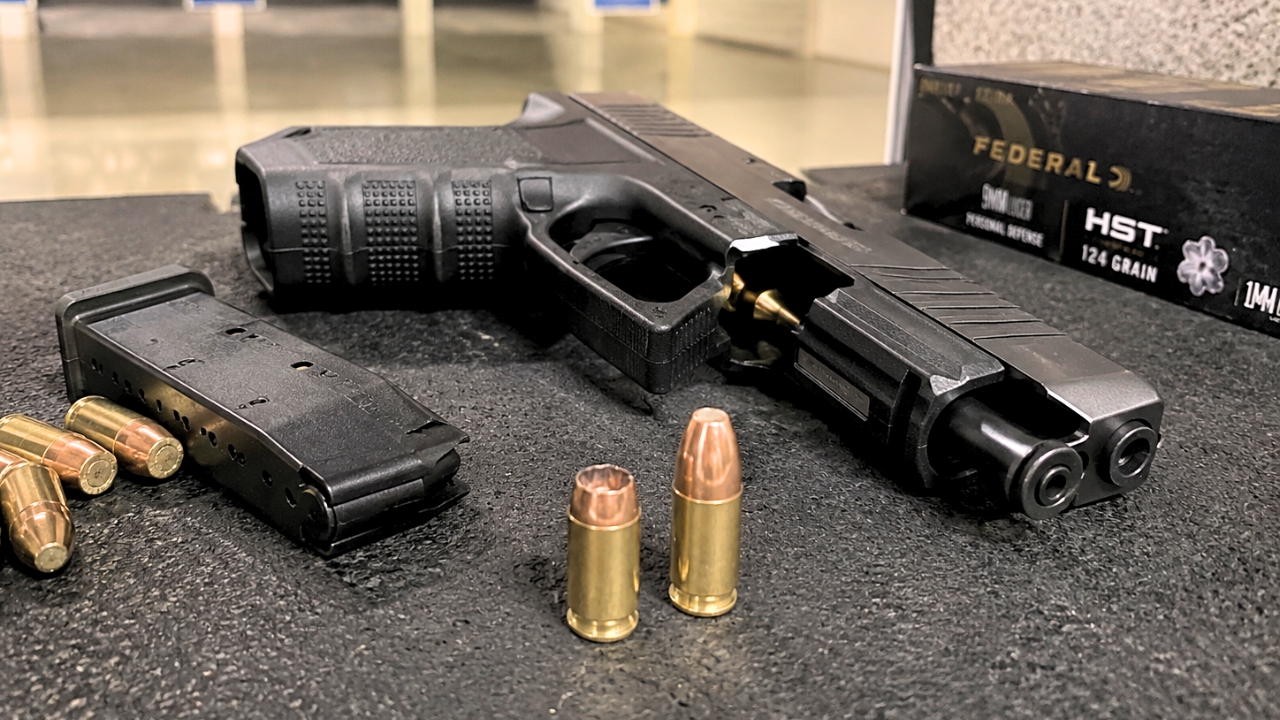
Photo credit: The Avid Outdoorsman
The first problem was the failure to feed.
The second problem was what it did to the round.
That is the part that can sneak up on people. A gun chokes, the shooter clears it, checks the pistol, maybe blames the magazine or the feed ramp, and gets ready to move on. But the cartridge that caused the trouble may not come out looking the same as it went in.
In a Reddit post, a concealed carrier described a round that became recessed after a failure to feed. The bullet had been pushed deeper into the casing, creating the kind of ammo issue that responsible carriers should not ignore.
That is called bullet setback.
And it matters.
A defensive round is built to a certain overall length. The bullet sits in the case where it is supposed to sit. If that bullet gets shoved deeper into the casing, the internal space inside the cartridge changes. That can increase pressure when the round is fired, especially with certain loads. The risk depends on the caliber, amount of setback, powder charge, and cartridge, but the bottom line is simple: a visibly set-back round does not belong back in a carry gun.
It already failed the visual test.
The frustrating thing is that this can happen during normal carry life. A round gets chambered. Then the gun gets unloaded. Then the same round gets chambered again. Maybe it hits the feed ramp repeatedly. Maybe the slide slams it forward over and over. Maybe a failure to feed jams the bullet nose hard enough to push it back into the case. Over time, the top round in a carry magazine can take a beating.
A lot of people never look closely enough to notice.
They unload, reload, chamber the same round, and assume everything is fine because the cartridge still looks mostly normal at a glance. But once you compare it to a fresh round and see the bullet sitting lower, the concern gets real fast.
That seems to be what happened here.
The failure to feed was already a reason to pause. A carry gun that does not chamber a round cleanly needs attention. But the recessed bullet added a second layer: even after clearing the malfunction, that specific round was no longer something to trust.
It might fire.
It might not.
It might fire at higher pressure than intended.
None of those answers are good enough for defensive carry.
The safest move is to pull the round from carry use immediately. Some shooters discard set-back rounds. Some set them aside and ask the manufacturer. Some may pull the bullet if they reload and understand what they are doing. What they should not do is shrug, put it back in the magazine, and carry it again like nothing happened.
The round has already told you something is wrong.
This is also why rotating carry ammo matters. If you repeatedly load and unload your pistol, do not keep chambering the same top round forever. Rotate it down in the magazine if appropriate. Inspect it against a fresh round. Better yet, periodically shoot old carry ammo at the range and replace it with fresh ammunition. Defensive ammo is expensive, but a compromised round is not the place to save money.
A setback issue also raises questions about the gun and ammo combination. Why did the round fail to feed? Was the bullet profile catching on the feed ramp? Was the magazine presenting it poorly? Was the slide being ridden forward instead of released properly? Was the gun dirty or dry? Was the round already damaged from repeated chambering before the malfunction?
Those details matter because bullet setback may be the result, not the root cause.
If one round is badly recessed after one failure to feed, the owner should inspect the rest of the box and magazine. Compare overall length visually with fresh rounds. Check for other bullets that are pushed in, loose, crooked, dented, or otherwise abnormal. Then test the gun with the carry load carefully at the range. If the ammo keeps nose-diving or hanging up, that load may not be right for that pistol.
A carry setup has to be boringly consistent.
The round feeds. The gun chambers. The bullet stays where it belongs. The magazine presents the next round. No weird crunches. No repeated jams. No cartridges getting shorter every time they hit the ramp.
When any of that changes, pay attention.
The good news is that the carrier noticed the recessed bullet before firing it. That is the best possible version of the problem. A failure to feed at the range or during administrative handling is annoying, but it gives the shooter a chance to catch the damage. Firing a compromised round because nobody looked is where things can get expensive or dangerous.
This is one of those small details that separates casual carry from careful carry.
You do not need to obsess over every cartridge like it is a museum piece, but you do need to inspect the ammo you rely on. Look for setback. Look for corrosion. Look for damaged case mouths. Look for bullets that spin or move. Compare questionable rounds to fresh ones. If something looks wrong, it is wrong enough to remove from carry.
A recessed bullet may seem small.
Inside the cartridge, it is not.
Commenters mostly told the carrier not to reuse the recessed round for defense.
Several people explained that bullet setback can increase pressure because the bullet has been pushed deeper into the case. Even if the round might fire, it is not worth trusting once the setback is visible.
Others focused on repeated chambering. The top round in a carry magazine can get slammed into the feed ramp multiple times if someone unloads and reloads frequently. Commenters suggested rotating rounds, inspecting them, and replacing carry ammo periodically.
A lot of practical advice came down to comparing the damaged round with a fresh one. If the bullet sits noticeably deeper, pull it from carry use. The visual difference is enough to treat it as compromised.
Some commenters also said to figure out why the failure to feed happened in the first place. If the same ammo keeps hanging up, the gun may not like that load, or a magazine may be causing trouble.
The main lesson was simple: after a failure to feed, inspect the round. Clearing the malfunction is not the end if the cartridge came out damaged.