Photo credit: Cabot Guns
A “good” holster fixes a lot, but it can’t change physics. Printing usually comes from the part of the gun that wants to lever outward—the grip. Long grips, thick frames, tall slides, wide cylinders, and sharp corners all try to telegraph themselves through a t-shirt, even when your holster is legit and your belt is stiff.
That’s why some carry guns feel great on the range and still make you look like you’re hiding a lunchbox on your hip. It’s not always the holster’s fault. Sometimes the gun’s shape is the problem: too much height, too much thickness, or too much “handle” above the belt line. These are carry guns that tend to print like crazy, even when you’re doing the holster part right.
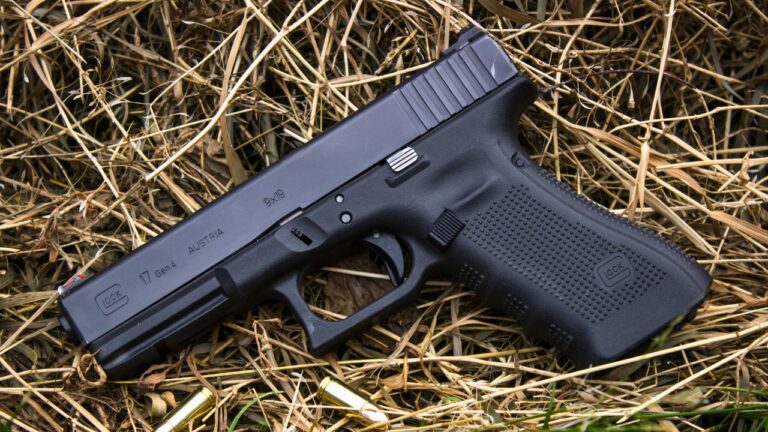
Glock 17

The Glock 17 prints because it’s tall where it matters. The slide isn’t the issue. The grip is. That long butt sits above the belt and loves to lever outward when you bend, reach, or twist. Even with a quality holster, it can show up as the classic “grip corner” through light clothing.
You can conceal it, but you usually have to dress around it. A stiffer belt helps, a wedge helps, and carry position helps, but the basic shape stays the same. If you’re lean or you wear fitted shirts, it can feel like the gun is always announcing itself. The 17 is a great shooter and a great duty gun. It just isn’t built to disappear.
SIG Sauer P226

The P226 is a full-size service pistol with a grip that doesn’t apologize. The frame is substantial, the grip is long, and the overall profile tends to print through casual clothes, especially if you carry behind the hip. A good holster can keep it stable, but it can’t make it shorter.
The other issue is how it carries against the body. The pistol has enough bulk that it can push a cover garment outward instead of tucking in tight. You can make it work with the right belt and a good carry position, but it often takes more wardrobe compromise than people expect. The P226 is easy to shoot and easy to trust. It just isn’t an easy concealment gun for most body types.
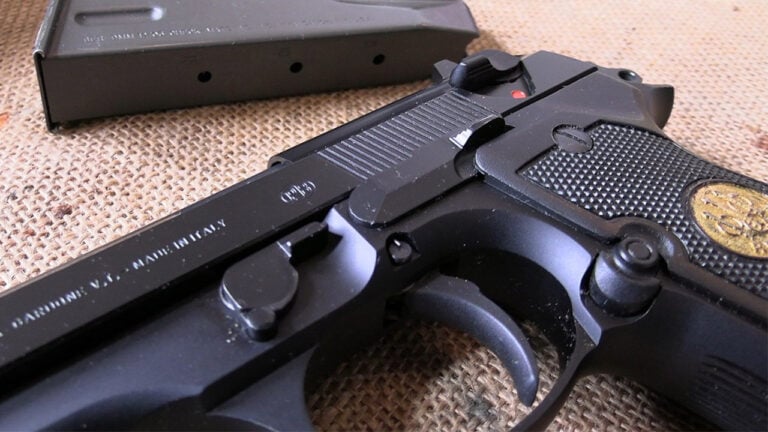
Beretta 92FS

The 92FS is long, tall, and shaped like a classic duty pistol. It prints because there’s simply a lot of gun above the belt line, and the grip is broad enough to show through light clothing. The length can also make it awkward to carry in certain positions if your torso is shorter.
Even with a great holster, the Beretta tends to “push” your shirt out instead of melting into your side. You can hide it under a jacket, a heavier flannel, or a structured overshirt, but t-shirt concealment is where it becomes a constant fight. The 92FS is a smooth shooter and a great range gun. As a daily concealed carry piece, it’s often more visible than people think until they try it.
1911 Government Model

A Government-size 1911 is slim, which helps, but it still prints because it’s tall and long. That long grip and full-length slide create a bigger footprint than most people are prepared for, especially with casual clothing. The grip safety and hammer area can also create little pressure points that show up as odd bulges depending on holster ride height.
The 1911 carries flatter than many double-stacks, but flat doesn’t always mean invisible. The butt is still a lever, and the longer slide can limit where you can comfortably place it on the belt. You can absolutely conceal it with the right setup, but it usually requires deliberate choices in clothing and carry position. It’s a classic carry gun for a reason, but it can still print hard on light clothing.
CZ 75 SP-01
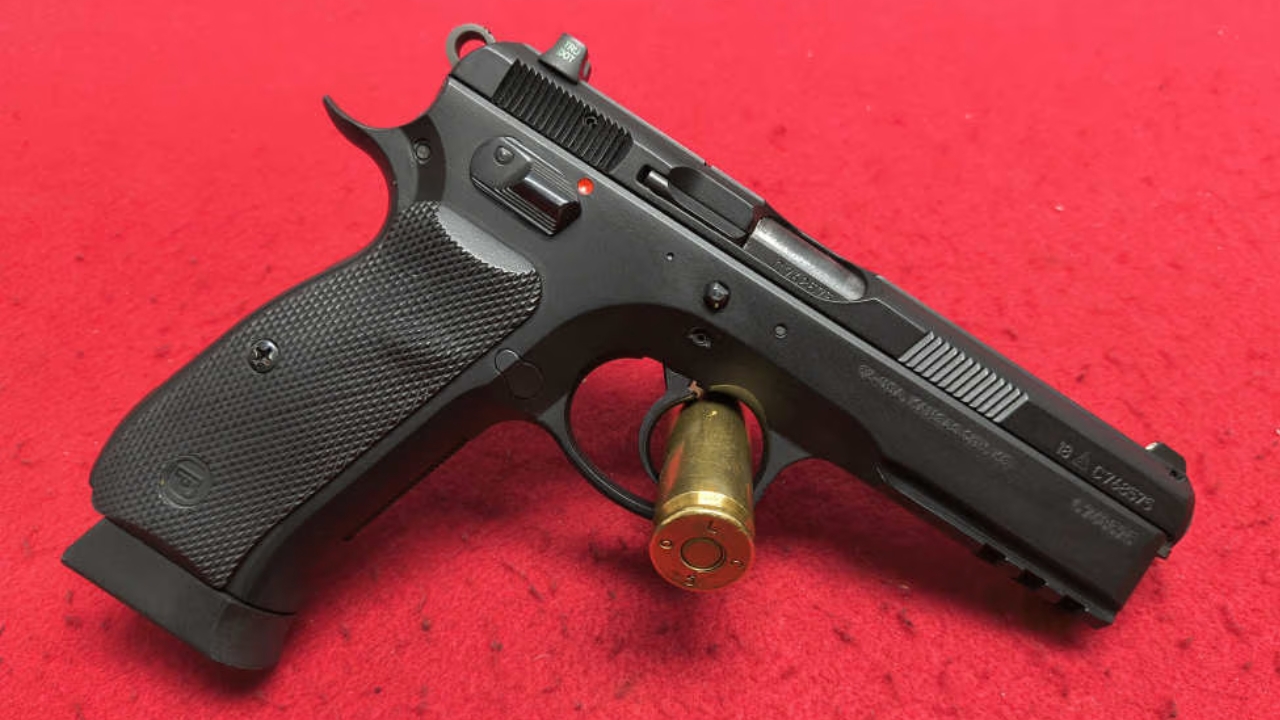
The SP-01 is a heavy, full-size pistol with a long grip and enough steel to remind you it’s there. Printing is common because the grip length and shape love to poke out, especially as your shirt drapes and shifts through normal movement. It’s not a “throw it on and forget it” concealment gun.
The weight also affects how it carries. If your belt isn’t solid, the gun can tilt outward as the day goes on, which makes printing worse even with a great holster. The SP-01 shoots beautifully, and that tempts people into carrying it. Then the first warm day hits and they realize it’s a lot of pistol to hide under a t-shirt. It can be done, but it’s rarely effortless.
HK USP Full Size
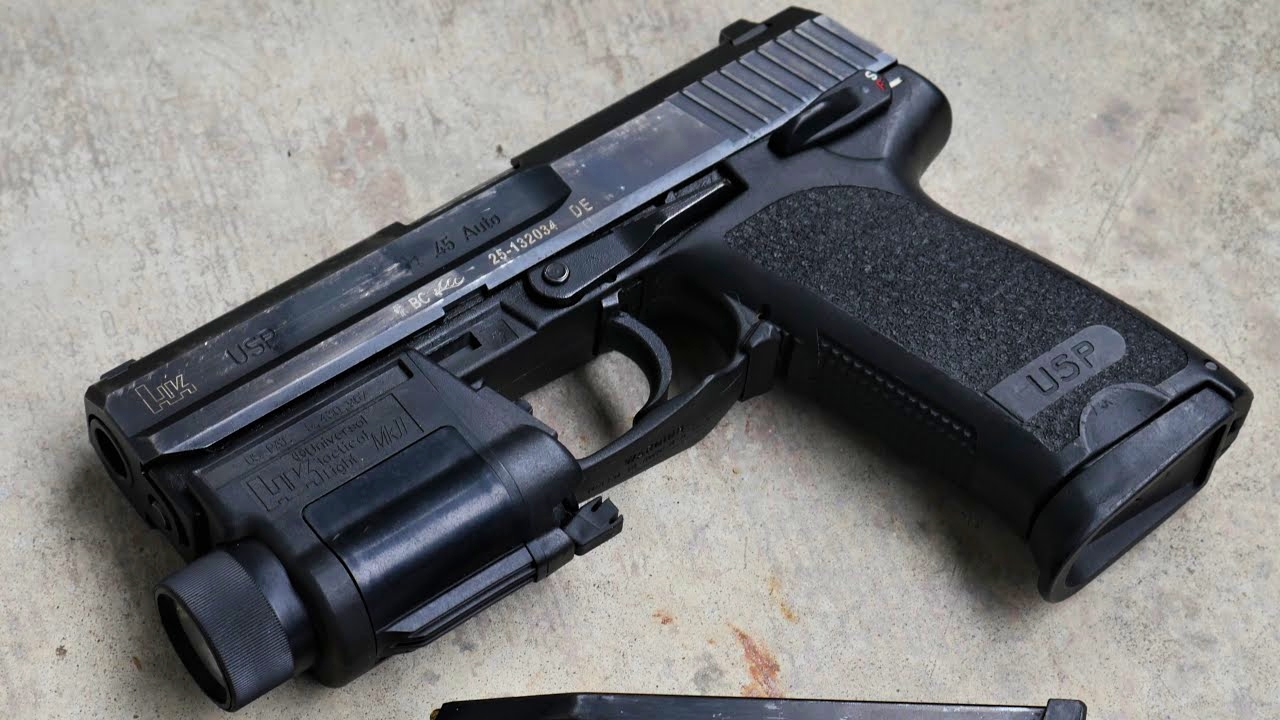
The USP Full Size is thick, tall, and shaped like a serious service gun from an era when concealment wasn’t the priority. The grip is blocky enough that it tends to print even when your holster holds it tight. The controls can also create little “hot spots” that show up through thinner garments.
It’s one of those pistols that carries best when you dress around it. A heavier cover garment helps, and so does carrying closer to the front where your body can help hide the grip. But the USP’s overall dimensions are still the story. It’s a durable, dependable pistol and a great shooter. If your goal is deep concealment with normal clothes, it’s often more trouble than it’s worth.
Glock 34
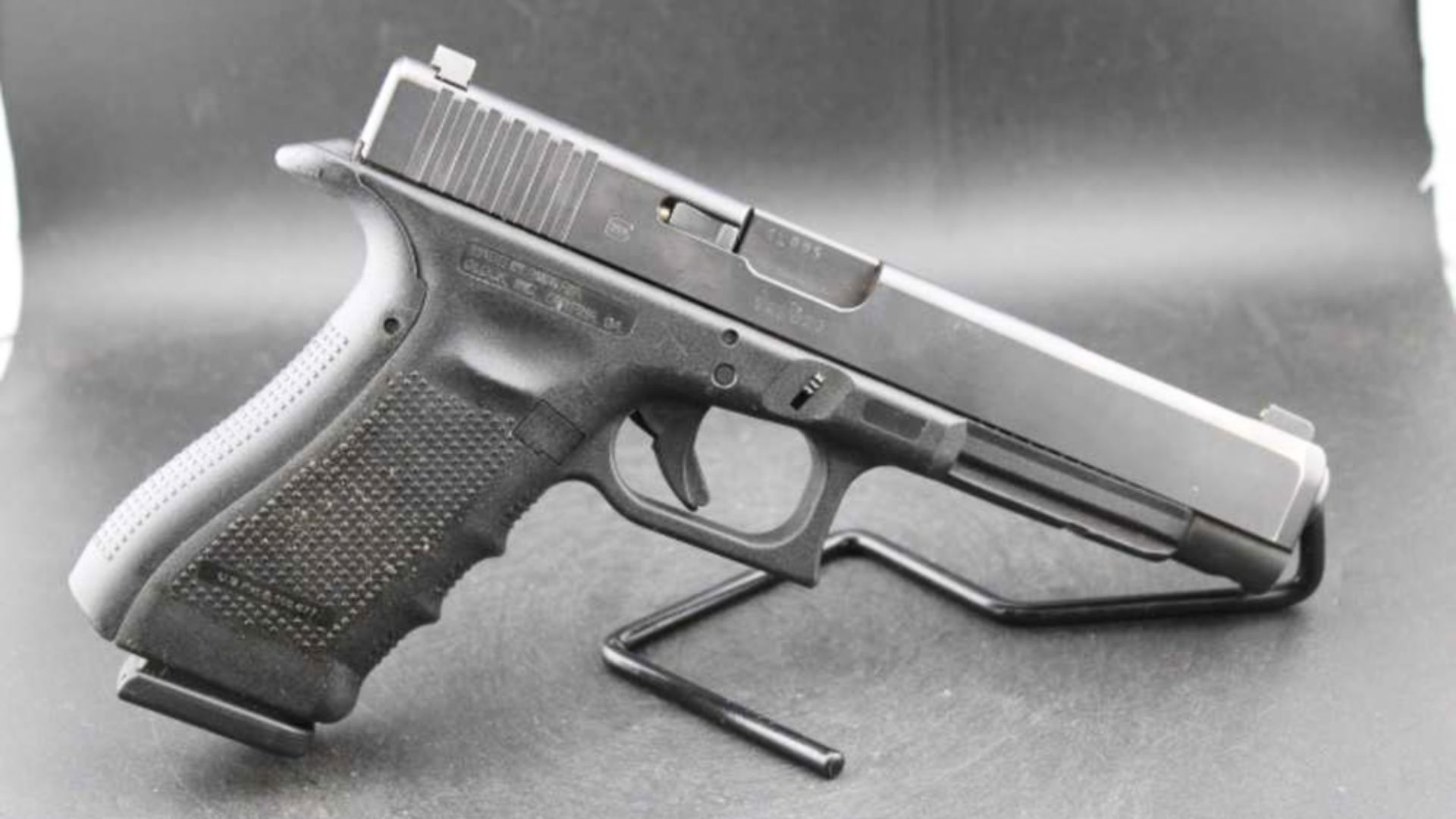
The Glock 34 prints for two reasons: it’s long, and it’s still got a full-size grip. The length can create comfort issues that force you into a carry position that isn’t ideal, and the full-size grip then becomes the part that shows. A good holster can stabilize it, but the geometry stays stubborn.
The 34 is an outstanding pistol for shooting well and shooting fast, which is why people try to carry it. In real life, it tends to demand a jacket, a structured overshirt, or a body type and wardrobe that naturally hide a long grip. If you’re wearing a light t-shirt, the grip corner is going to telegraph itself in normal movement. Great range gun. Often a loud carry gun.
SIG Sauer P320 Carry

The P320 Carry sits in that tricky zone where it feels “compact enough,” but the grip length tells a different story. The Carry grip is tall, and that height is what prints. You can have a top-tier holster and still watch that butt push your shirt outward when you bend or reach.
It’s also a pistol that people tend to run with full-size magazines, which makes printing even worse. The slide is rarely the issue. The grip is. If you want a P320 that hides better, you usually end up moving down to a shorter grip module. The Carry model is a great do-it-all shooter, but it’s one of the more common “why is this still printing?” experiences for people who assumed “carry” meant “easy to conceal.”
Smith & Wesson M&P9 Full Size

The full-size M&P prints the same way most duty pistols do: tall grip, full frame, and enough bulk to push fabric outward. Even if the pistol rides close, that grip wants to peek whenever you move normally. It’s especially noticeable with athletic or fitted shirts.
The M&P is comfortable to shoot and easy to run fast, which makes people try to conceal it year-round. The problem is that concealment is mostly a grip-length game, and the full-size M&P is not shy. You can hide it under heavier layers without much trouble, but light summer clothing is where you start fighting it constantly. It’s a great handgun, but it’s not naturally subtle.
Springfield Echelon
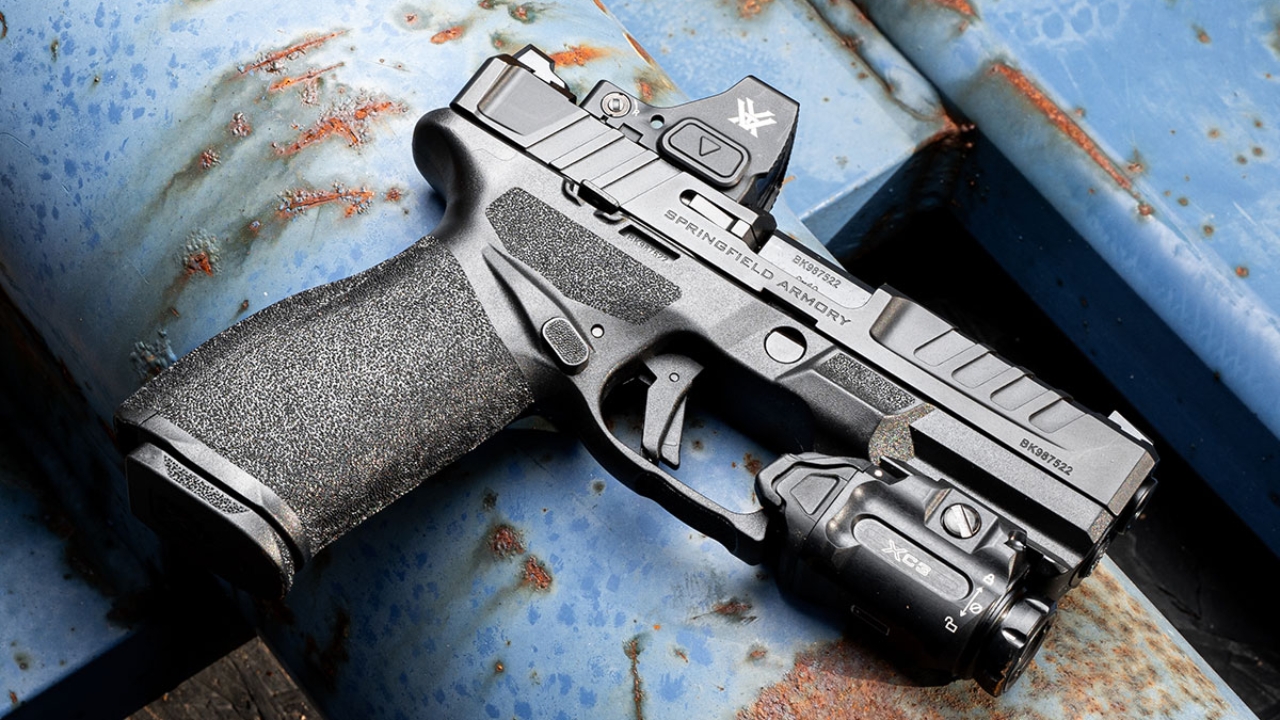
The Echelon shoots like a modern duty pistol, and it carries like one too—meaning the grip length can betray you. The frame is substantial, and the overall shape doesn’t always tuck into the body the way slimmer compacts do. Even with a good holster, the butt can print through light garments.
The Echelon also encourages full-size setups: full-size lights, full-size optics, full-size magazines. All of that adds bulk and makes concealment harder. The gun itself isn’t “wrong.” It’s built for performance and control. Printing happens because you’re trying to hide a service pistol under casual clothes. If you dress for it, it can work. If you dress like it’s a micro-compact, it will show.
Staccato P

The Staccato P is a thick pistol with a grip that doesn’t hide easily. Double-stack 2011-style grips have a distinct shape, and that shape tends to print because it’s both tall and wide. Even with a premium holster, that butt often looks like a clear outline under a t-shirt.
It’s also a pistol many people set up as a full performance package—optic, light, spare mag—because it runs so well that you want to carry it like a duty gun. That makes concealment even harder. You can absolutely conceal a Staccato P, but most people end up needing more structure in their clothing or a more deliberate carry position. It’s an excellent shooter. It’s not an effortless “disappears under anything” carry gun.
Ruger GP100 (3-inch)
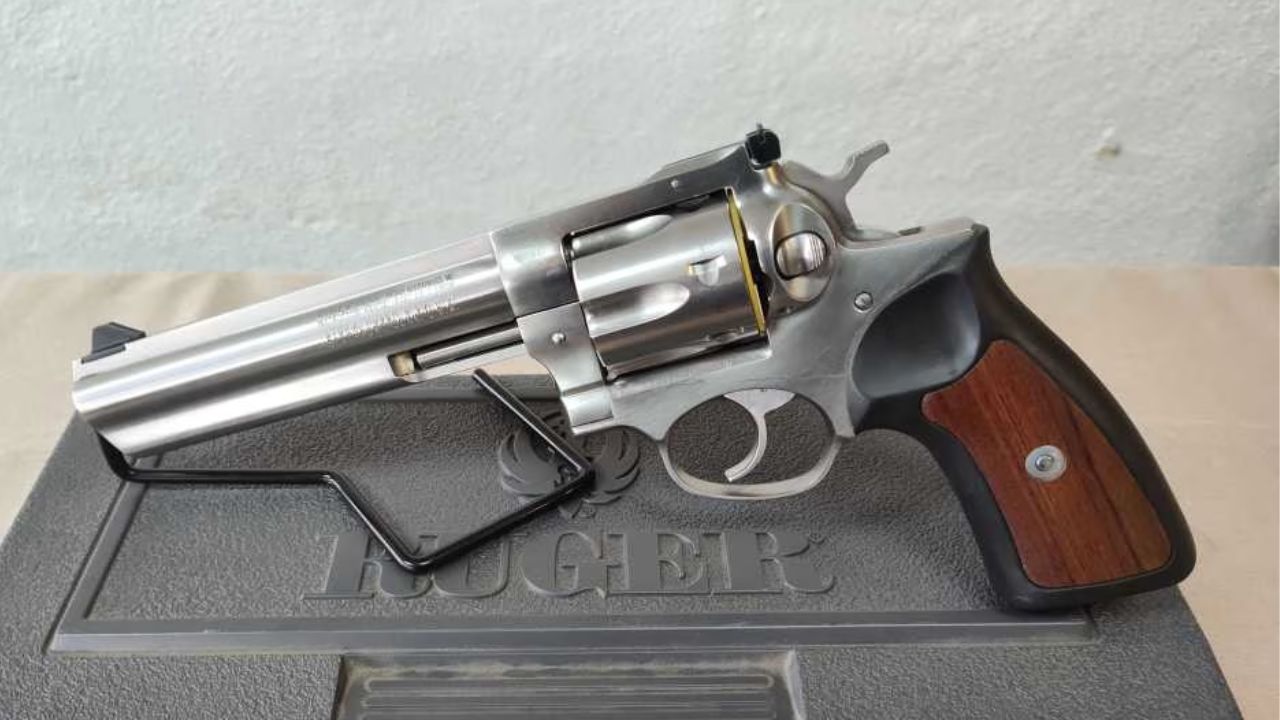
A 3-inch GP100 sounds reasonable until you try to hide a revolver cylinder. The cylinder is the printing culprit. It’s a hard, round bulge that doesn’t flatten out no matter how good your holster is. Even when the grip is manageable, the cylinder can scream through light clothing.
The GP100 also carries weight in a way that can tilt a setup outward if your belt isn’t stiff enough. That tilt makes the cylinder even more obvious. Revolvers can be great carry guns, but they’re not always easy carry guns, and the GP100 is a prime example. It’s durable and shoots well, but it’s the kind of gun that tends to look like a gun when you wear it under thin fabric.
Smith & Wesson 686 (2.5-inch)

The 2.5-inch 686 is another revolver that prints because of the cylinder and the overall frame mass. The short barrel doesn’t solve the concealment issue if the cylinder is still the widest part on your belt. That bulge can be hard to disguise under light shirts.
It’s also not a small-frame revolver. The 686 is built to handle .357 Magnum comfortably, and that strength comes with size. You can carry it, but it often demands heavier cover garments or a carry position that keeps the cylinder from sitting at the widest point of your hip. It’s a terrific revolver and a great shooter. If your goal is “invisible carry,” it’s usually the wrong tool for the job.
Glock 48
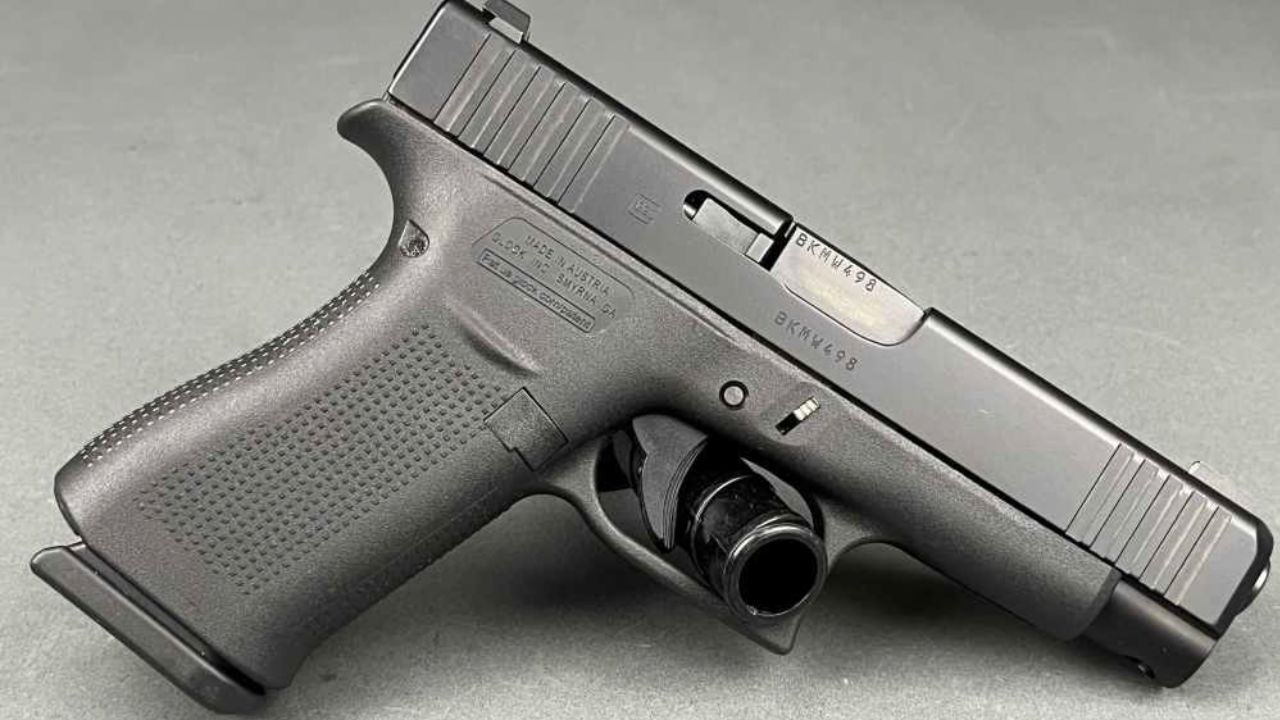
The Glock 48 is slim, but it still prints because the grip is long. Slim guns can be deceptive: they feel like they should disappear, then you realize the grip length is what your shirt catches on. That long butt can show just as easily as a thicker gun if it’s tall enough.
The 48 is easy to carry, and it’s easy to shoot for its size, which makes it popular. The downside is that it can print in the same way as other longer-grip pistols, especially when you sit, bend, or reach overhead. The slide thickness isn’t the issue. The grip is. If you’re trying to hide it under light clothing, you may need more deliberate placement and belt tension than you expected from a “slim” pistol.
Glock 19 with extended magazine
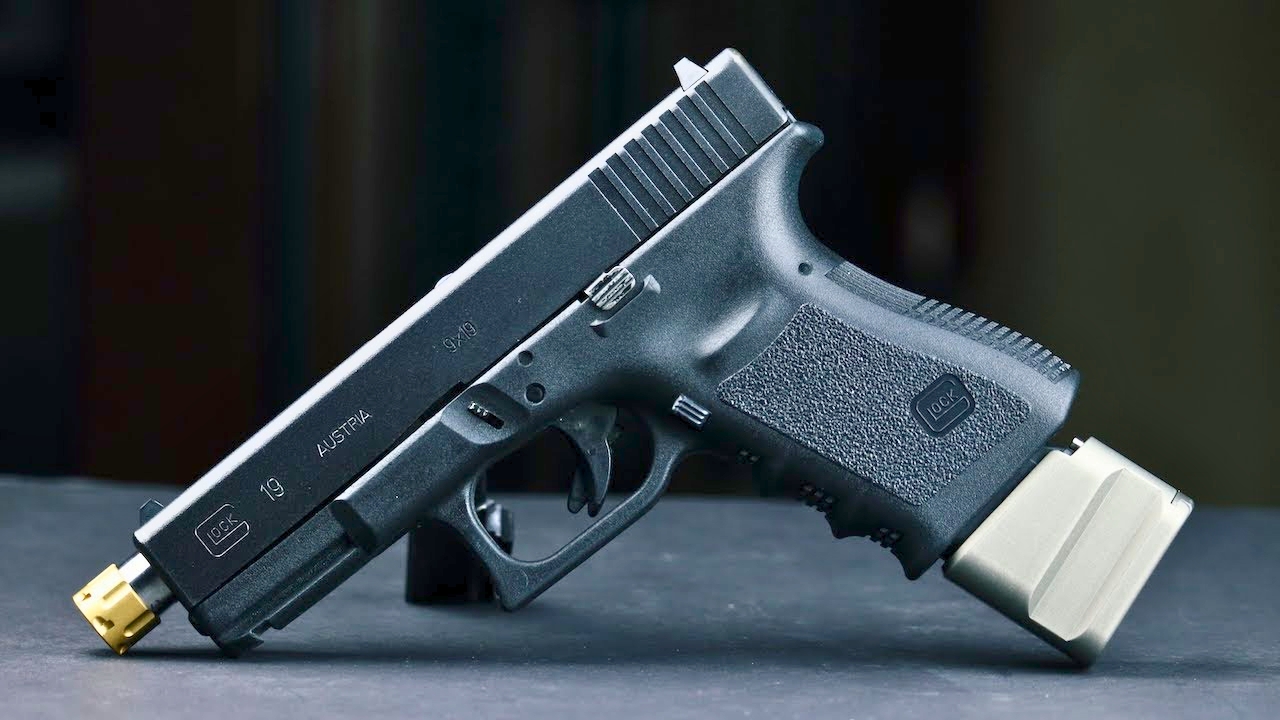
A Glock 19 is often considered the easy-button carry gun, until you stick an extended magazine in it. That small change turns a compact grip into a full-size printing problem. The extra length is exactly what pokes through a cover garment and announces itself when you move.
This is one of the most common “good holster, still prints” situations because the holster isn’t failing. The setup changed. The longer magazine turns the grip into a lever, and the butt starts pushing outward. If you want the 19 to conceal well, you keep the grip short and keep the edges rounded. Extend the mag and you’ve basically built a 17’s printing profile with a shorter slide. It’ll still shoot great, but it won’t hide like you expect.
Like The Avid Outdoorsman’s content? Subscribe to our newsletter so you never miss an article.
Here’s more from us: