Photo credit: Jevgenija ZUK/Shutterstock.com
Some sidearms were designed for a specific war, but their usefulness didn’t end when the fighting stopped. Instead, they carried on—decades after peace treaties were signed—showing up in conflicts, police holsters, or civilian hands long after their official service life was supposed to be over. That kind of staying power doesn’t come from marketing or nostalgia. It comes from rugged design, practical firepower, and the ability to adapt to new eras.
When you handle one of these pistols, you’re holding a weapon that’s proven itself across more than one generation of fighters. They might have been built for trenches, deserts, or jungles, but they kept on working wherever they ended up. Hunters, cops, collectors, and even modern soldiers have carried them, and they’re still respected today. Let’s look at sidearms that were born for war but outlasted the conflicts they were built for, standing the test of time in ways nobody could have fully predicted.
Colt M1911

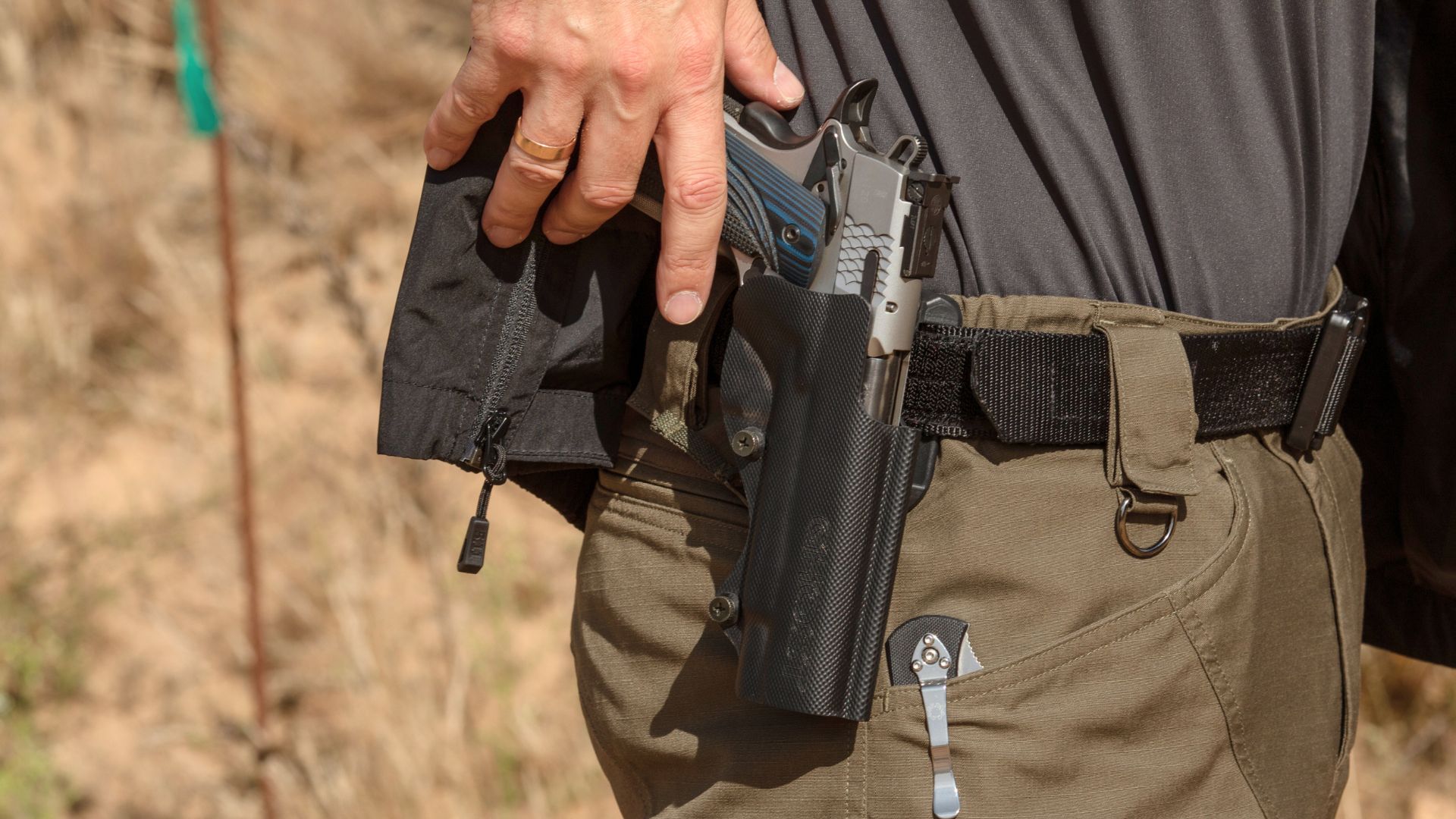
The Colt M1911 was designed for World War I, and while it entered service in 1911, it remained the U.S. military’s primary sidearm through World War II, Korea, and Vietnam. Even after being officially replaced by the Beretta M9 in the 1980s, the 1911 never really went away. Specialized units continued to use it because of its stopping power, and civilian shooters kept it alive as one of the most popular pistols ever built.
The .45 ACP round, combined with John Browning’s design, proved reliable in mud, sand, and rough conditions. That resilience kept it relevant long past the war it was designed for. Today, more than a century later, it’s still being produced in countless variations, and it remains a favorite for competition, self-defense, and collecting. The 1911 is the very definition of a sidearm that survived the war it was built for and found a permanent place in history.
Luger P08
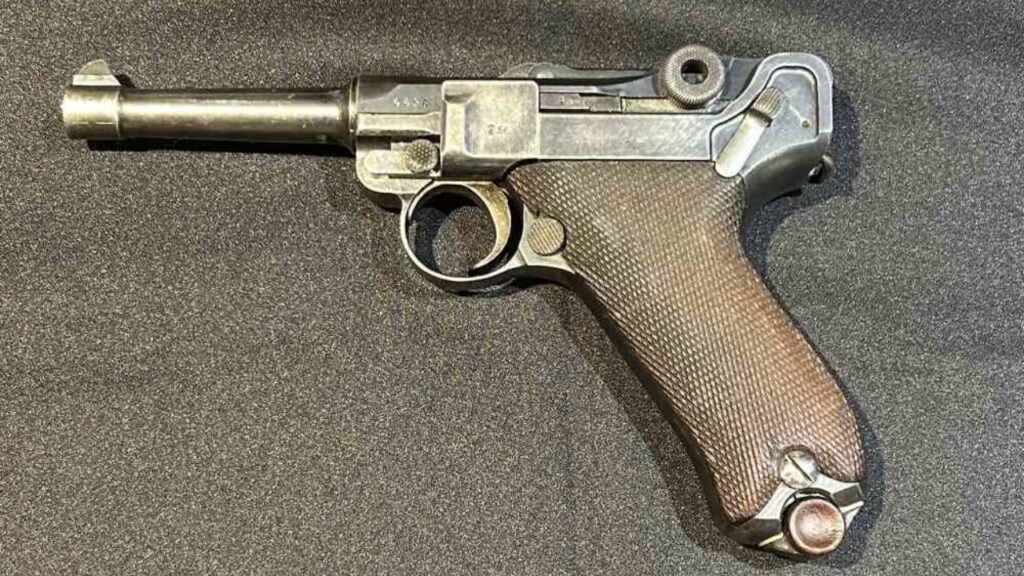
The Luger P08 was Germany’s standard sidearm in World War I and continued to see heavy use in World War II. Its distinctive toggle-lock design and 9mm chambering made it an advanced pistol for its time, and even after being replaced by the Walther P38, it remained in use by soldiers and civilians alike. Captured Lugers became prized trophies for Allied troops, which only added to their reputation.
While the design is more complicated than later service pistols, its accuracy and unique action kept it in demand long after the wars it was built for. The Luger influenced future pistol designs and maintained a cultural presence that few other handguns can match. Even today, collectors and shooters value original Lugers, and many are still functional more than a hundred years later. Its service record and survival well past its original era make it a clear example of a sidearm that outlasted its war.
Walther P38

The Walther P38 entered German service during World War II, designed to replace the Luger with a simpler, more durable system. Chambered in 9mm, it introduced the double-action/single-action trigger system that influenced countless later pistols. After the war, production continued, and the pistol served in the postwar German military and police forces well into the Cold War era.
Its design proved so practical that the P1, an aluminum-framed version, became the standard sidearm of West Germany’s Bundeswehr for decades. Surplus models spread worldwide, and many remain in circulation. For a sidearm born in the desperate years of World War II, its longevity is remarkable. The P38 didn’t just survive its war—it shaped the pistols that came after it and remained a working sidearm long after Germany’s defeat.
Tokarev TT-33
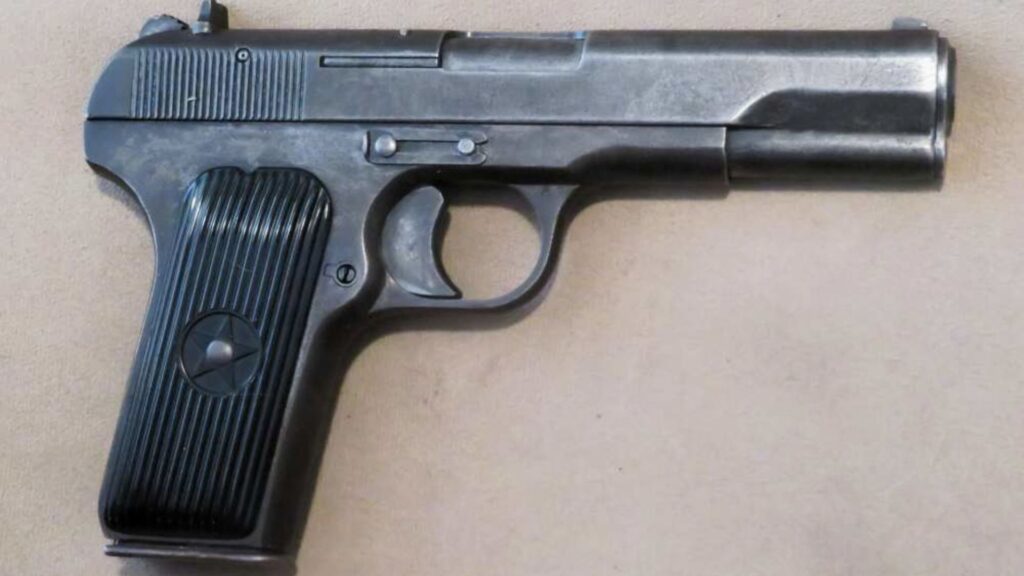
The Tokarev TT-33 was the Soviet Union’s standard sidearm during World War II, chambered in the high-velocity 7.62x25mm round. Its simple design was influenced by Browning’s work, but it was built to be rugged and easy to mass-produce. After the war, it continued to serve not only in the USSR but also across Eastern Bloc nations and in countries supplied by Soviet aid.
Even after being replaced by the Makarov in the 1950s, the Tokarev stayed in service for decades. You could find it in Vietnam, the Middle East, and Africa, carried by both soldiers and irregular fighters. Its powerful cartridge and durable build made it effective long after its intended service window. Many surplus Tokarevs are still around today, proving that a pistol built for World War II can remain relevant across multiple continents and generations of conflict.
Webley Mk VI
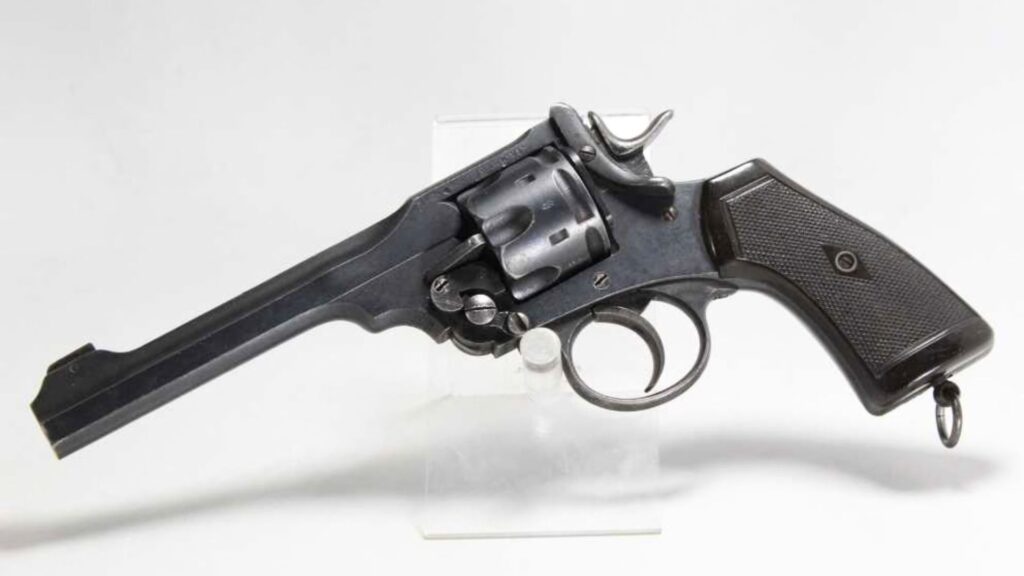
The Webley Mk VI revolver was Britain’s standard sidearm during World War I and carried on through World War II. Chambered in .455 Webley, it had the stopping power and ruggedness needed for trench warfare. Even after semi-automatic pistols became more common, the Webley’s simplicity and reliability kept it in service.
Though officially retired, Webleys continued to see use in Commonwealth countries long after the wars. Many were converted to fire .45 ACP with moon clips, extending their utility. Surplus revolvers spread worldwide, and they remained in police holsters and private collections for decades. The Mk VI was built for the mud and blood of World War I, but its practical design kept it alive well beyond its intended service. Even today, functional Webleys are still valued by collectors and shooters who appreciate their durability.
Nagant M1895
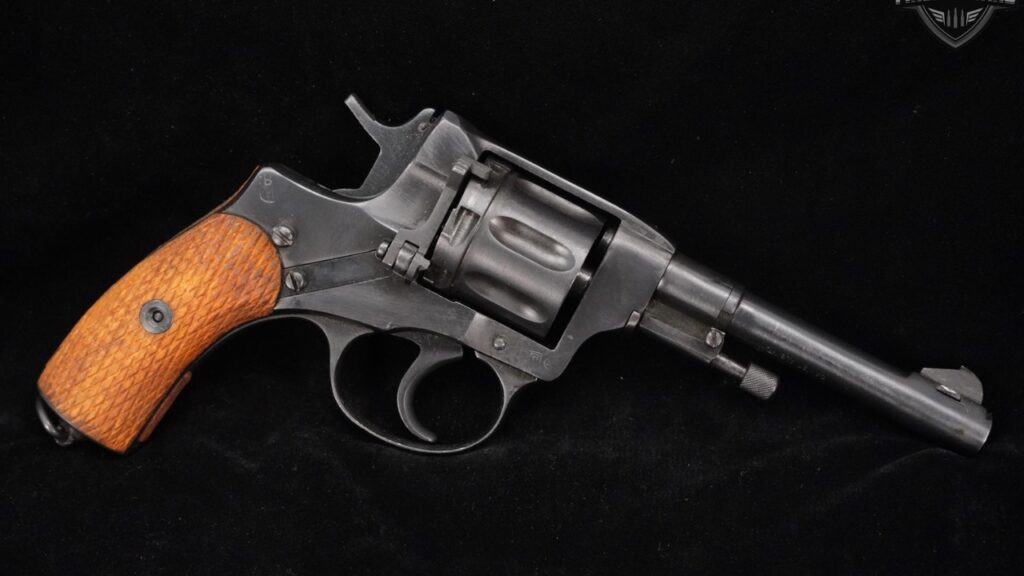
The Russian Nagant M1895 revolver was already old by the time World War I began, but it soldiered on through both World Wars. Its unique gas-seal system, where the cylinder moved forward to close the gap between barrel and cylinder, gave it surprising ballistic efficiency for a revolver. Chambered in 7.62 Nagant, it wasn’t powerful by modern standards, but it was reliable and widely issued.
Even after the Tokarev TT-33 replaced it, the Nagant stayed in use with Soviet forces during World War II and beyond. It found its way into the hands of partisans, police, and later surplus markets worldwide. For a revolver designed in the 19th century, surviving into the mid-20th century as an active service weapon is remarkable. Its longevity proves that sometimes, older designs outlast newer ones simply because they work.
Beretta M1951
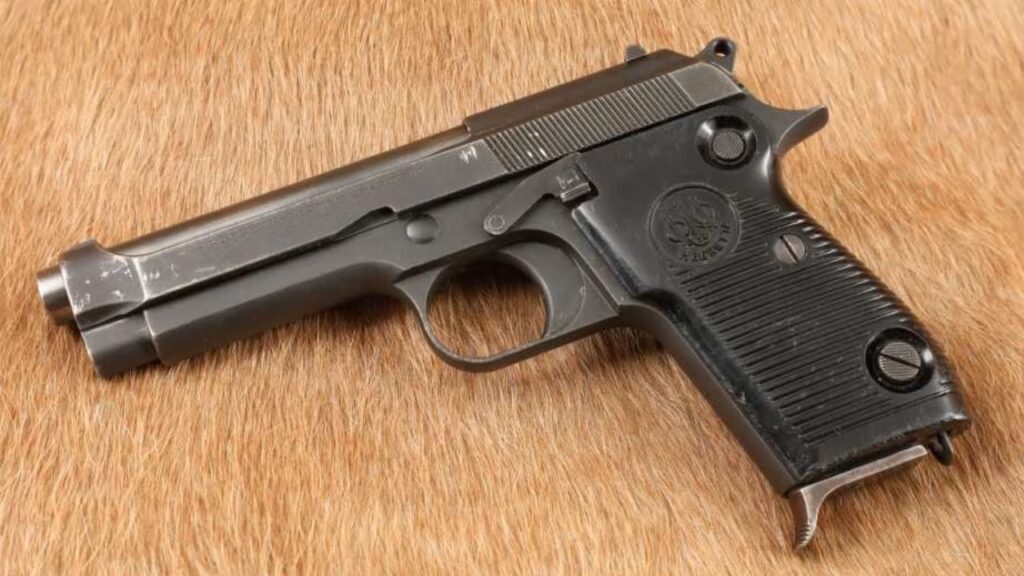
The Beretta M1951 was developed in the post–World War II era but was built with Cold War conflicts in mind. Chambered in 9mm, it was Italy’s standard service pistol for decades and also saw widespread use in the Middle East and North Africa. Countries like Egypt and Iraq produced their own versions, spreading the design far beyond Italy.
Even after being replaced by the Beretta 92 in the late 1970s, the M1951 continued to serve with police and military forces worldwide. Its slim profile, reliable action, and powerful chambering kept it relevant in conflicts well into the 21st century. The pistol was born out of the need for a modern sidearm after World War II, but it ended up outlasting many of its contemporaries, proving its durability in hot, dusty battlefields where lesser guns faltered.
FN Browning Hi-Power
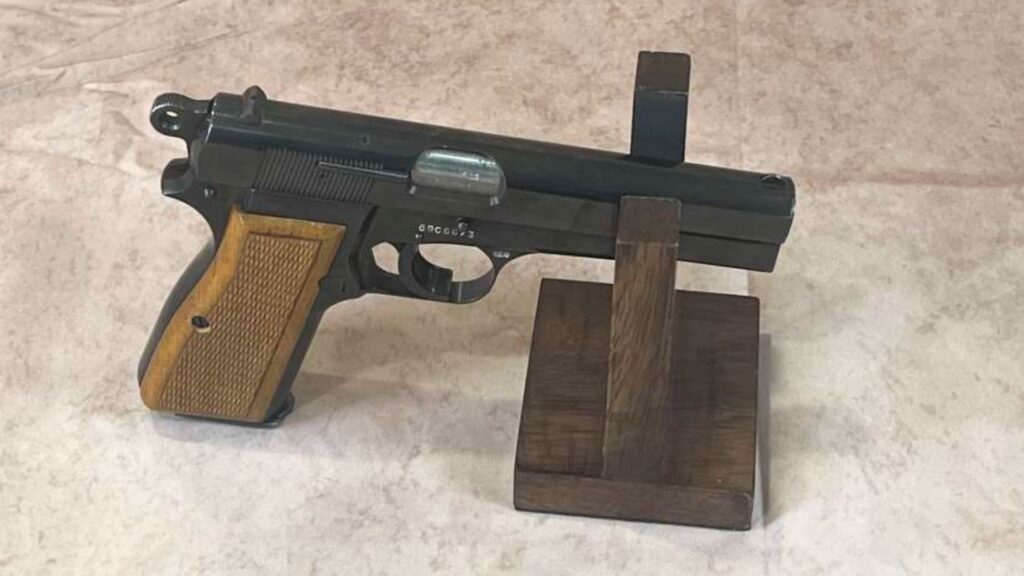
The Browning Hi-Power was introduced before World War II and became a staple sidearm for many Allied and Axis forces alike. Its 13-round magazine was groundbreaking at the time, offering far more capacity than most service pistols. It served through World War II, then continued to be adopted by militaries and police forces across the globe for decades afterward.
Even after newer designs appeared, the Hi-Power remained in service into the 21st century, with some countries only recently retiring it. Its accuracy, capacity, and rugged design kept it competitive long after the war it was created for had ended. Few pistols can claim such a long and widespread service record. The Hi-Power didn’t just outlast its original war—it became a global standard for sidearms for nearly a century.
Makarov PM
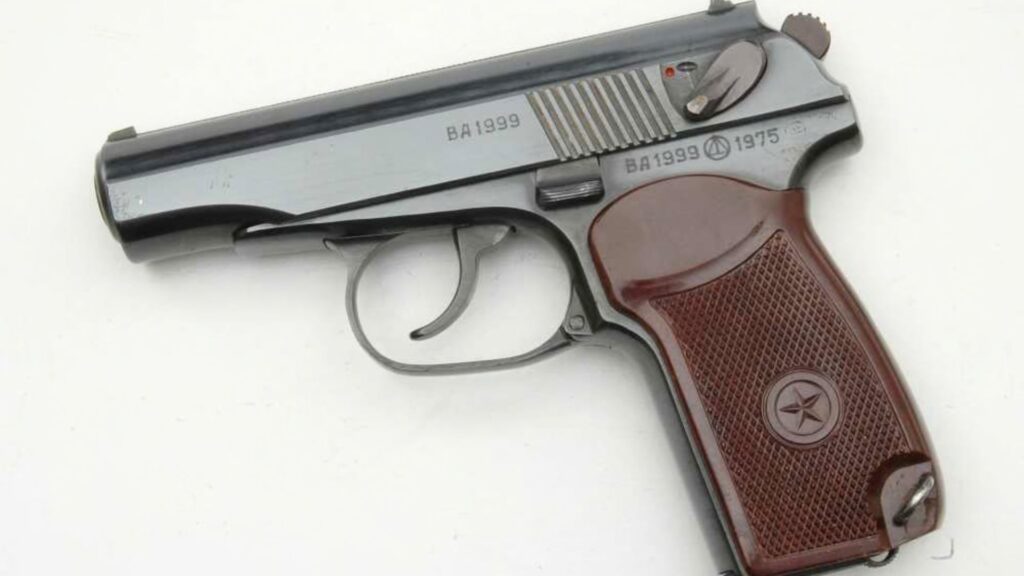
The Makarov PM replaced the Tokarev TT-33 in the 1950s and became the standard Soviet sidearm during the Cold War. It was chambered in 9x18mm Makarov, a round designed to balance power with controllability. While technically a post–World War II design, it was very much a product of the Soviet Union’s wartime lessons.
The Makarov served for decades across the Warsaw Pact and beyond. Even after being retired in Russia, it continues to see use in police and military forces in many countries. Its rugged simplicity ensures it keeps running under harsh conditions, making it a sidearm that has outlasted not one war, but several eras of conflict. From Vietnam to Afghanistan to modern-day hotspots, the Makarov continues to appear, proving its design has stood the test of time.
Colt Single Action Army (Military Service Versions)
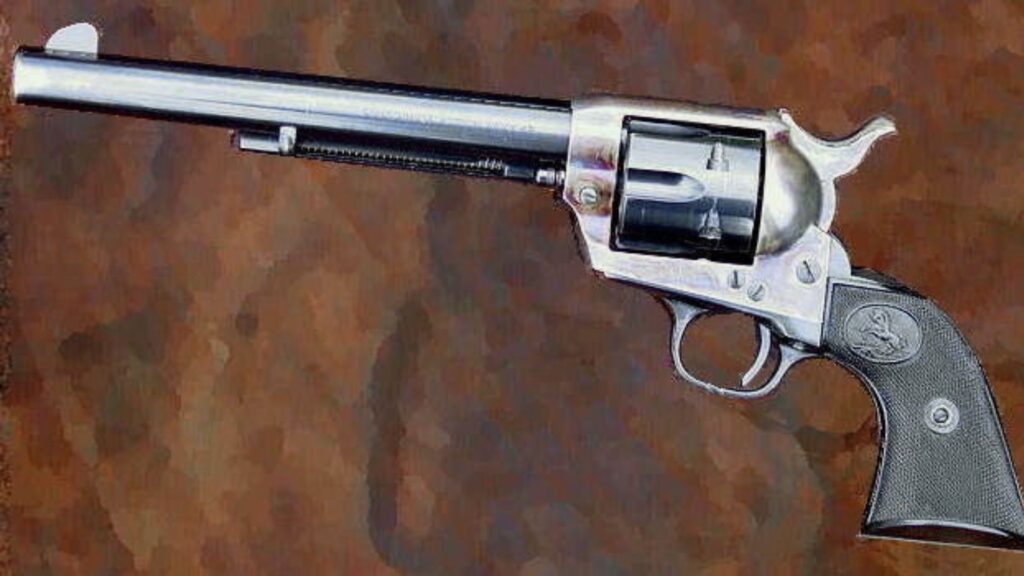
Though originally designed in the 19th century, the Colt Single Action Army was still being issued in limited numbers during World War I, particularly with American troops. Its use in that war marked the tail end of its official service, but the revolver never disappeared. Soldiers, civilians, and lawmen carried it well into the 20th century, long after semi-automatics became the standard.
The Single Action Army’s durability and reputation for reliability meant it outlasted the wars it touched. Even after newer designs replaced it, people continued to rely on it for both combat and personal defense. It’s an example of a sidearm built for a different era that still found a place in later conflicts, surviving not only the wars it was created for but entire generations of change in firearms design.
CZ 75

The CZ 75 was developed during the Cold War, intended as a military and police sidearm. While it wasn’t directly tied to a specific world war, it was a product of that era’s arms race. Introduced in 1975, it quickly spread worldwide due to its excellent ergonomics, accuracy, and double-stack magazine.
Even after more modern designs entered service, the CZ 75 and its variants continued to serve in conflicts across Europe, the Middle East, and Africa. It’s still in use today, decades after its introduction. Built with lessons learned from earlier wars, the CZ 75 outlasted the Cold War and remains relevant in the 21st century. It stands as proof that a well-designed sidearm can survive the era it was made for and continue to prove its worth long after.
*This article was developed with AI-powered tools and has been carefully reviewed by our editors.