Photo credit: Just dance/Shutterstock.com
There’s a reason some cartridges quietly disappear from guide conversations. They didn’t vanish because they were forgotten — they were left behind on purpose. Hunting guides live and breathe reliability, and when a round keeps wounding instead of dropping, or fails to reach vitals past a certain yard line, word spreads fast. The cartridges below might’ve been exciting decades ago, but they’ve since been replaced by better options that hit harder, shoot flatter, and work under more conditions. Some were too fast for their own barrels, others too weak for the job they claimed to do. If you’ve still got one of these in the safe, don’t feel bad — plenty of hunters learned these same lessons the hard way.
.244 Remington
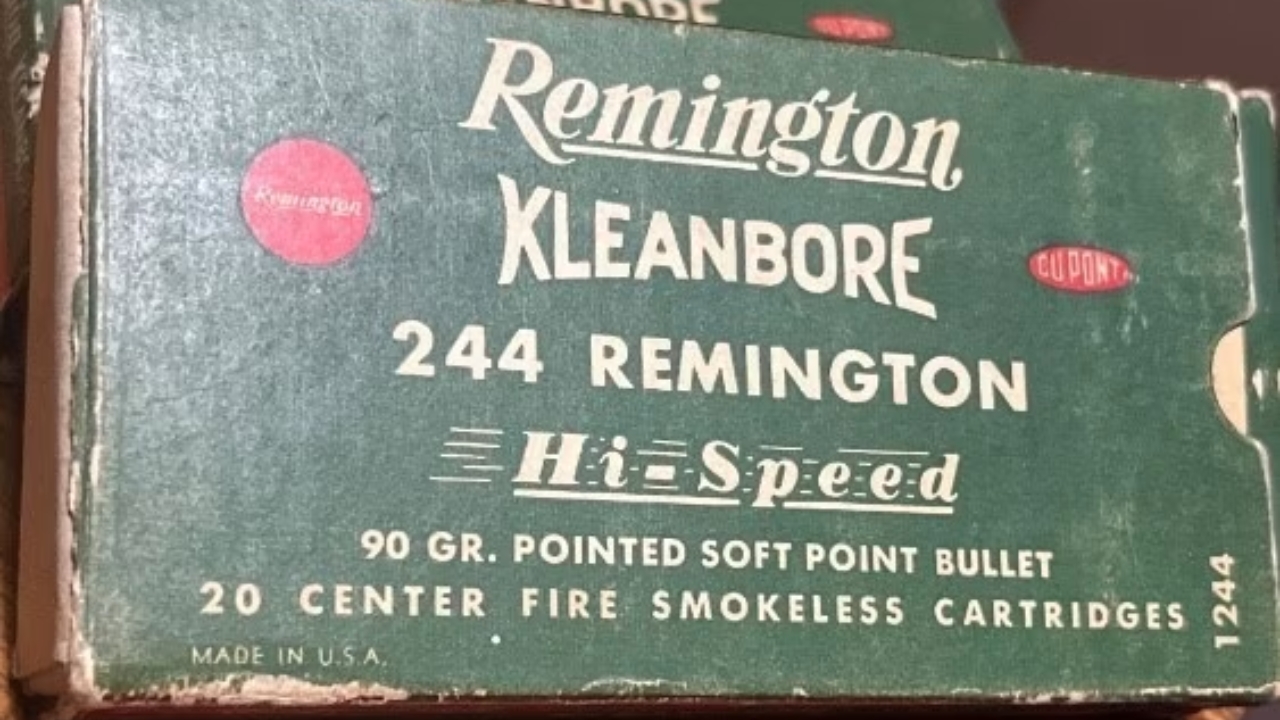
The .244 Remington could’ve been great, but Remington made one fatal mistake — twist rate. Early rifles had a 1:12 twist, perfect for 90-grain bullets but not for heavier 100-grain projectiles that deer hunters wanted. The result was instability at longer ranges and disappointing terminal performance. Shooters began to notice the .243 Winchester outperformed it in every category that mattered.
Once the word spread, guides started steering hunters away from it entirely. The .244 was later renamed the 6mm Remington, but the reputation damage was already done. It remains a case study in how a simple twist-rate choice can sink a promising cartridge. The .243 became the trusted standard, while the .244 faded into the “almost” category.
.257 Roberts

The .257 Roberts had fans for decades, but it never truly held ground with guides in modern camps. On paper, it’s efficient and pleasant to shoot. In reality, most factory loads were underpowered, and energy fell off fast past 300 yards. For open-country mule deer or antelope, that means more tracking jobs than clean recoveries.
The round was popular in the mid-20th century when bullet design was basic and expectations were lower. But as cartridges like the .25-06 and 6.5 Creedmoor showed up with higher velocities and better long-range performance, the Roberts quietly slipped off the list. It still works, but no guide is going to recommend a cartridge that can’t deliver consistent kills beyond moderate distances anymore.
.30-40 Krag
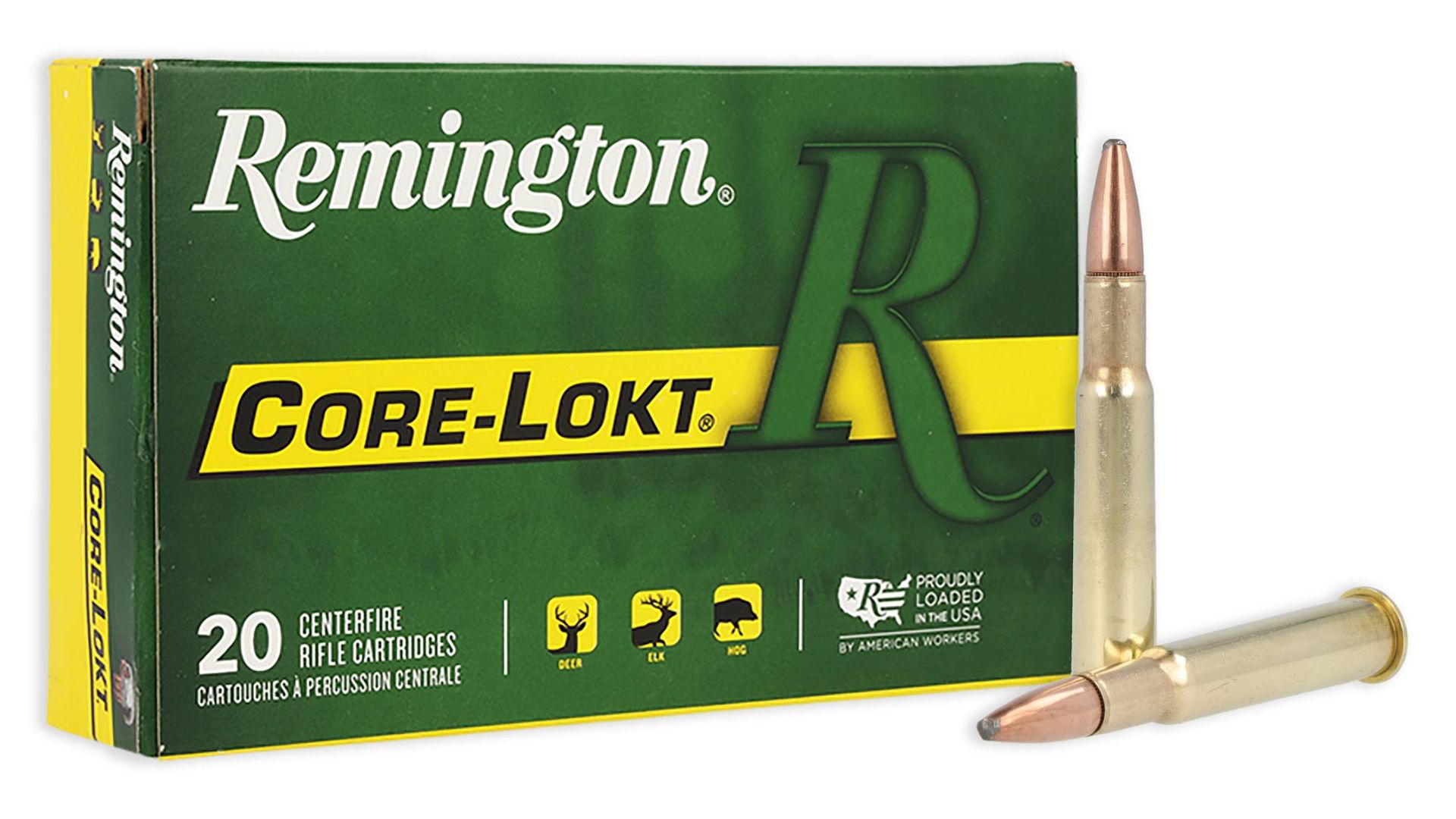
The .30-40 Krag earned its place in history, but hunting guides haven’t recommended it in generations. It was accurate and reliable in its day, but the case design and pressures are relics of black powder transition-era engineering. The old Krag rifles can’t safely handle modern loads, and even the best handloads struggle to match basic .308 Winchester ballistics.
Its soft, round-nose bullets also limit range and penetration compared to modern projectiles. Guides simply don’t see the point when stronger, safer, and flatter-shooting cartridges exist in abundance. The .30-40 Krag deserves respect for its role in history, but it belongs behind glass now, not in a scabbard on an elk hunt.
.32 Winchester Special
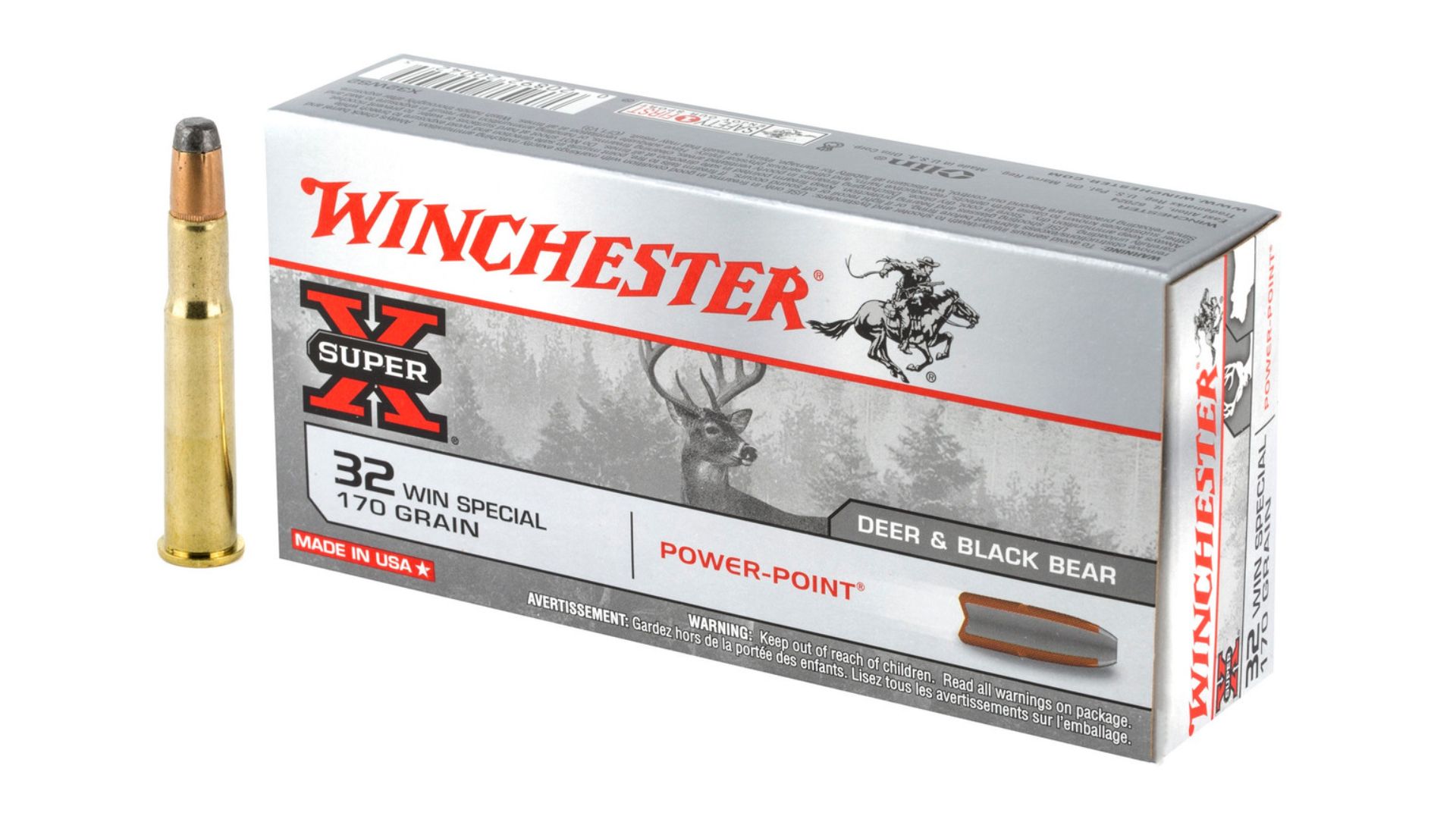
The .32 Winchester Special was born as a black powder-friendly alternative to the .30-30, and that’s exactly what doomed it. It offered marginal gains in velocity but came with less consistent accuracy due to its slower twist and limited bullet options. Hunters found it dirtier, harder to reload, and less accurate than its sibling.
Guides who once saw clients bring .32 Specials learned quickly it wasn’t a reliable killer beyond close range. Ammo scarcity sealed its fate — if you can’t find fresh factory rounds easily, no guide wants to depend on it. The .30-30 Winchester, meanwhile, kept evolving with better bullets and stayed relevant. The .32 Special is now mostly a curiosity for lever-action collectors.
.225 Winchester

The .225 Winchester was meant to compete with the .22-250, but it lost that fight early. It was accurate and fast, but the world didn’t need another small-caliber varmint round when the .22-250 already owned the category. Winchester’s proprietary brass and limited rifle chamberings made matters worse — guides hate anything hard to feed in the field.
By the late 1970s, most varmint hunters had moved on. The .22-250 shot flatter, was easier to reload, and had better availability. The .225 Winchester’s one advantage — smoother feeding — wasn’t enough to keep it relevant. If you’ve still got one, it’s a neat collectible, but for real-world hunting, it’s a round most guides stopped taking seriously decades ago.
.280 Remington

The .280 Remington should have been a winner, but it showed up too late and too quietly. It offered solid ballistics and manageable recoil, but it was forever stuck in the shadow of the .270 Winchester and .30-06. Guides saw no reason to recommend a round that offered no clear advantage and less ammo availability.
For a while, it found new life as the “7mm Express,” but that marketing experiment fizzled fast. The truth is, hunters want cartridges that are either easier to find or do something unique. The .280 did neither. It remains a capable round, but guides prefer to keep clients on proven, widely supported options — and the .280 Rem just doesn’t make that list anymore.
.35 Remington
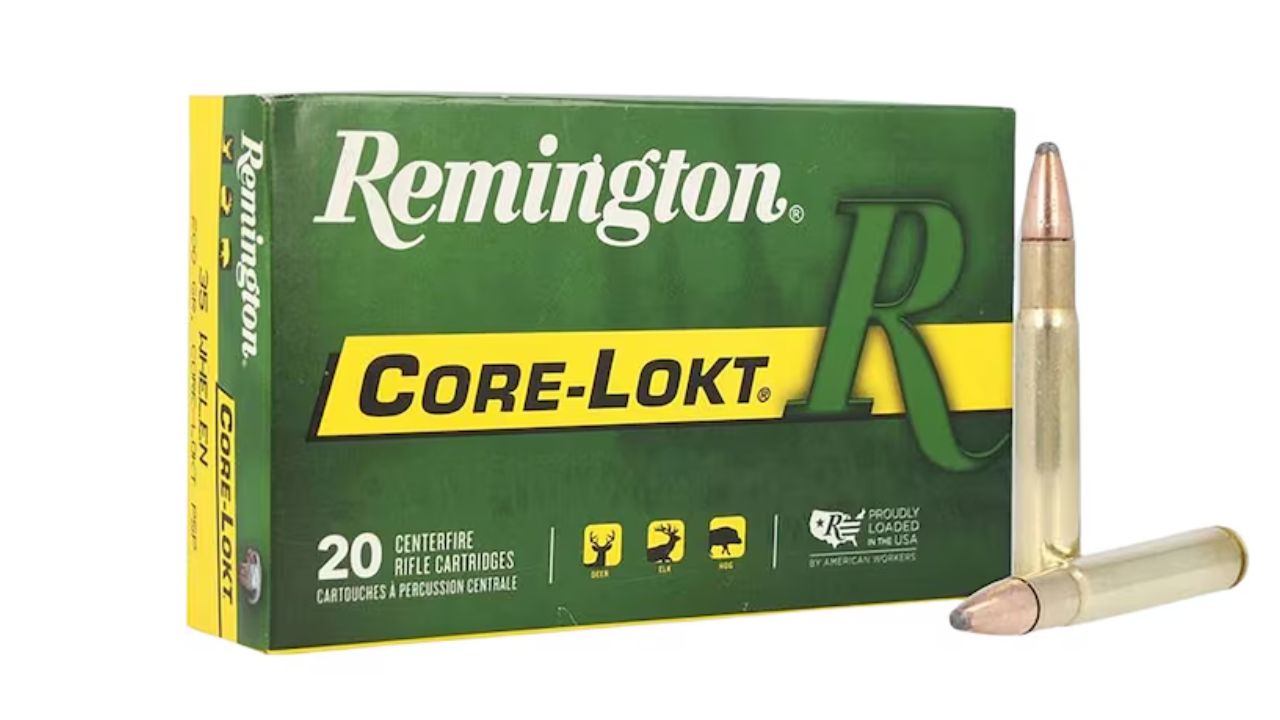
The .35 Remington still has loyal fans in thick-woods country, but guides rarely recommend it anymore. The bullet drops fast, the energy fades quickly, and the trajectory limits it to close-range hunting only. Once lever guns like the .45-70 and modern straight-walls gained popularity, the .35 fell to the sidelines.
Hunters discovered that while the .35 hits hard at 75 yards, it’s unpredictable beyond that. Most factory ammo still runs at modest pressures, keeping it mild but limiting reach. In dense timber, it’s nostalgic — not practical. Guides might smile at one in camp, but they won’t suggest you bring it on your next bear hunt.
.284 Winchester

The .284 Winchester was a great idea with poor timing. Its rebated rim and short-action design promised efficiency and performance, but rifle makers didn’t support it long enough to build momentum. The cartridge could hang with .270 and .280 ballistics, yet its odd case shape caused feeding issues in some rifles.
Guides moved on because clients struggled to find rifles and ammo that worked smoothly. Later cartridges like the 7mm-08 and 6.5 Creedmoor filled the same niche without the headaches. The .284 is still a favorite among handloaders, but it’s been off every professional’s recommendation list since the 1980s.
.300 Savage
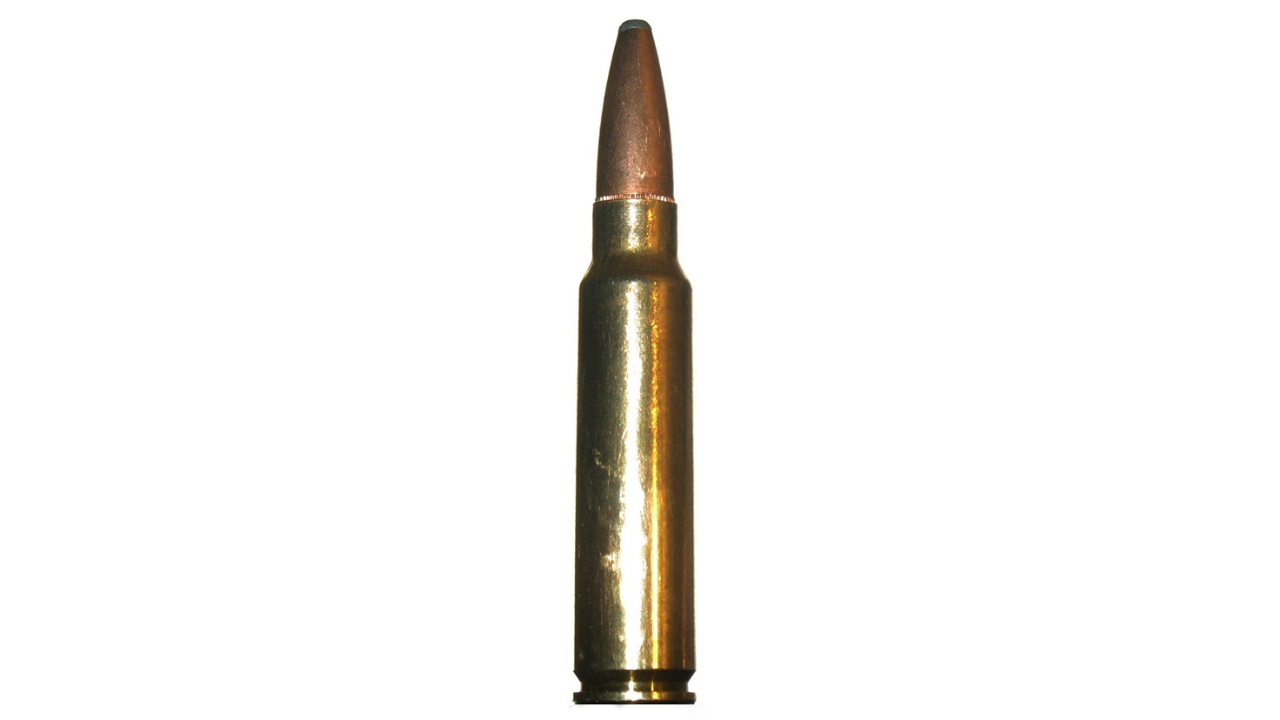
The .300 Savage deserves credit for bridging the gap between .30-30 and .308 Winchester, but time caught up to it. Once the .308 arrived, there was no reason to stick with an older round that did the same job with less efficiency. The Savage was revolutionary in the 1920s; by the 1970s, it was obsolete.
Guides stopped recommending it simply because ammo choices dwindled and performance lagged behind. The .300 Savage is accurate and manageable, but there’s no practical reason to carry it anymore when modern .308 loads outperform it across the board. It’s a historical milestone, not a modern hunting solution.
.264 Winchester Magnum
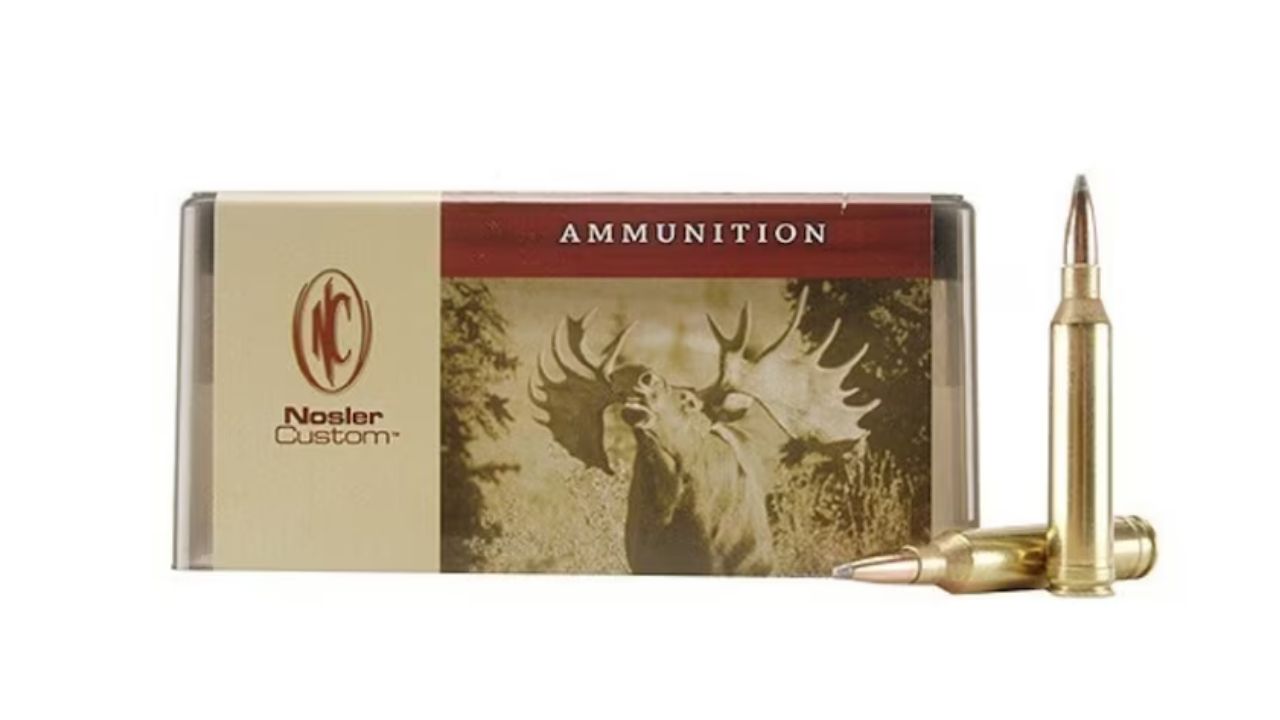
The .264 Win Mag was supposed to be the long-range 6.5 before 6.5s were cool. It launched light bullets at blazing speeds, but barrel life was abysmal — often under 1,000 rounds. Guides learned early that velocity meant nothing when accuracy degraded halfway through a season.
The cartridge was overbore and inefficient, burning powder like a blowtorch. Even though it could shoot flat, the tradeoff wasn’t worth it. Once the 7mm Rem Mag hit the market, the .264 lost its audience overnight. You’ll still see a few in the wild, but they’re nostalgia pieces, not guide favorites.
.348 Winchester
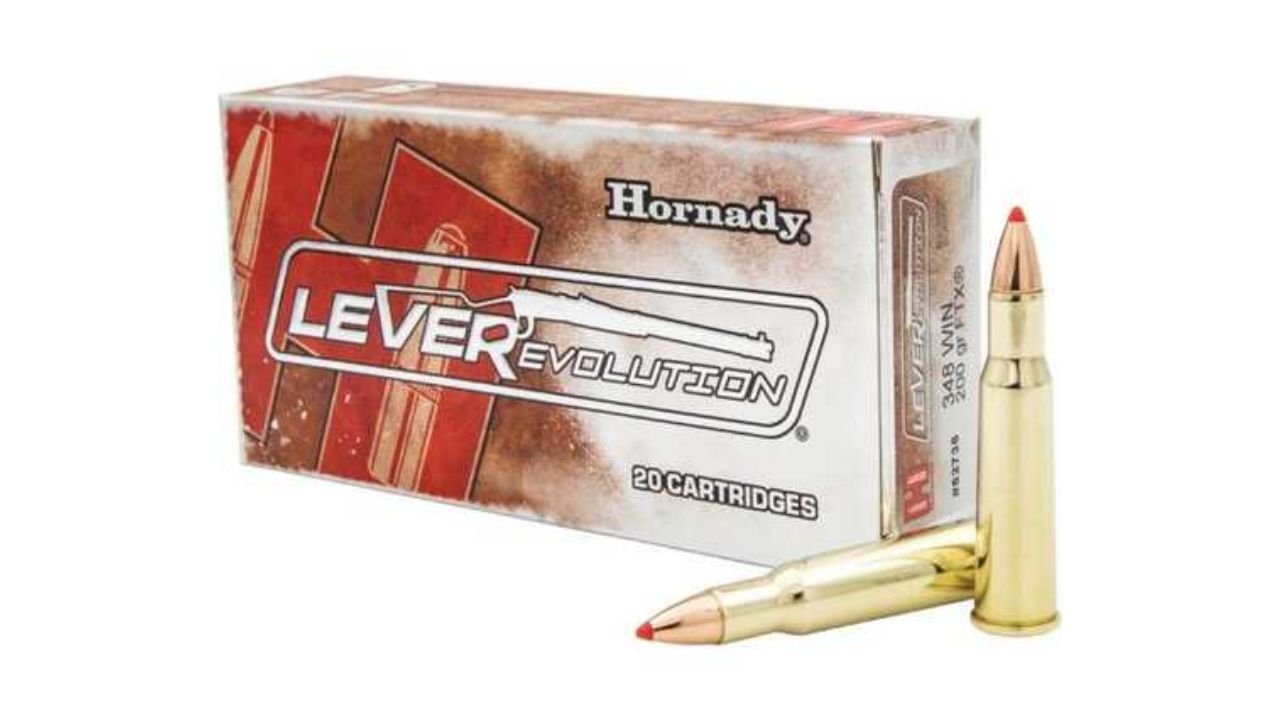
The .348 Winchester powered the Model 71 lever-action and had impressive energy for its day, but it was heavy, expensive, and limited in bullet options. The recoil was brutal, and ammo has always been scarce. When other big-bore lever cartridges like the .45-70 and .444 Marlin offered more flexibility, the .348 lost relevance fast.
Guides prefer cartridges that can be tailored for specific game and distances, and the .348 never offered that. It’s a bruiser for sure, but it’s not a versatile one. Hunters who’ve tried to track down fresh brass or factory ammo quickly understand why guides don’t recommend it anymore.
.220 Swift
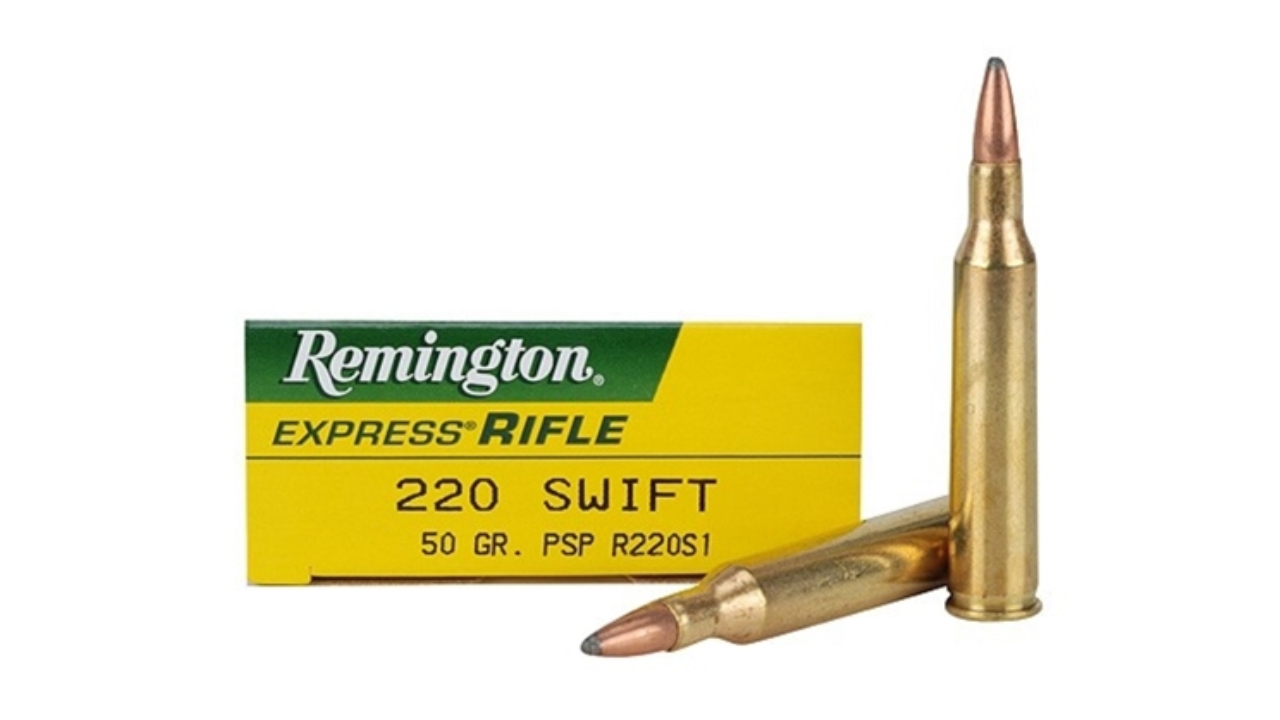
The .220 Swift made headlines for being the fastest commercial cartridge of its time — and the first to burn out barrels like clockwork. Its incredible velocity came at the cost of throat erosion, accuracy loss, and temperamental barrel fouling. Guides who saw clients bring them for coyote hunts often watched the rifles go erratic after a few boxes of ammo.
Modern powders and coatings have helped a little, but the reputation stuck. The Swift is a handloader’s toy now, not a guide’s go-to recommendation. The .22-250 does nearly the same job with longer barrel life and more predictable results.
.300 H&H Magnum

The .300 H&H Magnum used to be the gold standard for serious hunters, but its long, tapered case design made it tricky to chamber consistently. Once the .300 Winchester Magnum hit the scene with more compact efficiency, the H&H became more nostalgia than necessity.
Guides still respect its legacy, but no one’s recommending it to clients anymore. It’s long, it’s fussy about action length, and it doesn’t outperform modern magnums that use less powder. The .300 H&H will always be a classic, but it belongs with collectors and handloaders — not as a guide’s modern pick for any serious hunt.
*This article was developed with AI-powered tools and has been carefully reviewed by our editors.