Photo credit: CMMG
Some guns have fans. Other guns have defense attorneys. The second anyone points out a bad trigger, awkward controls, poor value, reliability complaints, dated design, or limited real-world use, the excuses start flying. “Mine runs fine.” “You just don’t understand it.” “It was good for its time.” “You need the right ammo.” Sometimes that is true. Sometimes people are just protecting a purchase they do not want to admit was overrated.
This list is not saying every gun here is junk. Some are useful, some are historically important, and some are genuinely good in the right role. The problem is that their supporters often defend them way harder than the guns themselves justify.
Taurus Judge
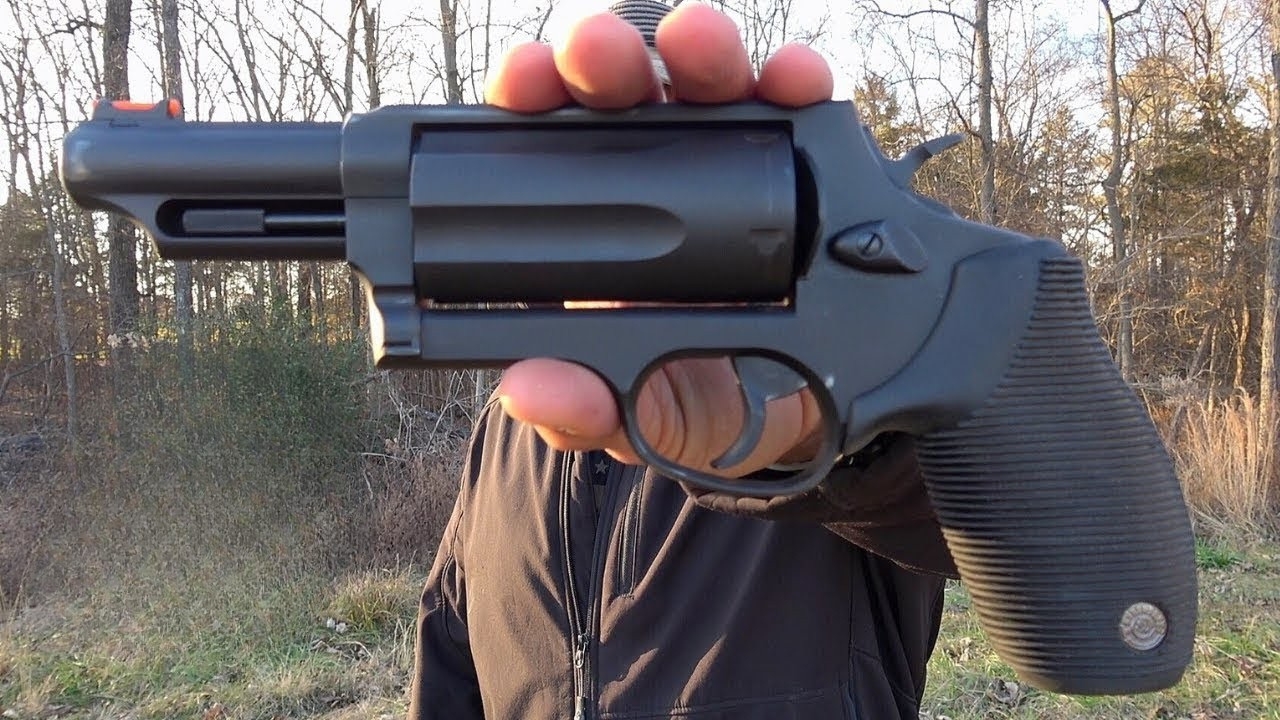
The Taurus Judge may be the king of over-defended handguns. People love the idea of a revolver that fires .410 shells and .45 Colt because it sounds like a perfect do-everything problem solver. Around a farm or as a novelty range gun, it has some appeal.
The defense gets silly when people act like .410 out of a short revolver is the same thing as a real shotgun. Patterns spread fast, penetration can be questionable with the wrong loads, and the gun is bulky for what it actually does. A good .357 revolver, 10mm pistol, or 20-gauge shotgun usually makes more sense.
Glock 43X

The Glock 43X is a good carry pistol, but its fanbase sometimes acts like it solved concealed carry forever. It is slim, reliable, and easy to carry, but the factory magazine capacity is not impressive anymore. The grip is also long enough to print for some people while still not shooting like a true compact.
People defend it hard because it is a Glock, and Glock reliability carries weight. That is fair. But once you compare it to a Shield Plus, SIG P365 XL, or Hellcat Pro, the 43X starts looking less magical. It is good, but not above criticism.
Kimber Micro 9

The Kimber Micro 9 looks better than a lot of tiny carry pistols, and that helps explain why owners defend it. It has a classy metal-frame look, 1911-style controls, and enough charm to make polymer pistols seem boring at the counter.
The problem is that small 1911-style pistols often require more patience than buyers expect. Feeding, magazines, break-in, recoil, and tiny controls can all become part of the conversation. Defenders will say theirs runs fine, and maybe it does. But as a broad recommendation, there are easier carry pistols to trust.
Springfield Armory Prodigy
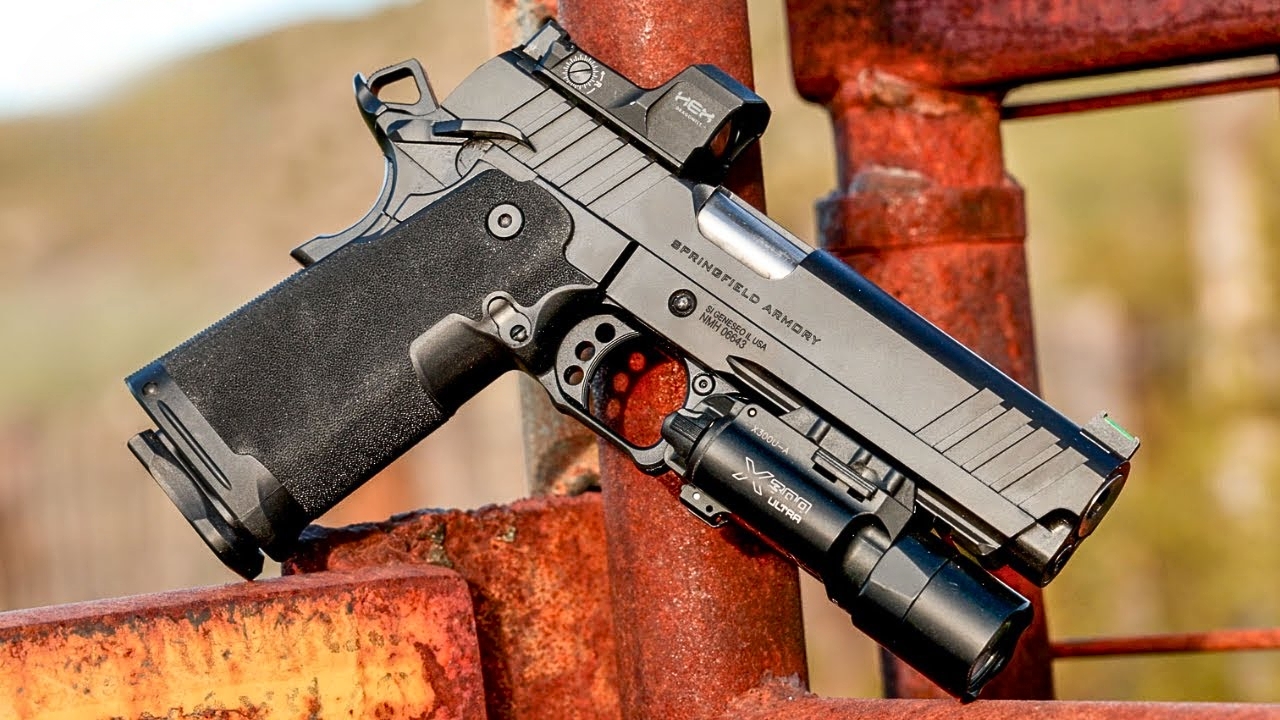
The Springfield Armory Prodigy gets defended hard because people want the affordable 2011 idea to work. A double-stack 1911-style pistol with optic-ready options and good capacity sounds like a steal compared with high-dollar competition. On paper, the appeal is obvious.
The issue is that too many early buyers found themselves polishing, tuning, changing springs, swapping parts, or sending guns back when they expected premium performance. Some examples run great. But when a pistol needs that many excuses, the “great value” argument starts getting weaker.
Colt Python
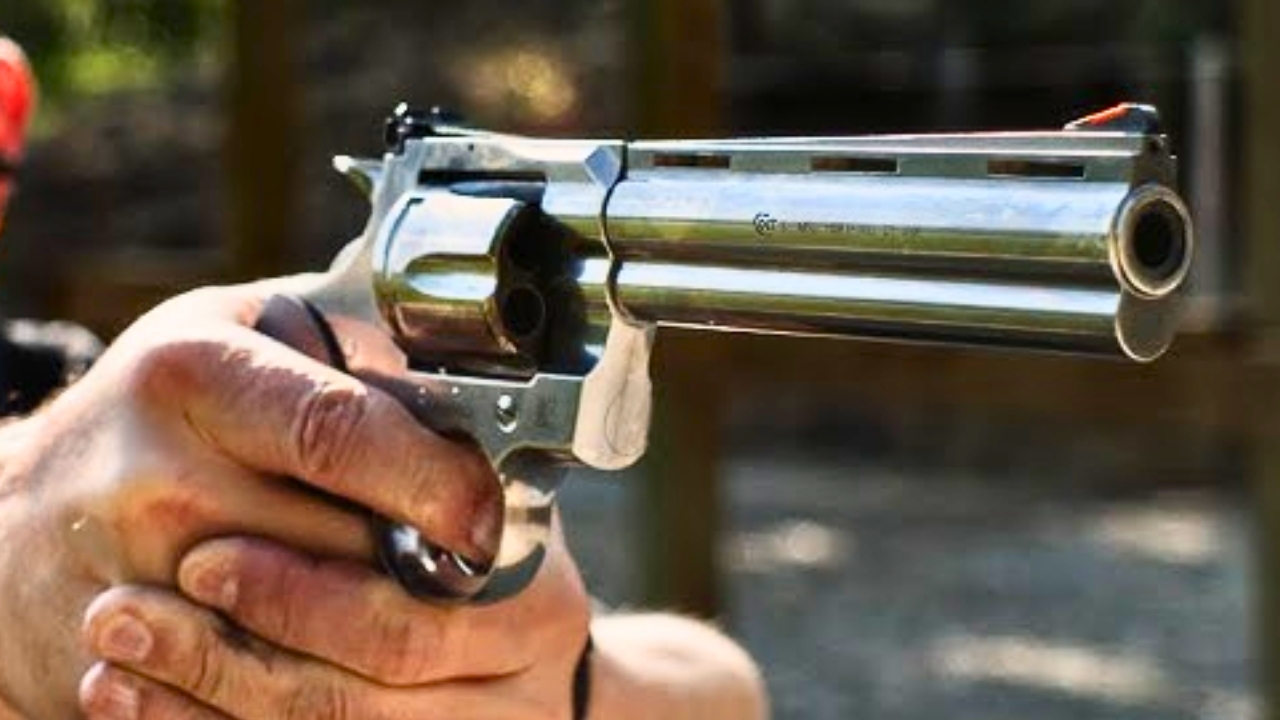
The Colt Python is beautiful, iconic, and collectible. Nobody serious denies that. The problem is that some Python fans act like it is automatically the best .357 revolver for everyone, no matter the price or intended use. That is where the defense gets too emotional.
As a working revolver, a Smith & Wesson 686 Plus or Ruger GP100 often makes more sense. They are durable, accurate, easier to treat like tools, and usually less painful financially. The Python is special, but not every shooter needs to pay collector money for a .357.
Desert Eagle .50 AE

The Desert Eagle .50 AE is fun, loud, famous, and unforgettable. That is exactly why people defend it harder than they should. It is one of those guns that creates a reaction before anyone even shoots it, and that reaction becomes part of the ownership experience.
But as a practical handgun, it is hard to justify. It is huge, heavy, expensive to feed, and picky compared with simpler designs. Most owners shoot it for spectacle, not serious use. There is nothing wrong with fun, but fun does not need to be defended like practicality.
HK USP
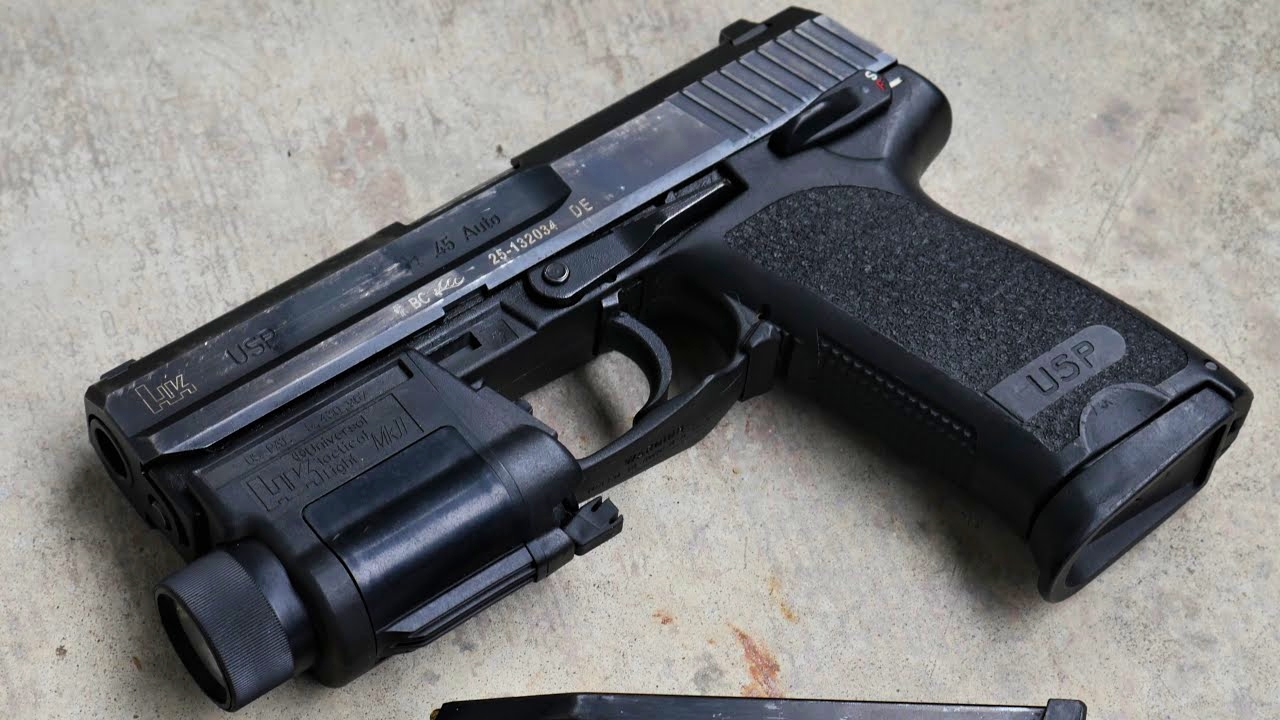
The HK USP earned its reputation for durability, but some fans talk about it like nothing has improved since the 1990s. It is tough, reliable, and overbuilt in the best way. It also has a bulky grip, dated accessory compatibility, and a price that can be hard to defend today.
The USP deserves respect. It does not deserve to be treated like the answer to every handgun question. Modern HK pistols, Walthers, CZs, SIGs, and M&Ps can be easier to live with and shoot just as well for less money. The USP is great, but it is not untouchable.
1911 in .45 ACP
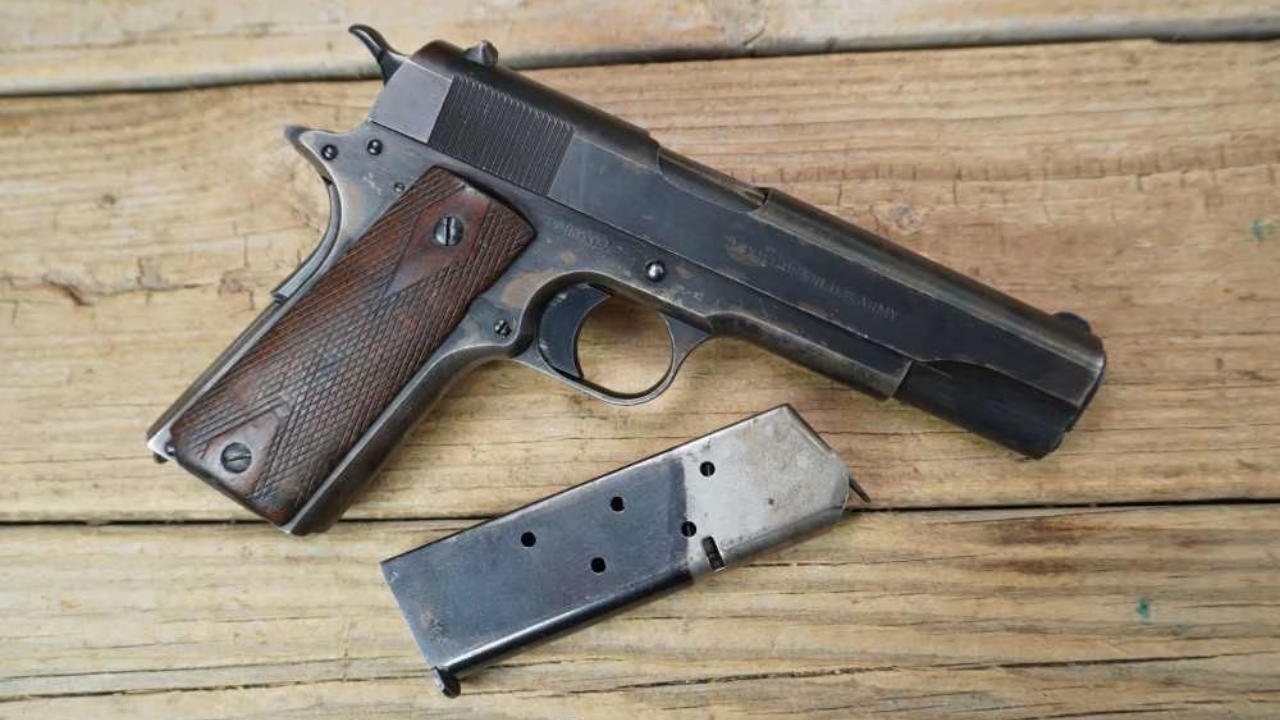
The 1911 in .45 ACP may have the most loyal fanbase in handguns. A good 1911 trigger is excellent, the grip angle is natural, and the design has more history than almost anything else. Those are real strengths.
The problem comes when people ignore the downsides. Capacity is limited, good ones cost money, cheap ones can be finicky, and maintenance matters more than it does with many modern pistols. A 1911 can be excellent, but acting like every criticism is ignorance gets old fast.
Browning Hi-Power
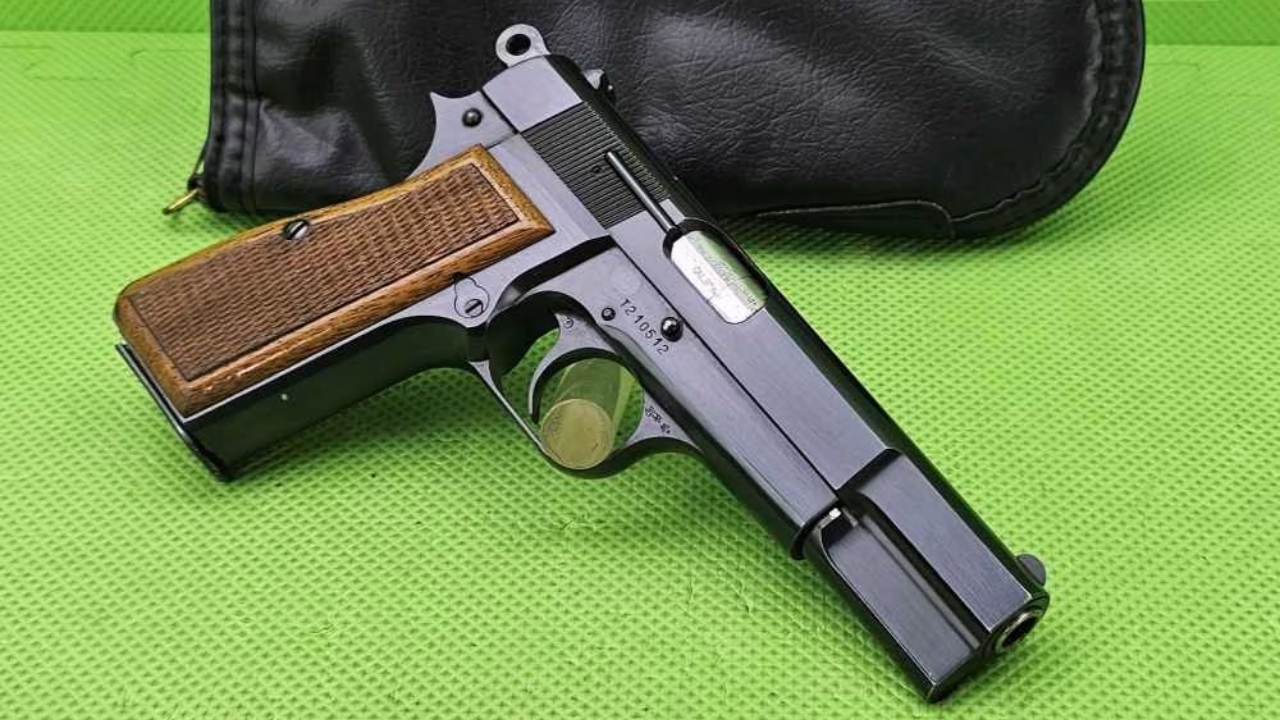
The Browning Hi-Power is a classic, and it shoots beautifully in many hands. It deserves its reputation as one of the great service pistols. But its fans can get carried away when comparing it to modern carry and duty guns.
The trigger is often held back by the magazine disconnect, the sights on older examples may be dated, and prices have climbed hard. A Hi-Power is wonderful if you love the design. But a modern CZ, Beretta, or striker-fired pistol may simply be a better working gun today.
Walther PPK

The Walther PPK has style, history, and instant recognition. It is one of the coolest-looking compact pistols ever made. That style is also why people defend it long after modern pocket pistols have beaten it on practical use.
The PPK is heavy for its capacity, can be sharp to shoot, and does not offer much compared with today’s small carry guns besides charm. A Ruger LCP Max or Smith & Wesson Bodyguard 2.0 is a better pocket pistol for most people. The PPK is iconic, but icons can still be outdated.
SIG Sauer P320

The SIG P320 has a massive following because of its modular design, military connection, and broad support. There are plenty of good reasons people like it. You can configure it almost endlessly, and many versions shoot well.
But some defenders act like the platform is immune from criticism. The bore axis, trigger feel, bulk, model-to-model variation, and controversy around the pistol have all been real discussion points. The P320 is popular and useful, but that does not mean every concern is just internet noise.
Springfield Armory XD-M Elite

The XD-M Elite has fans who like the capacity, grip safety, trigger, and feature set. It is not a bad pistol. In fact, some versions shoot very well and offer a lot for the money.
The over-defense starts when people pretend the XD line is still leading the pack. Many shooters find the guns bulky, top-heavy, or less refined than newer competitors. A Walther PDP, CZ P-10, M&P M2.0, or Glock often feels easier to recommend. The XD-M Elite is capable, but not the standard anymore.
Taurus G3c

The Taurus G3c gets defended hard because it is affordable and gives budget buyers a compact 9mm with decent capacity. For someone who cannot spend more, that matters. A working budget pistol is better than no pistol at all.
The problem is when people act like it belongs in the same trust category as proven duty and carry guns. Taurus has improved, but consistency still matters. The G3c can be a good value, but value does not automatically erase rough triggers, quality-control concerns, or weaker long-term confidence.
Ruger Mini-14

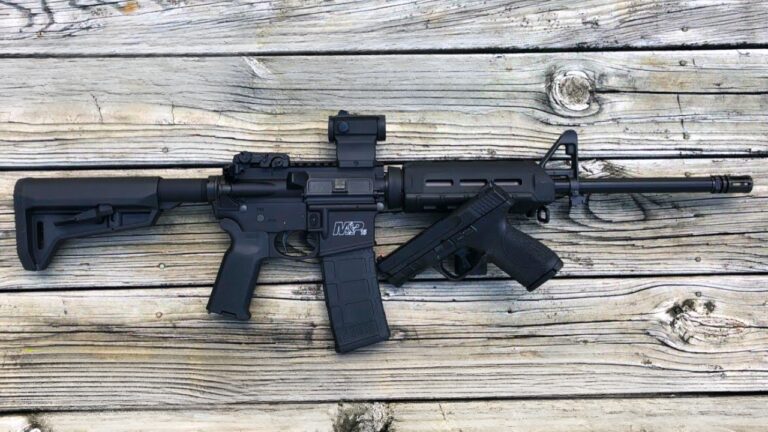
The Ruger Mini-14 has one of the most loyal rifle fanbases around. People love the traditional look, handy feel, and ranch-rifle personality. It is more charming than another plain AR-15, and that counts for something.
But the defenses often go too far. The Mini-14 is usually more expensive than a basic AR, less modular, and not as accurate as many ARs at the same price. It is a cool rifle with real utility, but pretending it beats the AR-15 on practical value is a tough argument.
Marlin 1895 SBL
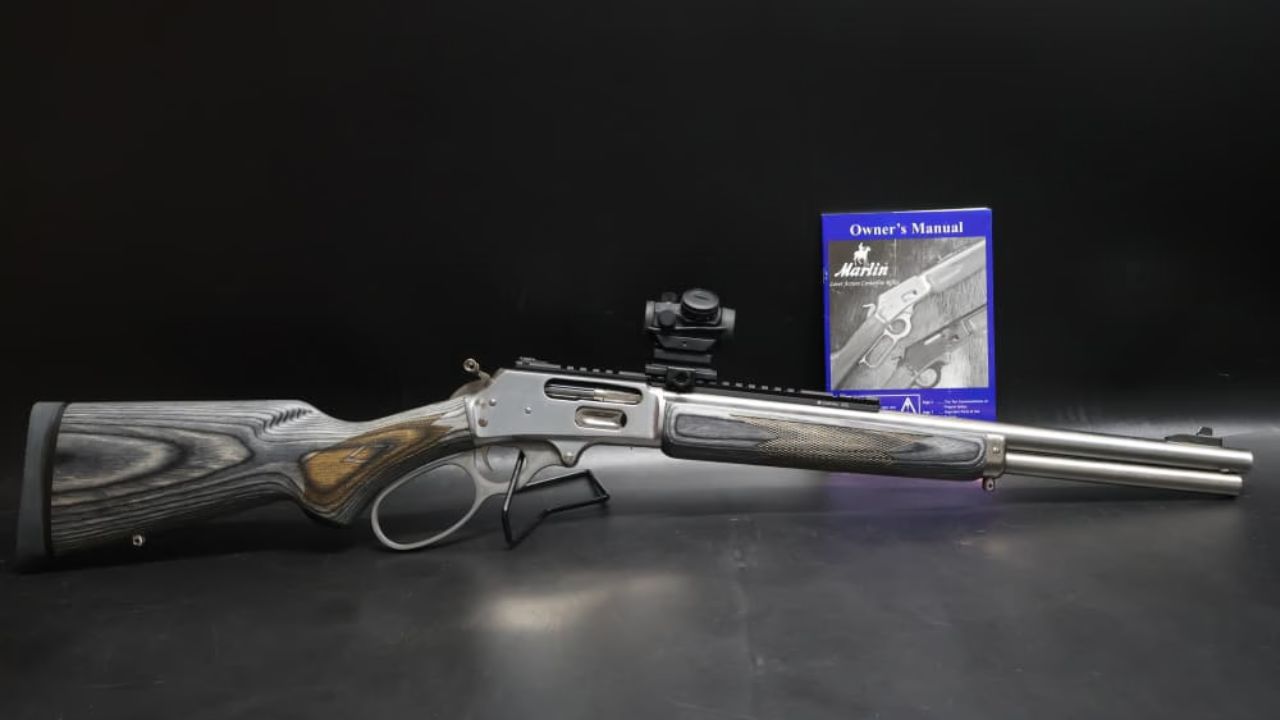
The Marlin 1895 SBL is a great-looking .45-70 lever gun, especially in its Ruger-made form. It has the stainless finish, laminate stock, big-loop lever, and modern sights that make people want one immediately. The hype is understandable.
The issue is that some fans defend the price like the rifle is practical for everyone. It is expensive, .45-70 ammo is expensive, recoil is real, and the role is fairly specific. It is a cool rifle, but not every hunter or woodsman needs a premium big-bore lever gun to solve normal problems.
Henry Big Boy X Model
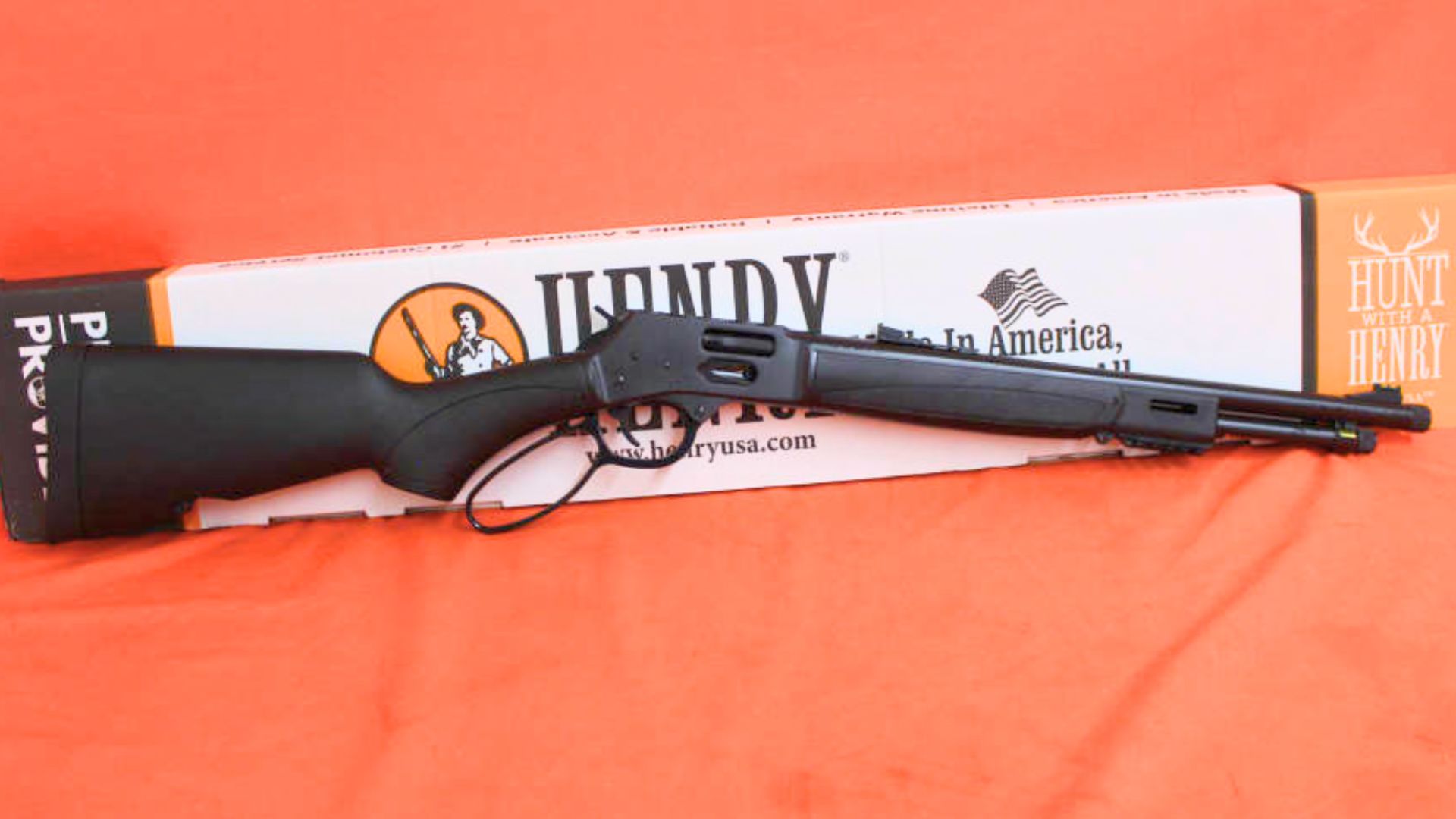
The Henry Big Boy X Model gets defended hard by the tactical lever-gun crowd. Threaded barrel, synthetic furniture, side gate, and accessory compatibility make it one of the easiest lever guns to modernize. It hits the current trend perfectly.
But the price can get ridiculous once accessories enter the picture. A pistol-caliber lever gun with rails, lights, optics, suppressor mounts, and aftermarket furniture can become a very expensive range toy. It is fun and useful, but the fanbase sometimes acts like it is more essential than it really is.
.300 Blackout AR pistols
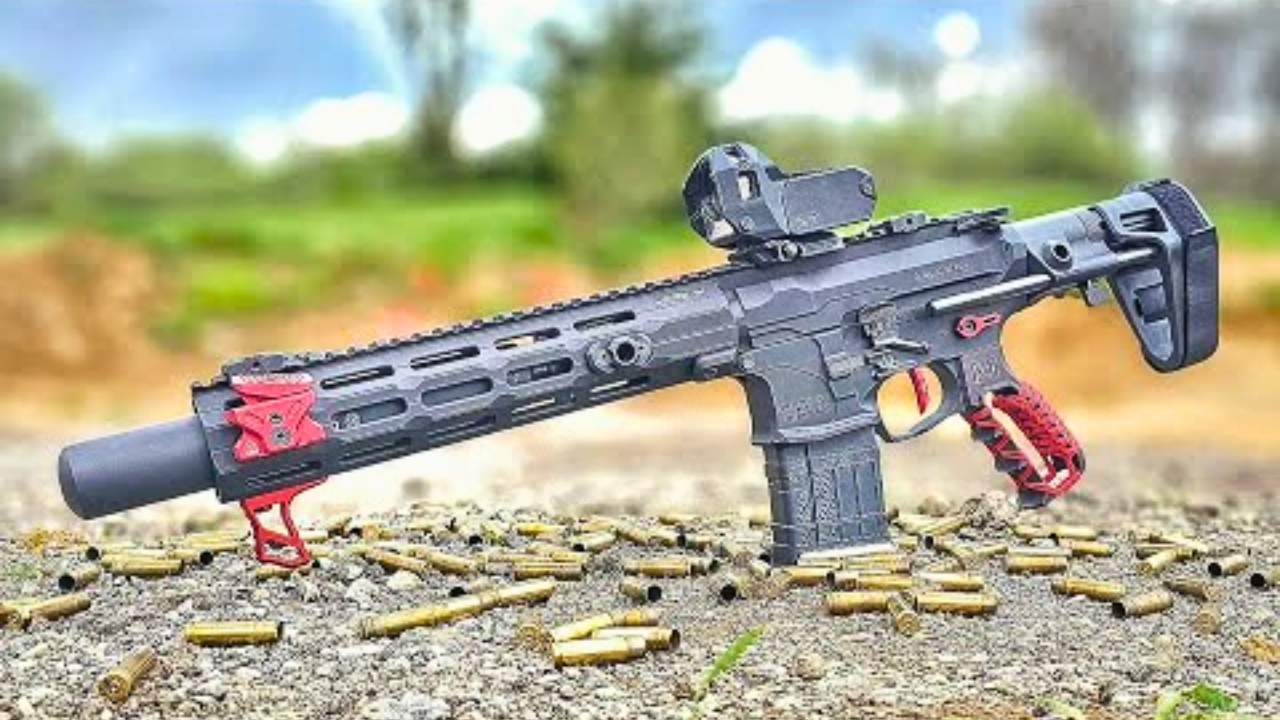
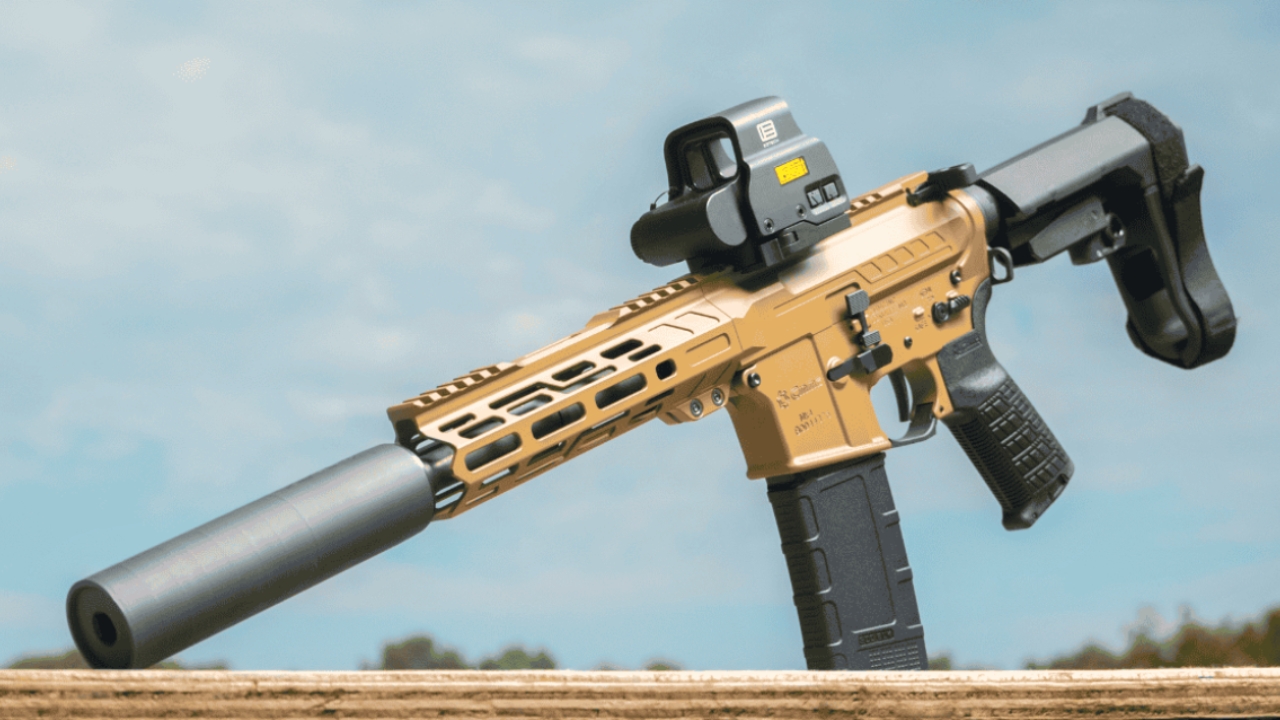
The .300 Blackout AR pistol has real strengths. It works well in short barrels, suppresses nicely, and makes sense for specific close-range roles. When used properly, it is a useful cartridge and platform.
The over-defense starts when people try to make it do everything. It is not a long-range cartridge, subsonics have real limitations, and ammo cost is higher than 5.56. A .300 Blackout pistol is great in its lane, but some owners defend it like every weakness is just user error.
KelTec Sub2000
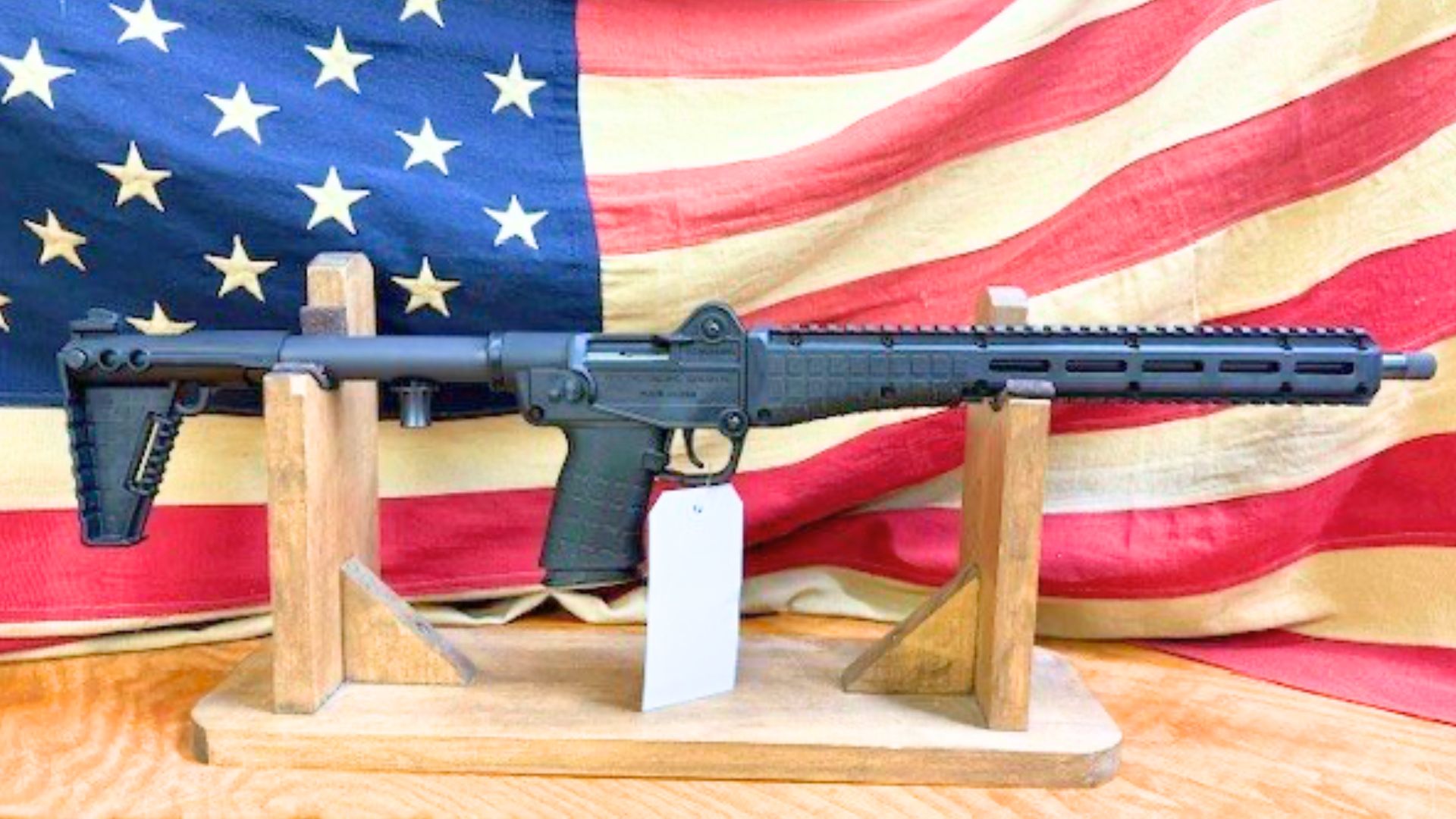
The KelTec Sub2000 is clever, lightweight, foldable, and affordable. It also accepts common pistol magazines depending on version, which makes it easy to understand the appeal. As a compact truck or backpack-style carbine, it has a real niche.
But people defend it way too hard when others point out the cheap feel, awkward cheek weld, mediocre trigger, and rough shooting experience. It is a neat folding carbine, not a refined rifle. Liking the concept does not mean pretending the execution feels premium.
Remington 700
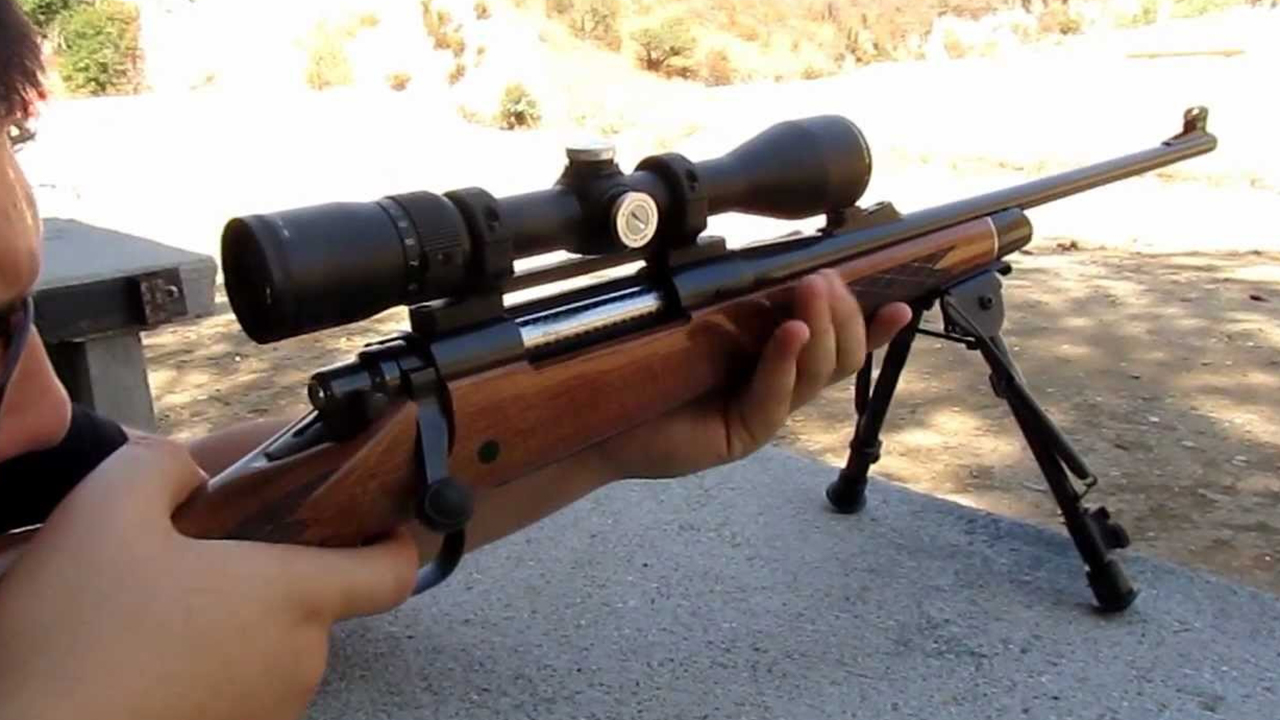
The Remington 700 is one of the most important bolt-action rifles ever made, and its action footprint shaped the custom rifle world. That reputation was earned over decades. Plenty of great rifles were built on 700 actions.
The problem is that some people defend every factory 700 like it is automatically superior because of the name. Quality varied over the years, and today’s rifle market is packed with strong alternatives from Tikka, Bergara, Howa, Browning, and others. The 700 matters historically, but the name alone does not win every comparison.
Benelli M4

The Benelli M4 is a serious combat shotgun with a strong reputation. It is reliable, durable, and undeniably cool. Its military connection and distinctive look make it one of the most desirable tactical shotguns ever sold to civilians.
But defenders sometimes act like nothing else is worth considering. The Beretta 1301 Tactical is lighter and faster for many shooters. The Mossberg 940 Pro Tactical costs much less and still performs well for most civilian needs. The M4 is excellent, but its price deserves scrutiny.
Like The Avid Outdoorsman’s content? Be sure to follow us.
Here’s more from us: