Photo credit: Brian Woolman/Shutterstock.com
When deer get pressured, their habits change fast. They start moving less in daylight, they stop hitting obvious food sources, and they learn to spot sloppy hunters from a mile away. But pressured doesn’t mean impossible. You can still find mature bucks in heavily hunted areas—you just have to hunt smarter. It comes down to timing, patience, and paying attention to what other hunters are doing wrong. Here’s how you can work around the pressure and still fill a tag with something worth hanging on the wall.
Hunt Where Others Don’t Want to Go

Most hunters won’t stray far from the truck or main trails. That’s your advantage. Bucks get pushed into the overlooked spots—steep hillsides, thick swamps, or tangled terrain that’s a pain to reach. If it’s uncomfortable or inconvenient, there’s a good chance that’s where they’re hiding. Push past where the foot traffic stops, and you’ll start finding fresh sign that others are missing.
Shift Your Focus to Midday
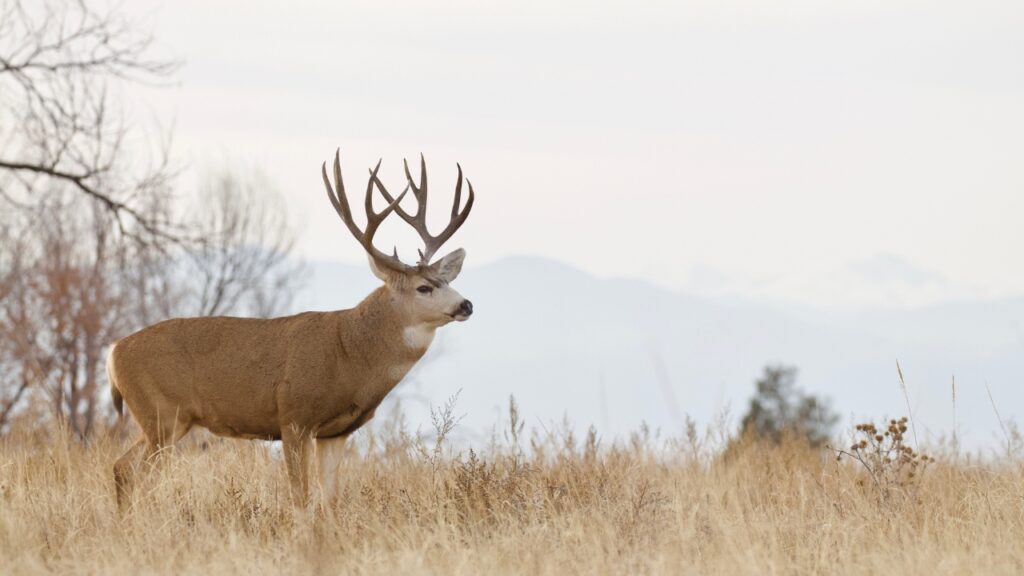
In heavily pressured areas, mature deer often move when the woods quiet down. Midday sits—especially between 10 a.m. and 2 p.m.—can catch bucks slipping between bedding areas or returning from a cautious morning feed. Most hunters are back at camp by then, which gives you a quiet window to capitalize on daylight movement that doesn’t make it to trail cams.
Don’t Hunt the Same Stand Repeatedly

Even a good stand goes cold fast if you overuse it. Pressured bucks pattern you quicker than you realize. Rotate spots or give high-impact areas a break so deer don’t learn your routine. If you find fresh sign but don’t get action, back off and come back when conditions shift. Being unpredictable keeps you in the game longer.
Use the Wind—And Thermals

It’s not enough to know wind direction—you need to understand how it shifts with terrain and temperature. Hills, ridges, and creeks can cause thermals to pull your scent uphill in the morning and downhill in the evening. If you’re not adjusting for that, pressured bucks will know you’re there long before you see them. Set up where your scent won’t betray you as things warm up or cool down.
Hunt the Back Side of Pressure

Instead of fighting the crowd, let them help you. If you know where other hunters are, figure out where they’re pushing deer. Bucks will skirt human activity, often circling to the downwind side of popular access points or slipping into adjacent thickets. Set up between bedding and escape cover on the backside of pressure, and you can intercept movement most hunters don’t even realize is happening.
Skip the Obvious Food Sources
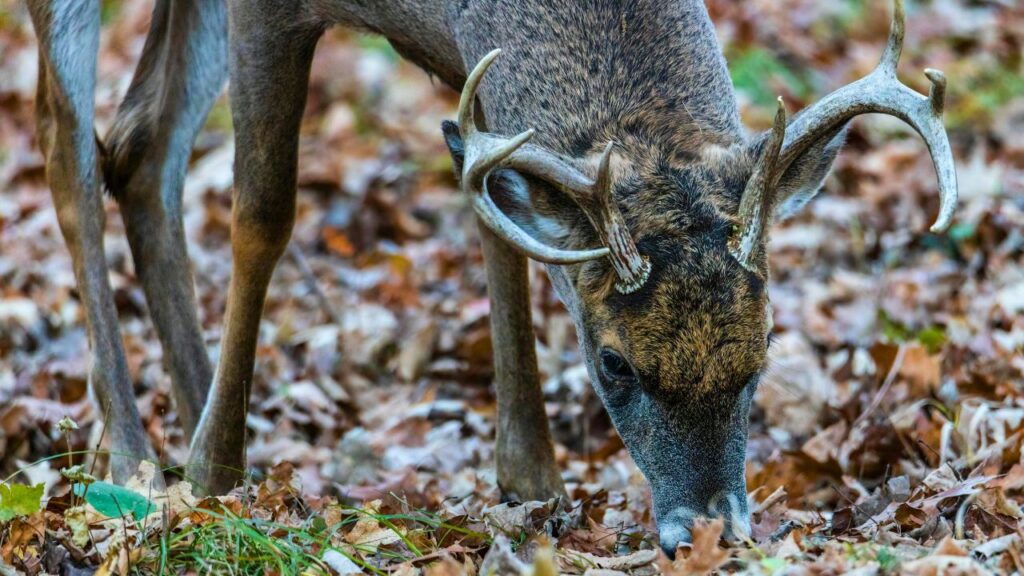
Heavily pressured deer avoid wide-open food plots and cornfields during daylight. That doesn’t mean they aren’t eating—it means they’re staging nearby until dark. Hunt the cover near those food sources, like inside corners, brushy draws, or edges of CRP. These are spots where bucks feel safe before committing to open areas, and they’re often active in the last hour of light.
Scout Bedding, Hunt the Edges

If you know where mature deer bed, don’t blow it by stomping right in. Instead, set up on the fringes. Bucks under pressure won’t travel far unless they have to, so catching them as they stage up within 100 yards of bedding can be your best shot. Look for rub lines, faint trails, or terrain that funnels movement out of thick cover.
Get In Quiet and Stay Put
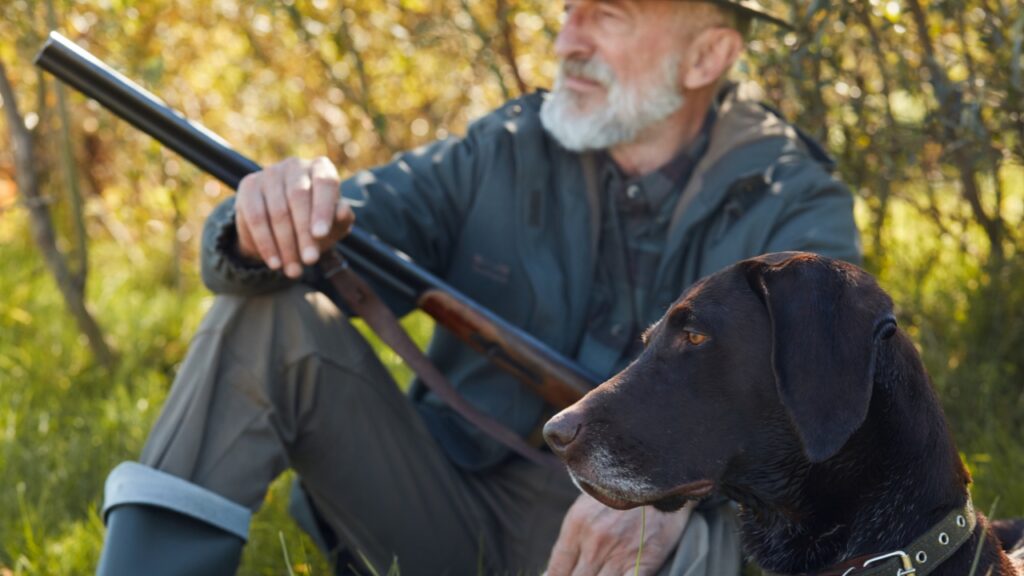
In pressured areas, noise kills hunts before they start. Every step, every clank, every zipper counts. Use quiet gear, take your time going in, and get set well before shooting light. Once you’re there, stay put. Fidgeting or leaving early can tip off nearby deer that something’s off. The quieter you are, the more daylight movement you’ll see—especially from older bucks.
Use Rain or Wind to Your Advantage

Windy or wet days don’t stop deer—they stop hunters. Use those conditions to sneak into spots you normally couldn’t without being heard. Rain masks your sound, and strong wind keeps scent and noise scattered. These are great times to push closer to bedding or get aggressive with a still-hunt along a known trail.
Don’t Get Married to Sign
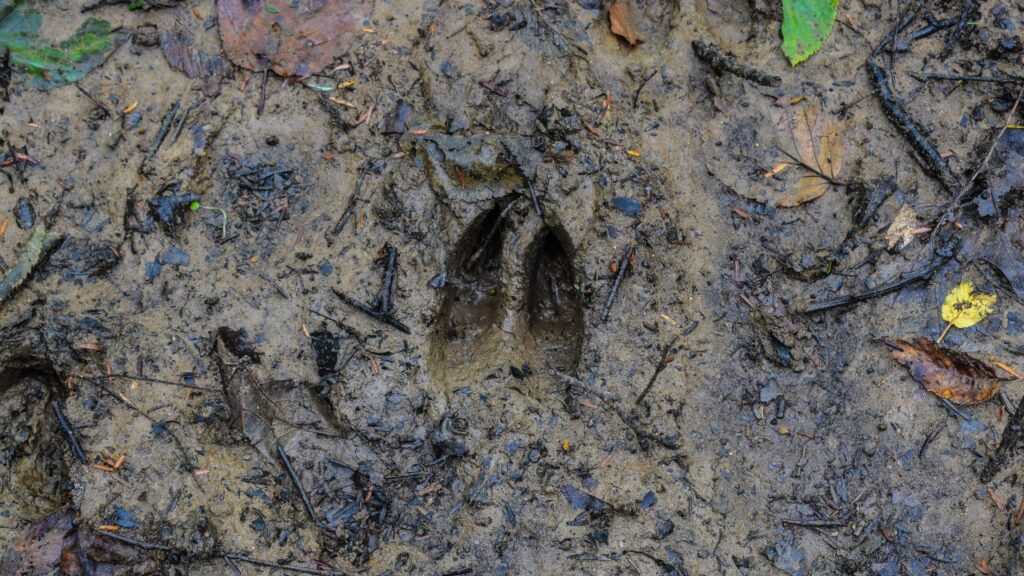
Scrapes and rubs can be exciting, but don’t rely on them alone. In pressured areas, a lot of that sign happens at night. Fresh tracks, droppings, and subtle trails between cover hold more weight. Pay attention to where the freshest sign leads, not where it’s concentrated. Mature bucks won’t make the same mistake twice in areas with heavy hunting pressure.
*This article was developed with AI-powered tools and has been carefully reviewed by our editors.