Photo credit: Dmitri T/Shutterstock.com
There’s a difference between looking ready for a fight and actually being ready for one. A lot of pistols today are dressed up with rails, ports, optics plates, and aggressive styling, but some of them spend more time choking on ammo than running it. Guides, instructors, and serious shooters see it all the time—people bring a pistol that looks straight off a SWAT belt, then watch it jam halfway through the first magazine.
Tactical doesn’t mean reliable, and marketing can’t replace proper engineering or testing. These are the pistols that show off at the gun counter but often make you question your decision once you’re on the range or in the field.
Springfield XDm Elite Tactical OSP

The XDm Elite Tactical OSP looks like a serious operator’s gun with its threaded barrel, suppressor-height sights, and optic-ready slide. But spend a few hundred rounds with one, and you’ll see the cracks. These guns can be finicky with ammunition—especially lighter loads—and the trigger, while better than older XDs, still has that mushy reset that slows follow-up shots. The grip angle also divides shooters; it points high for some, which throws off natural aim when speed matters.
What really frustrates folks is the occasional stovepipe or failure to return to battery with suppressor setups or weaker range ammo. It’s a pistol that can shoot well when tuned, but one you’ll likely baby instead of trust without question. It looks the part, but “tactical” doesn’t mean it won’t need a little babysitting.
Kimber Rapide Black Ice
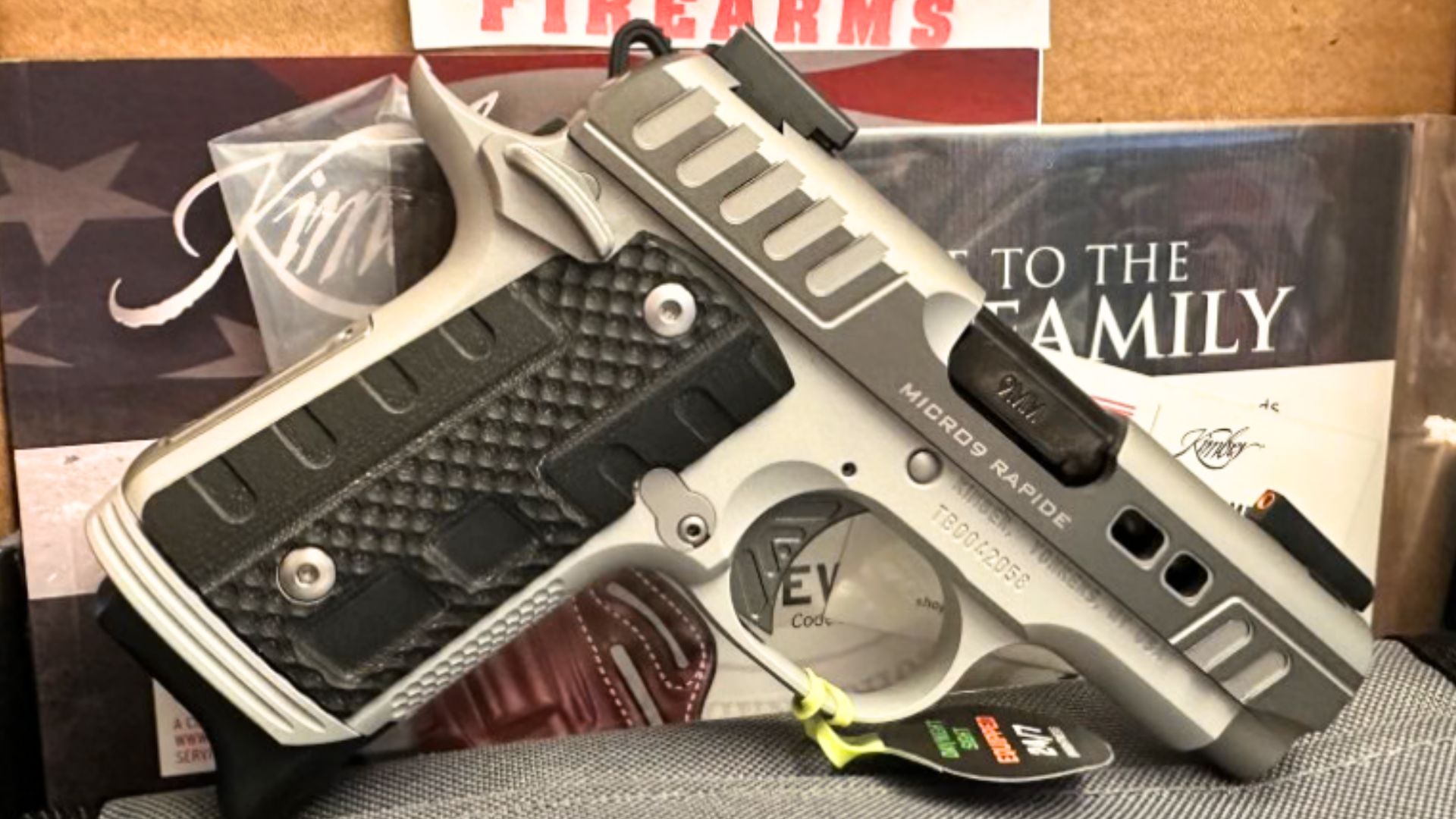
You see the Kimber Rapide and think it’s built for combat—the slide cuts, the coatings, the serrations. But under that flashy exterior sits a 1911 that can be more temperamental than tactical. These guns are notoriously picky about ammo and lubrication, especially during the break-in period. The tight tolerances that make them accurate also make them less forgiving when dirty or under stress.
Plenty of owners report perfect range sessions followed by sudden feed failures a few mags later. For a “premium” 1911 marketed as performance-ready, that inconsistency wears thin. It’s a beautiful pistol that impresses in the case but can frustrate in the field. Most guides or trainers see one and know—they’ll spend more time tuning it than shooting it.
FNX-45 Tactical

The FNX-45 Tactical looks like a powerhouse: optics-ready, threaded barrel, and a massive magazine capacity. But talk to anyone who’s run one hard, and they’ll mention the quirks. The double-action/single-action trigger isn’t the smoothest, the slide-mounted safety is awkward, and the gun’s size makes it clunky for most shooters. It’s also notorious for not liking certain suppressors or lighter loads, which can cause failures to feed or eject.
This pistol tries to be everything at once—suppressed, optics-ready, high-capacity—but ends up finicky with all of it. In experienced hands, it’s manageable, but for most shooters it’s a big, expensive reminder that “tactical” and “practical” don’t always overlap.
Hudson H9

The Hudson H9 had all the looks of the future: 1911-style trigger, low bore axis, and aggressive machining that screamed tactical. But the company’s bankruptcy tells the story. It was heavy, complex, and plagued by reliability issues from the start. Early adopters loved the feel—until parts started breaking and customer service vanished.
The H9 was one of those guns you wanted to love because it looked so different. But the extra engineering didn’t translate into field performance. Light primer strikes, inconsistent feeding, and a trigger that felt promising but inconsistent made it a “cool idea” that couldn’t hold up in real conditions. It looked like the next evolution of the combat pistol, but it spent more time at the gunsmith than on the line.
SIG P320 X-Five Legion
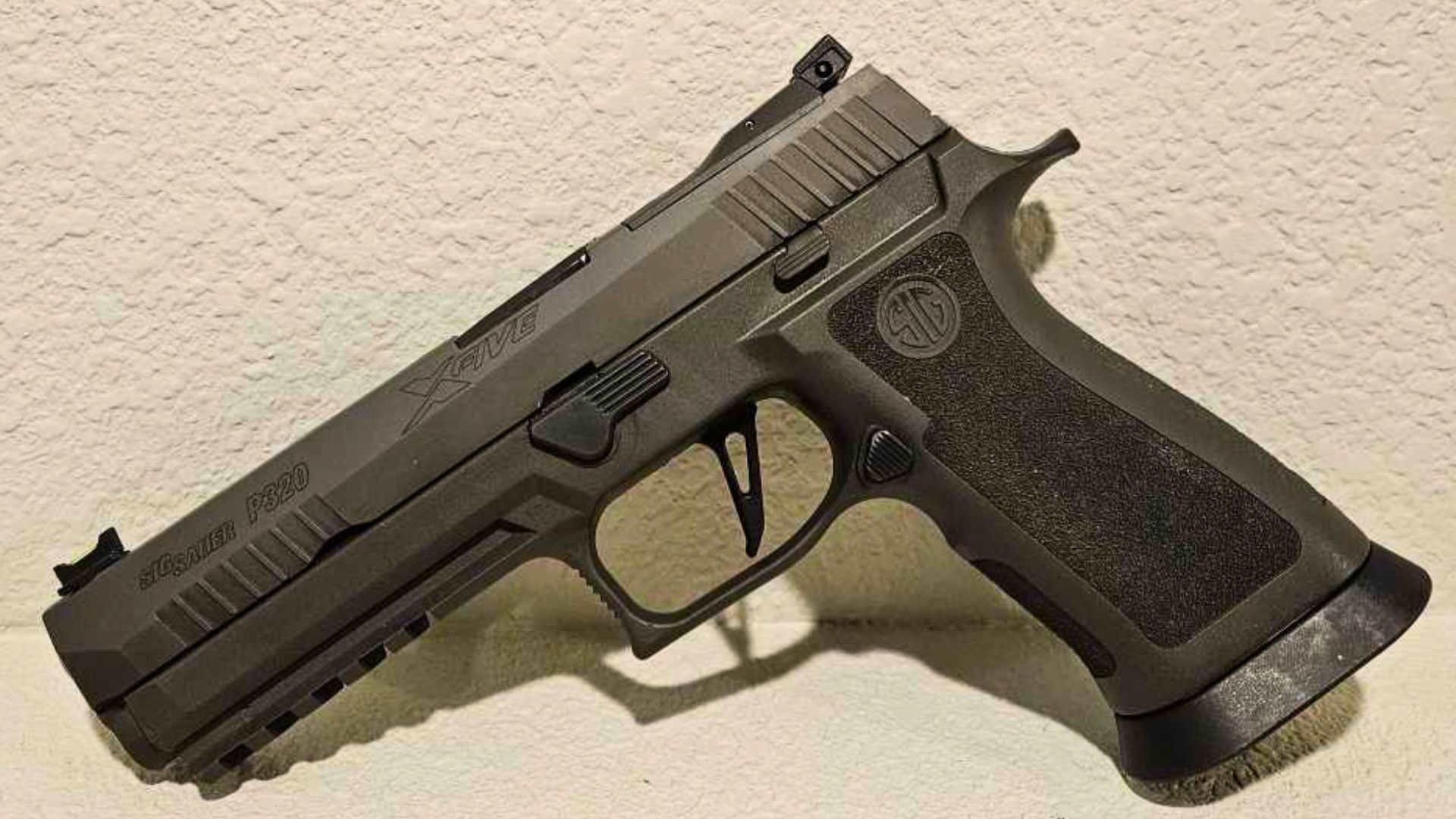
The X-Five Legion has the reputation of a competition-ready tactical sidearm, and in many ways it delivers—until it doesn’t. The tungsten-infused frame gives it great balance but adds weight that not everyone handles well. The real problem is inconsistency. Some models run flawlessly, while others have light primer strikes or issues with certain ammo, especially with aftermarket triggers or recoil springs.
The modular design is clever, but once you start swapping parts, reliability can spiral. A lot of shooters spend more time tuning this gun than shooting it. It’s a great competition tool when dialed in, but for a pistol that costs that much and markets itself as “ready for duty,” it shouldn’t need that kind of babysitting.
Walther Q5 Match Steel Frame
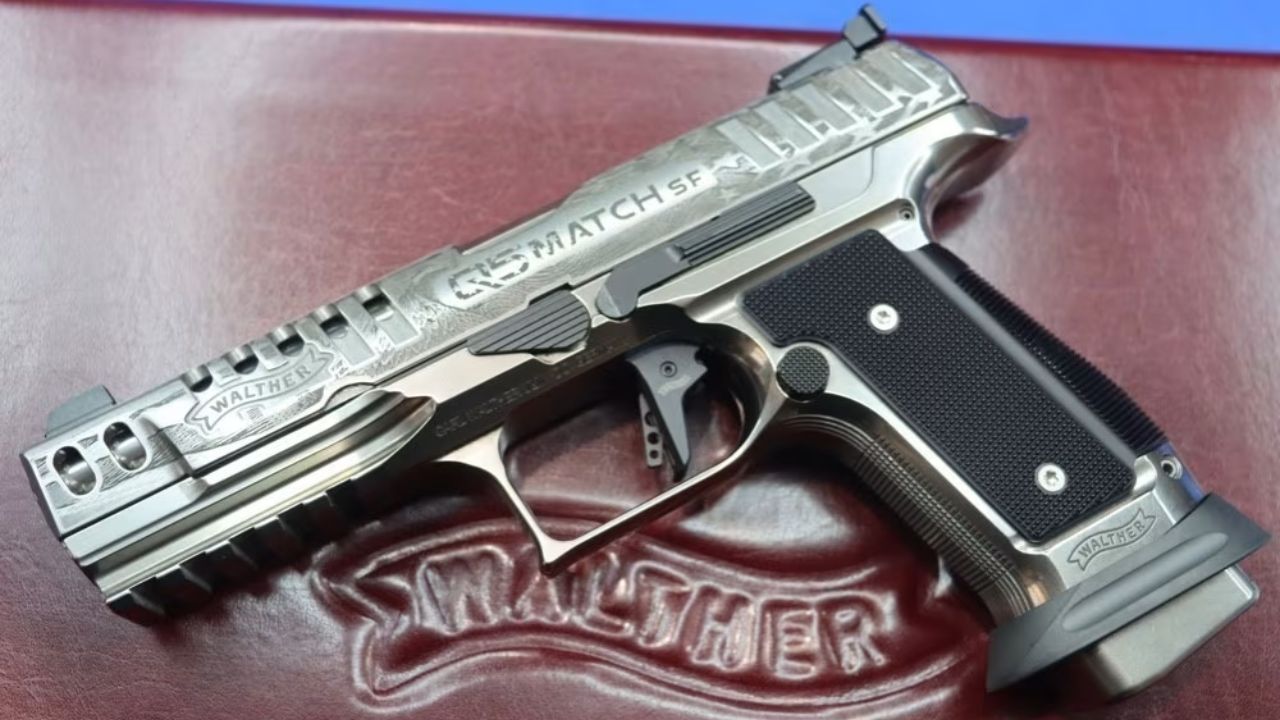
The Q5 Match Steel Frame looks like a dream—optic-ready, heavy for recoil control, and beautifully machined. But that weight makes it more of a competition diva than a practical sidearm. It’s not that it’s inaccurate—it’s extremely accurate—but it’s known to have feeding issues when dirty, and it doesn’t love weak factory loads. The recoil spring and timing can make it temperamental with common 115-grain ammo.
Walther fans adore it for target shooting, but if you bring one expecting battle-ready reliability, you’re in for disappointment. It’s a “clean and maintained” kind of gun, not a “run it dirty” one. Tactical in looks and name, sure—but it’s really a high-maintenance performer dressed for a fight it won’t finish comfortably.
Remington R1 Enhanced Tactical
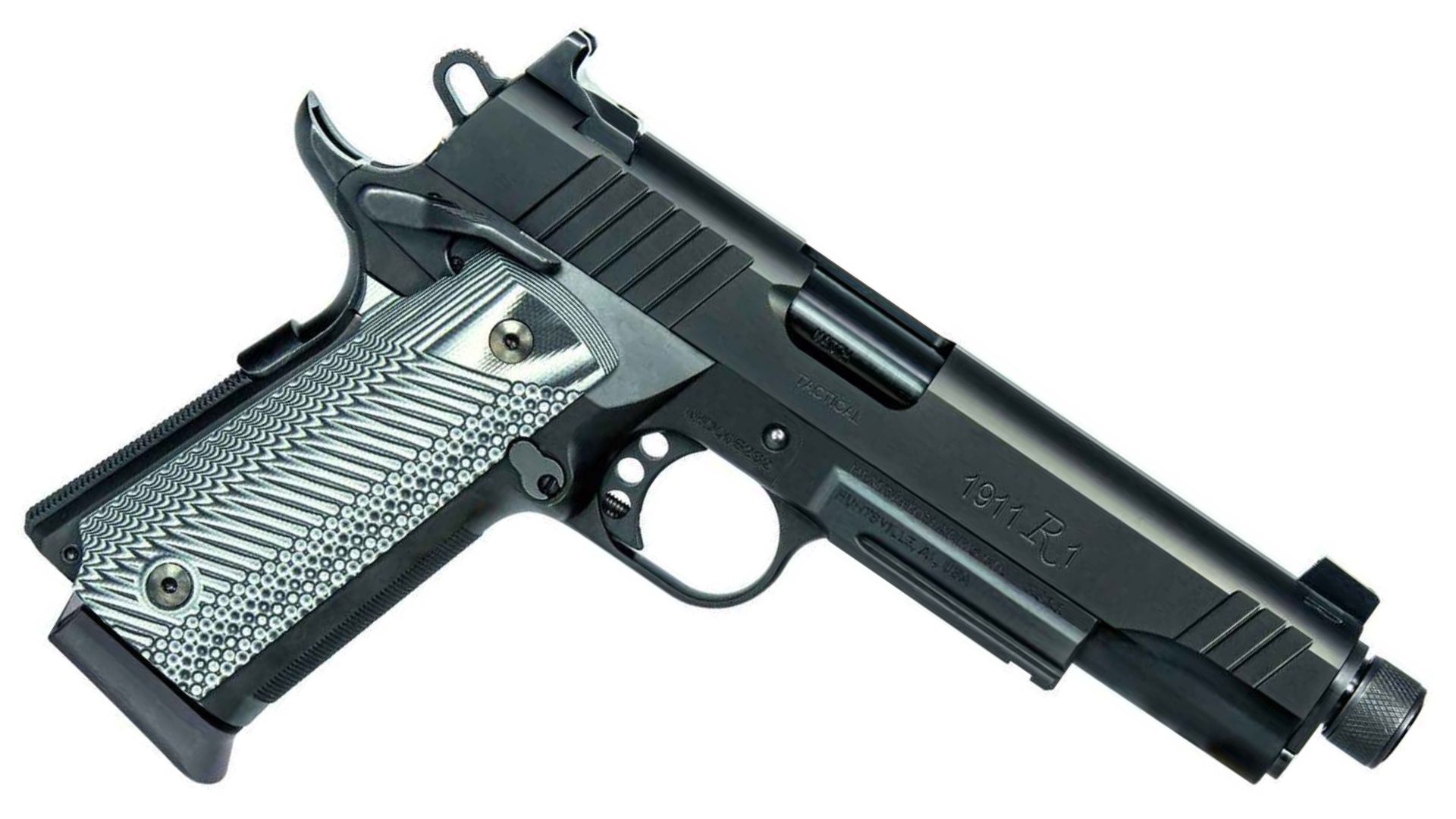
The Remington R1 Enhanced Tactical came out swinging with 1911 heritage and modern features—threaded barrel, match trigger, extended safety. But when you actually run it, things start to slip. The feed ramps on some models were rough from the factory, and extractor tension often needed adjustment to keep it cycling right. Many shooters had to polish, tweak, and experiment with magazines to make it run smoothly.
It’s not a bad pistol—it can be accurate and fun—but it’s not something you’d stake your hunt or life on. Guides and serious shooters see that “tactical” label and shake their heads, knowing it’s more show than go. Once tuned, it’s nice. But a tactical pistol shouldn’t demand tuning to begin with.
Beretta APX Combat
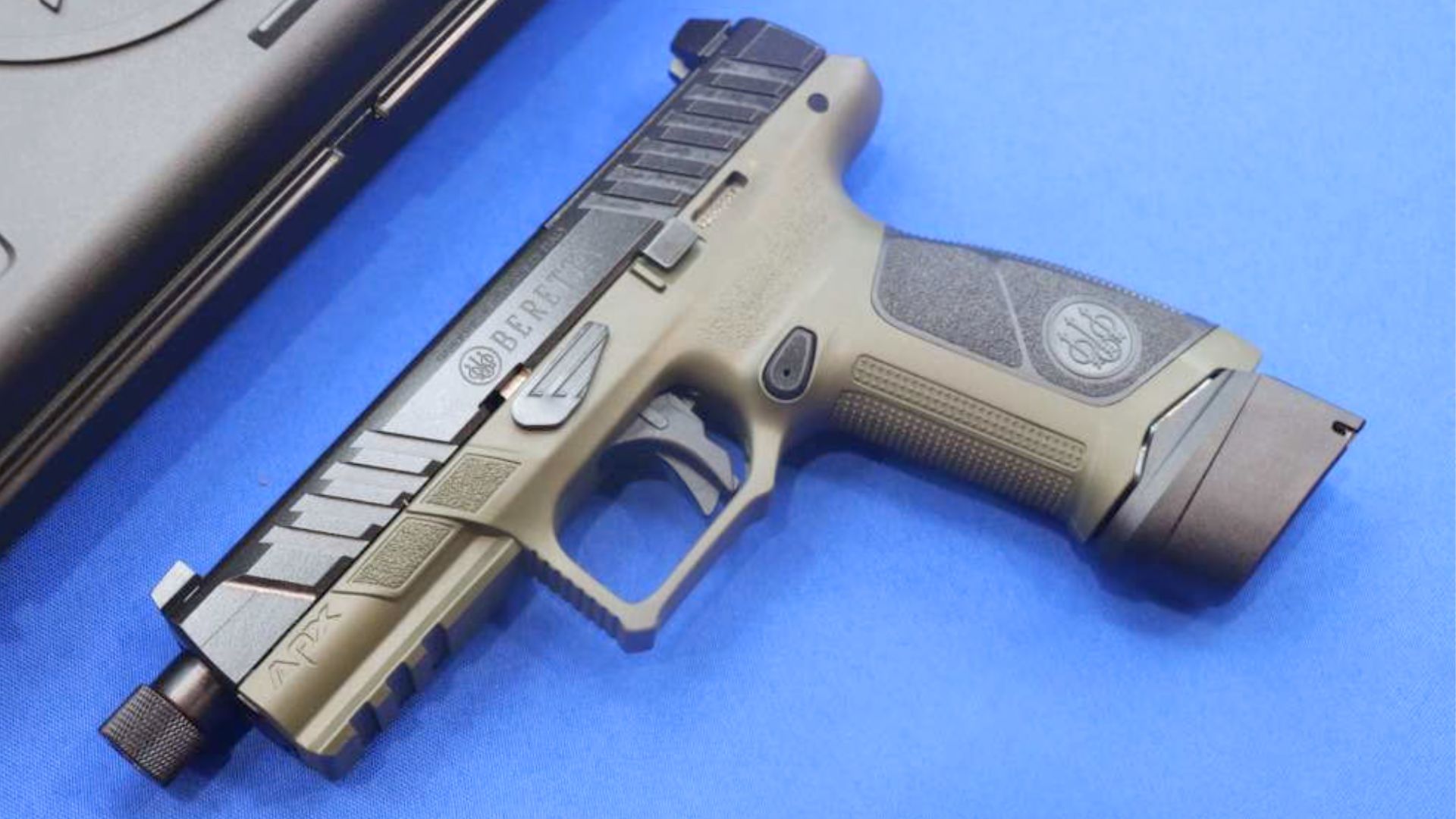
The Beretta APX Combat wears all the right accessories: threaded barrel, suppressor-height sights, and a modular chassis. It’s supposed to rival the P320 and Glock 19 MOS. The problem? It never quite lives up to the billing. The trigger feels like a wet sponge, and the slide serrations—while aggressive—tend to chew up holsters and hands alike. Early models also had inconsistent ejection patterns and weak striker springs.
For a gun branded as “combat,” it behaves more like a prototype in need of polish. You can make it run well, but it shouldn’t take that much effort. It’s the kind of pistol that looks serious on the table, but after a few hundred rounds, you start wishing you’d gone with something proven.
Canik TP9 Elite Combat

Canik built a reputation for great value, and the TP9 Elite Combat looks straight out of a special forces catalog—threaded barrel, optics-ready slide, and tactical gray Cerakote. The issue is consistency. Some run like champs; others choke when dirty or when running certain hollow points. The trigger is crisp, but reset and sear engagement can feel unpredictable under stress.
Plenty of shooters swear by their Caniks, and plenty more have sold them after a weekend of malfunctions. It’s a fun gun that looks high-end and performs well on clean ranges, but for serious field use, guides and trainers tend to look elsewhere. The Elite Combat is the definition of “tactical looks, competition manners.”
Taurus G3 Tactical
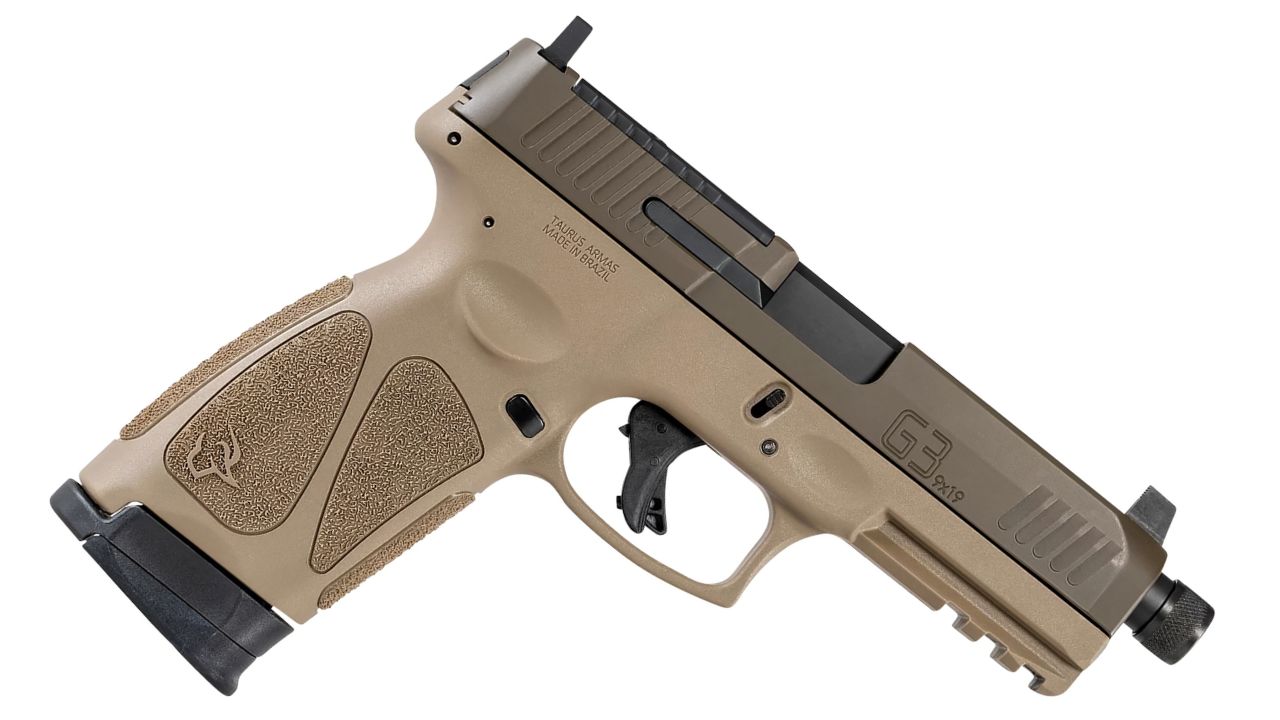
Taurus has come a long way, but the G3 Tactical still has teething issues. On the surface, it’s impressive—threaded barrel, optics-ready, suppressor-height sights—but reliability varies wildly between samples. Some eat everything, while others choke on basic range ammo. The polymer feels slick in wet hands, and the trigger, though improved, can get gritty fast.
Guides and trainers don’t hate the effort—they just wish it was more consistent. When a “tactical” gun can’t promise 100% function with standard loads, that label starts to sound ironic. The G3 Tactical is proof that appearances and accessory rails can’t make up for erratic reliability.
CZ P-10 C Optics Ready

The P-10 C is a solid pistol overall, but the Optics Ready models have had their share of quirks. Mounting systems for red dots sometimes come loose under recoil, and early batches had striker drag issues that affected primer ignition. It’s marketed as a duty-grade sidearm, yet it requires Loctite, tinkering, and regular inspection to stay truly dependable.
Shooters like how it feels and points, but once the optic starts drifting or the striker hesitates, the “tactical” edge dulls fast. It’s not unreliable—it’s just not carefree. The P-10 C OR proves that even a great design can get temperamental when accessorized too far.
Like The Avid Outdoorsman’s content? Be sure to follow us.
Here’s more from us:
The worst deer rifles money can buy
Sidearms That Belong in the Safe — Not Your Belt
*This article was developed with AI-powered tools and has been carefully reviewed by our editors.