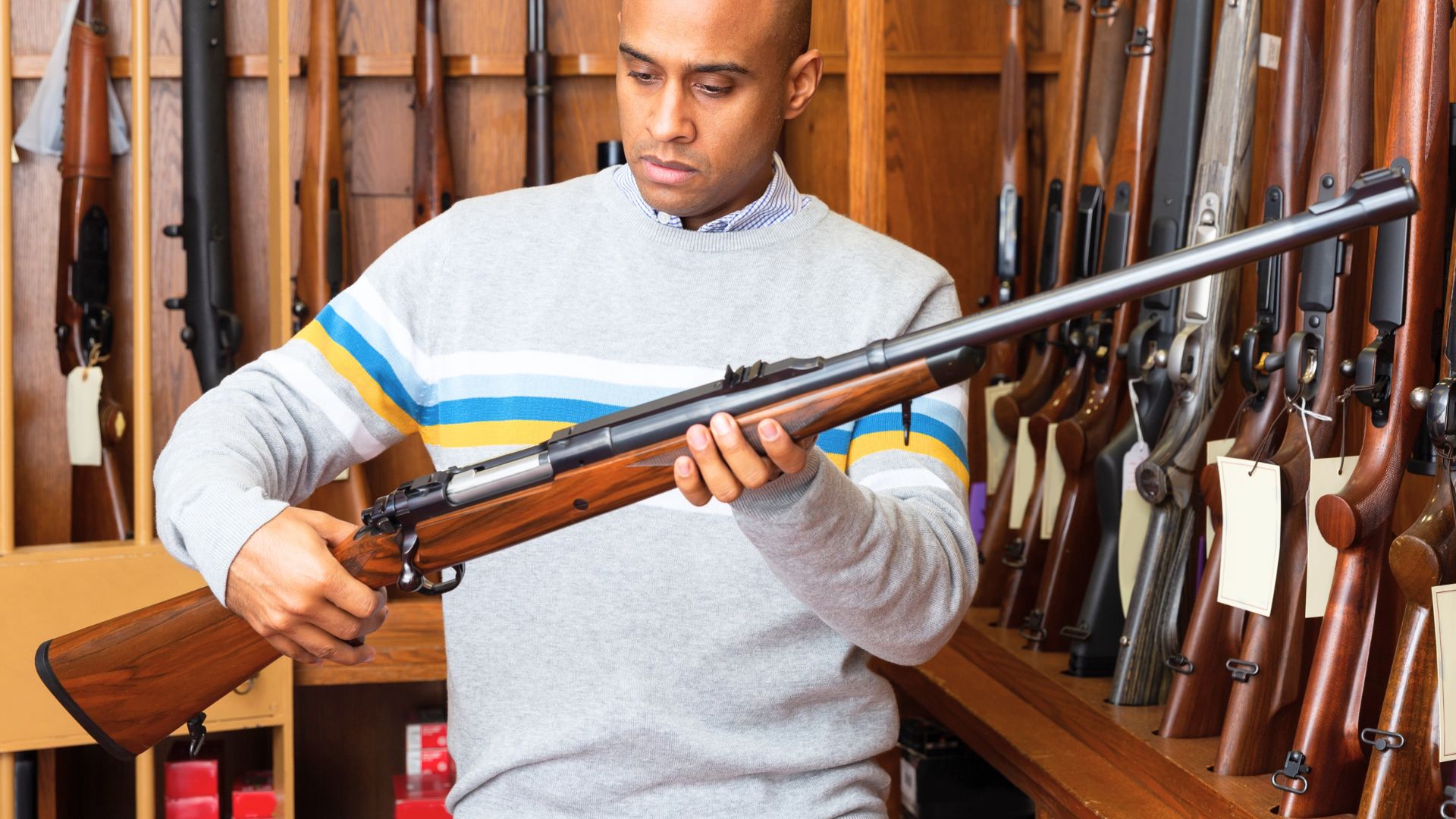
Photo credit: BearFotos/Shutterstock.com
Buying a rifle is easy. Buying the right rifle for how you actually hunt, shoot, and live with it is where things get expensive. A lot of second guesses start with a gun-counter decision that felt reasonable in the moment. The rifle looked good, the chambering sounded impressive, or the price made it seem like too good a deal to pass up. Then range time, field use, and real ownership start telling a different story.
Most rifle regrets are not caused by bad rifles. They come from mismatched choices. A rifle can be accurate, well made, and still be wrong for the job you bought it to do. That is where money starts leaking out through upgrades, replacement optics, aftermarket fixes, or a complete resale loss when you finally move on. If you want to avoid buying twice, these are the rifle-buying mistakes that tend to create the most expensive second guesses.
Buying too much cartridge for the way you actually hunt
A lot of rifle buyers talk themselves into more cartridge than they need. It is easy to do. Bigger chamberings sound reassuring, and nobody wants to feel undergunned. On paper, choosing a magnum can look like the safe move, especially if you are thinking about elk, long shots, or “just in case” scenarios that may never happen. The problem is that extra power always comes with a cost.
Once you start shooting the rifle, that cost gets real. Heavier recoil can slow your practice, increase flinch, and make you less effective in the field than you would be with a milder cartridge you shoot well. Ammo usually costs more too, which means fewer rounds fired and less confidence built. You may end up paying for a rifle that looks powerful but keeps you from training enough to use it properly. That is one of the most common ways buyers spend more and shoot worse.
Choosing a featherweight rifle before thinking about practice
Light rifles sell themselves fast. Pick one up in the store, and it feels like the smart choice right away. If you are planning to hike ridges, cover rough ground, or carry the rifle all day, shaving weight sounds like pure upside. In the field, less weight on your shoulder matters. That part is true. The mistake happens when you think carry comfort is the only part of the equation.
What feels great in the store can feel a lot less appealing once you are behind the trigger. Lightweight rifles usually recoil harder, move more under the shot, and can be less pleasant through long practice sessions. That often means you practice less or enjoy it less, which turns into poorer shooting when it matters. Then the money starts going out on recoil pads, muzzle brakes, stock changes, or a replacement rifle. A light rifle can be the right call, but buying one without considering how it behaves on the range is a mistake that gets expensive fast.
Falling for a bargain scope package instead of the rifle itself
Package deals move a lot of rifles because they look like easy money. You get the rifle, a mounted scope, and the feeling that you are walking out with a complete setup for less than buying pieces separately. For a new buyer, that can be hard to resist. It feels efficient, and it feels like you are saving money before you even fire the first shot.
Too often, that cheap scope becomes the weak link. Poor glass, unreliable tracking, loose mounts, or limited low-light performance can turn a decent rifle into a frustrating setup. Then you replace the optic, replace the rings, maybe pay to remount and re-zero, and suddenly the “deal” costs more than buying the better rifle-and-scope combination in the first place. A good rifle deserves an optic you can trust. If you buy the package because the extras look convenient instead of because the system is sound, you often end up paying twice.
Buying for benchrest bragging instead of field use
A rifle can look excellent on paper because it prints tiny groups from a bench. That kind of performance sells rifles every day. Tight groups, heavy barrels, and range-friendly setups make a strong impression, especially when accuracy is the first thing most buyers ask about. The trouble starts when you confuse bench strengths with field strengths and assume one automatically guarantees the other.
A rifle built around bench comfort can become a burden once you carry it in real terrain. Heavy barrels, bulky stocks, and overall weight that feels manageable at the range can get old fast in the woods or on a long hike. Then you start spending money trying to “fix” the rifle with slings, stock swaps, or other changes that never fully solve the fact that it was bought for the wrong role. Accuracy matters, no question. But if you buy a field rifle like it is a bench gun, you may end up with a rifle that shoots well and still leaves you wanting something else.
Ignoring ammunition cost and availability
A rifle can seem like a smart buy until you start feeding it. That is where a lot of buyers get surprised. They pick a rifle based on recoil, reputation, or what sounds interesting, but never stop to think about what ammunition costs, how easy it is to find locally, or whether they will actually want to practice with it once the receipt starts adding up. That oversight gets expensive in a hurry.
If ammo is costly or hard to find, you shoot less. When you shoot less, you learn the rifle slower, trust it less, and often start looking for ways out of the decision. Some buyers end up rebarreling, buying a second rifle in a more practical chambering, or selling the first one at a loss. None of that is cheap. A rifle is only useful if you can afford to train with it, confirm your zero, and hunt with confidence. Ignoring ammunition reality is one of the fastest ways to turn a purchase into a regret.
Buying a rifle because it “might” become a do-everything gun
The do-everything rifle is one of the easiest ideas to oversell yourself on. In theory, one rifle for deer, elk, predators, range work, maybe even home property use sounds efficient and practical. A lot of buyers convince themselves they are making the smart move by choosing one rifle that can cover every possible need. It feels like responsible spending at the time.
In real use, that kind of compromise often means the rifle never feels quite right for anything. It may be heavier than you want for carrying, kick harder than you want for regular practice, or wear optics that are decent at one task and frustrating at another. Then the “money-saving” plan turns into buying new scopes, swapping stocks, changing loads, or eventually buying a second rifle anyway. A versatile rifle can be a smart choice, but buying one with unrealistic expectations is how a lot of shooters end up spending more trying to force one tool into every job.
Underestimating stock fit and rifle ergonomics
A lot of buyers focus on caliber, barrel length, and brand name while barely thinking about how the rifle actually fits them. That is a mistake you usually do not notice until after the purchase. A rifle can look perfect in the rack and still feel awkward once you start mounting it repeatedly, shooting from field positions, or trying to get behind the scope quickly. Poor fit does not always show itself in the first five minutes.
Once you start using the rifle more, bad ergonomics become expensive. A stock that does not fit your build can affect comfort, eye alignment, recoil control, and consistency. Then come the add-ons: cheek risers, recoil pads, replacement stocks, spacers, and all the time and money spent trying to make the rifle feel right. Sometimes those fixes work. Sometimes they only remind you that you bought the wrong setup from the start. A rifle that fits you properly saves money because it reduces the urge to start rebuilding it after the fact.
Paying for features you will never truly use
It is easy to get pulled into feature-heavy rifles. Adjustable stocks, threaded barrels, detachable magazines, rail sections, specialty coatings, oversized controls, and tactical styling can all make a rifle feel more capable than a plain setup beside it. At the counter, those extras can make the higher price feel justified. The rifle looks more advanced, so it must be the better buy. That is how a lot of buyers talk themselves upward.
The problem is that unused features still cost real money. If you never shoot suppressed, never swap muzzle devices, never need fast magazine changes, or never benefit from the extra adjustability, you paid more for things that do not improve your real use. In some cases, those add-ons also increase weight or complexity. Then buyers start trying to trim the rifle back down or simplify it, which costs even more. A rifle should match the way you actually shoot, not the version of yourself you imagine at the gun counter on a good day.
Rushing the purchase before handling enough rifles
One of the most expensive rifle-buying mistakes is moving too fast. A lot of buyers find one rifle that looks close enough, hear a few strong opinions, and make the call before spending enough time comparing other options. Sometimes it is excitement. Sometimes it is fear that the deal will disappear. Either way, a rushed rifle purchase often skips the part where you figure out what truly feels right in your hands.
That is where expensive second guesses begin. Once you handle more rifles, differences in balance, bolt throw, stock shape, safety placement, and overall feel become obvious. If you buy too quickly, you may discover those things only after the rifle is already home and money has been spent. Then come the upgrades, the trade-ins, or the resale hit when you decide to start over. Taking a little more time up front usually costs nothing. Buying too fast is what turns impatience into one more rifle you wish you had chosen differently.
Like The Avid Outdoorsman’s content? Subscribe to our newsletter so you never miss an article.
Here’s more from us: