Photo credit: Gun News & Reviews/YouTube
Some rifles earned their place in history, but that doesn’t mean their designs aged well. Plenty of models stayed on the market long after their shortcomings were obvious. Maybe the ergonomics never caught up with modern shooting styles, or the accuracy wasn’t consistent enough for today’s expectations. Maybe the action needed refinement that never came.
You’ve probably handled at least one rifle that felt frozen in time—still using quirks that hunters tolerated decades ago but wouldn’t tolerate now. These are the rifles that should’ve been updated years earlier, yet somehow kept limping forward unchanged.
Remington 742 Woodsmaster

The 742 was ahead of its time when it first came out, but its design aged poorly. The bolt rails wear out fast, and once they do, extraction becomes unpredictable. Hunters who try to push the rifle past moderate round counts often run into cycling issues.
The rifle deserved a stronger action or an updated bolt system, but it never got one. Instead, it developed a reputation for declining performance with use. Many hunters loved the handling and balance, but the core reliability problems should’ve been addressed decades ago instead of carried forward.
Winchester Model 94 (Post-64 versions)
The Model 94 is iconic, but the post-64 versions kept features that should’ve been redesigned long before modern lever guns came along. The sights remain difficult to use in low light, and the trigger on many rifles feels inconsistent under pressure.
The action is smooth when maintained, yet nothing about the rifle evolved to match contemporary standards for ergonomics or mounting optics. The crossbolt safety era only added more frustration. It’s beloved for nostalgia, but functionality stalled far behind the market.
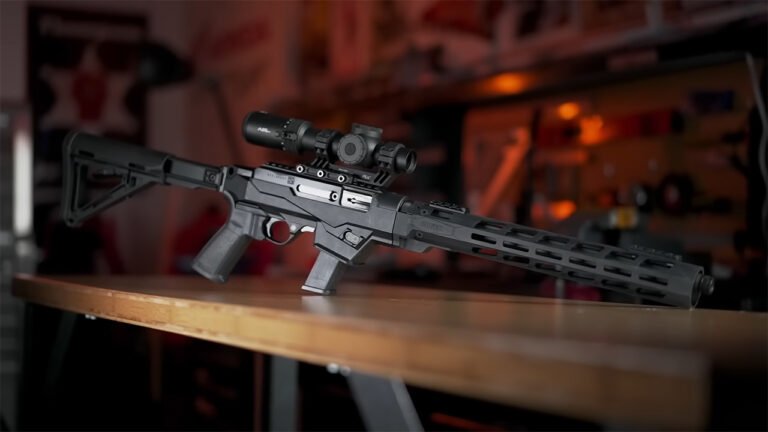
Ruger Mini-14 (Older Generations)
Early Mini-14s are rugged and fun, but their accuracy problems were well known for decades. The thin barrels heated up fast and sent groups drifting in every direction. Hunters had to time shots to maintain consistency.
Ruger eventually improved the design, but the rifle spent far too long with limitations that should’ve been fixed early in its life. A sturdier barrel profile and better accuracy potential would’ve changed its reputation dramatically. Instead, many shooters still view it as a rifle that was slow to evolve.
Marlin Model 336 (Late “Remlin” Era)

When the Marlin brand changed hands, the 336 suffered. Misaligned sights, rough actions, and inconsistent barrels plagued rifles that once defined reliability. The basic design remained untouched even as manufacturing issues piled up.
Hunters were left with rifles that didn’t reflect the original build quality. The platform needed a full redesign, especially in its machining standards and fitment. Thankfully, quality returned under new ownership, but there was a long stretch where the rifle was overdue for a reset.
Savage 110 (Early Stock Designs)
The early Savage 110 rifles were mechanically sound, but the plastic stocks released in later decades held the design back. The forends flexed, the fit felt awkward, and accuracy suffered when pressure was applied.
The rifle’s action has always been capable, but it took too long for Savage to redesign the factory stocks to match the performance potential. Once AccuFit and AccuStock systems arrived, the rifle finally felt modern—but those changes could’ve and should’ve happened years earlier.
Remington Model 770
The Model 770 was a budget rifle that never got the redesign it desperately needed. The bolt throw felt rough out of the box, and the plastic stock amplified every flaw. Accuracy was inconsistent, and many shooters complained about feeding issues.
Instead of evolving into a better entry-level rifle, the platform remained almost unchanged. Most hunters agree it should’ve been replaced with a more refined successor long before it finally faded from the lineup.
Browning BLR (Older Aluminum-Receiver Models)
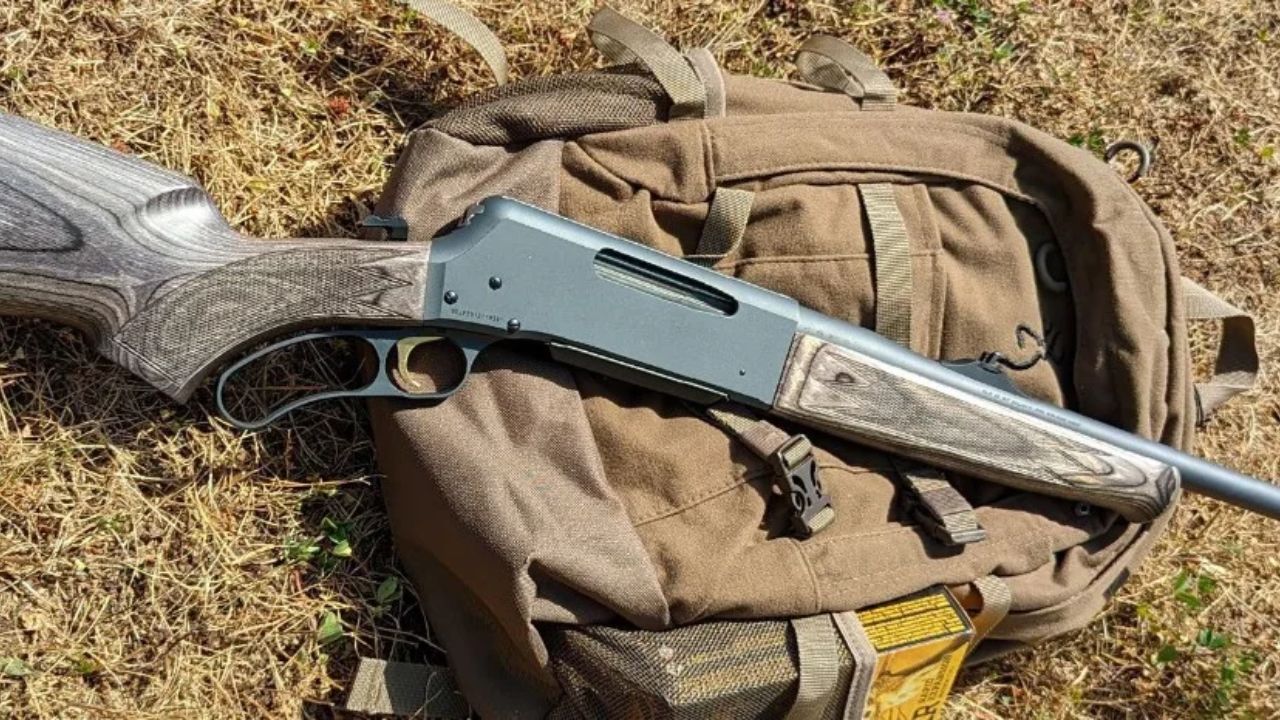
The BLR has loyal fans, but older aluminum-receiver versions struggled with long-term wear and inconsistent accuracy. The design never adapted to handle modern high-pressure cartridges as well as it could have.
The trigger system also remained tough to service or improve, limiting the rifle’s potential. A modernized receiver or updated trigger group would’ve extended its relevance, but those changes lagged for decades. It’s a rifle that always hovered on the edge of greatness without getting the update it needed.
Winchester Super X Model 1
The SX1 was a well-built autoloader, but its heavy weight and aging gas system fell behind more efficient designs. It needed a lighter, more modular operating system to stay competitive.
Maintenance required more attention than most hunters wanted to give, and reliability declined as parts aged. A redesign could’ve kept it relevant for modern hunters who demand lighter, faster cycling guns. Instead, it stayed locked in an older era of semi-auto engineering.
Mossberg 810
The 810 had potential, but its design suffered from poor stock geometry and an awkward bolt feel. Accuracy was inconsistent, and recoil management wasn’t ideal for modern loads.
Rather than refining the platform, Mossberg let it fade away without addressing core flaws that could’ve made it a long-lasting competitor. A redesigned stock and improved barrel lineup would’ve changed the rifle’s whole reputation.
Remington 788 (Stock and Magazine System)

The 788 shot extremely well, but its stock design and flimsy magazine system held it back. The action could’ve supported a higher-end rifle if Remington had invested in refining the platform.
Instead, the rifle kept its awkward ergonomics and stamped magazines until it was discontinued. A redesign could’ve turned it into one of the best mid-priced bolt guns ever made, but the improvements never came.
Ruger M77 (Tang Safety Era)
The M77 tang-safety rifles had charm, but the factory barrels varied wildly in quality. The design stuck with inconsistent accuracy for too long before Ruger introduced better barrels in the Mk II era.
While the controlled-round feed action was strong, the rifle needed a barrel refresh decades earlier. Many hunters still love it, but countless others remember frustrating groups that should’ve been solved with a proper modernization.
Winchester 670
The 670 was intended as a budget rifle, but it stayed too close to its basic origins. The stock was clunky, the trigger lacked refinement, and the accuracy never truly matched competing rifles.
A redesign could’ve elevated it into a dependable entry-level option, but instead the platform stayed nearly unchanged until it disappeared. It’s a rifle that always felt a step behind.
Howa 1500 (Older Hogue-Stock Bundles)

The Howa 1500 action is excellent, but the older Hogue stock bundles held it back. Those over-flexible forends caused accuracy issues when shooting off more than sandbags.
The action deserved a better platform long before modern stock options arrived. Hunters who tried the rifle during those early years often walked away not realizing how capable the barreled action truly was with a proper redesign.
H&R Handi-Rifle
The Handi-Rifle was simple and affordable, but its break-action design never adapted to modern accuracy expectations. Lockup could be inconsistent, and the triggers varied significantly between rifles.
A stronger hinge system or improved barrel alignment would’ve made a world of difference. Instead, the design stayed rooted in an earlier era. Many hunters loved it for what it was, but a redesign could’ve made it far more relevant today.
Remington Model 597
The 597 showed potential but struggled with magazine issues and inconsistent feeding. Remington eventually fixed some problems, but the rifle needed a full platform refresh.
Accuracy was decent, yet reliability kept haunting it. The bolt and magazine systems needed better engineering from the start. A complete redesign could’ve turned it into a top-tier rimfire, but the changes never arrived in time to save its reputation.
Like The Avid Outdoorsman’s content? Subscribe to our newsletter so you never miss an article.
Here’s more from us: