Photo credit: Alexey Spehalski/Shutterstock.com
Ballistics charts are impressive things. They can make almost any caliber look like it was born to drop game at any distance. But paper doesn’t move, breathe, or bleed—and that’s where the truth comes out. Some rounds look like perfection on a spreadsheet: high velocity, flat trajectory, minimal drop. Then you get into wind, rain, brush, or mud, and everything that looked ideal starts falling apart. These are the calibers that lure hunters with promises of precision and power but too often leave them shaking their heads in the field. They’re not useless, but they’ve proven that data alone doesn’t fill tags—real conditions do.
.17 HMR
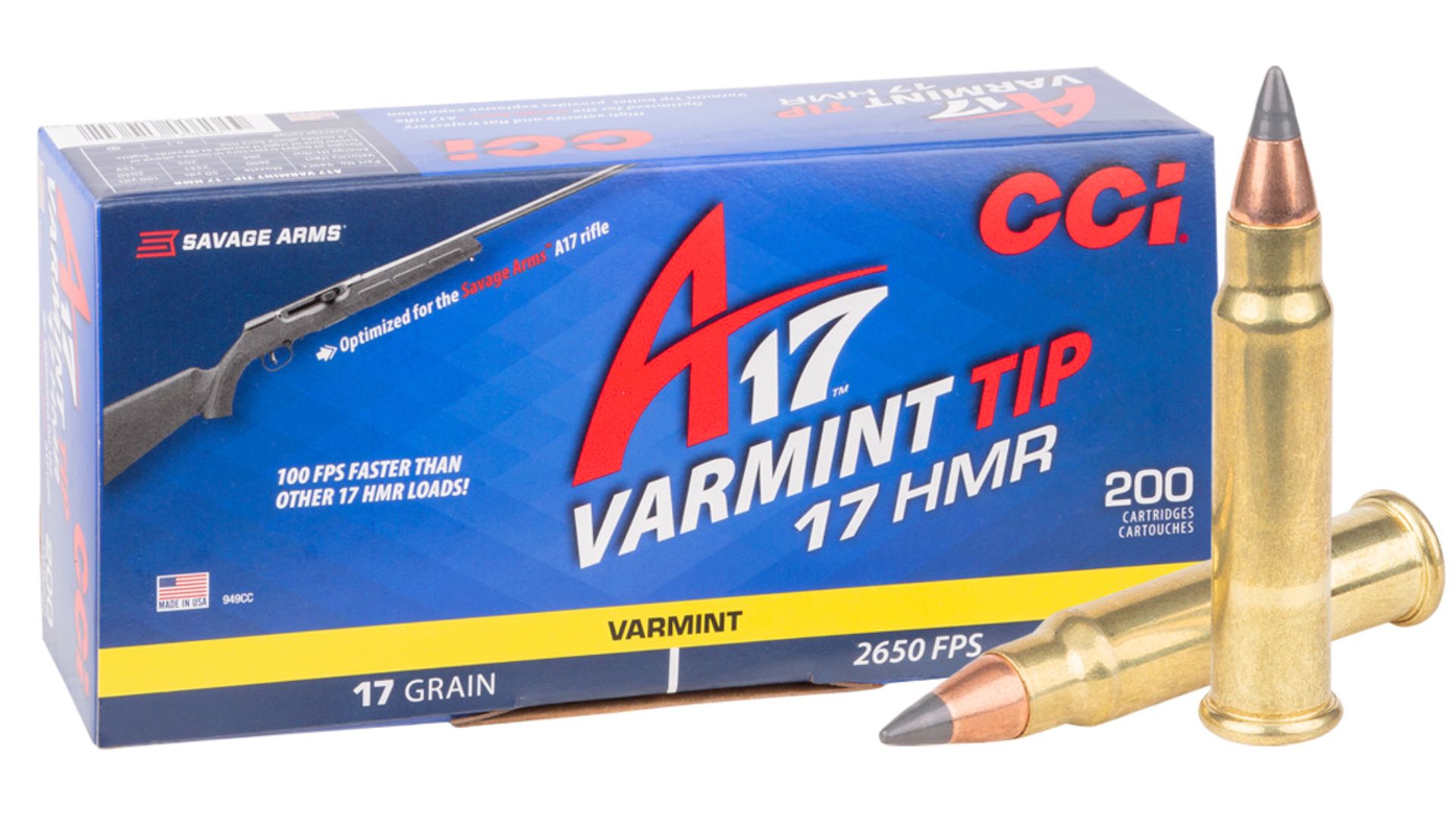
The .17 HMR is fast, flat, and exciting on paper—but in real hunting, it’s more fragile than functional. Its tiny bullet is extremely sensitive to wind drift, meaning even a light breeze can send your shot inches off target. That’s bad news for ethical kills.
It’s great for paper or prairie dogs, but for squirrels, raccoons, or coyotes in variable conditions, it fails to deliver consistent performance. Expansion can be erratic, penetration shallow, and energy transfer minimal. Hunters who’ve tried it in less-than-perfect weather usually go back to the .22 WMR, which doesn’t look as good on paper—but hits harder when it matters.
.204 Ruger
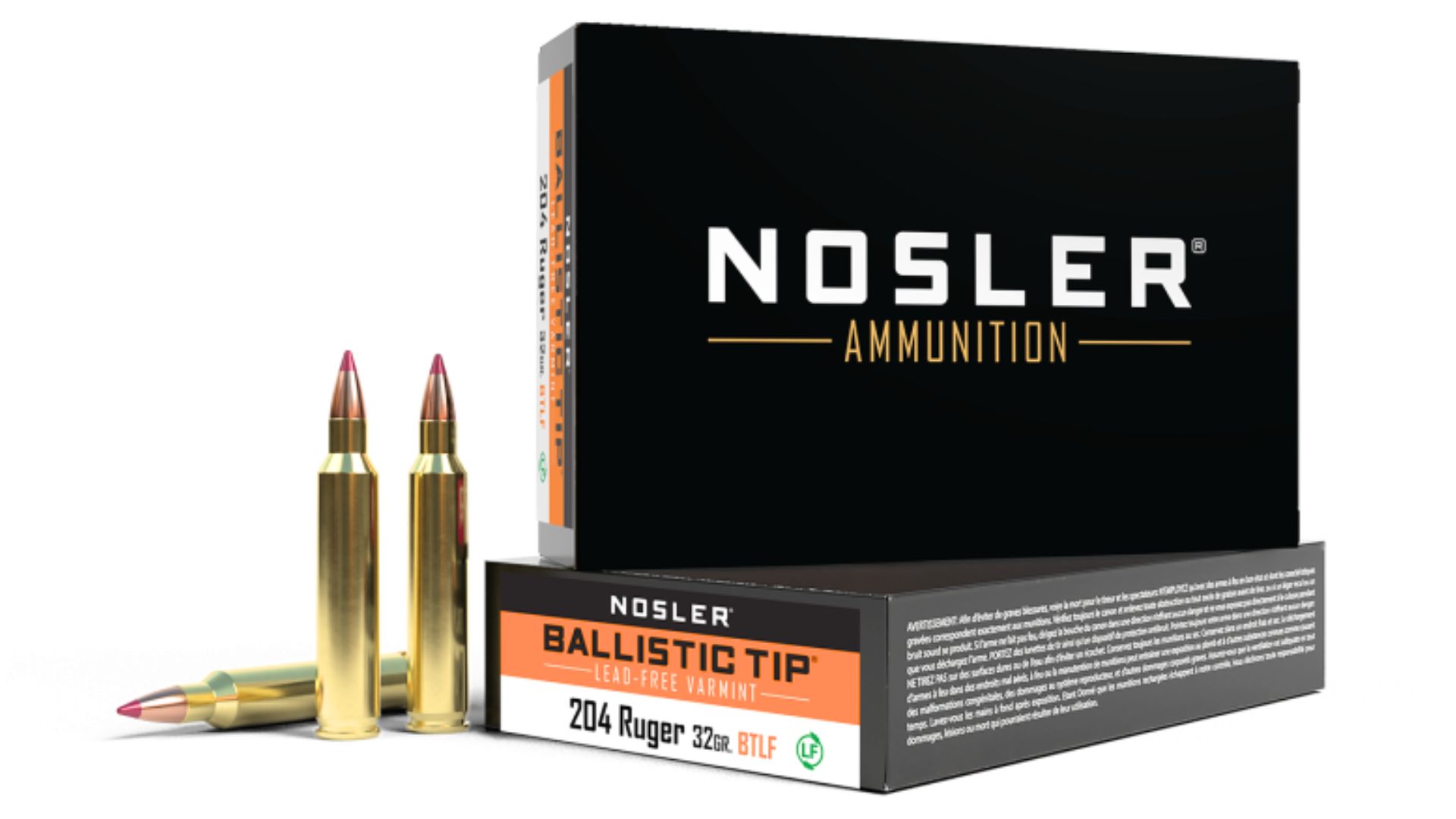
The .204 Ruger dazzles on ballistic charts with blistering speed and flat trajectory. But field use exposes its limitations quickly. Lightweight bullets and small frontal area mean minimal resistance in the wind. Even mild crosswinds can turn tight groups into near misses.
It’s fine for varmints in calm, open country, but anything larger or tougher leaves it struggling. On coyotes or hogs, bullet fragmentation becomes unreliable, and energy falls off faster than its numbers suggest. It’s a caliber that looks smart in theory but too often leaves you chasing animals you should’ve anchored.
.22-250 Remington

The .22-250 is legendary for speed and accuracy, but that same speed can work against it in real-world hunts. Lightweight bullets at high velocity tend to explode on impact without adequate penetration, especially on larger varmints or predators.
At 300 yards, even minor wind shifts can send shots astray. On a calm day, it’s a laser; in normal conditions, it’s unpredictable. It’s still a fun round to shoot and an effective varmint killer in the right hands, but its precision fades when the elements don’t cooperate. What looks like long-range perfection on paper often becomes real-world inconsistency when you leave the bench.
6.5 Grendel
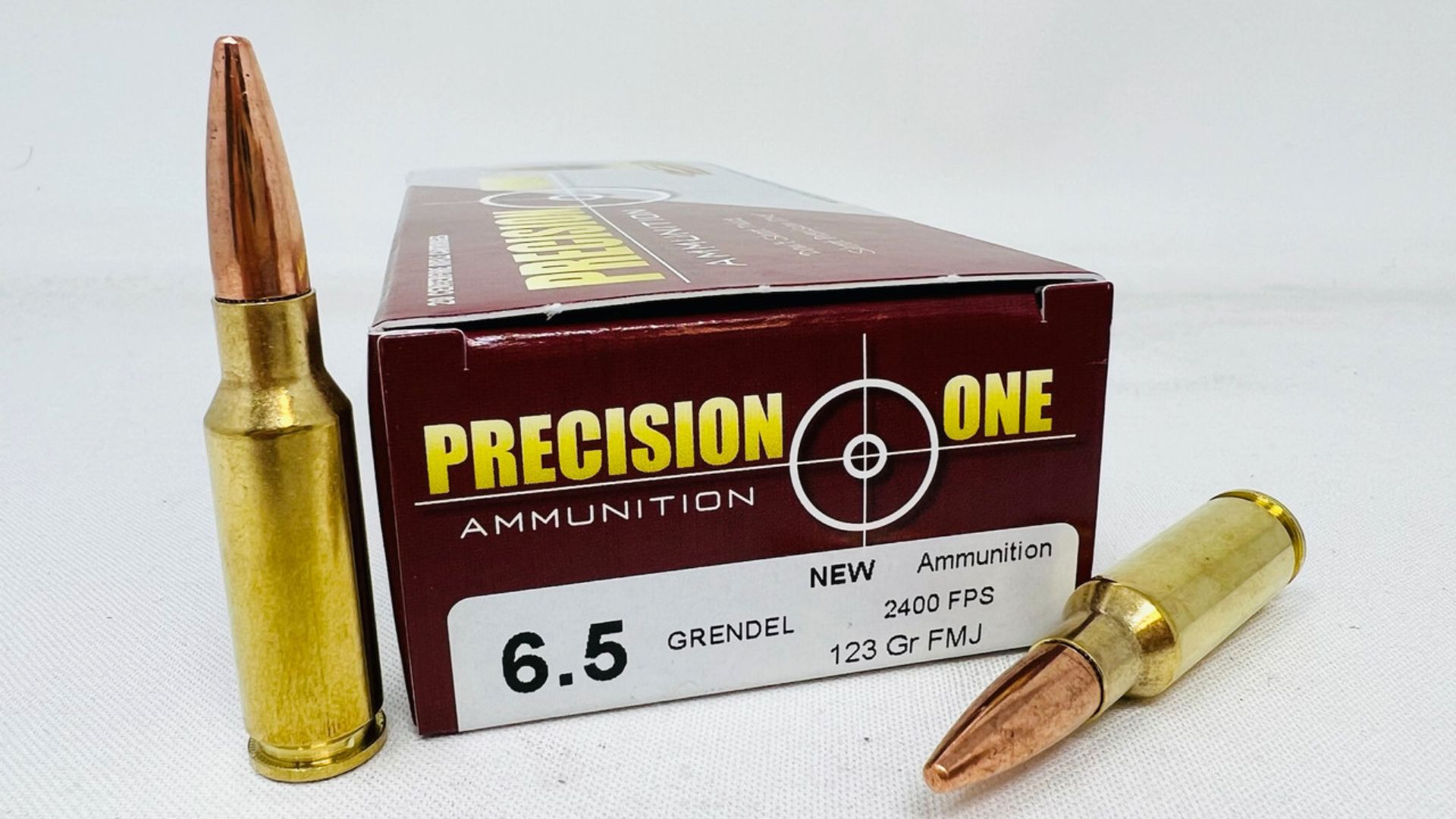
The 6.5 Grendel sells itself as a crossover round—accurate and efficient for both paper and medium game. But once you leave the range and start hunting in dense brush or cold weather, its limits show up fast.
In short barrels, velocity drops enough to compromise expansion. At longer ranges, energy falls below ethical thresholds for deer-sized animals. It looks capable on charts, but performance relies heavily on perfect shot placement and premium bullets. In the field, with adrenaline, cold hands, and moving game, that’s not a recipe for confidence. The Grendel shines in the AR platform, but it’s a bench gun pretending to be a backcountry one.
6mm Creedmoor

The 6mm Creedmoor is the darling of the long-range crowd, but for hunting, it’s more talk than takeaway. It performs beautifully in ideal conditions—light wind, steady rest, perfect bullet—but hunting rarely gives you that luxury.
The bullets are sleek but fragile, and expansion can vary wildly depending on impact speed. Light-for-caliber projectiles shed energy fast, leaving marginal results on anything heavier than deer. It’s accurate, yes—but accuracy doesn’t matter if your bullet underperforms on contact. For all its ballistic promise, the 6mm Creedmoor is better suited to targets than tags.
.257 Weatherby Magnum
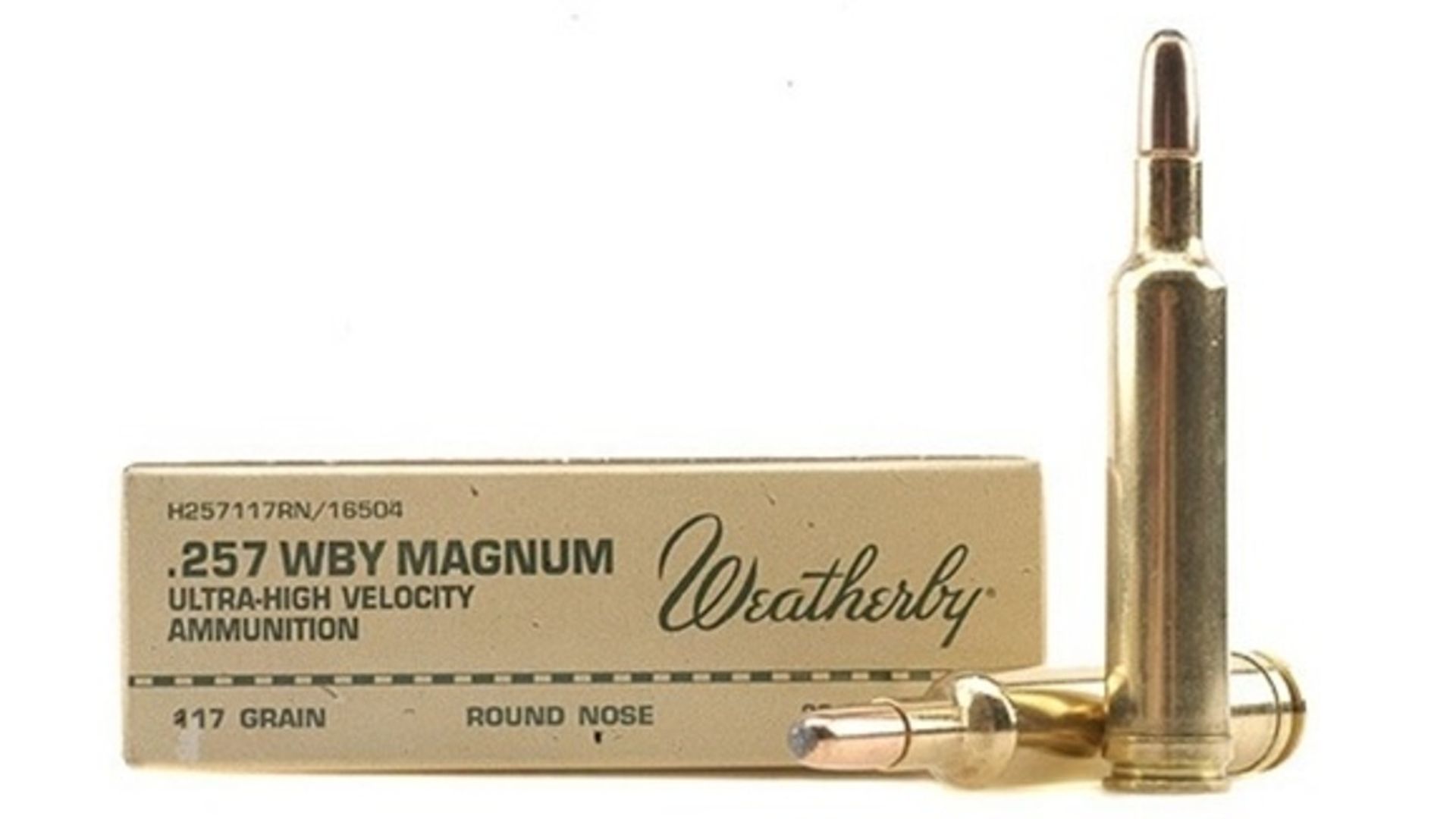
On paper, the .257 Weatherby Magnum is pure magic—flat trajectory, massive speed, and serious downrange numbers. But all that velocity brings barrel heat and fragile bullet performance. Many loads simply come apart on impact, leading to shallow wounds and long tracking jobs.
Recoil is sharper than you’d expect, and follow-up shots are tough when your barrel’s already cooking. It’s the definition of overachieving on paper but underdelivering when the variables stack up. If you’re hunting in perfect weather with premium bullets, it’s spectacular—but in rougher real-world conditions, it loses its edge fast.
.260 Remington

The .260 Remington should’ve been the Creedmoor before the Creedmoor, but its inconsistent factory ammo and slower twist rates left it lagging. On paper, it’s efficient and accurate; in the field, it’s picky and underwhelming.
Many factory loads use bullets that don’t expand properly at longer distances, turning good hits into poor results. It’s also sensitive to temperature and barrel length, which means advertised velocities rarely match what you see in real hunts. It’s accurate, but accuracy alone doesn’t save you from inconsistent terminal performance. The .260 is a good idea that never quite met its own potential.
6.8 SPC

The 6.8 SPC was built to give AR shooters more punch, and in controlled testing, it looks solid. But once you’re in thick brush or cold weather, it shows its weaknesses fast. It loses energy quicker than most hunters expect, and expansion isn’t consistent beyond 200 yards.
In lightweight rifles, recoil feels sharper than necessary for the power you get. Accuracy varies from rifle to rifle, and bullet options are limited compared to other 6mm or 6.5mm rounds. It’s not bad—it’s just never as good as it looks on a chart. The SPC wins fans in theory, but too few in the field.
.300 WSM

The .300 Winchester Short Magnum looks like an engineering success—magnum power in a short action. But in real conditions, it’s a compromise that rarely pays off. Recoil is heavy, feeding can be finicky, and barrel life is short.
Most hunters can’t shoot it well enough to take advantage of its ballistics. It hits hard, sure—but not harder than the standard .300 Win Mag, which is smoother and easier to load for. On paper it promises all the benefits of a magnum in a lighter rifle. In practice, it gives you more kick and less control. That’s not confidence—it’s punishment.
7mm WSM

The 7mm WSM follows the same pattern as its .300 sibling—great in theory, frustrating in practice. It’s fast and flat, but accuracy varies depending on load and barrel length. Feeding issues in some rifles and inconsistent chamber specs made it notorious among reloaders.
The recoil-to-performance ratio doesn’t make much sense either. It’s a lot of blast for marginal gain over the 7mm Rem Mag, which is easier to find and more predictable in performance. On paper, it’s nearly perfect. In hunting camps, it’s usually mentioned as something people used to like before moving on.
.270 WSM

The .270 WSM delivers excellent numbers on the chart—but the payoff in the field is small compared to what it demands. Barrel heat, recoil, and ammo cost make it hard to love. It’s not more effective on game than the classic .270 Winchester, yet it’s harder on shooters and rifles alike.
In poor weather, its lightweight bullets struggle with drift, and the high velocities exaggerate bullet fragmentation. It’s not a failure—it’s a case of diminishing returns. It shines on the range but fades in the mountains, where reliability and comfort matter more than the extra 100 fps it brags about.
7mm-08 Remington
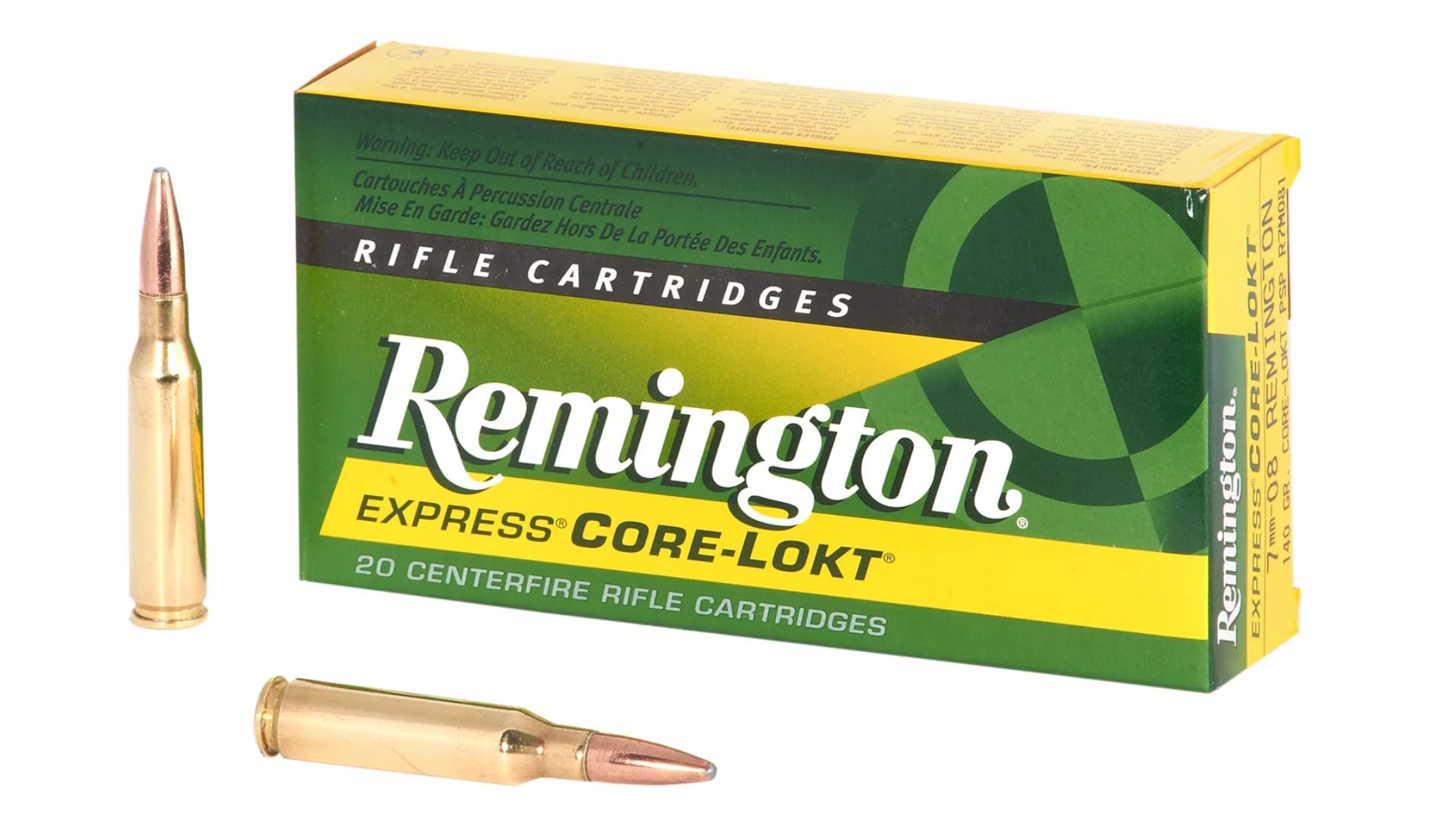
The 7mm-08 looks perfect for deer on paper—flat trajectory, mild recoil, good energy. But that energy fades faster than many realize past 250 yards, especially with light bullets. Expansion can be inconsistent, leaving you with shallow wounds or lost animals.
It’s not unreliable, just overstated. For treestand ranges it’s fine, but in open country, it lacks staying power. It looks like a crossover caliber, but it performs more like a specialist. You can’t fault it for what it is—but if you believed the hype, you’ll feel let down in the field.
.300 Blackout

The .300 Blackout excels on charts for subsonic performance and versatility. In real hunting, though, it’s limited. With subsonic loads, energy is pitiful; with supersonics, trajectory drops like a rock past 150 yards.
It’s great for hogs at close range, but it’s not a general-purpose hunting caliber. Even with expanding bullets, terminal performance is inconsistent, and wind wrecks its trajectory. It looks efficient on paper because it was built for suppressed use, not distance or power. For actual hunting, its performance fades fast once you leave the thick woods.
.350 Legend

The .350 Legend promised straight-wall legality and modern performance, but it’s underwhelming in practice. On paper, it has respectable energy and mild recoil. In the field, accuracy varies widely between rifles, and bullet performance isn’t consistent on deer-sized game.
At moderate ranges, it can work fine—but stretch it to 200 yards and the drop, drift, and energy loss become painfully clear. It’s a cartridge that thrives in marketing but falters in meat results. It won’t ruin your hunt, but it won’t inspire bragging rights either.
.30 Carbine
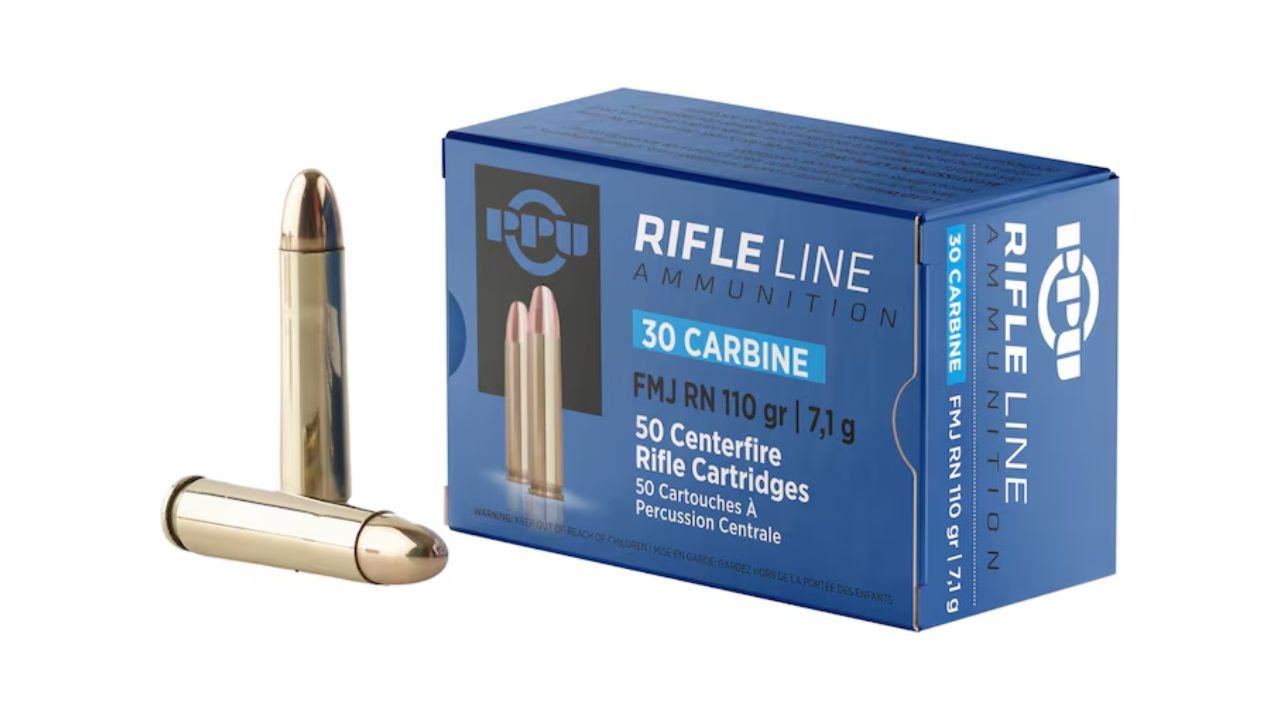
The .30 Carbine looks decent on charts—a light, fast bullet with mild recoil. But in real-world hunting, it’s hopeless beyond short range. Its limited energy and poor bullet construction make it unreliable for clean kills on anything larger than varmints.
It’s fun for plinking, nostalgic for collectors, but not ethical for most hunting scenarios. It might seem serviceable in theory, but the field doesn’t forgive cartridges that depend on perfection. The .30 Carbine performs fine on paper—but in the real world, it quits when things get tough.
Like The Avid Outdoorsman’s content? Be sure to follow us.
Here’s more from us:
The worst deer rifles money can buy
Sidearms That Belong in the Safe — Not Your Belt
*This article was developed with AI-powered tools and has been carefully reviewed by our editors.