Photo credit: BHSPRINGSOLUTIONS LLC/YouTube
Carry guns do not get tested honestly when everything is slow and comfortable. A pistol can seem perfectly fine when you are standing still, pressing the trigger carefully, and giving yourself time to correct every little mistake. Stress changes that fast. Once the draw gets quicker, the grip gets less perfect, and the shooter is trying to track sights and recover from recoil in real time, some handguns keep helping while others start feeling like one more problem to manage.
That is why certain carry guns stand out. They are not always the smallest or newest options, and they are not always the ones that look best on paper. What usually makes them better under stress is a more repeatable grip, better recoil behavior, practical controls, and a size that still lets the shooter do good work without turning the gun into a burden to carry. A pistol that stays manageable when the pace picks up earns trust in a very different way than one that only feels good during slow fire.
Walther PDP Compact
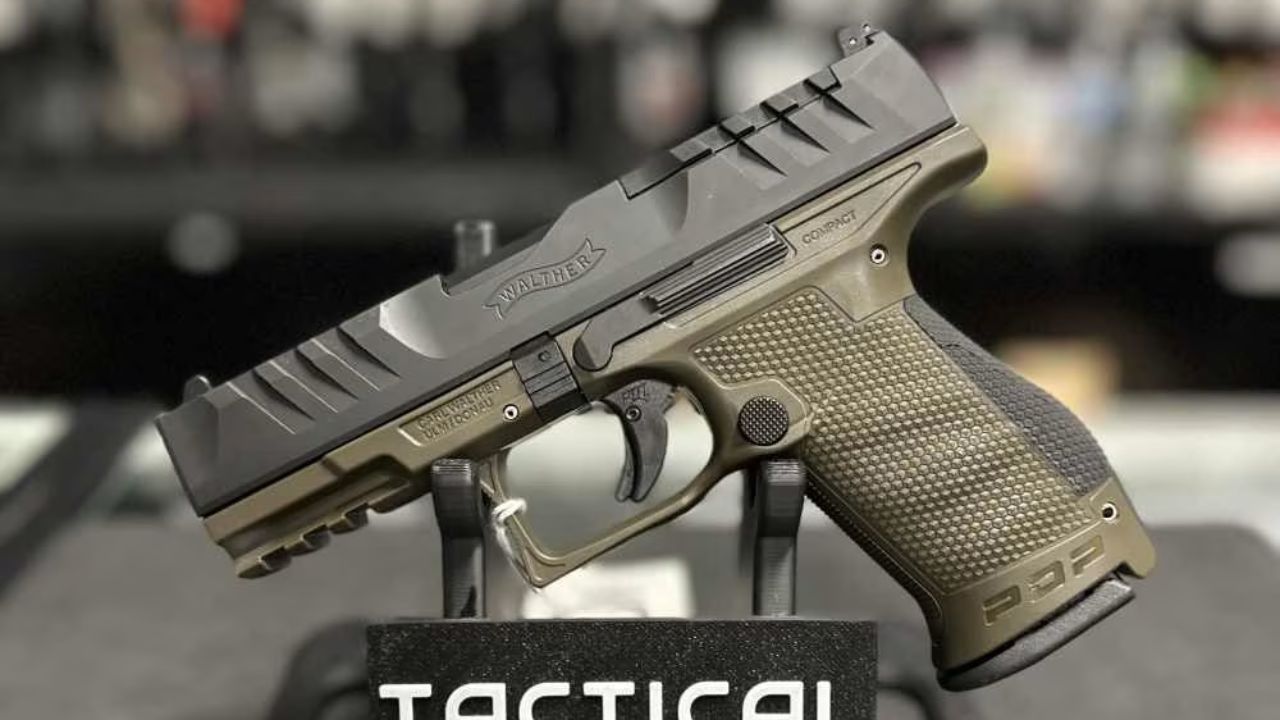
The Walther PDP Compact handles stress well because it gives the shooter a lot of useful feedback without becoming difficult to control. The grip shape works for many hands, the trigger is easy to understand, and the pistol tends to track in a way that helps shooters recover their sights without much confusion. When pressure rises, guns that feel visually and mechanically predictable usually inspire more confidence, and the PDP Compact has that kind of feel.
It also benefits from being large enough to shoot seriously without becoming too large to carry. Under stress, that extra bit of grip and stability matters more than many people expect. The pistol tends to reward a solid grip and clean trigger press, but it does not feel overly demanding when things get fast. That balance is a major reason it handles harder shooting situations so well.
CZ P-01

The CZ P-01 handles stress well because it offers a very planted, confidence-building shooting experience in a carry-size handgun. The ergonomics are strong, the alloy frame helps soak up some recoil without making the pistol overly heavy, and the gun tends to stay calm in the hand once shooting speeds up. Carry pistols that feel steady under pressure usually become easier to trust, and the P-01 has that quality in a big way.
Another part of the story is how naturally it points for many shooters. A gun that comes on target cleanly and tracks predictably gives the shooter one less thing to fight when the pace increases. The double-action/single-action system is not for everybody, but people who train with it often find the pistol extremely reassuring once stress becomes part of the equation. It feels like a compact gun with service-pistol manners.
Springfield Echelon

The Springfield Echelon handles stress well because it feels composed and easy to run once the shooting becomes more demanding. The grip gives the shooter enough surface to build a repeatable hold, and the overall platform tends to feel stable instead of twitchy when recoil starts stacking up. In higher-pressure shooting, that makes a real difference. The gun helps the shooter stay organized rather than forcing constant correction.
It also benefits from having practical controls and a trigger that is easy enough to manage without much guesswork. Under stress, consistency matters more than cleverness. The Echelon tends to feel like a pistol that was built around real use, not only feature lists, and that shows once you start pushing it harder. It stays believable when the shooting gets less comfortable, which is exactly what a stress-capable carry gun ought to do.
HK P30SK
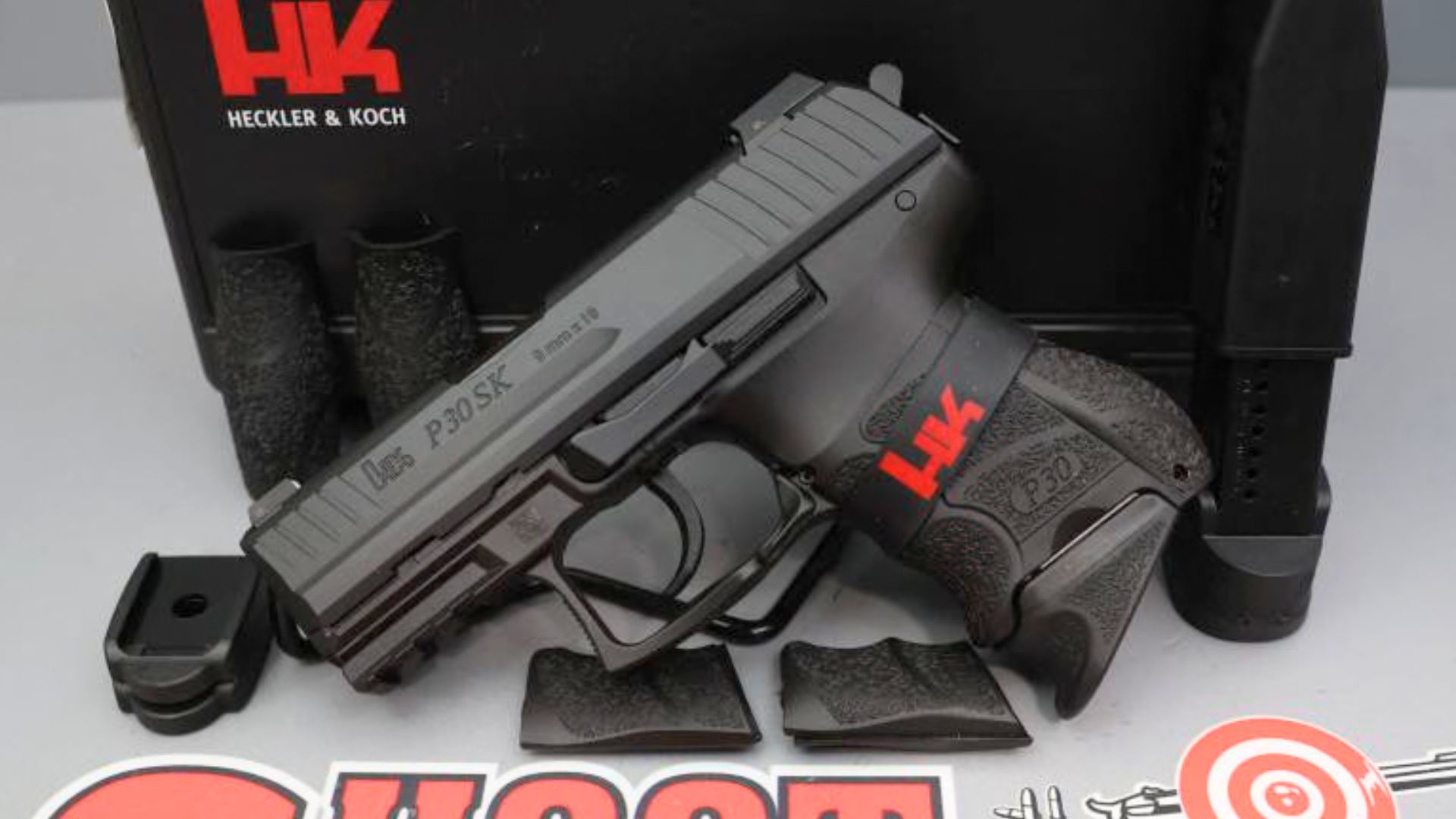
The HK P30SK handles stress well because it brings a level of control and durability that many shooters still appreciate in a compact carry pistol. The grip design is one of the big reasons. It tends to lock the hand in place better than a lot of similarly sized guns, and that helps the pistol stay manageable even when the draw is rushed or the grip is not absolutely perfect. Under stress, that extra forgiveness matters.
The pistol also feels very solid in operation, and that contributes to confidence in a way some lighter, snappier carry guns do not. It is not the smallest or simplest pistol in the category, but it often feels more settled once live fire becomes serious. Guns that handle stress well usually feel like they are helping the shooter stay composed, and the P30SK has that kind of personality.
SIG Sauer P229

The P229 handles stress well because it behaves like a serious fighting pistol that just happens to be compact enough to carry. The weight and balance help keep the gun stable, and the overall shooting experience tends to feel calmer than a lot of lighter carry pistols. When pressure rises, pistols that move predictably and settle quickly tend to be easier to trust. The P229 has been doing that for a long time.
It also helps that the gun has a very serviceable feel in the hands. Nothing about it feels flimsy or uncertain. Shooters who put in the time to learn the trigger system often find that the pistol becomes very reassuring under speed. It may not be the easiest gun to conceal compared with thinner modern options, but when the conversation shifts to handling stress instead of only hiding the gun, the P229 makes a very strong case for itself.
Smith & Wesson CSX
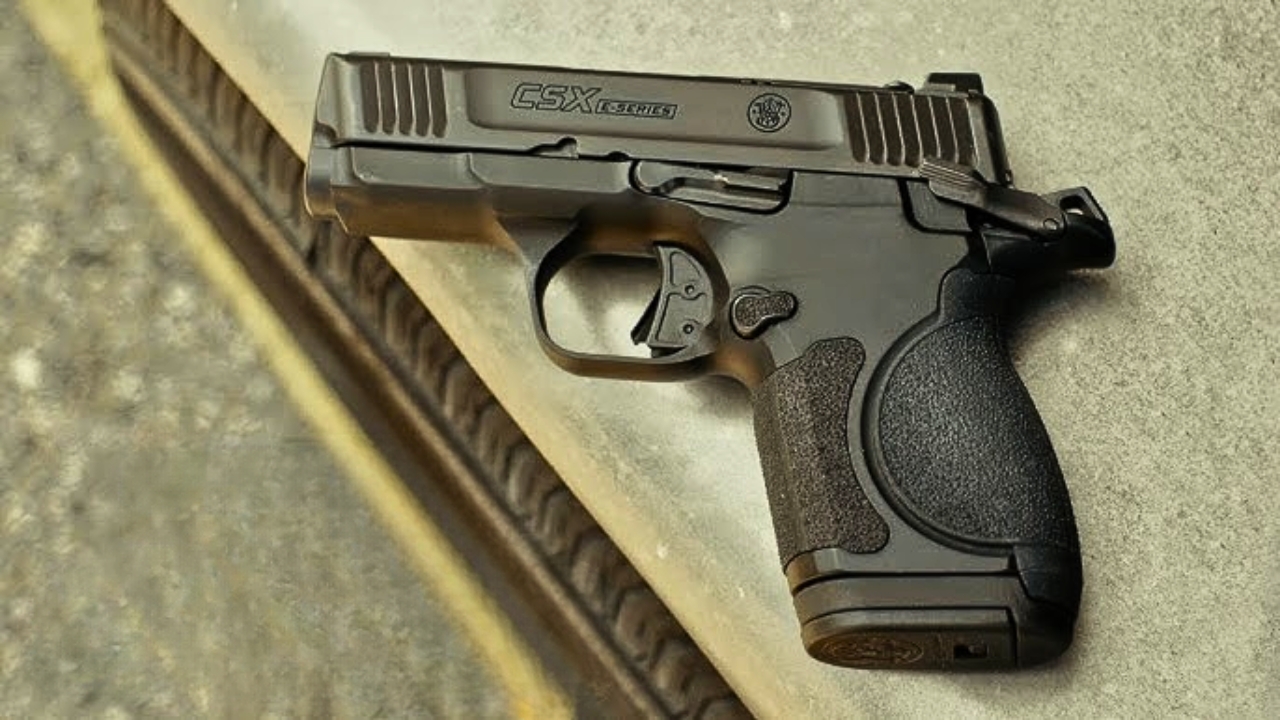
The Smith & Wesson CSX handles stress better than some people expect because its metal frame and overall shape give it a more settled feel than many very small carry pistols. The gun is compact, but it does not behave as nervously as a lot of guns in its size class. That matters when things speed up. A carry gun that stays a little calmer in recoil can help the shooter stay more visually connected to the sights under pressure.
It also has the benefit of feeling more deliberate than some tiny striker guns. For shooters comfortable with the manual safety and willing to train with the system, the pistol can feel surprisingly controlled during more demanding drills. Stress tends to expose the weaknesses of tiny guns very quickly. The CSX avoids some of that by offering a carry-friendly size without giving up as much stability as people might expect.
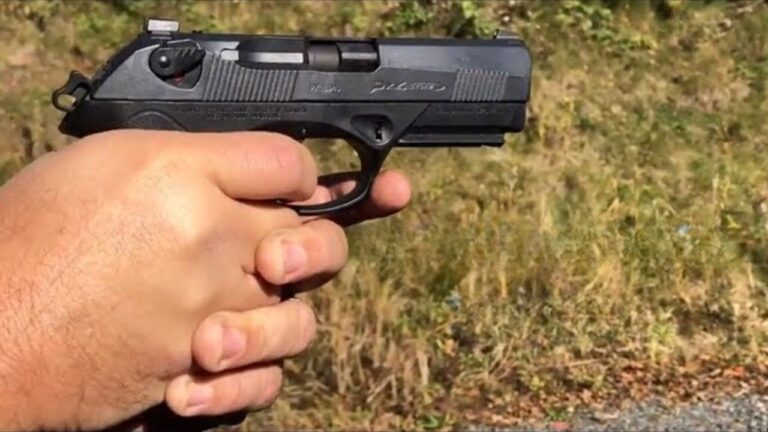
Beretta PX4 Compact

The Beretta PX4 Compact handles stress well because the rotating-barrel system and overall design give it a very smooth shooting character for a carry gun. The recoil impulse tends to feel less abrupt than some competing pistols, and that helps shooters keep the sights under control when the pace gets aggressive. A pistol that moves smoothly under recoil often becomes easier to manage under pressure, especially for shooters who value follow-up speed.
The grip and size also help. It is compact enough to conceal, but not so small that it becomes fussy when the draw or cadence gets rushed. Stress usually makes shooters appreciate guns that feel forgiving, and the PX4 Compact often lands there. It is one of those pistols that may not always get the loudest attention, but people who shoot them hard often come away understanding why the platform has such loyal defenders.
Ruger Security-9 Compact

The Ruger Security-9 Compact handles stress well because it stays simple in the ways that matter and does not become harder to control than it needs to be. The grip and trigger system are straightforward enough that many shooters can learn the pistol quickly, and the overall size gives the gun enough presence in the hand to avoid feeling too abbreviated. Under stress, that kind of plain practicality becomes a real strength.
It also helps that the pistol avoids trying to be overly clever. Carry guns that handle pressure well usually give the shooter a clean, understandable interface, and this one does that. The Security-9 Compact may not be the most glamorous name in the carry world, but when the conversation turns to staying organized and functional during harder shooting, ordinary competence starts looking like a big advantage.
FN Reflex XL
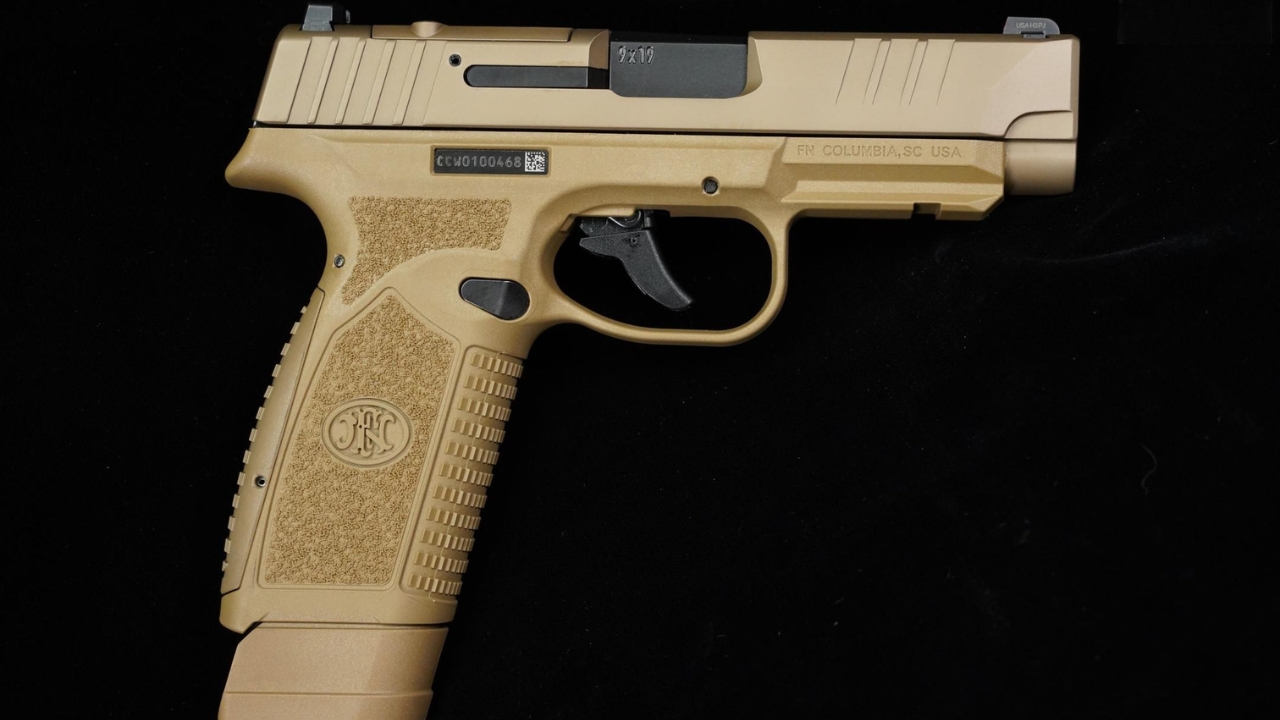
The FN Reflex XL handles stress well because it takes the familiar micro-compact idea and gives the shooter a little more gun to work with where it counts. The added grip and overall dimensions help make the pistol more manageable once speed enters the picture, and that extra control matters far more under pressure than it does while casually dry-firing at home. A carry gun that helps you stay ahead of recoil is always easier to trust when things get rushed.
The trigger and sight picture also tend to support a cleaner shooting rhythm than some smaller pistols in the same general category. Under stress, the best carry guns often feel like they are reducing friction instead of adding to it. The Reflex XL fits that idea well. It still carries like a modern defensive pistol should, but it gives the shooter enough stability to keep performance from unraveling too quickly when the tempo rises.
Commander-Length 1911
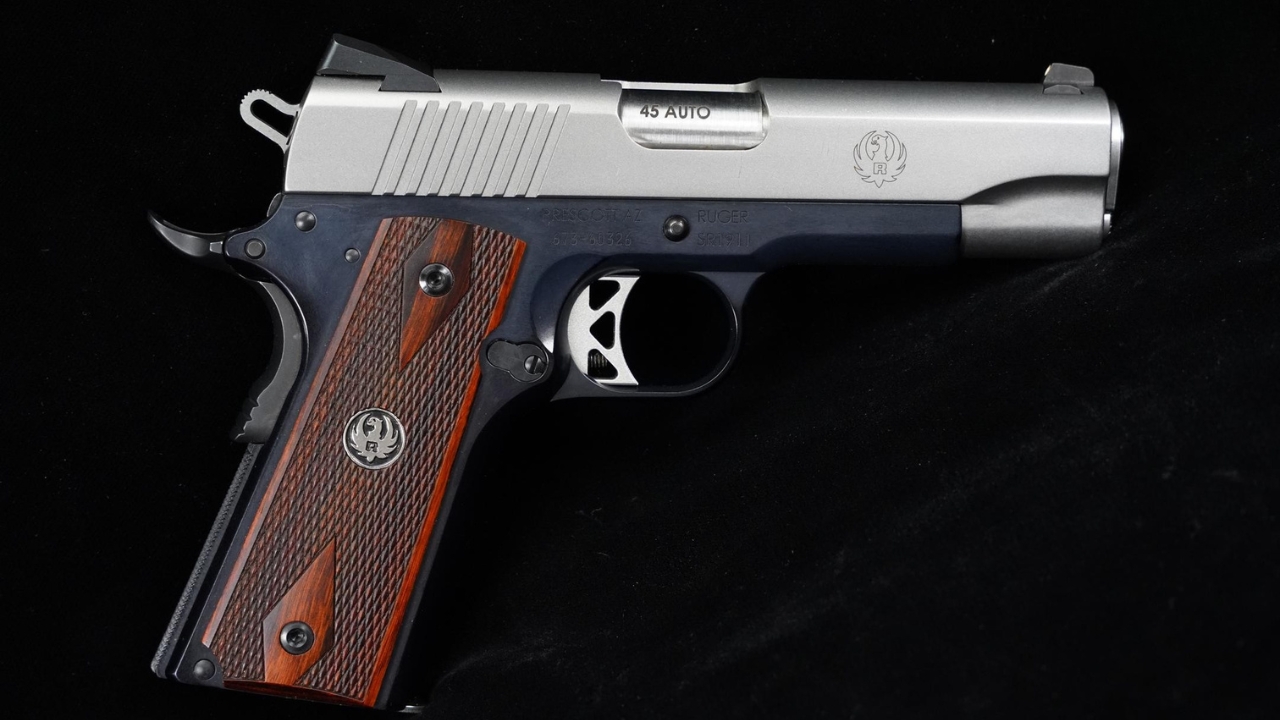
A good Commander-length 1911 handles stress well because it offers a very direct shooting experience. The trigger is usually a major part of that, but so is the slim grip and the way the pistol points naturally for many shooters. When pressure increases, guns that let the shooter press cleanly and recover quickly become easier to trust, and a well-sorted Commander often does both extremely well.
Of course, that confidence depends on the shooter knowing the system and the pistol being reliable. But that is true of every serious carry gun in one way or another. For shooters willing to train with it, the Commander often feels calmer and more precise under pressure than many people expect from a metal-framed carry pistol. It is one of those guns that still makes a very strong case once the shooting stops being relaxed.
Ruger LCR

The Ruger LCR handles stress well in its role because it keeps the operating system brutally simple while still offering one of the better triggers in the lightweight revolver category. Small revolvers are demanding, but a good trigger helps a lot when the shooter is working fast and trying to stay composed. The LCR tends to feel a little more manageable than many snub-nose options because it reduces some of the friction people usually fight in that category.
It is also a gun that makes sense under stress because it is hard to confuse its purpose. Draw it, press it, keep things straightforward. That clarity matters. While it is not a high-capacity solution and it will always ask real skill from the shooter, the LCR earns trust by being simple, honest, and dependable in the exact role it was built to fill. Sometimes that is what handling stress well really looks like.
Canik Mete MC9L

The Canik Mete MC9L handles stress well because it gives the shooter a slim carry package with enough grip and enough shootability to stay organized when things get faster. A lot of small pistols start feeling frantic under pressure, but the longer grip and more stable overall feel of the MC9L help it avoid some of that. Carry pistols become easier to trust when they shoot more like a compact than a tiny backup gun, and this one leans in that direction.
Its trigger also helps it stand out in stress-heavy shooting. A clean, understandable trigger makes a big difference when accuracy and speed both matter, and the MC9L tends to support that well. The pistol still carries slim, but it offers more practical control than many people first expect. That combination is exactly what helps some guns handle stress better than others.
Beretta APX A1 Compact

The Beretta APX A1 Compact handles stress well because it feels stable, grippy, and easy to drive once the pace gets serious. The slide serrations are highly functional, the grip texture helps the pistol stay planted, and the overall layout avoids adding unnecessary confusion. Under stress, that kind of straightforward functionality becomes much more valuable than people often realize during slower practice.
It also has enough size to help the shooter stay in control without crossing the line into being cumbersome to carry. A lot of defensive pistols look good in calm conditions. The APX A1 Compact does a good job of staying useful once the shooter starts pushing harder. That is where trust gets built, and it is a big reason this type of compact pistol deserves attention.
Kimber K6s
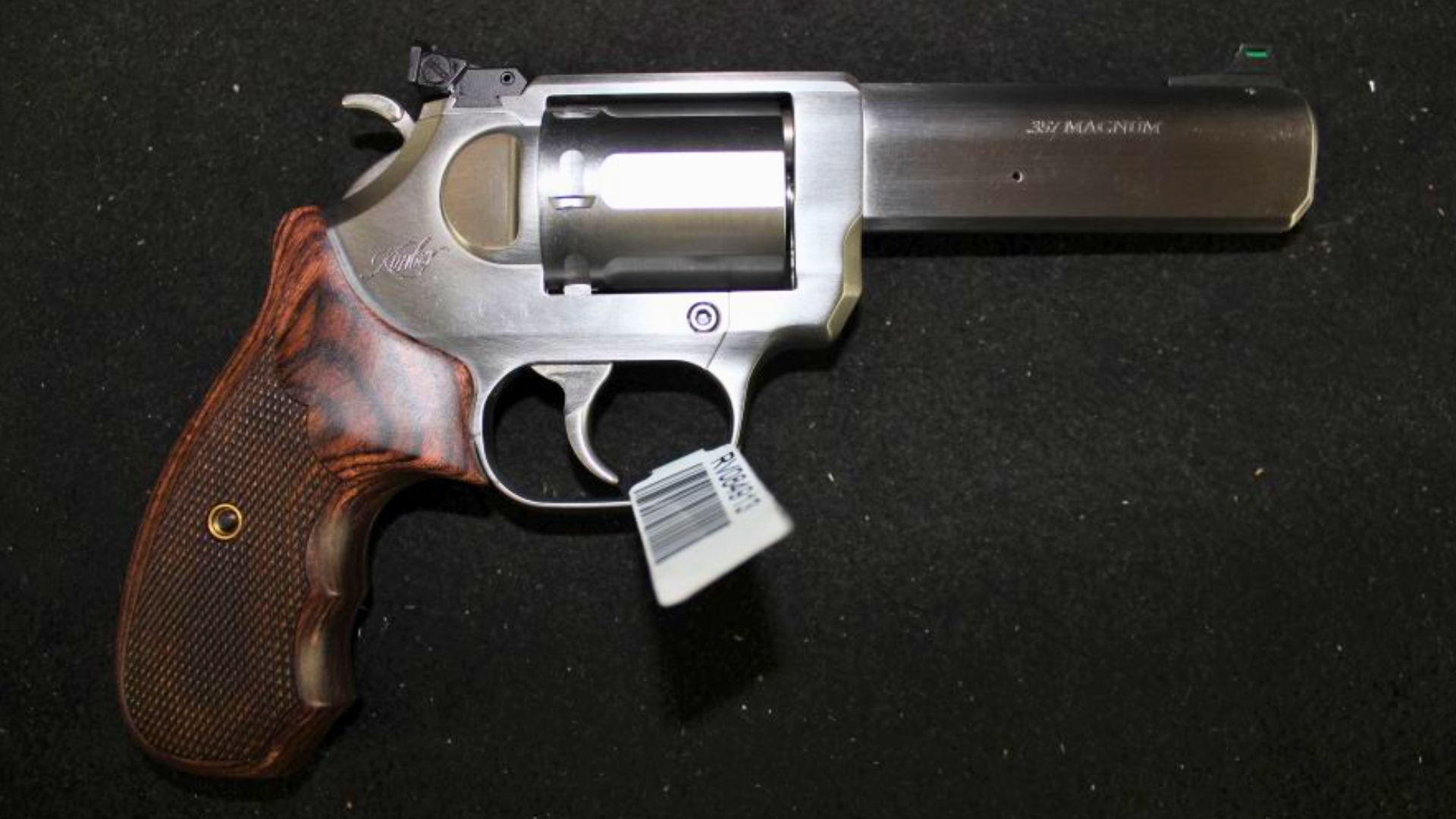
The Kimber K6s handles stress well because it offers a compact revolver package that still feels more shootable and more refined than many people expect from a small wheelgun. The trigger is a big part of that. A smoother, more manageable double-action pull makes fast, honest work easier when stress starts affecting grip and timing. In small defensive revolvers, that matters a lot.
It also benefits from solid build quality and a form that stays compact without feeling too flimsy in the hand. Stress often punishes lightweight, awkward guns harshly, but the K6s gives the shooter a little more confidence and control than some comparable revolvers do. It is still a snub-nose and still demands practice, but it tends to reward that practice in a way that helps under pressure.
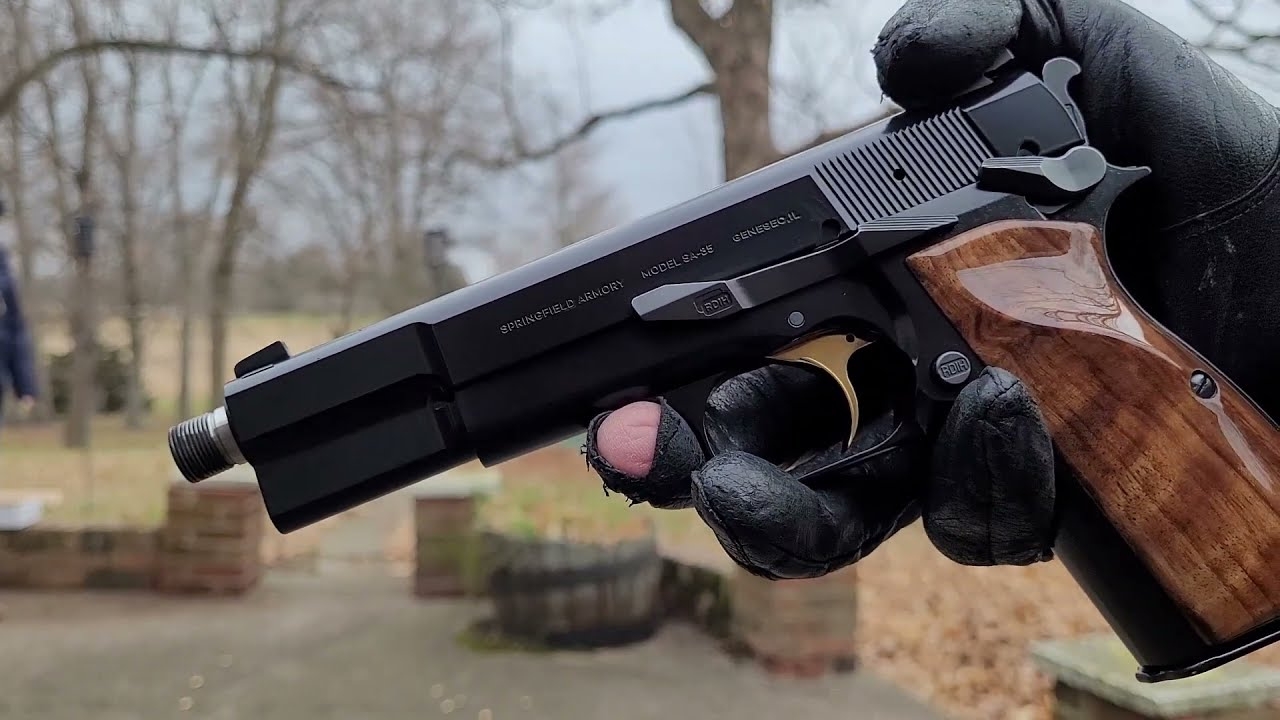
Springfield Armory SA-35
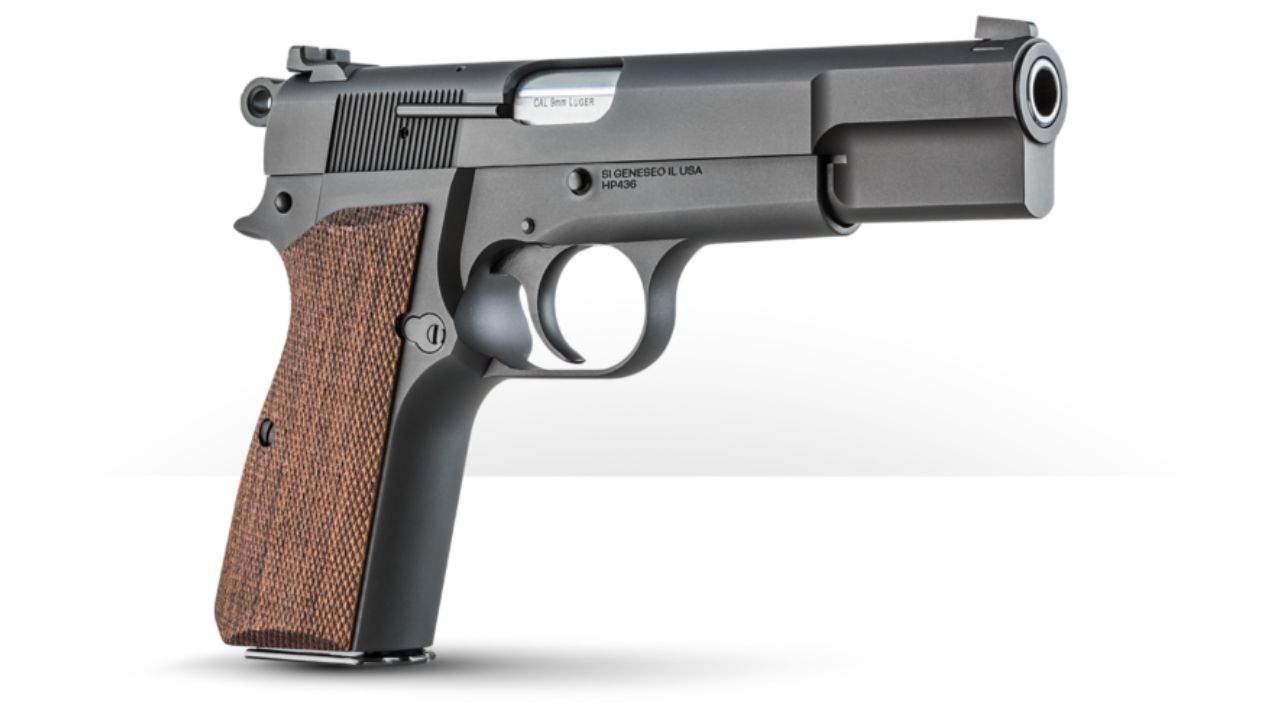
The SA-35 handles stress well because it gives the shooter a classic steel-frame pistol with excellent natural pointing and a grip that still makes a lot of sense. Under pressure, pistols that sit naturally in the hand and recover cleanly often become much easier to trust, and the Hi-Power pattern still has real strengths there. The SA-35 brings those strengths into a package that many shooters find both familiar and very manageable.
It is also a pistol that encourages calm, deliberate shooting without feeling sluggish. The steel frame helps, and so does the overall balance of the design. For shooters who value controllability and grip shape over the lightest possible carry rig, the SA-35 can feel extremely reassuring once the pace starts climbing. That is often the mark of a gun that handles stress well: it keeps helping you stay organized instead of amplifying every mistake.
Like The Avid Outdoorsman’s content? Subscribe to our newsletter so you never miss an article.
Here’s more from us: