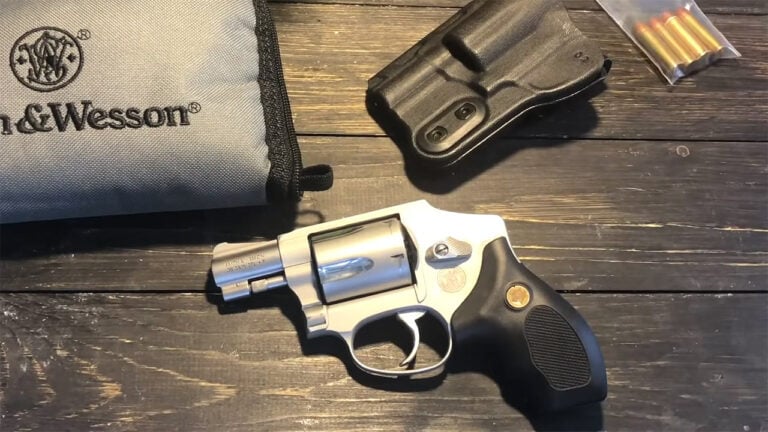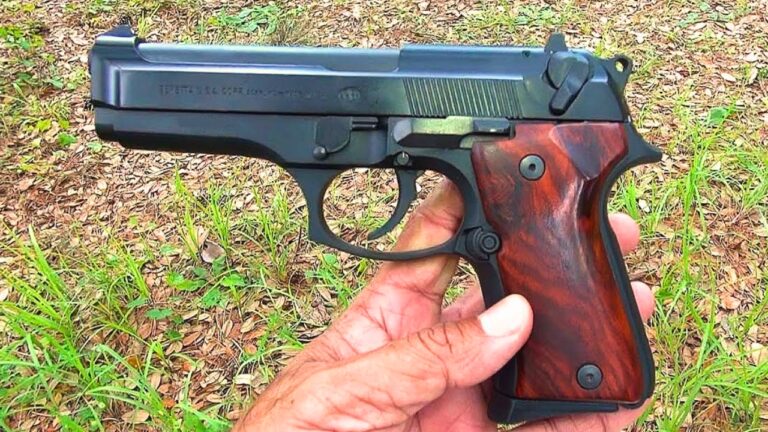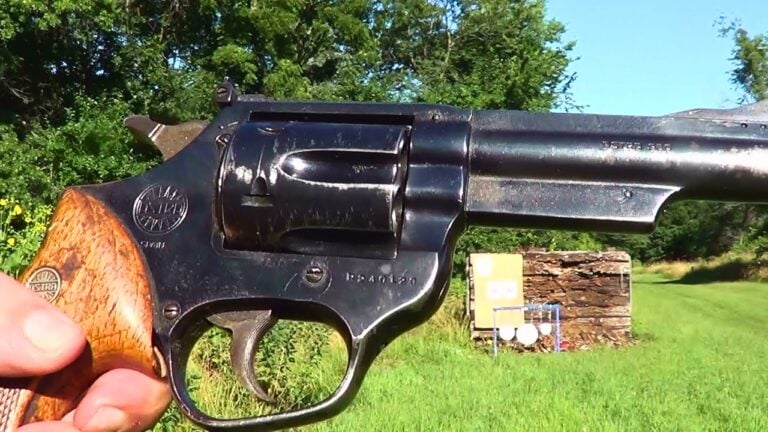
Photo credit: DmyTo/Shutterstock.com
A lot of “collector guns” get chased the same way people chase a lifted truck they’ll never take off-road. It’s not about how the thing shoots. It’s about what it signals. You show up at the range, pop the case, and everybody leans in. For about ten minutes, it feels like you bought yourself instant credibility. Then you live with it. You try to find mags that aren’t beat to death. You baby a finish that rusts if you look at it wrong. You realize replacement parts cost like jewelry and take six months to locate. And the worst part? Half the time you’re scared to shoot it enough to actually enjoy it, because you’re worried you’ll “ruin the value.”
Regret doesn’t mean the gun is bad. It means the ownership reality doesn’t match the story. The guns people buy for clout tend to come with at least one of these problems: they’re fragile, expensive to feed, expensive to insure, expensive to service, politically hot, legally complicated, or simply miserable to shoot compared to modern alternatives. And when you discover that, you start doing what every regretful collector does—you post a few pictures, take it out once in a while, and quietly hope the market stays up so you can get out without taking a bath.
Rare doesn’t always mean useful, it often means unsupported
The first regret category is anything “rare” that’s rare because it never had a big support ecosystem. That might be a limited-run pistol, an oddball import, or a short-lived variation of a popular platform. The clout comes from scarcity—“you don’t see these anymore”—but the ownership pain comes from the exact same thing. Scarcity means you’re now hunting for magazines, springs, small pins, and proprietary parts that aren’t stocked anywhere. You’re one broken extractor away from owning a very expensive paperweight, and the only fix might be buying a second gun as a donor, which is how people end up trapped in a collection they can’t actually use.
The mechanical headache usually shows up as tiny problems that modern guns shrug off. A mag that’s slightly out of spec causes feeding issues. A recoil spring that’s tired turns the gun into a stovepipe machine. A worn firing pin spring starts giving you inconsistent strikes. With a current-production gun, you replace the part and move on. With a “rare” collector gun, you spend weeks scouring forums and paying collector prices for basic maintenance items. That’s when the clout fades and the regret starts.
“Police trade-in cool” guns that come with hard miles and hidden wear
A lot of guys chase former duty guns, special agency variants, or “this was carried by…” models because it feels like owning history. Sometimes that’s a great buy. But the regret happens when the buyer forgets what duty use really means: holster wear, sweat, grit, dry firing, unknown round count, and maintenance that may have been done on a schedule—or may have been ignored until the gun started acting up. You can end up with a gun that looks like character but actually has timing and spring life issues that are expensive and annoying to sort out.
The worst part is that the problems often don’t show up in the first 50 rounds. They show up when the gun is hot, when it’s dirty, when you run it fast, or when you finally try your defensive load. That’s when you see extraction getting lazy, ejection going weird, or the gun failing to lock back because the mags are tired and the springs are weak. Now you’re not a cool collector. You’re the guy troubleshooting a mystery gun you bought because the rollmark sounded impressive.
“Safe queen” prestige guns that are too precious to shoot like a normal person
Some collector guns are legitimately great firearms… that become miserable to own because you can’t relax around them. You’ll see it with pristine examples, early production runs, or guns with finishes and markings that collectors obsess over. The clout is real because it’s beautiful and uncommon, but the ownership experience turns into anxiety. Every scratch is a crisis. Every range trip feels like you’re gambling with resale value. So you don’t shoot it enough to learn it, you don’t carry it, and you don’t hunt with it. You just own it.
That’s a special kind of regret because you’re not even getting performance out of the gun—you’re getting responsibility. If the gun is valuable enough to create stress, you’ll find yourself spending money on storage, humidity control, insurance riders, and “protective” accessories that turn the whole thing into a museum project. Meanwhile, your modern shooter that cost a fraction gets all the range time and all the trust. Owning a gun you’re afraid to use is a weird hobby if what you actually love is shooting.
Ultra-collectible pistols that are finicky with mags, ammo, and modern expectations
Some iconic collector pistols get chased hard because they’re famous, not because they’re forgiving. The regret shows up when the gun is picky about magazines, picky about ammo profiles, or picky about springs and lubrication, especially if it’s an older design that never had to feed today’s wide-mouth hollow points or run on whatever bargain ammo is on sale. A lot of these guns run beautifully when everything is right, which is exactly why people fall in love with them at first. Then they discover that “everything right” means a very specific set of magazines, a very specific recoil spring interval, and sometimes a very specific load.
That’s when you see owners sliding into project behavior. They start polishing feed ramps. They start swapping springs and extractors. They start blaming the gun, then blaming themselves, then blaming ammo, then blaming the internet. The reality is simple: some collector pistols were designed around different assumptions than modern “carry gun” expectations. If you buy one for clout and expect it to behave like a modern service pistol, you’re setting yourself up for disappointment, because you’re trying to make an older machine live in a newer role without paying the maintenance and configuration cost.
Loud, flashy, and high-maintenance rifles that make you hate range day
Collector rifles can be even worse for regret because you’re dealing with expensive ammo, expensive optics needs, and often brutal ergonomics. Some clout rifles are heavy, awkward, over-baffled, or just plain uncomfortable to shoot for more than a few rounds. Others are the opposite—lightweight and hard-kicking—so the rifle beats you up and you stop practicing. The gun looks incredible in photos and gets plenty of attention at the bench, but you’re quietly flinching by the third shot and pretending you’re not.
The mechanical regret shows up with consistency too. Hard recoil and blast shake mounts loose if your torque discipline isn’t perfect. Thin barrels heat up and wander if you try to shoot groups like it’s a target rifle. Some older or specialized rifles are also picky about ammo and magazine condition, and you learn quickly that “rare and cool” can also mean “temperamental.” A rifle you don’t enjoy shooting becomes a conversation piece, not a tool, and a tool that never gets used is how regret grows.
Import hype guns that turn into parts hunts when the market shifts
There’s a whole category of collector regret built around imports that become hot overnight—either because they get banned, restricted, or simply stop coming in. People chase them because they fear missing out, prices jump, and suddenly it feels like you’re buying a winning stock. Then reality arrives: parts availability dries up, mags get expensive, and if anything breaks you’re at the mercy of a secondary market that knows you’re trapped. The gun didn’t get worse, but your ability to support it did, and that changes everything about ownership.
You also see regret when the “collectibility” was tied to a moment, not a lasting demand. Once the hype cools, you’re holding a gun you didn’t buy because it fit your needs—you bought it because it was hot. Now it’s harder to sell without taking a hit, and you don’t want to shoot it hard because you’re still thinking like a speculator. That’s a miserable way to own firearms. Guns are machines. Machines deserve either use or peace, and hype-driven collector guns often get neither.
The real regret is buying a story instead of buying a role
If you want to avoid this trap, the litmus test is brutally simple: would you still want the gun if nobody ever saw it? Would you still buy it if it lost 20% in resale value tomorrow? Would you still enjoy it if you had to shoot it 500 rounds a year to stay competent with it? If the answer is no, you’re buying a story. And stories are expensive to maintain when they’re made of metal, springs, and finite spare parts.
The collector guns that people don’t regret are the ones that have a clear role: they shoot well, they’re supportable, they’re mechanically honest, and the owner isn’t afraid to use them. Clout fades. A gun you trust and enjoy doesn’t.
Like The Avid Outdoorsman’s content? Subscribe to our newsletter so you never miss an article.
Here’s more from us: