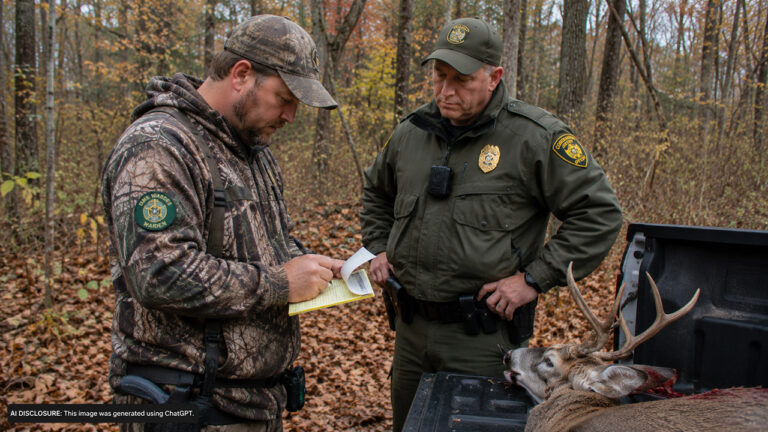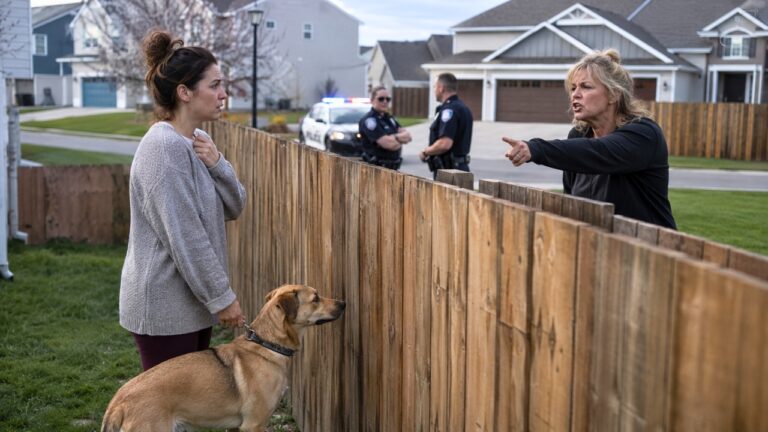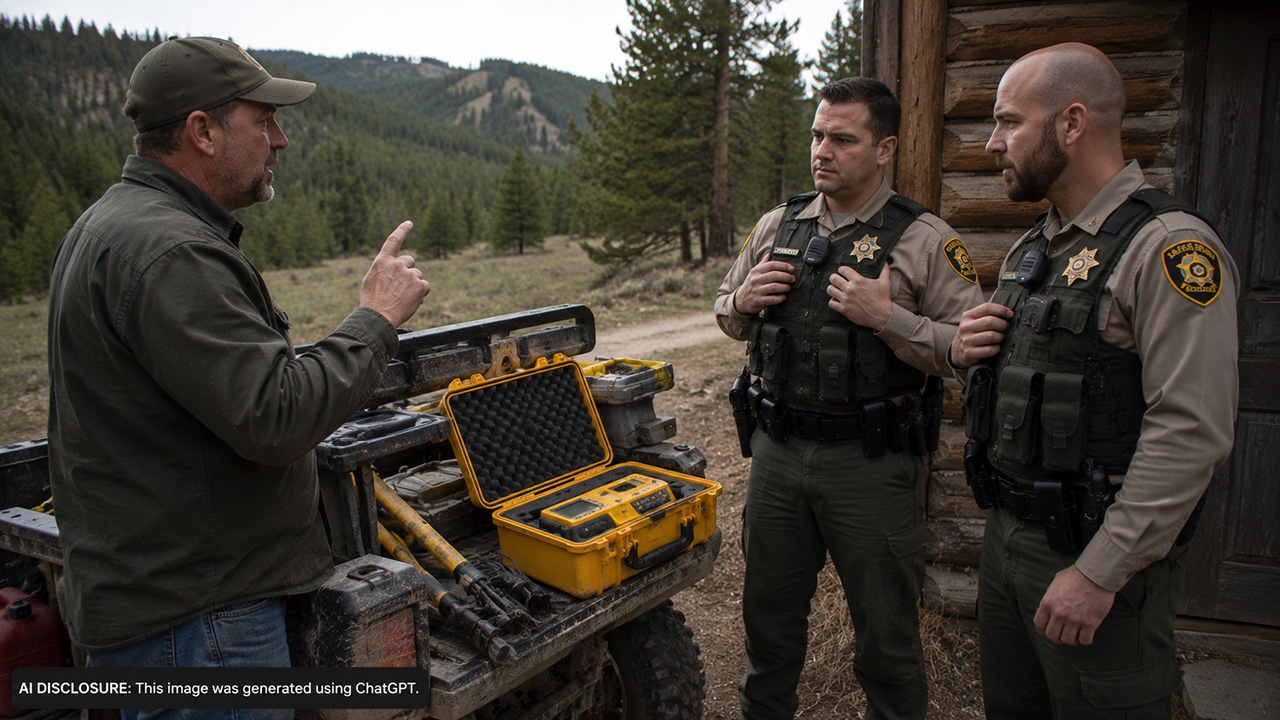
Photo credit: AI-generated image created using ChatGPT. Illustrative only
When you’ve got a couple hundred acres fenced off and you’re trying to heal beat-up ground, nothing will spike your blood pressure faster than the same riders tearing it up every few weeks. And when they’re bold enough to cut your locks to get in, it stops feeling like “kids being kids” and starts feeling like a real problem you can’t ignore.
That’s the spot one Colorado landowner found himself in. He’d posted signs, fenced the property, and made it clear they weren’t welcome. But the trespassers kept coming back on quads and dirt bikes, and the sheriff’s response time in a rural area meant they were long gone before anyone with a badge ever saw them.
A fenced gate, clear signage, and riders who wouldn’t take a hint
The landowner said he controls about 200 acres of fenced land with basically one way in and out: a gate. Around that gate—and along much of the fence—there are signs making it plain the place is private property and that going beyond the fence line is trespassing.
Even with that, the same group kept showing up every couple weeks to ride. Worse, they were allegedly cutting the locks he put on the gate. That’s not an “accident.” That’s someone deciding your property rights don’t matter.
Why off-road trespass hits rural landowners where it hurts
If you’ve never tried to rehabilitate land, it’s hard to explain how fast a handful of machines can undo weeks of work. Quads and dirt bikes chew up soft ground, cut ruts that become erosion channels, and can turn a promising rehab project into a mud pit in one afternoon.
It also creates headaches that aren’t as obvious: damage to fences, spooked livestock or wildlife, and the constant worry that if somebody gets hurt out there, you’ll spend the next year dealing with the aftermath—even if you didn’t invite them in the first place.
The landowner’s idea: block the exit and make them leave the machines
After repeated run-ins, the landowner said that when he catches them, he asks them to leave—but they don’t. So he calls law enforcement immediately. The problem is response time: two to three hours, which is a lifetime when you’ve got machines on your ground.
So he considered a more direct move. If he knew they were on the property, could he park an old tractor in front of the gate so they could walk out, but their quads and dirt bikes would be trapped inside until officers arrived?
From a common-sense standpoint, a lot of landowners read that and nod. If they cut a lock and ride in, why should they get to ride out on the same equipment? But the law doesn’t always follow the same logic as a fed-up property owner standing at a gate.
Where “teaching a lesson” can turn into a legal problem for the owner
The big trap with the “hold the machines” idea is that you’re no longer just dealing with trespass. You’re now dealing with control over someone else’s property. Even if those riders are in the wrong, blocking the only exit and refusing to let equipment leave can start to look like you’re taking or detaining their stuff.
That’s how a guy goes from being the victim of repeated trespass to being the person answering questions about whether he unlawfully kept property that wasn’t his. It’s a hard pill to swallow, but that line matters. In many places, “I’m mad and they deserve it” isn’t a legal defense.
The landowner wasn’t talking about destroying anything or threatening anybody. He was looking for a way to stop the cycle and buy time until law enforcement arrived. But practically speaking, if the only gate is blocked, you’ve created a situation where the riders may try something stupid—cut more fence, force a way out, or escalate face-to-face. That’s the last thing you want on rural ground where help is an hour away.
What people told him: you can’t just keep their gear, even if they’re trespassing
In the discussion around the incident, the core message was simple: you generally can’t confiscate someone’s equipment and refuse to return it just because they were trespassing. You can report the trespass and vandalism (like lock-cutting), document it, and push for enforcement. But “self-help impoundment” is where landowners can get sideways with state law in a hurry.
If you’re a hunter or landowner reading this, it’s the same principle as finding somebody else’s treestand, trail camera, or ATV on your place. It’s tempting to treat it like abandoned property. But if it’s identifiable and you’re keeping it from the owner, you may be handing them a complaint they can make against you—even if they shouldn’t have been there at all.
The safest play is usually to avoid taking possession and avoid creating a confrontation. Document what’s happening, keep your distance, and work the problem through the channels that hold up later—because once tempers flare, small choices turn into big consequences.
For anyone who wants to read the landowner’s full question in his own words, you can find it in the original post.
Practical options that don’t put you in the crosshairs
None of this is to say a landowner is powerless. If someone is cutting locks and repeatedly entering posted, fenced private property, you’re dealing with more than a harmless joyride. But the smarter moves tend to be the boring ones: better documentation, better barriers, and better coordination.
Trail cameras pointed at the gate (and any approach route) can help you move from “it keeps happening” to “here’s the same machines, here are the dates, here are faces, here’s the lock being cut.” It also gives law enforcement something actionable. A license plate on a truck, a clear shot of the machines, or even consistent timing can change the response from shrugging to writing a report that goes somewhere.
On the access side, a heavier gate setup, lock protection, or design changes that make cutting harder can slow down the repeat offenders. If there’s truly only one access point, hardening that choke point is usually money better spent than playing cat-and-mouse out in the pasture.
And if you’ve got local wildlife officers or a district contact who takes property and habitat damage seriously, it can be worth a call. The landowner in this situation was seeing a low priority response to “non-violent trespass,” but persistent property crime—especially involving lock cutting—often gets more traction when it’s documented clearly and reported consistently.
A hard truth for rural property owners
When you’re standing on your own land watching someone tear it up, it feels backwards that you can’t just pin their machine behind a gate until a deputy shows up. But trying to “keep the toys” can flip the script and put you under a microscope, which is exactly what repeat trespassers count on when they act like they’ve got nothing to lose.
The goal isn’t to win a moment at the gate. The goal is to stop the pattern without creating a new problem. Tighten up the access point, document everything, keep the interaction as calm and short as you can, and push the complaint with evidence. It’s not as satisfying as blocking them in—but it’s a lot less likely to come back and bite you.
Like The Avid Outdoorsman’s content? Subscribe to our newsletter so you never miss an article.
Here’s more from us: