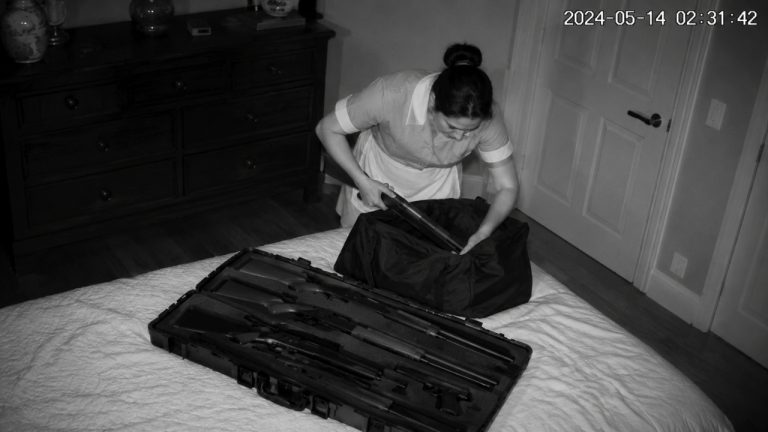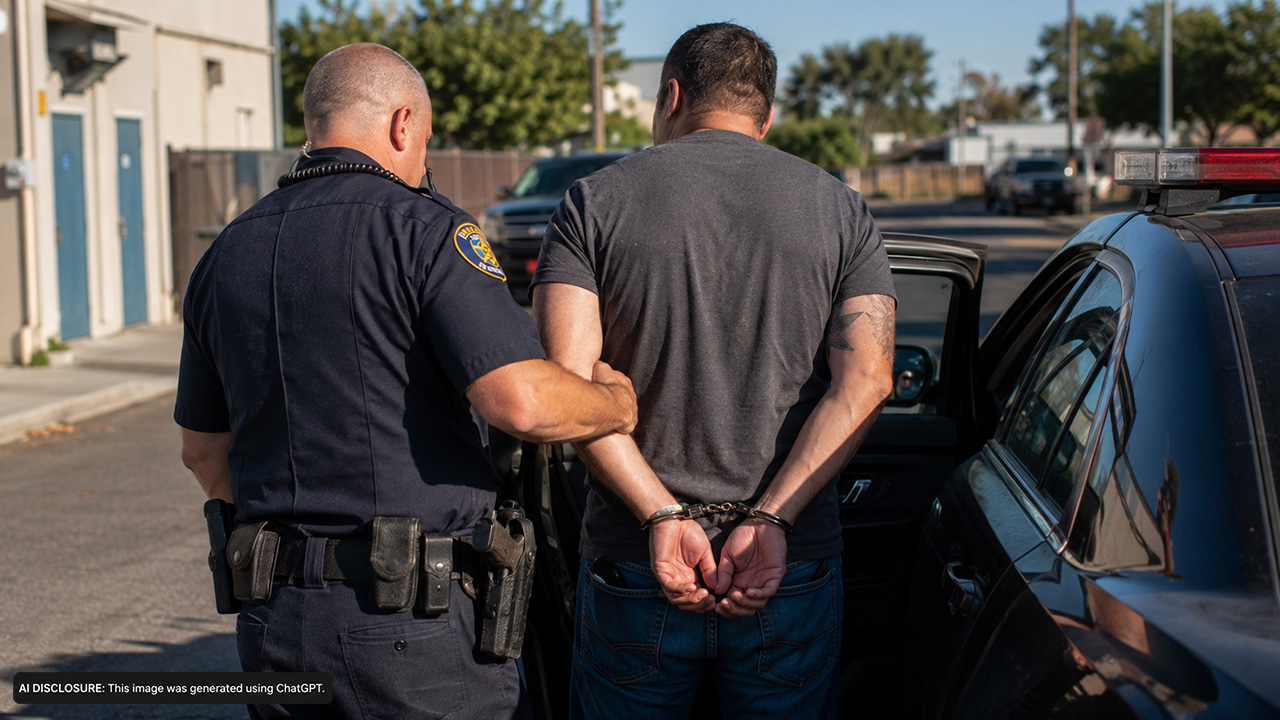
Photo credit: AI-generated image created using ChatGPT. Illustrative only
It’s a gut-punch scenario a lot of traveling gun owners worry about: you’re legal at home, you’re trying to do the right thing, and then a state line turns your everyday carry into a handcuff-and-patrol-car problem. That’s exactly what one concealed carrier described after a trip into Illinois, where he says he was arrested for carrying concealed while relying on a valid Wisconsin permit.
In the original post, the man explained that he “wasn’t aware” Illinois didn’t honor his out-of-state CCW. He said he has no priors and asked whether a judge might throw the case out because he was visiting and didn’t know the law. It’s a simple question, but it points at a hard reality: in the wrong state, a paperwork issue can put your gun rights—and your future hunting and shooting plans—on the line.
How an out-of-state permit can turn into an arrest
If you live near a border, you already know how fast things change when you cross it. Reciprocity—one state recognizing another state’s carry permit—is a patchwork, and Illinois is known for being one of the tougher places for nonresidents. The poster’s core mistake, by his own telling, wasn’t criminal intent. It was assuming his Wisconsin CCW carried over.
But roadside reality doesn’t care about assumptions. If a state doesn’t recognize your permit and you’re found carrying concealed anyway, you can get treated like any other unlicensed concealed carrier under that state’s rules. That’s where things get serious in a hurry, even for someone who’s otherwise a law-abiding gun owner.
“I didn’t know” feels reasonable—courts don’t always see it that way
Plenty of outdoorsmen have been there in some form: different tagging rules, different blaze orange requirements, different transport laws. You can be careful and still miss a detail. The poster essentially asked if being unaware, having no priors, and being a visitor might be enough for the judge to cut him loose.
The problem is that “I didn’t know” usually isn’t a magic eraser for a criminal charge. Judges and prosecutors can consider circumstances—like lack of criminal history and cooperation—but ignorance of the law typically isn’t a full defense by itself. Even when a person meant well, the system often treats it like a compliance issue you were responsible for getting right before you carried.
When a carry case threatens more than a fine
The scary part for most gun owners isn’t just the embarrassment of an arrest or the cost of hiring an attorney. It’s the possibility that a case gets charged as something that could stick as a felony—or be pled down in a way that still creates long-term consequences.
That’s the real “strip your rights” danger: a conviction that triggers a firearm prohibition. When that happens, it doesn’t just affect your ability to carry for self-defense. It can reach into your whole outdoor life—owning hunting rifles and shotguns, buying ammunition, even being around firearms in certain situations depending on the terms and your state’s rules. For a guy who likely just wanted to travel and stay protected, it can turn into a life-altering problem.
What gun owners kept coming back to: don’t trust reciprocity guesses
Even from the small amount of detail provided, the lesson is the same one old hands repeat at camp and at the range: never “figure” a state will honor your permit. Verify it before you go, and verify it again if you’re routing through multiple states, because one wrong turn can be the difference between a normal fuel stop and a serious legal mess.
Illinois, in particular, is a state that many traveling carriers treat like a special planning problem. People who regularly cross borders tend to research not only whether their permit is honored, but how the firearm must be transported, whether the gun can be loaded, where it can be stored in the vehicle, and what happens when you step out for food or a hotel. Those details matter because they’re the details officers and courts use to decide whether you were compliant.
The practical moves after an arrest like this
The poster asked whether the judge might throw the case out. Realistically, once you’ve been arrested and charged, the most practical move is getting competent legal help and treating it like the serious matter it is. This isn’t the time for DIY lawyering or hoping the right explanation at arraignment makes it evaporate.
It’s also the time to get organized: documents showing lawful possession, your out-of-state permit, and anything that supports the “visitor who made a mistake” context. That doesn’t guarantee anything, but it gives your attorney tools to work with when trying to reduce charges, negotiate, or present mitigating facts. And if there’s any path to keeping the case from becoming a rights-stripping conviction, that’s usually found through careful legal strategy, not a quick speech to the judge.
For the rest of us, the takeaway is plain: if you carry, build a habit of checking reciprocity and transport rules the same way you check your tire pressure before a long haul. State lines are invisible, but the consequences aren’t. One bad assumption can cost a whole lot more than a weekend trip.
Like The Avid Outdoorsman’s content? Subscribe to our newsletter so you never miss an article.
Here’s more from us: