Photo credit: Olde English Outfitters/YouTube
A revolver that points naturally can cover a lot of human error. When your hands are cold, your timing is off, or you are in a rush, a well-shaped grip and balanced frame can help the sights settle where your eyes expect them to be. That does not replace practice, and it does not fix poor fundamentals, but it can make a revolver feel more cooperative when you are not shooting at your best.
That is one reason good revolvers still earn respect. A revolver with the right grip angle, enough weight, and clean balance often feels more intuitive than one that looks good in a display case but fights you once the timer starts. Some handguns seem to meet your hand naturally. These are the revolvers that tend to line up well when you are a little flustered and need the gun to do its part on the range.
Smith & Wesson Model 10

The Smith & Wesson Model 10 has stayed relevant for generations because it points the way a revolver should. The grip frame, balance, and overall proportions make it easy to bring up and settle on target without feeling like you are forcing the gun into position. Even shooters who are not revolver people often understand the appeal the first time they handle one. It feels honest and well sorted.
That natural feel matters when you are rushing through a range drill or shooting tired late in the session. The Model 10 does not feel twitchy or awkward. It comes up smoothly, and the sight picture usually appears where you expect it. It may not be flashy, but it remains one of the clearest examples of how a well-balanced service revolver can make average shooters feel steadier than they really are.
Smith & Wesson Model 19

The Smith & Wesson Model 19 has long been respected because it balances size and handling extremely well. It is large enough to feel planted, yet trim enough that it does not become clumsy in the hand. That combination helps the revolver come on target in a very natural way. The K-frame shape has always made sense for shooters who want a revolver that feels lively without feeling nervous.
When you are moving faster than usual at the range, that matters. The Model 19 tends to point where your eyes are already going, and the grip shape helps you maintain that alignment without constant correction. It feels intuitive in a way that many heavier or bulkier revolvers do not. That easy handling is a big reason the Model 19 has kept such a strong reputation with people who actually spend time shooting their guns.
Smith & Wesson Model 66

The Smith & Wesson Model 66 brings much of the same natural handling as the Model 19, with the added appeal of stainless steel. It has the familiar K-frame feel that makes the gun easy to index quickly, and the balance tends to stay right where many shooters want it. Nothing about it feels oversized or hesitant. It comes up cleanly and settles into the hand in a very straightforward way.
That helps when you are a little rushed and your grip is not as perfect as it should be. A revolver that points naturally gives you less to fight, and the Model 66 has always been good at that. The sights are easier to track than on smaller snubs, and the overall feel is calm without being slow. It is one of those revolvers that reminds you how much good proportions matter once the shooting pace picks up.
Smith & Wesson Model 686

The Smith & Wesson Model 686 points naturally in a slightly different way than the lighter K-frames do. It has more weight and a steadier feel, which gives it a more deliberate kind of alignment. It does not flick onto target quite the same way, but it tends to settle there with authority. For many shooters, that added stability makes the gun feel easier to trust when they are not at their sharpest.
That extra weight also helps keep the sight picture from wandering as much once you start shooting repeated strings. The 686 is big enough to feel forgiving, and the grip frame still retains the kind of shape that lets the gun line up well in the hand. If you like a revolver that feels planted rather than quick, the 686 earns its reputation by staying composed and easy to index during real range work.
Smith & Wesson Model 15

The Smith & Wesson Model 15 is one of the more naturally pointing medium-frame revolvers the company ever turned out. It has the classic K-frame feel, sensible barrel length in its best-known versions, and a sight setup that makes quick alignment easier than many older fixed-sight guns. That combination gives it a very cooperative feel in the hand. It comes up with less fuss than many shooters expect from an older service-style revolver.
That makes it a very pleasant gun to shoot when your rhythm is not perfect. If you are shooting on a timer, dealing with a little fatigue, or simply moving faster than usual, the Model 15 often feels like it is helping rather than resisting. The balance is a big reason. It does not feel too light in front or too thick in the hand. It feels like a revolver designed by people who understood how real shooters actually point a gun.
Colt Python
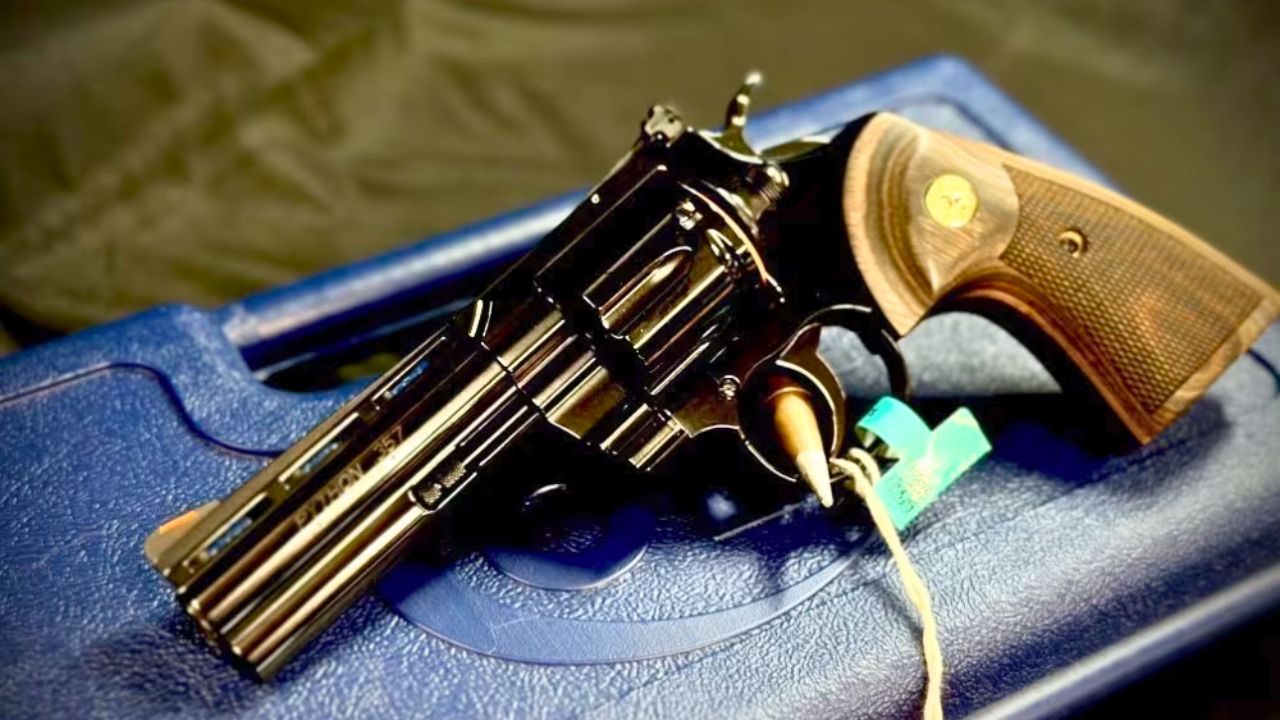
The Colt Python earns much of its reputation from fit, finish, and collector demand, but the way it points is a real part of the story too. A good Python, especially in a balanced barrel length, has a smooth, steady feel that makes alignment come naturally for a lot of shooters. The grip shape, sight rib, and overall weight distribution help it settle on target in a way that feels controlled rather than heavy.
That control becomes more noticeable when you are shooting faster or when your concentration is slipping late in the session. The gun has enough weight to stay calm, but not so much that it feels reluctant to move. Once it comes up, it tends to stay where you want it. It is not the only revolver that points well, but there is a reason even shooters who ignore the collector talk still respect how naturally a Python handles on the range.
Colt Detective Special

The Colt Detective Special has always made a strong case for itself because it feels compact without feeling cramped. That matters a great deal in a small revolver. Some snub-noses feel like they are constantly asking you to correct the sight picture. The Detective Special tends to come up cleaner than that. The grip frame and overall shape give it a surprisingly natural feel for a concealment-sized revolver.
That is one reason it still gets so much respect from people who actually shoot them. Even when you are rushing a short-range drill or working one-handed practice, the gun points better than many tiny revolvers you might assume would handle the same way. It still behaves like a snub in plenty of respects, but its proportions help it avoid feeling awkward. For a compact revolver, it has a very grown-up sense of balance.
Colt Official Police

The Colt Official Police has the kind of old-school service-revolver handling that makes immediate sense once it is in your hand. It has enough frame size to feel steady, enough barrel to balance well, and a grip shape that tends to guide the gun into alignment naturally. It does not feel rushed or fussy. It feels like a revolver built around practical pointing rather than compactness or visual flair.
That becomes valuable when you are not shooting under ideal conditions. If your pace is a little messy or your concentration is split, a revolver like the Official Police can feel easier to trust because it tends to present consistently. It may not get talked about as often as some more famous Colts, but in terms of natural handling, it deserves real respect. It is a solid reminder that good service-revolver design solved this problem a long time ago.
Ruger GP100

The Ruger GP100 points naturally in a steadier, more anchored way than lighter revolvers do. It is not delicate, and it is not trying to be. What it offers is a solid frame, a practical grip shape, and enough front-end weight to keep the gun from feeling jumpy during presentation. For many shooters, that makes it easy to align once it clears the holster or comes up from a low-ready position on the range.
That extra substance helps when your nerves are really just rushed mechanics and tired hands. The GP100 does not snap into place as lightly as a smaller revolver, but once it is there, it tends to stay there. That is a useful trait in longer sessions or repetitive drills where consistency matters more than speed alone. It may feel more rugged than refined, but its handling has a calm predictability that a lot of shooters learn to appreciate.
Ruger SP101

The Ruger SP101 works because it keeps more of a real revolver’s feel than many compact guns do. It is small enough to carry, but heavy enough to avoid feeling toy-like in the hand. That matters when you bring it up quickly and need the sights to land where your eyes already are. The SP101 usually feels more settled than lightweight snubs that can seem to wander during fast work.
That does not make it magical, and it does not make it a target gun. What it does mean is that the SP101 often feels easier to index cleanly than its size suggests. The grip shape, compact barrel options, and sturdy frame help it behave like a serious working revolver instead of a compromise piece. If you want a smaller revolver that still points with some confidence when you are a little off your game, the SP101 has long earned its keep.
Ruger Security-Six

The Ruger Security-Six has one of those reputations that gets stronger the more time you spend with it. It is not overly bulky, the grip frame lends itself to a natural hold, and the overall balance is quick without feeling too light in front. That makes it a very easy revolver to bring onto target. It behaves like a real service gun, which is exactly what helped it build such a loyal following.
That kind of handling helps once you start moving faster or working on repeated draw-and-fire drills at the range. The Security-Six tends to point where you expect it to, and the gun does not feel like it is demanding constant correction. It is not the most talked-about Ruger anymore, but in pure handling terms, it is one of the better arguments for the company’s older double-action revolvers. It deserved that respect years ago, and it still does now.
Kimber K6s

The Kimber K6s points well because it feels more refined than many small-frame revolvers in the hand. The grip shape is compact but not overly cramped, and the frame dimensions help the gun sit in a way that makes natural alignment easier than the size might suggest. That matters in a small revolver, where poor proportions can make every rushed presentation feel like extra work.
The K6s tends to avoid that problem. It comes up cleanly, and the sights are more usable than what many shooters expect from a compact revolver. That makes a difference when you are moving through fast practice and need the gun to land where your eyes are already focused. It is still a small revolver with the usual small-revolver limits, but in terms of natural pointing and clean alignment, it behaves like a more mature design than many of its peers.
Smith & Wesson 642
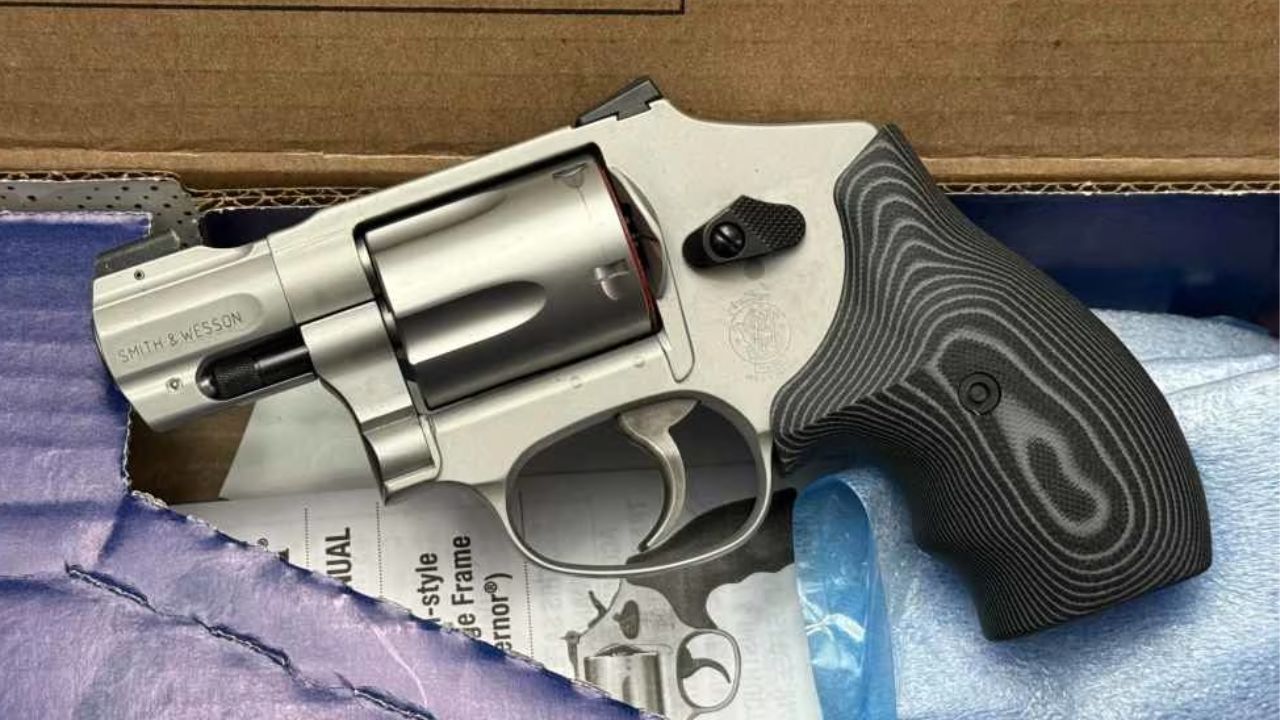
The Smith & Wesson 642 stays popular because it is easy to carry, but part of its staying power is also how naturally it presents for a small revolver. The enclosed hammer keeps the profile smooth, and the basic J-frame shape has always had a certain point-and-go quality when the shooter understands it. It is not as forgiving as a medium-frame gun, but it does not feel confused in the hand either.
That matters when you are shooting quick, close-range range drills and the goal is fast, clean alignment. The 642 rewards familiarity, and once you have it, the gun often points where you expect even if your pace is a little ragged. It is still a light snub, and light snubs come with tradeoffs. But as a compact revolver that can present naturally without a lot of snag points or visual clutter, the 642 keeps proving why it remains such a common choice.
Smith & Wesson 36

The Smith & Wesson Model 36 has a more traditional feel than some newer small revolvers, and that helps it point naturally for many shooters. The steel frame gives it a little more weight than lighter J-frames, which settles the gun in the hand and makes the sight picture a bit easier to control during rapid practice. It is compact, but it does not feel insubstantial.
That small increase in heft gives the gun a steadier presentation when you are rushing. It still behaves like a snub-nose, but one that feels more planted than some featherweight alternatives. The grip shape is classic, and the revolver has the kind of old-school alignment that tends to reward a natural wrist angle. If you like small revolvers but want one that feels a little less frantic during fast range work, the Model 36 continues to make a lot of sense.
Colt Cobra

The modern Colt Cobra points well because it strikes a useful middle ground. It is not so small that it becomes fussy, and it is not so large that it feels slow. The grip gives you enough purchase, the frame feels balanced, and the overall shape makes the gun come up with less effort than many people expect. It has a more natural feel than some shooters assume from looking at photos alone.
That is exactly the sort of revolver that shines when your hands are a little rushed and your focus is not perfect. The Cobra gives you enough control surface to guide the gun without overworking the presentation. It feels cooperative, and that matters more than people sometimes admit. A revolver does not need to be large to point well. It needs good proportions, and the Cobra does a nice job of proving that in actual range use.
Smith & Wesson Model 27

The Smith & Wesson Model 27 points naturally in a more deliberate, confident way than smaller revolvers. It has enough size and weight to feel substantial, and that often helps experienced shooters bring it up in a very repeatable way. It is not quick like a snub, but it has a strong sense of balance that makes the gun settle where it should once it is in motion. That is a different kind of natural, but it is still natural.
When you are tired or rushing a longer-range revolver string, that steady feel can be a real advantage. The Model 27 does not feel nervous in the hand, and the larger frame gives you room to maintain a consistent grip without fighting the gun. It is a big revolver, no question. But for shooters who like a full-size wheelgun, it remains one of the better examples of how a large revolver can still point with real grace.
Like The Avid Outdoorsman’s content? Subscribe to our newsletter so you never miss an article.
Here’s more from us: