Photo credit: SPN Firearms/YouTube
We’ve all circled back to a pistol we swore off once already. Maybe you thought the first one was a lemon, or maybe you figured time would make the quirks easier to live with. Spoiler: it doesn’t. The same lousy trigger, mushy controls, weird ergonomics, or unpredictable accuracy is right there waiting for you. These aren’t guns you necessarily hate, but they’re the ones that wear thin the longer you own them. The range trips get shorter. The carry time gets rarer. Eventually, they wind up back in the same spot they left the first time—on someone else’s bill of sale. Here are a dozen pistols that make you ask, “Why’d I give this thing another shot?”
KelTec P11

The P11 might’ve been one of the first lightweight double-stack 9mm pistols out there, but it also came with a trigger pull that feels like you’re hauling rope. It’s long, heavy, and gritty. Accuracy suffers from the moment you try to settle in. It was affordable and easy to carry, but that’s where the compliments stop.
Recoil’s snappy for a small 9mm, and the reset is vague enough that you’ll short-stroke it half the time. You might think nostalgia will soften the edges the second time around, but all it really does is remind you why you moved on. There are better budget options now with better triggers, better sights, and way better ergonomics. The P11 served a purpose back then, but today it’s a reminder of how far carry pistols have come.
Taurus PT145 Millennium Pro
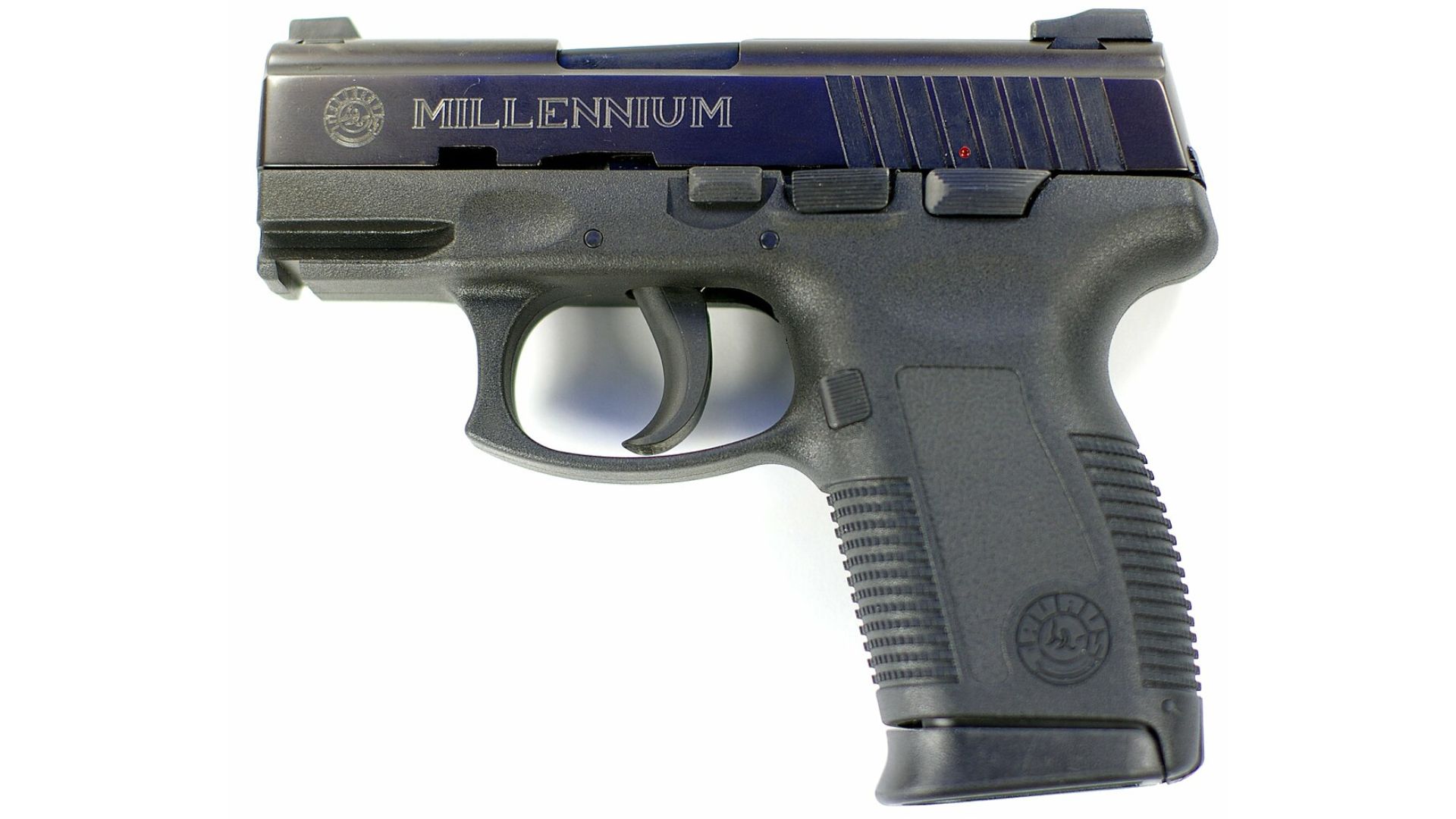
The PT145 promised .45 ACP in a tiny carry gun with 10+1 rounds. On paper, it looked like a win. In the hand, it felt like a mistake. The trigger was spongy, the sights were hard to pick up quickly, and reliability was hit-or-miss across different lots. Many shooters experienced light primer strikes, failures to feed, and random takedown pin walkouts.
Even if you get one that works, the recoil impulse is unforgiving, and the overall experience just isn’t confidence-inspiring. You may have told yourself the first one was a fluke. It probably wasn’t. Most folks who try a second run with the PT145 end up selling it again within a few months—this time for good. It’s not that it’s unsafe, but it sure doesn’t feel like something you’d want to bet your life on.
Remington R51

The R51 got people excited with its unique hesitation-locked action and retro styling. Then the problems started. Early versions had feed issues, poor fit and finish, and a recall that sent the gun’s reputation into the ditch. Remington tried to fix it with the Gen 2, but even then, some issues lingered.
Ergonomics are odd, the trigger can be inconsistent, and the slide feels like it was designed without gloves in mind. If you once owned the original and gave it away in frustration, the Gen 2 might tempt you back. Resist that urge. It still feels like a gun that never got all the bugs worked out. Plenty of other single-stack 9mms shoot flatter and run cleaner. The R51 isn’t the worst gun out there, but it’s one that rarely lives up to its second chance.
S&W Sigma 9VE
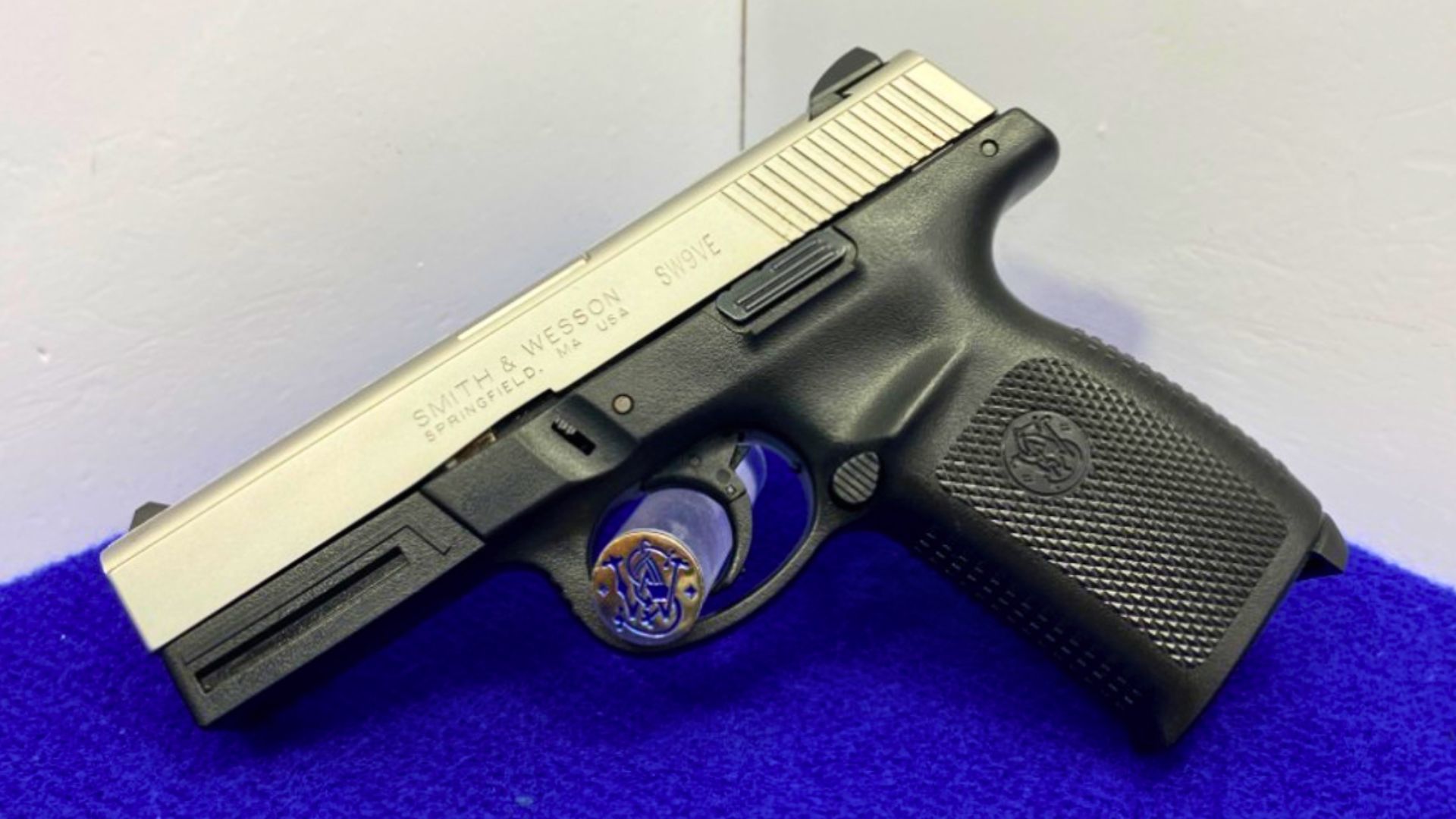
The Sigma 9VE has a trigger that’s been the butt of jokes for years—and not without reason. It’s heavy, long, and resets like molasses. It was S&W’s attempt at an affordable striker-fired 9mm, and while it technically works, it’s not something you’d want to train with regularly.
You might pick one up again thinking it’ll do the job as a truck gun or backup beater. But one afternoon at the range usually changes your mind. Between the mushy trigger and the snappy recoil, you’ll remember exactly why you sold the first one. It’s reliable in a rough sense, but that doesn’t mean it’s pleasant. You’re better off with a used SD9VE or saving up for something that won’t make you wince every time you pull the trigger.
Hi-Point C9

The Hi-Point C9 is the definition of “you get what you pay for.” It works—for the most part—but it’s heavy, clunky, and far from ergonomic. The blowback design makes recoil sharper than you’d expect from a 9mm that heavy, and the trigger is anything but predictable.
Most people buy one out of curiosity or budget desperation. The second time around, you’re usually trying to prove a point—that cheap guns can run. But nostalgia wears off quick when the slide eats your hand during a sloppy grip, or the mag drops free mid-string. Yes, it’ll go bang, but that doesn’t mean you’ll want to keep it. Odds are, the second Hi-Point heads to the same pawn shelf the first one did.
Walther CCP (Original Version)

The CCP had promise. Gas-delayed blowback, soft recoil, and a grip that felt good for smaller hands. But that gas system brought its own headaches. Cleaning was tedious, takedown was a chore, and early models had a few mechanical issues that soured a lot of owners.
The second time you try one, you might think you’ve matured enough to deal with the quirks. Then you spend 20 minutes reassembling it after cleaning and remember why you moved on. The trigger isn’t great, and the slide feels sluggish. Even though Walther fixed a lot in later models, the original still lingers in the used case for a reason. Once was enough for most folks—and twice is pushing your luck.
SCCY CPX-2
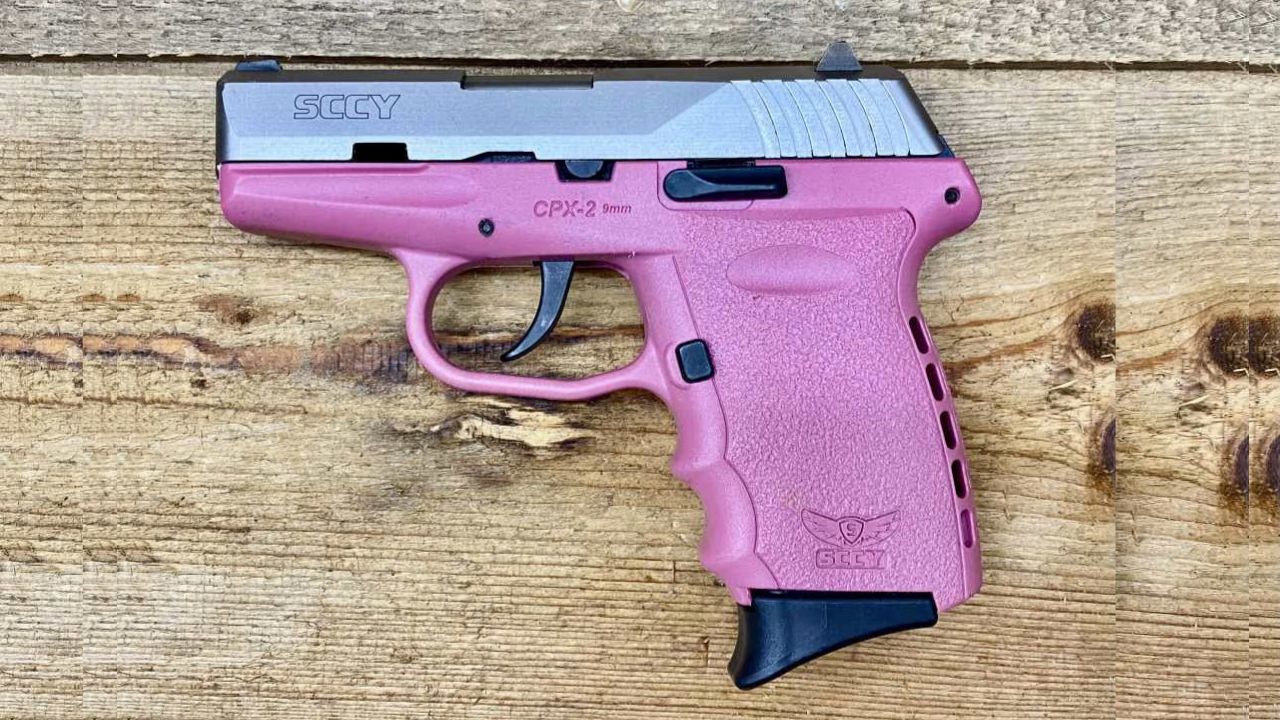
The SCCY CPX-2 sells well because it’s cheap and compact. But the DAO trigger is long and heavy, and accuracy takes a hit as a result. You might tell yourself it’s fine for carry, but you’ll feel it when trying to shoot groups past 7 yards.
Fit and finish aren’t great, either. The slide can chew through holsters, and the frame flex isn’t confidence-boosting. If you’ve already owned one, chances are you remember these annoyances. Coming back to it won’t fix them. For a few bucks more, there are compact pistols that shoot better and feel more put together. The CPX-2 isn’t junk—but it’s also not something most folks miss once it’s gone.
Colt All-American 2000
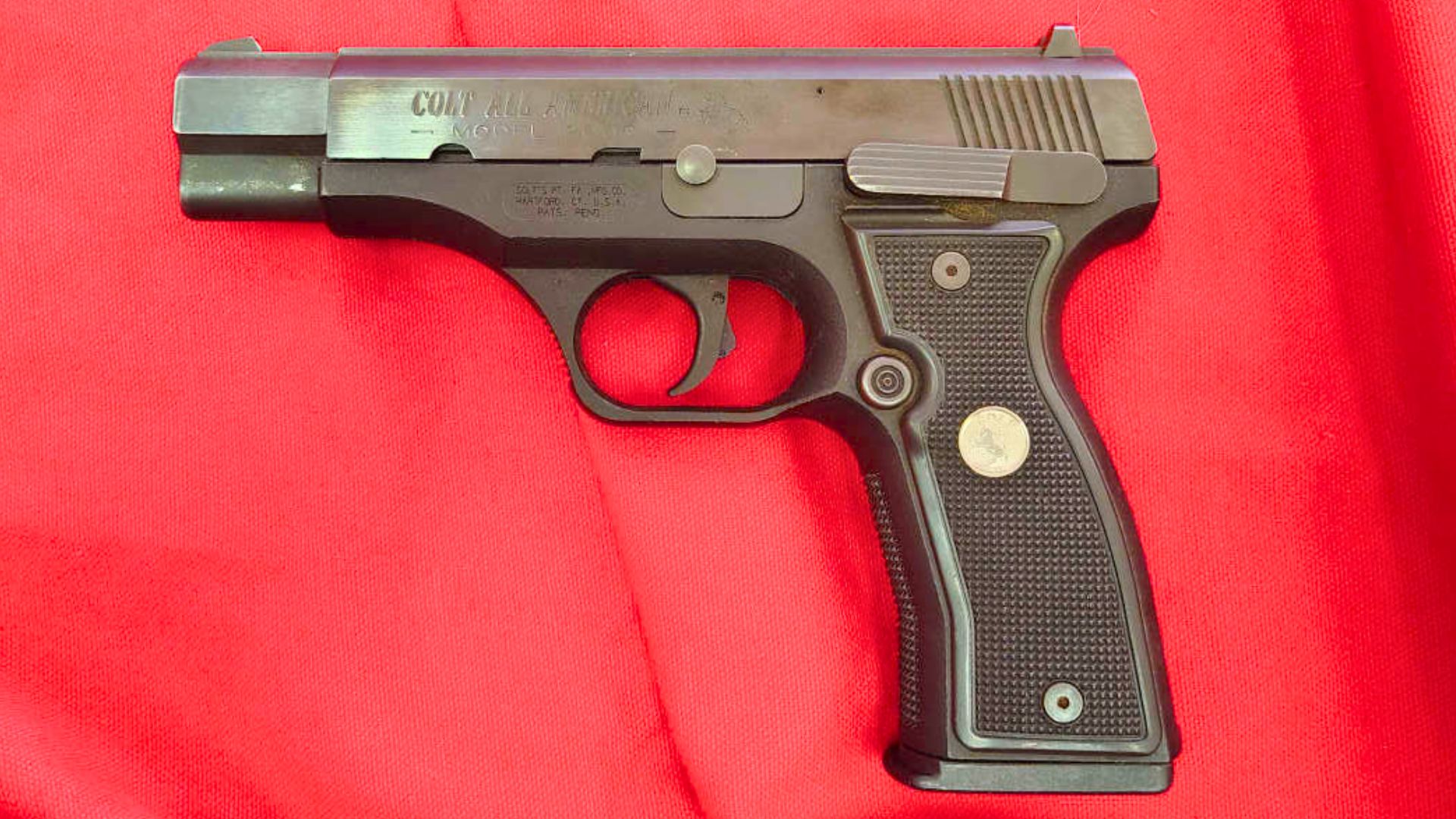
The All-American 2000 was Colt’s strange attempt at a polymer striker-fired pistol before it was cool. Designed by Reed Knight and Eugene Stoner, it should’ve been great. But the trigger was awful, reliability was inconsistent, and accuracy left a lot to be desired.
The gun had futuristic looks for its time, but the execution didn’t back it up. The recoil impulse was odd, and disassembly was frustrating. You might stumble across one again thinking it’s a quirky collector’s piece worth revisiting. Then you shoot it—and that’s when the flashbacks hit. The All-American 2000 is more of a curiosity than a shooter. The second time around feels a lot like the first: disappointing.
Beretta Nano

The Nano had a clean look and small footprint, which drew attention from concealed carriers. But it also had a heavy trigger, minimal external controls, and an odd shooting feel. It didn’t help that early models were picky with ammo and experienced ejection issues.
Beretta eventually moved on to better designs, like the APX Carry, but the Nano still shows up on used shelves. If you sold one before, you probably remember why. The ergonomics weren’t intuitive, and the performance felt underwhelming compared to other subcompacts. You might think it deserves a second try, but once you start training with it again, that buyer’s remorse creeps in fast.
Charter Arms Pitbull 9mm
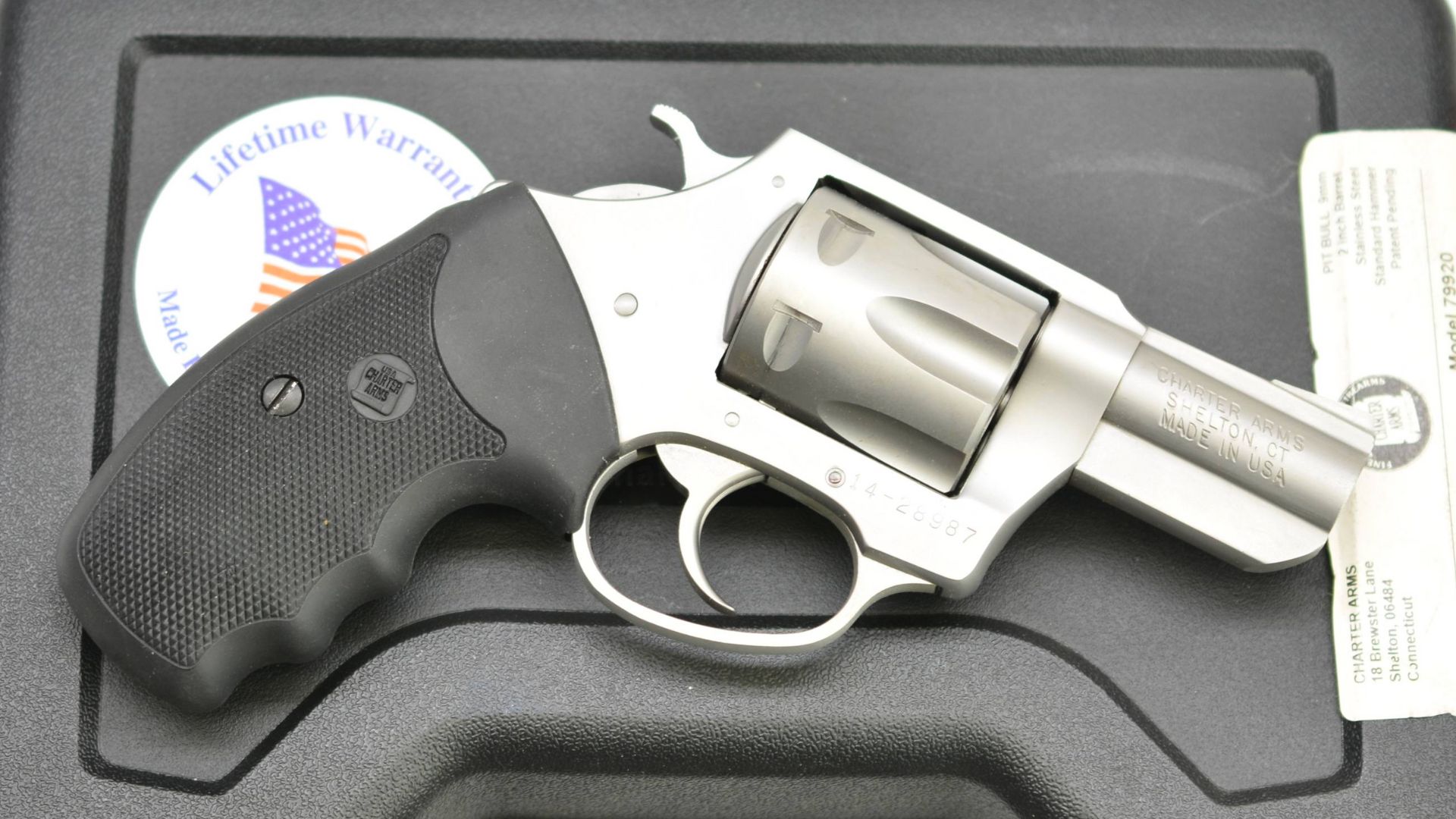
It’s an interesting idea—a revolver that shoots 9mm without moon clips. But execution matters. The Pitbull’s proprietary extractor system has been hit-or-miss, and extraction can feel inconsistent depending on the ammo.
You might grab one again for the novelty or convenience, but the gritty trigger, heavy pull, and questionable accuracy will remind you this isn’t a range revolver. Carrying it might sound good in theory, but most folks don’t keep them in the rotation for long. If you’ve already owned one, chances are you’ve already made your peace with it. The second time rarely lasts longer than the first.
Zastava M57 (Tokarev Clone)
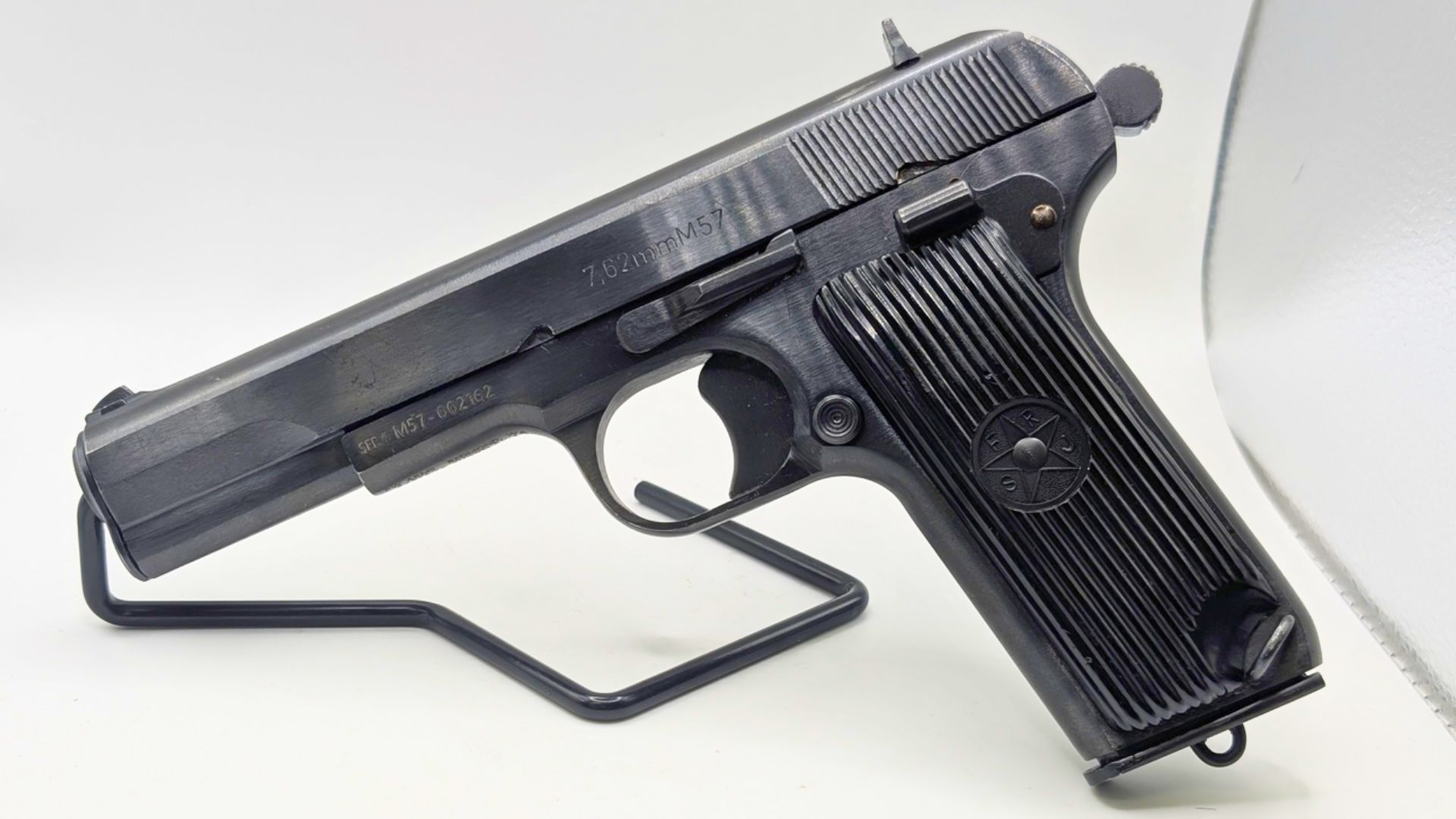
The M57 is cool in that surplus kind of way—long barrel, slim grip, and a powerful 7.62x25mm round. But if you’ve owned one, you already know it’s not exactly fun to shoot. Muzzle blast is loud, recoil is snappy, and surplus ammo isn’t as easy to come by anymore.
The safety on imported models is usually tacked on and awkward. Magazines aren’t always easy to find, and the sights are rudimentary at best. It might be tempting to grab another for nostalgia or collection reasons, but don’t expect a smooth experience. You sold the first one for a reason—and odds are, nothing’s changed.
Jimenez Arms JA Nine

The JA Nine makes the Hi-Point look refined. It’s heavy, has a rough trigger, and often suffers from reliability issues. It might fire a full mag now and then, but it’s not something you’d want to bet on.
You might pick up another out of morbid curiosity, but you’ll regret it halfway through your first range trip. Accuracy is laughable, and malfunctions are common. There’s a reason most shooters sell these fast—or avoid them entirely. If you’ve already let one go, there’s no reason to relive that mistake. Some lessons only need to be learned once.
Like The Avid Outdoorsman’s content? Be sure to follow us.
Here’s more from us:
The worst deer rifles money can buy
Sidearms That Belong in the Safe — Not Your Belt
*This article was developed with AI-powered tools and has been carefully reviewed by our editors.