
Photo credit: Savage Arms
Every hunter wants to believe the next ridge or clearing holds opportunity, but not every location is worth your time. Understanding the early warning signs of an unproductive area can save you hours of frustration and wasted effort.
If you learn to read the land, track patterns, and pay attention to the subtle details, you’ll make better decisions before setting up. These are the signs seasoned hunters notice — the small clues that tell you when it’s time to move on.
No fresh tracks or droppings anywhere

If you’re not seeing recent animal tracks, scat, or other signs of movement, that’s a strong indicator the spot is cold. Fresh sign is the heartbeat of any productive hunting area, and without it, you’re likely wasting your time.
Older, weathered tracks or droppings can mislead you into thinking the spot is active. Always check for moisture, sharp edges, and freshness. When the ground looks lifeless and the trails haven’t been touched, you’re better off shifting to an area with more consistent activity.
The wind works against you

A great location can turn useless if the wind isn’t in your favor. If your scent is blowing straight into where the animals are likely bedding or feeding, you’ll spook them before you ever see them.
Before committing to a spot, take a few minutes to test the wind with powder, grass, or a simple scent check. Experienced hunters know that ignoring wind direction is one of the fastest ways to ruin an otherwise promising hunt. No cover scent beats good positioning.
Human pressure is too obvious

If you find boot prints, spent shells, flagged trails, or permanent stands in every direction, chances are you’re stepping into an overhunted area. Animals quickly adapt and shift away from spots where human presence is too heavy.
That doesn’t always mean hunting pressure makes the entire property worthless, but it’s a clear sign to start scouting deeper pockets or overlooked corners. If it looks like every hunter before you has tried the same stand, you’re probably arriving to a quiet, empty setup.
The food sources have dried up

Animals go where the food is, and if a food source is depleted or hasn’t developed for the season, the area won’t hold consistent game. Whether it’s acorns, crops, or natural browse, a lack of fresh feeding sign is a big red flag.
Check for pawed-up soil, chewed stems, and trampled vegetation around food sources. If you’re not seeing any evidence of active feeding, it’s worth moving toward greener, more productive areas where animals have reason to stick around.
You’re hearing silence where there should be life

A quiet woods isn’t always bad, but total silence during peak hours can mean animals have shifted somewhere else. Lack of birdsong, rustling, or any natural movement often indicates low activity or heavy predator pressure.
Trust your instincts on sound. If you spend enough time outdoors, you start recognizing when a place feels empty. Sometimes the absence of life speaks louder than any single track or trail — especially if it stays quiet in an area that should normally be buzzing.
Terrain funnels aren’t being used
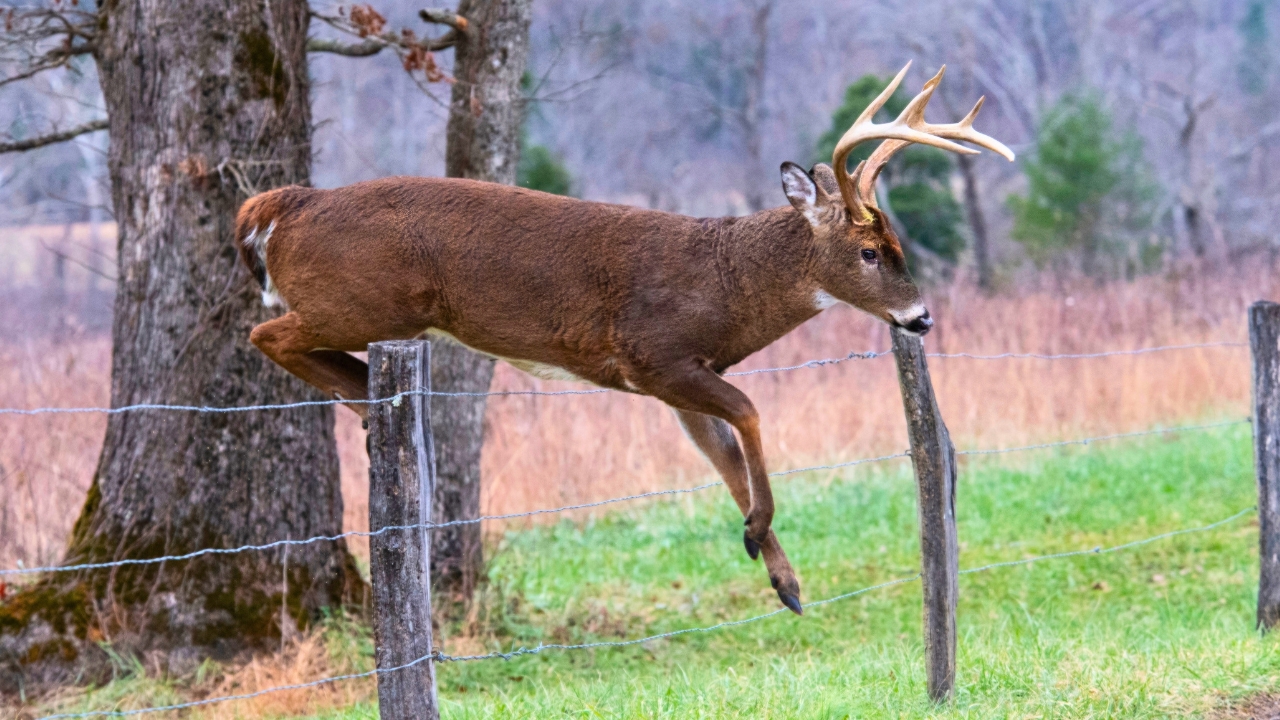
Game naturally travels through certain funnels — ridgelines, creek crossings, saddles, and pinch points — and if those show no sign of activity, you’re likely in the wrong section. These spots usually collect tracks and droppings because they concentrate movement.
Walk the trails leading in and out of potential funnels, and look for rubbed trees, scat, and worn paths. If nothing points to regular traffic, you’re better off finding a different corridor. A dead funnel is often a clear sign of a poor hunting setup.
Your gut says to move

Seasoned hunters know when something feels off. You might see sign, find decent cover, and still get that nagging sense you’re wasting time. Experience sharpens that instinct, and more often than not, it’s worth listening to.
Trusting your gut isn’t about guessing — it’s about picking up on subtle patterns you’ve seen before. If your intuition tells you to relocate, follow it. More hunts fall apart from stubbornly sticking to a bad spot than from moving when conditions don’t feel right.
*This article was developed with AI-powered tools and has been carefully reviewed by our editors.


