Photo credit: USOG/YouTube
A rifle doesn’t become a safe queen because it’s fragile. It becomes a safe queen because the clean ones stop showing up, and the owner realizes they can’t replace it without paying real money. That shift happens quietly. One year you see them in every used rack. A couple years later you only see rough examples, while the nice ones get scooped up and put away.
It’s also a condition problem. A lot of once-common rifles were treated like tools—great for hunting seasons, riding in trucks, getting leaned in corners. That use didn’t ruin them, but it thinned the pool of truly clean rifles. Now collectors pay for originality, matching parts, correct finishes, and unaltered stocks. When you own one that checks those boxes, you start wiping it down instead of dragging it through brush, because you know you’re holding something that quietly crossed into “don’t mess it up” territory.
Colt AR-15 SP1
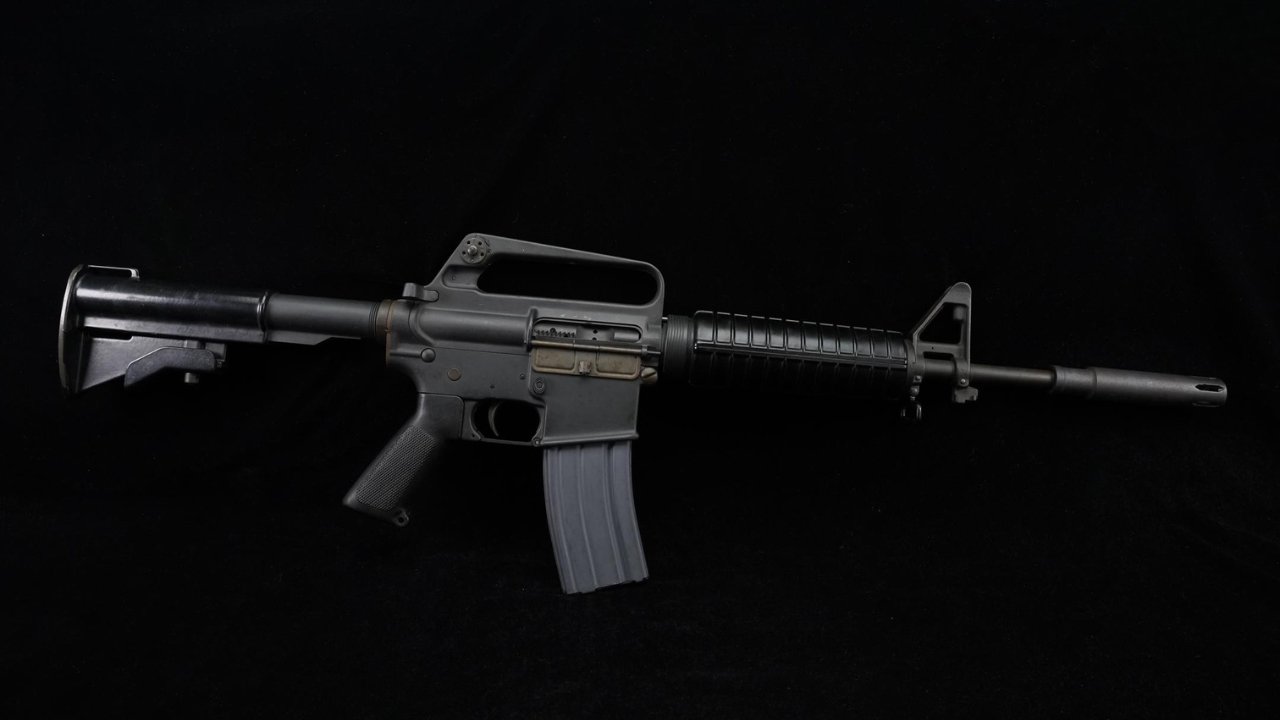
The SP1 used to be the older Colt you’d see at shows and in closets—interesting, but not always treated like a collectible. Then the early Colt market caught fire. Once people started chasing original configuration rifles with correct parts and finish, clean SP1s stopped being casual buys.
The change is easy to understand once you handle a truly clean one. The finish, the markings, the “period correct” feel—those are details collectors care about, and they don’t survive heavy use forever. Plenty of SP1s got modified during the years when nobody cared. That makes unaltered rifles more desirable now, which pushes owners into safe-queen behavior. You can still shoot it, but if yours is clean and original, you’ll think twice before you treat it like a modern range beater.
Colt Match Target (pre-ban era examples)
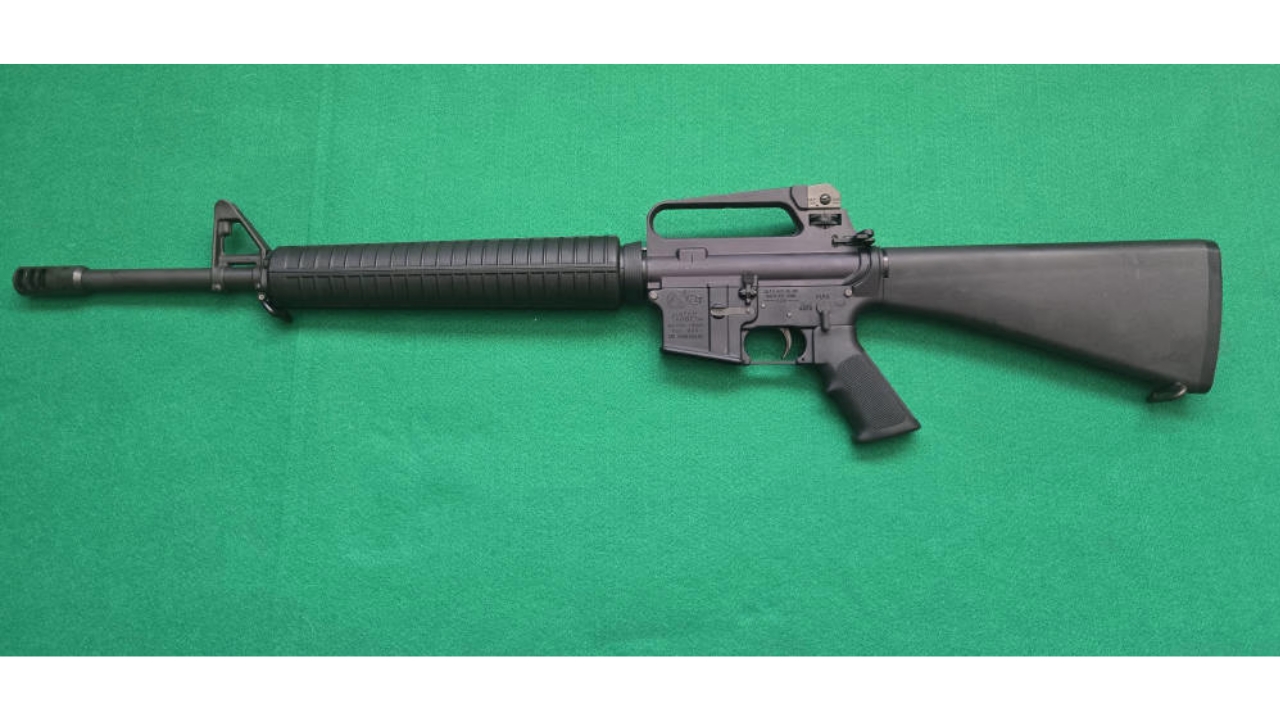
Older Colt Match Target rifles used to be seen as “nice Colts” more than “collector Colts.” As the market has separated older configurations and features into distinct eras, certain clean examples started getting treated like they belong in a collection rather than a truck.
A big part of it is that the AR world is flooded with options, but it’s not flooded with older Colt originality. When people want that specific Colt history, they don’t want a clone. They want the real thing, and they want it unmodified. Once you realize the supply of clean rifles isn’t endless, you start behaving differently with your own. You keep the original parts, you stop tinkering, and the rifle goes from “shooter” to “preserved,” even if it still gets fired occasionally.
HK SL7

The SL7 is one of those rifles that used to be “cool and uncommon” but not always treated like an investment. As availability tightened and collector interest climbed, it crossed into safe-queen territory fast—especially for clean rifles with original accessories.
It’s also a rifle that attracts a very specific buyer. If someone wants an SL7, they’re not shopping broadly. They’re hunting that exact model, and they usually care about condition. That kind of focused demand pulls clean examples off the market quickly. Once owners realize they’re holding something that’s difficult to replace, they start protecting it. The rifle becomes the kind you store carefully, not the kind you toss into the backseat. It’s not that it can’t handle use. It’s that the clean ones are becoming harder to justify as “use it hard” rifles.
HK SL8 (early imports)

The SL8 used to be the oddball HK you could find if you looked around. Over time, early examples in clean condition have gotten harder to stumble into, and they’ve started being treated with more care—especially if they haven’t been altered.
A lot of SL8s got modified when owners tried to turn them into something else. That’s fine for shooters, but it shrinks the pool of original rifles. Originality is where safe-queen behavior starts. When you’ve got a clean SL8 that still has its correct parts and finish, you’re holding something fewer people have every year. That reality changes how you treat it. You store it better. You stop loaning it out. It stops being a “project gun” and starts being a “keep it right” gun.
FN PS90
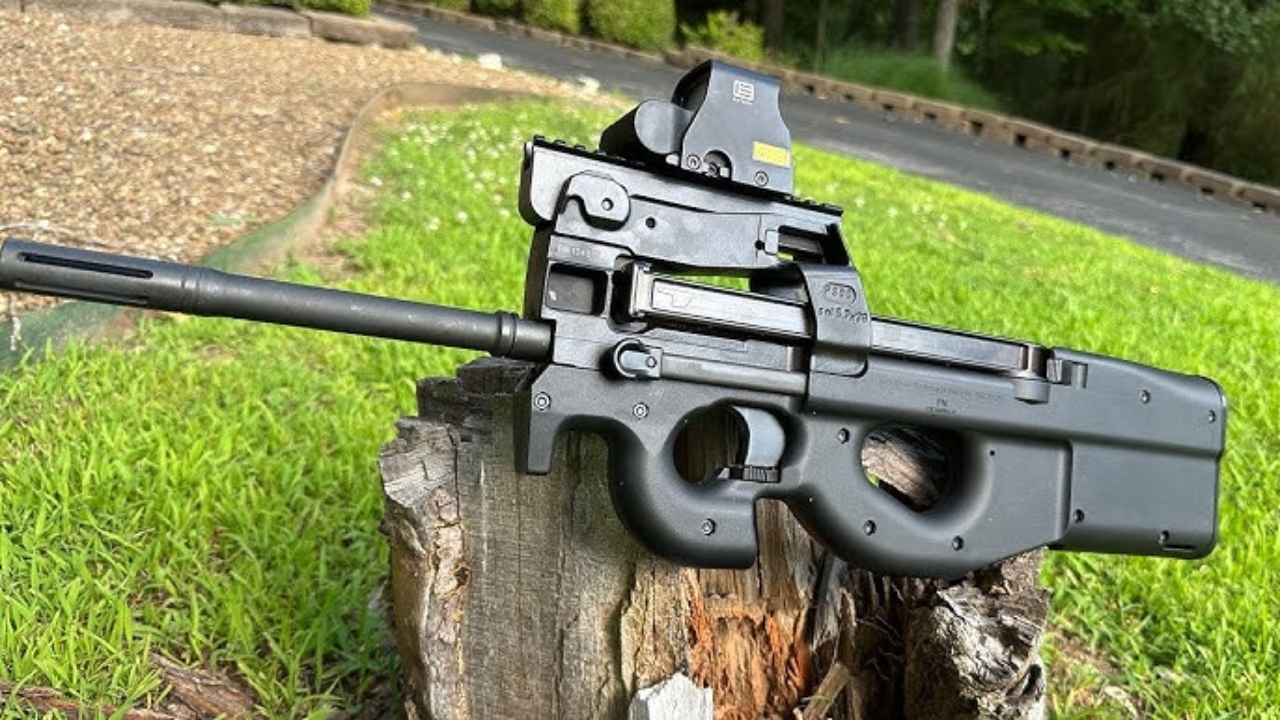
The PS90 was once a rifle you saw fairly often because it was fun, different, and widely recognized. As interest in unusual calibers and iconic platforms has grown, clean PS90s started getting snapped up faster, especially with original configuration rifles and clean condition.
The platform has a strong identity, and identity drives collector behavior. People don’t buy a PS90 because they need it. They buy it because they want that specific rifle. When demand is tied to a very specific look and feel, clean examples get protected. Owners start keeping boxes, manuals, and original parts. You can still shoot it, but a clean PS90 has become the kind of rifle people hesitate to beat up. They’re not making more early, untouched examples, and that scarcity pushes the rifle into safe-queen life.
Springfield Armory SAR-48

The SAR-48 used to be one of those rifles you might see in a shop and think, “That’s neat,” without feeling urgency. As collector interest in imported FAL variants has increased, clean SAR-48s have gotten pulled out of circulation. The market has gotten more condition-sensitive, and that changes everything.
A lot of SAR-48 rifles were used like they were meant to be used, and that’s part of the appeal. The problem is that honest use thins out truly clean rifles. Once collectors start paying for original finish, correct parts, and unaltered stocks, owners start being careful. They stop treating it like a range toy and start treating it like a rifle you preserve. You can still hunt with it, but most people who own a very clean SAR-48 now keep it nicer than they would have years ago.
Pre-64 Winchester Model 70

The pre-64 Model 70 was once the classic rifle people hunted hard for decades. Many still do, but the clean ones have shifted into a different category. A pre-64 in strong condition, with original finish and an uncut stock, feels less like a tool and more like a piece of history.
The pool of truly clean pre-64 rifles is smaller than it looks because so many were used honestly. That honest use is not a bad thing, but it creates scarcity at the top end. When you own one that hasn’t been drilled, modified, or refinished, you start protecting it. The rifle becomes something you handle carefully, store properly, and maybe shoot occasionally instead of dragging through every season. That’s how a once-common hunting rifle becomes safe-queen material.
Remington Model 700 (older clean examples)

The Model 700 was the default hunting rifle for a huge chunk of American shooters. That’s why it feels strange to call it safe-queen material, but certain older clean rifles have started getting treated that way. The reason is simple: the truly clean, unmodified examples are getting harder to find.
Many 700s were rebarreled, restocked, drilled, and customized—because they were common and because they were great platforms. That’s exactly what shrinks collector-grade supply. When you find a clean older 700 with original finish and stock, it stands out now. Owners keep them original, protect the finish, and stop treating them like a blank canvas. The rifle that used to be “everywhere” becomes a rifle you keep nice because replacing that level of condition is not as easy as it used to be.
Remington 788

The 788 was a working rifle that people bought because it shot well for the money. Many got used hard, carried a lot, and never babied. That’s the story with most rifles that become safe queens later: they were so useful that people wore them out.
Today, a truly clean 788 is harder to find than people expect. When you see one with a clean stock, good finish, and a strong bore, it doesn’t feel like a bargain beater anymore. It feels like something you preserve because you don’t see them like that often. The rifle has also gained respect over time for its accuracy, and that pushes collector interest. If you own a clean 788, you start treating it differently, even if you still shoot it.
Ruger M77 (tang safety)

Tang-safety Ruger M77 rifles used to be common in hunting camps. They were dependable, they held up, and nobody thought twice about scuffing one up. Now, clean examples with original stocks and finish are getting harder to stumble into, and collectors have noticed the difference.
The tang-safety era has a specific feel that people seek out. It’s not about outperforming modern rifles. It’s about owning a rifle from a period Ruger fans remember fondly. Once you realize the clean ones are disappearing, you stop treating yours like a rough-use tool. You keep it original. You protect the wood. You avoid modifications that would have been normal twenty years ago. The rifle doesn’t change. The market does, and that market pressure turns a camp rifle into something you keep behind a safe door.
Savage 99

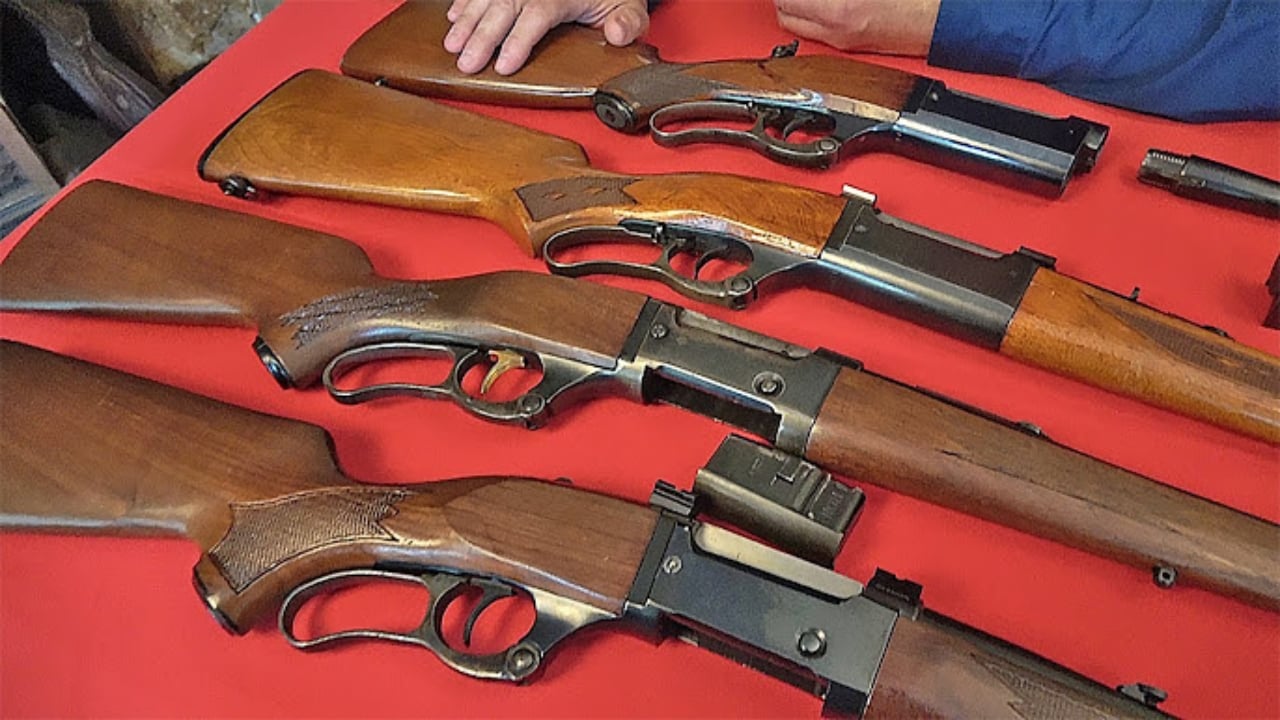
The Savage 99 was once a practical deer rifle that showed up all over the place. Plenty of them were hunted hard, and that’s why clean examples feel different now. When you find a 99 with crisp checkering, clean blue, and solid mechanics, it doesn’t feel like a casual pickup.
The 99 has also gained collector attention because it represents a design you don’t really see anymore. That distinctiveness drives demand, and demand shrinks the supply of clean rifles. Owners start getting careful. They store them properly, avoid harsh use, and treat them like something you preserve rather than something you drag into bad weather. You can still hunt with one, but the cleaner the rifle is, the more it starts living like safe-queen material because you know finding another clean one won’t be easy.
Winchester Model 88

The Model 88 used to be one of those rifles you’d see in a rack and think, “That’s a cool lever,” then move on. As collectors have chased mid-century American designs harder, clean 88s have gotten pulled out of circulation. Condition matters a lot here because so many were used honestly.
The 88 also lives in that middle ground where it appeals to hunters and collectors. Hunters like how it handles, collectors like what it represents. When both groups want the same clean rifles, the market tightens quickly. If you’ve got a Model 88 that hasn’t been refinished or altered, you start treating it differently. It becomes the rifle you keep nice and maybe shoot, not the rifle you drag through every season.
Browning BLR (older steel versions)

The BLR used to be a practical lever-action that people bought because they wanted box-magazine function with lever handling. Older steel BLRs in clean condition have become more “keeper” rifles as the lever market has grown and collectors have gotten more selective.
A lot of BLRs got hunted hard, which is what they were made for. The problem is that hard use thins the pool of rifles that still look new. When you find a clean older BLR with original finish and clean wood, it stands out now. Owners treat them with more care, store them properly, and stop using them like rough tools. It’s not that you can’t hunt with one. It’s that a clean older BLR has quietly crossed into the category where people think about preserving it because replacing that condition costs more than it used to.
Ruger Gunsite Scout Rifle (early runs)

The Gunsite Scout started as a modern working rifle, and plenty of them still are. But early clean examples have begun to get treated like “keep it nice” rifles because the model has a following and specific configurations draw interest. When a rifle has a loyal fan base, clean early examples tend to get tucked away.
The Scout also invites personalization, which means many have been altered heavily. That makes original rifles stand out more over time. If yours is clean and close to stock, you start keeping it that way because you know it’s becoming less common. It’s still a practical rifle, but this is how safe-queen behavior starts with modern guns: people realize the clean, original ones are disappearing, and they start preserving what they have.
Ruger 10/22 (early clean carbines)

The 10/22 might be the most “common” rifle on this list, which is exactly why the safe-queen shift is so interesting. Clean early carbines with original parts and finish are getting harder to find because most 10/22s got customized. People swapped stocks, barrels, triggers, and everything else because the platform made it easy.
That modification culture creates scarcity for original rifles. When collectors decide they want an early, clean, correct 10/22, they aren’t shopping the entire 10/22 world. They’re shopping the small slice that stayed original. Once you own one in that condition, you start treating it carefully because you know how many were altered. You can still shoot it, but it becomes the rifle you keep “right,” because original examples are quietly becoming harder to replace.
Like The Avid Outdoorsman’s content? Subscribe to our newsletter so you never miss an article.
Here’s more from us: