Photo credit: BR Photo Addicted/Shutterstock.com
Carrying with one in the chamber is one of those topics that never stays quiet for long. On paper, it’s a speed advantage. In real life, it’s also a responsibility advantage—because you’re choosing a setup that demands good gear, good habits, and a little humility about how fast things can go sideways.
If you carry for defense, you’re planning for problems that start up close, fast, and ugly. That reality pushes a lot of experienced carriers toward a chambered handgun. At the same time, most negligent discharges happen during handling—not during a fight. That’s the tension: the chamber buys readiness, while your routine determines the risk.
You don’t win this debate with bravado. You win it with an honest look at your holster, your carry position, your training, and how you handle the gun when nobody’s watching. Done right, one in the chamber can be a smart, measured choice. Done sloppy, it’s an accident waiting for a date.
Speed matters when your hands are busy
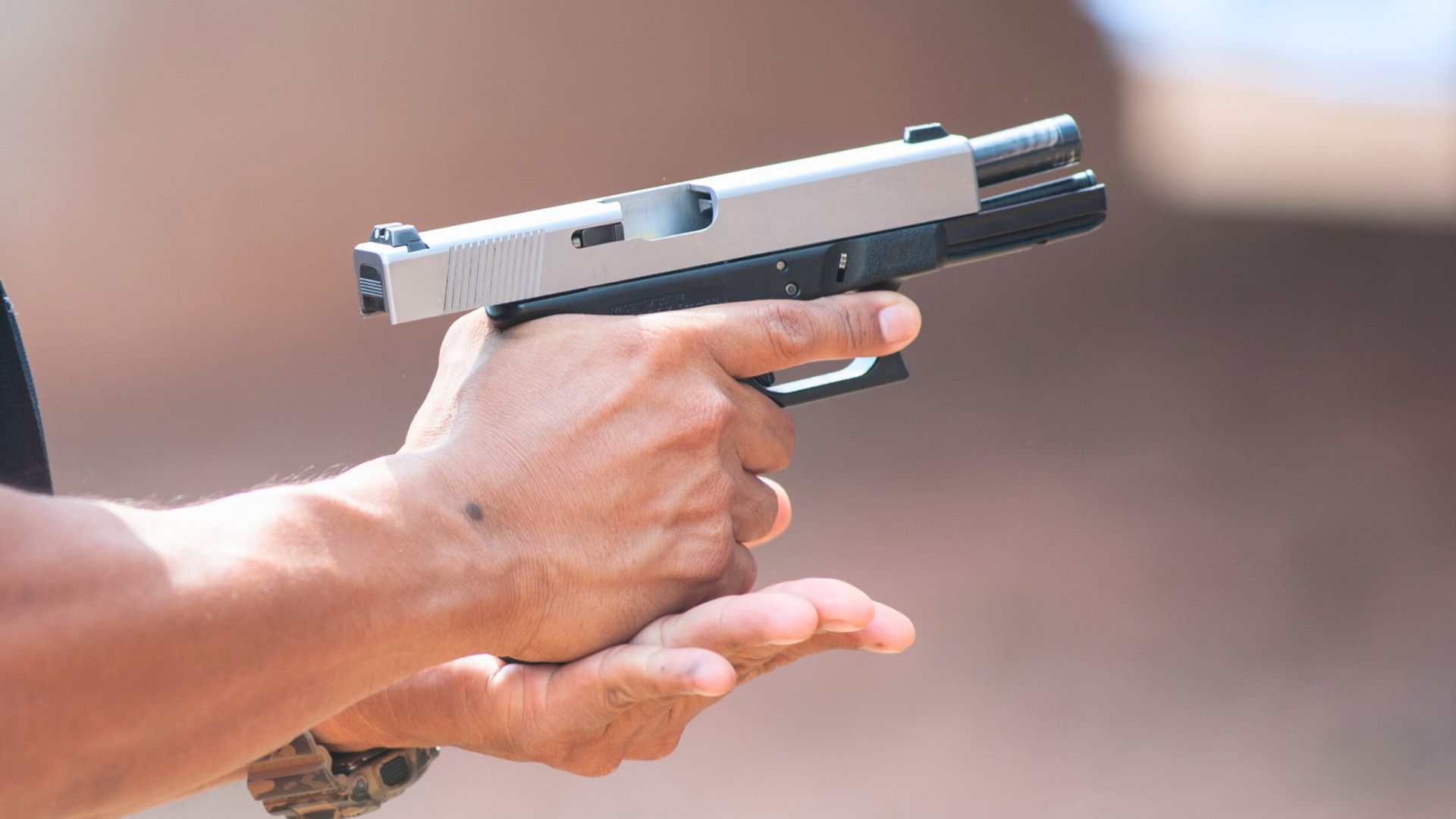
A fight doesn’t schedule itself around your draw. If you’re fending off a grab, holding a kid, carrying groceries, or getting shoved off balance, you may not have two clean hands to rack a slide. Chambered carry keeps the gun’s first shot available with one hand and a solid grip.
That speed isn’t about being flashy. It’s about reducing steps under stress. Every extra action is another chance to fumble, short-stroke, or lose control of the pistol. If you carry to stop a sudden, close threat, removing that extra step is a real advantage.
The “rack it on the draw” plan breaks under pressure

People like the idea of chamber-empty carry because it feels safer. The problem is the plan often assumes perfect timing and space. In a real encounter, you might be clinched up, pushed against a car, or moving backward while trying to get the gun out.
Racking the slide also changes your drawstroke. You’re adding a motion that can snag clothing, lose the grip, or send the gun out of alignment. Even when it works, it can cost time you don’t have. If you choose chamber-empty carry, you’re accepting a technique that demands more than most folks practice.
Most accidents happen during handling, not shooting

The risk side of chambered carry is real, and you don’t need scary stories to prove it. Most negligent discharges happen during loading, unloading, holstering, or showing the gun to someone. That’s where fingers drift, shirts sneak into triggers, and attention slips.
Chambered carry raises the consequences of sloppy handling. It doesn’t create the sloppiness, but it punishes it. If you’re honest about your habits—rushing in the truck, adjusting in the waistband, reholstering while distracted—that’s where you tighten up. The safest carry choice is the one that forces you into disciplined routines every day.
Holster quality is the whole game
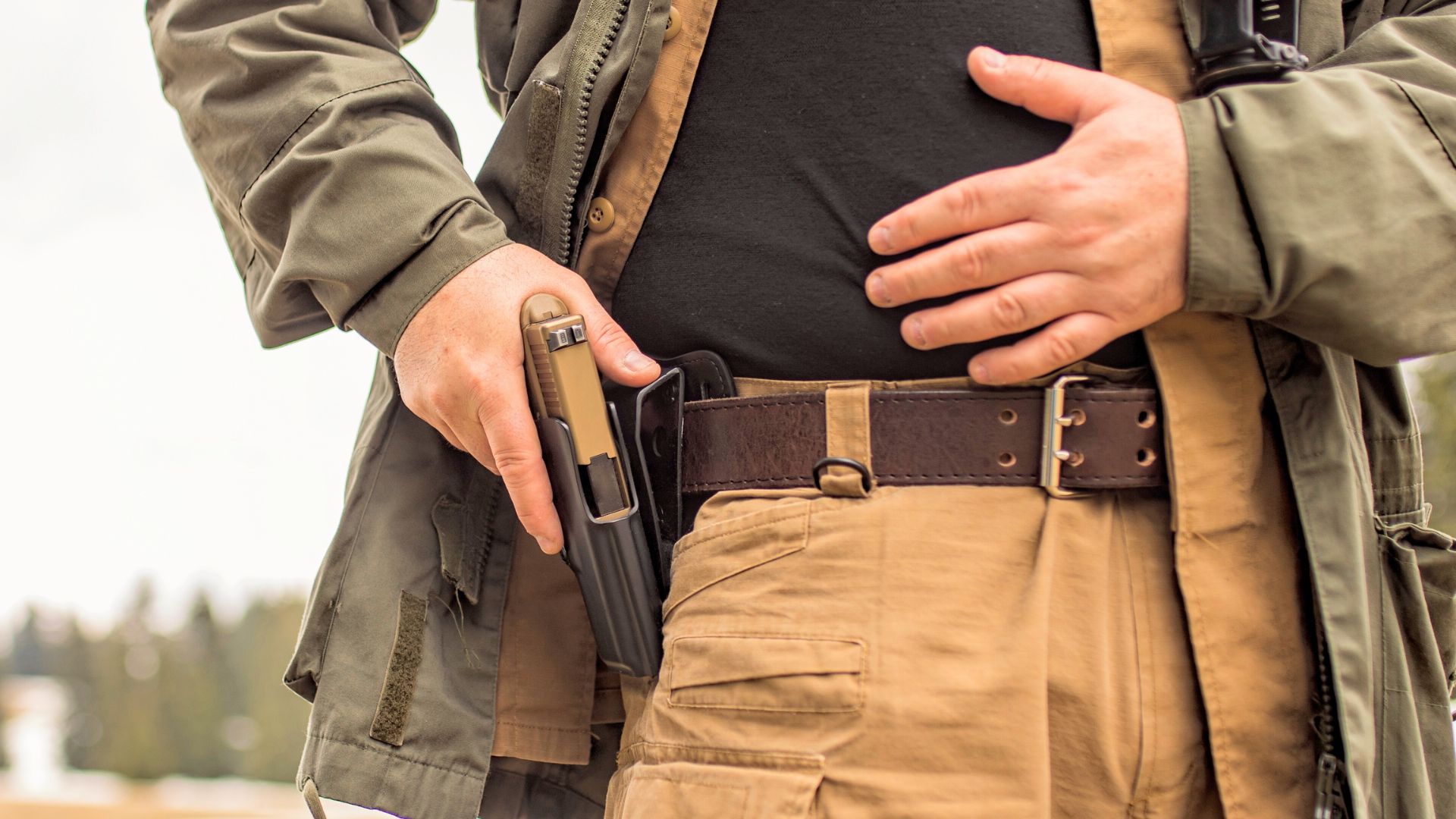
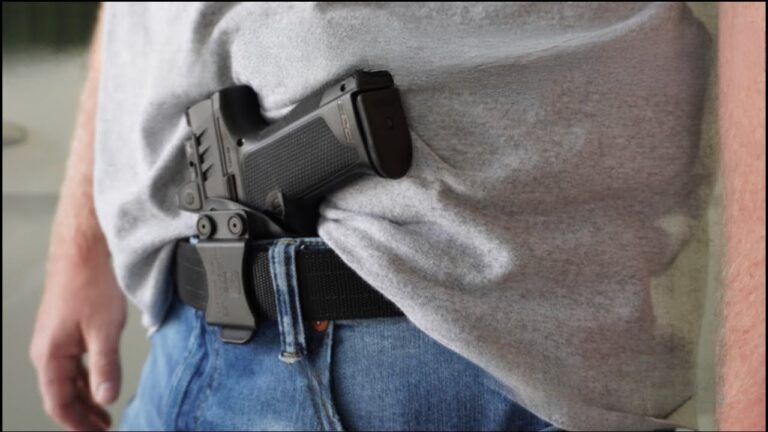
A chambered handgun belongs in a holster that fully covers the trigger guard and stays open when the gun comes out. Soft, collapsing holsters and flimsy “universal” rigs invite trouble because they let the trigger get contacted during holstering or shifting.
Retention matters too. If the holster moves around, you’ll fiddle with it. Fiddling is where mistakes happen. A solid belt and a holster made for your exact model reduce the urge to adjust. If you’re going to carry chambered, treat the holster like life-saving equipment, because that’s what it is.
Your trigger finger is the real safety
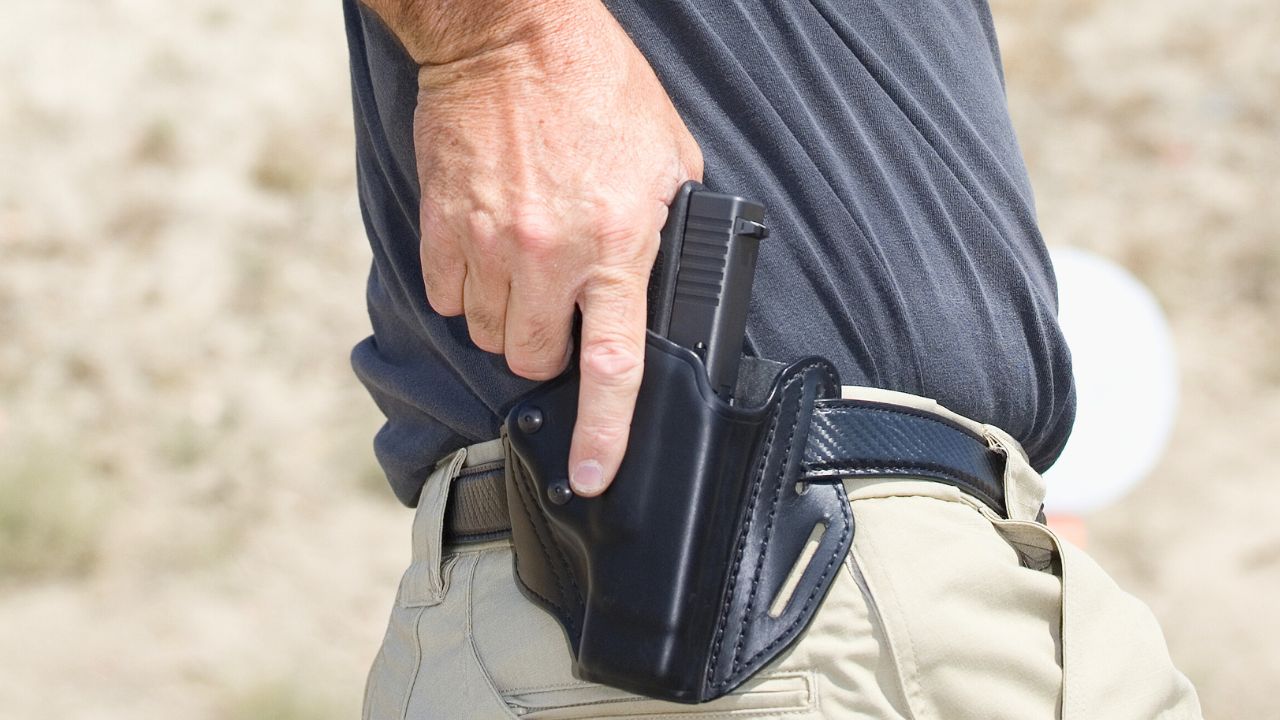
Modern handguns have multiple internal safeties, but none of them replace discipline. If your finger stays high on the frame until you’ve decided to fire, the gun doesn’t go off. If your finger sneaks inside the guard while you’re drawing or holstering, you’ve created the danger.
That’s why good shooters harp on the same boring habits. Finger discipline isn’t dramatic, but it’s the difference between a safe, chambered carry and a liability. You can carry chambered for decades without an incident when your finger stays where it belongs and your movements stay deliberate.
Striker-fired pistols demand extra respect
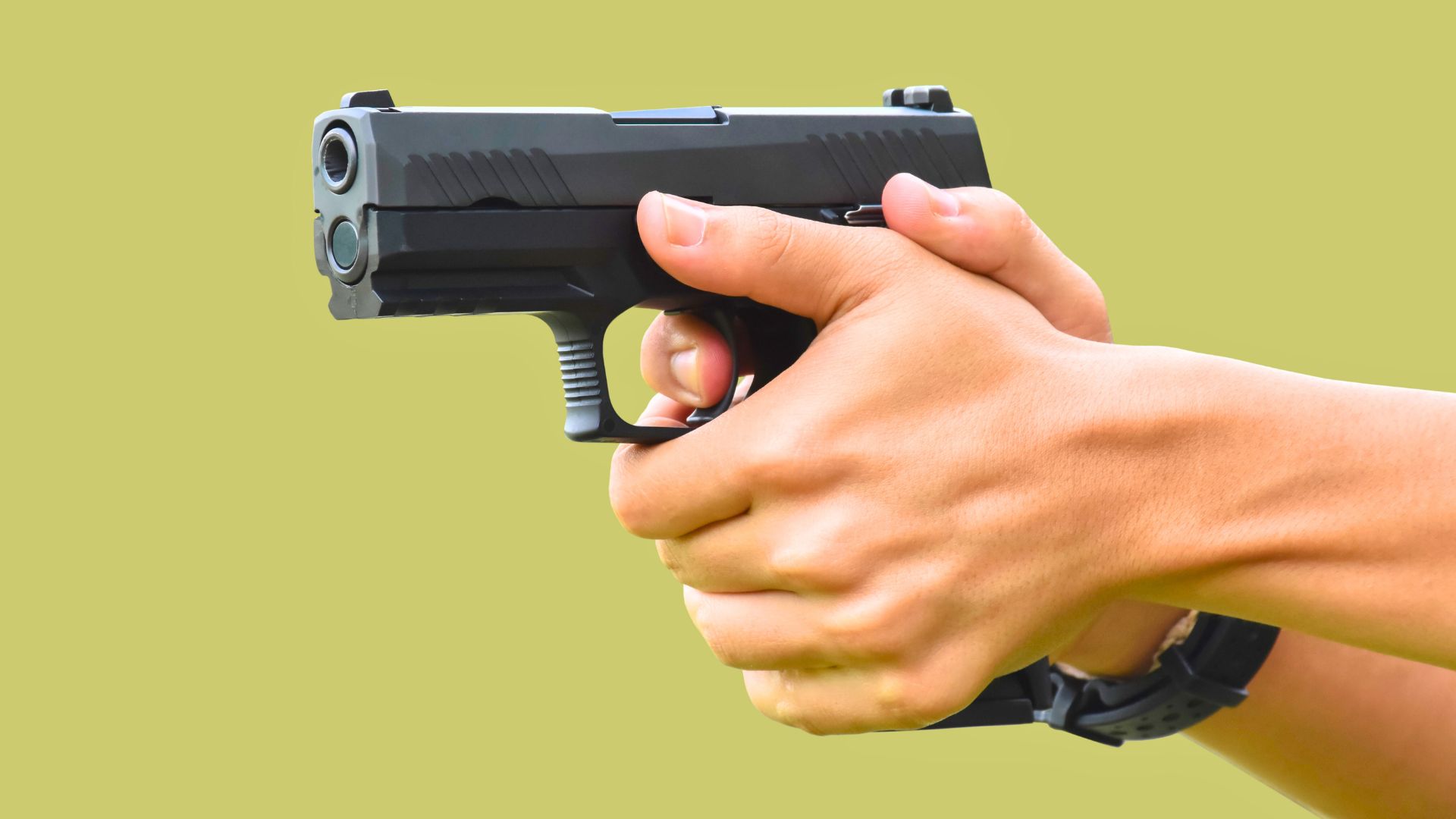
Striker-fired carry guns are popular for a reason: consistent trigger, easy controls, good capacity. The tradeoff is that many striker triggers are lighter than a traditional double-action first pull. With one in the chamber, that means your holster and your technique have to be solid.
This isn’t an indictment of striker guns. It’s a reminder that “safe” comes from the full system—holster, belt, carry position, clothing, and habits. If you carry a striker-fired pistol chambered, focus hard on clean draws, slow reholstering, and zero tolerance for gear that doesn’t lock down the trigger guard.
Double-action first shots can be more forgiving

DA/SA pistols and traditional double-action carry guns give you a longer, heavier first press. That doesn’t make them “accident-proof,” but it can add a layer of forgiveness when stress and sloppy handling show up.
The catch is that you still need to manage the transition to the lighter follow-up shots. If you carry DA/SA, your training has to include that first press, not only the easy shots after it. Chambered carry with a DA/SA can be a smart balance when you commit to learning the trigger and keeping your decocker routine consistent.
Manual safeties help, but they aren’t magic

A thumb safety can add security, especially on pistols designed around it. It can also create a false sense of comfort if you treat it like a substitute for a real holster or real discipline. Safeties are mechanical parts. Parts can be missed, worn, or handled wrong under stress.
If you carry with a manual safety, the key is consistency. You swipe it off the same way every draw, and you keep your finger out of the trigger guard until you mean it. Chambered carry with a safety can work very well, but only when the safety is part of a practiced routine, not a lucky charm.
“Cocked and locked” works when you’re trained for it

A 1911-style setup—chambered, hammer back, safety on—can be safe and effective in the right hands. The design was built around that method, and plenty of serious shooters have carried that way for a long time.
The responsibility is that you don’t half-learn it. You need a holster that protects the safety from getting wiped off, and you need reps so the safety comes off during the draw without thought. Done right, it’s fast and controlled. Done carelessly, it turns into constant gear checking and nervous adjustments, which is the opposite of safe.
Revolvers change the conversation, not the stakes

With a revolver, “one in the chamber” is a different phrase. The gun is loaded and ready as long as it’s loaded. Many modern double-action revolvers have long, heavy trigger pulls that reduce the odds of an unintended discharge during normal carry.
That doesn’t mean you can relax. A revolver still needs a real holster that covers the trigger guard and holds the gun steady. You still keep your finger out of the guard. You still avoid careless handling. The revolver’s readiness is steady, but the safety still comes from your habits, not the mechanical design alone.
Pocket carry makes chamber status more critical
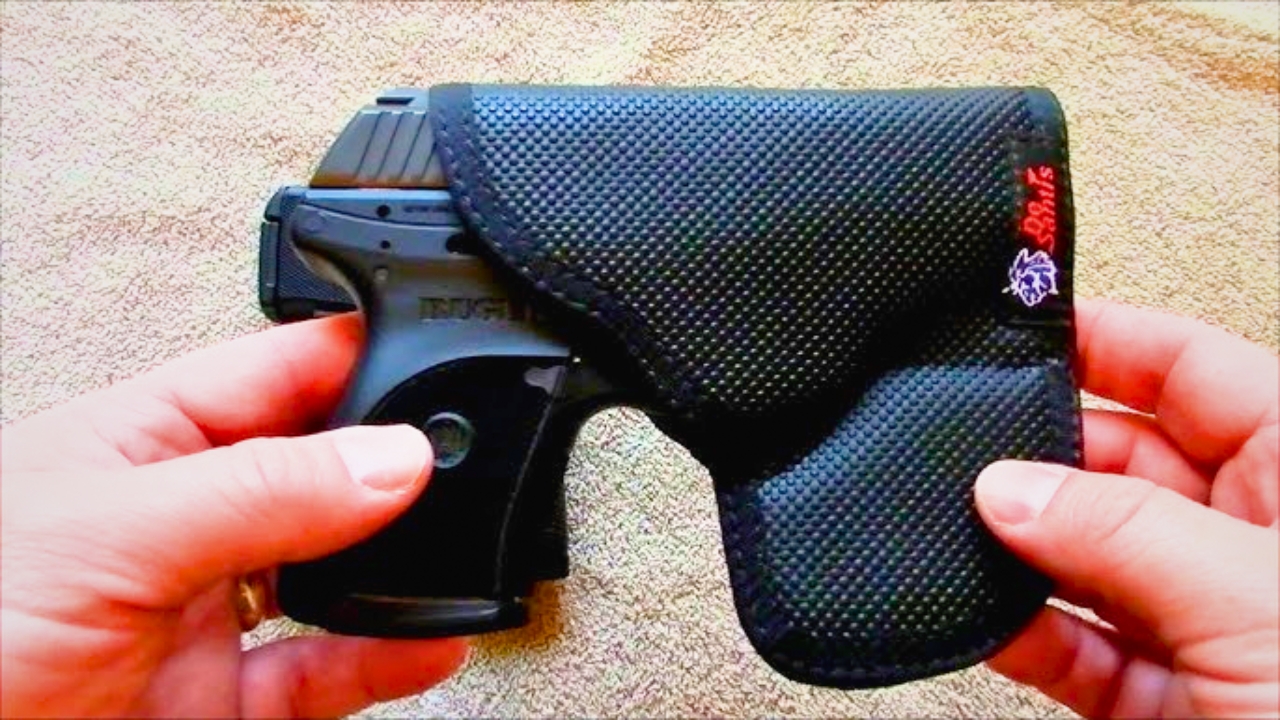
Pocket carry is where a lot of arguments get loud. The reality is that pocket carry can be safe, but only with a true pocket holster that covers the trigger guard and keeps the gun oriented. A loose gun in a pocket is a bad plan, chambered or not.
If you pocket carry chambered, your pockets have to be clean. No keys, no coins, no junk. The draw has to be practiced so the holster stays in the pocket. Pocket pistols already demand compromises. You don’t add risk by treating your pocket like a junk drawer.
Appendix carry rewards precision and punishes sloppiness

Appendix carry can conceal well and draw fast, and that’s why serious carriers use it. It also points the muzzle at places you really don’t want to gamble with. Chambered appendix carry demands careful holstering, careful clothing management, and a holster that locks down position.
The biggest rule is slowing down when the gun goes back in the holster. You clear cover garments fully, you watch the holster mouth, and you stop if anything feels wrong. The draw can be fast. The reholster should be controlled. That one decision prevents a lot of painful, permanent mistakes.
Reholstering is where people get hurt

Defensive shootings are rare. Administrative handling is daily. That’s why reholstering deserves more attention than speed. Many negligent discharges happen when someone rushes the gun back into the holster with a shirt tail, drawstring, or jacket cord drifting into the trigger area.
Chambered carry makes this moment unforgiving. The fix is boring and effective: slow down, clear the path, and reholster with intention. If you’re in a situation where you’re shaky or distracted, there’s no prize for racing the gun back into place. Safe carry is built on unglamorous choices.
Training decides whether chambered carry is an asset
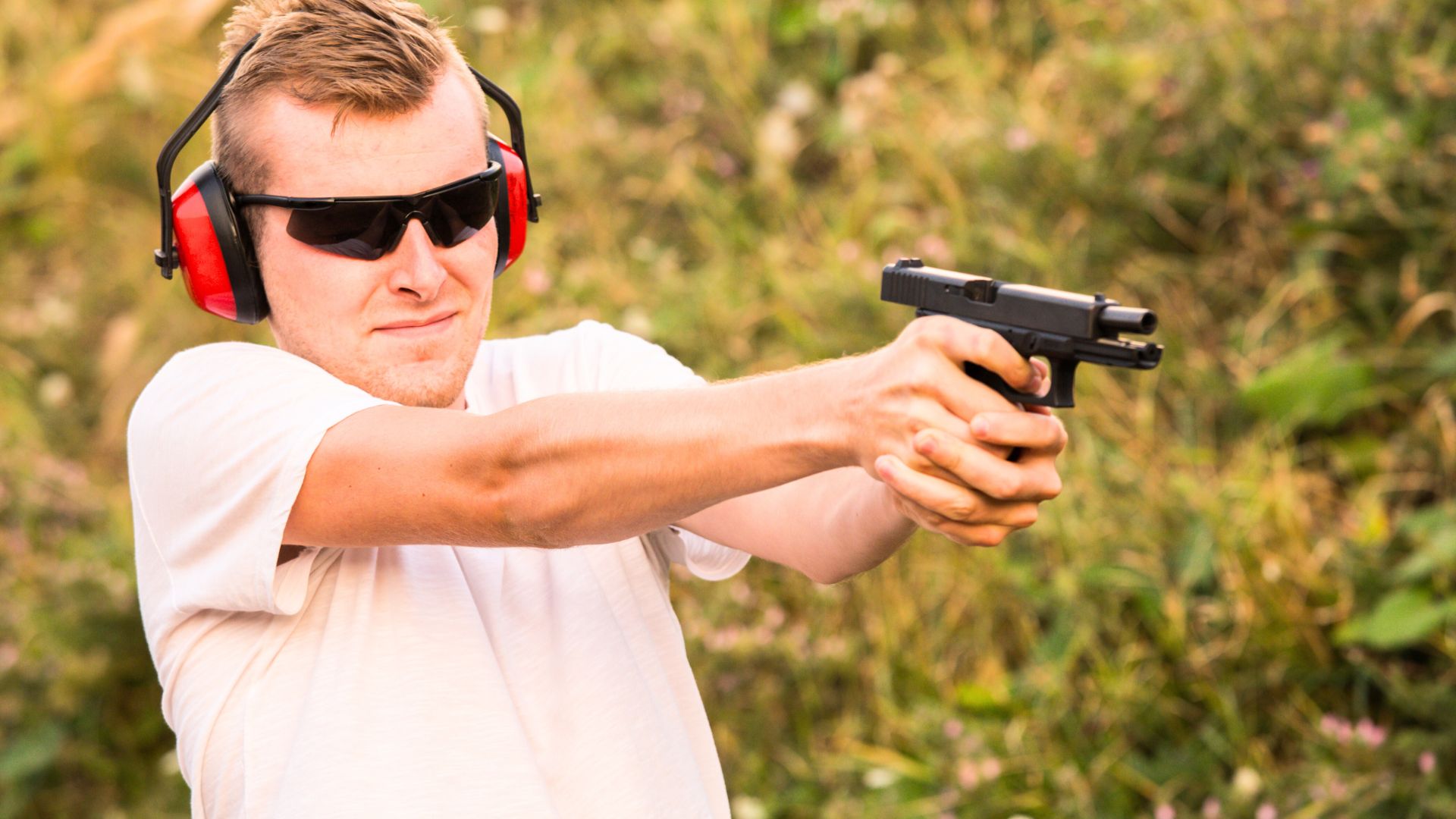
If you carry chambered but never practice, you’re carrying potential without control. You want dry-fire work that builds a clean draw, a clean trigger press, and a clean reholster. You also want live-fire practice that includes draws from concealment, realistic strings, and one-handed shooting.
Training also teaches you what your gear does under pressure. Does your holster collapse? Does your belt let the gun shift? Does your cover garment foul your grip? Chambered carry is a readiness tool. Training turns that readiness into competence. Without that, it’s only a louder argument.
Mechanical failures are rare, but negligence is common

Modern handguns are engineered to be carried loaded. Drop safeties, firing pin blocks, and trigger safety systems exist because serious people demanded them. A properly functioning handgun in a proper holster doesn’t fire on its own.
Negligent discharges, on the other hand, happen because humans do human things: rushing, multitasking, cutting corners, and getting casual. Chambered carry doesn’t create that risk. It reveals it. If you want the benefits of one in the chamber, you build systems that make negligence harder—good holsters, consistent routines, and a hard rule about trigger discipline.
The legal and practical aftermath favors competence

After any defensive gun use, you’ll be judged on decisions and behavior. That includes how you carried, how you handled the firearm, and what you did before and after the incident. A negligent discharge is a nightmare outcome, and it often starts with careless handling, not a mechanical problem.
Chambered carry isn’t “right” or “wrong” on its own. What matters is whether you can carry it responsibly and demonstrate that you took safety seriously. Competence isn’t only for the range. It shows up in the way you load, holster, store, and handle the gun every single day.
A responsible carry setup has a checklist feel

If you choose chambered carry, the decision should come with standards. Your holster covers the trigger guard completely. It stays rigid and stable. Your belt supports it. Your carry position doesn’t force constant adjustments. Your clothing doesn’t interfere with holstering.
Your routine matters too. You load and unload deliberately, not in a hurry. You keep your finger indexed until you’re on target and committed to firing. You reholster slowly with your eyes on the holster mouth. That’s not paranoia. That’s what smart, experienced carry looks like when you want readiness without gambling.
Like The Avid Outdoorsman’s content? Subscribe to our newsletter so you never miss an article.
Here’s more from us: