Photo credit: By Unknown(Life time: ), Public domain, via Wikimedia Commons
The Old West was full of dust, cattle, and people settling things at gunpoint. Some shootouts were over land, others over cards or grudges—but the guns used in those moments left their mark. You’ll see some familiar names here, both in men and firearms. These aren’t movie scenes. These were real standoffs with real guns—Colts, Winchesters, and scatterguns that helped shape frontier law and lawlessness.
Gunfight at the O.K. Corral — Colt Single Action Army
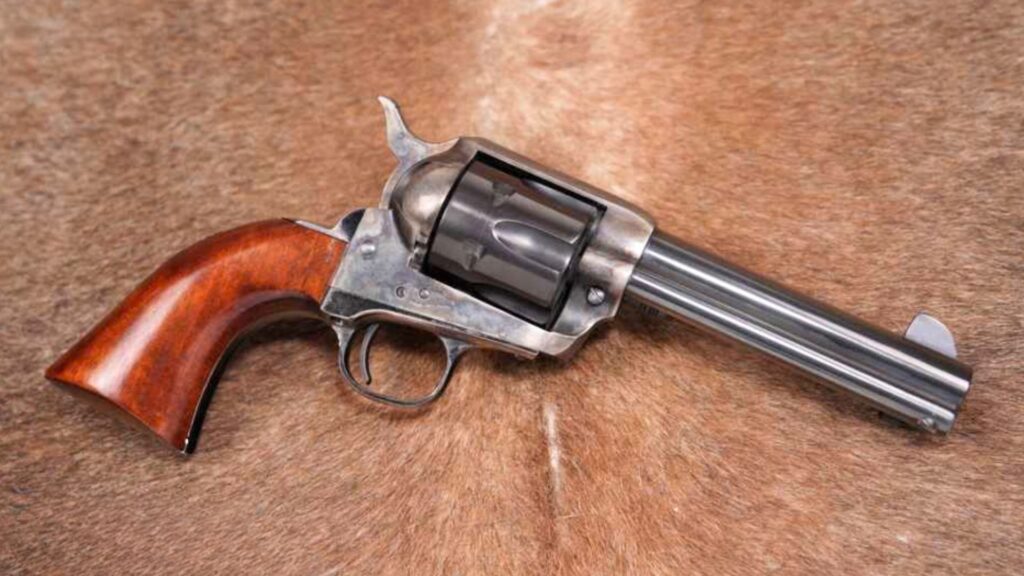
When Wyatt Earp, Doc Holliday, and the rest of the lawmen squared off with the Cowboys in Tombstone, Arizona, the Colt Single Action Army was front and center. It was the sidearm of choice in 1881, reliable and easy to handle in a fast draw. Doc reportedly carried a nickel-plated version with ivory grips, while Virgil Earp used a shorter-barreled variant. This shootout only lasted about 30 seconds, but the gun’s role in it made it one of the most recognized revolvers in American history.
Wild Bill Hickok vs. Davis Tutt — 1851 Navy Colt
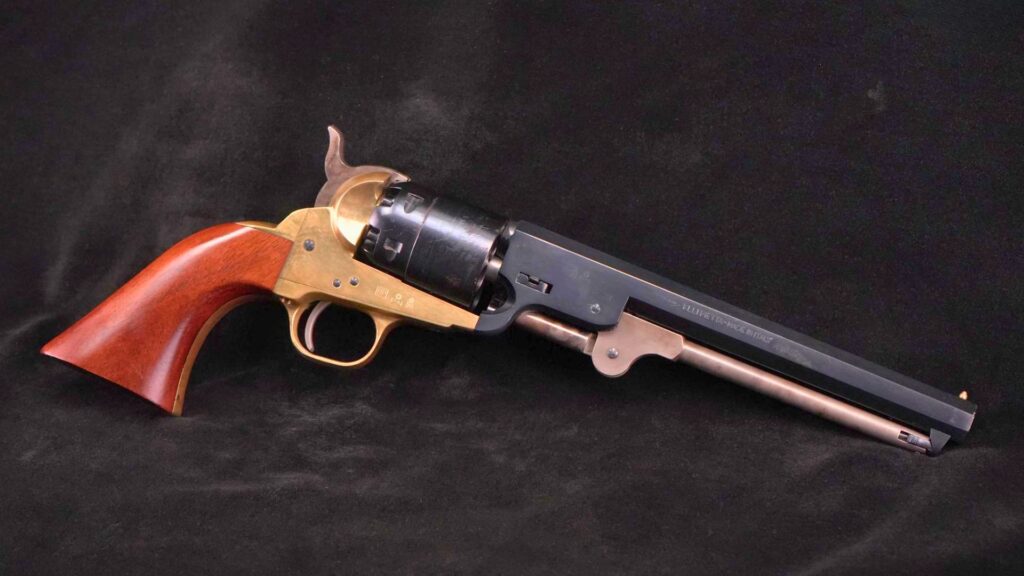
This one-on-one duel in 1865 set the tone for how the public saw Wild West shootouts. Wild Bill used a Colt 1851 Navy revolver with precision at around 75 yards—a serious distance for a pistol fight. He dropped Tutt with a single round to the chest, reportedly after a dispute over a pocket watch. Hickok was known to carry his Colts with the butts facing forward, cross-draw style, and this fight cemented his reputation as a marksman who didn’t miss under pressure.
El Paso Salt War Shootout — Winchester Model 1873
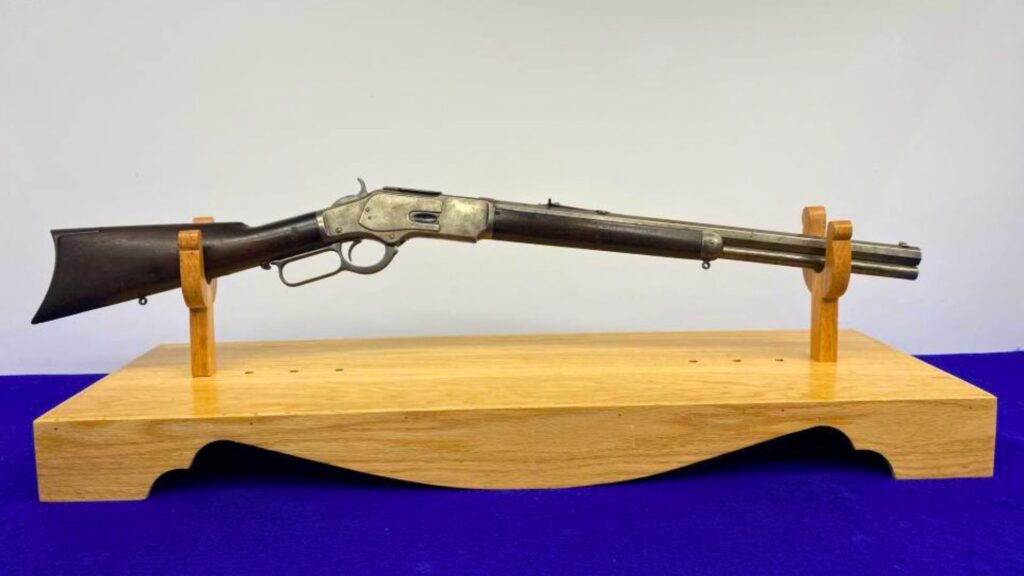
During the Salt War of 1877, tensions boiled over in El Paso and turned deadly. The Winchester 1873 showed up on both sides of the conflict. It had become common among civilians and Texas Rangers for its reliability and firepower. With a full magazine of .44-40 rounds, it gave men a serious edge in a close fight. It’s often called “the gun that won the West” for a reason—this was one of the times it earned that reputation.
The Newton General Store Shootout — Double-Barrel Shotgun
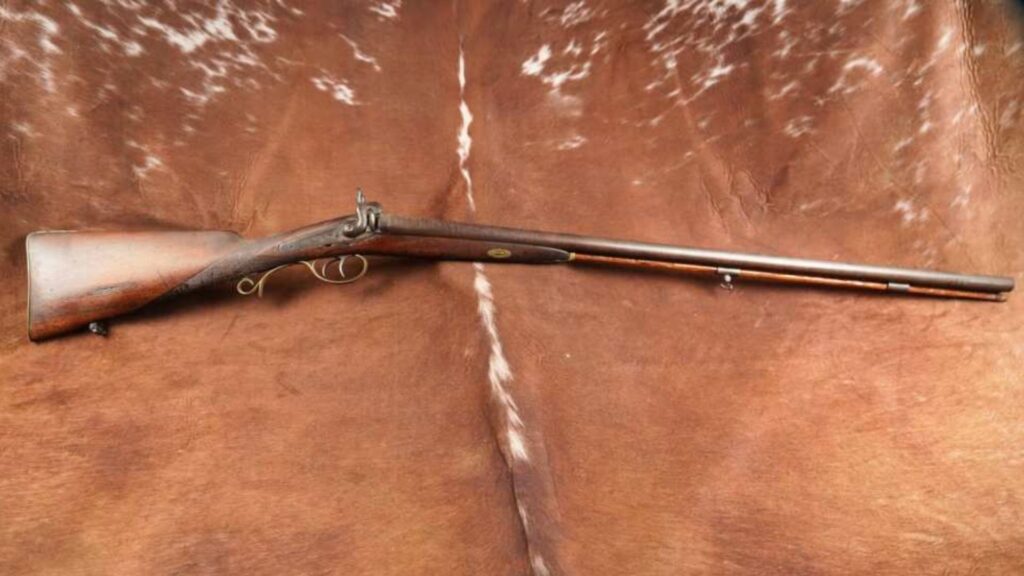
In 1871, Newton, Kansas saw a wild brawl between lawmen and drunken cowboys spill into the street. A man named McCluskie was killed, and then a 19-year-old named James Riley pulled a double-barrel shotgun and changed everything. He killed several men and wounded others in what became one of the bloodiest town shootouts of the era. The weapon might’ve been basic, but in a room full of revolvers, that scattergun shifted the balance fast.
Frisco Shootout — Winchester 1892
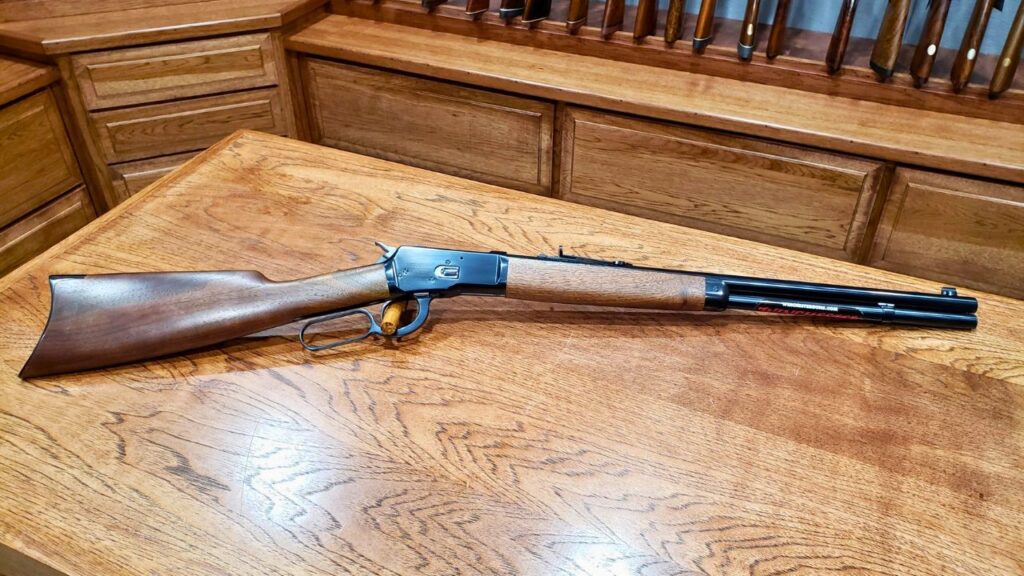
Deputy Marshal Dallas Stoudenmire used a Winchester 1892 and his pair of Colts to clean up the streets of El Paso during the Frisco Shootout in 1881. He was known for being fast, and his use of the Winchester in close quarters made him lethal. The ’92 had smoother action and better balance than earlier models, making it ideal for quick work. This shootout earned Stoudenmire a reputation for being ruthless—and highly effective—with a long gun.
Luke Short vs. Jim Courtright — Colt .45
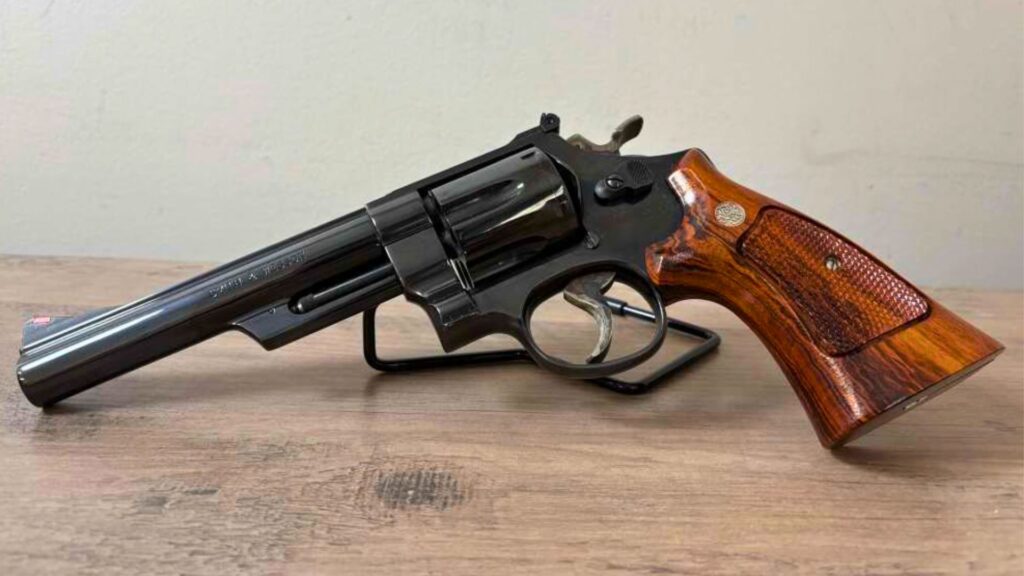
In 1887, a quick and deadly gunfight happened right in front of the White Elephant Saloon in Fort Worth. Luke Short drew first and dropped “Longhair” Jim Courtright before Courtright could get his Colt fully unholstered. Both men were seasoned shooters, but Short’s fast draw with his Colt .45 settled things in seconds. It was a clean example of how speed and calm nerves won the day—especially when you were both using the same hardware.
Northfield Bank Raid — Remington Rolling Block & Smith & Wesson No. 3
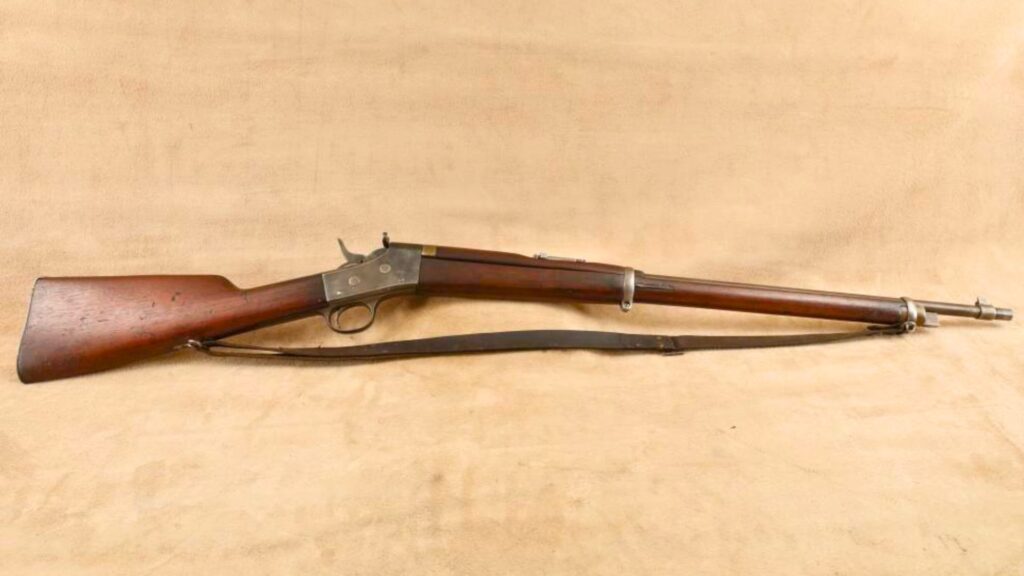
When the James-Younger Gang tried to rob a bank in Northfield, Minnesota in 1876, the townsfolk shot back—and hard. Several used Remington Rolling Block rifles, which were strong and accurate at range. A few were also armed with Smith & Wesson No. 3 break-top revolvers, a popular competitor to Colt. The gang was caught off guard, outgunned, and outnumbered. What was supposed to be a clean heist turned into a shootout they barely escaped.
Battle of Ingalls — Colt Lightning Rifle
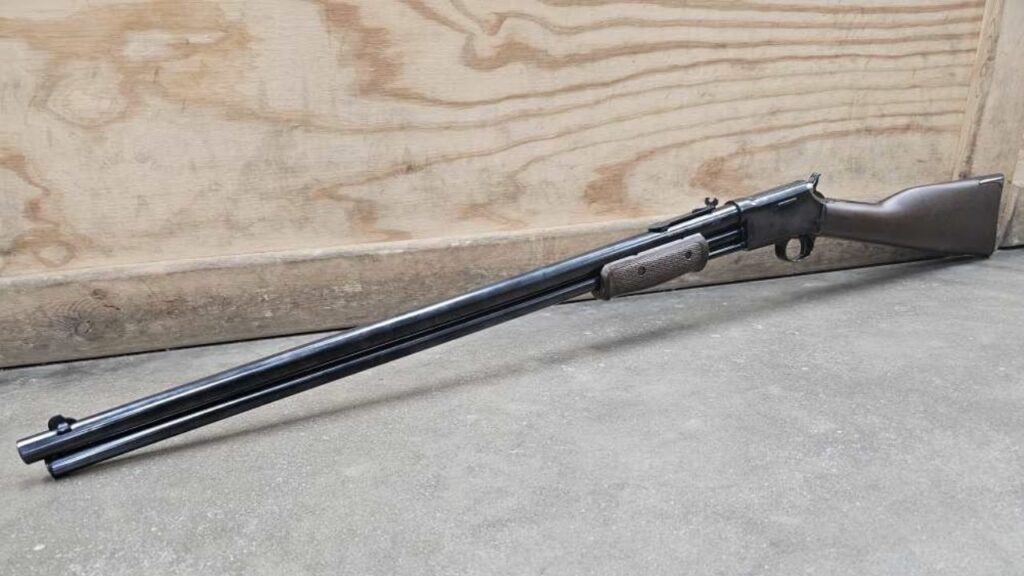
In 1893, U.S. Marshals tried to capture members of the Doolin-Dalton Gang in Ingalls, Oklahoma. The outlaws were armed with everything from Colts to Winchesters, but one standout was the Colt Lightning Rifle. It was Colt’s pump-action centerfire rifle—a rare sight compared to lever guns. Fast and easy to handle, it gave quick follow-ups in close-range firefights. The Marshals eventually forced the gang to retreat, but not without taking casualties on both sides.
Billy the Kid’s Last Shootout — Colt .41 “Thunderer”
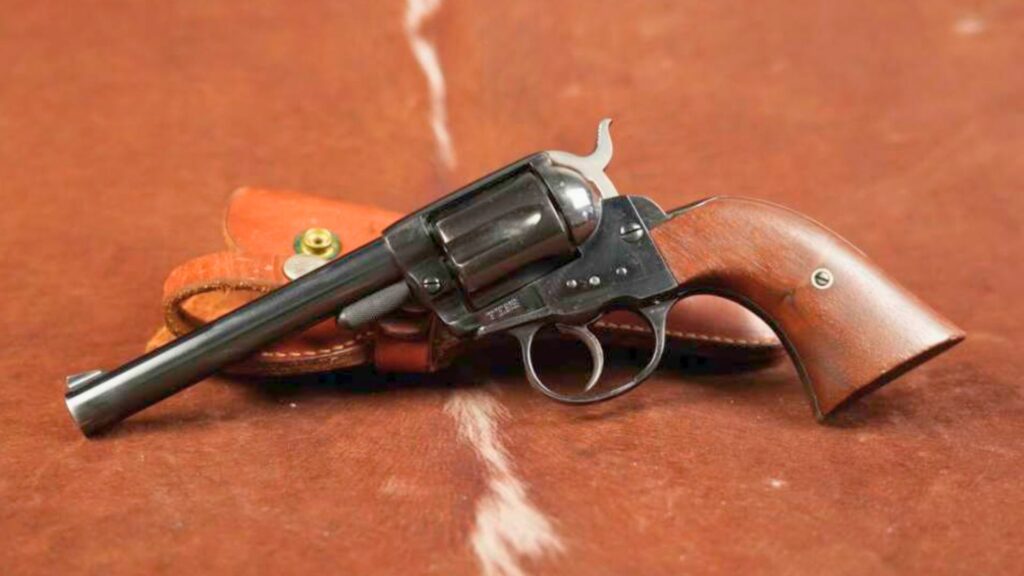
When Pat Garrett finally caught up with Billy the Kid in 1881, the Kid was supposedly carrying a Colt “Thunderer,” chambered in .41 Long Colt. It was a double-action revolver favored by outlaws for its faster shooting capability compared to the standard single-action Colt. Billy was shot in the dark at Garrett’s ambush in Fort Sumner, ending his run. While it wasn’t a drawn-out shootout, it’s one of the most talked-about takedowns in western lore.
The Battle of Cimarron — Springfield Trapdoor Rifle
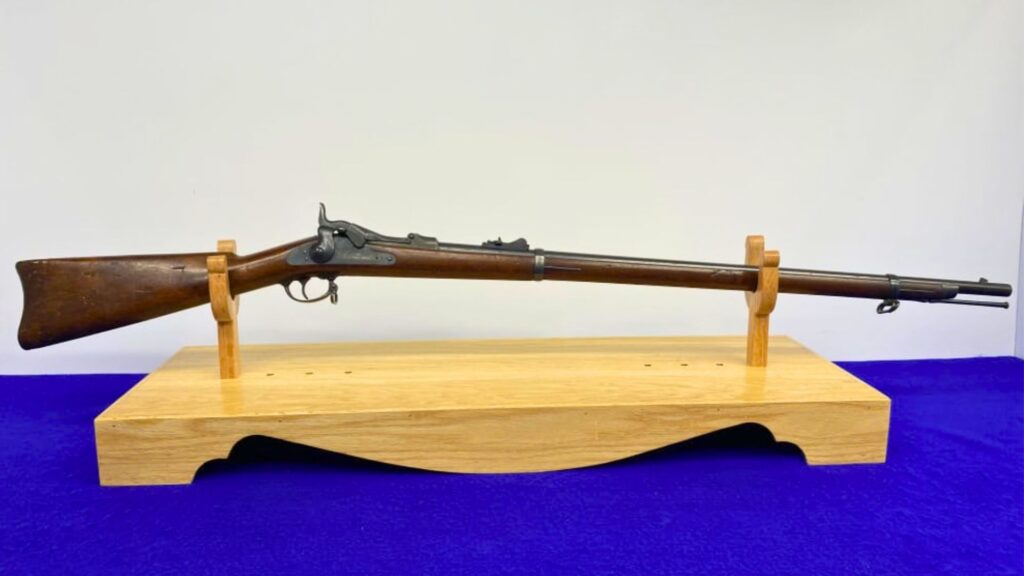
The 1878 Battle of Cimarron wasn’t a quick draw fight—it was more of a running firefight between Dodge City lawmen and a band of rustlers. The Springfield Trapdoor rifle, in .45-70, played a big role in that standoff. It wasn’t fast, but it hit hard and was standard issue for many lawmen at the time. Its long-range accuracy and stopping power made it ideal when fights spread across wide plains or ranches.
The Four Dead in Five Seconds Gunfight — Colt 1873 and Henry Rifle
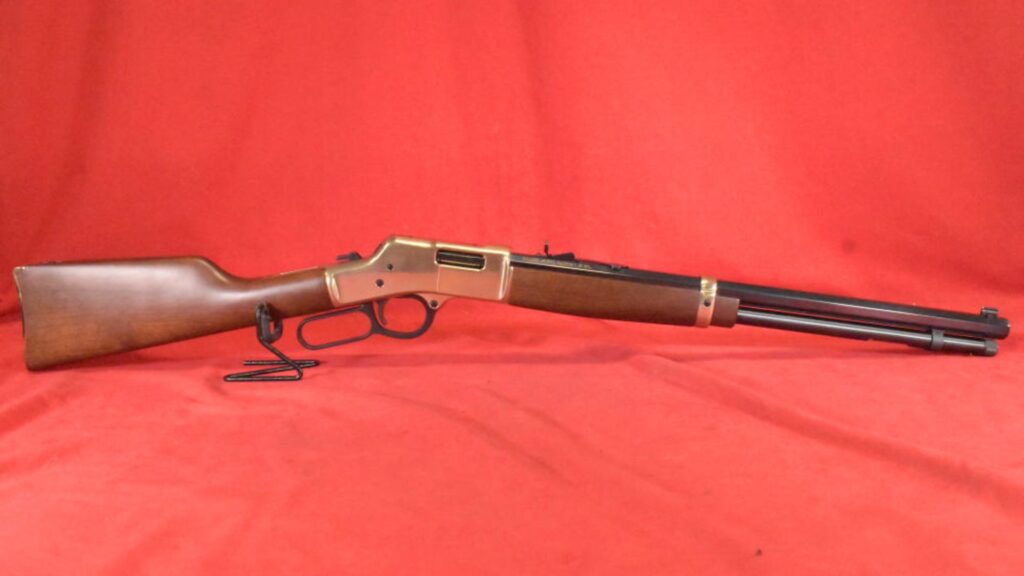
This short but chaotic shootout in El Paso saw Marshal Dallas Stoudenmire drop four men in under five seconds, using a Colt 1873 and, later, a Henry rifle. Witnesses were stunned by how fast it happened. The Henry, an earlier lever-action, gave a shooter a real edge in firepower over revolvers. Combined with a steady hand and a mean streak, it helped end one of the most violent moments in the town’s history.
Pleasant Valley War — Winchester 1886
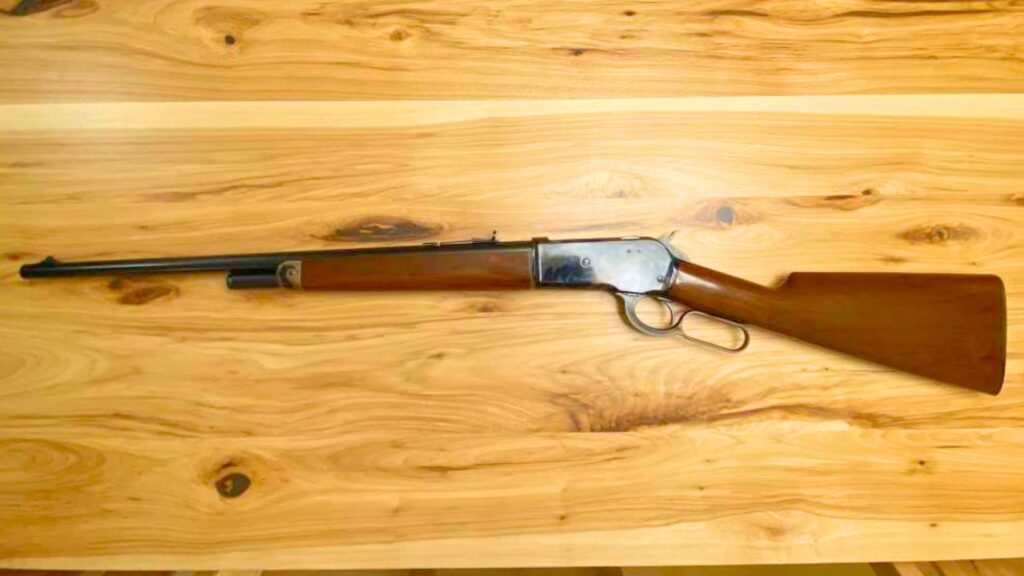
This Arizona feud between cattlemen and sheep herders spanned years, but when things turned to gunfire, the Winchester 1886 showed up in the hands of several men. It was chambered in heavier rounds like .45-70 and could take down both game and enemies from a distance. Rugged and reliable, it didn’t jam when things got heated. In a long-standing feud like this one, it wasn’t the speed of the draw—it was who could stay accurate under pressure.
*This article was developed with AI-powered tools and has been carefully reviewed by our editors.