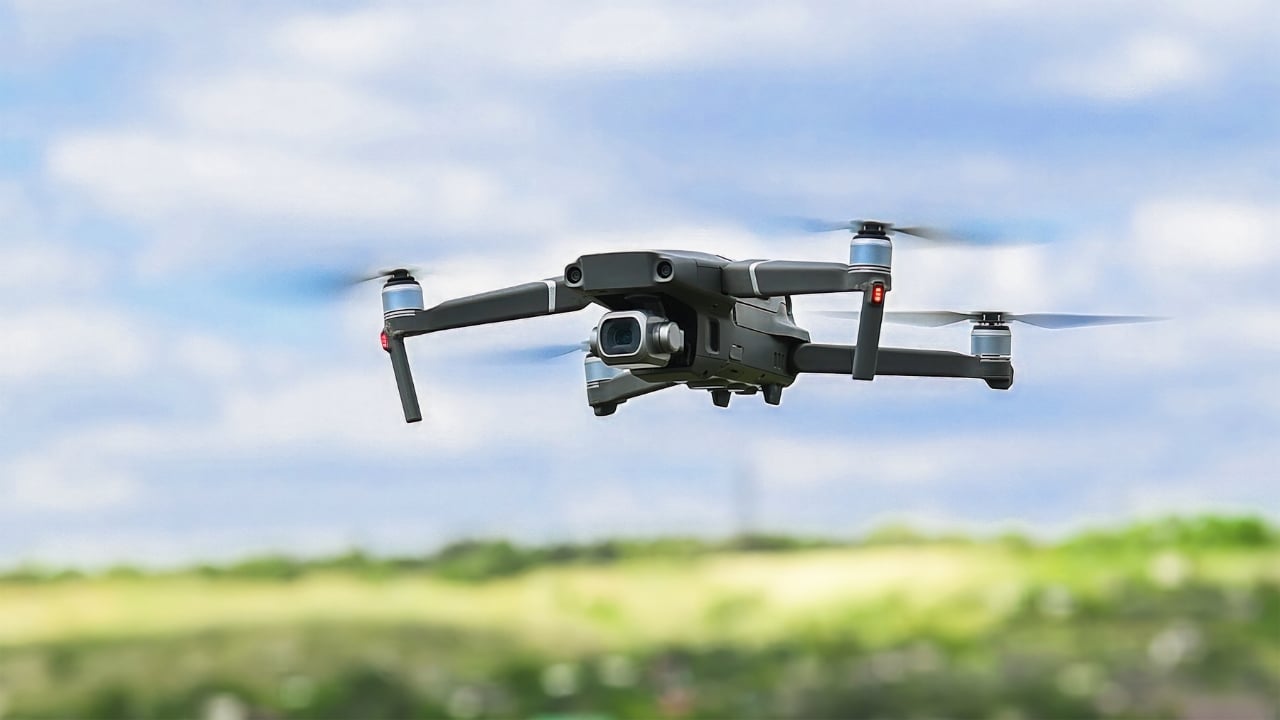
Photo credit: SGr/Shutterstock.com
Illinois is tightening the rules on what you can do with a drone once a shot is fired, and the line between legal tracking and illegal high-tech hunting is getting sharper. If you hunt in the state, you now have to think not just about where your bullet or arrow lands, but also about what counts as “recovery” and when a drone turns that recovery into a violation.
The debate is not abstract. Lawmakers have floated ways to carve out limited exceptions, while conservation officials have doubled down on bans that treat drones, e-bikes, and even artificial intelligence as threats to fair chase. You are caught in the middle of that push and pull, trying to stay on the right side of both the Wildlife Code and the evolving expectations of ethical hunters.
How Illinois got here: drones, fair chase, and the Wildlife Code
When you look at Illinois hunting law today, you are seeing the product of a long-running effort to keep technology from overwhelming the idea of fair chase. The state’s Wildlife Code has been the backbone of that effort, spelling out what tools you can use to locate, pursue, and take wild animals, and what crosses the line into an unfair advantage. As drones became cheaper and more capable, they moved from novelty to potential game changer, forcing regulators to decide whether a camera in the sky is just another scouting tool or a way to erase the challenge that defines the hunt.
That tension is why the Wildlife Code has been a focal point for proposed changes like IL HB1462, which in its Introduced Session form would have amended the Wildlife Code to address unmanned aircraft and their role in tracking wounded animals. The very fact that lawmakers drafted language about drones shows how quickly the technology has moved from the margins of the sport to the center of policy debates. Even as that bill outlined a possible framework, the broader legal structure in Illinois has remained rooted in the idea that you should not use machines to do the hard work of the hunt for you.
What the law says now: no drones for hunting or recovery
If you are heading into the field today, the rule you need to internalize is blunt: using drones for hunting in Illinois is unlawful. State conservation officials have been explicit that unmanned aircraft are off limits not only for spotting game before the shot, but also for any part of the pursuit that follows. That includes the moment you might be most tempted to launch a drone, when a deer or other animal runs out of sight and you are trying to decide whether it is down, wounded, or still moving.
Officials have reinforced that message in public reminders that the use of drones for hunting is illegal in Illinois and that it also cuts against the spirit of fair chase and ethical hunting practices. In one detailed warning, they stressed that the use of drones for hunting purposes is prohibited under Illinois law and that hunters who ignore that rule risk both criminal penalties and the loss of equipment, a point underscored in a statement highlighted by Dec guidance from Illinois. The message is not nuanced: if your drone is part of the hunt, including the aftermath of the shot, you are on the wrong side of the law.
HB1462 and HB 1462: what was proposed, and what actually changed
When you hear other hunters talk about drones and wounded game, they may point to HB1462 as if it opened a door. In its Introduced Session version, that bill described a change to the Wildlife Code that would have allowed the use of unmanned aircraft to track wounded wild birds or wounded wild mammals under specific conditions, with language that referenced an effective date of July 1, 2025. On paper, it sounded like a narrow exception that would let you use a drone after the shot, not to gain an edge in taking the animal, but to locate it once the hit had already occurred.
A separate legislative tracker that summarized the same measure noted that it Provides that tracking wounded wild birds or wounded wild mammals by use of unmanned aircraft is permissible under certain circumstances, again tying that permission to a July 1, 2025 effective date. Yet when you compare those summaries with the way state conservation officials are still talking about drones at the end of 2025, you see a clear disconnect. The Illinois Department of Natural Resources has continued to tell you that drones remain prohibited for hunting and recovery, which strongly suggests that whatever was proposed in HB1462 did not translate into a live exception in the field. Unverified based on available sources whether the bill failed outright, stalled, or was superseded, but the practical takeaway is that you cannot rely on that draft language as a shield.
How IDNR defines “recovery” versus “hunting”
The crux of your dilemma is how the Illinois Department of Natural Resources draws the line between hunting and recovery. From a hunter’s perspective, you might see the shot as the end of the hunt and everything after as retrieval. From the regulator’s perspective, the pursuit of a wounded animal is still part of the hunt, and using a drone to locate that animal is treated as using technology to aid in taking wildlife. That is why the department’s warnings do not carve out a separate category for recovery flights, even when the animal is already hit.
In a detailed advisory, the Illinois Department of Natural Resources reminded hunters that they must be mindful of technology in the field and that certain tools are prohibited regardless of whether you label them scouting, hunting, or recovery. The agency’s Nov communication from SPRINGFIELD emphasized that drones are not allowed for any part of the hunt, and it grouped them with other devices that can change how you locate or pursue game. When you read those reminders closely, you see that “recovery” is not treated as a loophole, but as a continuation of the same regulated activity.
Technology warnings: drones, AI, and e-bikes in the same crosshairs
Illinois officials are not singling out drones in isolation. They are looking at a suite of technologies that can tilt the playing field and telling you to leave them at home when you head for the timber or the fields. That list now includes not only unmanned aircraft, but also e-bikes that can carry you quietly into remote areas and artificial intelligence tools that can comb through regulations or even help plan your hunt. The common thread is that each of these tools can compress distance, time, or knowledge in ways that regulators see as undermining the traditional balance between hunter and game.
One recent reminder from the Illinois Department of Natural Resources spelled out that the use of drones for recovering wildlife, artificial intelligence for reviewing hunting laws, and e-bikes for accessing hunting areas are all off limits during hunts, and that violations can lead to equipment being seized and potentially forfeited, a point reinforced in a Nov advisory. Another warning, issued as hunters prepared for the second firearm deer season of 2025, echoed that message and urged you to be cautious using technology while hunting, with specific references to drones, e-bikes, and A.I. in a notice from Springfield coverage by CAPITOL CITY NOW. The pattern is clear: if a device gives you a significant technological edge, the state is likely to treat it as part of the problem, not part of a responsible recovery plan.
Enforcement on the ground: seizures, forfeiture, and public reminders
For you, the most tangible part of this crackdown is not the legislative language, but the consequences if a conservation officer catches you flying a drone over a blood trail. Illinois officials have been explicit that using prohibited technology can lead to more than a warning. They have the authority to seize unlawfully used equipment and, in some cases, pursue forfeiture, which means you may not get that drone, e-bike, or other device back. That risk applies even if you insist you were only trying to recover an animal rather than gain an advantage before the shot.
To drive the point home, Officials with the Illinois Department of Natural Resources have issued public alerts that the use of unmanned aircraft, e-bikes, and A.I. tools for hunting is prohibited and that violators may have their equipment seized and potentially forfeited, as spelled out in a detailed notice where IDNR warns hunters. Earlier reminders, including a televised segment in which Jack Crum relayed that the Illinois DNR reminds hunters that they cannot use drones while they hunt, reinforced the same message for a broader audience, as seen in a Sep report featuring Jack Crum. The enforcement posture is not theoretical; it is being communicated to you in plain language before you ever step into the woods.
Ethics and optics: why officials say drones “undermine” the hunt
Even if you are confident you could operate a drone within a narrow recovery-only role, state officials are worried about what that looks like for the future of hunting. Their concern is not just legal, but cultural. When a quadcopter with a 4K camera can sweep a square mile in minutes, the traditional skills of tracking, reading sign, and moving quietly through cover risk being sidelined. That is why you see language from regulators that goes beyond statutes and leans into values, warning that certain tactics erode the sporting element that justifies hunting in the public eye.
One recent account of state-level decisions on controversial hunting tactics captured that sentiment bluntly, reporting that State officials have banned residents from using methods they say “Undermines … ethical standards” and removes the sporting element in favor of efficiency. That same logic underpins Illinois’ stance on drones: even if a recovery flight might save time or reduce the chance of losing meat, it also risks turning the hunt into a technology contest rather than a test of your skills. When you weigh whether to push the boundaries, you are not just calculating legal risk, but also how your choices fit into a broader debate about what hunting should look like in the age of high-tech gear.
What you can still do to recover game legally
None of this means you are powerless when a shot does not drop an animal on the spot. Illinois law still expects you to make every reasonable effort to recover wounded game, but it expects you to do that with traditional methods rather than drones or other banned devices. That starts with the basics: marking the point of impact, noting the direction of travel, and giving the animal time before you begin tracking. It also includes using flashlights, binoculars, and other standard gear that the state has not flagged as problematic.
If you want to stay squarely within the rules, you should build your recovery plan around those accepted tools and practices. That might mean recruiting a friend to help grid search a thicket, or, where allowed, working with a trained tracking dog under existing regulations. What you cannot do is substitute a drone flight for that ground work, even if you believe it would shorten the animal’s suffering. The Illinois Department of Natural Resources has made clear in multiple advisories, including the Nov reminder from SPRINGFIELD and the later technology warnings tied to firearm deer seasons, that drones are off the table for both hunting and recovery. Until the law changes in a way that is reflected in those official communications, you should assume that any aerial assist is a violation.
How to stay ahead of changing rules
Because the conversation around drones and recovery is not settled, you need to treat the rules as a moving target and check them before every season. Legislative summaries like those for IL HB1462 and its related descriptions can give you a sense of what lawmakers are considering, but they are not a substitute for the current regulations that conservation officers enforce. The safest approach is to treat any proposed bill as hypothetical until you see the Illinois Department of Natural Resources update its public guidance and the official hunting digests you rely on in the field.
Practically, that means reading each year’s regulations, paying attention to technology sections in IDNR advisories, and listening when officials in SPRINGFIELD or Springfield hold briefings about new rules. It also means understanding that even if a bill text says tracking wounded animals with drones would be permissible as of a certain date, the continued presence of strong warnings against drones for hunting and recovery at the end of 2025 tells you that exception is not in effect. If you keep your focus on what IDNR is actually enforcing, rather than what might have been proposed, you will be better positioned to recover your game ethically, protect your gear, and avoid becoming the test case for where “recovery” ends and illegal drone use begins.
Like The Avid Outdoorsman’s content? Be sure to follow us.
Here’s more from us: