Photo credit: Davidsons GalleryofGuns/YouTube
Some guns never get a fair shake when they’re new. Maybe the brand does not have enough cool factor. Maybe the gun looks odd. Maybe early chatter gets stuck in everyone’s head. Sometimes buyers just decide something is average before they ever put enough rounds through it or carry it through a season.
Then the owners who actually use them start telling a different story. Not every underrated firearm is secretly perfect, but some are far better than the crowd admits. They shoot well, run reliably, fill a real role, or offer more value than the louder options around them. These are the guns people were too quick to brush off.
FN 509

The FN 509 never became the default striker-fired pistol the way Glock, SIG, and Smith & Wesson did. A lot of buyers treated it like a solid gun that just did not stand out enough.
That was a little unfair. The 509 has a serious duty-pistol feel, good reliability, and better ergonomics than some people admit. The Tactical and MRD versions made even more sense once optics became normal. It may not be the cheapest pistol in the case, but it is tougher and more capable than its quiet reputation suggests.
Winchester SXP
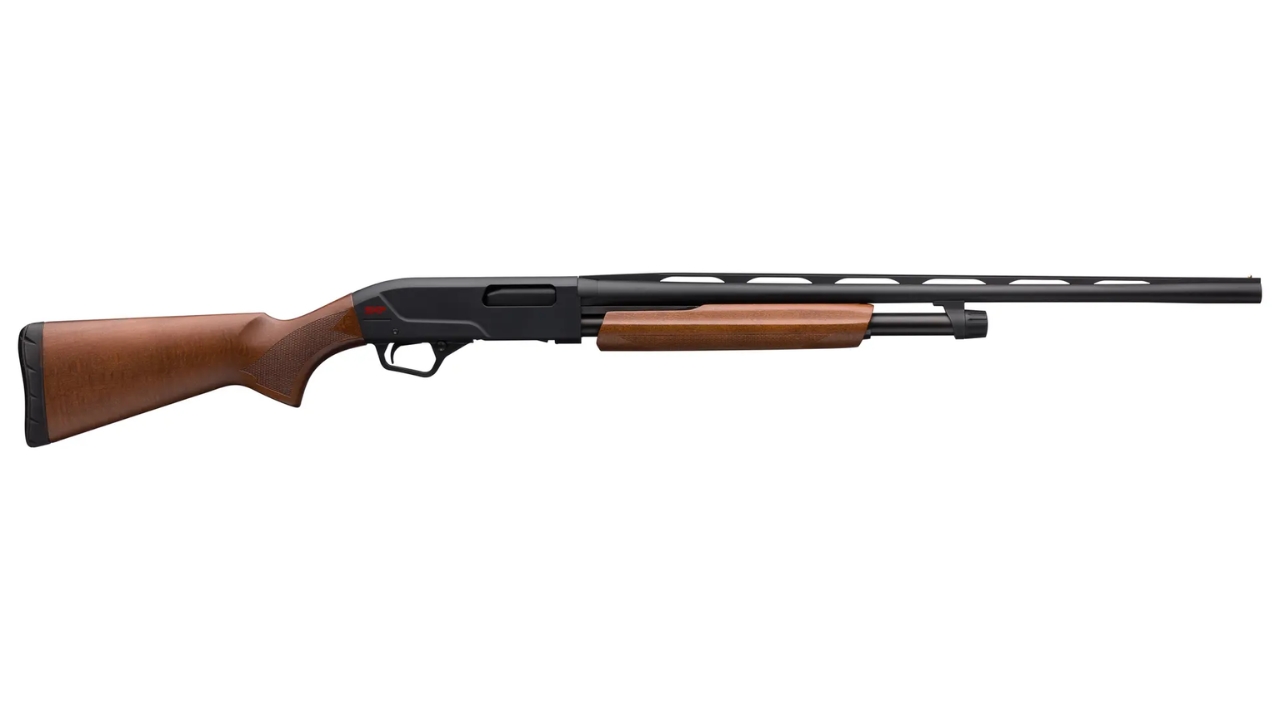
The Winchester SXP often gets dismissed because it sits in the affordable pump-shotgun category. People see the price and assume it must be a step below the old classics.
In real use, it is better than that. The action is quick, the gun is light enough to carry, and it handles hunting seasons without much drama. It is not a fancy shotgun, but it does not need to be. For turkey, waterfowl, deer, or general field use, the SXP has made a lot of practical buyers look smarter than the critics.
Ruger American Predator

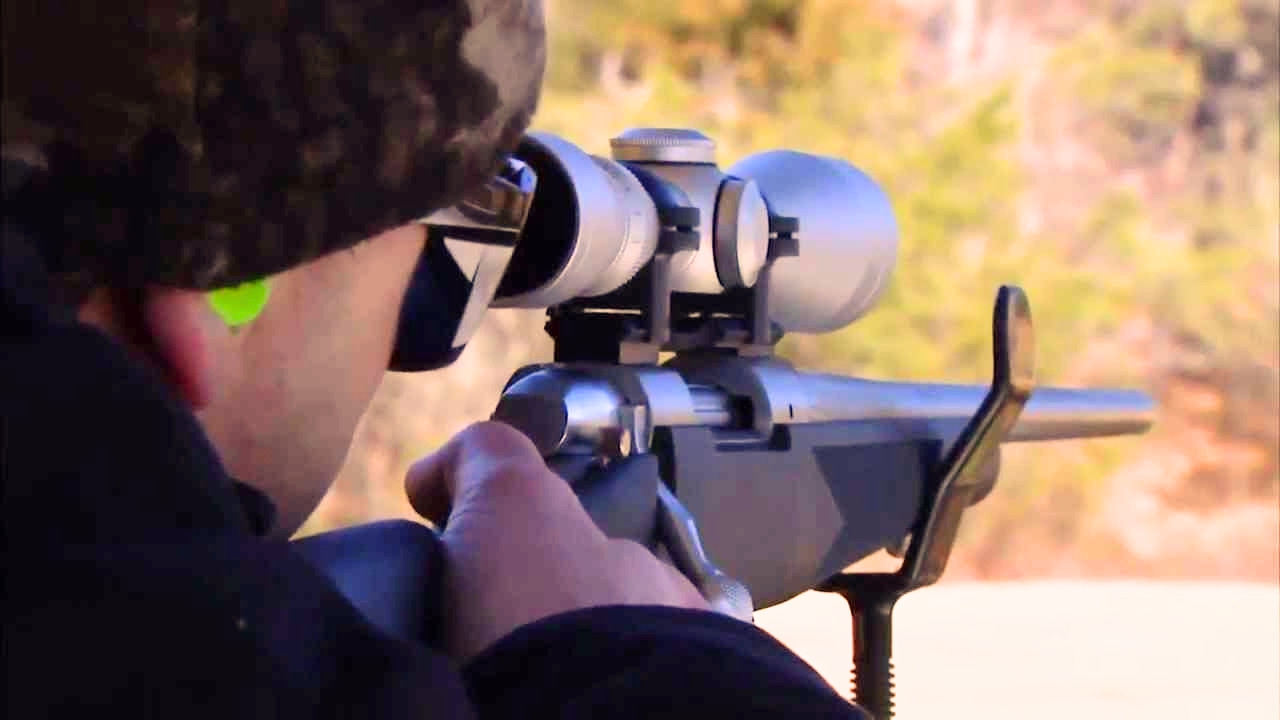
The Ruger American Predator caught plenty of grief for its plain stock and budget-rifle feel. Nobody confused it for a high-end hunting rifle, and that made some shooters write it off too quickly.
Then people started seeing how well many of them shot. The threaded barrel, useful chamberings, and affordable price made it a smart rifle for hunters and range shooters who cared more about groups than looks. It may feel basic in the hand, but a rifle that shoots well and does not cost a fortune deserves more credit.
Stoeger STR-9C

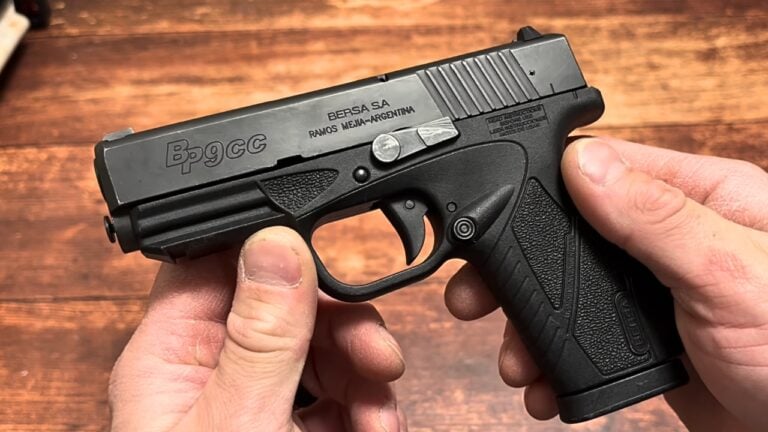
The Stoeger STR-9C landed in a crowded compact-pistol market, which made it easy to ignore. Most buyers already had a favorite brand, and Stoeger was not the first name people thought of for carry pistols.
Still, the gun was better than the attention it received. The grip feels decent, the controls are simple, and the pistol gives budget-minded shooters a usable defensive option without pretending to be something exotic. It does not have the aftermarket of bigger names, but as an affordable compact 9mm, it was more competent than people admitted.
Weatherby Vanguard

The Weatherby Vanguard has always had to live in the shadow of the Mark V. Some buyers treated it like the “lesser” Weatherby instead of judging it on its own.
That was a mistake. The Vanguard is built on a strong Howa-made action, often shoots very well, and gives hunters real Weatherby confidence without premium-rifle pricing. It is not the lightest rifle in the woods, but it is steady, dependable, and accurate enough for serious hunting. A lot of hunters who ignored it were paying more for rifles that did not shoot any better.
Mossberg 835 Ulti-Mag
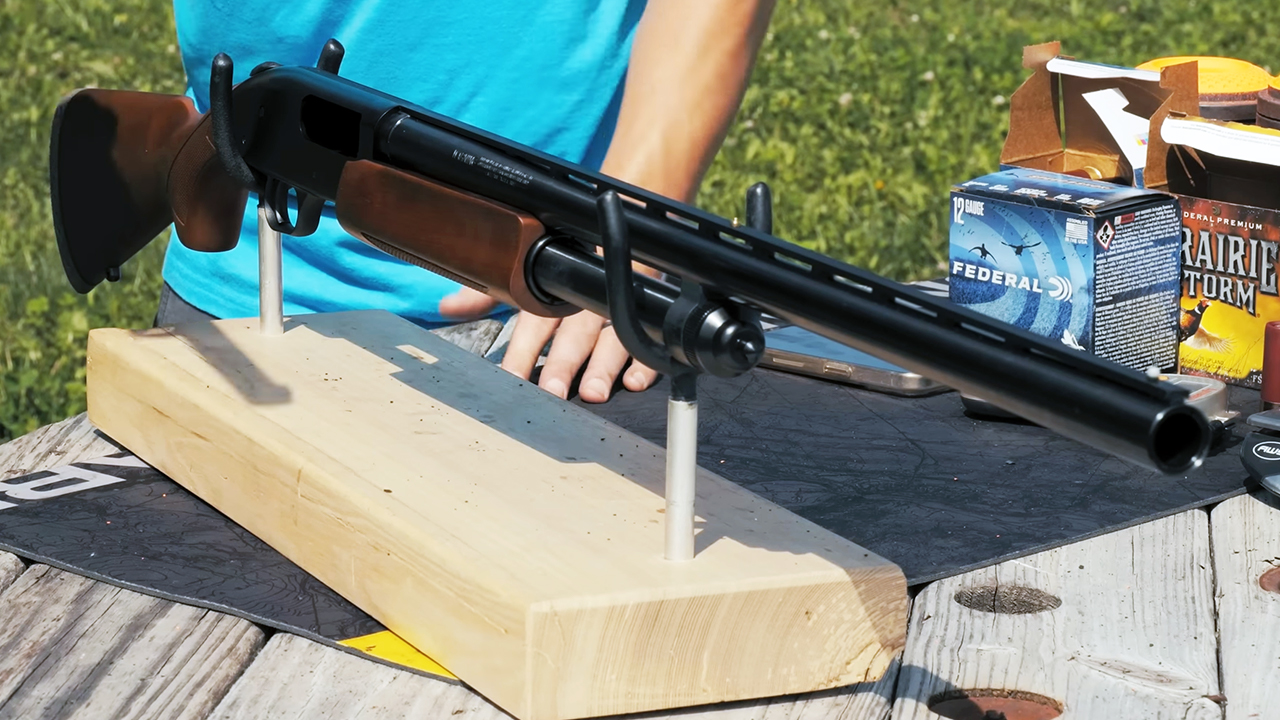
The Mossberg 835 Ulti-Mag has never been a pretty shotgun, and it can feel big and rough compared to sleeker field guns. That kept some hunters from giving it much respect.
Turkey hunters knew better. The overbored barrel, 3½-inch capability, and rugged pump-action layout made it a serious gobbler gun for people who cared about patterns more than polish. It kicks, sure, but it also works. For hard hunting in bad weather, the 835 was better than the people laughing at it wanted to admit.
Steyr M9-A1
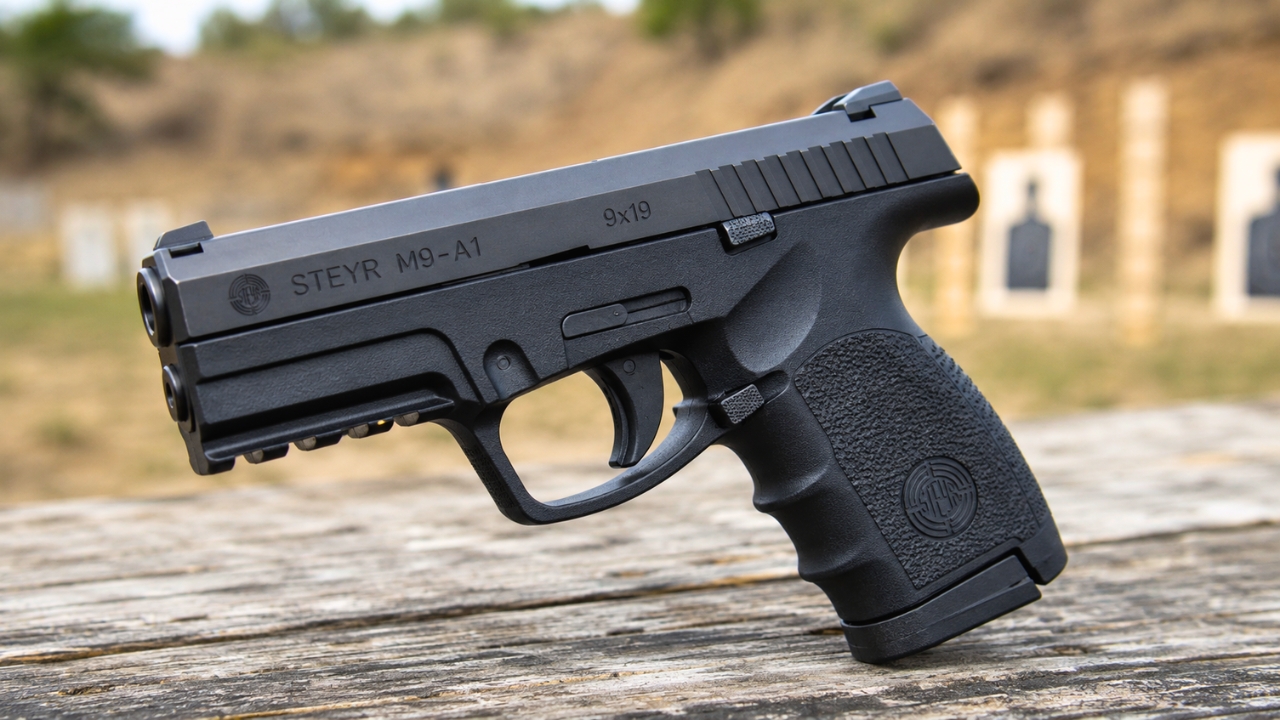
The Steyr M9-A1 looked strange enough that plenty of pistol buyers never gave it a fair chance. The grip angle, trapezoid sights, and low bore axis made it feel different from the usual striker-fired crowd.
That difference was the point. The pistol shoots flat, feels solid, and has a grip shape that works better than it looks once you spend time with it. It never had mainstream momentum, but owners who learned the sights and trigger often came away impressed. Weird-looking does not mean poorly designed.
Thompson/Center Venture

The Thompson/Center Venture did not always get the attention it deserved because it lived in a packed budget-to-midprice rifle market. Hunters had Remingtons, Savages, Rugers, and Tikkas to choose from, so the Venture was easy to overlook.
That did not make it a bad rifle. Many examples shot very well, the action was simple, and the price made sense for hunters who wanted accuracy without paying for a premium name. It was not glamorous, but it performed. Sometimes the most overlooked rifle in the rack is the one that quietly gets the job done.
Beretta APX
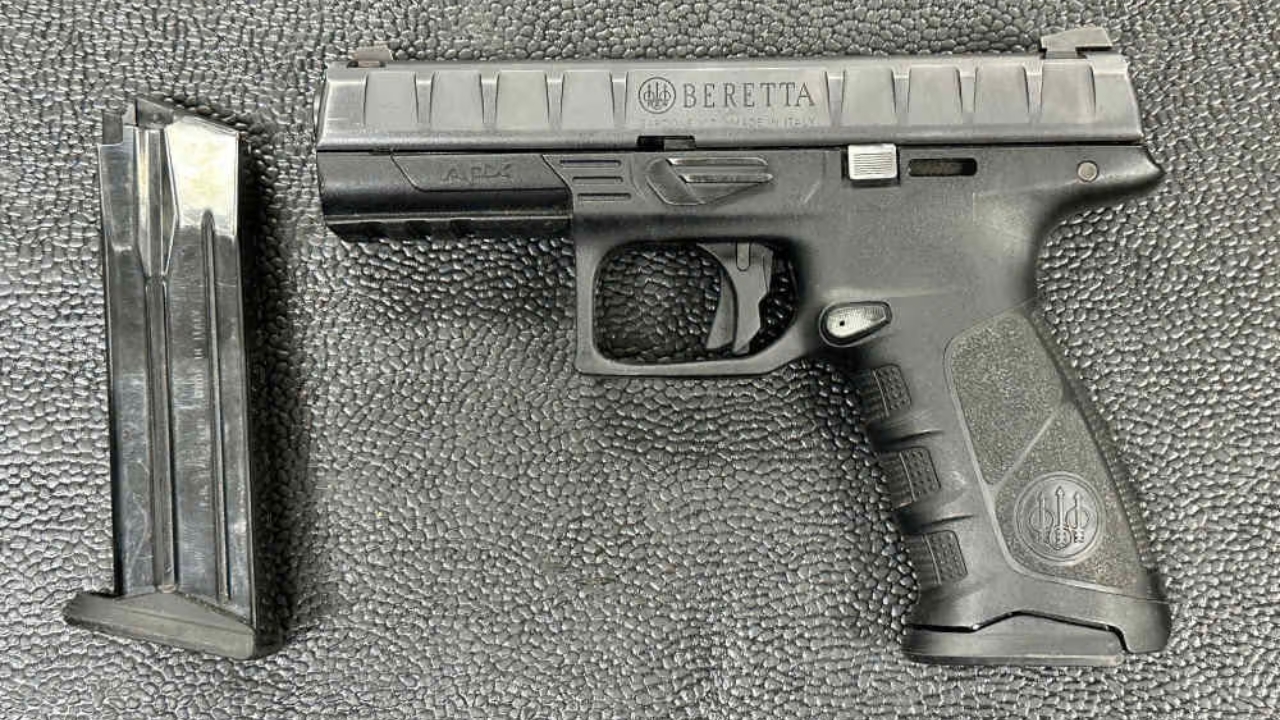
The original Beretta APX took a beating for its looks. Those deep slide serrations were all some people wanted to talk about, and the pistol got treated like an oddball before many shooters ran it hard.
That was not fair. The APX was reliable, comfortable to shoot, and built around a modular chassis system before that became more common. It had a decent trigger, good grip texture, and serious duty-gun durability. It never became the next big thing, but it was a much better pistol than the internet jokes made it sound.
Winchester X2
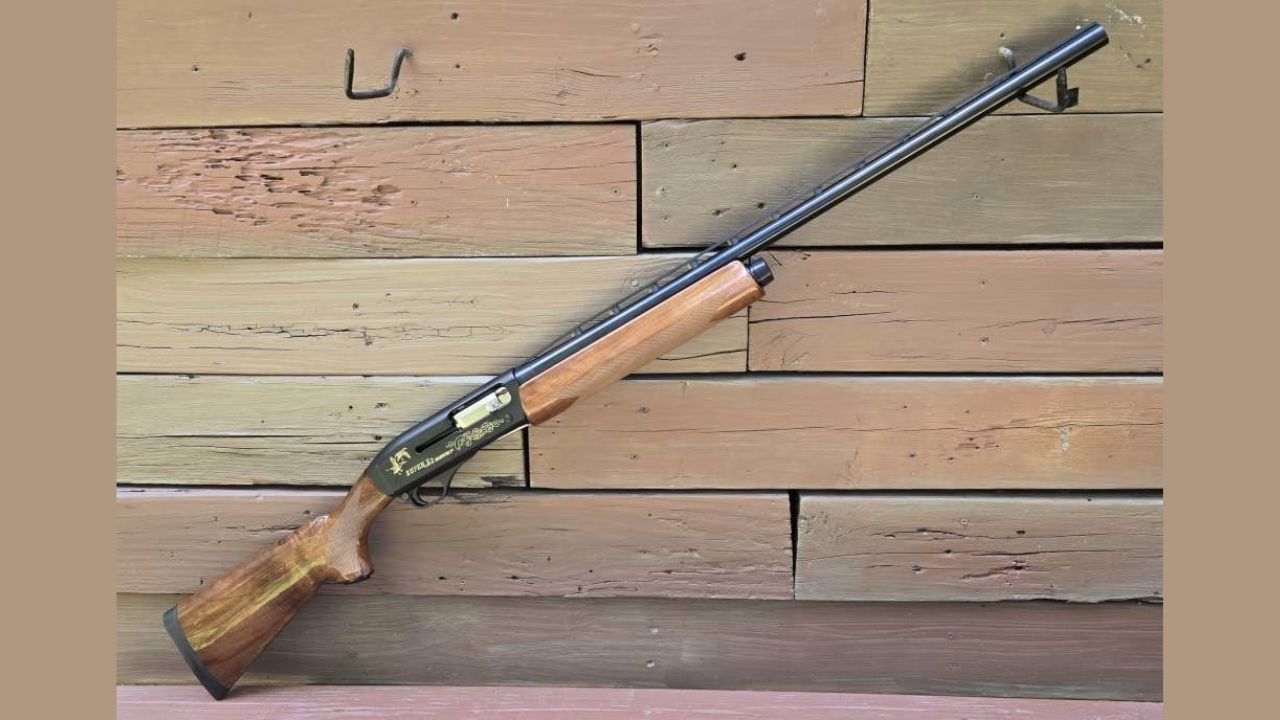
The Winchester X2 got lost in the semi-auto shotgun conversation because newer models eventually took over. A lot of hunters moved on and forgot how good the X2 really was.
That shotgun deserved better. It had soft recoil, solid reliability, and a gas system that worked well for waterfowl and field use when properly maintained. It was not as light or flashy as some newer shotguns, but it had a strong reputation among people who actually hunted with one. The X2 was better than its quiet legacy suggests.
Charter Arms Bulldog
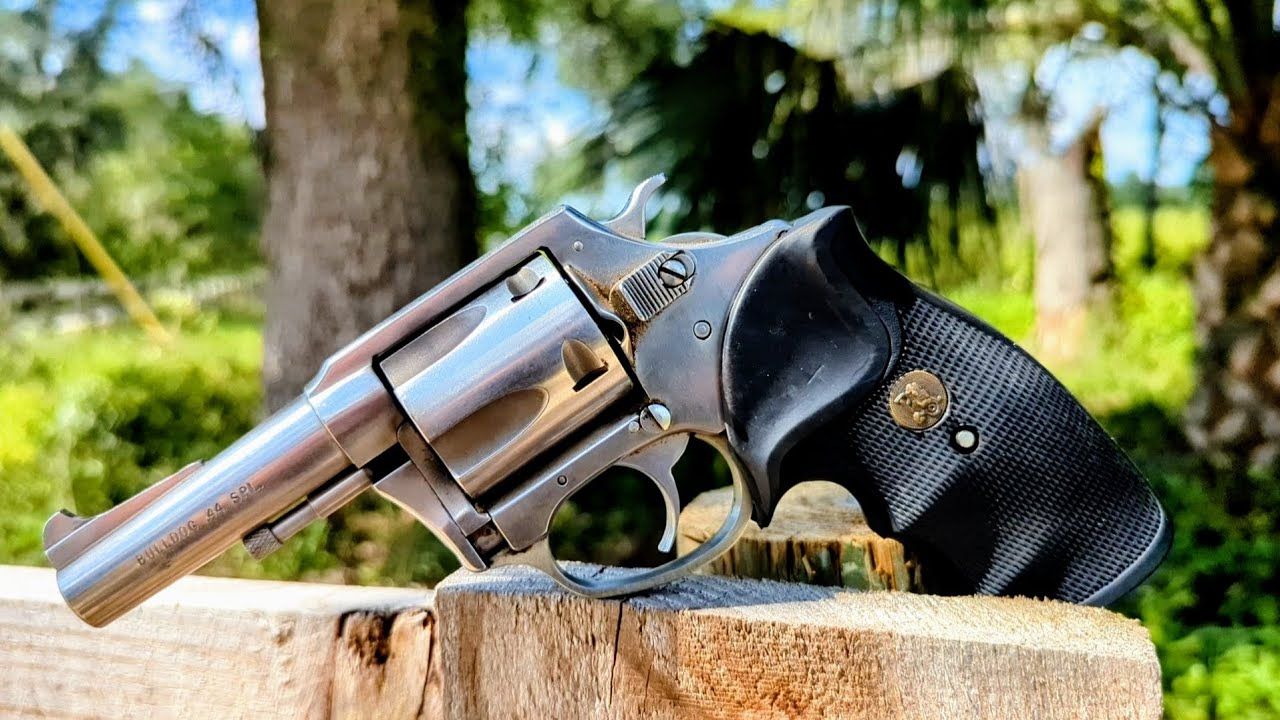
The Charter Arms Bulldog gets criticized because it is not as refined as bigger-name revolvers. The finish, trigger, and overall feel can seem plain beside Smith & Wesson or Ruger options.
But the Bulldog filled a role that few guns filled as neatly. A compact .44 Special revolver is easy to carry, hits harder than most small-frame revolvers, and keeps things simple. It is not a high-volume range gun, and nobody should pretend it is. But as a lightweight defensive revolver with real punch, it was better than many critics admitted.
Marlin XL7

The Marlin XL7 showed up as an affordable bolt-action rifle and got treated like another budget deer gun. Since Marlin was better known for lever guns, some hunters did not take it seriously enough.
That was their loss. The XL7 had good accuracy potential, a usable trigger, and a practical hunting-rifle layout at a very fair price. It did not have fancy branding or a long production life, but it gave owners a lot of rifle for the money. Plenty of budget rifles came and went without shooting as well.
EAA Witness

The EAA Witness has always had a strange reputation because import variations, caliber options, and model differences made the line a little confusing. Some buyers dismissed it as a cheaper CZ-style pistol without looking deeper.
Good Witness pistols were better than that. The steel-frame versions especially could shoot extremely well, with good ergonomics and a comfortable recoil feel. They offered serious range value before everyone started chasing metal-framed pistols again. They were not always polished like premium guns, but they gave shooters a lot to work with.
Savage Stevens 320

The Savage Stevens 320 is not the shotgun people brag about owning. It is inexpensive, plain, and often treated like a basic backup option instead of a serious pump gun.
Still, it has been better than people admitted for buyers who understood what they were getting. It gives you a functional pump shotgun at a low price, with defensive and field configurations that make sense for tight budgets. It is not as smooth as more expensive guns, but it works well enough for many real users. Not every good buy has to feel prestigious.
Browning Buck Mark Rifle
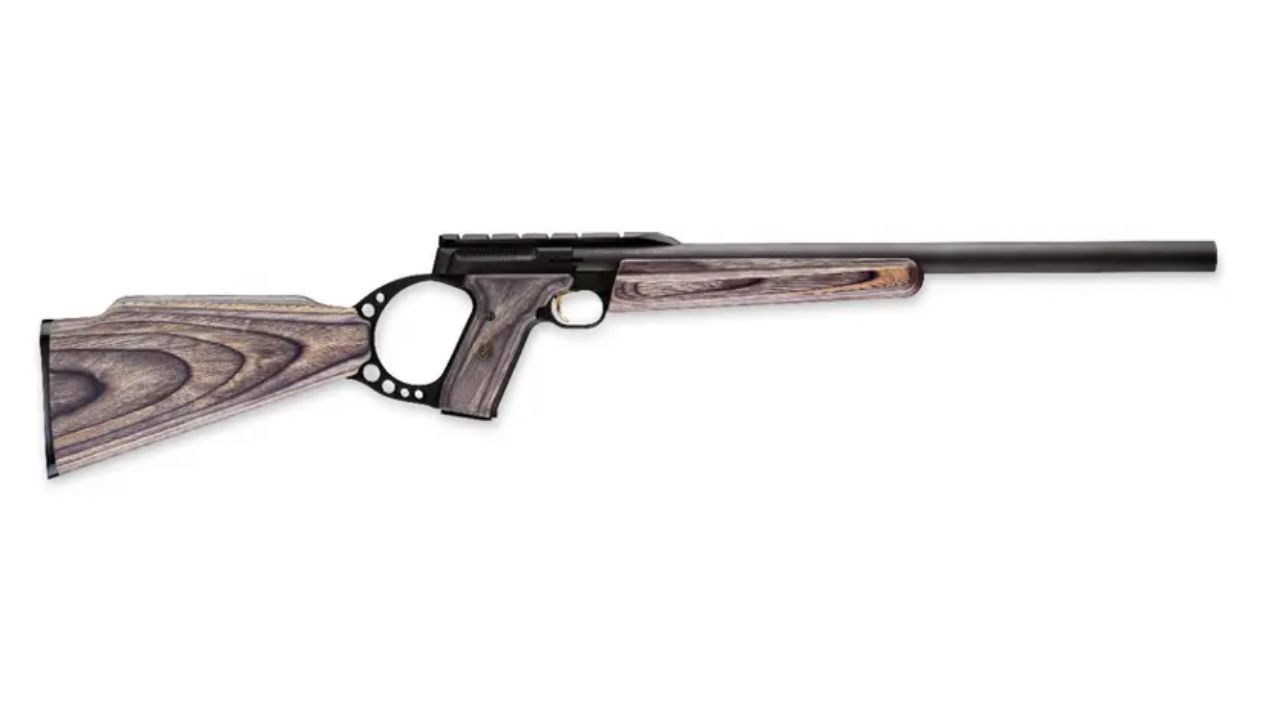
The Browning Buck Mark Rifle looked odd to a lot of shooters because it was basically a rimfire pistol action turned into a lightweight carbine. That made it easy to dismiss as a novelty.
But it was more useful than it looked. It was light, accurate, easy to carry, and fun in a way most basic rimfire rifles are not. For small-game hunting, plinking, or teaching new shooters, it had real charm. People who judged it only by appearance missed a handy little .22 that shot better than expected.
Like The Avid Outdoorsman’s content? Be sure to follow us.
Here’s more from us: