Photo credit: Guy J. Sagi/Shutterstock.com
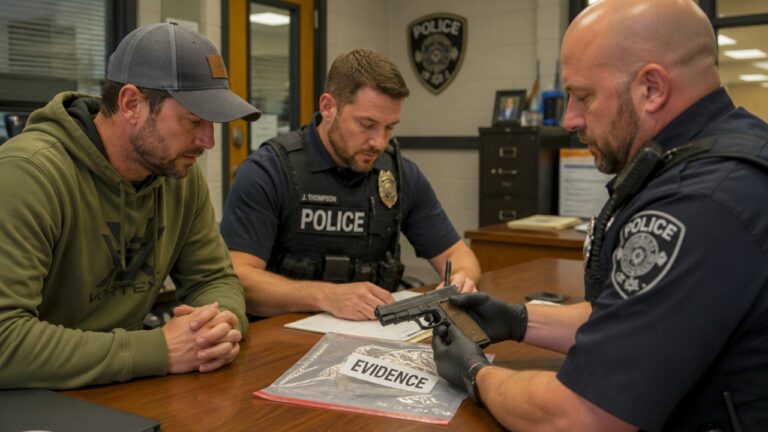
An FFL on Reddit told a story that started like an ordinary transfer and then went off the rails almost immediately. In the post, he said a gun had come in from a large online retailer and the buyer showed up to pick up his Smith & Wesson. So far, nothing sounded unusual. The dealer handed over the gun for inspection and the paperwork to get started. Then, according to the post, the buyer asked whether the shop had any home-defense ammo for it “because he wanted some with it.” The dealer stopped right there and asked the obvious question: “He?” That was when the buyer explained that he was buying the gun for someone else and planned to sell it to him.
The FFL’s reaction in the post was half disbelief and half exhausted sarcasm. He said he had what he called a mental facepalm and then explained to the buyer that what he had just described was illegal under federal law. He wrote that the conversation after that was “terse,” which is probably the cleanest possible way to describe it. Then he ended the story with the line that really made the thread stick: “So, who wants to check out my new Smith and Wesson?” In other words, the transfer was dead right there. The gun was not going home with the buyer.
That line led people in the comments to start asking what actually happens once a transfer blows up like that. One commenter pointed out the obvious problem: the buyer had already paid for the gun, but the FFL could not legally hand it over. So what happens now? Does the shop send it back to the seller? Does the seller refund the buyer? Who eats the shipping cost? It turned the thread from a funny horror story into a real look at the kind of mess FFLs get dragged into when somebody says the quiet part out loud at the counter.
The original poster came back and answered that question in a way that made the whole thing sound even more irritating. He said there was no approved ATF guideline spelling out exactly what had to happen next and described it as basically a civil matter. According to him, he could ship the firearm back to the seller so the buyer could be refunded minus a restocking fee, or he could treat it as abandoned property and turn it over to police for destruction. But in this case, he said the buyer was not a jerk, just clueless, so his plan was to charge his standard hourly rate to untangle the mess. That was the detail that really sold the story from the FFL’s point of view: even when nobody gets arrested and nobody starts yelling, one dumb statement can still create a pile of extra work for the dealer standing there.
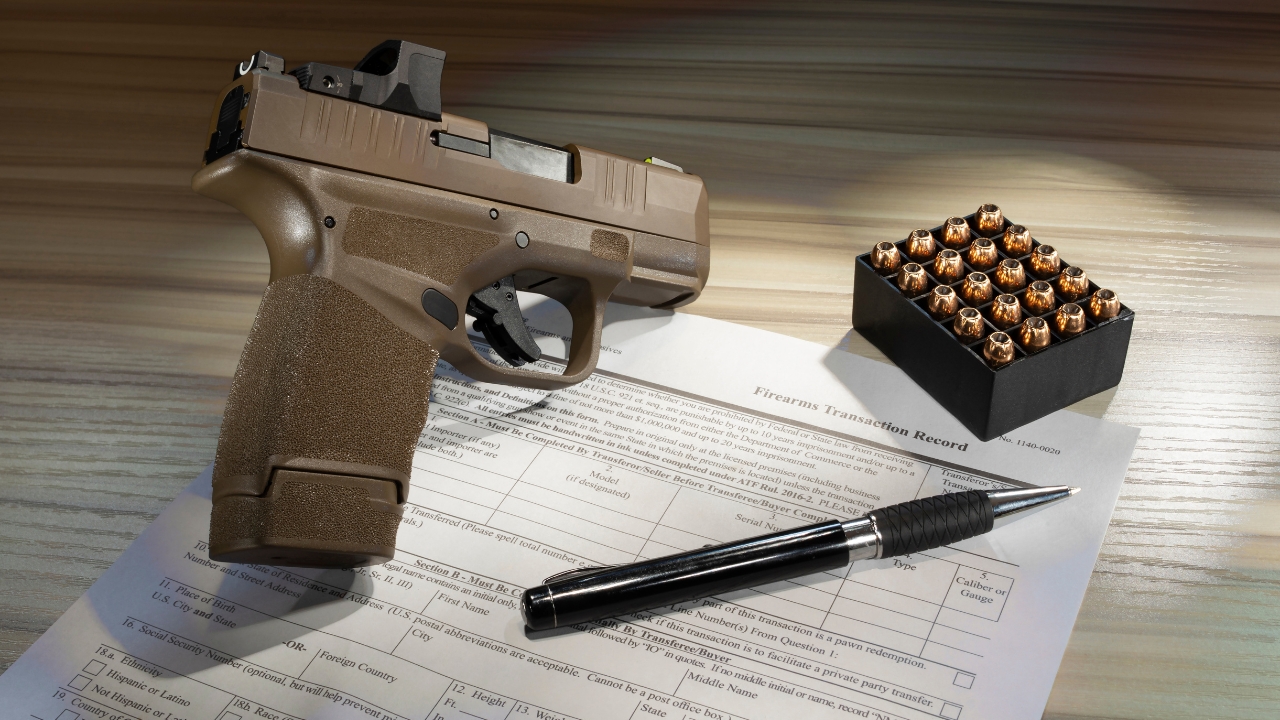
The thread then spun off into a broader conversation about straw purchases and where the line actually is. One commenter asked whether buying a gun for a son or father as a gift would count the same way. Another said he had once bought a gun for his dad and transferred it later under state procedures, and wanted to know how that was different. That gave the FFL an opening to spell out the distinction. He replied that a gift is one thing, but buying a gun with the intention of immediately reselling it to a specific person is another. Later in the thread, he posted a long section of ATF language explaining that if the actual buyer uses someone else to fill out Form 4473, both people can be violating federal law, even if neither of them is prohibited from owning a firearm. The difference, as explained there, is whether the purchaser is buying with his own money as a genuine gift or acting as a stand-in for the real buyer.
That part of the thread mattered because it showed how easily ordinary people can wander into serious trouble while thinking they are just being practical. The buyer in the story did not sound like a criminal mastermind. He sounded like somebody who casually admitted, right at the counter, that he was picking up the gun for someone else and planned to flip it to him. To the FFL, that was enough to kill the deal instantly. To a lot of readers, it was also a reminder that plenty of people do not seem to understand how little room there is for “common sense” shortcuts once federal transfer paperwork gets involved.
By the end, the story had become exactly what the title promised: one more reason a local FFL ends up hating transfers. The dealer had not done anything wrong. The gun had already arrived. The buyer showed up ready to take it home. And then one sentence turned a routine pickup into a dead transfer, a legal explanation, extra time on the clock, and a firearm that the shop now had to figure out what to do with. The dealer could joke about it by asking who wanted to check out his “new” Smith & Wesson, but the thread made it clear why the joke was there in the first place. It was either laugh about the mess or spend the rest of the day being mad at it.