Photo credit: The Avid Outdoorsman
The hunter probably knew the morning had gone sideways before legal light even settled in.
That is when little mistakes like to show up. It is dark. You are cold. You are trying to be quiet. Your hands are moving by feel more than sight, and everything seems simple because you have done it a hundred times.
Then the magazine goes in wrong.
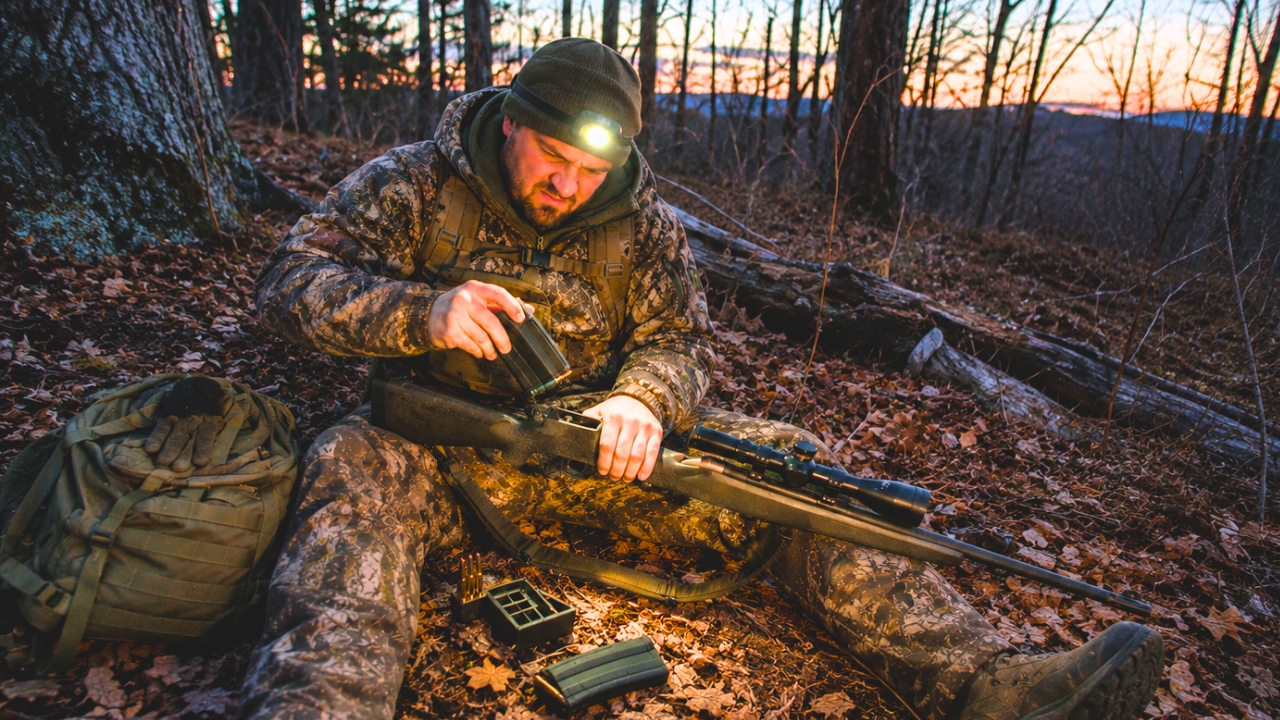
In a Reddit thread, hunters were sharing rookie mistakes, and one story involved a hunter loading his rifle magazine backward in the dark. It got stuck badly enough that his rifle was basically reduced to a single-shot for the day.
That is the kind of mistake that feels impossible until it happens to you.
A detachable magazine has one job in that moment: go into the rifle the right way, feed rounds, and let the hunt continue. In daylight, it is easy. In the dark, with gloves, nerves, and a half-awake brain, the simple stuff can get weird. If the magazine is forced at the wrong angle or inserted backward, now the hunter has created a mechanical problem before the hunt even starts.
And once it is stuck, the whole plan changes.
A rifle that was supposed to feed from a magazine is now a one-shot tool. That means every decision gets tighter. No quick follow-up. No easy reload. No second round chambering smoothly if the first shot misses, hits poorly, or needs finishing. The hunter can still hunt, maybe, but the margin shrinks fast.
That is a rough feeling to carry all day.
He probably had to decide whether to back out and fix it, keep hunting with one round at a time, or accept that the morning was already compromised. Walking back might cost the best part of the hunt. Staying meant trusting a rifle that was no longer working the way it should. Neither choice feels great when the problem is self-inflicted.
The dark makes it more embarrassing because every hunter knows better in theory. Gear should be checked before the walk in. Magazines should be loaded and seated correctly in good light if possible. You should know your rifle by feel, sure, but you should also not be forcing anything when something does not seat right.
That is the big clue.
If a magazine does not click in naturally, stop. Do not shove harder. Do not assume cold fingers are the problem. Do not try to win a wrestling match against your own rifle in the dark. Pull it out, look if you can, use a red light if needed, and figure out what is wrong before you turn a small mistake into a stuck one.
Because stuck gear in the dark has a way of getting worse.
The hunter’s situation was not dangerous by itself, which is why it works as a funny rookie story. No unsafe shot. No injury. No ruined firearm, hopefully. But it did make the hunt harder in the dumbest possible way. He had the rifle. He had the magazine. He had the ammo. The pieces were all there.
They were just not cooperating anymore.
That is the kind of mistake hunting buddies live for.
If anyone at camp found out, you know the jokes came quickly. “Need me to show you which way bullets face?” “Want me to mark the front with an arrow?” “You bringing a rifle today or a fancy muzzleloader?” A stuck backward magazine is too visual to escape. It becomes a story the second someone has to help pry it loose.
But there is a real lesson under the ribbing.
Hunting in the dark rewards simple routines. Load magazines ahead of time. Use the same pocket every time. Keep the rifle and magazine oriented consistently. Do a function check before leaving the truck or cabin. Confirm the magazine seats and releases while there is enough light to see what you are doing. If you wear gloves, practice with gloves.
That last one matters more than people think.
A lot of hunters handle gear barehanded at home, then wear thick gloves in the field and wonder why everything feels clumsy. Magazine releases, safeties, bolt handles, sling swivels, zippers, and tiny clips all change when your fingers are numb or covered. If the first time you manipulate your rifle with gloves is in the dark before a hunt, the woods may teach you something annoying.
This hunter got that lesson through a backward magazine.
The rifle still functioned enough for him to continue as a single-shot, but that is not the same as being ready. A single-shot setup can work if you plan for it. It is a lot less comforting when it happens because your magazine is stuck in the wrong way.
Every shot suddenly matters more.
And every missed chance would feel like the magazine’s fault, even though the mistake started with the hunter.
The best part is that he probably never did it again. Some lessons only need to happen once. After you spend a day with a rifle crippled by your own dark-morning mistake, you start checking magazines differently. You feel the orientation. You confirm the click. You stop forcing parts that do not want to go.
The morning may have turned into a single-shot hunt.
The habit probably changed for good.
Commenters treated it like a classic dark-morning mistake: funny, frustrating, and very preventable.
Several hunters said the dark makes simple gear handling harder than people expect. Cold hands, gloves, low light, and early-morning fog can make even familiar equipment feel awkward.
Others focused on not forcing parts. If a magazine does not seat correctly, stop and check it instead of shoving harder. Forcing it can turn a minor orientation mistake into a stuck-magazine problem.
A lot of practical advice came down to staging gear before the hunt. Load magazines in good light, keep them oriented the same way, and confirm the rifle is functioning before walking in.
Some commenters joked that the hunter accidentally invented a single-shot rifle for the day, but the point was clear: one small mistake can change the whole hunt.
The main lesson was simple: check your magazine before the woods gets dark, cold, and unforgiving.