Photo credit: Bryant Ridge
Every handgun has a personality, but some take it a little too far. Instead of giving you a predictable point of impact, they wander. You adjust your grip, slow your trigger press, and check your stance—yet the shots still land somewhere you didn’t call. These are the pistols that keep drifting across targets no matter what you do, and they turn practice sessions into guessing games. When a gun can’t hold a consistent point of aim, you start losing trust in it, and that’s when frustration sets in.
A handgun that shoots off is more than an inconvenience. Poor barrel fit, loose sights, bad trigger geometry, or even inconsistent lockup all contribute to wandering groups. These issues don’t fix themselves with more range time. Instead, they show up again and again until eventually you start to avoid taking the pistol altogether. Some guns can be tuned; others fight you every inch of the way. Here are the handguns that most shooters agree never print where they should.
Taurus PT111 Millennium (Pre-G2)
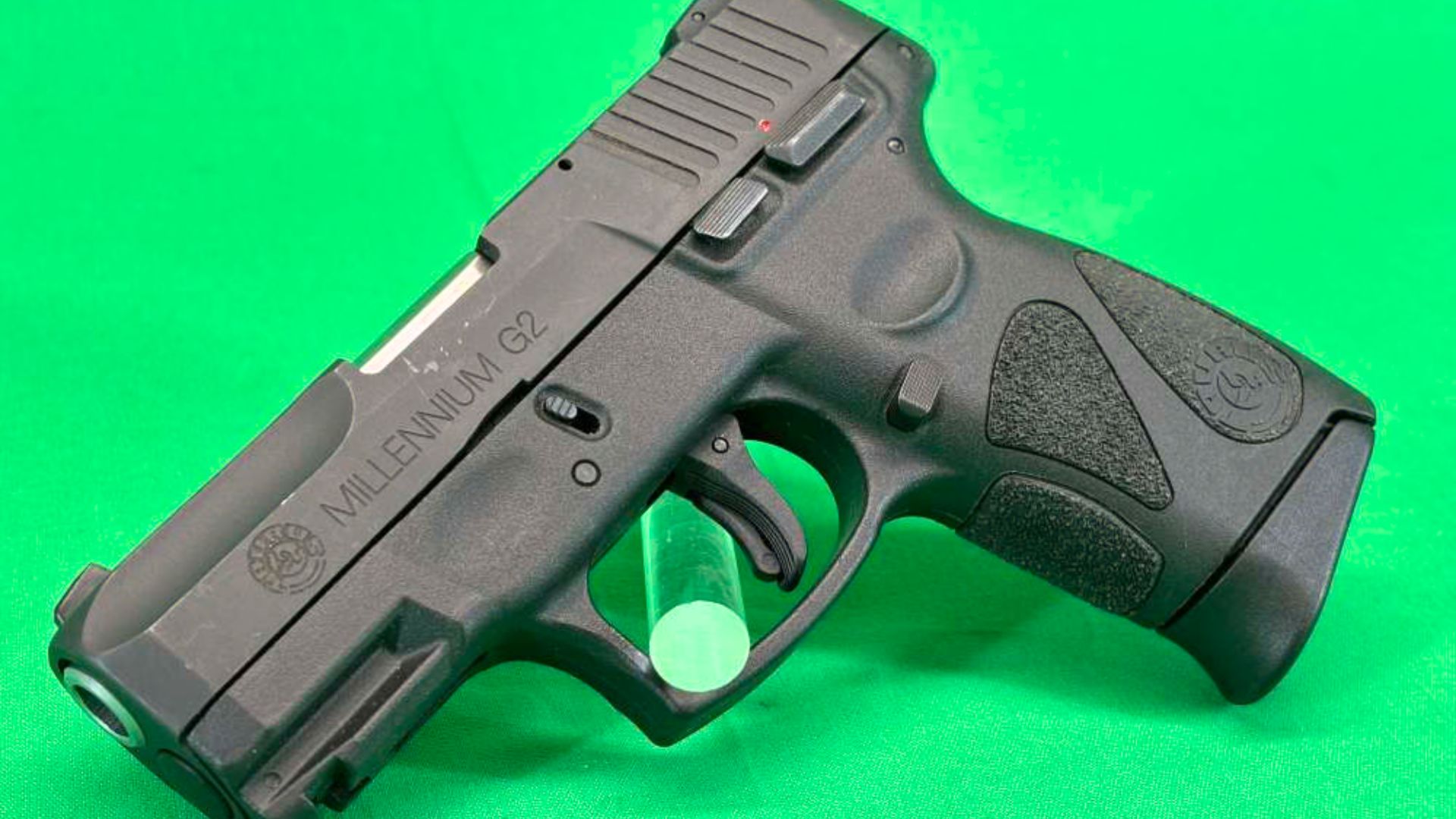
The early PT111 models were known for inconsistent accuracy that varied by shooter and ammo. The long trigger pull makes it difficult to hold a steady break, and many people found their shots dipping low left or low right depending on grip tension. Even after adjusting sights, the pistol often continued to wander because the lockup wasn’t consistent from one shot to the next.
As carbon builds, the issue gets worse. The slide begins returning slightly differently each cycle, shifting point of impact unpredictably. Some owners tried swapping ammo and polishing internals, but even then the pistol rarely settled into a reliable pattern. You never quite knew where the next round would land.
KelTec P-11
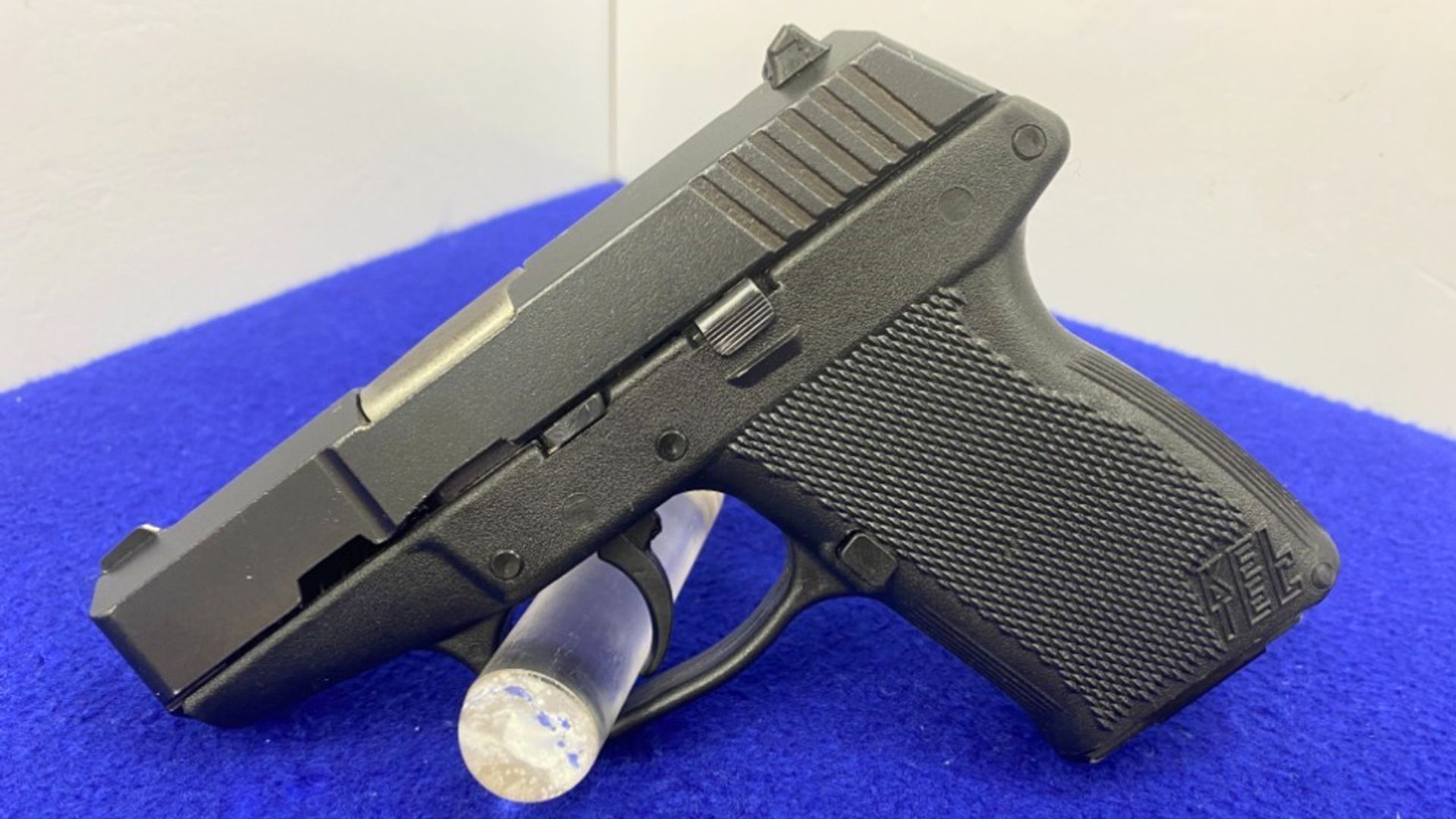
The P-11’s heavy DAO trigger requires real discipline to manage, and many shooters struggle to keep rounds from drifting. The long pull encourages dipping the muzzle, which pushes shots low and scattered across the paper. Even experienced shooters often find groups spreading horizontally due to the abrupt break and stacking sensation.
The pistol’s loose-feeling lockup also contributes to inconsistent accuracy. Once the gun heats up, the barrel and slide interface feels even sloppier, and shots begin to climb or drift without warning. Range sessions often turn into battles between shooter and trigger instead of productive practice.
Ruger LCP Gen 1

The original LCP is famously difficult to shoot well at any meaningful distance. Its tiny sights sit low on the slide, causing many shooters to fire high simply because they misread the front blade under stress. Add in the long, rolling trigger, and shots start scattering low as grips tighten subconsciously.
As the pistol heats up, timing shifts slightly, which can push the point of impact higher or lower depending on ammo. Even skilled shooters find themselves constantly adjusting their hold, yet the groups never fully settle into a consistent pattern.
Smith & Wesson Sigma 9VE
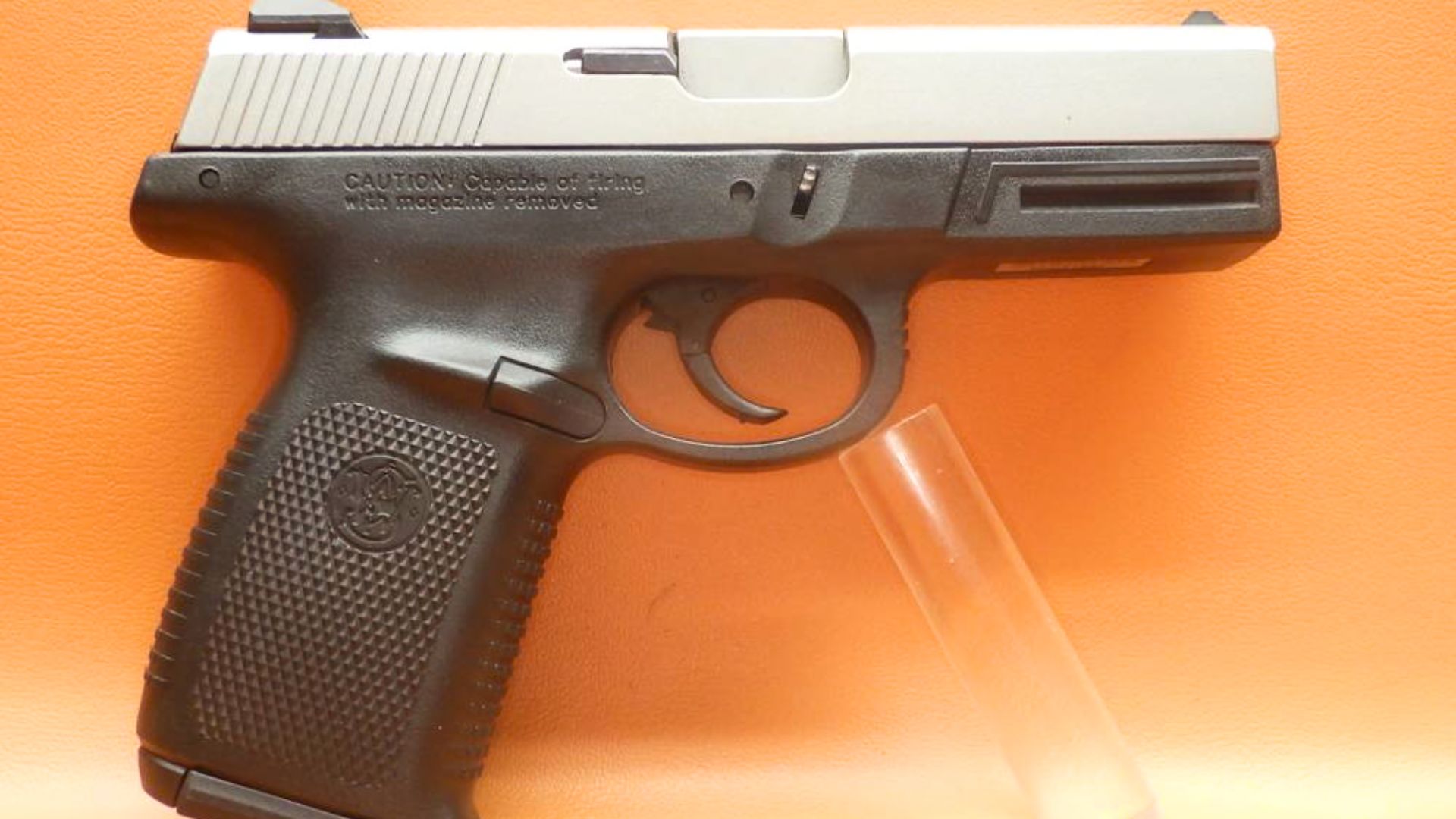
The Sigma’s extremely heavy trigger was its defining trait, and it rarely helped accuracy. Shooters often saw their shots printing low due to the amount of force required to break the trigger. Even after learning the rhythm, the long pull introduced side pressure that could send groups drifting left or right.
The pistol’s barrel-to-slide lockup was never precise, which created wide groups at modest distances. You could spend an entire session fine-tuning your grip and still watch rounds land unpredictably around the bullseye. Many owners replaced the gun before they ever truly mastered it.
CZ 100
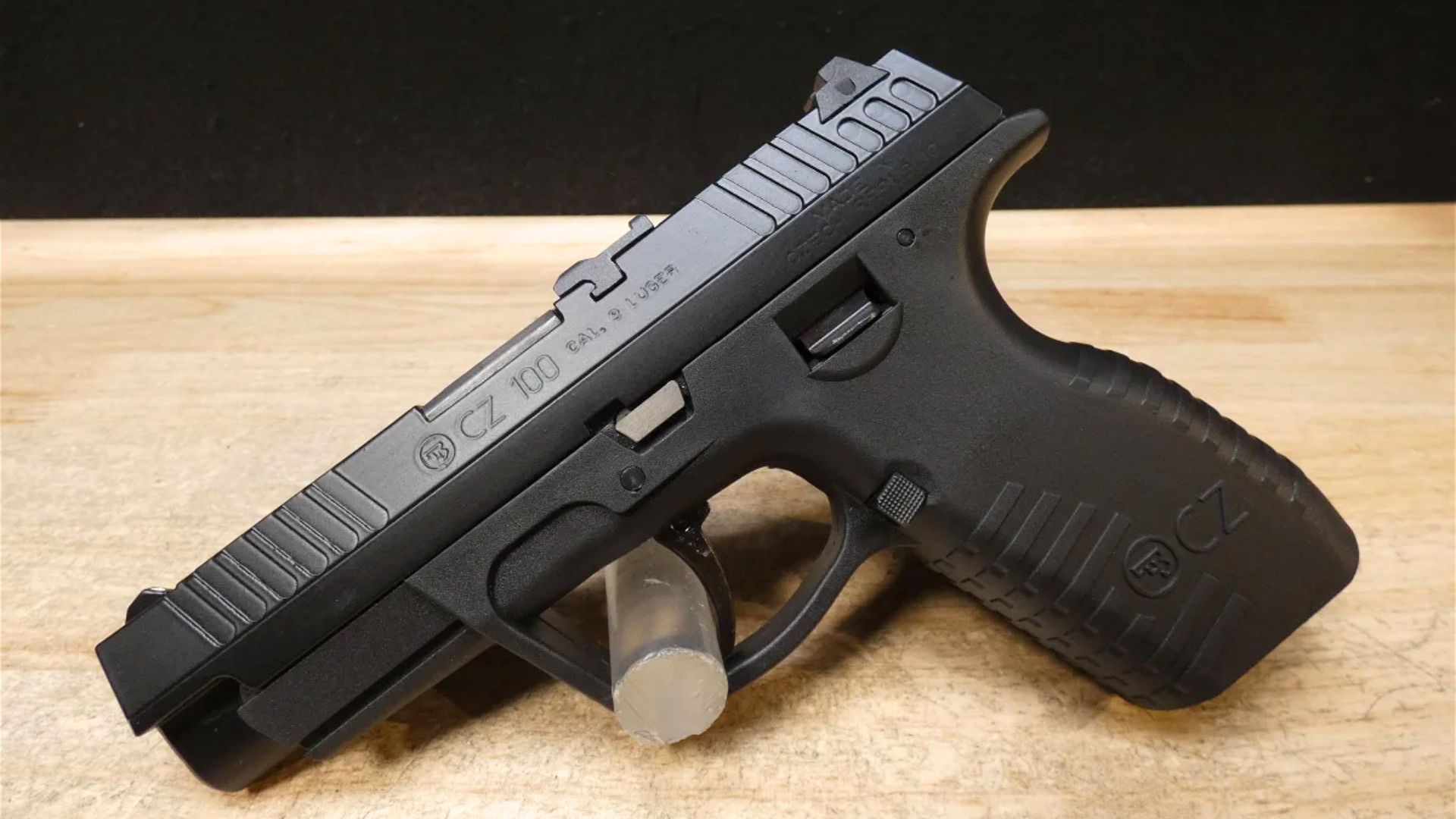
The CZ 100 never achieved the accuracy reputation of its metal-framed siblings. Its trigger had a gritty pull and odd reset that made it difficult to break shots cleanly. Most shooters found their rounds hitting low or stringing vertically as they fought to manage the inconsistent break.
Even when benched, the pistol often produced patterns rather than groups. The polymer frame flexed more than expected, and combined with a loose lockup, the point of impact would wander throughout a session. Adjusting sights helped little because the inconsistency wasn’t a zeroing issue—it was a mechanical one.
Bersa Thunder 380 CC
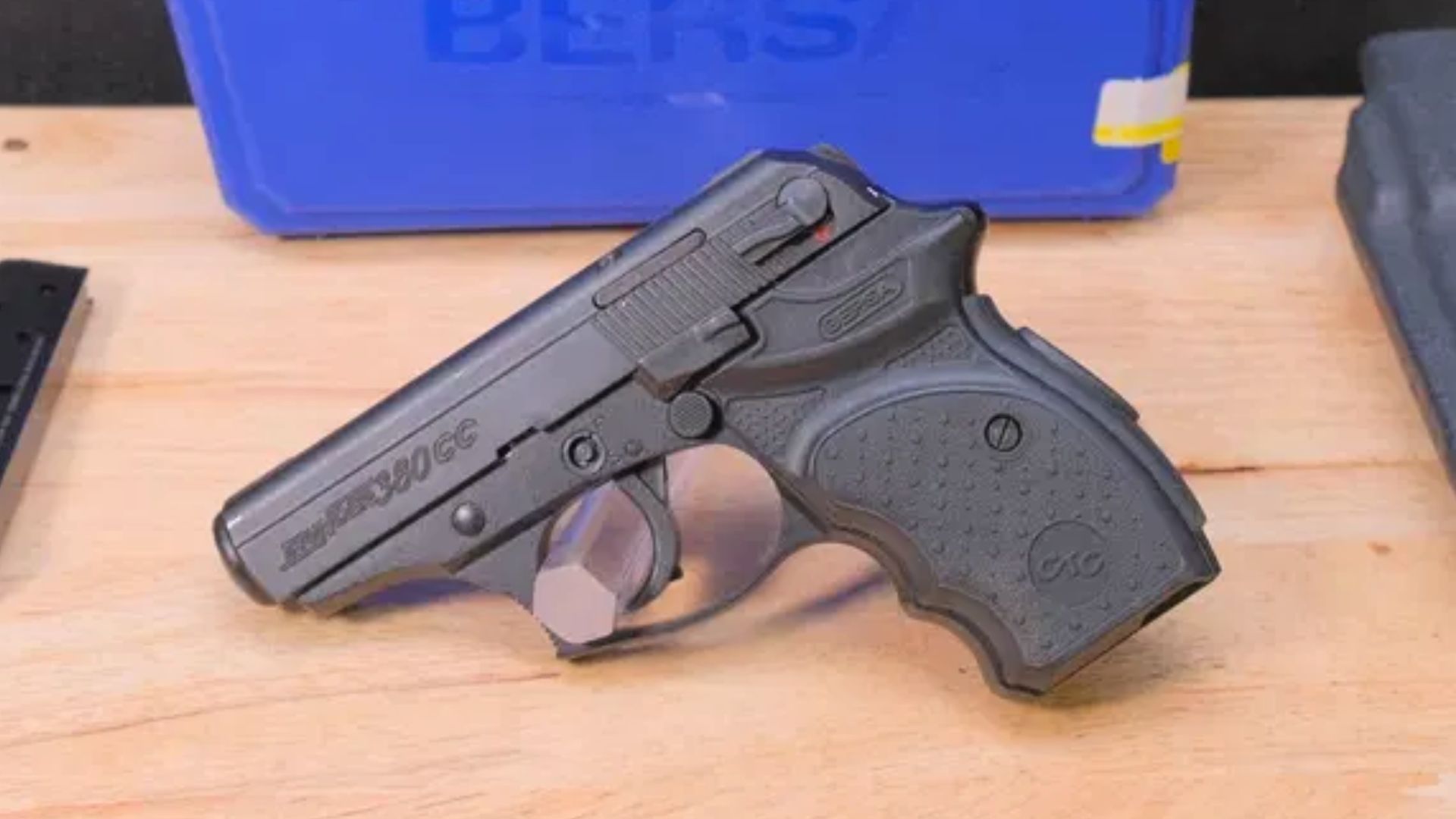
The Thunder CC trades shootability for concealability, and accuracy suffers because of it. The abbreviated sights sit low and narrow, leading many shooters to fire high or pull their shots left. The DA trigger stroke is longer and heavier than most expect, causing the muzzle to dip as the pull completes.
As the gun warms, the slim slide and compact barrel interface tend to shift slightly, making later shots land higher or drift along the edges. Even at short distances, groups often look stretched or uneven, leaving shooters wondering what they did differently shot to shot.
Walther CCP (Early Models)
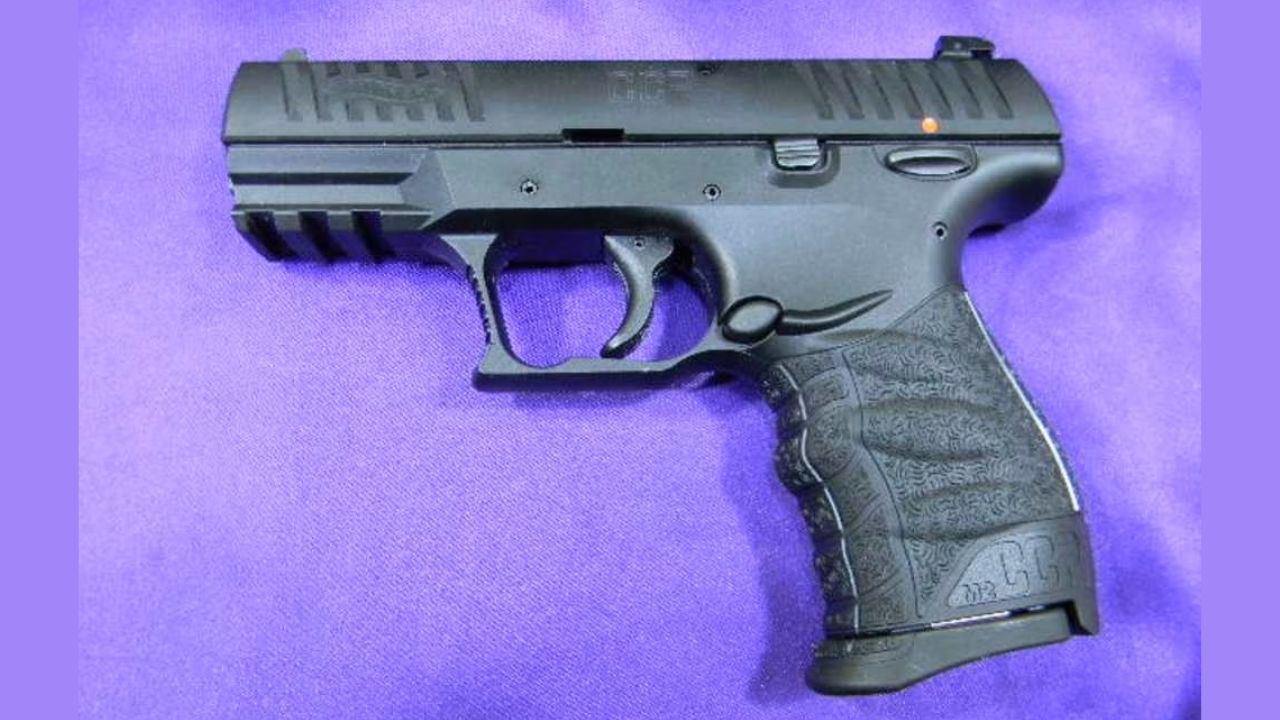
The original CCP uses a gas-delayed system that changes its feel compared to typical compact pistols. Many shooters found the muzzle rising more than expected, causing shots to land high. Others experienced oddly low groups because they overcorrected in anticipation of the unusual recoil impulse.
The trigger also had a long take-up and a vague break, which led to lateral drift as shooters fought to keep the front sight steady. Even when using quality ammo, the CCP often produced groups that looked irregular and impossible to predict.
Jimenez JA Nine

The JA Nine has loose tolerances that make accuracy a challenge. The barrel and slide don’t lock up in a consistent way, and as a result, groups wander up and down the target from magazine to magazine. Many shooters report rounds landing high one moment and low the next without any change in technique.
The trigger adds to the issue with a mushy break that encourages side pressure. Even slow, deliberate shots often string diagonally, making consistent point of aim nearly impossible to maintain across a full range session.
Taurus PT140 Millennium (Pre-G2)

Early PT140 pistols struggled with accuracy due to timing inconsistencies. The barrel often didn’t return to the exact same position after each shot, which caused shots to climb or drop unpredictably. Even when benched, groups tended to look more like loose clusters than consistent patterns.
The long trigger pull also led to muzzle dip, pushing shots low. When shooters overcompensated, they sent rounds high instead. With little middle ground, the PT140 made it tough to learn its rhythm or predict where the next round would land.
Kahr CW40
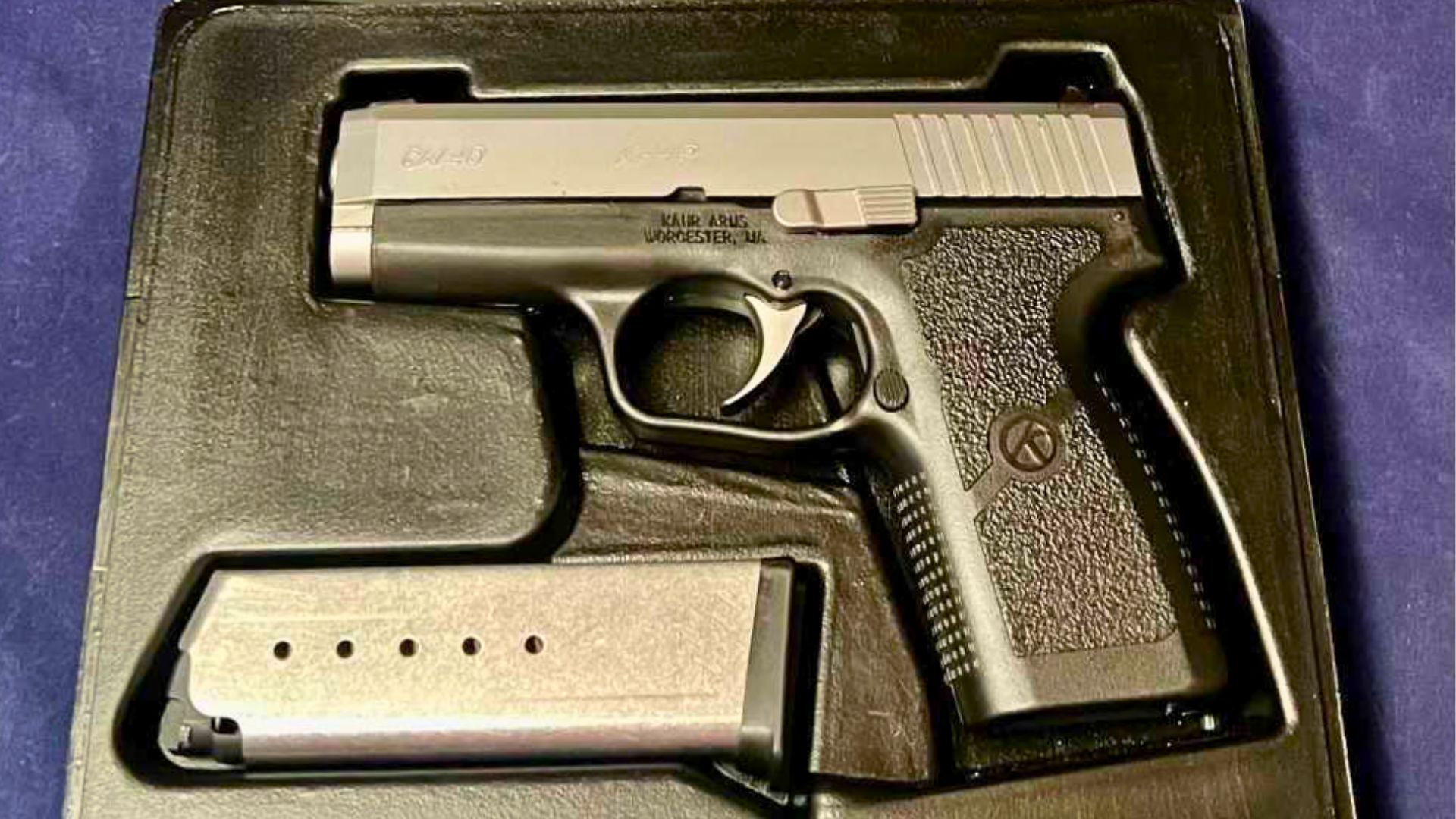
The CW40’s snappy recoil and long DAO trigger make it difficult to shoot consistently. Many shooters pull shots low left due to the trigger geometry, while others see rounds striking high as they fight to control the muzzle rise. Even practiced shooters often see wandering groups at moderate distances.
As the gun heats up, the barrel lockup can loosen slightly, shifting point of impact. The combination of sharp recoil and sensitive mechanics turns accuracy into a moving target that rarely settles.
SIG Sauer Mosquito

The Mosquito’s accuracy issues often stem from inconsistent cycling. Because it’s ammo-sensitive, underpowered rounds may cause uneven slide velocity, which affects lockup and shifts point of impact. Shots may print low one magazine and high the next with no change in technique.
The heavy trigger only adds to the difficulty. Many shooters dip the muzzle at the break, producing scattered groups that look more random than intentional. Even with ideal ammo, the Mosquito rarely behaves like a precision trainer.
KelTec PF-9

The PF-9’s lightweight frame and sharp recoil impulse make accuracy difficult, especially for new shooters. The trigger has a noticeable stacking effect that causes the muzzle to dip during the final millimeters of travel, pushing shots low. When shooters brace harder, rounds begin drifting high or right.
The simple lockup also contributes to inconsistency. As the gun heats up and the slide slows, groups often wander across the paper, making it tough to predict where the next shot will hit.
Colt Pony Pocketlite
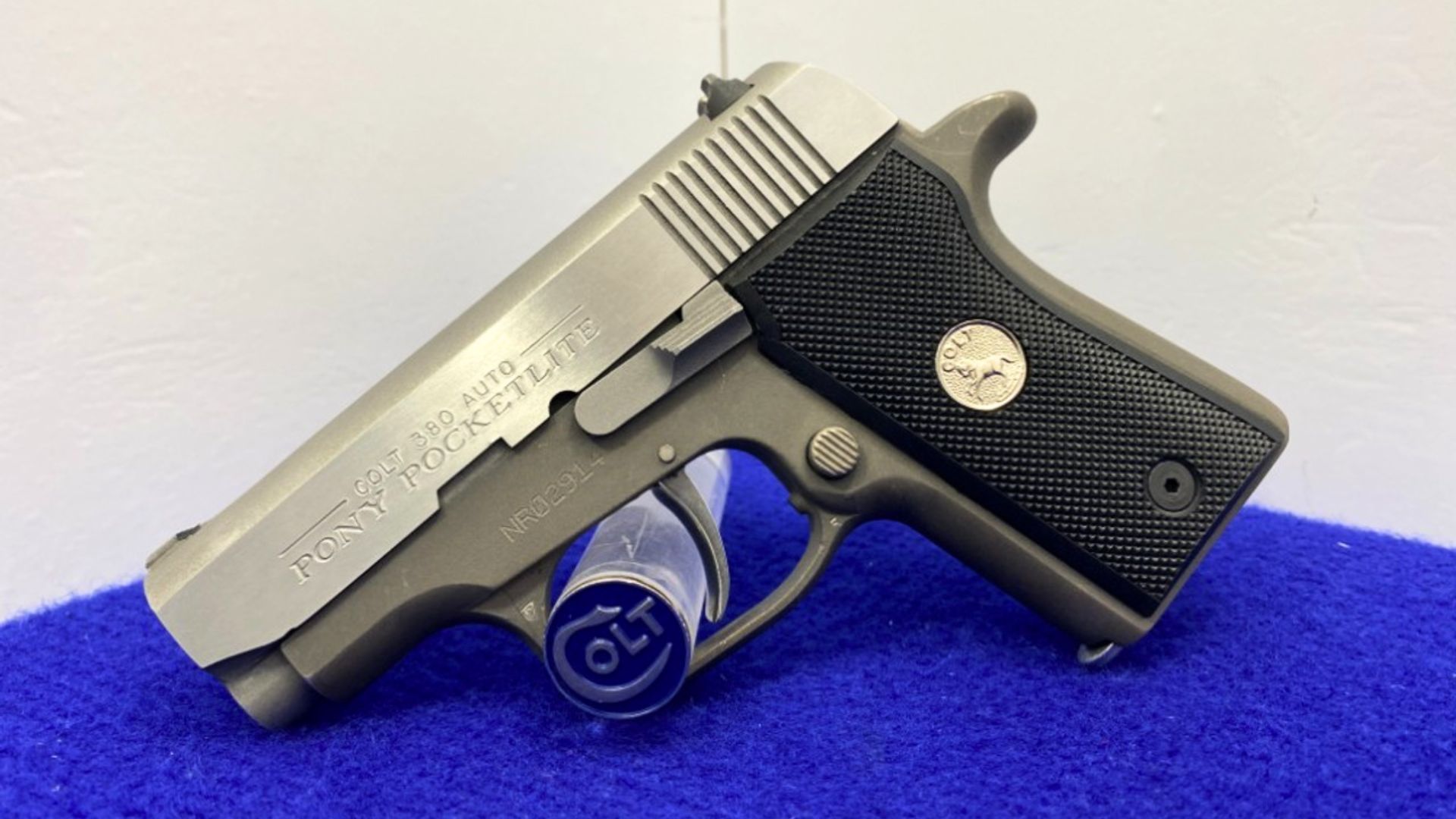
While compact, the Pony Pocketlite has accuracy limitations tied to its short sight radius and stiff trigger. Shooters frequently find their groups drifting upward as they compensate for the heavier pull. Others pull low because the tiny frame exaggerates hand movement.
Heat makes the lockup inconsistent, causing flyers that land outside the group entirely. Even at close distances, it’s challenging to keep rounds centered, especially once fatigue sets in.
Hi-Point CF-380
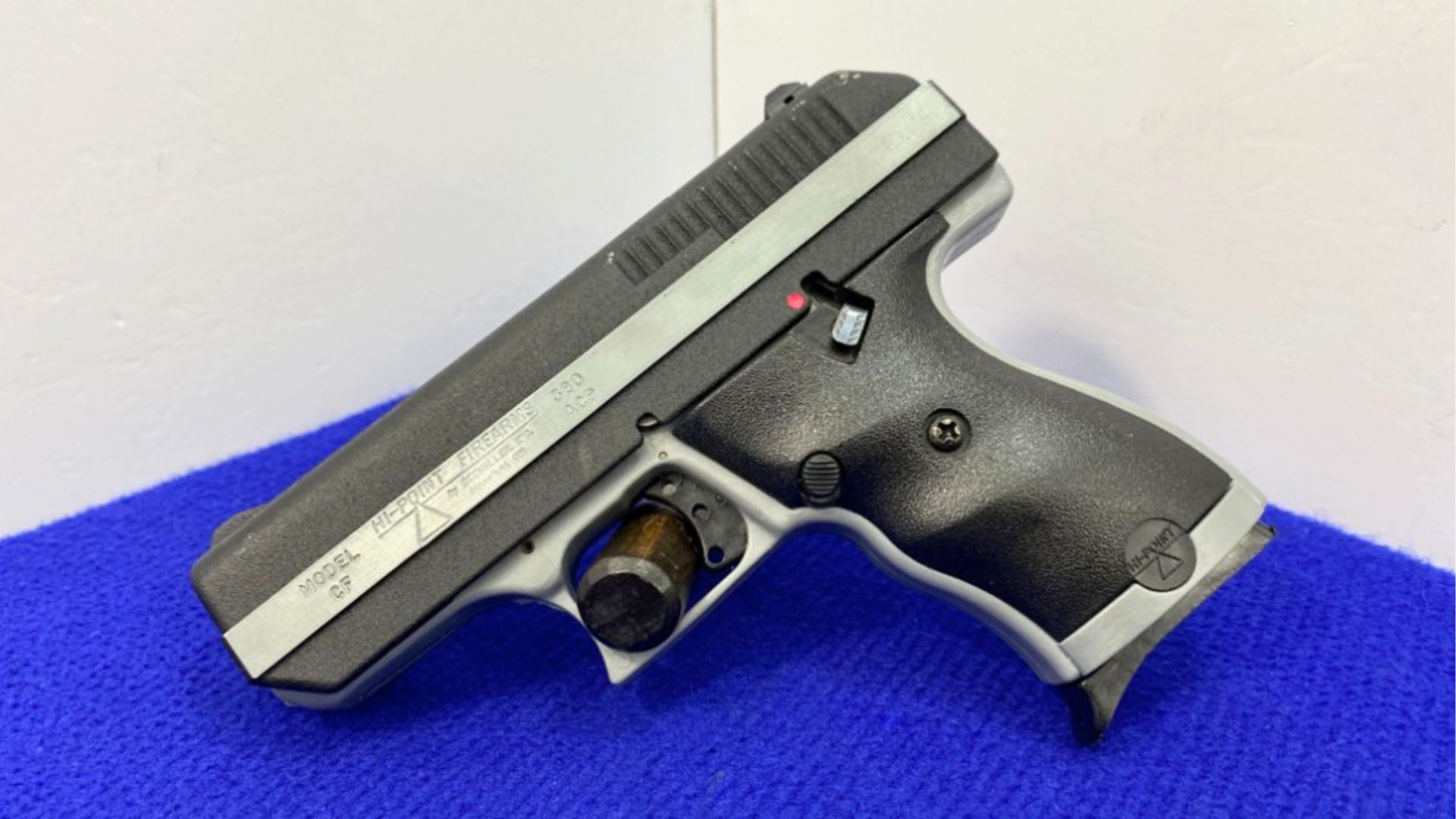
The CF-380 can be mechanically reliable, but accuracy isn’t its strong suit. The heavy slide and basic sights create a slow, awkward sight picture that causes many shooters to fire low. When trying to speed up, groups climb or shift sideways due to the vague trigger break.
Even when shot carefully, the pistol often produces wide, unpredictable patterns. Variations in magazine fit can shift the angle of chambered rounds, causing slight differences in how the barrel locks up—and a wandering point of impact.
AMT Backup 9mm

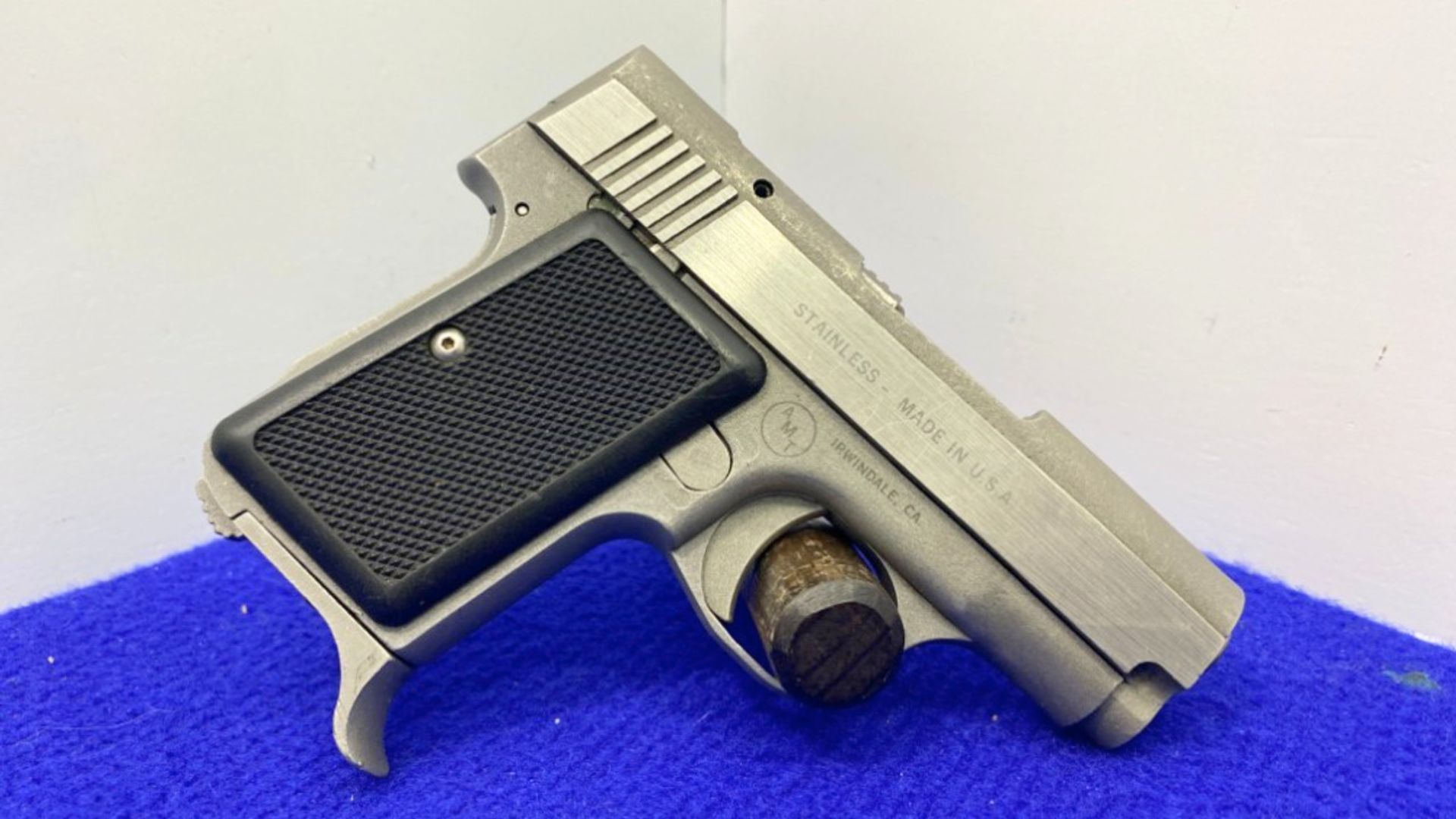
The AMT Backup’s tiny sights and stiff trigger make accurate shooting difficult. Shots often land low due to the amount of force needed to break the trigger, and when shooters attempt to compensate, rounds start drifting high or wide. Even slow fire doesn’t fully solve the issue.
The stainless-steel construction gets hot quickly, and as the gun warms, the slide and barrel fit loosen subtly. This shift in timing leads to point-of-impact changes that leave shooters guessing through the rest of the session.
Like The Avid Outdoorsman’s content? Subscribe to our newsletter so you never miss an article.
Here’s more from us: