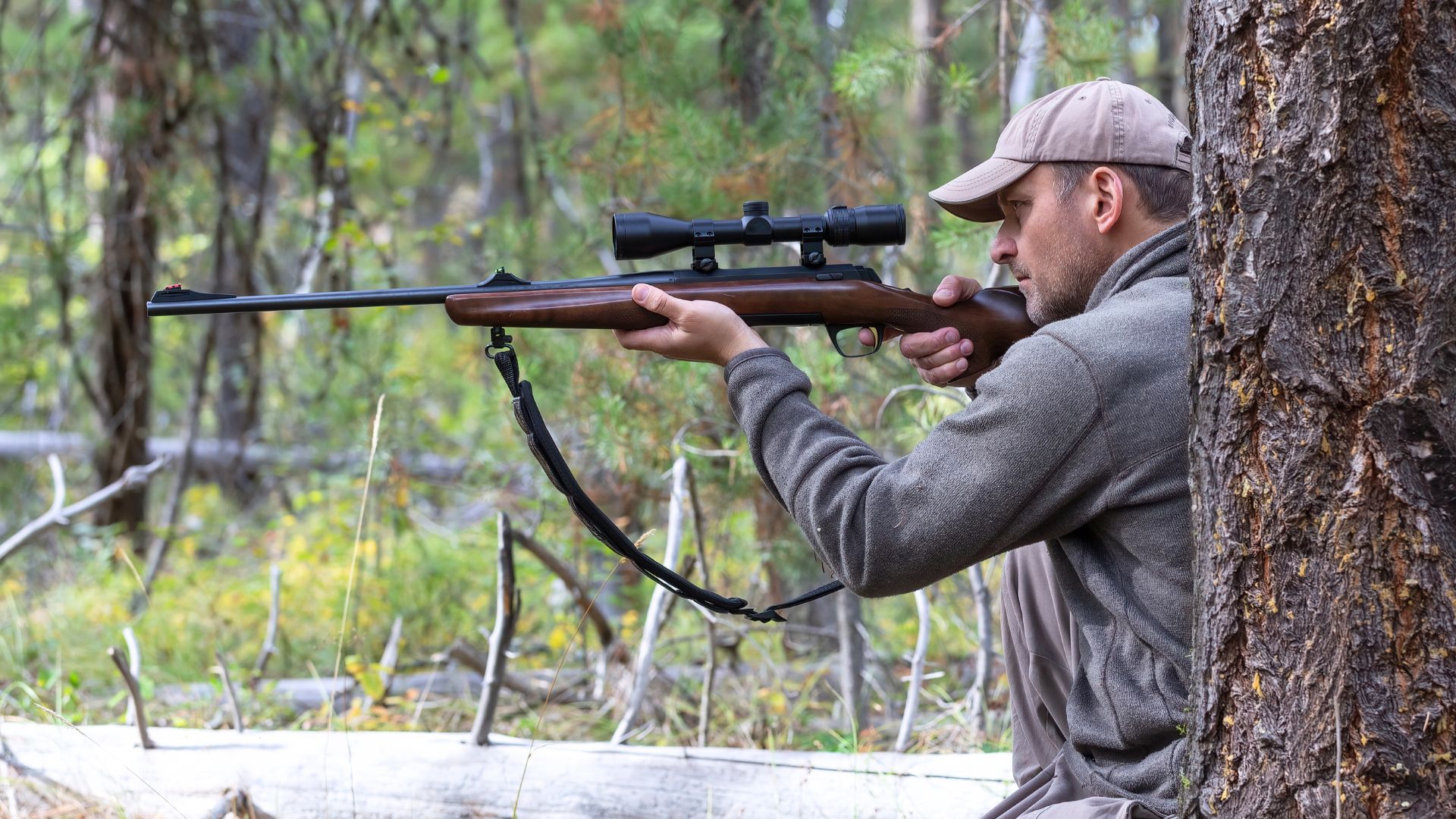
Photo credit: Alexey Spehalski/Shutterstock.com
A rifle can make a terrific impression before opening day. It shoots tiny groups off the bench, carries a strong brand name, and checks all the right boxes in the store. Light weight. Good trigger. Great reviews. Modern stock. Threaded barrel. Maybe even a price that feels like you got away with something. Then hunting season starts, and the same rifle begins to feel different. It gets carried farther, shot from worse positions, bumped against tree stands, dragged through brush, exposed to rain, and judged by more than a three-shot group on a calm day.
That is usually when the truth shows up. Some rifles are built to impress under controlled conditions more than they are built to feel right in the field. They are not always bad rifles. In many cases, they are accurate enough and mechanically sound. The problem is that hunting season exposes things the bench does not. Balance matters more. Recoil matters more. Stock design matters more. Weather resistance matters more. A rifle that looked perfect in theory can start feeling awkward, sharp, noisy, or tiring once it has to live in the woods instead of on a rest.
Bench accuracy hides a lot of field weaknesses
One of the biggest reasons some rifles seem better before season starts is that bench shooting flatters traits that do not always matter as much in the field. A rifle can print great groups from bags and still feel clumsy when you shoot offhand, kneeling, or over a pack. It can seem wonderfully stable at a table and then feel front-heavy when you carry it for three hours through rough country. A clean little group can make people forgive a lot of things they would notice quickly if they were standing on a hillside with cold hands and a bad angle.
That does not mean accuracy is unimportant. It means it is not the whole story. Hunting rifles are carried much more than they are fired. They are mounted quickly, not carefully staged. They are used when breathing is up, footing is bad, and the target may only stand still for a few seconds. Once season starts, a rifle has to do more than shoot well under ideal conditions. It has to handle like a hunting tool. That is where some promising rifles begin losing some of their shine.
Light rifles can turn ugly once the shooting starts
A rifle that feels wonderfully light in July can feel a lot less wonderful in November once real recoil enters the picture. This is one of the most common disappointments in hunting rifles. People love the idea of carrying less weight, and that part is legitimate. A light rifle absolutely makes long walks easier. But when chamberings like .30-06, .300 Win Mag, or even some lighter cartridges are fired from very light rifles, the shooting experience can become more abrupt than the buyer expected.
That matters because hunting rifles should invite enough practice to build real confidence. If the rifle is so light that every range session becomes unpleasant, the owner may stop shooting it as often as they should. Then the same rifle that looked like a smart mountain-ready choice starts becoming the gun they dread zero-checking. In real hunting season, a rifle has to be something you can carry and shoot. Too many lightweight rifles only excel at the first half of that.
Cheap stocks get exposed fast in bad weather and bad positions
A rifle stock can seem perfectly acceptable at the counter and then start feeling flimsy the first time you sling up, shoot off sticks, or brace against a tree. This happens a lot with cheaper synthetic stocks. They may keep weight down and hold the barreled action just fine in ordinary use, but real hunting season tends to expose flex, hollow feel, poor forend stability, and awkward handling in ways the store never will. A stock that feels merely plain in the summer can feel cheap once it starts banging around in real cover.
The problem is not only comfort. It is confidence. A rifle that feels insubstantial tends to make the whole gun feel less trustworthy, even if it still shoots reasonably well. The better hunting rifles usually feel composed in the hands, not flimsy or toy-like. When a hunter starts noticing how much the stock affects carry, balance, and improvised shooting support, the rifle’s early promise can fade quickly.
Over-scoped rifles stop feeling like hunting rifles
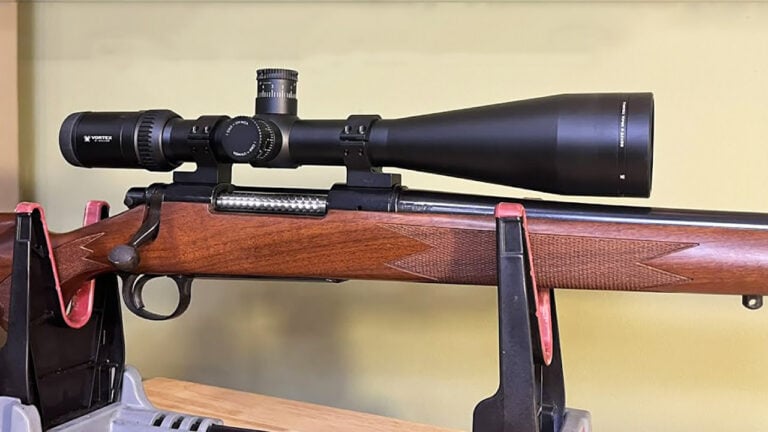
A lot of rifles start disappointing during hunting season because the optic setup turned them into something too bulky for their real job. A giant scope with too much magnification may look impressive on paper, but it often makes the rifle top-heavy, slower to mount, and harder to use in timber, brush, or quick shot situations. It also adds weight in a place that makes the whole rifle feel clumsier. That is easy to ignore when the gun is sitting on a bench. It is much harder to ignore when you are carrying it all day and trying to get on an animal fast.
This is one reason practical hunting rifles often age better than “optimized” ones. A modest 2-10x or 3-9x scope usually keeps the rifle feeling like a rifle. An oversized optic often makes it feel like a portable shooting station. Once season starts, many hunters realize they spent too much time thinking about seeing tiny details at long range and not enough time thinking about how the rifle would actually move in the woods.
Good actions matter more when the weather gets ugly
A rifle action that felt acceptable in dry range weather can start feeling rough, sticky, or annoying once rain, cold, gloves, and dirt become part of the picture. Hunting season tends to punish mediocre bolt feel, awkward safeties, and magazine setups that looked modern but behave poorly when the temperature drops and the hunter is not standing comfortably at a table. Real field use asks more from the action than range use does.
This is why some rifles gain fans slowly while others lose them. A smooth Tikka T3x Lite, a well-balanced Winchester Model 70 Featherweight, or a practical Remington Model Seven tends to keep making sense because the action stays easy to run when things get awkward. A rifle with a stiff, gritty, or awkward system may still kill game just fine, but the owner starts noticing the flaws much more once season begins. Hunting has a way of turning “fine” into “annoying” very quickly.
Some rifles are too specialized for ordinary hunting life
Another reason promising rifles lose appeal is that they were bought for a fantasy version of the hunt instead of the one the owner actually lives. Maybe the rifle was built like a long-range rig, but most shots happen inside 125 yards. Maybe it was chambered for a hard-kicking magnum because the owner liked the idea of extreme capability, but deer season mostly means sitting in hardwoods or shooting across modest clearings. Maybe it looked like a western rifle, but it ended up living in a tree stand two counties over.
That mismatch shows up fast once the season gets real. A rifle that is too heavy, too loud, too specialized, or too overbuilt for ordinary hunting starts feeling like extra work. That is one reason classic, practical rifles keep surviving. They were built around common hunting, not dramatic hunting. A rifle that fits the real season almost always outlasts one that was bought for a more exciting one.
Recoil and muzzle blast get judged more honestly in the field
Hunters are often more honest about recoil once the season starts because the rifle stops being something they are “testing” and starts being something they are trying to trust. Muzzle blast, hard recoil, and unpleasant shooting manners feel a little more tolerable when you are proving something at the range. They feel much less tolerable when you are trying to confirm zero, shoot from field positions, or stay sharp right before opening day. A rifle that pounds the shooter or makes every shot feel like a little event starts losing fans in a hurry.
This is where a lot of “promising” magnum rifles begin disappointing. They looked powerful, capable, and exciting in the buying phase. Once the shooter realizes they do not enjoy practicing with the gun, the whole relationship changes. A hunting rifle should build confidence, not encourage avoidance. When the recoil or blast starts pushing the owner away from practice, the rifle is already less useful than it seemed before season started.
The rifles that age best usually feel ordinary at first
This is the part a lot of hunters learn the slow way. The rifles that hold up best during real season are often not the ones that made the biggest early impression. They are the ones that feel steady, practical, and maybe even a little plain at first. They carry well. They shoot honestly. They do not beat you up. They do not ask for special treatment. They are not trying to be your most interesting rifle. They are trying to be your most usable one.
That is why so many hunters eventually drift back toward rifles like the Winchester Model 70 Featherweight, Remington Model Seven, Tikka T3x Lite, Marlin 336, or Browning X-Bolt Hunter. These rifles usually keep making more sense the deeper the season goes. They are not only promising. They are dependable in the ways that matter when the weather turns ugly and the shots stop coming from benches. Real hunting season has a way of stripping away pretense, and some rifles survive that process much better than others.
Like The Avid Outdoorsman’s content? Subscribe to our newsletter so you never miss an article.
Here’s more from us: