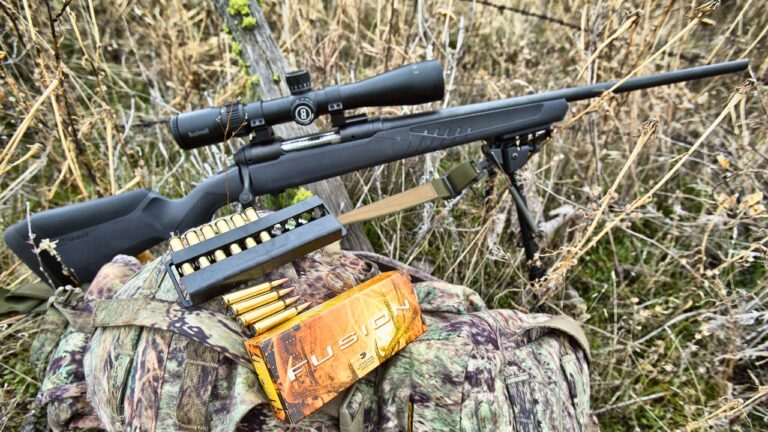
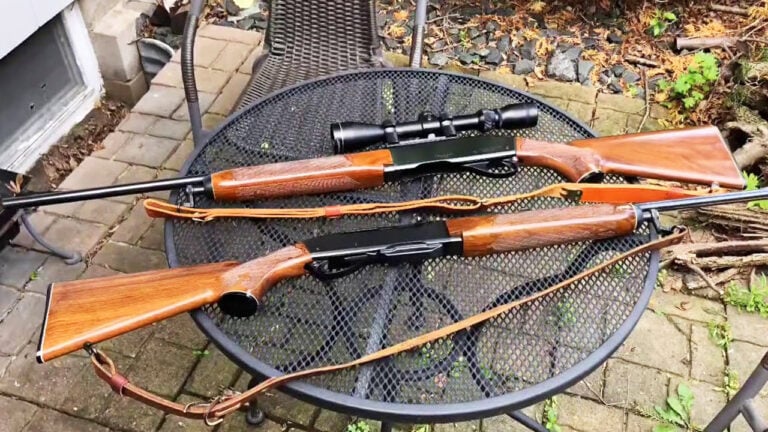
Photo credit: willeybros/GunBroker
If you’ve spent any serious time behind a bolt gun, odds are you’ve crossed paths with a Remington 700. Maybe it was your first deer rifle. Maybe it belonged to your buddy’s dad, who never missed a shot at 300 yards. Or maybe it was a well-worn .308 in a squad car. Either way, the Remington 700 earned its reputation the hard way—through decades of field use, match wins, and one-shot kills. It isn’t flawless. But even after all these years, even with fancier rifles crowding the market, there’s still something about a good 700 that keeps showing up on the range and in the field when hits matter most.
The action still gets it done
At the heart of the 700’s staying power is that round, solid receiver. It’s not some gimmick—it’s a design that’s been proven to lock up tight and feed reliably, hunt after hunt. You’ve got twin opposed locking lugs and a recessed bolt face that gives you consistent headspacing. That might sound technical, but what it means is better accuracy right out of the box. No, it’s not the slickest action you’ve ever felt, and it won’t win any speed races, but for precision work, it does the job. And when it’s time to upgrade or tune it, you’ve got decades of aftermarket support.
Triggers that set the standard
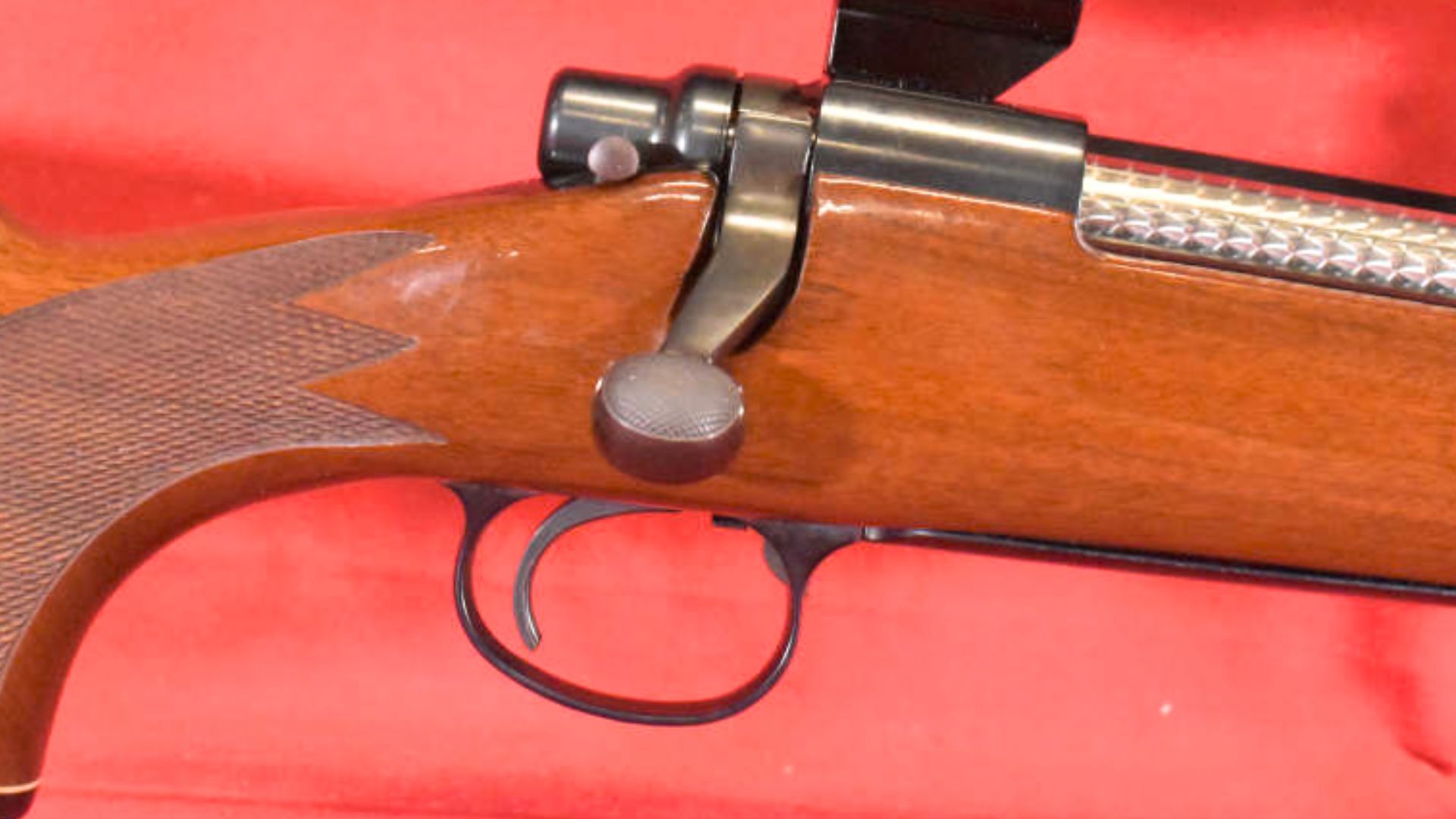
The factory triggers on older 700s were crisp enough to spoil a guy. The original Walker trigger design, for all its later controversy, set a benchmark for what a factory trigger could feel like. And now, with newer models or a drop-in replacement, you can get that clean, consistent break that helps turn a decent shooter into a better one. A lot of rifles try to wow you with adjustable do-everything triggers. But the 700 has always leaned on being usable and repeatable, not flashy. If you’ve ever touched one off and watched the bullet land right where you wanted it, you get it.
Factory barrels that punch above their weight
Plenty of folks chase aftermarket barrels hoping to shrink their groups. And yeah, there’s a place for that. But Remington 700s, especially older ones, were known for punching tight groups with factory tubes. You could take a stock SPS or ADL in .243 or .30-06, zero it at 100 yards, and watch it stack rounds tighter than it had any right to. Sure, some barrels were better than others—it’s mass production—but you didn’t need a gunsmith and a reamer to get a sub-MOA shooter. That kind of out-of-the-box accuracy is part of why so many hunters stuck with the 700.
It’s the rifle of choices

You want a hunting rig? Target gun? Tactical trainer? The 700’s done it all. That’s what makes it so hard to ignore even today. Whether you were chasing antelope in the plains, sitting over a bean field, or ringing steel at 800 yards, odds are someone next to you was shooting a 700. It became the platform that custom builders leaned on and police departments trusted because it could be set up so many ways. No matter how far the precision world’s evolved, that kind of adaptability still matters, especially when you’re looking for a rifle that can do more than one job.
Aftermarket parts still flood the shelves
Part of what makes the 700 such a staple is how easy it is to make it your own. You’ve got stocks, triggers, bottom metal, bolt handles, rails, barrels—you name it. Whether you’re rebuilding an old wood-stocked hunting rifle or turning a beat-up .308 into a budget precision rig, the parts are there and the knowledge is everywhere. That’s not something every rifle platform can claim. Newer rifles might come out of the gate with tighter tolerances or slicker finishes, but when you want to tinker, learn, and build something dialed to your exact needs, the 700 is still one of the best starting points.
Military and LE legacy still carries weight

The Remington 700 didn’t earn its stripes sitting in a safe. It spent decades in the hands of military snipers and law enforcement marksmen. The M24 and M40 variants weren’t flashy—they were tools built around precision and reliability. That kind of real-world validation can’t be faked. When something works in harsh terrain, under pressure, with lives on the line, it tends to earn respect. And that respect filters down. Civilians saw the same platform their local departments used and the same rifle that went overseas. It’s not nostalgia—it’s the kind of confidence that comes from real experience.
Accuracy still comes easy with one
You don’t need a bench full of reloading dies or a wind meter clipped to your hat to shoot tight groups with a 700. It helps, sure—but even with factory ammo, a decent scope, and a steady rest, this rifle will make you look better than you are. And that’s what keeps folks coming back. It’s not about chasing perfection. It’s about finding a rifle that forgives the small stuff and rewards the basics. The 700 has always done that. It holds zero. It puts bullets where they’re supposed to go. And when the shot matters, it’s still a rifle you can count on.
Like The Avid Outdoorsman’s content? Be sure to follow us.
Here’s more from us:
The worst deer rifles money can buy
Sidearms That Belong in the Safe — Not Your Belt
*This article was developed with AI-powered tools and has been carefully reviewed by our editors.