Photo credit: Frontier Western Heritage/YouTube
A firearm can look like safe money long before it proves anything on the secondary market. You see a famous rollmark, a premium finish, a retro name, or a model that everybody online says is “only going up,” and it starts feeling like a buy you can’t really miss on. The problem is that collector strength and resale momentum are not the same thing. A gun can be expensive, desirable, and still flatten out fast when supply stays wide, reissues keep coming, or the buyer pool turns out to be narrower than the internet made it sound. Current marketplace listings still show deep availability on many modern “aspirational” guns, while the real record-setting money continues to cluster around genuinely scarce, historically significant pieces instead of broad current-production favorites.
That does not make these guns bad. A lot of them are excellent shooters. It only means “good firearm” and “good investment” are not interchangeable. If you buy with the expectation of easy appreciation, some models that look like obvious winners can stop climbing the minute the first rush of excitement wears off. These are 15 firearms that often look like safe investments and then stall out faster than buyers expected.
Colt Python

The modern Colt Python carries one of the strongest names in American handguns, and that alone makes it feel like safe money. You see the snake rollmark, the polished presentation, and the Colt badge, and it is easy to assume the value story takes care of itself. The problem is that the current-production Python is still a current-production revolver, and the market reflects that. There is steady demand, but there is also steady retail availability, and that tends to cap the kind of fast appreciation buyers imagine.
That means the gun can stay desirable without behaving like a true collector rocket. It may hold value reasonably well, but “holding” and “climbing hard” are different outcomes. If you buy one because you love the gun, that makes sense. If you buy one expecting it to move like an old original Python, that is where disappointment starts. The reissue looks like collector certainty. In practice, it behaves more like a premium production revolver than an automatic home run.
Colt Anaconda
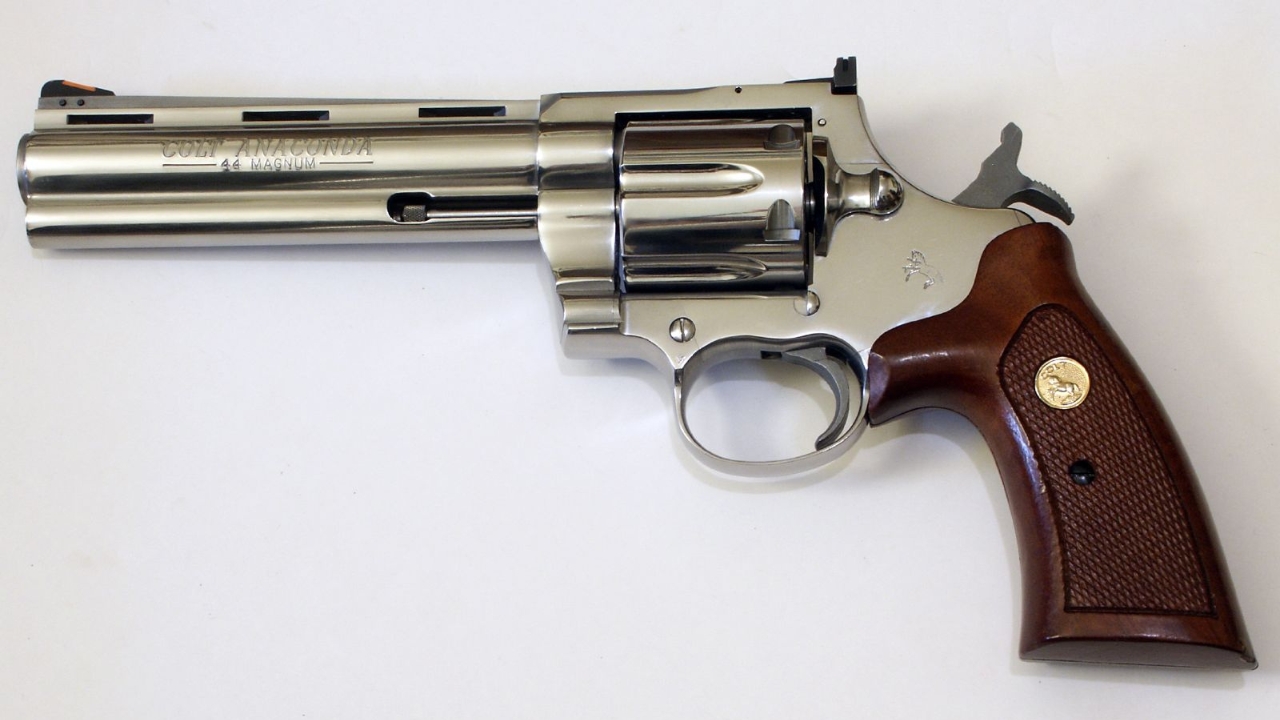
The modern Colt Anaconda triggers the same instinct in a lot of buyers. It is a Colt, it is a big-bore snake gun, and it carries enough visual presence that people naturally start thinking in collector terms the moment they see it. That reaction is understandable. It feels expensive and important in the hand. But the same issue shows up here too: current production and broad availability tend to slow the kind of appreciation people expect from a name with this much history behind it. The market may respect it, but respect alone does not force upward movement.
That leaves the Anaconda in a familiar lane. It can be a strong revolver and still stall as an “investment” because too many buyers are counting on the badge instead of the market structure. A recognizable Colt name can create a fast first bump in enthusiasm, but if supply remains healthy, prices often settle into a flatter pattern. It looks like a sure thing because it wears a famous name. It often behaves like a premium shooter that simply costs what it costs.
Springfield SA-35

The Springfield SA-35 feels like exactly the kind of pistol people want to call a smart buy. It revives the Hi-Power shape, carries immediate nostalgia, and gives you a familiar pattern that a lot of shooters still admire. That kind of retro appeal often gets mistaken for instant collector upside. But the current market still shows broad availability on these pistols, with many listings sitting at standard retail-style pricing instead of behaving like scarce collector pieces.
That usually means the first excitement was stronger than the long-term squeeze. The SA-35 is attractive because it scratches an emotional itch for buyers who wanted a modernized Hi-Power-pattern pistol without paying older Browning prices. That can create a hot launch, but it does not automatically create scarcity. If production remains steady and buyers can still find plenty of them, appreciation often cools into a much flatter line. It looks like a revival you should buy before it is “too late.” Very often, it simply stays available enough to keep the panic out of the market.
Henry Golden Boy

The standard Henry Golden Boy looks like a collector piece the moment you see it. Brasslite finish, octagon barrel, and classic lever-gun styling make it feel far more special than a basic rimfire. That visual appeal leads a lot of buyers to treat it like a future collectible right away. But the market keeps reminding you of the same thing: standard Golden Boys are widely available, and that broad supply takes a lot of pressure off the resale side. Listings remain plentiful at normal retail-style numbers, which is not what a fast-rising collectible typically looks like.
That does not hurt the rifle as a rifle. It only hurts the fantasy that every attractive lever gun becomes a money printer. The Golden Boy is popular, approachable, and easy to find, which is exactly why it often stalls. A gun that looks “special” but is still sitting in broad circulation usually stops being a tight investment play. It may sell easily. It just doesn’t always move upward the way buyers expect from something that looks this polished on the rack.
Henry Golden Boy Tribute Editions
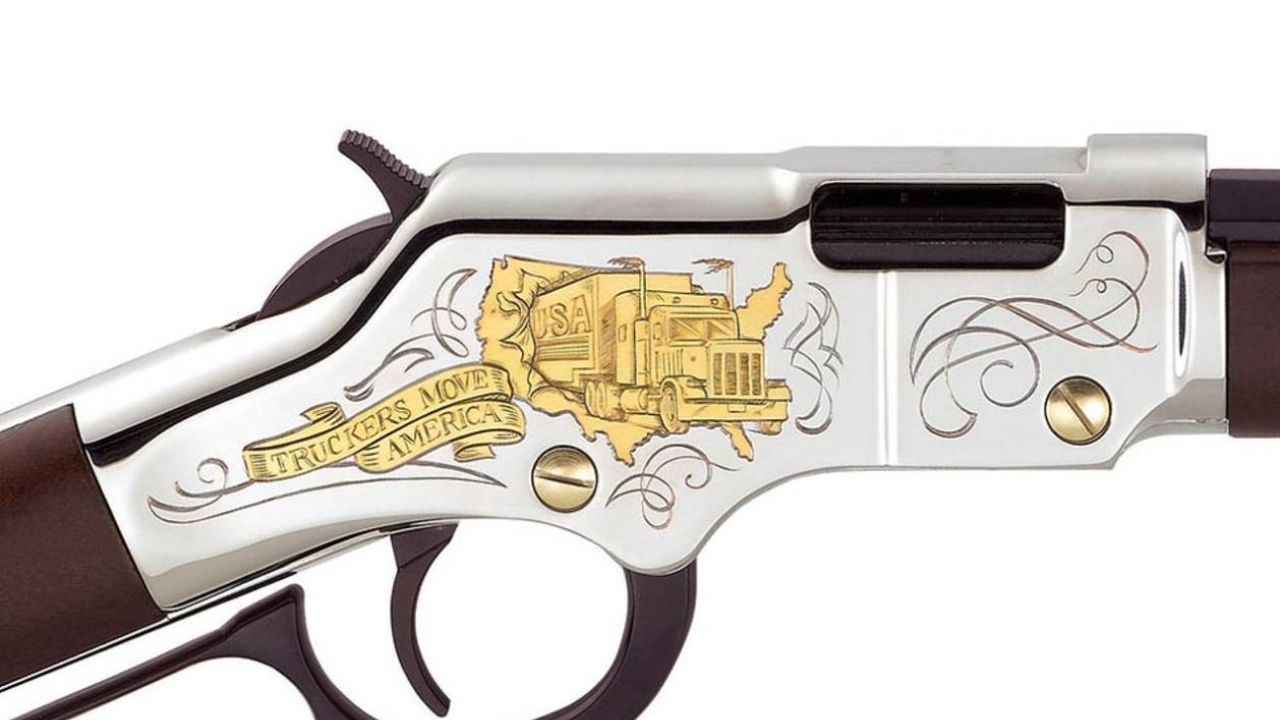
Tribute-edition Golden Boys feel even safer because they add limited themes, commemorative markings, and extra visual flair on top of an already recognizable platform. To a new buyer, that sounds like easy collector logic: special edition plus a popular base gun should mean appreciation. The problem is that commemorative firearms often attract a lot of emotional buying up front and then settle once the first-wave buyers are done. Even now, tribute-style Henry listings continue to appear in healthy numbers, which is not the profile of a model getting squeezed hard by scarcity.
That is the trap with commemoratives. They look tailored for collecting, so people assume the secondary market will reward them automatically. Sometimes it does. More often, the rifle becomes something a narrower group of buyers wants, and narrow buyer pools rarely create smooth upward pressure. You can still enjoy owning one, and some specific variants may do better than others, but the broad pattern is familiar. A commemorative can look like easy investment logic and still flatten once the novelty cools and the market remembers it is still a themed modern production rifle.
Marlin 1895 SBL

The Marlin 1895 SBL has all the ingredients that make buyers think “safe buy.” It has modern lever-gun momentum, strong demand in .45-70, and the kind of styling that turns heads right away. Add the Ruger-era revival story, and it starts feeling like something you need to buy before it runs away. But the current sales environment still shows healthy retail availability, and that tends to pull the brakes on the kind of fast appreciation people expect from a hot-name lever gun.
That is what stalls a lot of “obvious” buys. The model is desirable, but it is also visible, findable, and still being produced for a very active market. That usually creates a broad plateau instead of a sharp climb. If you bought an 1895 SBL because you wanted one, you likely still have a rifle people want. If you bought it as automatic investment fuel, the current market has been a colder teacher. It looks like a hard-to-miss lever gun. It often behaves more like a strong seller that holds attention without truly breaking upward.
Glock 19 Gen 5 MOS

A Glock 19 Gen 5 MOS can fool people because it looks like the safest kind of firearm buy there is. It is from a dominant brand, it has real-world demand, and it fits modern tastes better than a lot of older models. That combination makes it easy to assume resale will always be favorable. The issue is that broad, constant availability can flatten resale movement even when demand stays strong. Current listings remain deep enough that buyers are rarely forced to chase them, which limits upside pressure.
That means the Glock 19 MOS often functions more like a liquid commodity than an appreciating collectible. It is easy to move, easy to replace, and widely understood, which is great if you want a practical pistol. It is not the same thing as strong investment performance. A gun can be one of the most sensible handguns on earth and still be mediocre as a growth piece. The Glock 19 MOS looks like safe money because it is always relevant. Often, it simply stays relevant without becoming meaningfully more valuable.
Daniel Defense DDM4 V7
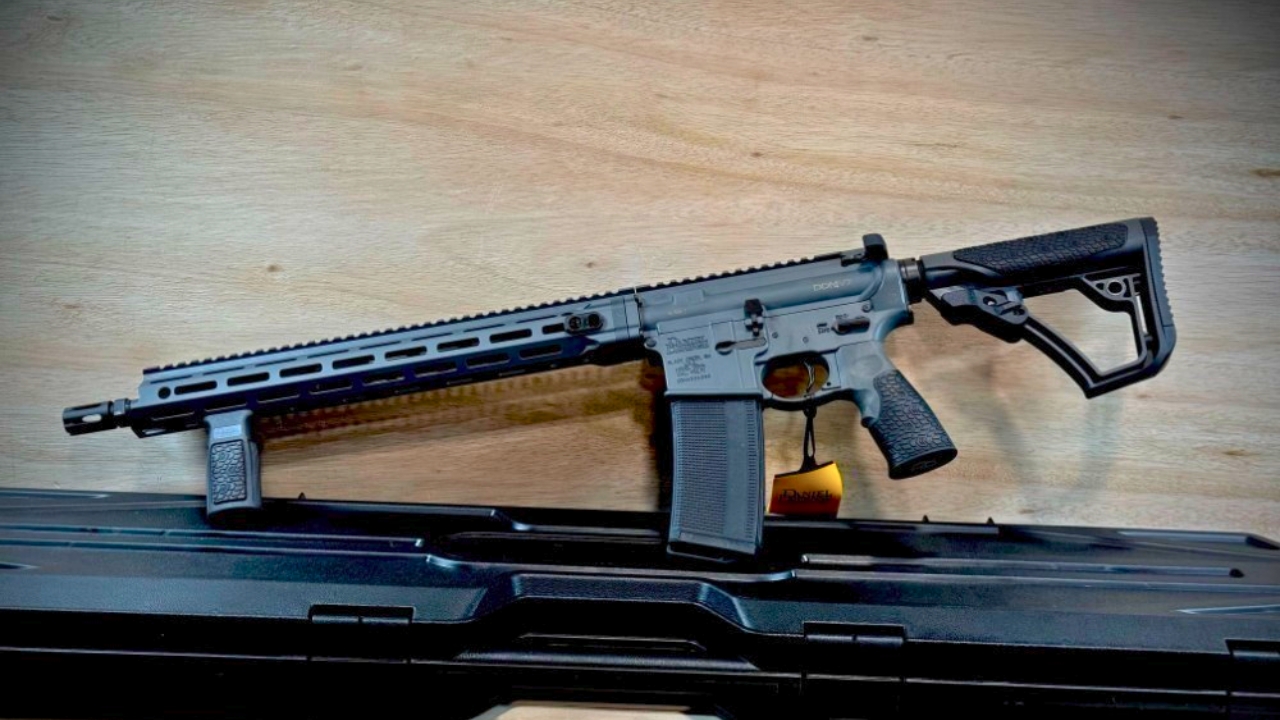
The Daniel Defense DDM4 V7 feels like a premium AR that should always be a smart buy. It has brand strength, a clean reputation, and enough price tag to make buyers think there must be built-in upside. But the market for current-production premium ARs can be brutally practical. The DDM4 V7 is still widely listed and broadly obtainable, which means the brand’s desirability often translates into stable pricing rather than fast appreciation. Premium and available can be a very flat combination.
That is where a lot of buyers get hung up. They mistake “well regarded” for “investment grade.” The DDM4 V7 is often exactly what it claims to be: a high-quality production rifle. But a high-quality production rifle does not automatically become a tightening collectible just because it costs more than entry-level carbines. If retailers and individual sellers keep feeding the market consistently, prices often settle into a broad lane and stay there. It looks like a safe place to park money. In practice, it often behaves more like a very nice rifle that holds its place instead of climbing.
Daniel Defense DDM4A1 Eleanor
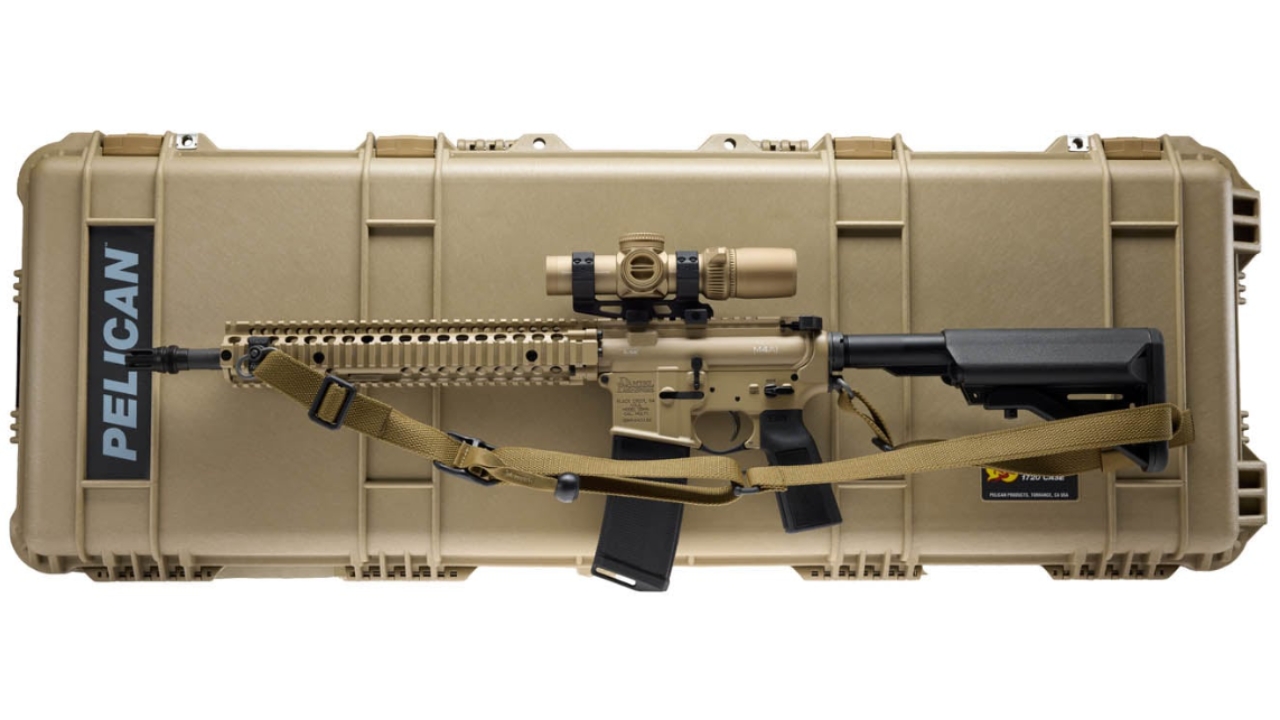
The DDM4A1 Eleanor is the kind of rifle that looks like collector fuel right away. It is tied to a recognizable special-edition concept, it carries Daniel Defense branding, and the visual package signals “limited” before you even read the details. That can create a fast rush of interest. But limited-edition modern tactical rifles often run into the same wall: a smaller buyer pool once the first buzz fades. Even current listings show eye-catching ask prices, which is not the same thing as proof of strong, broad-market upward momentum.
That is the risk with themed premium rifles. They often sell on excitement and identity first, then settle into a narrower resale lane where only certain buyers care enough to pay the premium. That can make the gun feel like a smart “buy now before it doubles” move at launch, then much less dynamic a year later. It is not that the rifle becomes undesirable. It is that desirability and depth of buyer demand are two very different things. A special edition can look safer than it really is once the hype cycle loses steam.
Benelli M4

The Benelli M4 has one of the strongest reputations in the semi-auto shotgun world, and that alone makes people talk themselves into it as a near-bulletproof investment. It is respected, recognizable, and expensive enough to feel like a gun that should keep climbing. The trouble is that strong demand does not automatically create scarcity. The current market still shows broad Benelli M4 availability, which tends to keep pricing from running away the way buyers sometimes imagine.
That leaves the M4 in a very common premium-gun lane: admired, liquid, and still not especially explosive as an investment. It may hold value better than a lot of cheaper shotguns, but holding well is not the same as appreciating hard. Buyers often confuse “this is always desirable” with “this will keep gaining.” If you bought an M4 because you wanted one of the best fighting shotguns on the market, that logic holds up. If you bought it expecting collector-like acceleration, the broad supply side can make that dream stall out fast.
Benelli M4 H2O
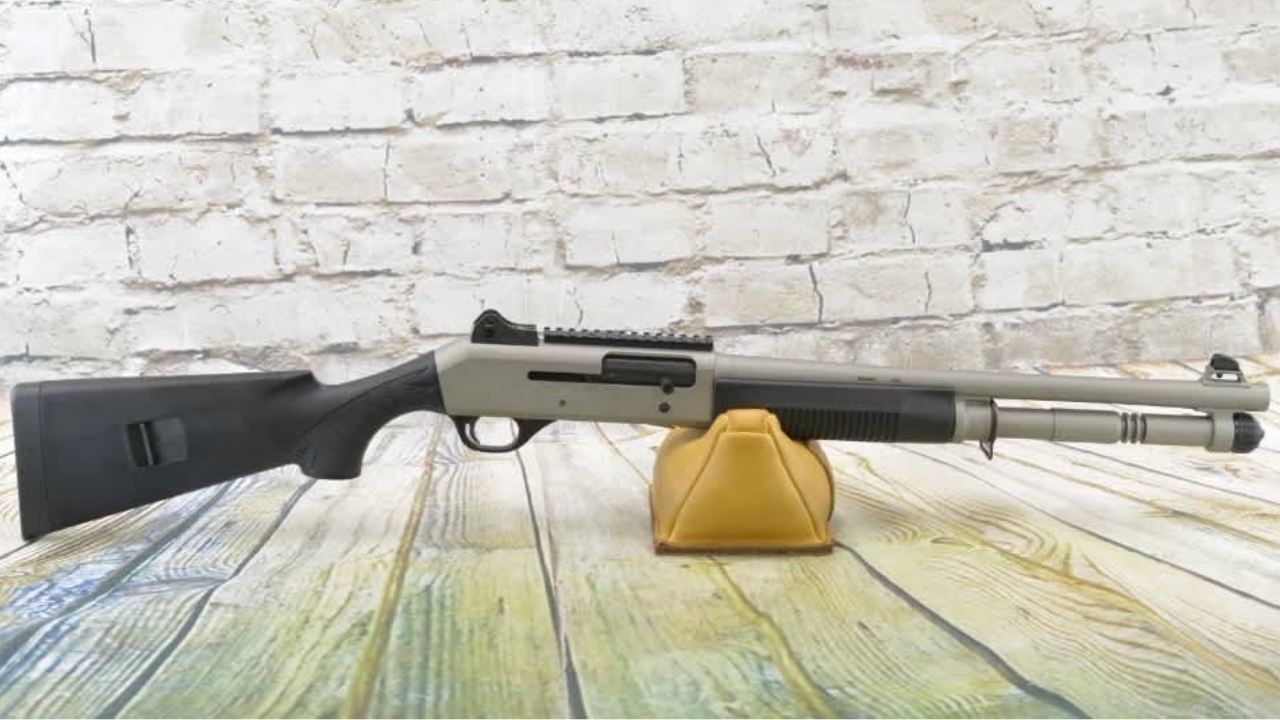
The Benelli M4 H2O looks even safer than the standard M4 because it adds a special-finish angle to an already respected platform. To a lot of buyers, that sounds like a perfect recipe: premium shotgun plus limited-feel visual distinction. That can create the impression that the H2O version should separate itself from ordinary production guns in value. But it still lives in a market where a lot of buyers are shopping for practical use first, and special-finish variants do not always create the kind of sustained premium people expect. Listings remain active enough to keep that reality visible.
That is what slows these “looks special” buys. The H2O is still an M4 at heart, and unless the market starts treating that specific finish as truly scarce and highly preferred, the value curve can flatten into a narrower band than owners hoped for. It may stay desirable. It may even do fine. But “fine” is not the same as the sharp upward push buyers often expect when they pay extra for a dressed-up version of a widely recognized tactical shotgun.
HK SP5

The HK SP5 looks like collector certainty because it taps directly into a legendary pattern with a premium brand name attached. People see the MP5 lineage, the HK rollmark, and the price tag, and the investment story starts writing itself in their heads. The trouble is that the current SP5 market still shows broad visibility and regular availability, which tends to restrain the kind of fast upward movement buyers expect from something that feels this iconic.
That does not mean the SP5 lacks appeal. It clearly has it. But iconic and scarce are not identical. If a firearm remains widely listed and easily recognized as a current premium item, the price can spend a long time moving sideways while buyers tell themselves it “has to go higher.” The SP5 often behaves that way. It feels like a collectible because the design history is real. It can still stall because modern market supply and buyer access keep it from becoming truly hard to obtain.
Springfield Armory M1A Standard
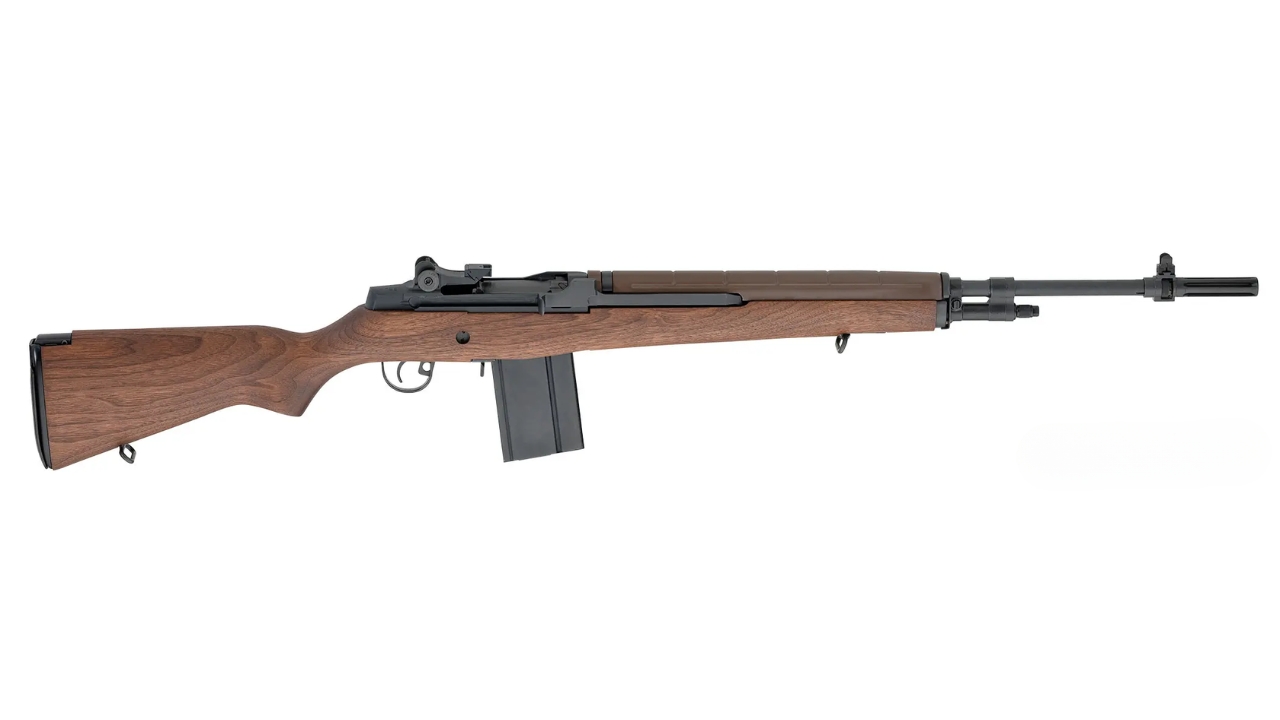
The Springfield M1A Standard is a classic example of a firearm that feels like a safe investment because it carries historical flavor in a still-current package. It has the silhouette, the cultural pull, and the kind of broad name recognition that makes buyers assume values should keep rising. But the current market keeps showing plentiful listings, including multiple standard retail offerings at the same time, and that broad availability tends to flatten the investment story.
That makes the M1A Standard a very common kind of expensive buy: respected, easy to admire, and slower to appreciate than people expect. A rifle can feel historic without actually being constrained in supply. That distinction matters. If you own one because you like the platform, there is still a lot to enjoy. If you own one because you thought the name alone would keep pushing the price upward, the market often teaches a tougher lesson. The M1A Standard looks like an heirloom-grade asset. Often, it settles into being a high-cost production rifle with steady but unspectacular resale behavior.
Springfield Armory M1A SOCOM 16
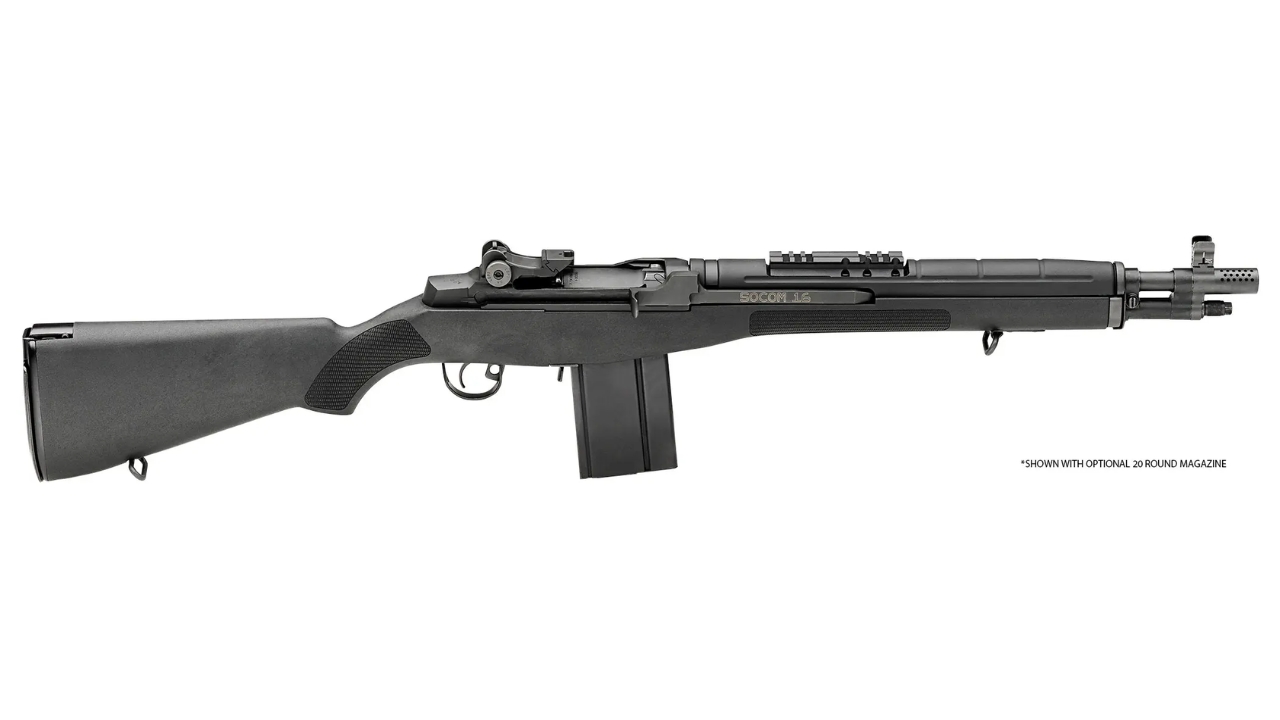
The M1A SOCOM 16 triggers the same instinct as the standard rifle, but with added tactical appeal. It looks like a compact, modernized version of a legacy platform, and that combination can make buyers feel like they are getting the best of both worlds: classic lineage plus current demand. It is easy to convince yourself that a rifle with that much visual identity should stay hot forever. But current listings still show broad availability, and broad availability is the enemy of quick appreciation.
The result is a rifle that can remain desirable without becoming a strong growth piece. The SOCOM 16 has fans, but fan interest does not always translate into ever-rising values when the market stays supplied. It often behaves like a specialty production rifle that holds attention rather than a model getting squeezed into collector territory. That is an important difference. It looks like the kind of modern M1A variant buyers should rush into before prices get away from them. In reality, it often runs hard at launch and then settles into a much flatter track.
Winchester Model 94 Commemoratives
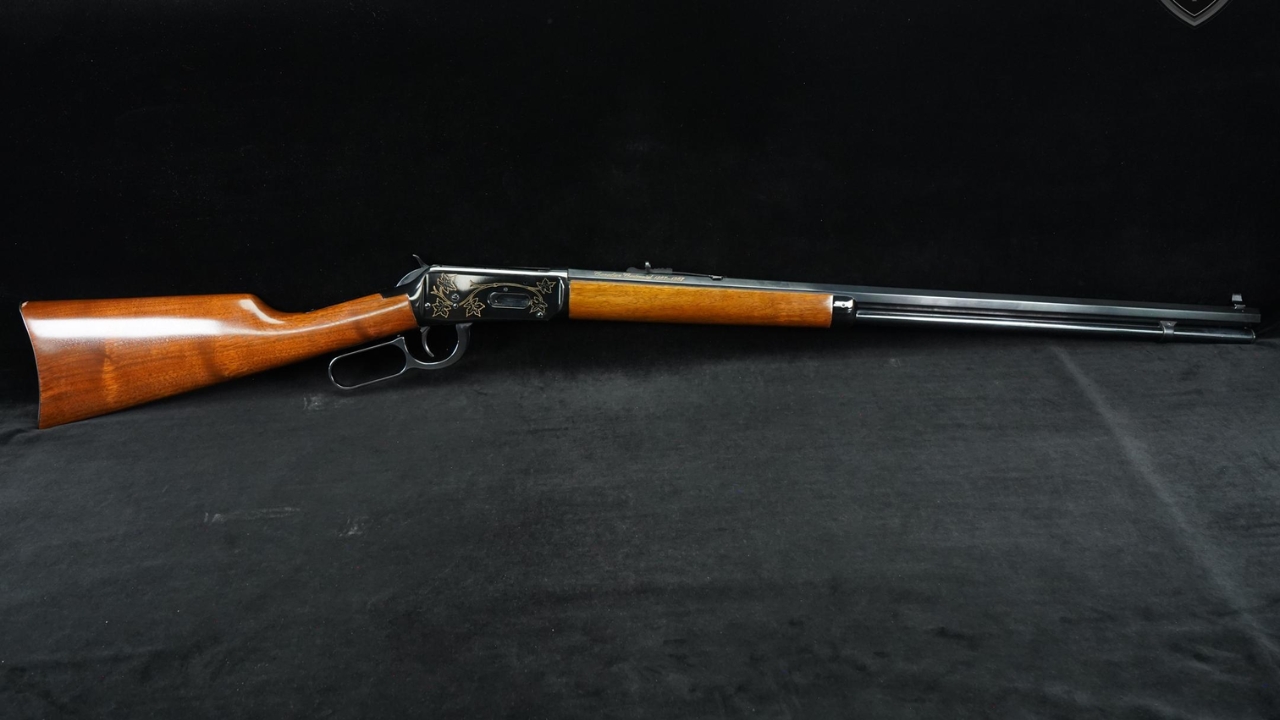
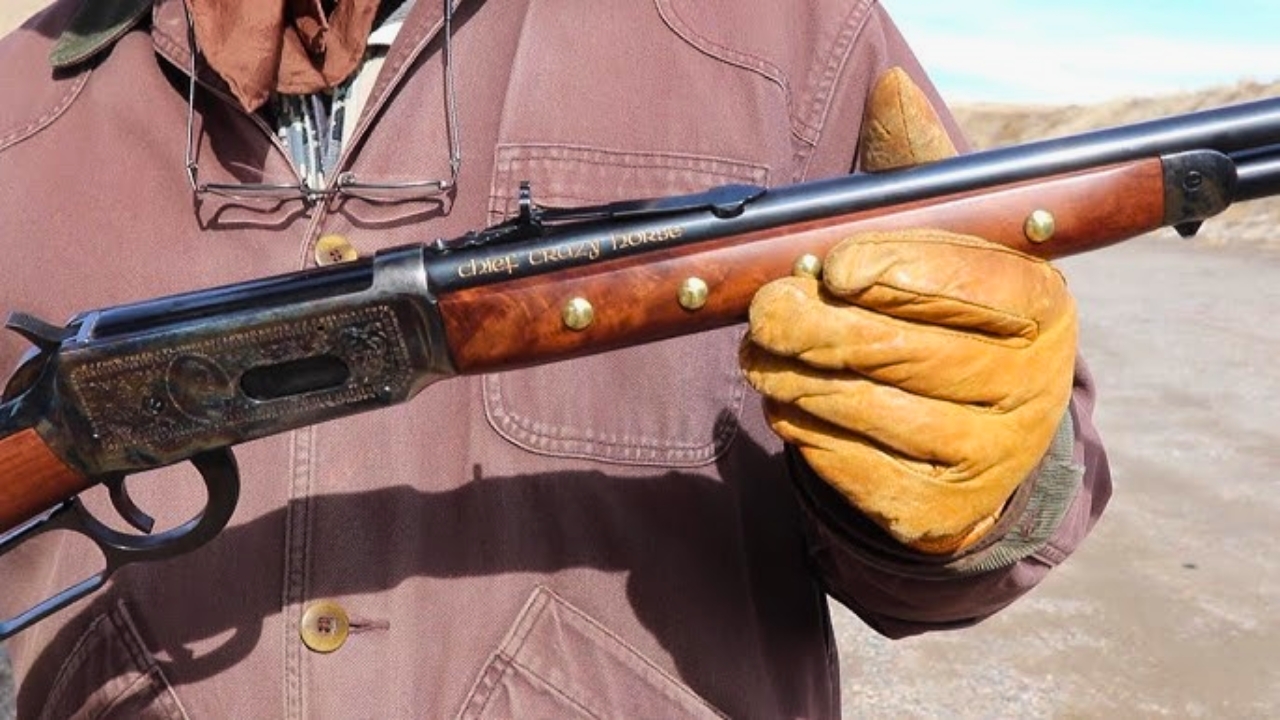
Winchester Model 94 commemoratives are one of the oldest traps in this whole conversation. They look collectible by design. Special markings, themed rollmarks, presentation boxes, and the Winchester name all work together to make them feel like obvious long-term winners. The trouble is that commemoratives have been fooling buyers for decades. Even now, current listings show themed Model 94 examples sitting with ordinary ask prices and, in some cases, low bidding activity that does not match the “sure investment” story buyers tell themselves.
That is because commemoratives often create supply without creating deep collector demand. A gun can look special and still be common among the people willing to sell one. Once the novelty wears off, many commemoratives settle into a narrow lane where a smaller group of buyers cares, and that keeps prices flatter than the packaging suggests. A Winchester commemorative may still be enjoyable to own. It simply proves, over and over, that “made to look collectible” is not the same as “built for strong appreciation.”
Marlin 336 Classic
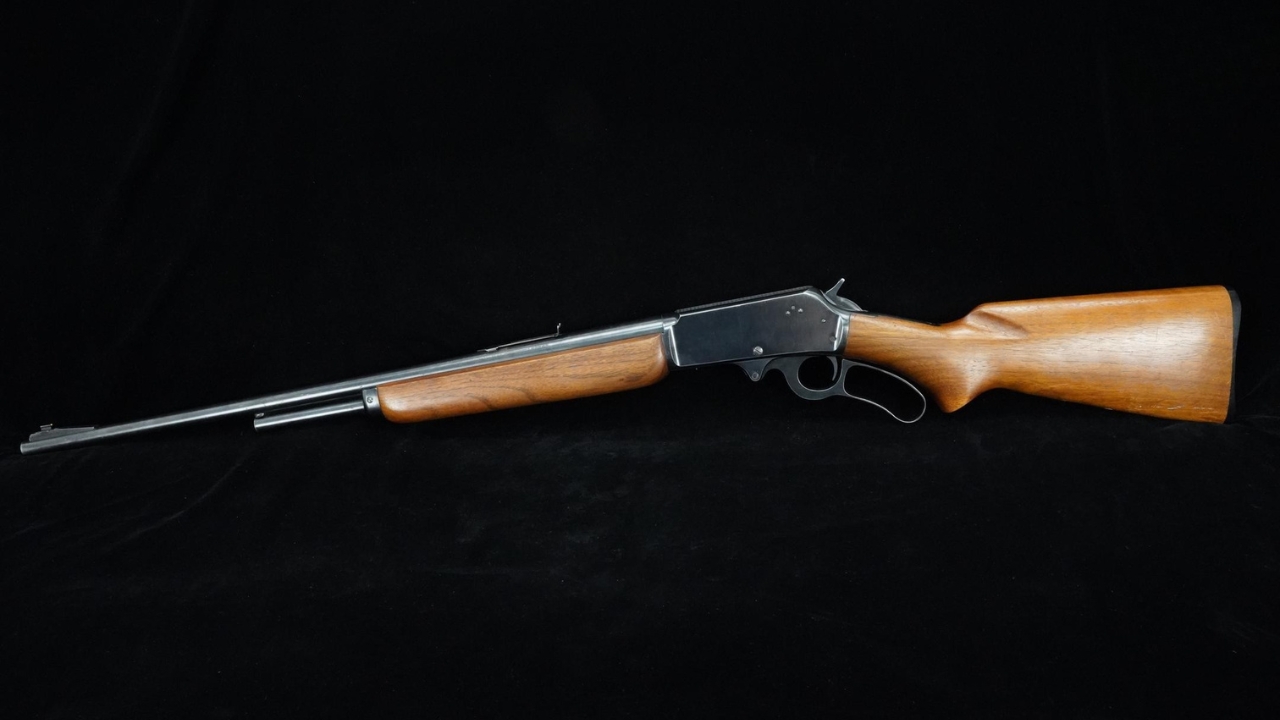
The Marlin 336 Classic feels like a safer investment than many modern rifles because it plays directly into the renewed appetite for lever guns. It has the right name, the right category, and the right kind of nostalgia-heavy presentation to make buyers feel like they are getting in early on something with obvious staying power. That emotional case is strong. But when current production continues and supply remains healthy, the market often cools into a flatter pattern much faster than the internet expects. The same thing already shows up across current Marlin lever-gun listings: demand exists, but so does visible inventory.
That tends to create a hold-value story more than a rocket-ship story. Buyers see the lever-gun momentum and assume every new Marlin will behave like an older, scarcer JM-stamped gun. That is where the logic breaks down. A current-production lever rifle can be desirable and still too available to run hard. The 336 Classic looks like the kind of rifle you buy before it becomes “unobtainable.” In many cases, it becomes a well-liked production gun that simply stays available enough to keep prices from truly taking off.
Glock 19 Gen 5
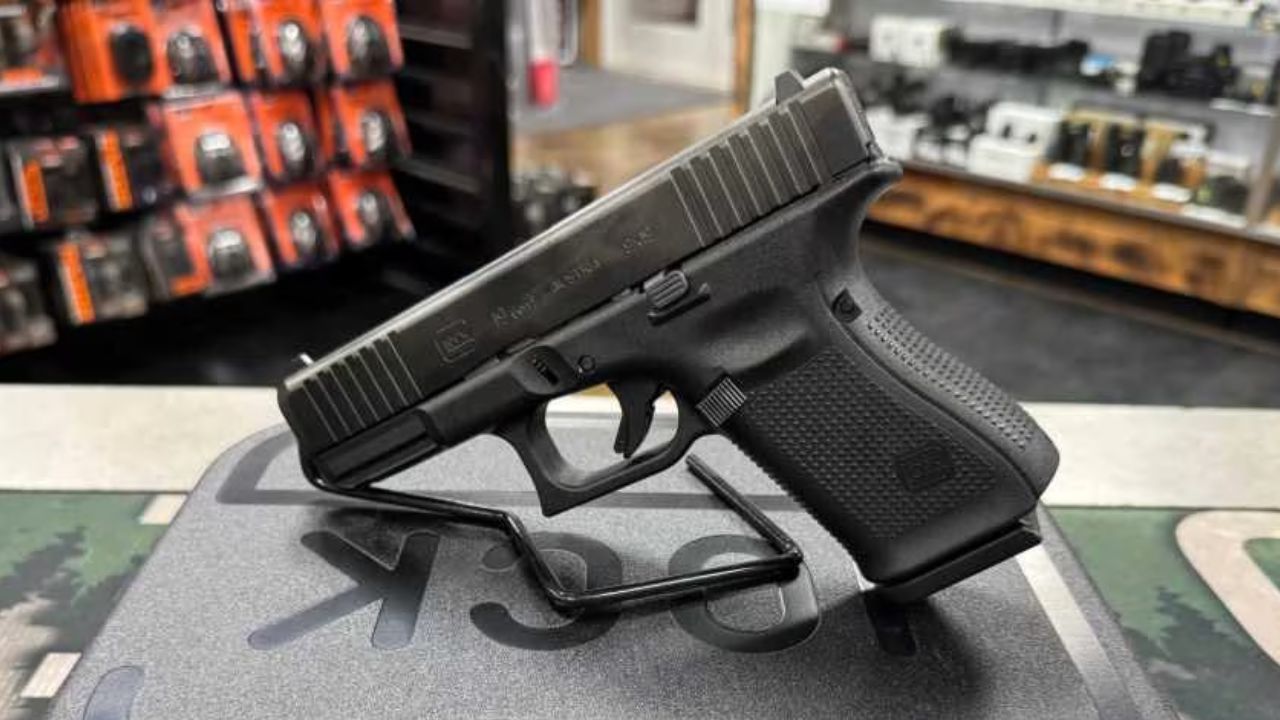
The standard Glock 19 Gen 5 belongs on this list for the same reason so many obvious “safe” buys do: people confuse universal demand with investment upside. The Glock 19 is one of the easiest pistols in the world to understand, sell, and replace. That makes it feel safe. It also makes it one of the clearest examples of a firearm that behaves like a highly liquid tool rather than an appreciating collectible. The market remains deep and active precisely because there are so many of them.
That means the Glock 19 Gen 5 can be a brilliant purchase and still a poor growth play. A lot of buyers mistake “I can always sell this” for “this will keep going up.” Those are different ideas. Easy resale is useful, but it does not create scarcity, and scarcity is what forces stronger long-term price movement. The Glock 19 looks like safe money because it is one of the safest practical handgun buys around. It still tends to stall quickly as an “investment” because the market never really runs out of them.
Like The Avid Outdoorsman’s content? Subscribe to our newsletter so you never miss an article.
Here’s more from us: