Photo credit: GoldenWebb/YouTube
A pistol can win a gun-counter argument in five seconds. Fancy cuts, match triggers, optic-ready slides, aggressive texturing, limited finishes, and all the other modern attention-grabbers make a strong first impression. What ages a pistol well, though, is rarely any of that. Time has a way of stripping the sales pitch off a handgun and leaving you with the parts that actually matter: reliability, shootability, parts support, durability, and whether the design still makes sense after the novelty wears off.
That is why some pistols quietly outlast trendier models sitting beside them. They may look plain, a little older, or less exciting in the display case, but years later they are still the guns people trust, keep, and come back to. They wear honest use better, they hold relevance better, and they usually feel like smarter buys once the market moves on to its next obsession.
Glock 19

The Glock 19 has aged well because it was built around usefulness instead of theater. Its reduced dimensions compared with full-size models made it versatile from the start, and that middle-ground size has helped it stay relevant while more specialized pistols come and go. It is compact enough to carry, large enough to shoot comfortably, and supported by an aftermarket that never really stopped growing.
Flashier pistols often win early attention with added features, but the Glock 19 keeps winning later because it remains easy to live with. Parts are everywhere, magazines are everywhere, and the platform still makes practical sense for range use, carry, and general ownership. That kind of staying power is rarely exciting, but it is exactly why the Glock 19 keeps aging better than plenty of pistols that looked more impressive at launch.
Beretta 92FS

The Beretta 92FS has the kind of long-term appeal that comes from a design proving itself over decades instead of trying to look current every few years. The open-slide system, locking-block action, and full-size alloy frame gave it a very recognizable feel early on, and those same traits still make it a calm, steady pistol to shoot. It is a big gun, but it carries that size with purpose.
What helps it age so well is that it never depended on being fashionable. It stayed in military and police use for years, and its core strengths still hold up: smooth cycling, solid reliability, and a shooting character that many newer pistols still do not quite match. While trendier handguns chase slimmer profiles and louder styling, the 92FS keeps feeling like a mature design that knew what it was doing from the start.
SIG Sauer P226

The SIG Sauer P226 has aged well because it was never built as a short-term answer. It came in as a serious full-size service pistol, and that role still fits it. The alloy frame, solid lockup, and long service history gave it a reputation that was earned slowly, which usually means it lasts longer than trend-driven popularity. It feels like a pistol built for years of use, not for a product cycle.
A lot of flashier pistols try to impress you immediately. The P226 tends to impress you later, after enough range time to notice how stable it feels and how little of the design seems outdated once the marketing noise fades. Its continued presence in SIG’s catalog says a lot on its own. Pistols like this age well because they stay useful after the excitement has moved somewhere else.
CZ 75
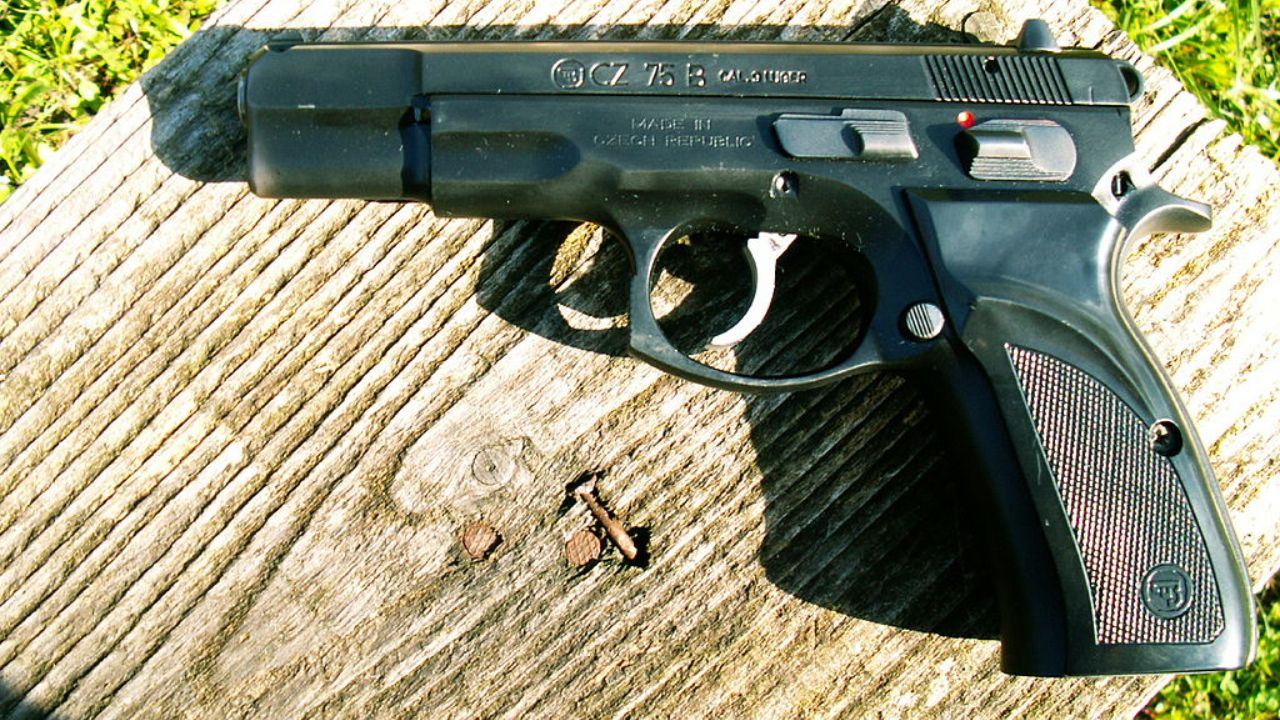
The CZ 75 has aged well because its fundamentals were right early, and they stayed right. It arrived as a steel-frame service pistol with strong ergonomics, a high-capacity magazine for its era, and a design that has now been around long enough to prove it was never a temporary success. Reaching its 50th anniversary is not nostalgia by itself. That kind of lifespan usually means the platform solved real problems.
It also ages well because it still feels good in the hand in a way many newer pistols try hard to replicate. The frame shape, weight, and low-profile slide give it a shooting experience that does not feel obsolete. Plenty of newer handguns come in louder and leave faster. The CZ 75 keeps sticking around because it still works, still feels right, and still holds up after the first wave of excitement passes.
HK USP

The HK USP has aged well because it was built with durability at the center of the design. HK still describes it as a pistol that found international acclaim for accuracy and reliability, and the internal recoil buffering system remains one of the more practical long-term features in the gun. That kind of engineering ages better than cosmetic upgrades because it keeps mattering after the gun has seen real use.
It also helps that the USP never chased trends very hard. It looks more like a tool than a fashion piece, which is often a good sign in hindsight. Once newer handguns with more aggressive styling start feeling dated, the USP usually still feels what it has always been: durable, capable, and built around function first. That kind of restraint is a major reason it keeps earning respect years after flashier pistols grabbed the first round of attention.
Smith & Wesson 3913
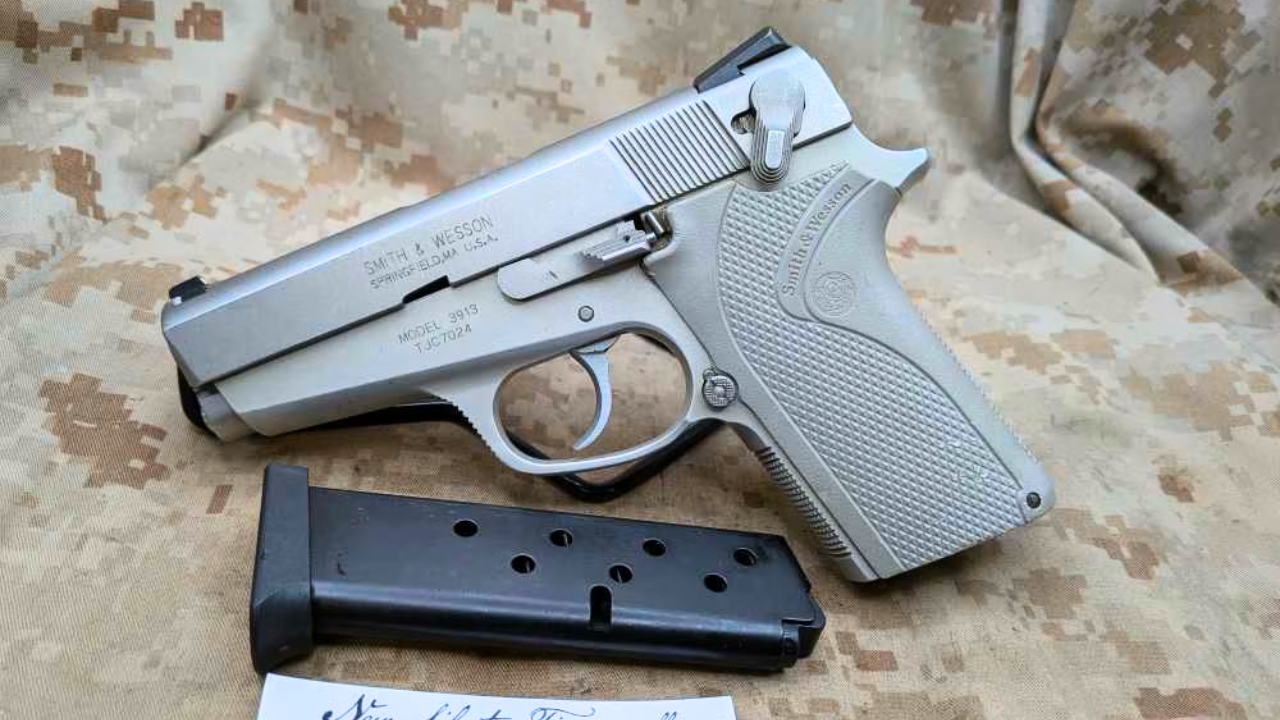
The Smith & Wesson 3913 has aged well because it solved a carry problem in a very practical way before the market fully appreciated what it was. As part of Smith & Wesson’s Third Generation series, it brought a slim alloy-frame 9mm format that made real sense for people who wanted a compact metal pistol that still felt serious in the hand. That idea has aged better than a lot of louder carry trends.
What makes the 3913 stand out today is how little of its appeal depended on novelty. It was thin, durable, and thoughtfully sized, and those traits still matter. While many later carry pistols chased capacity or styling first, the 3913 keeps looking like a very adult design choice. That is usually the mark of a pistol that aged well: it feels smarter a decade later than it did in the year it was introduced.
Beretta PX4 Storm

The Beretta PX4 Storm has aged better than many people expected because the design always had more substance than its styling got credit for. Beretta still points to durability standards and reports of extremely high round-count endurance in the full-size model, and that matters more over time than whether a pistol looked slightly unusual when it launched. A gun with staying power often begins as one that was underestimated.
What helps the PX4 now is that its strengths are easier to appreciate after the initial reactions faded. It is reliable, soft in character for its class, and built around a system that still feels purposeful instead of gimmicky. Plenty of handguns looked more cutting-edge on day one. The PX4 often feels more convincing after years of use, which is a strong sign that the design aged on performance rather than first impressions.
Browning Hi-Power

The Browning Hi-Power has aged well because it had real influence and real utility, not only a famous name. It has been in service since 1935, was used by the armed forces of more than 50 countries, and remained significant enough that FN brought the design back in updated form after discontinuation. That kind of long relevance does not happen unless the original platform got a lot right.
What makes it age better than flashier pistols is that the core appeal still reads clearly. The grip shape remains excellent for many shooters, the all-steel format still feels grounded, and the design still carries itself with more maturity than many pistols that tried harder to look modern. The Hi-Power never needed to shout. It stayed respected because the platform kept making sense long after trendier guns had their moment.
Colt Government Model 1911

The Colt Government Model 1911 has aged well because the design never depended on being current. It became a standard because it worked, and more than a century later Colt is still selling Government Models in the classic format. That continued presence says a lot. A pistol that remains directly recognizable and relevant after that much time is operating on something deeper than nostalgia or collector affection.
Flashier pistols often rely on features that feel new for a while, then feel dated when the next wave arrives. A full-size 1911 does not have that problem in the same way. Its appeal is baked into the trigger, the balance, the slimness for its size, and the plain fact that the design still feels coherent. You may prefer something newer, but the Government Model keeps proving that a mature design often outlasts the louder option next to it.
SIG Sauer P229

The SIG Sauer P229 has aged well because it took the strengths of the P226 and packaged them in a more compact format without losing the feeling of a duty-grade pistol. SIG still describes it as incorporating the P226’s features in a smaller package, and that practical balance is a major reason it stayed relevant. It feels like a compact made by trimming wisely instead of cutting too far.
That kind of design usually wears time well. The P229 still looks serious, still feels substantial, and still avoids the disposable feel that some more trend-driven pistols pick up once the market moves on. Its law-enforcement roots also helped it build a reputation slowly, which usually ages better than a launch built around short-lived excitement. The P229 lasts in people’s collections because it still feels like the grown-up option.
HK P30

The HK P30 has aged well because it was built around adaptability that still matters. HK emphasizes its ergonomics, decocking system, and multiple trigger and carry-style options, and those are the kinds of features that continue to make sense long after more cosmetic upgrades lose their shine. A pistol that fits more hands and more use preferences usually stays relevant longer than one built around a narrower first impression.
It also helps that the P30 never came across like a gun chasing attention. Its appeal is steadier than that. Once newer pistols with more aggressive styling start looking tied to a specific moment, the P30 still feels like a carefully thought-out hammer-fired service pistol. That kind of restrained design often looks better with age because it was not trying too hard to look new in the first place.
Walther P99

The Walther P99 aged well because it arrived as a genuinely important modern service pistol rather than a cosmetic update wearing a new name. It ran from 1997 until 2023, helped move Walther into a more modern era, and brought a design language that influenced later pistols in major ways. A run that long usually means the pistol did more than catch attention for a short stretch.
What stands out now is how well the P99 still reads as a serious design instead of a dated experiment. The ergonomics, the overall proportions, and the role it played in modernizing Walther all make it easier to appreciate with distance. Plenty of pistols launched with louder styling and faded faster. The P99 stayed important because it was thoughtful, useful, and ahead of more than a few of the handguns that once looked more exciting beside it.
Glock 17
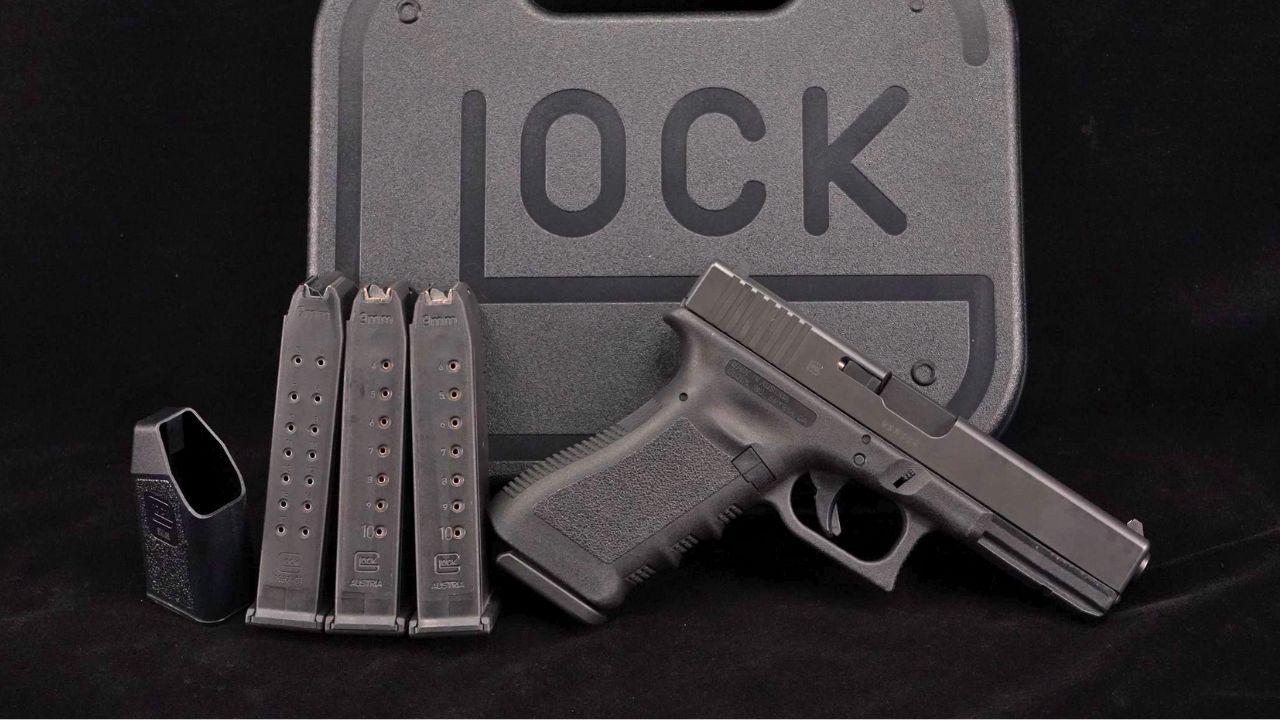
The Glock 17 has aged well because it was foundational and it never stopped being practical. Glock still calls it “the original,” and that label fits. As a full-size 9mm with a standard frame and 17-round capacity, it established a format that many later pistols followed, copied, or reacted against. Designs that define a category tend to age better than ones that merely decorate it.
A lot of flashier pistols sit next to a Glock 17 and try to look more advanced. Years later, many of them feel like versions of an argument the G17 already settled. It is still light for its size, still easy to maintain, and still relevant enough that Glock keeps evolving it without abandoning the basic formula. That kind of continuity is a major reason the G17 still feels more durable as an idea than many louder handguns that followed it.
Ruger P89

The Ruger P89 has aged well because the things people once held against it are often the very reasons it still earns respect. It came from Ruger’s P-series line, a family produced for decades, and it was one of the best-known models in that run. The styling was never elegant, but the platform’s reputation for toughness and plain usefulness has outlasted the jokes that followed it for years.
What makes the P89 age better than flashier pistols is that it rarely promised more than it was. It was built like a working gun, it stayed in production for a long time, and it still appeals to shooters who value durability over polish. Many prettier pistols feel dated once fashion moves on. The P89 often feels better understood with time, which is usually a sign that the design was stronger than its first impression.
Smith & Wesson 5906
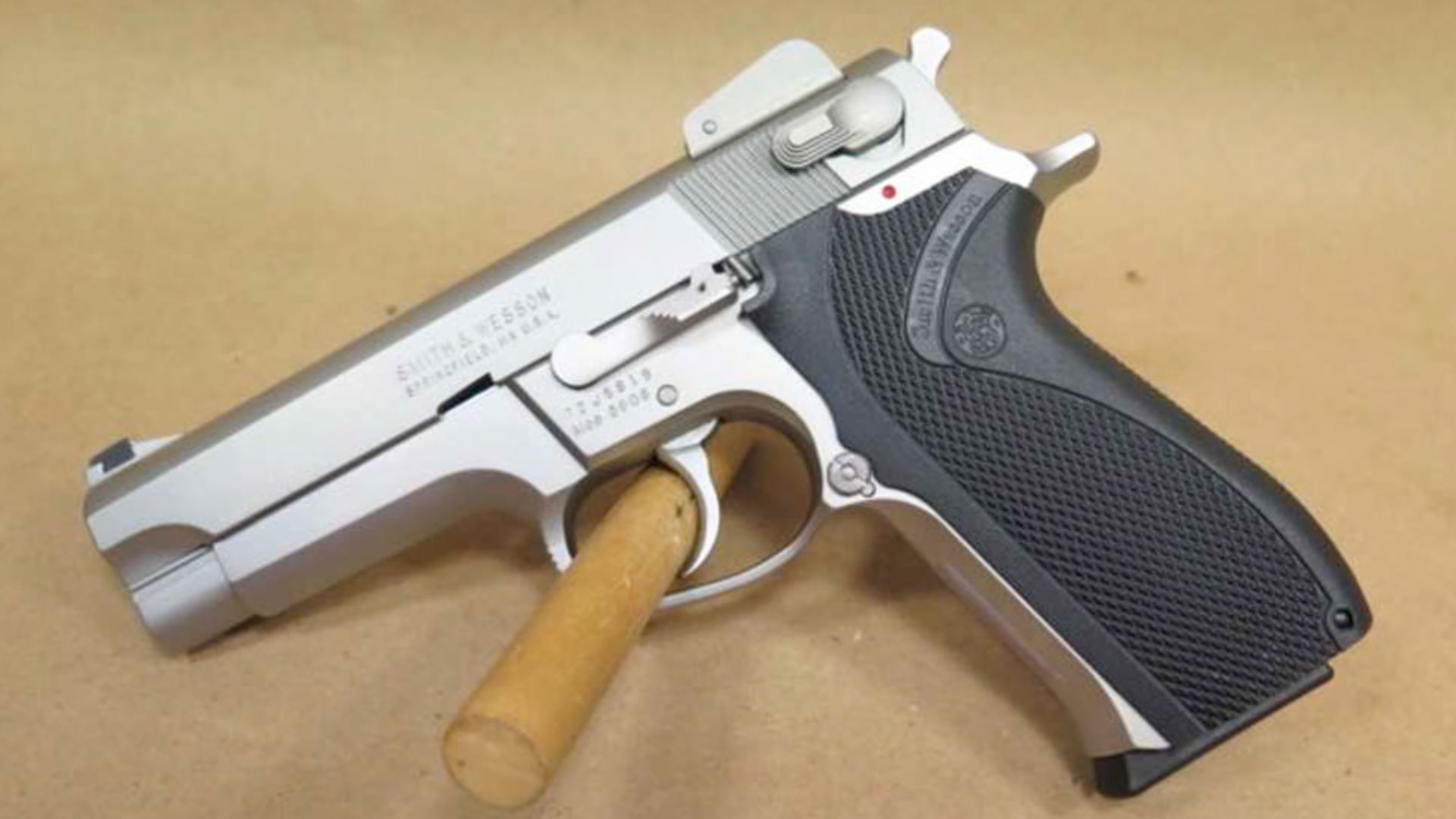
The Smith & Wesson 5906 has aged well because it came from an era when service pistols were expected to feel substantial and last. As an all-stainless Third Generation Smith, it built a reputation for being heavy, durable, and straightforwardly dependable. That kind of build quality tends to age better than eye-catching features because it remains obvious the moment you handle the gun years later.
It also benefits from the fact that today’s market has circled back toward appreciating metal-frame pistols that feel serious in the hand. The 5906 no longer has to compete only on being current. Now it gets judged on build, shootability, and long-term durability, which is exactly where it holds up well. Pistols like this often gain respect with age because time lets people see the craftsmanship after the trend cycle clears out.
HK45
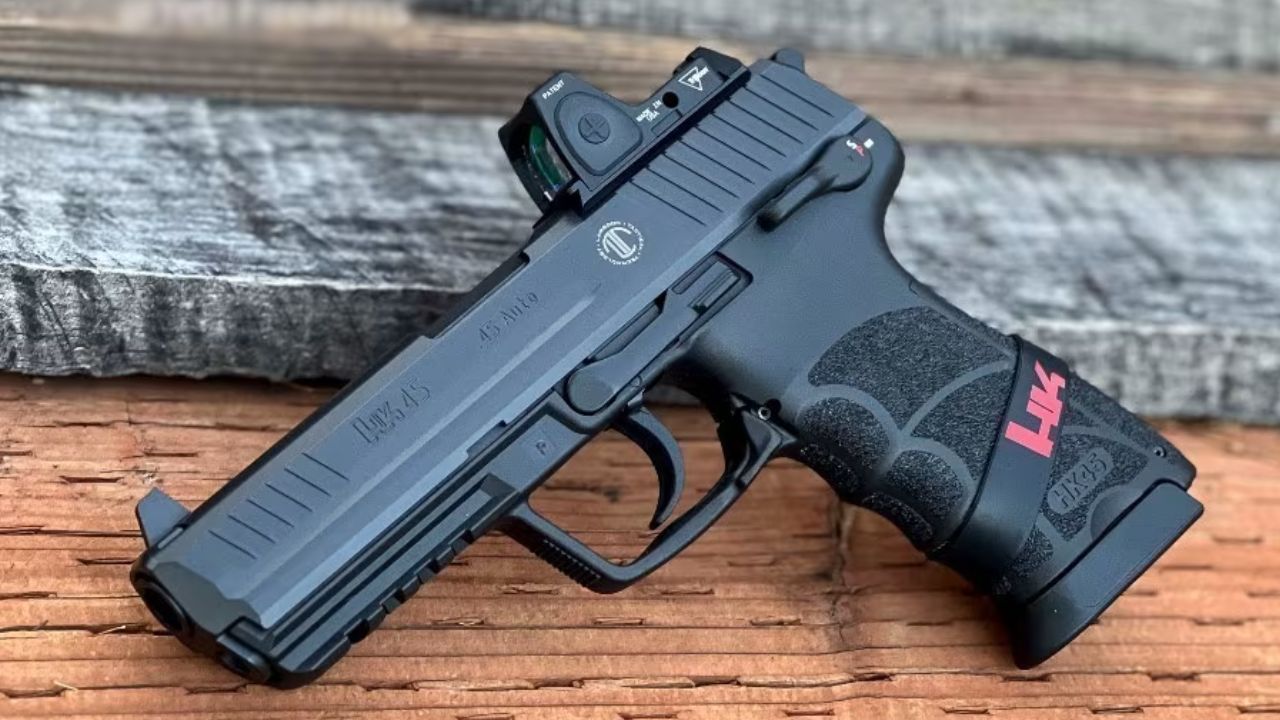
The HK45 has aged well because it improved on an already respected platform rather than trying to reinvent the wheel for the sake of attention. HK states it was developed as a product improvement of the USP45, with better ergonomics, replaceable backstraps, and more ambidextrous controls. That kind of refinement-focused thinking usually wears better than designs built around novelty first.
That is why the HK45 still feels relevant while some louder .45 pistols feel tied to their launch moment. It has enough modern ergonomic sense to avoid feeling outdated, but it still carries the durable, serious character that made the USP line respected in the first place. A pistol like this ages well because it was not trying to win the loudest first impression. It was trying to become a better long-term tool, and that tends to hold up.
Like The Avid Outdoorsman’s content? Subscribe to our newsletter so you never miss an article.
Here’s more from us: