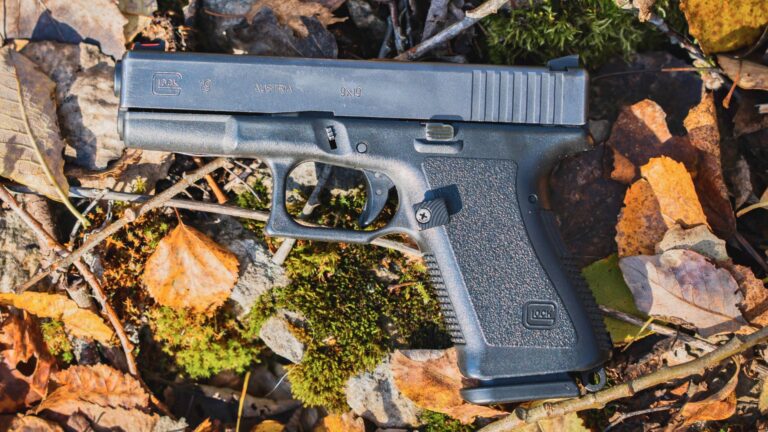
Photo credit: Michael E. Cumpston – CC BY-SA 4.0/Wiki Commons
Not every classic firearm was welcomed when it first appeared. Some looked strange, used unfamiliar materials, or challenged ideas shooters had trusted for generations. Others suffered from poor early sales, military resistance, or criticism from people convinced the older design was still better.
Time has a way of separating genuine flaws from resistance to change. A rifle mocked for using aluminum can become the most adaptable platform in America. A pistol criticized for its polymer frame can redefine the duty-handgun market. These 20 firearms looked like mistakes, oddities, or commercial dead ends before earning permanent places in firearm history.
Glock 17
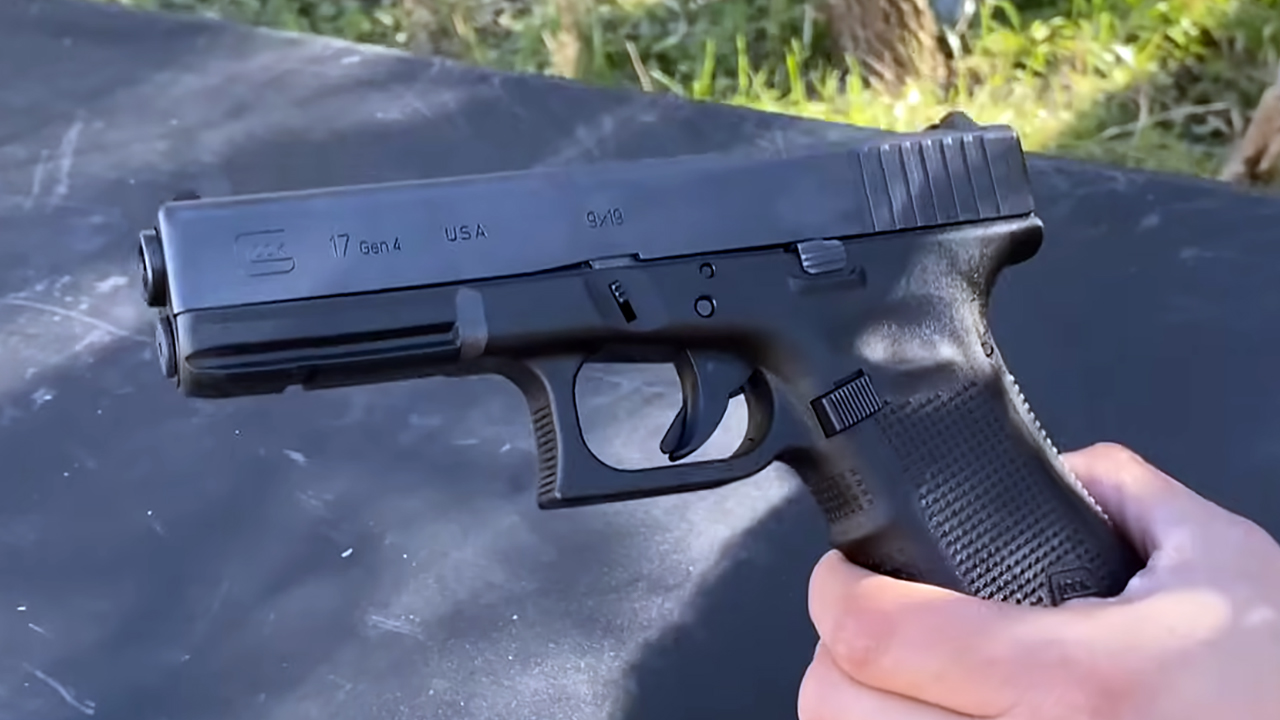
The Glock 17 faced immediate suspicion when it entered a market still dominated by steel and aluminum service pistols. Its polymer frame looked cheap to traditional shooters, the striker-fired action lacked an exposed hammer, and the trigger-mounted safety appeared too minimal for a serious duty handgun. Critics even spread ridiculous claims that the pistol could pass through airport metal detectors undetected.
What looked like cost cutting turned out to be practical engineering. The Glock 17 was lightweight, corrosion resistant, simple to maintain, and easy to manufacture consistently. Its limited number of controls reduced training requirements, while the double-stack magazine provided useful capacity. Military forces and police departments adopted it in large numbers, and competitors eventually followed its basic formula. The pistol that once looked like an ugly plastic experiment became one of the most influential handgun designs ever produced.
AR-15
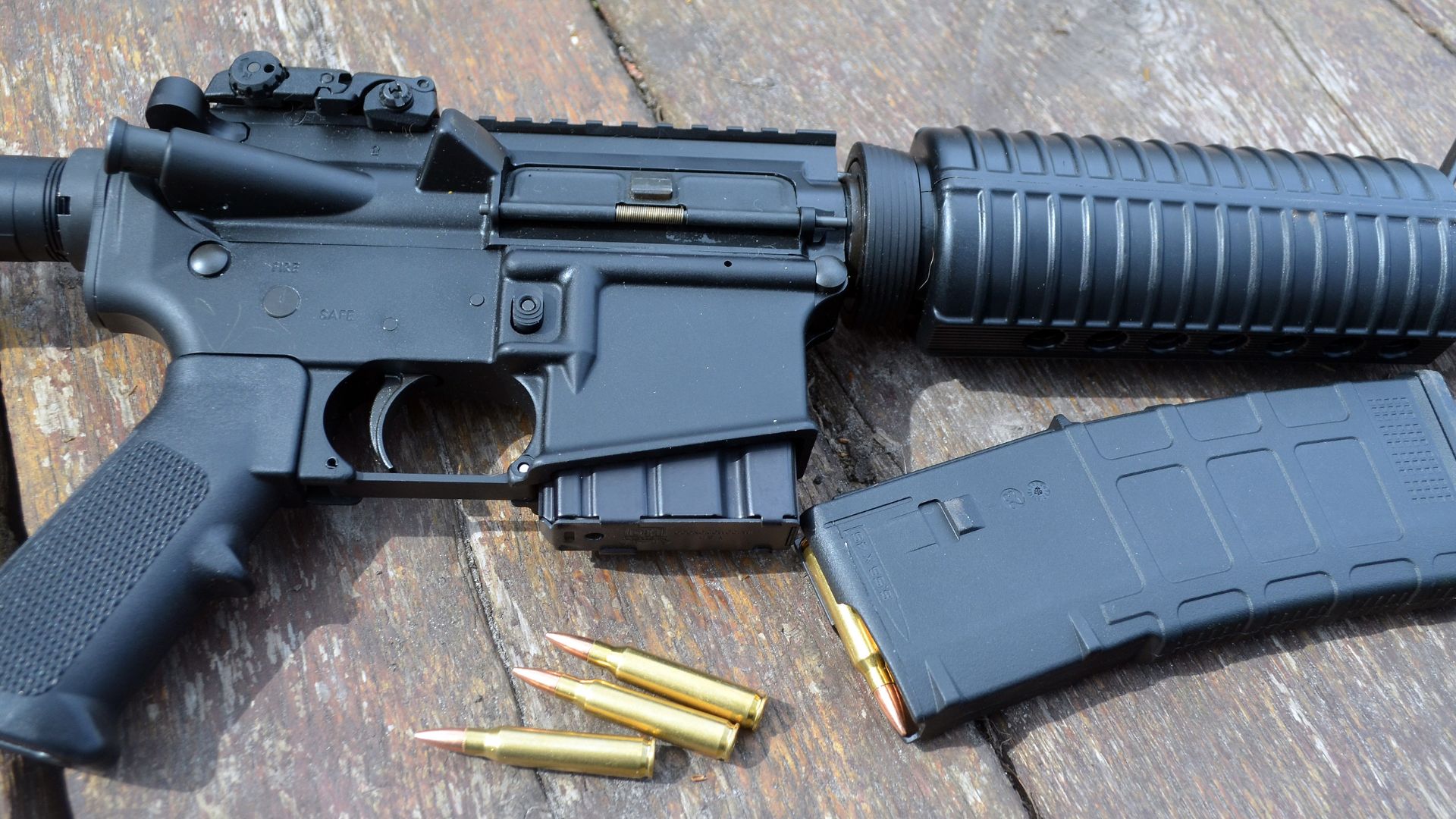
The early AR-15 looked almost toy-like beside the wood-and-steel military rifles of the 1950s. Its aluminum receivers, plastic furniture, small-caliber cartridge, and straight-line appearance offended shooters accustomed to rifles such as the M1 Garand and M14. Early problems surrounding ammunition, maintenance, and the military M16 rollout nearly destroyed confidence in the entire design.
Once the ammunition and maintenance issues were addressed, the platform’s strengths became obvious. It was light, controllable, easy to modify, and built around upper and lower receiver assemblies that could be changed with minimal tools. Decades of improvement turned the AR into a military standard, competition rifle, hunting platform, defensive carbine, and precision system. What looked like a fragile space-age rifle became the most adaptable centerfire platform in the American market.
M1 Garand

The M1 Garand faced serious institutional resistance before becoming the standard American service rifle. Many military leaders distrusted semi-automatic infantry rifles, fearing they would waste ammunition, prove unreliable, or create unnecessary logistical problems. Early versions also competed against more familiar bolt-action designs and went through substantial development before final adoption.
Its battlefield value became impossible to dispute. The Garand allowed soldiers to fire eight rounds without manually cycling a bolt, giving American infantry a meaningful increase in practical firepower. The rifle was heavy and the en bloc clip system had limitations, but it proved rugged enough for global war. Its influence extended far beyond military service, shaping later American rifle development and becoming one of the most respected surplus firearms ever released to civilians.
M1 Carbine
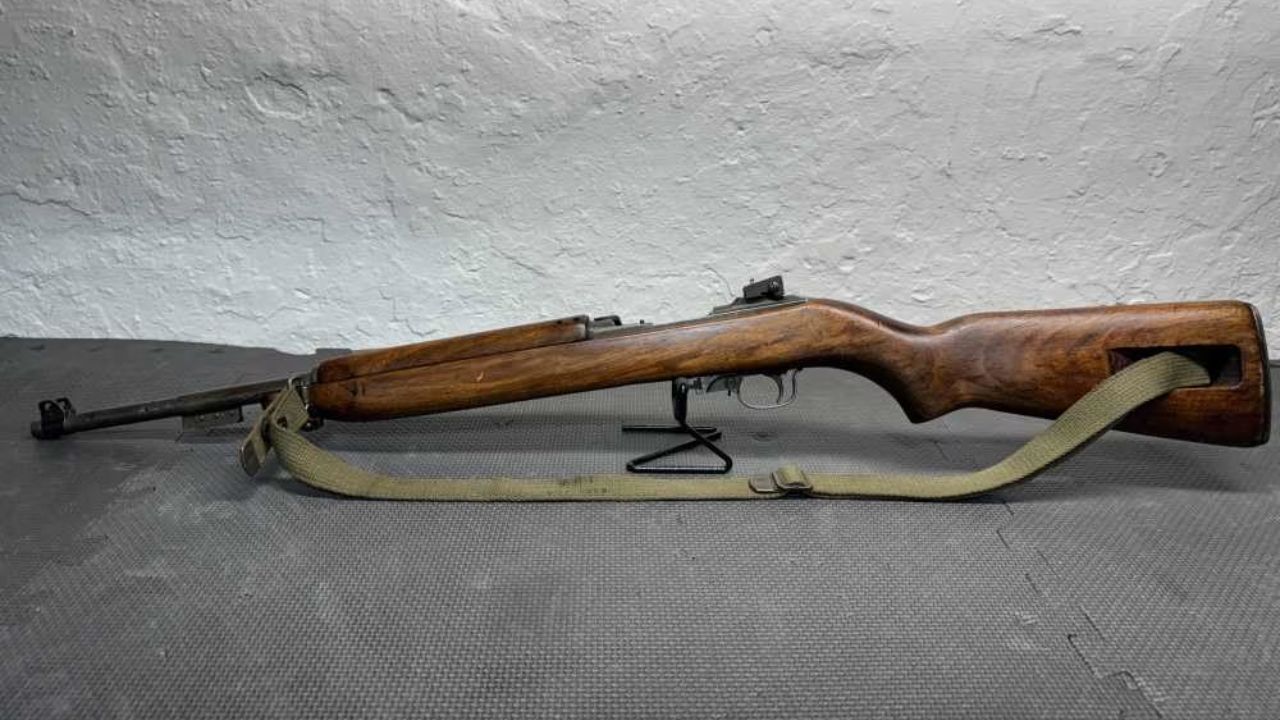
The M1 Carbine seemed underpowered to anyone judging it against full-size service rifles. Its .30 Carbine cartridge lacked the range and energy of .30-06, while the rifle itself looked almost too small and light for serious military use. Some critics treated it like an oversized pistol rather than a legitimate shoulder weapon.
That compactness was exactly why it succeeded. The carbine gave officers, radio operators, vehicle crews, and support personnel something far easier to carry than an M1 Garand and much more effective than a handgun. More than six million were produced, and the platform continued serving through later conflicts. Civilian shooters later discovered the same qualities: mild recoil, quick handling, and a detachable magazine. Its cartridge had limits, but the M1 Carbine became a classic because it was designed around the needs of people who did not require a full-size battle rifle.
Ruger 10/22

The Ruger 10/22 did not look revolutionary when it arrived. It was a small semi-automatic rimfire entering a market already filled with inexpensive .22 rifles. Its aluminum receiver, simple blowback action, and rotary magazine could easily have been dismissed as another economical plinker.
The design proved far more durable and adaptable than expected. The rotary magazine sat flush with the stock and fed reliably without hanging below the rifle. The action was easy to maintain, and the receiver became a natural foundation for modifications. Over time, an enormous aftermarket developed around barrels, stocks, triggers, bolts, and magazines. The 10/22 became a training rifle, small-game gun, competition platform, suppressor host, and family heirloom. A basic rimfire that looked ordinary became the standard against which every semi-automatic .22 is still measured.
Smith & Wesson Model 39
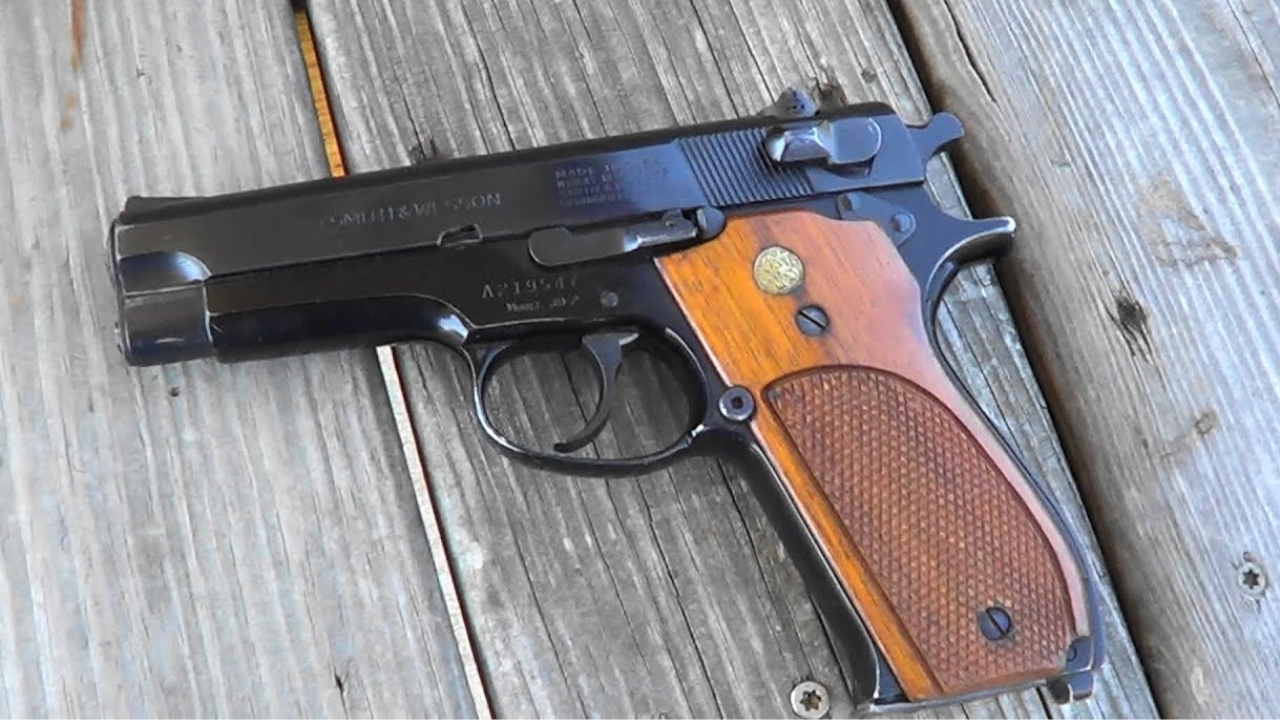
The Smith & Wesson Model 39 arrived when American shooters still strongly favored revolvers and single-action pistols. Its aluminum frame, double-action first trigger pull, slide-mounted safety, and 9mm chambering felt foreign compared with the .38 revolvers and .45-caliber 1911s most officers and civilians understood.
The pistol never dominated the market by itself, but it created the foundation for Smith & Wesson’s later metal-framed semi-automatic series. Law-enforcement agencies gradually moved toward higher-capacity pistols, and later descendants such as the Model 59 and third-generation Smith & Wessons became widely respected. The Model 39 demonstrated that an American company could successfully build a lightweight traditional double-action service pistol. What looked like an uncertain departure from revolvers eventually became the beginning of an entire handgun family.
Heckler & Koch VP70
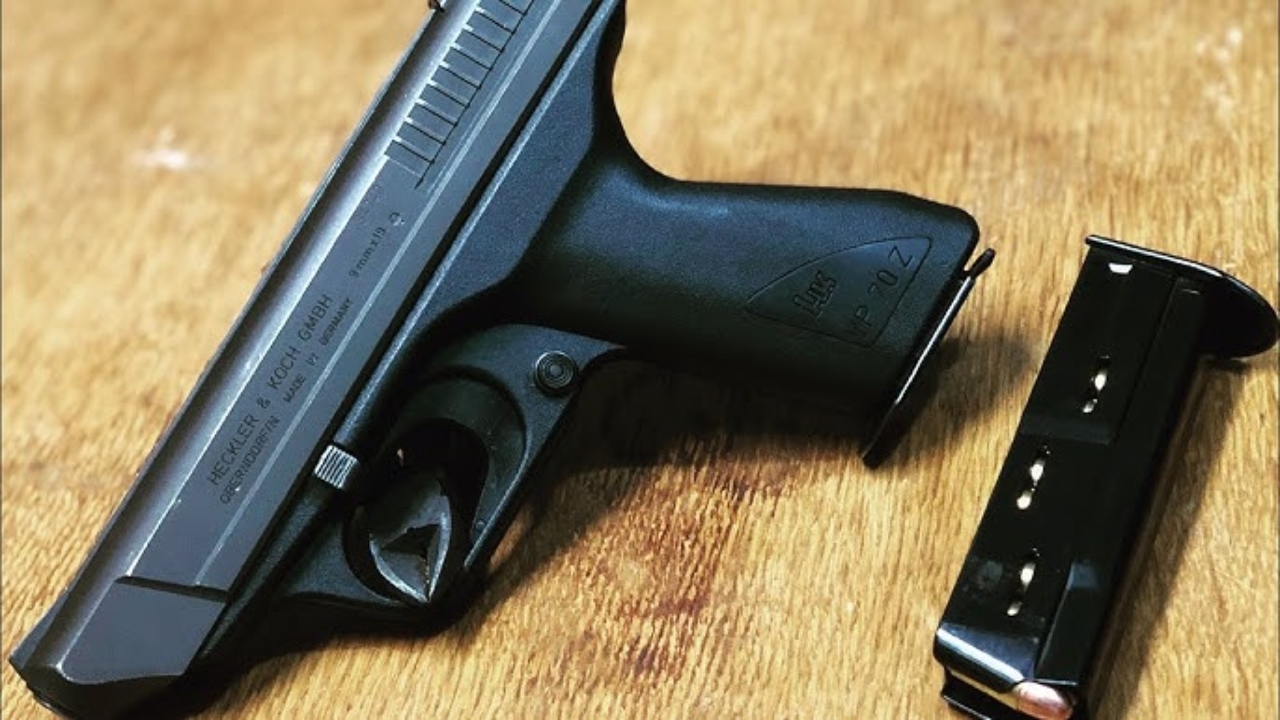
The HK VP70 looked almost too strange to succeed. Introduced in the 1970s, it used a polymer frame years before Glock made the material acceptable, relied on a striker-fired action, and could fire three-round bursts when paired with its combination stock and fire-control unit. Its enormous trigger pull and unconventional appearance prevented broad commercial success.
The pistol still predicted several major trends. Polymer frames, striker-fired actions, stocked handgun systems, and compact personal-defense weapons all became increasingly common in later decades. The VP70 itself was too awkward and heavy-triggered to become a mainstream classic through performance alone. It became a classic because shooters eventually recognized how many future ideas had been packed into one deeply unconventional design.
Steyr AUG

The Steyr AUG looked like a science-fiction prop when it entered service. Its bullpup layout placed the action behind the trigger, while polymer furniture, an integrated optic, and a quick-change barrel system made traditional rifles appear immediately dated. Shooters skeptical of bullpups questioned the trigger, controls, and rear-mounted magazine.
The AUG proved that the concept could work as a serious military rifle. It delivered a full-length barrel in a compact package, handled well in vehicles and tight spaces, and used modular components that were far ahead of most service rifles of the period. Its ergonomics remain controversial, but the platform has stayed in service for decades and developed a loyal civilian following. The rifle that looked too futuristic for ordinary soldiers became one of the longest-lasting bullpup designs ever adopted.
Beretta 92

The Beretta 92 was not universally admired when it began replacing older military and police pistols. Its large grip, open-slide design, 9mm chambering, and slide-mounted safety drew criticism from shooters who preferred the 1911 or traditional revolvers. Military adoption only intensified arguments about durability, cartridge power, and whether the pistol had been selected for political reasons.
The platform survived those debates and built a long service record. Its locking-block action produced a smooth recoil impulse, the open slide reduced certain feeding and ejection problems, and the full-size frame made the pistol easy to control. The 92 became common in military service, law enforcement, competition, and popular culture. Later versions improved the controls, sights, and optic support, but the basic design remained recognizable. A pistol widely criticized as an oversized replacement became one of the defining service handguns of its era.
Browning Hi-Power

The Browning Hi-Power entered a handgun market where single-stack magazines and revolvers were still normal. Its 13-round magazine, compact grip, and single-action operating system offered unusual capacity without making the pistol excessively large. Some military organizations remained committed to older designs and did not immediately appreciate what the Hi-Power offered.
Its influence became enormous. The pistol served with military and police forces across the world and helped establish the double-stack 9mm service handgun. Its grip shape remains one of the most admired ever designed, while its combination of capacity and shootability stayed competitive for decades. The magazine disconnect and small early sights were weaknesses, but later versions addressed many of those concerns. A pistol that initially competed for attention against more familiar designs became one of the most widely used military handguns in history.
Savage Model 99

The Savage Model 99 looked unusual beside traditional lever actions. Its internal rotary magazine allowed pointed bullets, while the receiver shape and hammerless action lacked the classic profile associated with Winchester rifles. Shooters who wanted a familiar Western-style lever gun could easily overlook it.
The Model 99 proved technically superior in several important ways. It handled modern cartridges, provided strong lockup, and offered a smooth action with useful features such as a cocking indicator and, on many rifles, a cartridge counter. Chamberings such as .250 Savage and .300 Savage gave hunters excellent performance well before short-action bolt rifles became dominant. High manufacturing costs eventually ended production, but the rifle earned a lasting reputation as one of the most advanced sporting lever actions ever built.
Remington Nylon 66
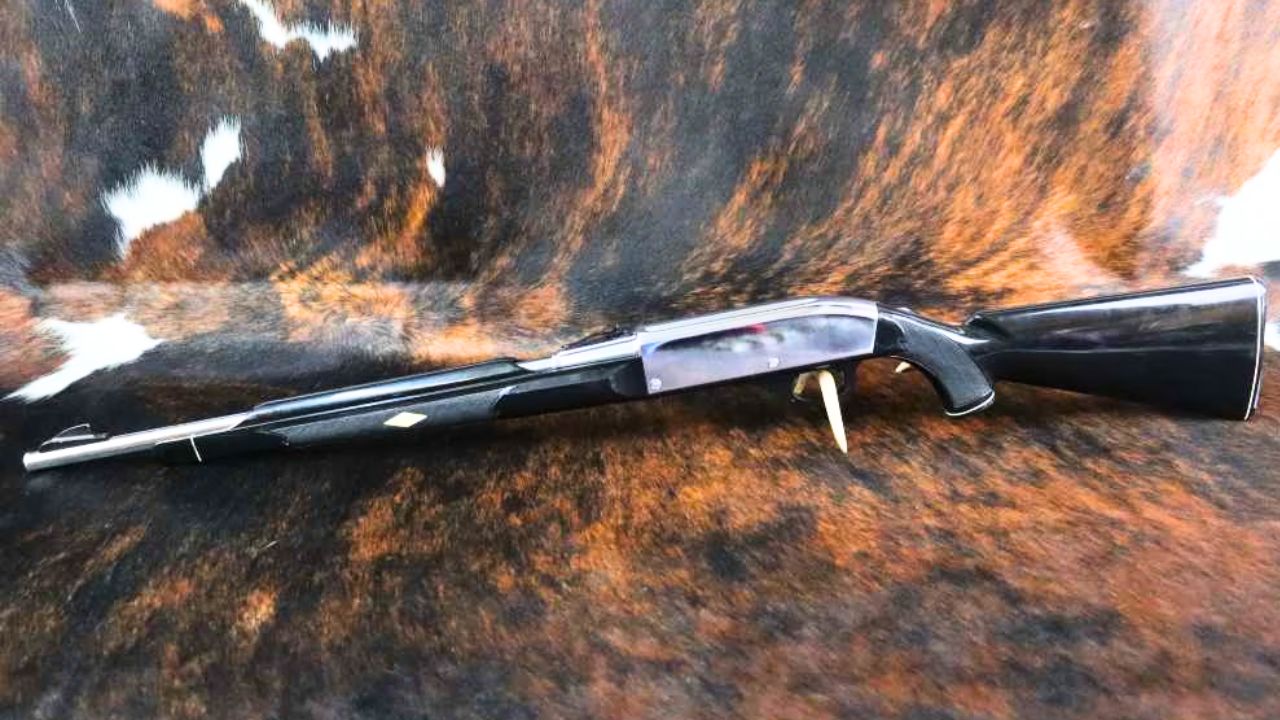
The Remington Nylon 66 seemed cheap and almost toy-like when it appeared. Its synthetic stock and receiver components were radical at a time when buyers associated quality rifles with walnut and blued steel. Many shooters doubted that plastic construction could survive serious use.
The rifle became famous for exactly that durability. Its lightweight construction resisted weather, the action operated smoothly, and the gun could fire enormous numbers of rounds with limited maintenance. Remington demonstrated the design’s reliability through aggressive torture testing and exhibition shooting. The Nylon 66 never replaced traditional rimfires, but it proved synthetic materials could belong in a serious firearm. What looked like a disposable experiment became a sought-after classic and an important step toward the modern synthetic-stocked rifle.
Ruger Blackhawk
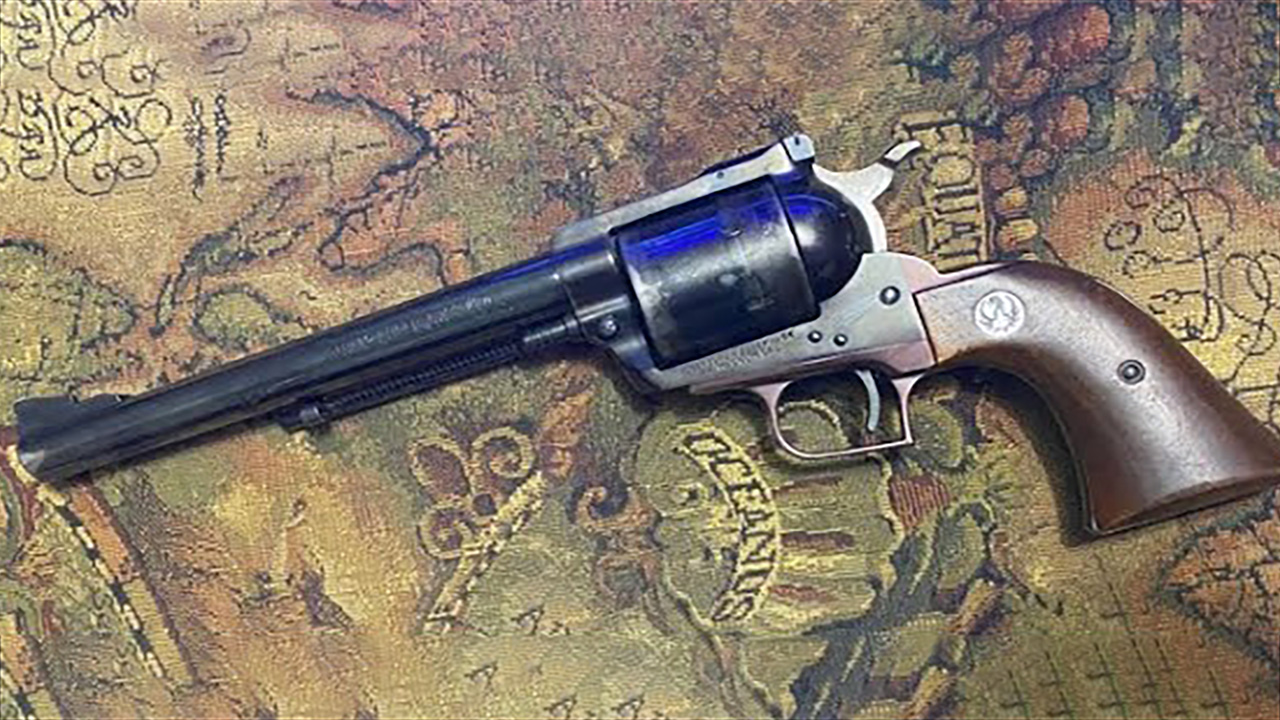
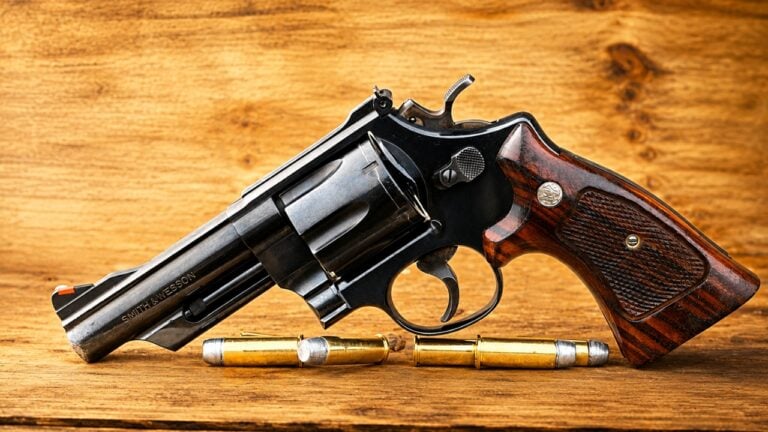
The Ruger Blackhawk arrived at a time when many people believed the traditional single-action revolver belonged to the past. Double-action revolvers and semi-automatic pistols were more practical, while the original Colt Single Action Army had become expensive and less suitable for heavy modern use.
Ruger recognized that shooters still wanted the handling and appearance of a single action if it could be made stronger and more affordable. The Blackhawk used modern manufacturing, adjustable sights, and a robust frame capable of handling powerful loads. It became popular with hunters, handloaders, outdoorsmen, and recreational shooters. Later safety improvements made the design even more practical. A revolver concept that looked obsolete became one of Ruger’s most enduring product families.
Colt Woodsman
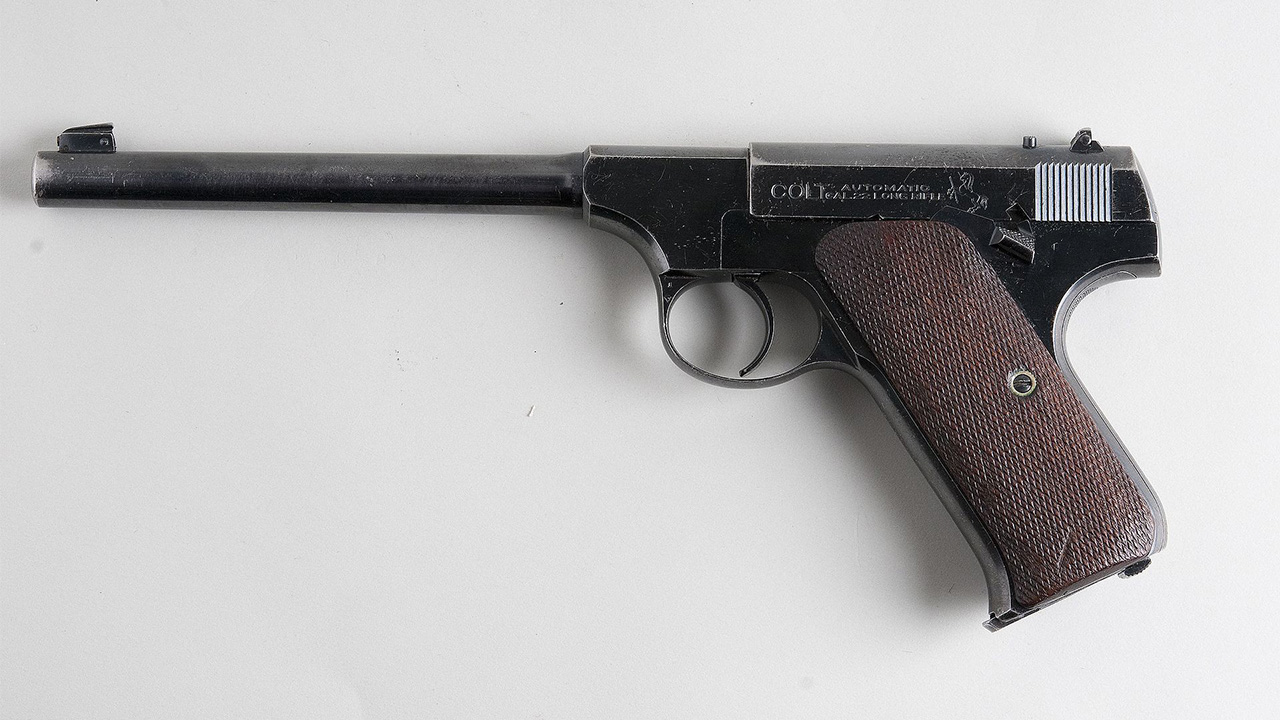
The Colt Woodsman entered a market where rimfire pistols were often viewed as basic utility or target guns. Its slim profile, internal hammer, and carefully balanced design looked almost delicate compared with larger service pistols.
Shooters quickly discovered how refined it was. The Woodsman pointed naturally, delivered excellent accuracy, and offered a quality of machining that became more appreciated after production ended. It developed strong followings among target shooters, outdoorsmen, and collectors. Modern rimfire pistols may offer easier optics mounting and greater magazine capacity, but few match the elegance and balance of a good Woodsman. A modest-looking .22 became one of the most respected sporting pistols ever built.
Winchester Model 12
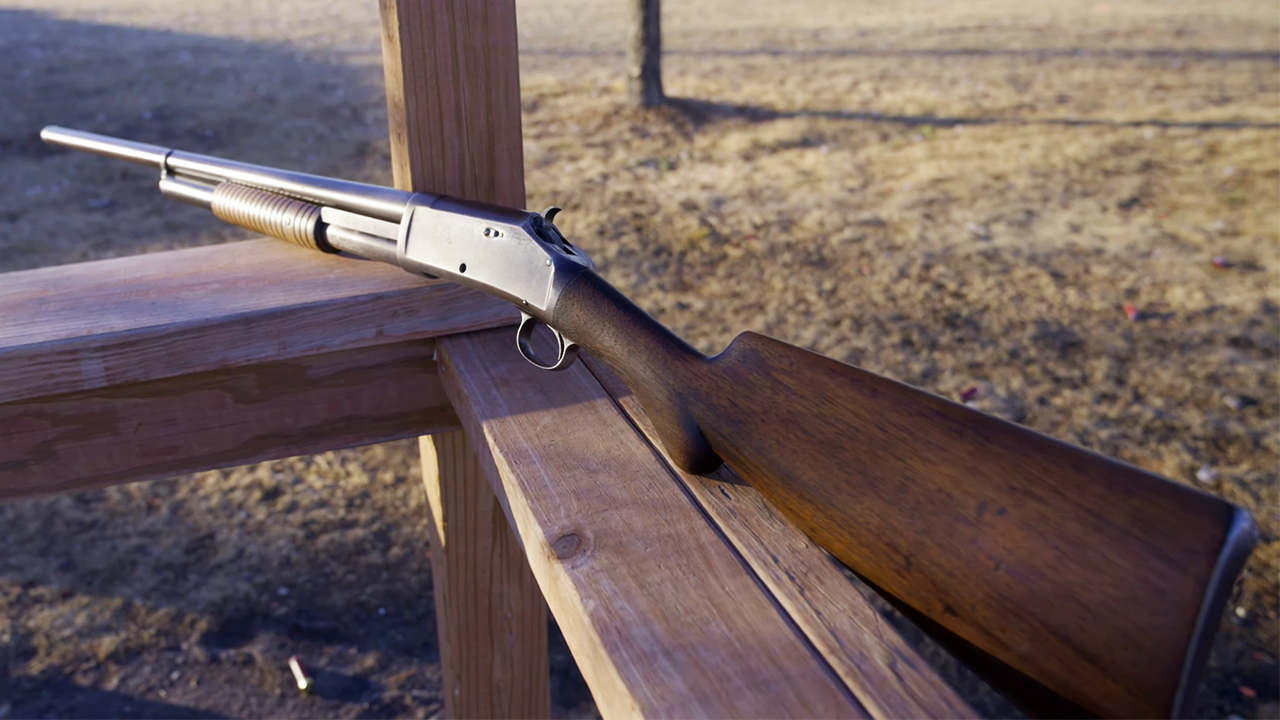
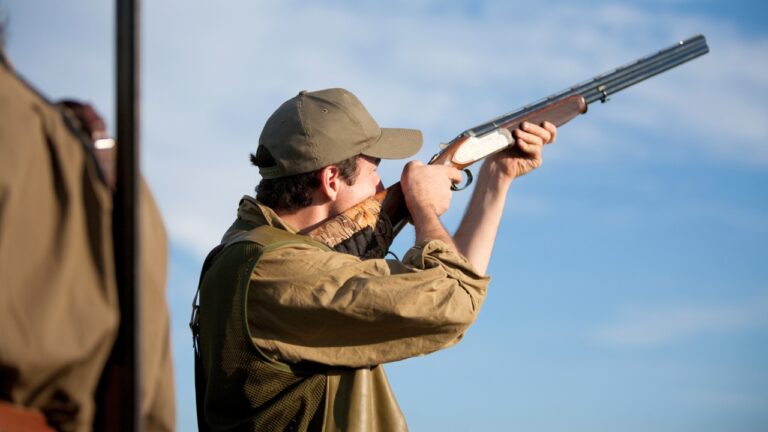
The Winchester Model 12 entered a market already familiar with pump shotguns, and its complicated machined construction could have made it too expensive to succeed. It required far more manufacturing work than later stamped and simplified designs, raising questions about whether its refinement was worth the cost.
Hunters, clay shooters, soldiers, and law-enforcement users answered that question through decades of use. The action became exceptionally smooth, the steel construction proved durable, and the shotgun handled naturally. Military trench and riot versions gave it an even stronger reputation. Production economics eventually worked against it, but surviving examples remain highly valued. A shotgun that might have been too costly and elaborate for mass success became known as one of the finest pump actions ever made.
Thompson Center Contender
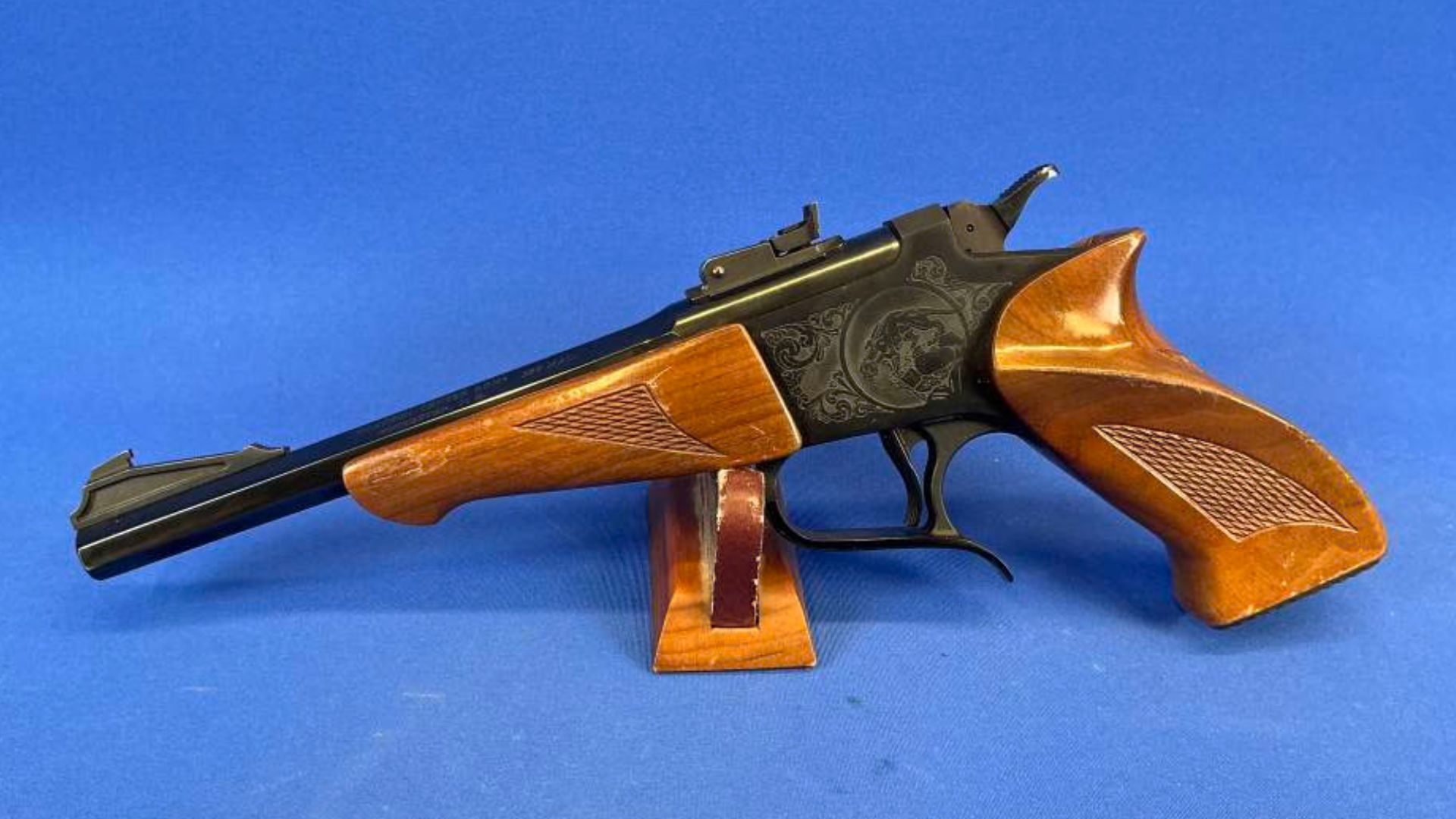
The Thompson Center Contender looked like an odd single-shot pistol with limited practical appeal. Its break-action design and interchangeable barrels placed it far outside the mainstream revolver and semi-automatic markets. Many shooters had little reason to believe a single-shot handgun could become a lasting commercial success.
The platform created an entirely new kind of enthusiast. Owners could switch among rimfire, handgun, and rifle cartridges, building configurations for hunting, silhouette shooting, target work, and experimentation. Long barrels and rifle-level chamberings allowed skilled handgun hunters to pursue game at distances ordinary pistols could not match. The Contender was never intended for defensive use or rapid shooting. It became a classic because its modularity gave serious shooters possibilities no conventional handgun could offer.
CZ 75
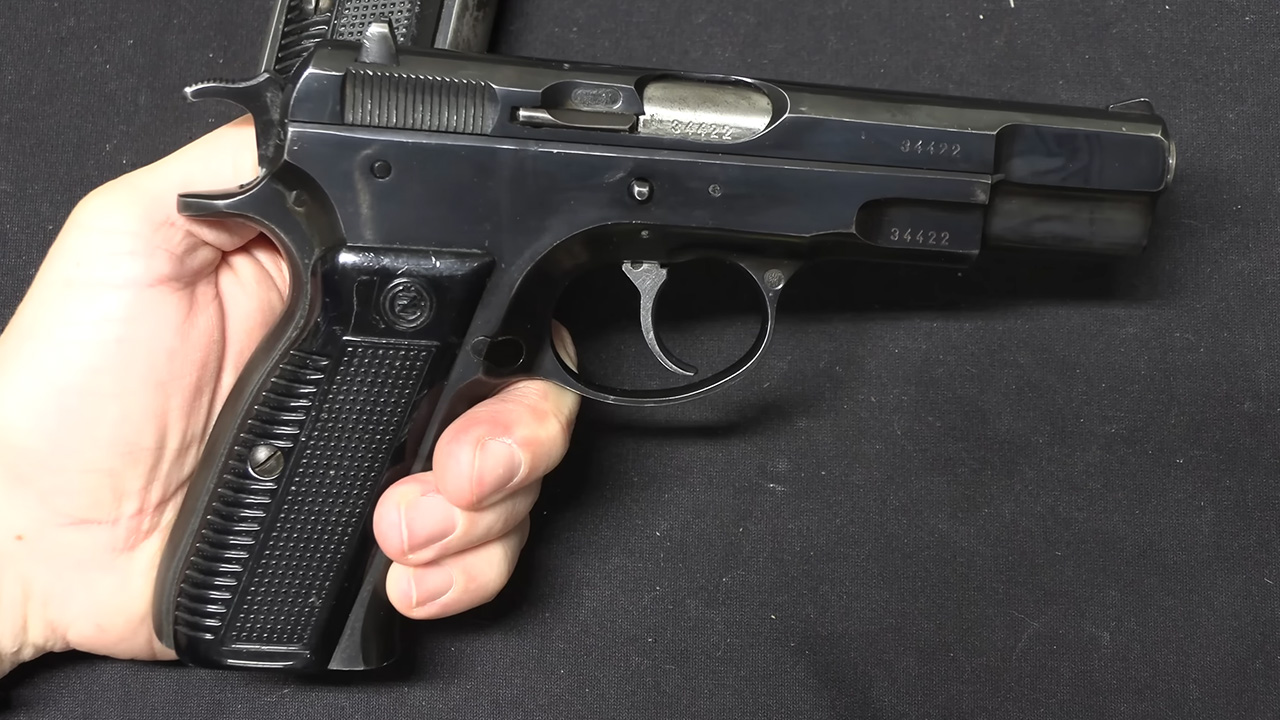
The CZ 75 arrived from behind the Iron Curtain and was difficult for many Western shooters to obtain. Its internal slide rails, double-action and single-action trigger, frame-mounted safety, and high-capacity magazine were admired by those who encountered it, but limited distribution kept it from immediate mainstream success.
As copies and later imports became available, the quality of the design became clear. Its grip fit a wide range of hands, the low slide helped control recoil, and the pistol could be carried with the hammer down or cocked and locked. It influenced numerous later service and competition handguns. The original CZ 75 eventually became a global classic despite beginning as an exotic design many American buyers knew only through photographs and imported copies.
Benelli M1 Super 90
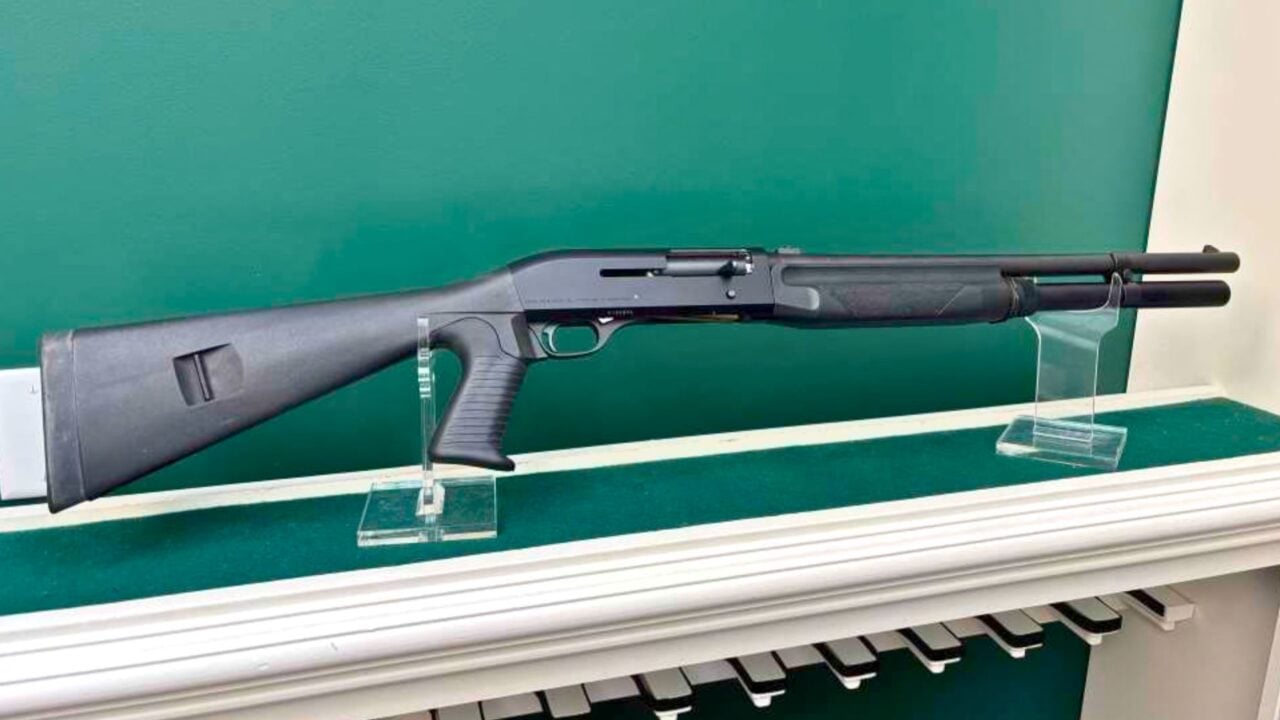
The Benelli M1 Super 90 used an inertia-driven action that seemed almost too simple beside traditional gas-operated semi-automatic shotguns. Skeptics questioned whether a system depending partly on recoil and proper gun movement could remain reliable across serious defensive and field use.
The shotgun established an excellent reputation for fast cycling and dependable operation with suitable ammunition. Its cleaner action required less maintenance than many gas guns, while its lightweight construction made it quick to handle. Recoil was sharper, and light loads could create problems in certain conditions, but professional and competitive shooters learned the system’s strengths. The M1 helped establish Benelli as a major tactical and sporting shotgun manufacturer and laid the groundwork for later models with even stronger reputations.
FN P90
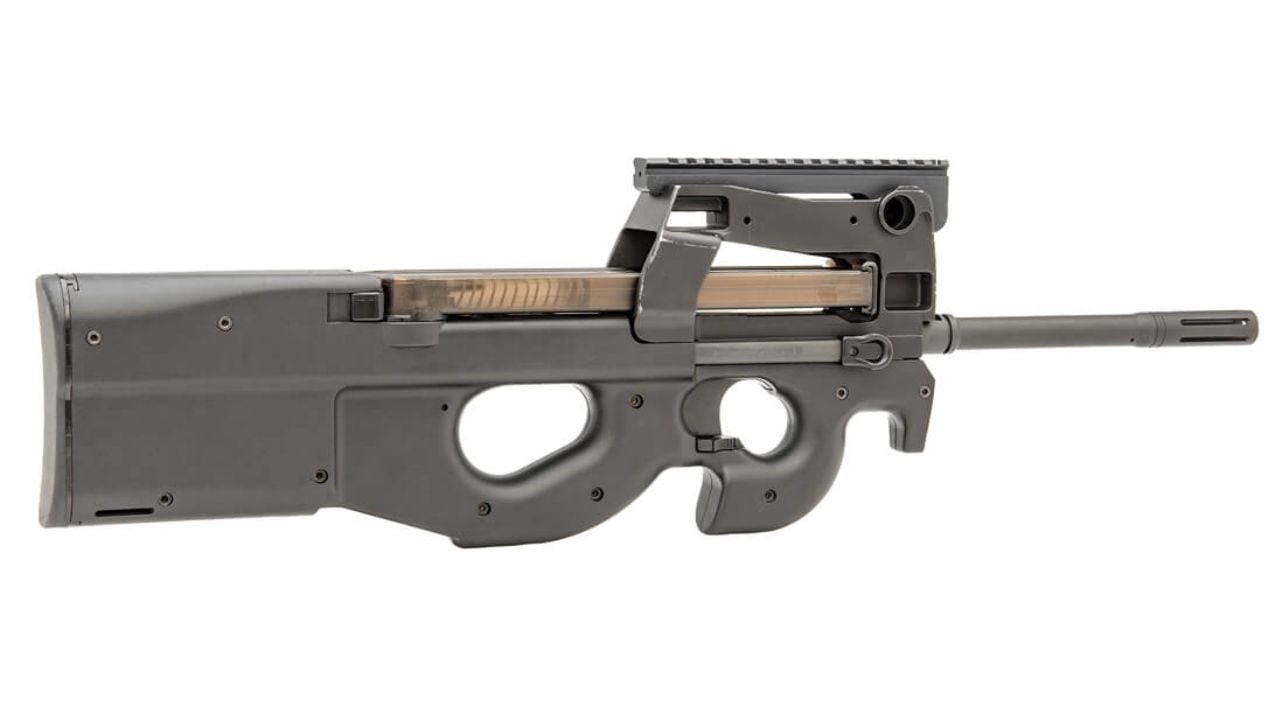
The FN P90 looked completely unlike a conventional shoulder weapon. Its bullpup layout, top-mounted 50-round magazine, downward ejection, and small 5.7x28mm cartridge made it seem more like a fictional prop than a practical military firearm.
The design was built around a real emerging need. Vehicle crews and support personnel required something more capable than a pistol but more compact than a full-size rifle. The P90 offered high capacity, minimal recoil, ambidextrous operation, and excellent maneuverability. Its cartridge and specialized role prevented it from replacing conventional rifles, but the platform became one of the defining personal-defense weapons. What appeared bizarre at introduction became a recognizable classic copied visually and conceptually across the firearm industry.
Barrett M82
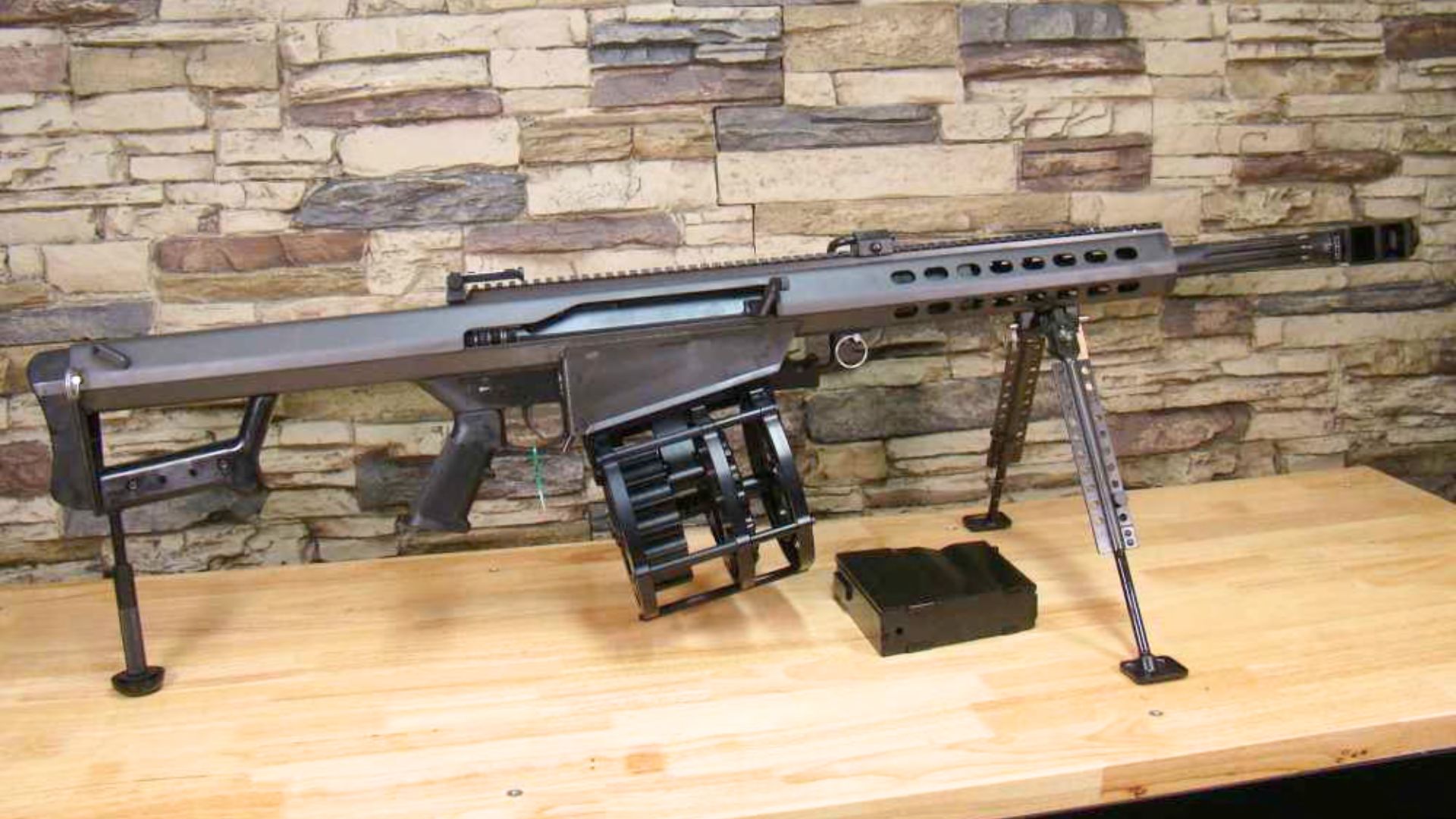
The Barrett M82 looked excessive when Ronnie Barrett began developing it. A semi-automatic shoulder-fired rifle chambered in .50 BMG seemed too heavy, powerful, and specialized for broad military or civilian interest. Established manufacturers showed little enthusiasm, and the concept appeared closer to an engineering stunt than a viable product.
Military users eventually recognized its value against equipment, vehicles, unexploded ordnance, and distant targets. The recoil-operated action made the enormous cartridge manageable enough for practical use, while detachable magazines and semi-automatic fire provided capabilities traditional single-shot heavy rifles lacked. The M82 became an internationally recognized anti-materiel rifle and turned Barrett into a major manufacturer. A gun that looked almost impossible to justify became the standard image of the modern .50-caliber rifle.
Like The Avid Outdoorsman’s content? Subscribe to our newsletter so you never miss an article.
Here’s more from us: