Photo credit: Buffalo's Outdoors/YouTube
Smith & Wesson has been building handguns for more than a century and a half, which gives the company one of the deepest catalogs in the firearms world. Its revolvers helped define American law enforcement, hunting, concealed carry, and competitive shooting. Later, its semi-automatic pistols became common in police holsters, military trials, gun stores, and homes across the country.
Choosing the best Smith & Wesson handguns means looking beyond sales numbers or collector value. The strongest models are the ones that changed what shooters expected, earned trust through hard use, or remained useful long after newer designs arrived. Some are legendary revolvers. Others are modern carry pistols that proved Smith & Wesson could compete in a market dominated by polymer-framed semi-automatics.
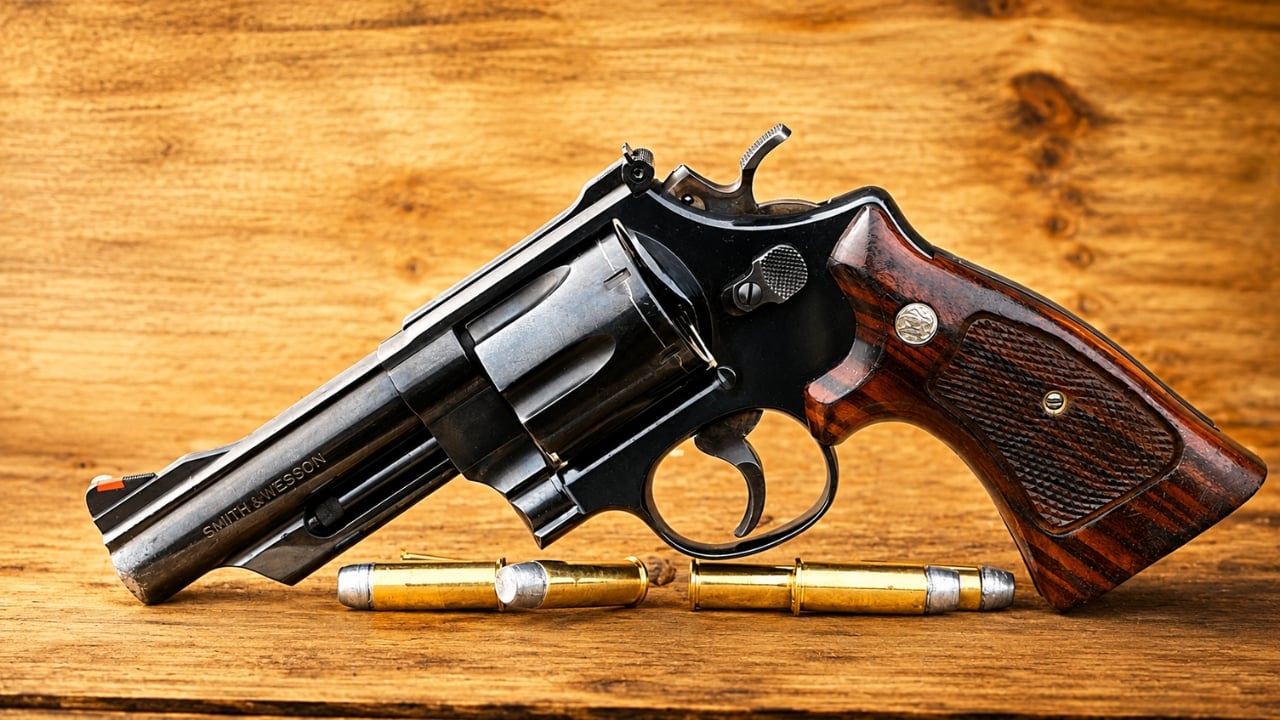
Smith & Wesson Model 29

The Smith & Wesson Model 29 became one of the most famous revolvers ever produced. Chambered in .44 Magnum, it offered enormous power for its era and quickly gained a reputation among handgun hunters and outdoorsmen. Its appearance in the Dirty Harry movies pushed it into mainstream culture, but the gun had already earned respect before Hollywood made it famous.
The Model 29 combines classic Smith & Wesson styling with the strength of the large N-frame. Its polished blue finish, adjustable sights, and traditional wood stocks made it look as impressive as it performed. Full-power .44 Magnum ammunition creates substantial recoil, but the revolver can also fire softer .44 Special loads. That versatility helped it remain useful instead of becoming only a movie prop or collector piece. Few Smith & Wesson handguns have matched its combination of power, history, and visual appeal.
Smith & Wesson Model 19
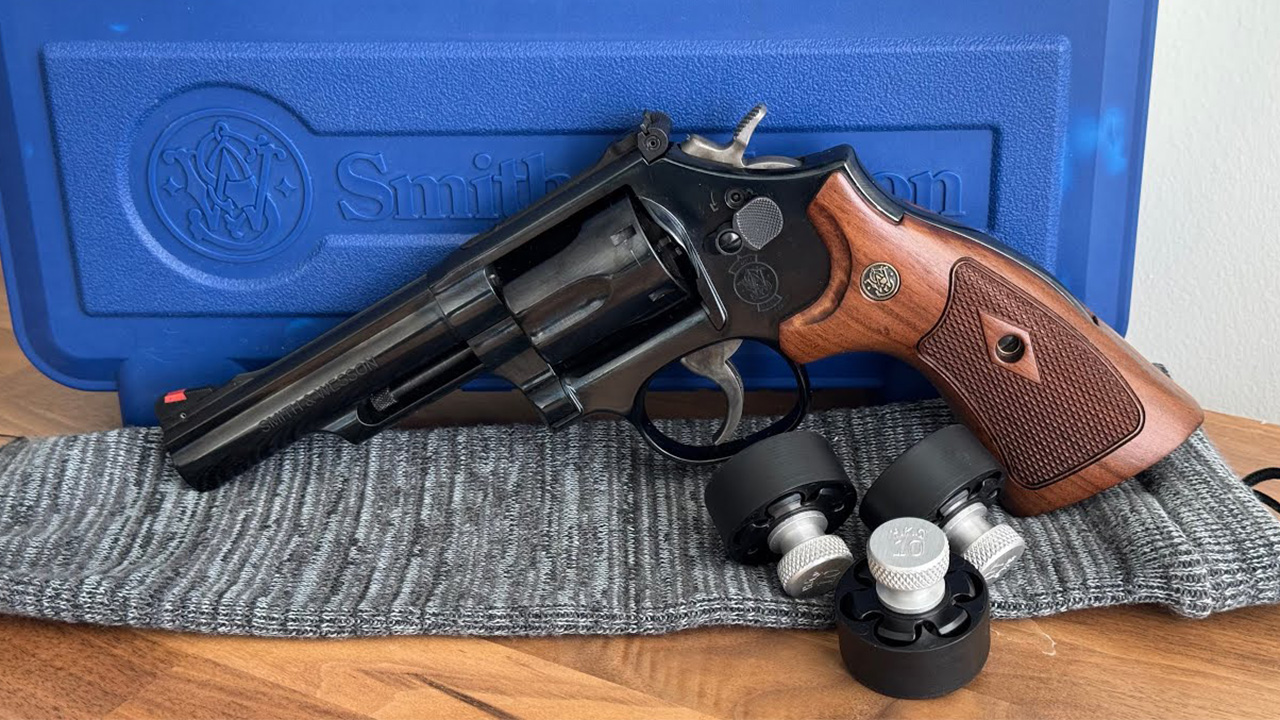
The Model 19 was developed as a more practical .357 Magnum revolver for law enforcement and everyday carry. It provided magnum capability in the smaller K-frame, giving officers a revolver that was easier to carry than the heavier N-frame Model 27. That balance helped the Model 19 become one of Smith & Wesson’s most respected service revolvers.
It handles .38 Special ammunition comfortably and remains accurate with .357 Magnum loads, though older examples were never intended for an endless diet of the hottest lightweight magnum rounds. The adjustable sights, smooth trigger, and excellent proportions make it enjoyable at the range and useful in the field. Modern versions have added stronger construction and updated features, but the original concept remains the same. The Model 19 may be the best example of Smith & Wesson finding the right balance between power, size, and shootability.
Smith & Wesson Model 27
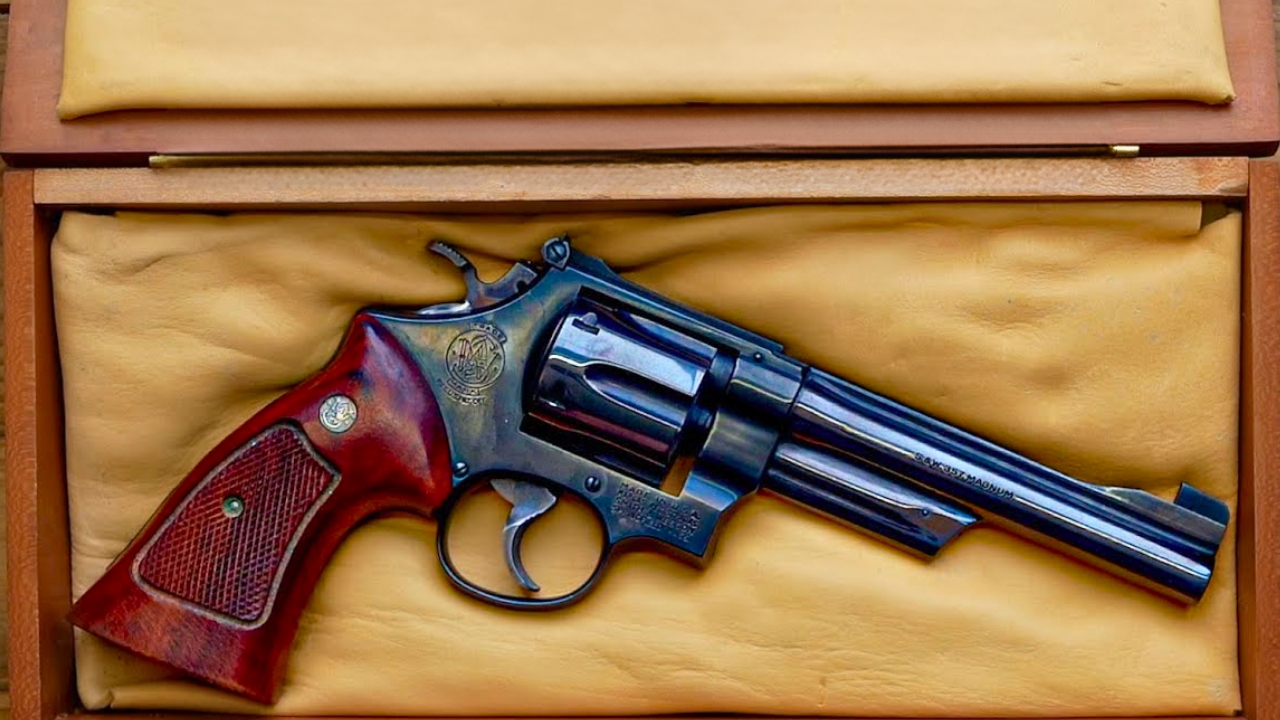
The Model 27 represents the premium side of the .357 Magnum revolver. It traces its roots to the original Registered Magnum, one of the most prestigious revolvers of the 1930s. Built on the large N-frame, the Model 27 was designed to handle the new magnum cartridge while providing the fit and finish expected from Smith & Wesson’s top-tier revolvers.
Its checkered topstrap, polished blue finish, and carefully fitted action gave it a level of refinement that separated it from ordinary service guns. The large frame makes the revolver heavier than necessary for routine carry, but that weight also helps absorb recoil. Shooters who appreciate traditional craftsmanship often view the Model 27 as one of the finest revolvers Smith & Wesson ever produced. It is powerful enough for serious field use while remaining elegant enough to anchor a high-end collection.
Smith & Wesson Model 686

The Model 686 became one of Smith & Wesson’s most successful modern revolvers because it combined durability, manageable size, and excellent shooting characteristics. Built on the L-frame, it was designed to handle frequent use with .357 Magnum ammunition better than the lighter K-frame revolvers that preceded it.
Its stainless-steel construction resists hard use and weather, while the full underlug gives the revolver a steady, muzzle-heavy balance. The Model 686 is available in several barrel lengths and capacity options, making it useful for home defense, target shooting, hunting, and general field carry. It may not have the elegance of a vintage Model 27, but it is easier to live with and harder to wear out. For someone who wants one .357 Magnum revolver that can do almost everything, the Model 686 remains one of Smith & Wesson’s strongest choices.
Smith & Wesson Model 66
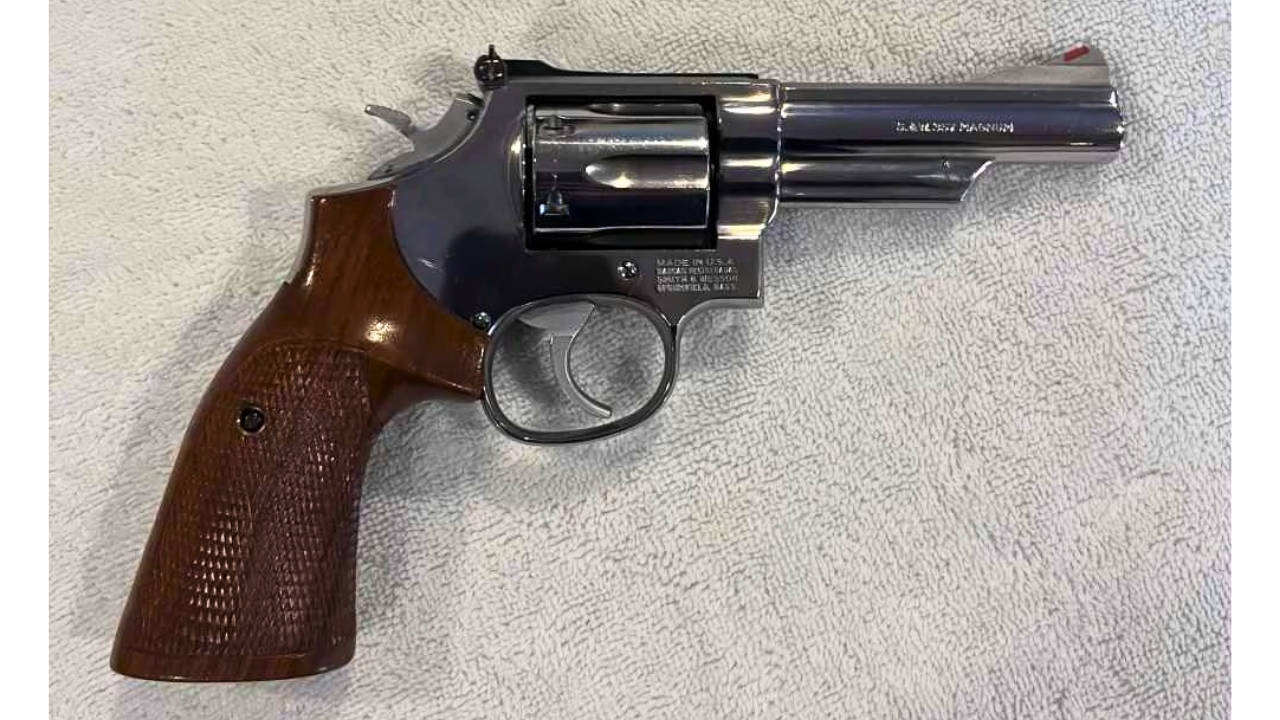
The Model 66 is essentially the stainless-steel counterpart to the Model 19, but that description does not fully explain its appeal. It offered the handling qualities of the K-frame with better resistance to sweat, humidity, and rough duty use. That made it especially attractive to law enforcement officers and outdoorsmen who wanted a revolver that could be carried regularly without constant concern over the finish.
Its lighter frame makes it easier to carry than a Model 686, though full-power .357 Magnum loads produce more noticeable recoil. With .38 Special ammunition, it becomes an exceptionally pleasant range and defensive revolver. Modern production versions have strengthened the design while preserving the general proportions that made the original popular. The Model 66 remains one of the best choices for shooters who want a classic Smith & Wesson revolver without the maintenance demands of a highly polished blued finish.
Smith & Wesson Model 10
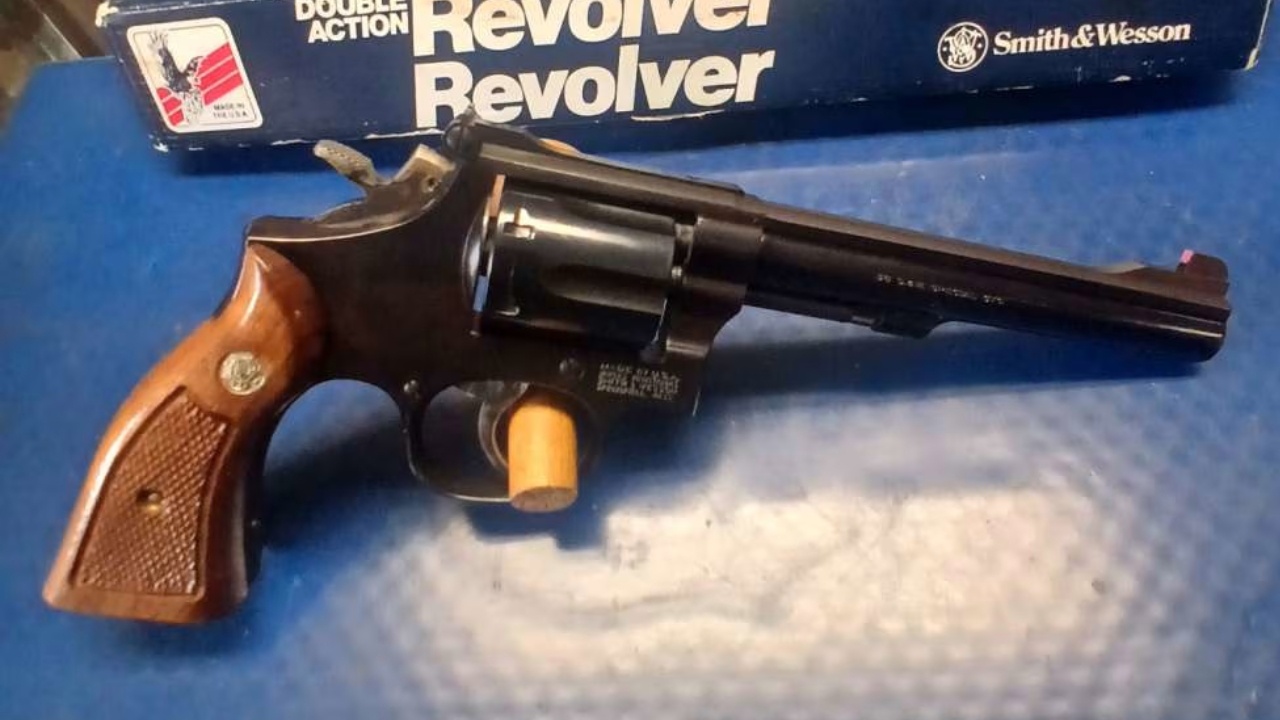
The Model 10 may not be Smith & Wesson’s most glamorous handgun, but it is one of the company’s most important. Known earlier as the Military & Police revolver, it served law enforcement agencies, military units, security guards, and private citizens around the world. Millions were produced, and countless shooters learned revolver fundamentals with one.
Chambered in .38 Special, the Model 10 offers mild recoil, straightforward controls, and excellent practical accuracy. Fixed sights and a basic finish kept the gun affordable and durable. It lacks the power and visual drama of the magnum revolvers, but that simplicity is exactly why it remained successful for so long. A good Model 10 points naturally, fires a useful cartridge, and rarely asks much from its owner. It may be the clearest example of Smith & Wesson building a handgun for real-world use rather than showroom attention.
Smith & Wesson Model 36 Chief’s Special
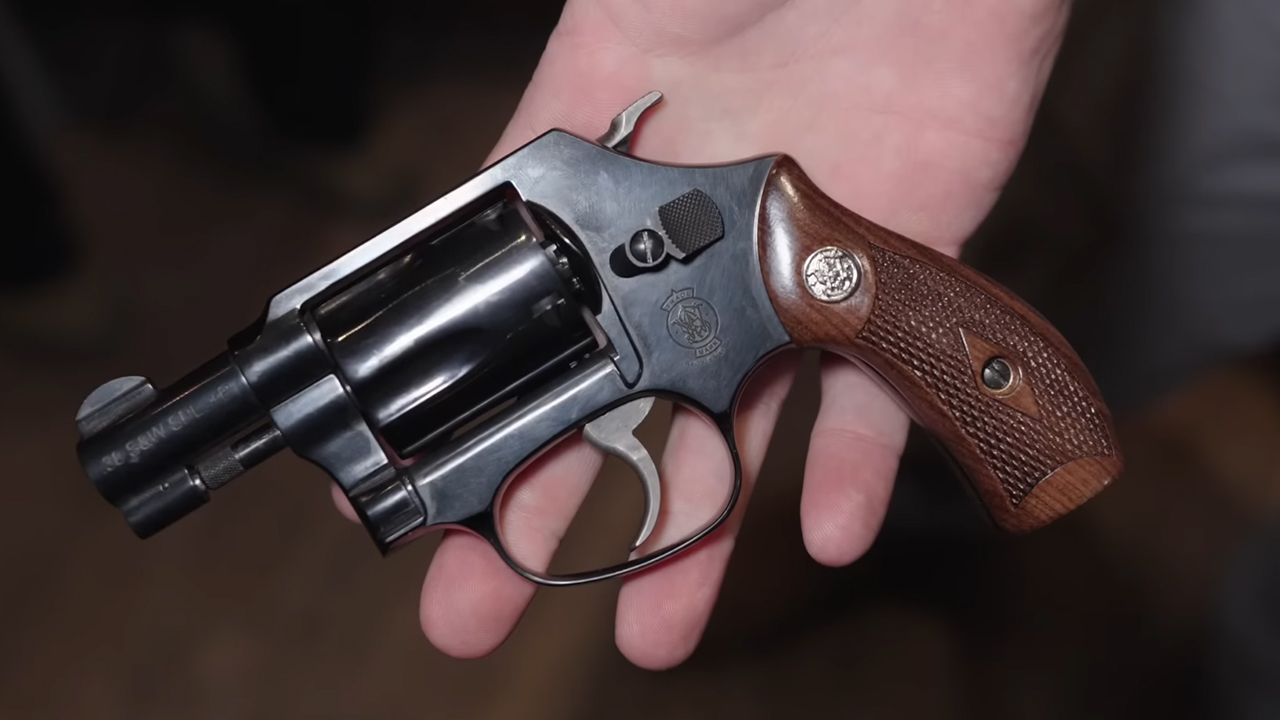
The Model 36 helped define the compact snub-nose revolver. Introduced on Smith & Wesson’s small J-frame, it gave plainclothes officers and private citizens a reliable .38 Special handgun that could disappear into a pocket, ankle holster, or waistband.
Its five-round capacity and short barrel require realistic expectations, but the design remains relevant because of its simplicity and concealability. The all-steel construction makes it heavier than modern lightweight revolvers, yet that weight also reduces recoil and helps the gun feel more stable. The exposed hammer allows single-action shooting when precision matters, though it can snag during a hurried draw from a pocket. Despite those compromises, the Model 36 became one of the most influential concealed-carry revolvers ever made and established a pattern Smith & Wesson still follows today.
Smith & Wesson Model 60

The Model 60 made history as the first widely successful stainless-steel production revolver. It took the basic J-frame concept and added a finish better suited to sweat, pocket carry, and exposure to the elements. That practical improvement made it instantly appealing to people who carried a handgun every day.
Early Model 60 revolvers were chambered in .38 Special, while later versions gained stronger frames and .357 Magnum capability. The magnum versions offer impressive power for their size, though recoil can be severe from such a small gun. Many shooters prefer to load them with .38 Special +P ammunition for better control. The Model 60 remains one of the best-looking small revolvers Smith & Wesson has produced. It combines historic importance, practical durability, and the traditional handling of a steel-framed snub nose.
Smith & Wesson Model 642
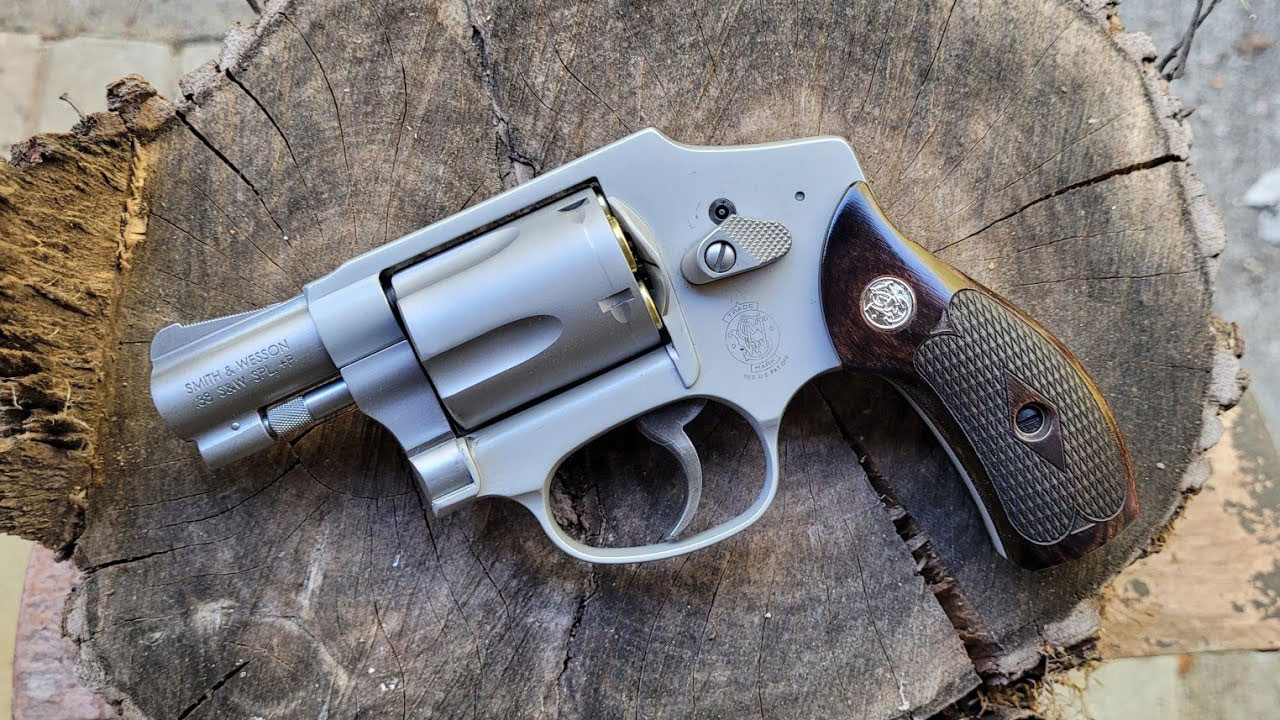
The Model 642 is one of the most practical concealed-carry revolvers in Smith & Wesson’s current lineup. Its enclosed hammer prevents snagging during a pocket or waistband draw, while the lightweight alloy frame keeps it comfortable to carry for long periods.
The double-action-only trigger requires practice, especially with the short sight radius and compact grip. Shooters who put in that practice often appreciate how straightforward the gun is. There is no manual safety, no exposed hammer, and no need to manipulate a slide. Recoil with defensive .38 Special loads can be sharp, but the Model 642 remains manageable enough for regular training. It is not the easiest handgun to shoot well, yet it is one of the easiest to carry consistently. That practical strength has made it one of Smith & Wesson’s most enduring defensive handguns.
Smith & Wesson Model 629
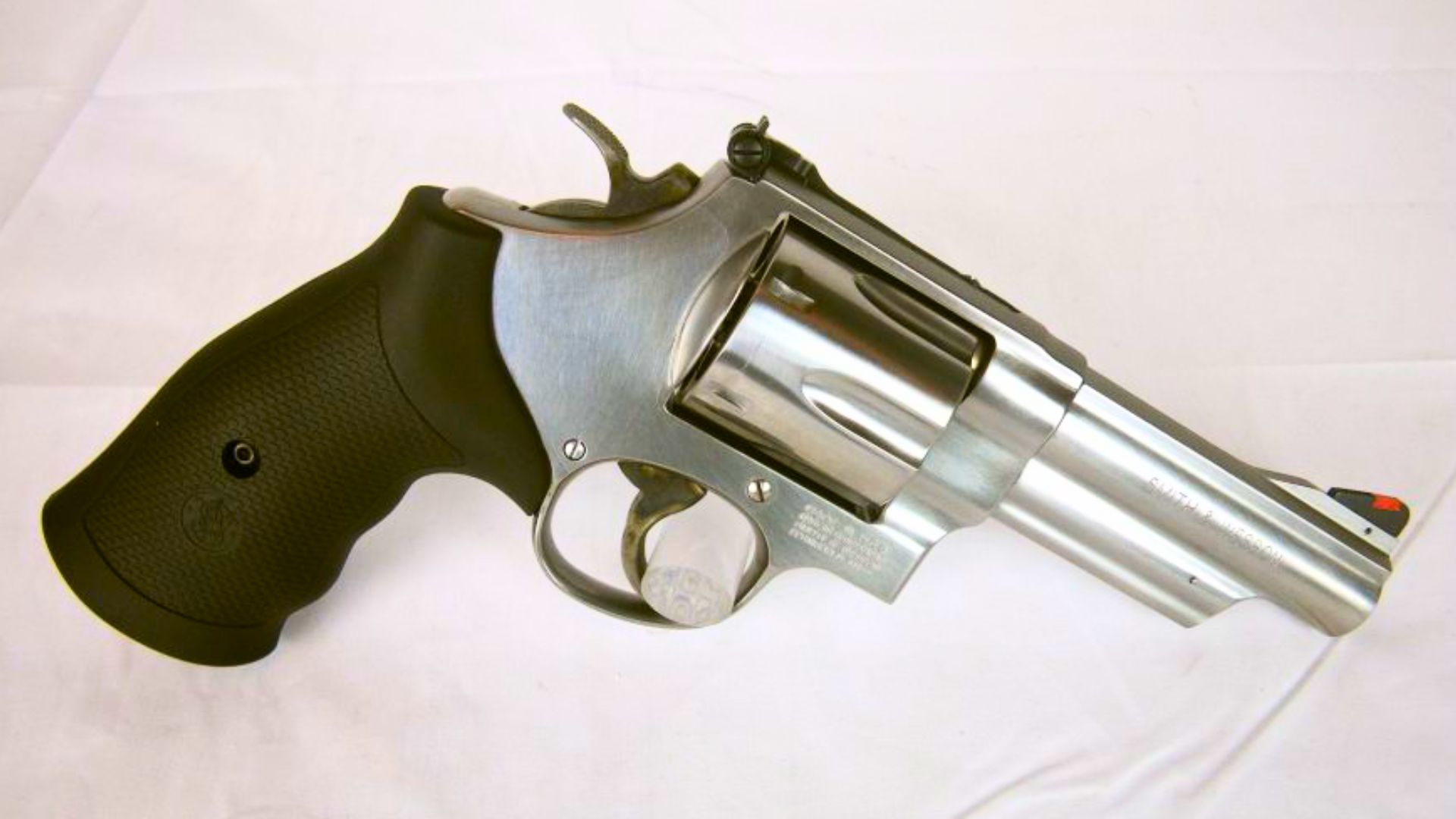
The Model 629 brought stainless-steel construction to the .44 Magnum platform. Mechanically, it shares much with the Model 29, but the stainless finish makes it better suited to hunting, wilderness use, and exposure to rain or humidity.
The large N-frame helps manage recoil, particularly in versions with longer barrels and full underlugs. Hunters can pair it with heavy .44 Magnum loads, while recreational shooters can use softer .44 Special ammunition. The Model 629 has been offered in numerous configurations, including compact carry versions, long-barreled hunting models, and Performance Center editions. That variety has helped it remain more than a single-purpose handgun. For anyone who wants the power of the Model 29 in a package built for hard outdoor use, the Model 629 may be the more practical choice.
Smith & Wesson Model 617
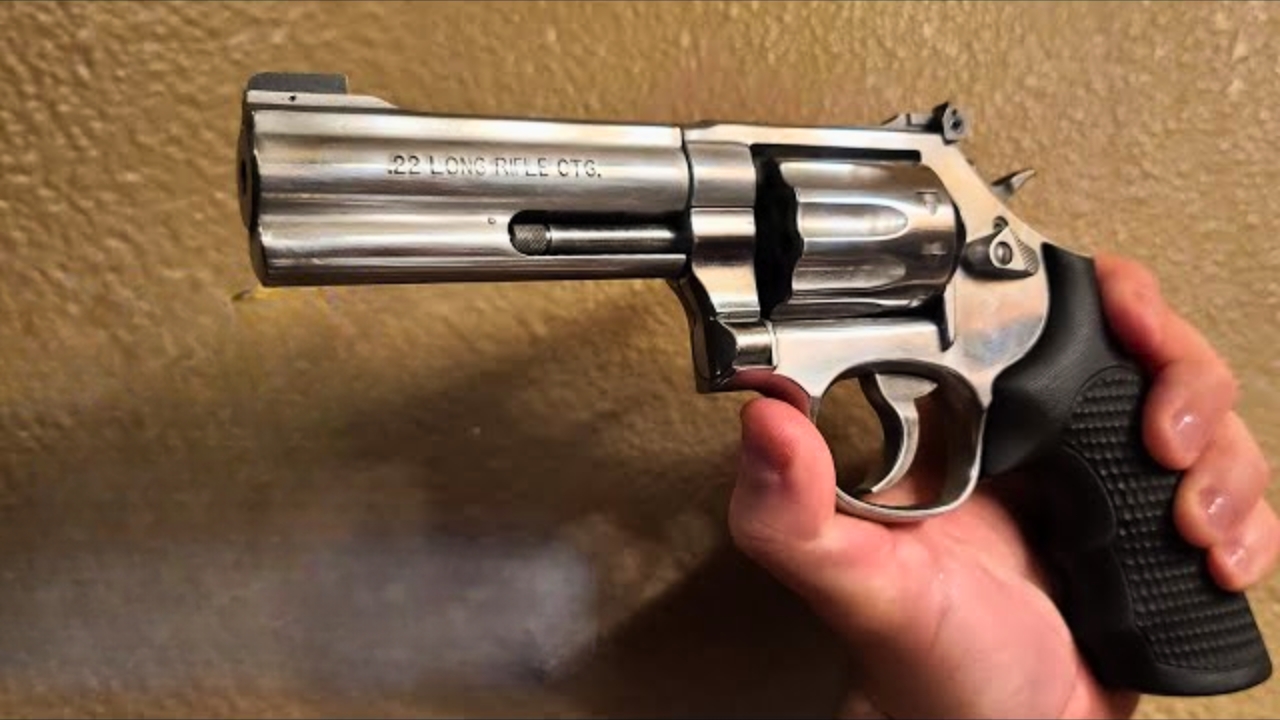
The Model 617 is one of the finest full-size .22 Long Rifle revolvers ever produced. Built on the K-frame, it has the size, balance, and trigger feel of a centerfire revolver but fires inexpensive, low-recoil rimfire ammunition.
Its substantial weight makes it exceptionally steady during target shooting, and the adjustable sights allow shooters to take advantage of the cartridge’s accuracy. Modern versions often hold ten rounds, giving the revolver plenty of capacity for extended practice sessions. The stainless construction makes it durable enough for years of heavy use. It is more expensive than many semi-automatic .22 pistols, but the Model 617 offers a training experience those pistols cannot duplicate. Revolver shooters can practice trigger control, sight alignment, and double-action shooting without the cost or recoil of centerfire ammunition.
Smith & Wesson Model 41

The Model 41 is Smith & Wesson’s most respected target pistol. Designed for precision competition, it features an excellent trigger, carefully fitted action, and grip angle intended to support deliberate one-handed or two-handed shooting.
Unlike inexpensive rimfire pistols built mainly for casual plinking, the Model 41 was created to deliver serious accuracy. Its weight and balance help stabilize the pistol, while different barrel lengths and configurations allow shooters to tailor it to specific disciplines. It demands more maintenance and care than a basic field pistol, and its price keeps it out of reach for many casual shooters. Those limitations do not weaken its reputation. The Model 41 remains one of the best American-made .22 target pistols and demonstrates what Smith & Wesson can build when precision matters more than price.
Smith & Wesson 5906
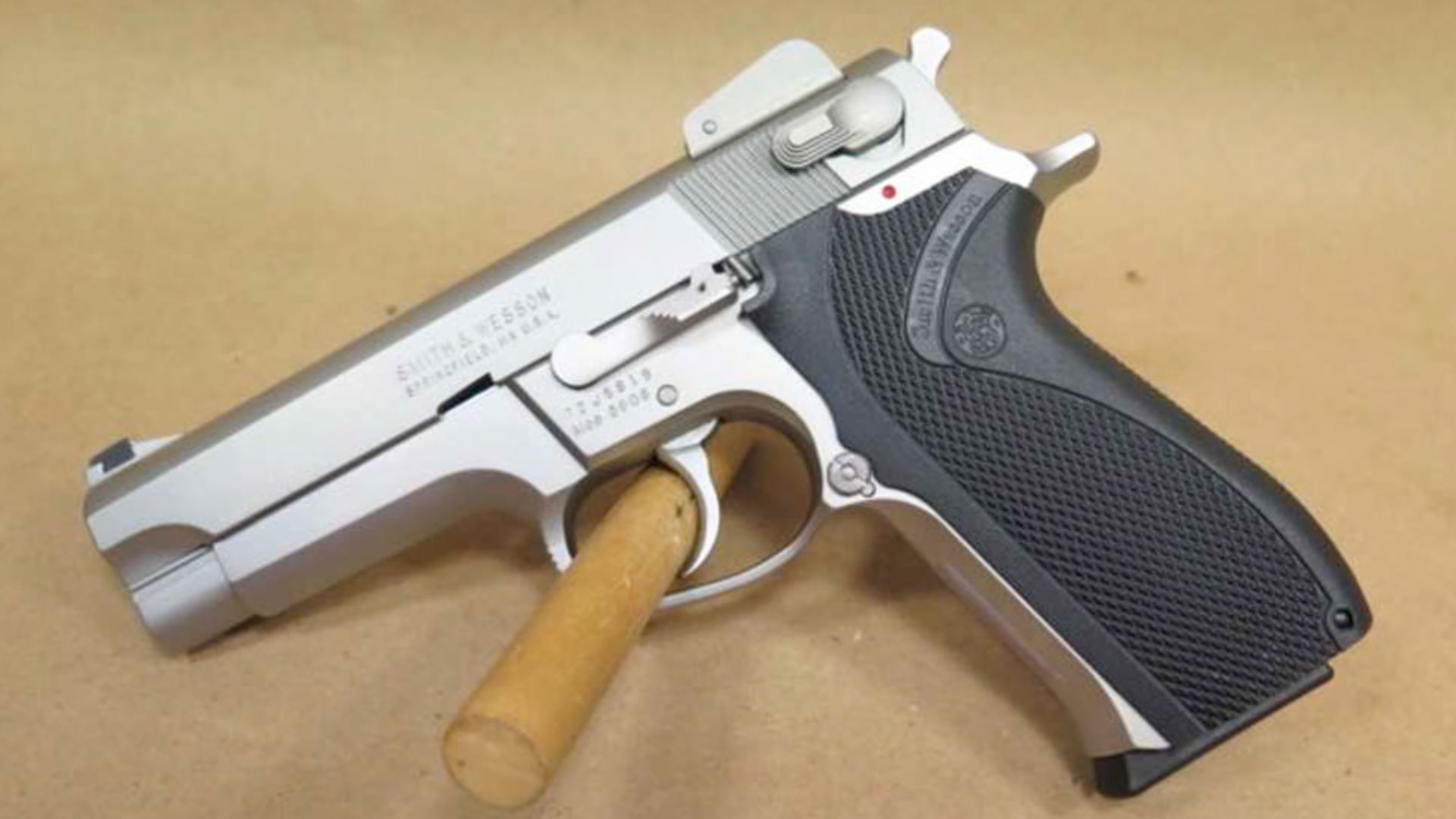
The 5906 was one of the defining pistols from Smith & Wesson’s third-generation semi-automatic lineup. Built with a stainless-steel frame and slide, it was designed as a durable double-action and single-action service pistol at a time when American law enforcement was rapidly moving away from revolvers.
Its weight helps control recoil, and the metal frame gives it a solid feel that modern polymer pistols cannot duplicate. The slide-mounted safety and decocker are less popular today, but they were familiar to many agencies during the pistol’s service life. The trigger can feel heavy in double action, yet the single-action pull is often quite good. Police trade-in examples once sold cheaply, but shooters have increasingly recognized how well-built these pistols are. The 5906 now represents one of the strongest products from Smith & Wesson’s pre-polymer semi-automatic era.
Smith & Wesson 3913
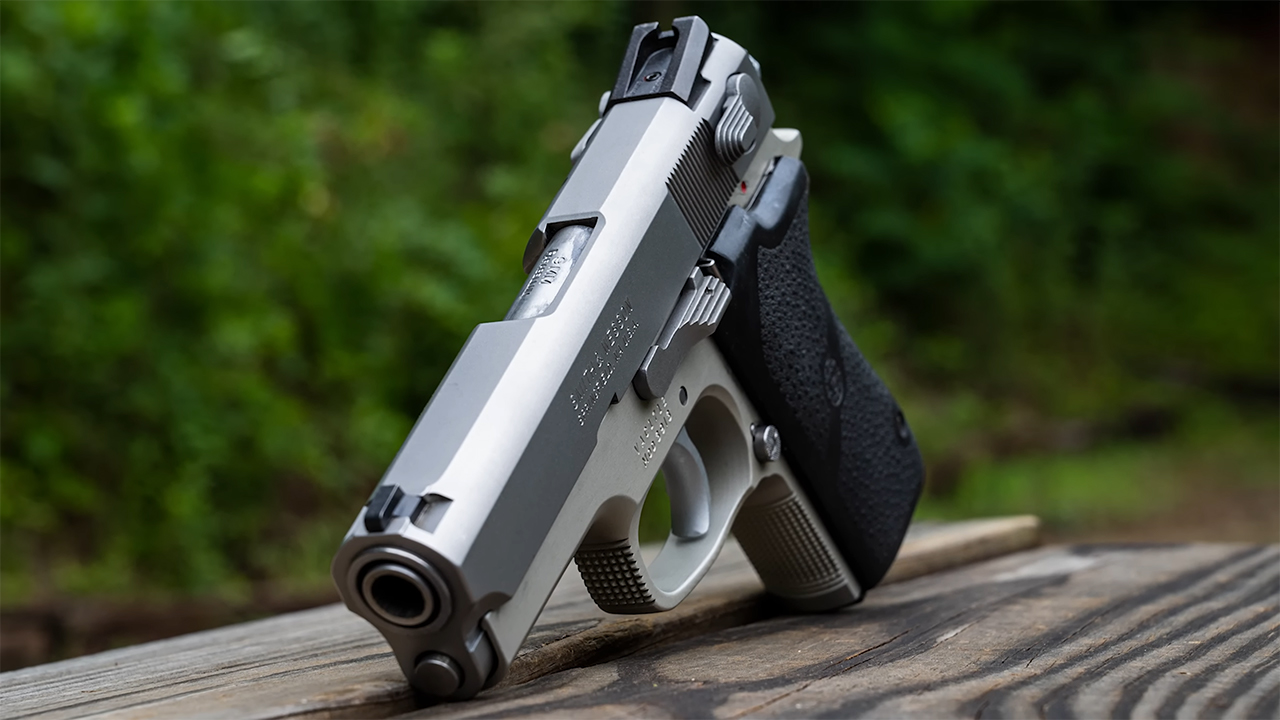
The 3913 was one of the best compact single-stack 9mm pistols available before the current micro-compact category existed. It used a slim alloy frame, traditional double-action trigger, and a profile that made it far easier to conceal than the full-size service pistols of its period.
Its eight-round capacity now seems limited, but the pistol remains comfortable to carry and surprisingly pleasant to shoot. The metal frame adds enough weight to reduce recoil without making the gun burdensome. Controls are more complex than those of a modern striker-fired pistol, yet many shooters appreciate the added security of a long first trigger pull. The 3913 was ahead of its time in several ways. It offered a serious defensive cartridge in a thin, reliable package decades before compact 9mm carry guns became the largest segment of the handgun market.
Smith & Wesson M&P9

The original M&P9 restored Smith & Wesson’s reputation in the duty-pistol market. It provided a polymer-framed, striker-fired alternative to Glock while offering interchangeable backstraps, ambidextrous controls, and ergonomics that many shooters found more comfortable.
Early triggers were not especially impressive, but the overall design proved reliable and adaptable. Law enforcement agencies adopted the pistol, competitive shooters modified it, and private owners embraced it for home defense and carry. The M&P9 also gave Smith & Wesson a modern platform that could expand into compact, long-slide, competition, and caliber-specific versions. It may not have transformed the handgun market by itself, but it showed that Smith & Wesson could produce a serious contemporary service pistol rather than relying solely on its revolver legacy.
Smith & Wesson M&P9 M2.0
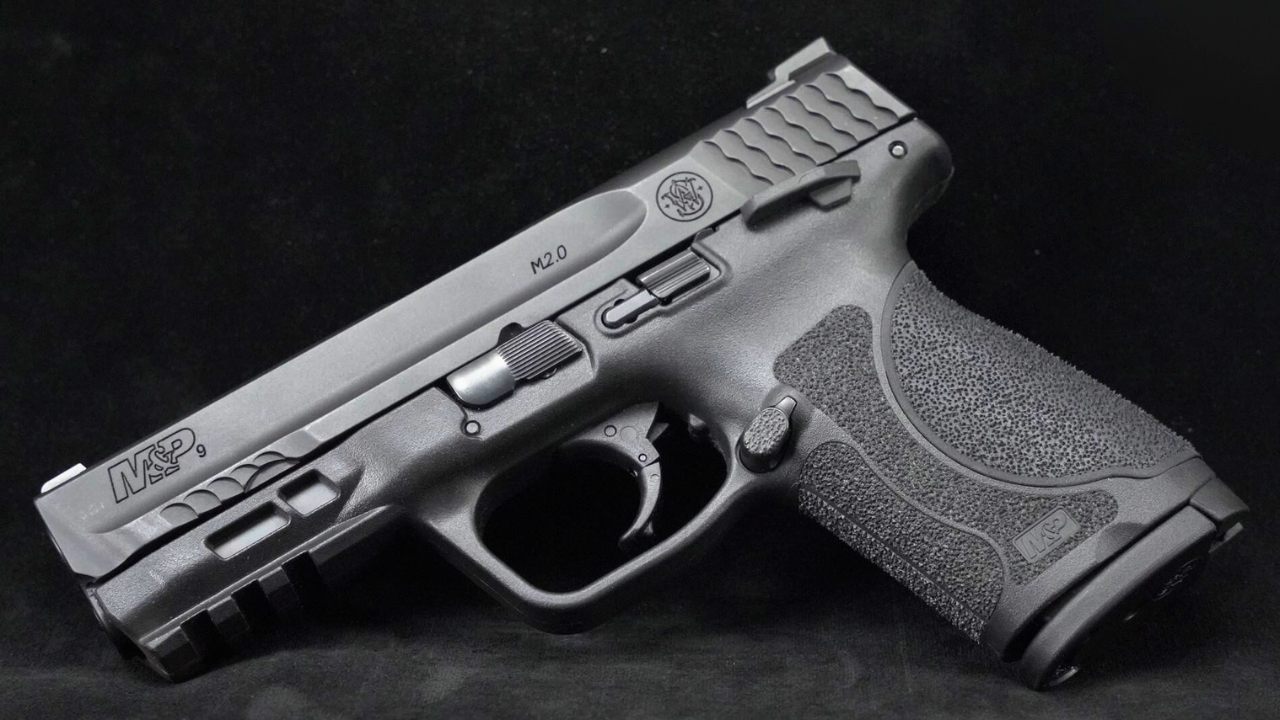
The M&P9 M2.0 refined nearly every important part of the original M&P. Smith & Wesson improved the grip texture, strengthened the frame, revised the trigger system, and added new sizes and configurations that made the platform more competitive.
The aggressive grip texture gives the shooter excellent control, especially with wet or sweaty hands. Later versions gained improved flat-faced triggers and optic-ready slides, making them suitable for modern defensive and duty use without extensive modification. The pistol remains comfortable despite the rough texture, and its low bore axis helps it track smoothly during rapid fire. The M2.0 may not receive the same cultural attention as the Glock 19, but in pure shooting terms, it is one of the strongest striker-fired handguns produced by an American company.
Smith & Wesson M&P9 Metal
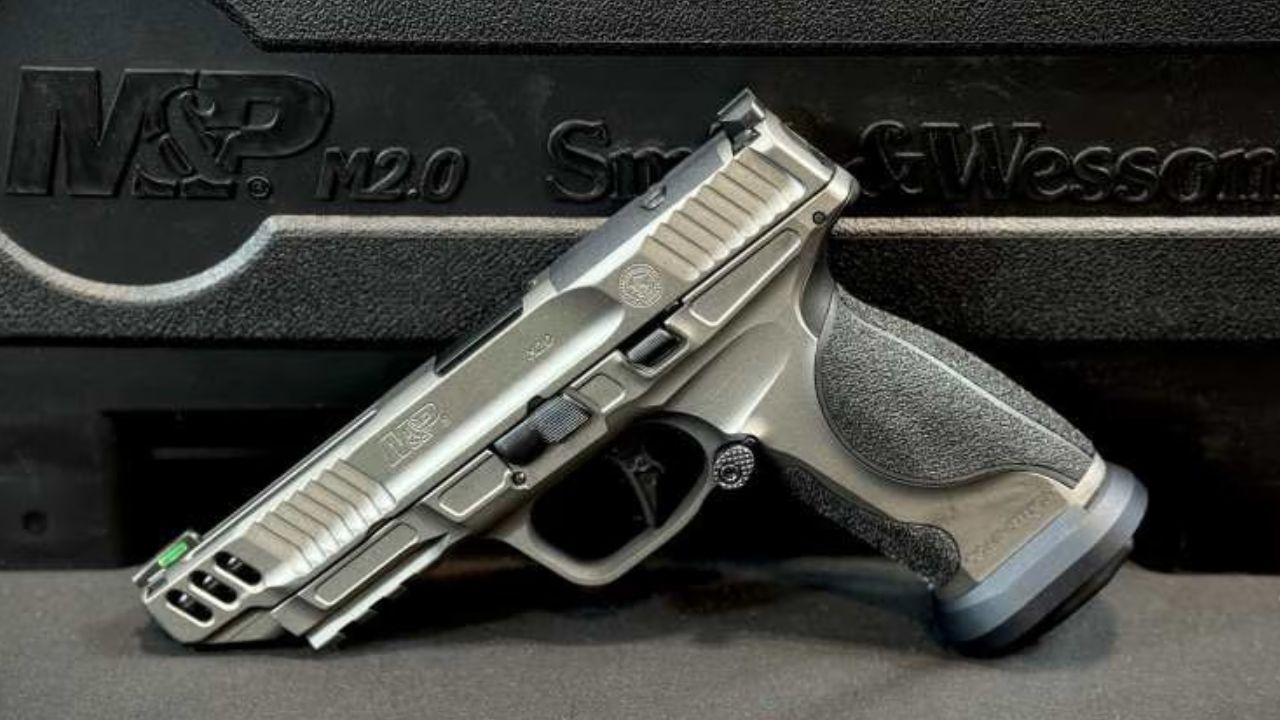
The M&P9 Metal takes the proven M2.0 operating system and places it inside an aluminum frame. That change gives the pistol a more substantial feel without adding the extreme weight of a steel competition gun.
Its appeal goes beyond appearance. The added frame rigidity and weight help reduce movement during firing, while the familiar M&P controls make the transition easy for existing owners. It also reflects the industry’s renewed interest in metal-framed defensive pistols after years of polymer dominance. The M&P9 Metal is expensive compared with the standard M2.0, and not every shooter will find the performance difference worth the premium. Even so, it stands as one of Smith & Wesson’s most refined modern service-style pistols and shows how far the M&P platform has developed.
Smith & Wesson Shield
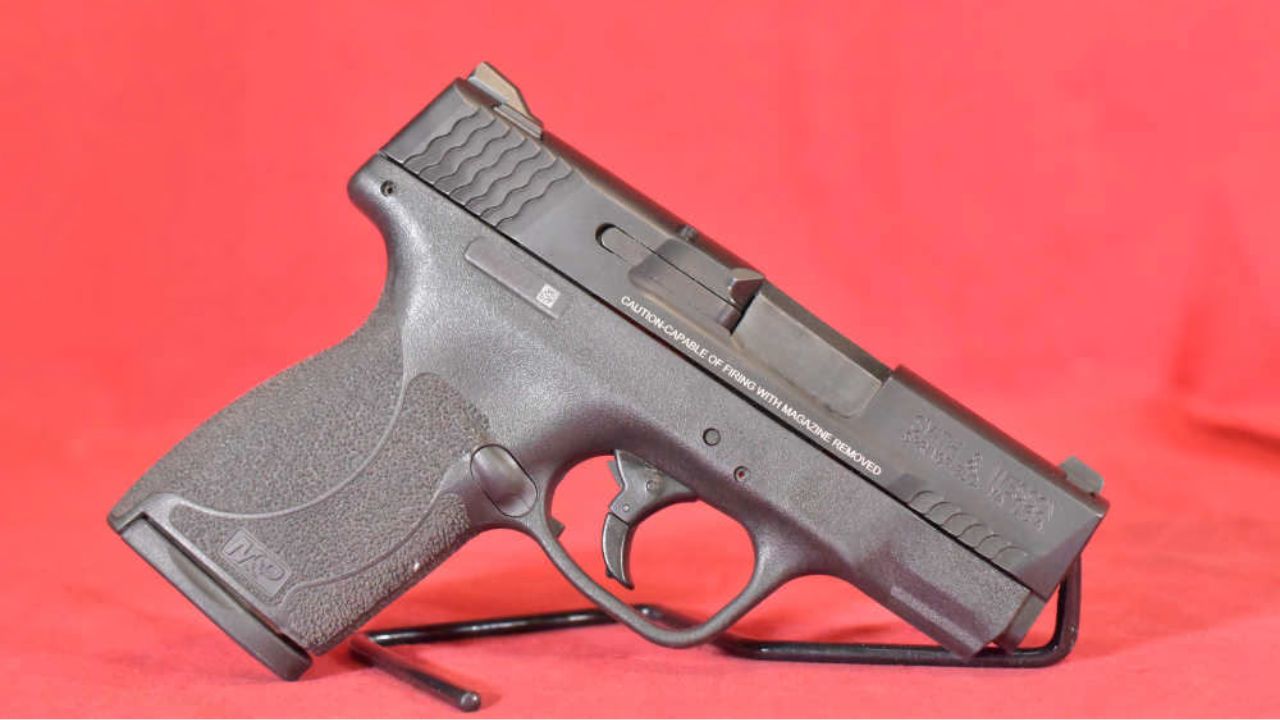
The original M&P Shield changed the concealed-carry market by giving shooters a thin, reliable 9mm from a major manufacturer at a reasonable price. It arrived before high-capacity micro-compacts became common and quickly became one of the most popular carry pistols in the country.
Its capacity was modest, but its slim grip, manageable recoil, and straightforward controls made it easier to carry than a double-stack compact. The Shield also proved more shootable than many smaller pocket pistols. Smith & Wesson offered it in several calibers and configurations, helping the platform reach a broad audience. Newer designs now hold more ammunition in similar dimensions, but the original Shield deserves credit for helping define the modern slim 9mm category. It remains a dependable defensive pistol rather than an outdated curiosity.
Smith & Wesson Shield Plus

The Shield Plus addressed the original Shield’s greatest weakness by increasing magazine capacity without dramatically changing the size of the pistol. It retained the slim profile and familiar handling while giving owners capacity that could compete with newer micro-compact designs.
Smith & Wesson also improved the trigger, giving the Shield Plus a cleaner break and more modern feel than many earlier Shield pistols. It remains easy to conceal, but the grip is large enough for most shooters to control during rapid fire. Optic-ready versions make it possible to add a red-dot sight without turning the pistol into a bulky carry package. The Shield Plus may be one of the best examples of a manufacturer improving an established design without ruining the qualities that made the original successful.
Smith & Wesson M&P 10mm M2.0

The M&P 10mm M2.0 brought the company’s modern striker-fired platform into one of the most powerful mainstream semi-automatic cartridges. It offers greater capacity and faster reloads than most large revolvers while remaining familiar to anyone who has used an M&P pistol.
The cartridge makes the pistol suitable for hunting, wilderness carry, and shooters who want more energy than a standard defensive round provides. Full-power 10mm ammunition creates significant recoil, but the grip texture and full-size frame help keep the gun controllable. Early examples generated discussion over reliability with certain loads, making ammunition testing especially important. When properly matched with dependable ammunition, the M&P 10mm gives Smith & Wesson owners a powerful field pistol without requiring them to leave the familiar M2.0 platform.
Like The Avid Outdoorsman’s content? Subscribe to our newsletter so you never miss an article.
Here’s more from us: