Photo credit: WildMedia/Shutterstock.com
Hogs aren’t deer. They’re tough, smart, and built with armor-like shoulders that stop bullets that would flatten lighter game. The problem shows up when hunters lean on calibers that look fine on paper but come up short in the field. Plenty of rifles cycle them just fine, but the round itself doesn’t deliver the penetration or energy hogs demand. If you’ve ever tracked a wounded boar into thick brush after a bad hit, you already know how unforgiving the wrong caliber can be.
.223 Remington in the Ruger AR-556

Plenty of hogs have been taken with .223, but it’s not a round that forgives bad angles. Out of a Ruger AR-556, light varmint-style bullets often fail to reach the vitals, especially on larger boars with tough shields.
Hogs rarely stand still, and quartering shots expose the weakness of this caliber. You’ll sometimes see shallow penetration, meaning more tracking and less clean recovery. Unless you run premium bonded loads, .223 in a basic AR is more frustration than success in hog country.
.22-250 Remington in the Savage Axis II
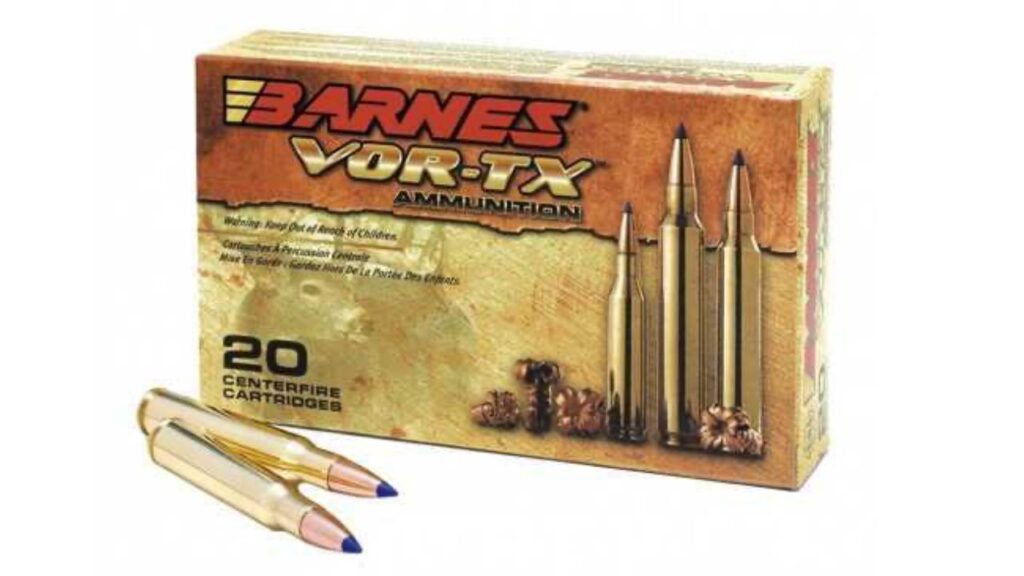
The .22-250 in rifles like the Savage Axis II is a flat shooter, but hogs aren’t varmints. Lightweight bullets often splash or fragment on tough shoulders without hitting deep enough to stop a boar.
What feels like perfect accuracy at the bench turns unreliable when you need bone-breaking performance. Hogs hit with .22-250 sometimes run off strong, leaving a long trail. It’s not that the rifle can’t place shots—it’s that the caliber simply isn’t built for the work at hand.
.243 Winchester in the Remington Model 700
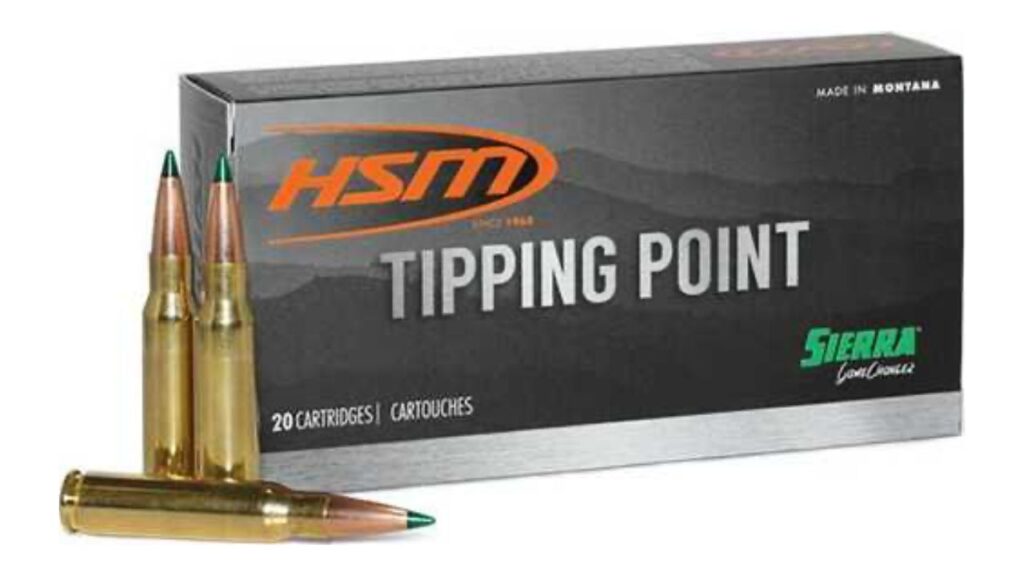
Hunters often carry the .243 in rifles like the Remington Model 700 because of its mild recoil, but it can let you down on hogs. Thin-jacketed hunting loads tend to expand too fast, leaving you with shallow wound channels.
Plenty of hogs fall to a .243 with perfect broadside shots, but that’s the exception. When angles aren’t perfect—or when the hog is big—the caliber shows its limits. With hogs, you want deep-driving bullets, and the .243 rarely gives you much margin for error.
7.62x39mm in the SKS
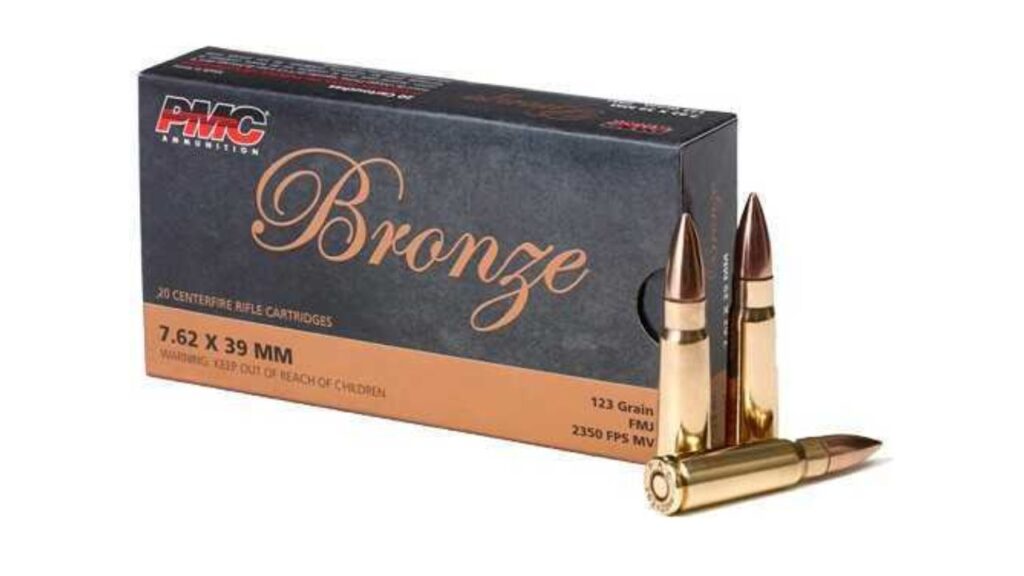
The SKS is rugged and feeds the cheap 7.62x39mm round all day, but the ballistics don’t shine on big hogs. Most ammo is designed for target use or military surplus, not controlled expansion.
That means you’re sending in slow-moving bullets that often fail to punch through shields or break shoulders. Some soft points improve things, but it’s still a low-energy caliber at hunting distances. In hog country, 7.62x39mm from an SKS feels like bringing the wrong tool for the job.
.30 Carbine in the M1 Carbine
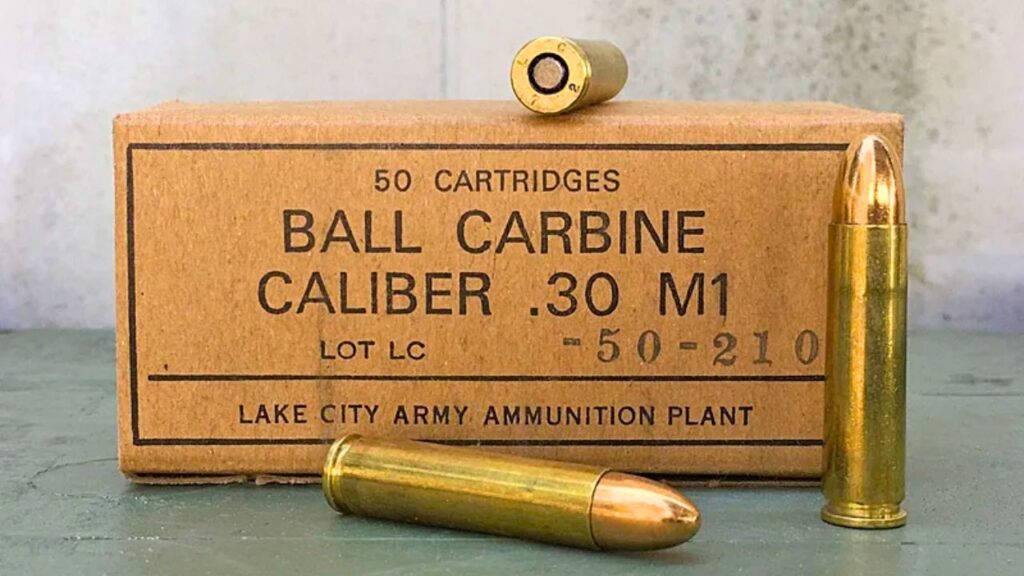
The M1 Carbine has history behind it, but in hog country the .30 Carbine round comes up short. Even with soft points, energy levels drop fast past 50 yards, and penetration is often weak.
The rifle carries well and shoots fast, but hogs aren’t thin-skinned targets. The round was never meant for tough game, and it shows. Even smaller hogs can shrug off poorly placed shots. With a cartridge this light, you’ll find yourself tracking more often than recovering quickly.
5.45x39mm in the AK-74
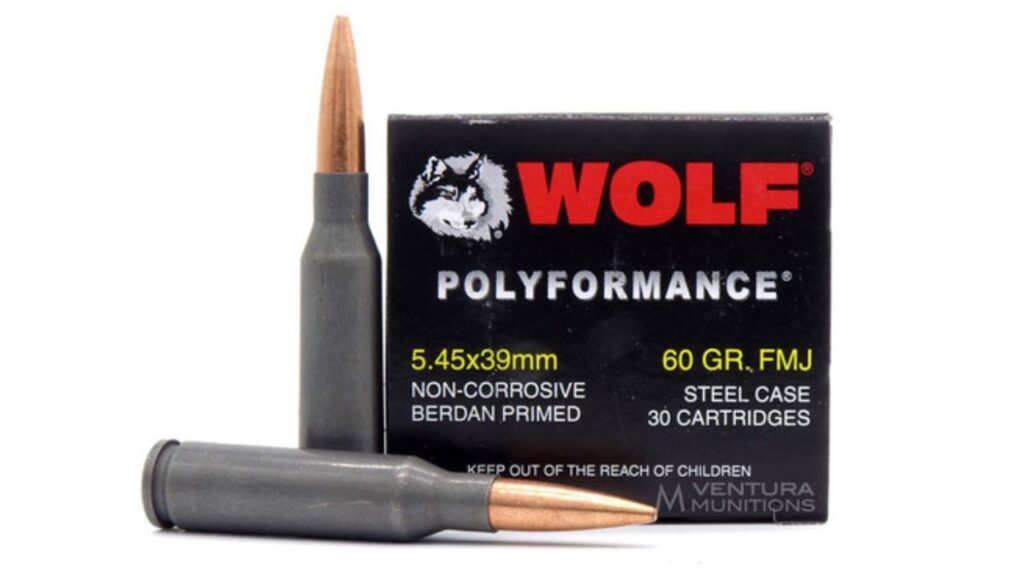
The AK-74 makes for a fun range gun, but its 5.45x39mm chambering is a poor match for hogs. Designed for military use with lightweight bullets, it lacks the deep penetration hunters need on thick shoulders.
Even expanding loads don’t offer the kind of reliable performance you want in the field. In practice, it behaves much like .223—fast, flat, but not heavy enough. With hogs, that translates to runners and lost opportunities more often than clean kills.
.300 Blackout subsonic in the AR platform
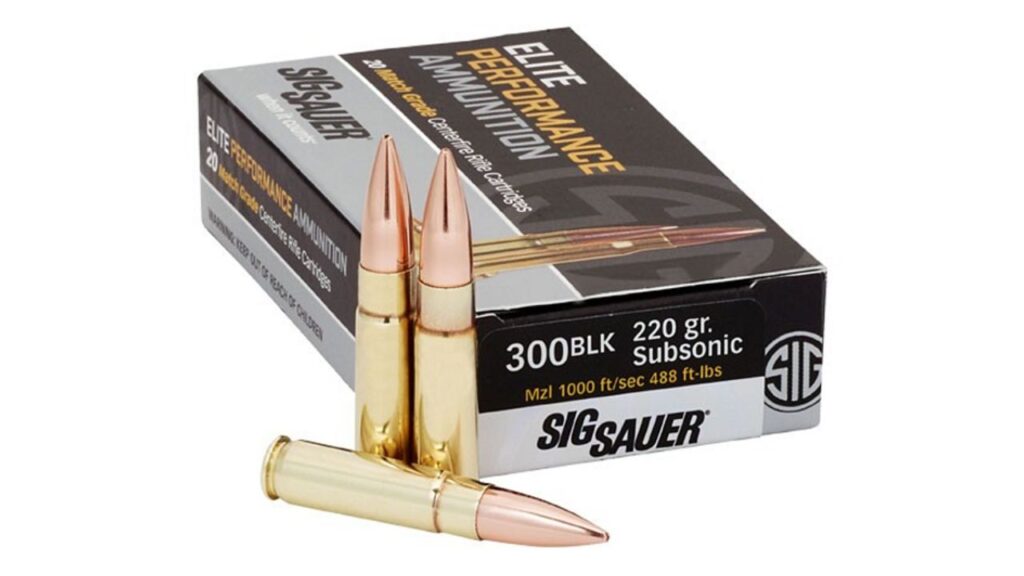
Out of an AR, subsonic .300 Blackout loads feel tempting for hog hunting, especially when paired with a suppressor. The problem is that subsonic bullets don’t carry enough energy for consistent penetration.
Even with expanding projectiles, performance is limited to close ranges with perfect shot placement. Shoulder hits often result in poor penetration and long recoveries. Supersonic loads fare better, but subsonic .300 Blackout is a liability if you’re serious about dropping hogs quickly and cleanly.
6.5 Grendel in the Howa Mini Action
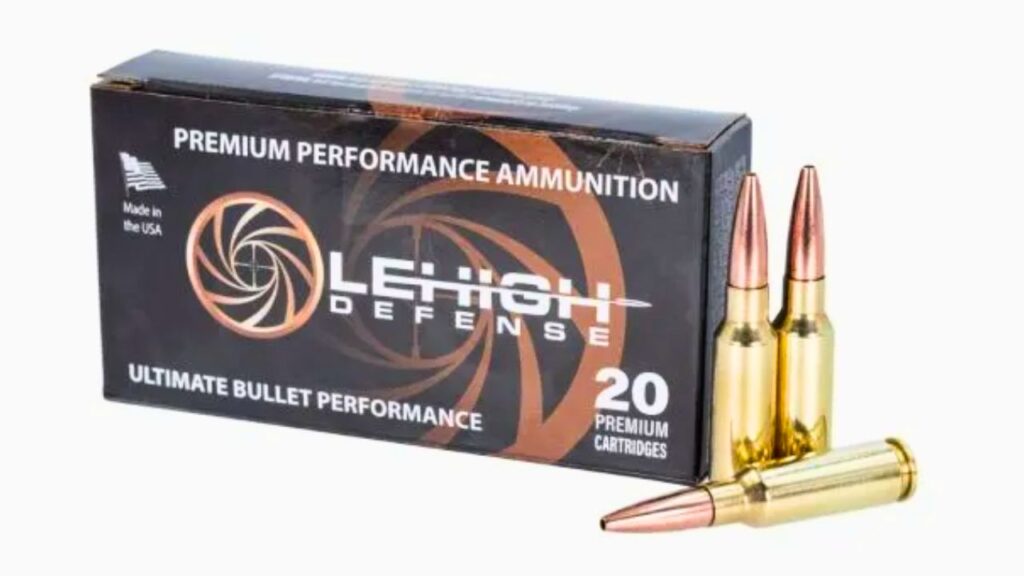
The 6.5 Grendel has fans, but rifles like the Howa Mini Action sometimes show its limits in hog country. While accurate, the cartridge lacks the punch of larger 6.5mm offerings when heavy bone gets in the way.
On broadside shots it can look fine, but quartering angles expose the lack of power. Many hunters see hogs run further than they’d like before going down. For game as tough as wild hogs, a little more speed and energy makes all the difference.
7.62x25mm Tokarev in the TT-33
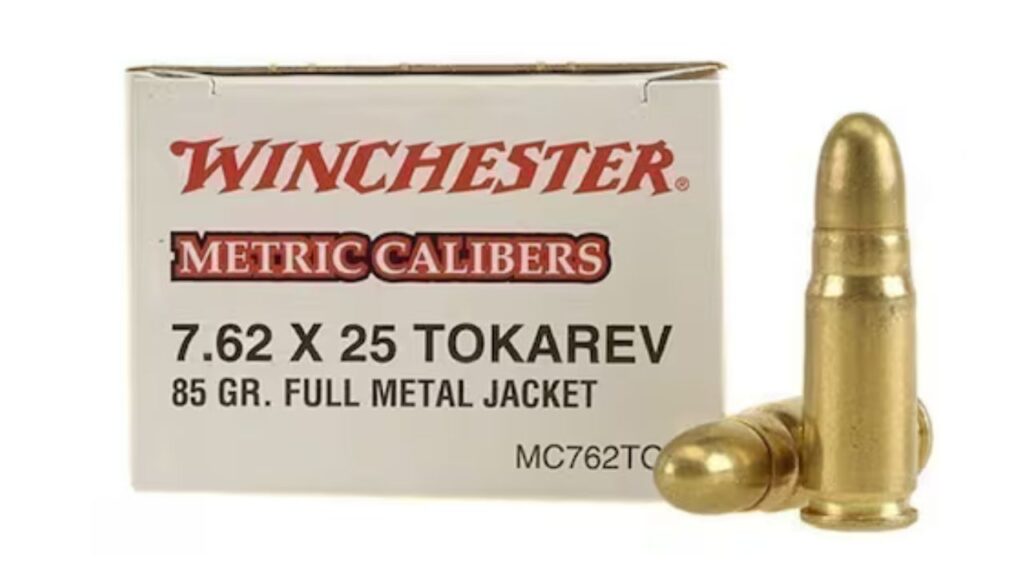
Pistols like the TT-33 Tokarev chamber 7.62x25mm, a round known for speed but not deep penetration on heavy game. While it zips through soft targets, its narrow wound channel doesn’t stop hogs effectively.
As a backup or camp gun it’s fine, but hog hunting requires something far more capable. In practice, it feels like bringing a pistol round to a rifle fight—something that only leaves you chasing wounded animals.
9mm Luger in the Glock 17
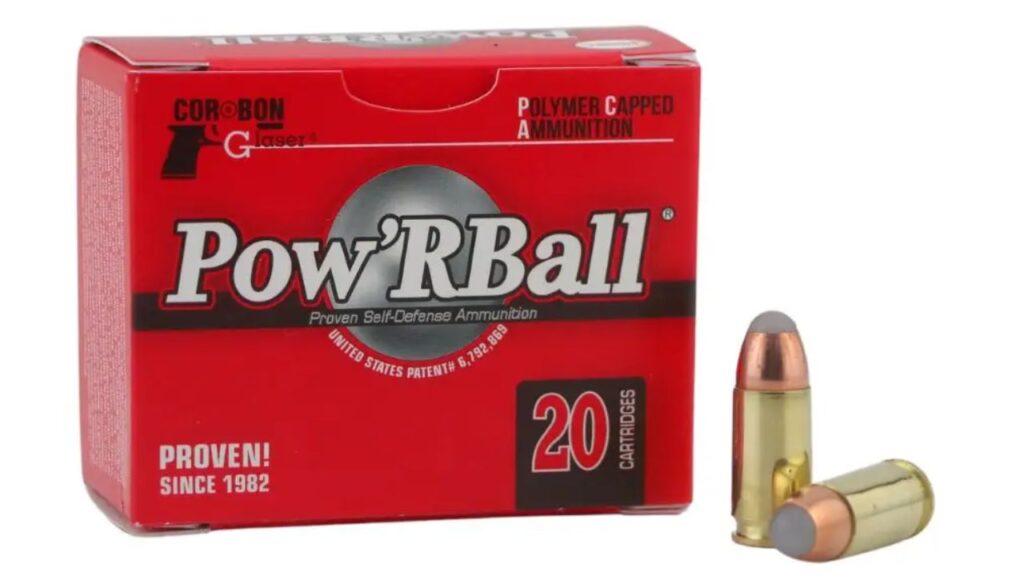
The Glock 17 in 9mm is a solid pistol for defense, but in hog country it’s underpowered. Even with +P loads, penetration is shallow compared to what you need for heavy-bodied hogs.
Plenty of hog hunters carry sidearms as backups, but the 9mm won’t stop a charging boar reliably. When things get ugly, you need big-bore revolvers or magnum-level performance. In this case, 9mm is better left for range time or defense against two-legged threats.
*This article was developed with AI-powered tools and has been carefully reviewed by our editors.