Photo credit: The Avid Outdoorsman
Some firearms get written off too early. Maybe they looked odd, came from the wrong brand, used an unpopular cartridge, or hit the market before shooters were ready for what they offered. Once that first reputation sticks, it can take years for people to admit the gun was better than the jokes made it sound.
That is what makes these firearms interesting. They were not all perfect, and some had real drawbacks, but they were more capable than people gave them credit for at the time. A lot of shooters only figured that out later, once prices climbed, parts dried up, or newer guns started copying the same ideas.
Ruger P95

The Ruger P95 was never the pistol people bought to impress anybody. It was chunky, plain, and had the kind of styling only Ruger could make look that utilitarian. During the years when sleeker polymer pistols were gaining ground, the P95 felt like a budget choice instead of something serious shooters bragged about owning.
That reputation sold it short. The P95 was tough, affordable, and more reliable than many pistols that looked better in the case. It fed a lot of ammunition without much drama, handled abuse well, and gave regular shooters a dependable 9mm before “budget duty pistol” became a crowded category. Plenty of people laughed at them until they realized those ugly Rugers kept running.
Smith & Wesson SD9VE
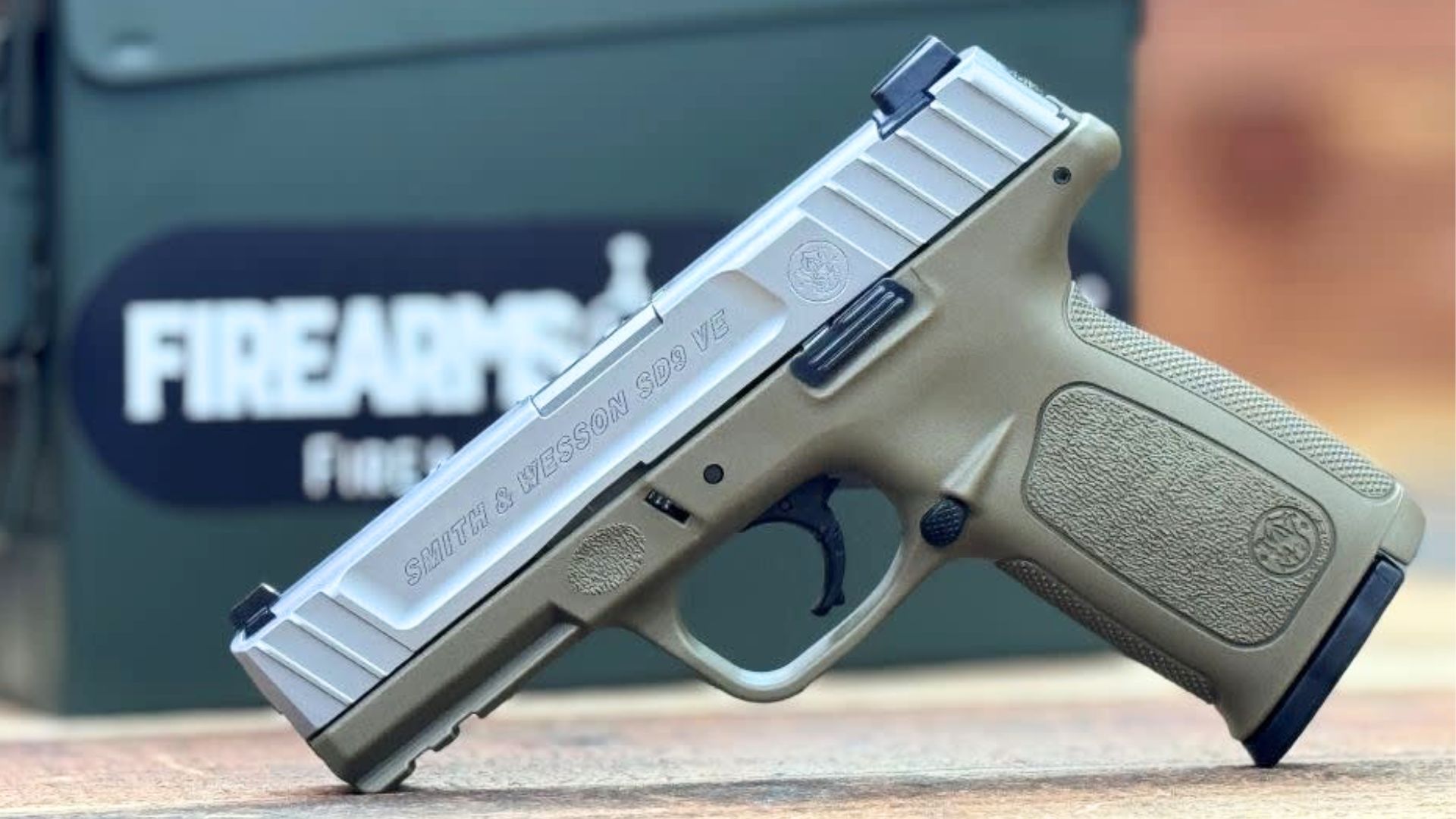
The Smith & Wesson SD9VE spent years getting treated like a cheap Glock copy. A lot of shooters could not get past the heavy trigger, basic sights, and bargain-bin reputation. It was the kind of gun people bought because they needed a pistol, not because they were trying to win an internet argument.
Still, the SD9VE was better than its reputation. It was simple, reliable, and easy enough to shoot once you learned the trigger. For a defensive pistol at that price, it gave a lot of new owners something that actually worked. It did not feel refined, and nobody confused it with an M&P, but plenty of them ran hard with little attention. That matters more than the jokes did.
Beretta PX4 Storm
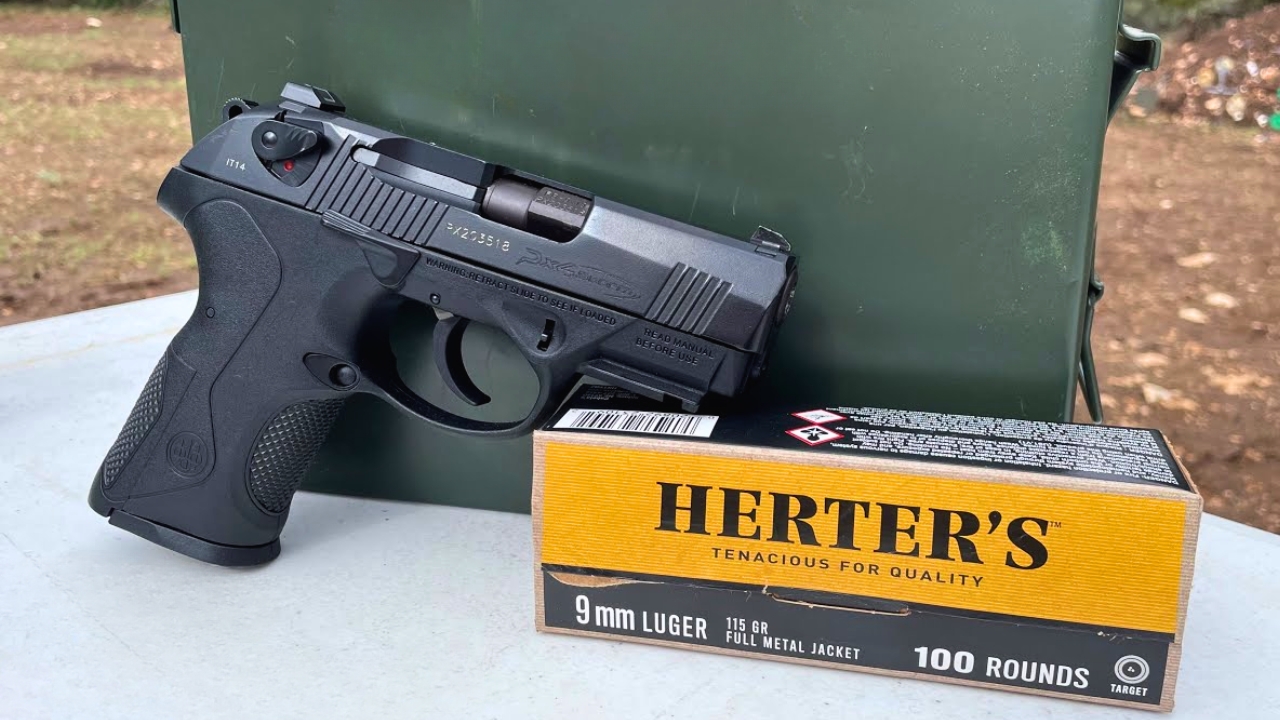
The Beretta PX4 Storm looked strange to shooters who were used to Glocks, SIGs, and traditional Beretta metal-frame pistols. The rotating barrel system, rounded slide, and polymer frame made it feel like an odd branch in Beretta’s lineup. For a long time, people treated it like a weird experiment instead of a serious duty pistol.
That was unfair. The PX4 shoots softer than many pistols its size, especially in .40 S&W, and the rotating barrel system does a good job managing recoil. It has a strong track record, good accuracy, and a smoother feel than many striker guns. It took years for more shooters to admit that the PX4 was not goofy. It was just different.
Remington 788

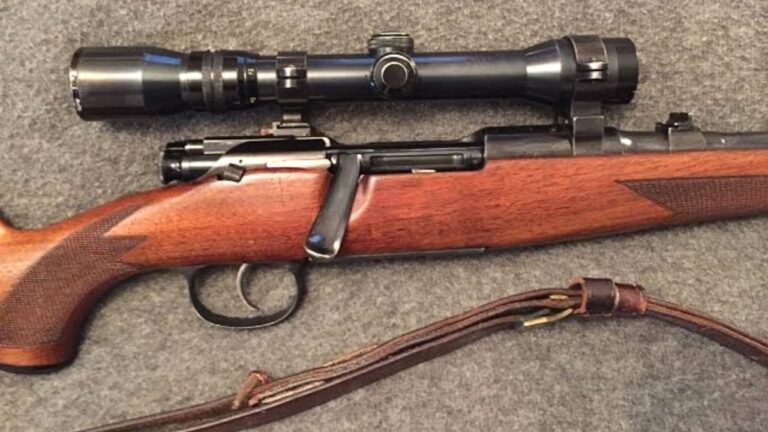
The Remington 788 was supposed to be a cheaper bolt-action rifle, and people treated it that way. It did not have the same status as the Model 700, and its plain looks did not help. The rear-locking action and basic finish made some hunters think of it as a working-class rifle with limits.
Then people started noticing how well many of them shot. The 788 developed a reputation for real accuracy, often embarrassing rifles that cost more and looked nicer. It was not polished, and it was never going to feel like a high-end rifle, but it put bullets where they needed to go. Today, hunters who dismissed them back then know they missed a seriously capable rifle.
Winchester 1300

The Winchester 1300 lived in the shadow of the Remington 870 and Mossberg 500 for most of its life. That is a tough spot for any pump shotgun. Even though the 1300 had loyal users, it rarely got the same default recommendation status that those other two shotguns enjoyed.
The funny thing is that the 1300 was quick, slick, and very easy to run. The rotary bolt and action design gave it a fast cycling feel that many shooters loved once they spent time behind one. It handled bird hunting, home defense, and general field use without acting delicate. It never had the same cultural weight as its competitors, but it was better than a lot of people admitted.
CZ 75

The CZ 75 was respected in some circles, but for years it did not get the mainstream attention it deserved in the U.S. Compared to 1911s, Berettas, SIGs, and later polymer striker guns, the CZ often felt like something serious pistol people knew about while everyone else walked past it.
That reputation changed because shooters eventually caught up. The CZ 75 has excellent ergonomics, low bore axis, good accuracy, and a natural point that makes it easy to shoot well. It was not some obscure oddball. It was one of the better service pistol designs of its era. Once more people actually shot one, the old indifference started looking pretty foolish.
Savage Model 24
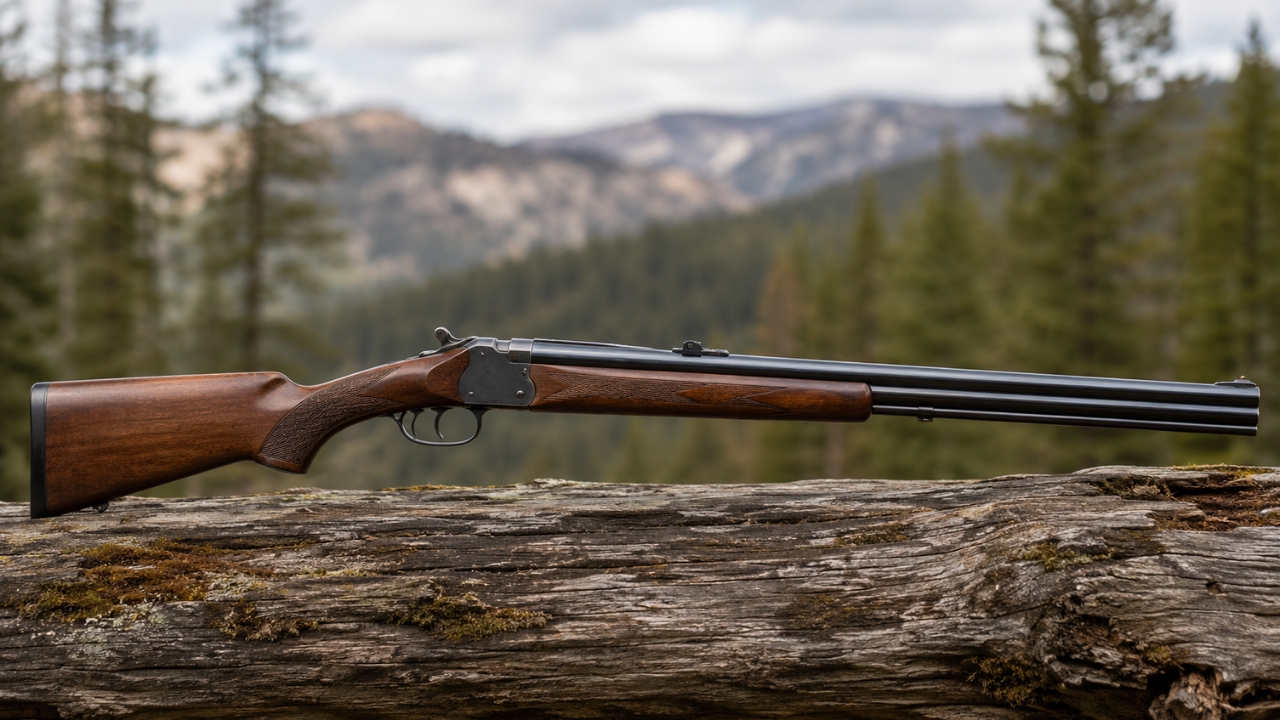
The Savage Model 24 was never treated like a glamorous firearm. A rifle-over-shotgun combo gun can look awkward to shooters who want a dedicated deer rifle, bird gun, or rimfire. For years, some people saw it as a farm gun, truck gun, or youth gun rather than a serious tool.
That was exactly why it was useful. The Model 24 gave outdoorsmen two practical options in one simple package. Depending on the chambering, it could handle small game, pests, camp use, and short-range utility work without needing a second firearm. It was not fast, fancy, or ideal for everything, but it solved real problems. In hindsight, that kind of practical versatility aged better than its reputation.
Walther P99

The Walther P99 had the bad luck of arriving with features many shooters did not fully understand or want at the time. Its trigger system, paddle magazine release, and styling made it feel unusual compared to the simpler striker-fired pistols gaining traction. A lot of buyers looked at it, shrugged, and bought something more familiar.
That was their loss. The P99 had excellent ergonomics, a very good trigger system, and a level of design thought that was ahead of many pistols from the same era. It handled well, pointed naturally, and gave shooters more capability than its odd reputation suggested. It never became the default choice, but it deserved a lot more credit than it got.
Marlin XL7

The Marlin XL7 came out as an affordable bolt-action hunting rifle, and that almost guaranteed people would underrate it. It did not have the name power of Remington, Winchester, Ruger, or Savage in the bolt-action space. Some hunters saw “Marlin bolt gun” and did not take it seriously.
That was a mistake. The XL7 was a solid, practical rifle with good accuracy potential and a user-friendly trigger. It gave hunters a lot of performance for the money at a time when budget rifles were getting better fast. It never became a long-running legend, but people who owned them often knew the truth. They shot well, hunted well, and deserved more respect than they received.
KelTec Sub-2000
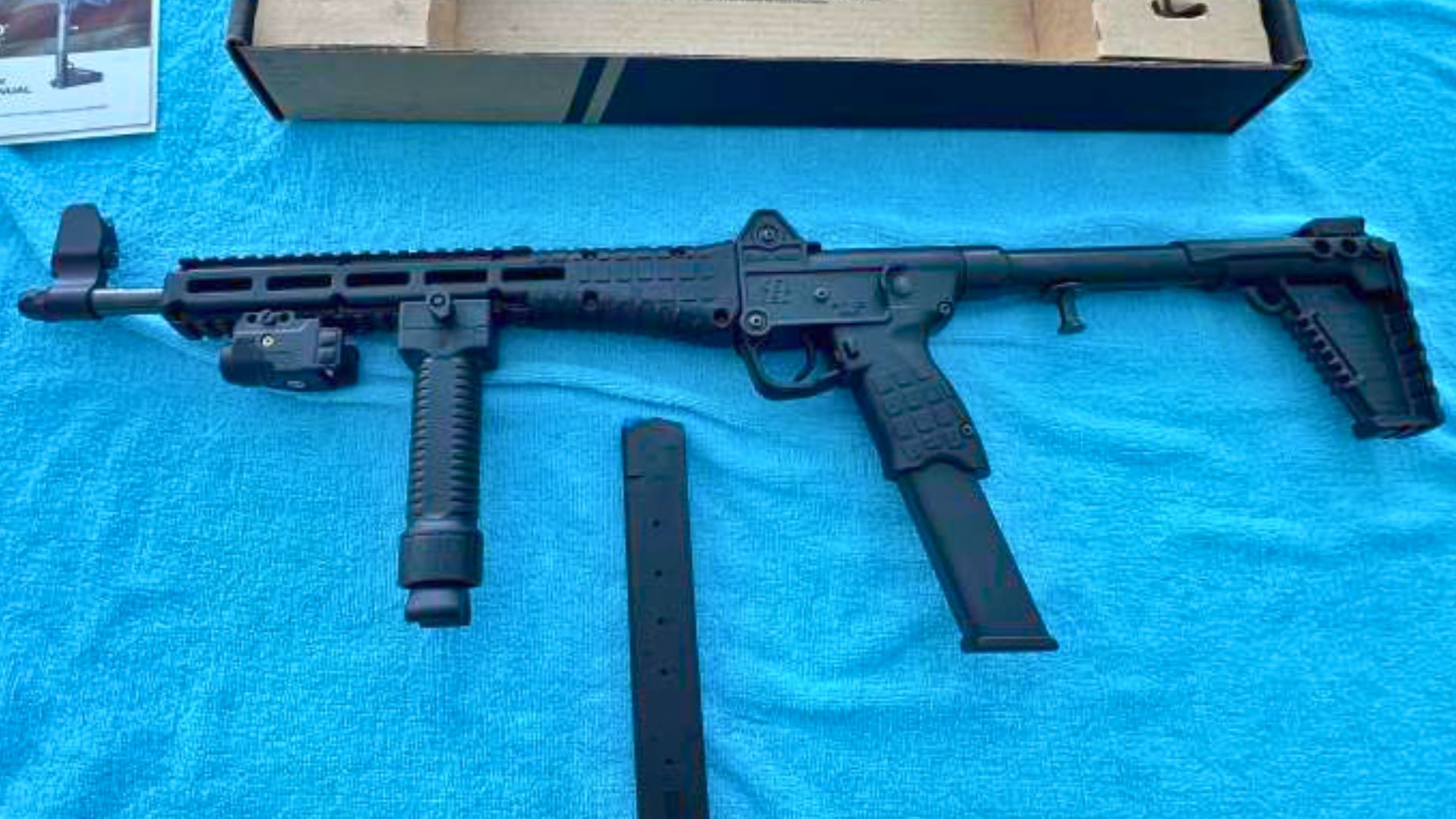
The KelTec Sub-2000 has always had a reputation problem because it looks like something built in a garage. The folding design, plastic-heavy feel, and unusual layout made it easy for shooters to dismiss it. Some people never got past the fact that it did not look like a traditional carbine.
But the Sub-2000 made sense for the role it was built to fill. It folded small, used common pistol magazines in certain versions, and gave shooters a lightweight pistol-caliber carbine that was easy to store and carry. It was never supposed to feel like a premium rifle. It was supposed to be handy. For truck use, range use, and compact storage, it was more useful than its reputation suggested.
Smith & Wesson 3913
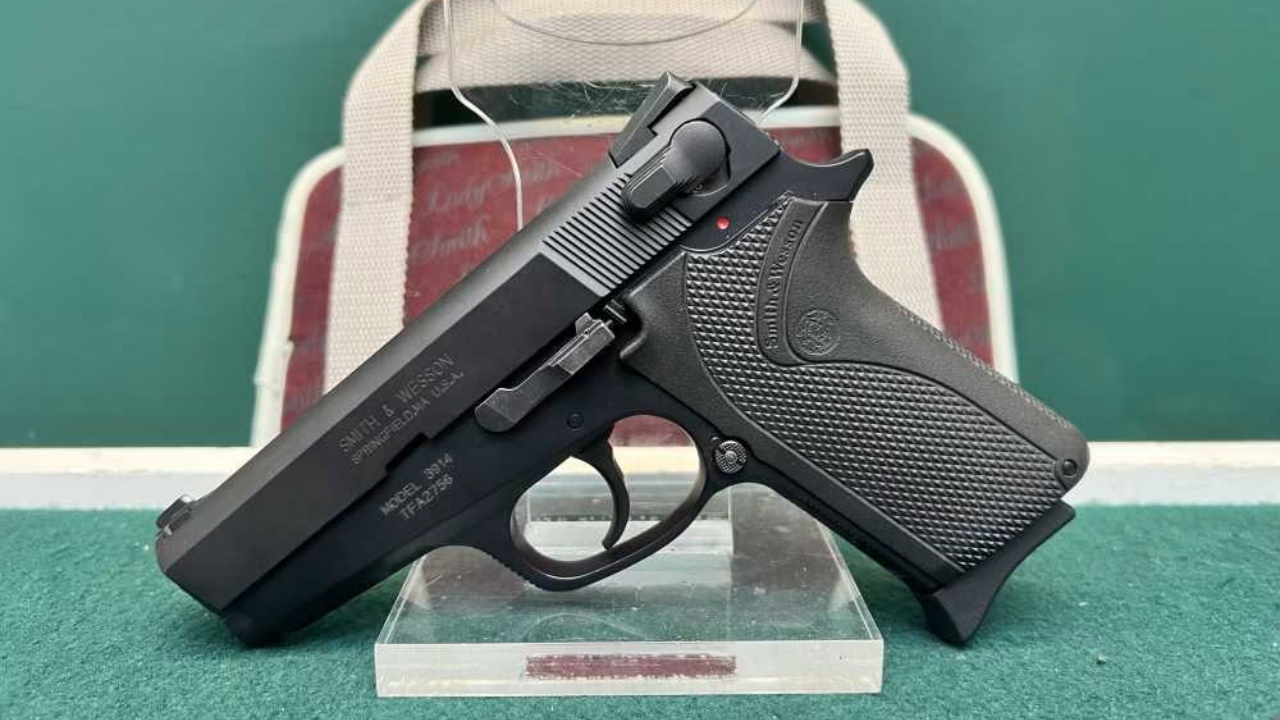
The Smith & Wesson 3913 was easy to overlook during the shift toward polymer carry guns. It was a slim single-stack 9mm from an older generation, with traditional double-action controls at a time when shooters were chasing lighter striker-fired pistols. For years, many people treated it like yesterday’s carry gun.
Now it looks a lot smarter. The 3913 carried flat, shot well, and offered a quality feel that many modern slim pistols struggle to match. It was not high-capacity, and it required more training than a basic striker gun, but it had real balance. For people who appreciate metal-frame carry pistols, the 3913 was better than the market admitted at the time.
Ruger Mini-14
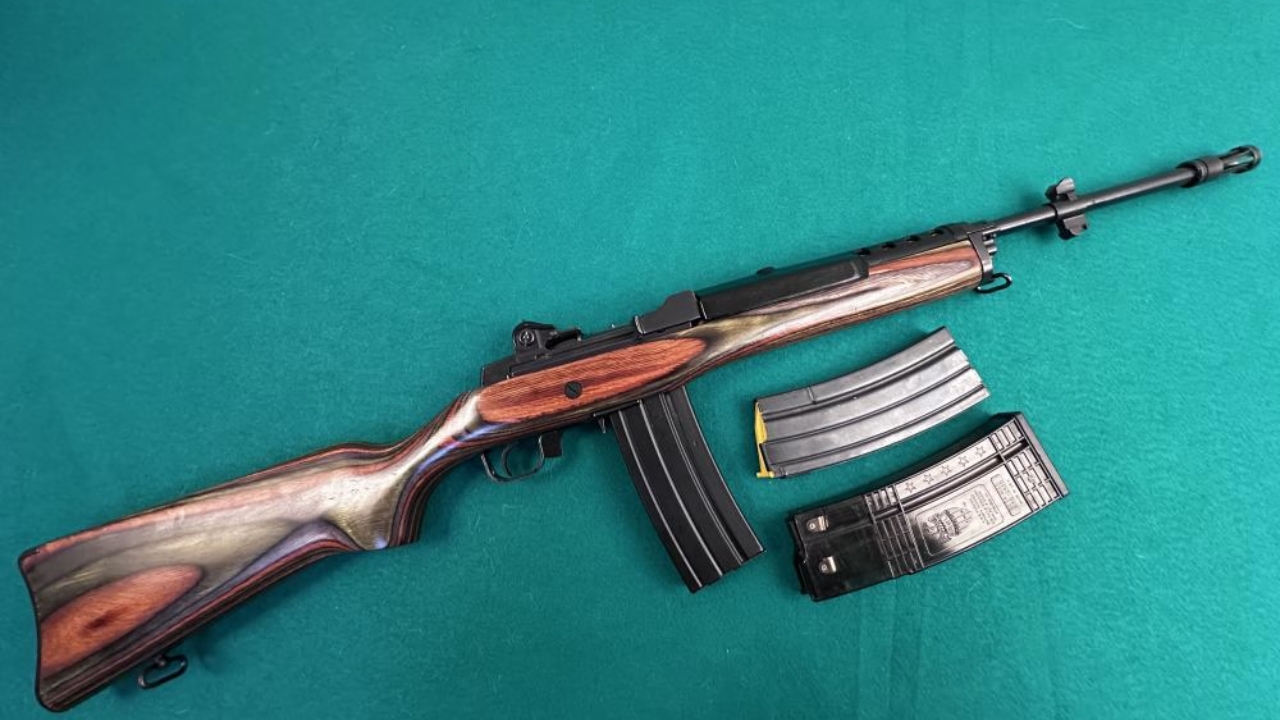
The Ruger Mini-14 has taken plenty of heat over the years, especially from shooters comparing it directly to AR-15 accuracy. Older rifles could be inconsistent, and the platform never had the same modular advantage as the AR. That made it an easy target for criticism.
Even so, the Mini-14 was never as useless as people made it sound. It was light, handy, reliable, and familiar to shooters who preferred a traditional rifle layout. Later production improved the accuracy complaints, and the rifle remained a practical ranch, truck, and utility gun. It was not trying to be a match AR. Judged as a working semi-auto rifle, it made more sense than its critics allowed.
Browning BDM
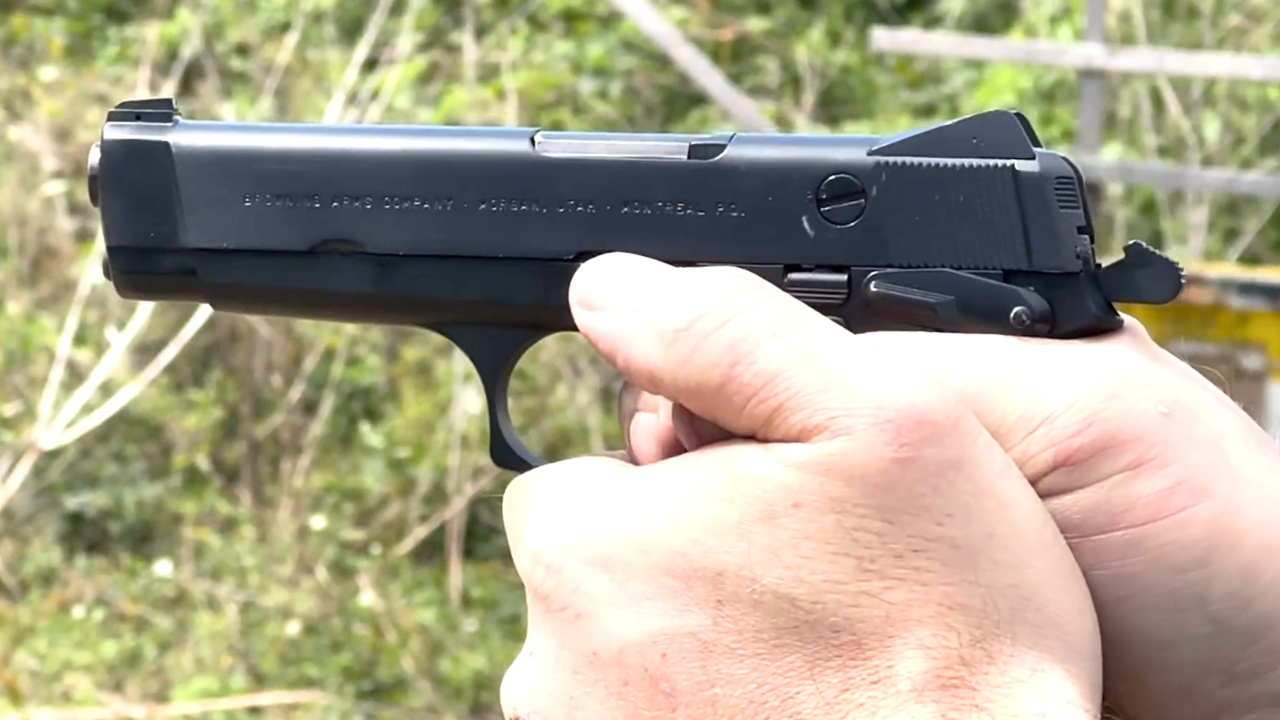
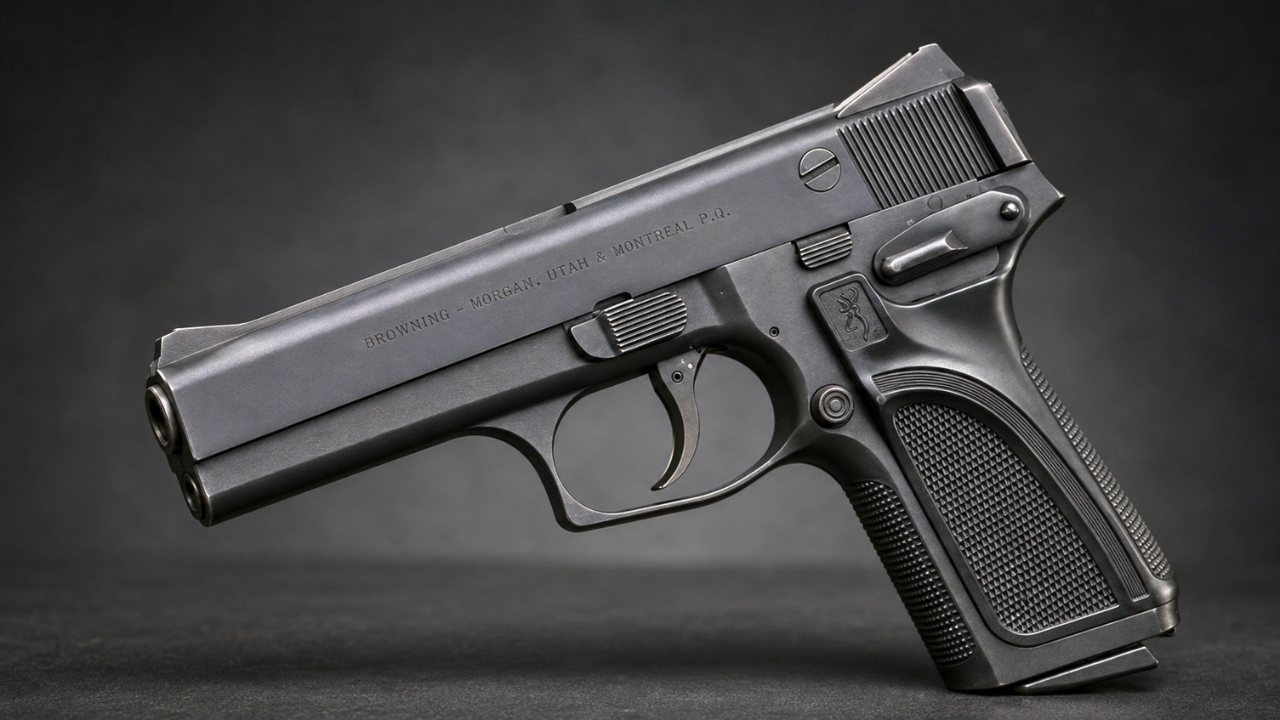
The Browning BDM never caught on the way it probably should have. It had a slim profile, good capacity for its era, and a unique mode selector that let shooters choose between traditional double-action operation and a different trigger mode. That unusual feature confused people more than it helped sell the pistol.
Underneath that odd marketing problem was a very shootable handgun. The BDM felt flatter and more comfortable than many service pistols of its time, and its grip was especially good for a double-stack 9mm. It did not get the long-term support or attention it needed, but it was far from a failure in design. It was mostly misunderstood.
Mossberg 464

The Mossberg 464 came into a lever-action world where Winchester and Marlin had the emotional advantage. That made life hard from the start. A lot of shooters looked at the 464 as the cheaper alternative rather than a rifle worth judging on its own.
It was not perfect, but it filled a real gap when classic lever guns were getting expensive or harder to find. The 464 gave hunters a light, handy .30-30 that could still do normal woods-rifle work. It did not have the same smoothness or old-school charm as the big names, but it was more useful than many critics wanted to admit. Sometimes “good enough and available” matters.
SIG Sauer SP2022
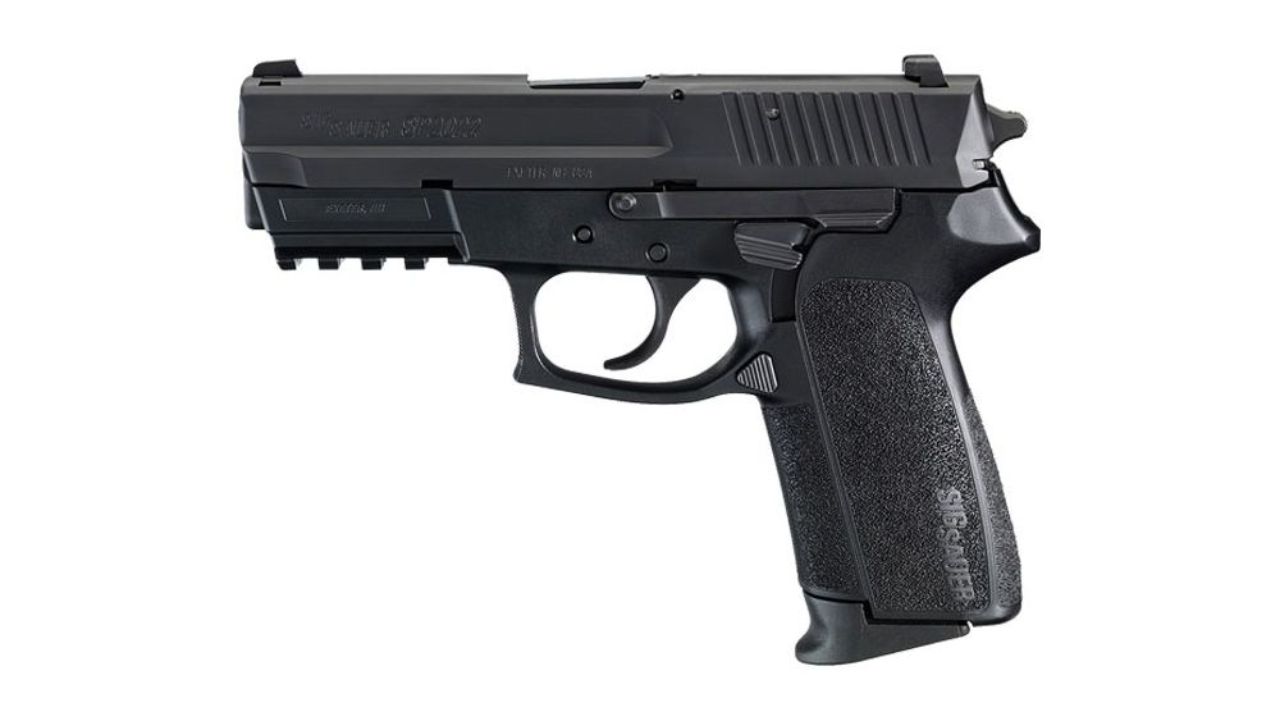
The SIG SP2022 had a strange reputation because it was the affordable polymer SIG. Some shooters treated it like a lower-tier option compared to the classic P226 and P229. Since it did not have the same metal-frame feel or status, it spent years being underrated by people who never gave it a fair chance.
The SP2022 was actually a strong service pistol. It had a good trigger, solid reliability, and very respectable accuracy. It gave shooters a real SIG-style hammer-fired pistol without the higher price of the metal-frame guns. It was not as pretty, and it did not carry the same collector appeal, but as a working handgun, it made a lot of sense. Plenty of owners figured that out early.
Like The Avid Outdoorsman’s content? Subscribe to our newsletter so you never miss an article.
Here’s more from us: