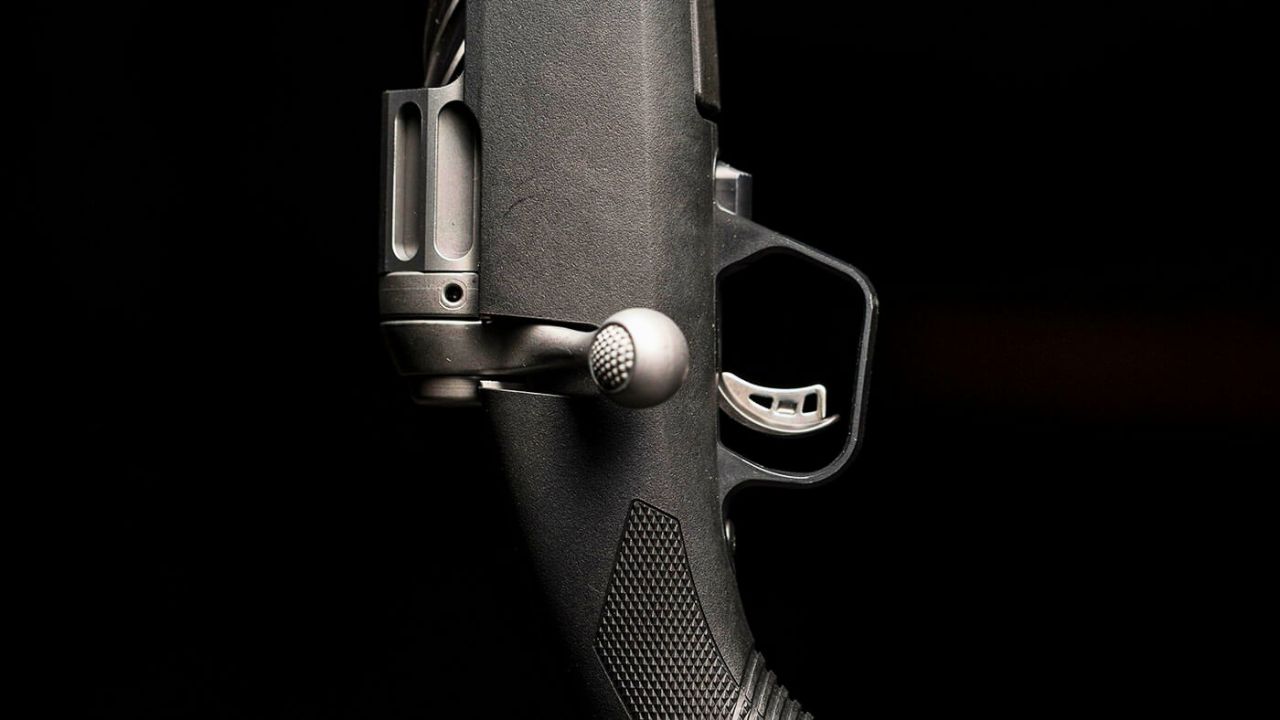
Photo credit: Savage Arms
Most shooters assume that a new firearm straight from the factory is safe to handle. But history—and plenty of range stories—prove otherwise. Some triggers leave the factory tuned too light, with sear surfaces barely holding engagement. Others have geometry issues that allow discharge from impact, vibration, or even closing the bolt. The problem isn’t always poor design; sometimes it’s tolerance stacking or a rushed production process. Still, when you’re dealing with a live round, “almost safe” isn’t good enough.
Certain rifles and handguns gained a reputation for going off without the trigger being intentionally pressed. A few were recalled; others quietly faded away after enough owners complained. If you shoot often, you’ve likely seen at least one that made you double-check before loading. Here are twelve examples of triggers that earned their reputation for being unsafe right out of the box—no abuse, no modifications, just bad design or sloppy assembly that turned a mechanical feature into a liability.
Remington 700 Walker Trigger
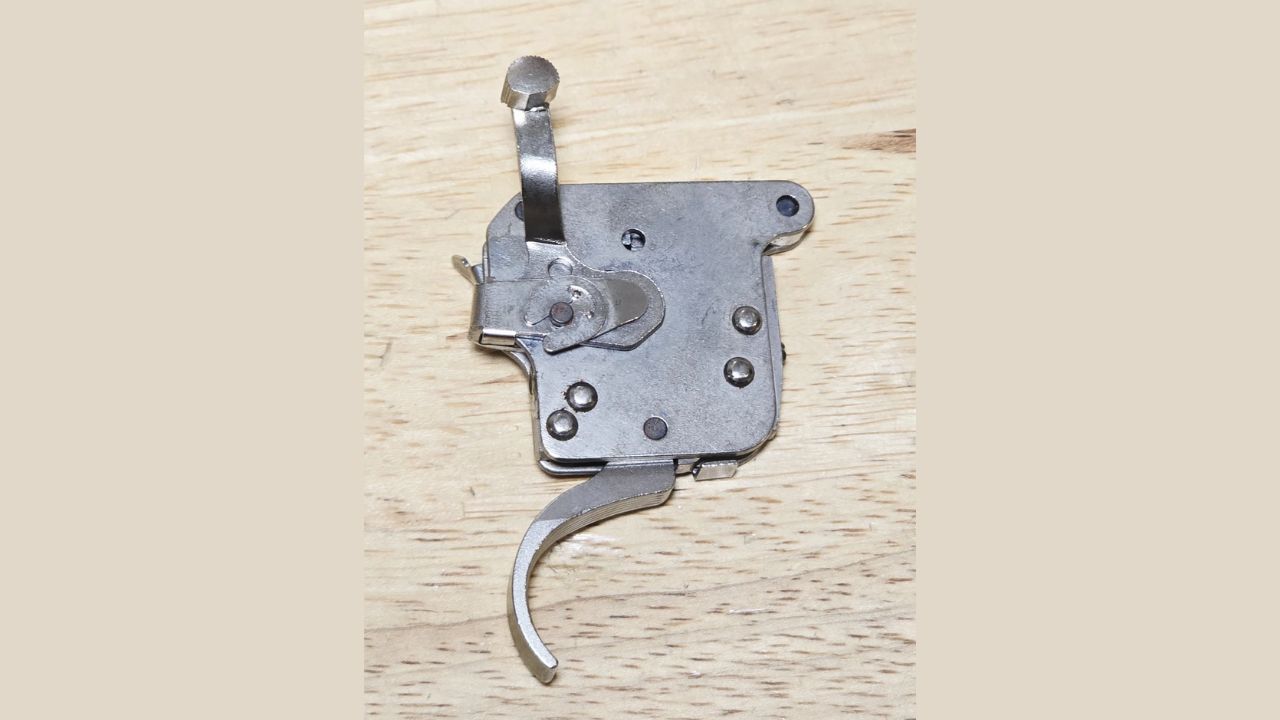
The Remington 700’s original Walker trigger design is infamous in gun circles. Its internal connector system can allow the rifle to discharge without direct trigger contact. Dirt, oil, or even manufacturing variance can cause the connector to slip out of place, releasing the sear as the safety is disengaged. Many documented incidents involved rifles firing when the bolt was closed or when the safety lever was flipped to “fire.”
For decades, Remington denied a widespread issue, blaming user maintenance. But engineers later confirmed the design flaw, and a massive recall followed. Thousands of rifles were retrofitted with new triggers, yet plenty of older ones remain in circulation. If you buy a used 700, inspect it carefully—especially if it has the original Walker assembly. A clean trigger pull doesn’t make it safe; that tiny internal connector can make the difference between a clean shot and an unintended discharge.
Savage AccuTrigger
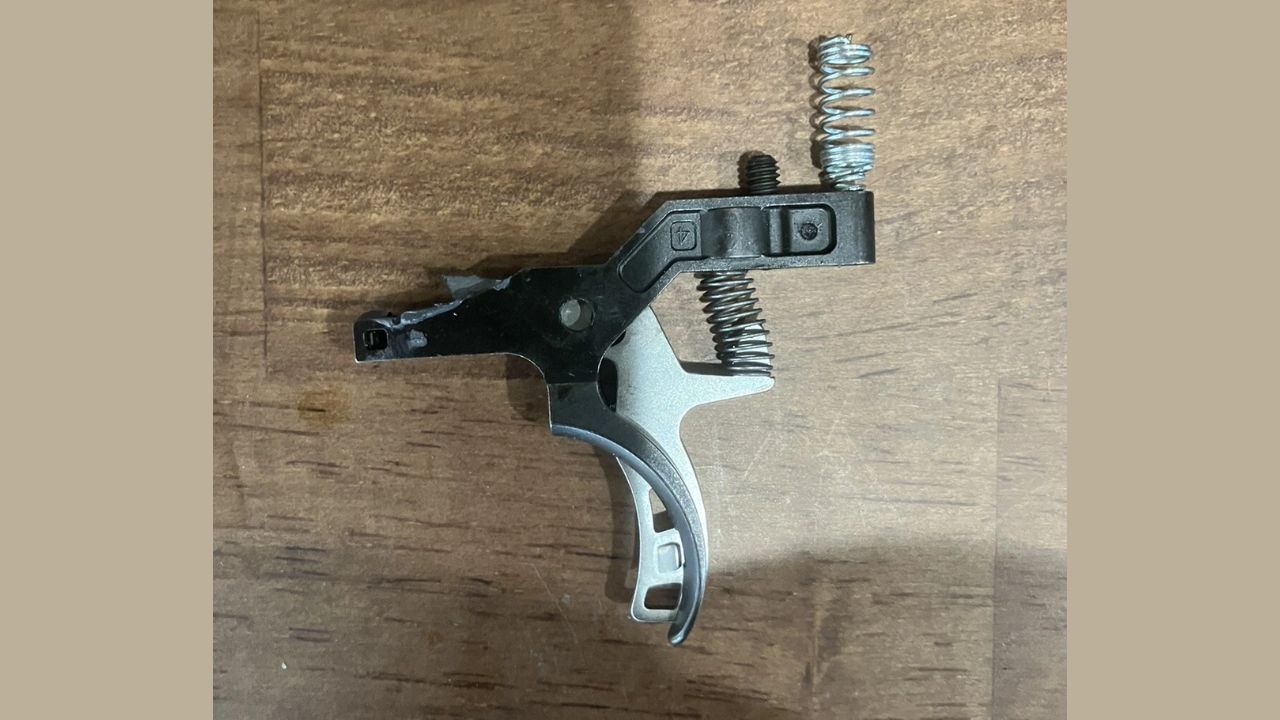
Savage’s AccuTrigger was groundbreaking when introduced, but the first generation had a few real-world safety hiccups. The concept—a blade-in-blade trigger that blocks sear release unless depressed properly—worked in theory. However, early rifles left the factory with improper sear engagement and overly light spring tension. In rare cases, a sharp bump or a bolt slam could cause the rifle to fire without the safety blade being fully depressed.
Savage quickly revised the design, and later models improved drastically. Still, early production rifles—especially those adjusted down to minimum pull weight—can walk the line between crisp and dangerous. If you have one of the older AccuTriggers, it’s worth checking sear engagement under safe, unloaded testing conditions. The newer versions fixed most of the geometry issues, but early adopters remember how easy it was to go from “light and clean” to “hair-trigger surprise” with a quarter turn of the screw.
Winchester Model 70
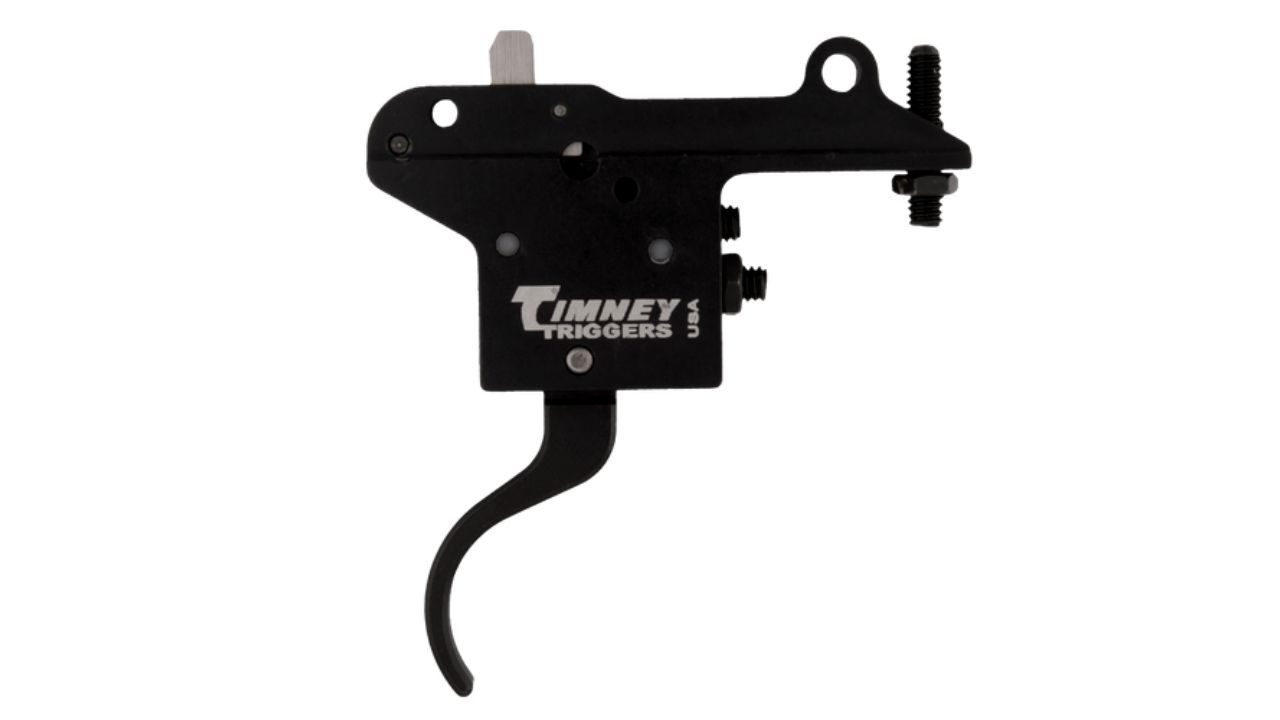
The pre-64 Winchester Model 70 trigger was a masterpiece of smoothness—but also adjustable to the point of danger. Shooters who didn’t fully understand the system could easily set it too light, creating a condition where the sear barely engaged. Some rifles left the factory on that edge, leading to reports of firing upon bolt closure or when dropped.
Unlike later enclosed triggers, the pre-64’s open design allowed oil, grit, and corrosion to alter engagement depth. Over time, that changed the pull weight and made some rifles prone to slam fires. Winchester later enclosed the system to reduce exposure and improve safety, but collectors still warn new owners to inspect the sear contact before firing. It’s one of those triggers that feels incredible when right—but can turn dangerous fast when even slightly off.
Remington 600 and 660 Series
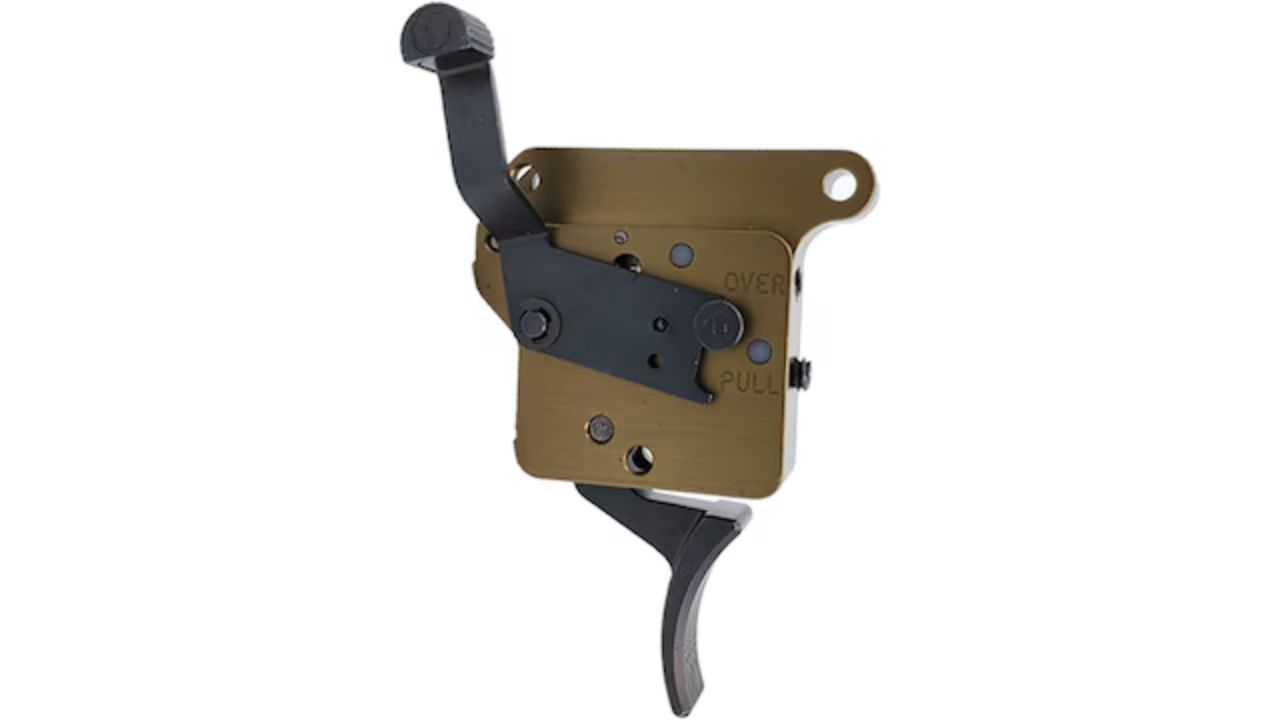
The Remington 600 and 660 rifles used a variant of the Walker trigger, and they carried over the same safety problems—arguably worse. These lightweight rifles often had minimal clearance between the safety, connector, and sear surfaces. When those parts wore or got contaminated, rifles began firing when the safety was switched off.
Owners reported multiple incidents of accidental discharge during the 1970s, and internal documents later revealed Remington knew of the design risk. Some rifles were recalled, but many stayed in the wild. Today, shooters who pick up these older carbines are advised to replace the factory trigger entirely. If you own one and it still has the original assembly, it’s not a matter of “if” but “when” it misbehaves.
Mossberg Patriot
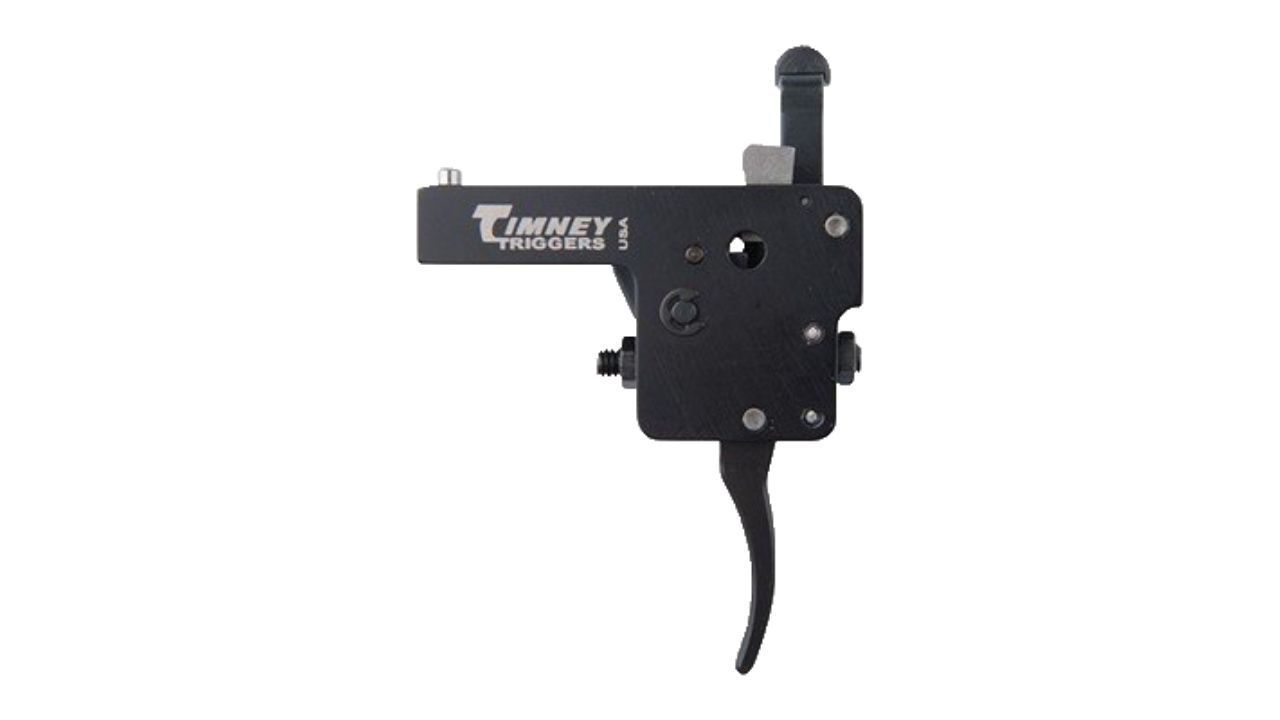
The Mossberg Patriot’s LBA trigger system has a clean break, but some rifles left the factory with sear engagement that was too shallow, leading to unpredictable results. Shooters have reported instances where the rifle discharged when the bolt was closed aggressively or when jarred after being cocked. The internal safety blade wasn’t always enough to prevent it.
Because the LBA trigger is user-adjustable, some rifles reached unsafe pull weights straight out of the box if tolerance stacking hit wrong. Mossberg has since tightened its quality control, but early runs had too much variability in assembly. The trigger works well when properly tuned, but the fact that a few left the factory unsafe should give you pause. Always test any adjustable LBA setup with an empty chamber and bolt slam test before trusting it in the field.
Marlin X7 Series
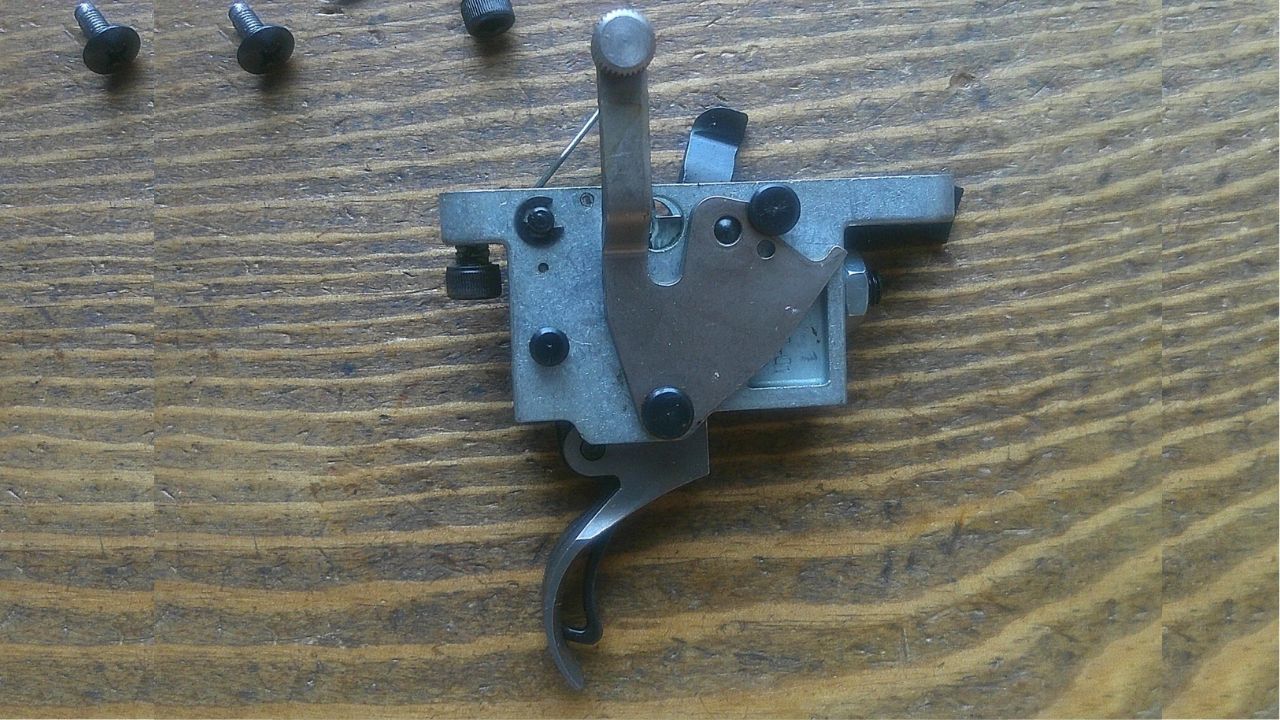
The Marlin X7 rifles featured the “Pro-Fire” trigger—clearly inspired by Savage’s AccuTrigger—but with less margin for error. Some early examples had minimal sear engagement and light pull weights that approached unsafe levels. When exposed to vibration or impact, the trigger could release without the safety blade being fully engaged.
Marlin designed the Pro-Fire to prevent exactly that, but poor assembly tolerance and weak spring tension caused inconsistent results. On paper, it looked like an affordable, adjustable option; in the field, a few rifles fired unexpectedly when bumped or dropped. Marlin quietly corrected the issue before discontinuing the X7 line, but if you run one of those rifles today, give that trigger extra scrutiny. It doesn’t take much grit or wear to move a Pro-Fire from “crisp” to “concerning.”
Weatherby Vanguard
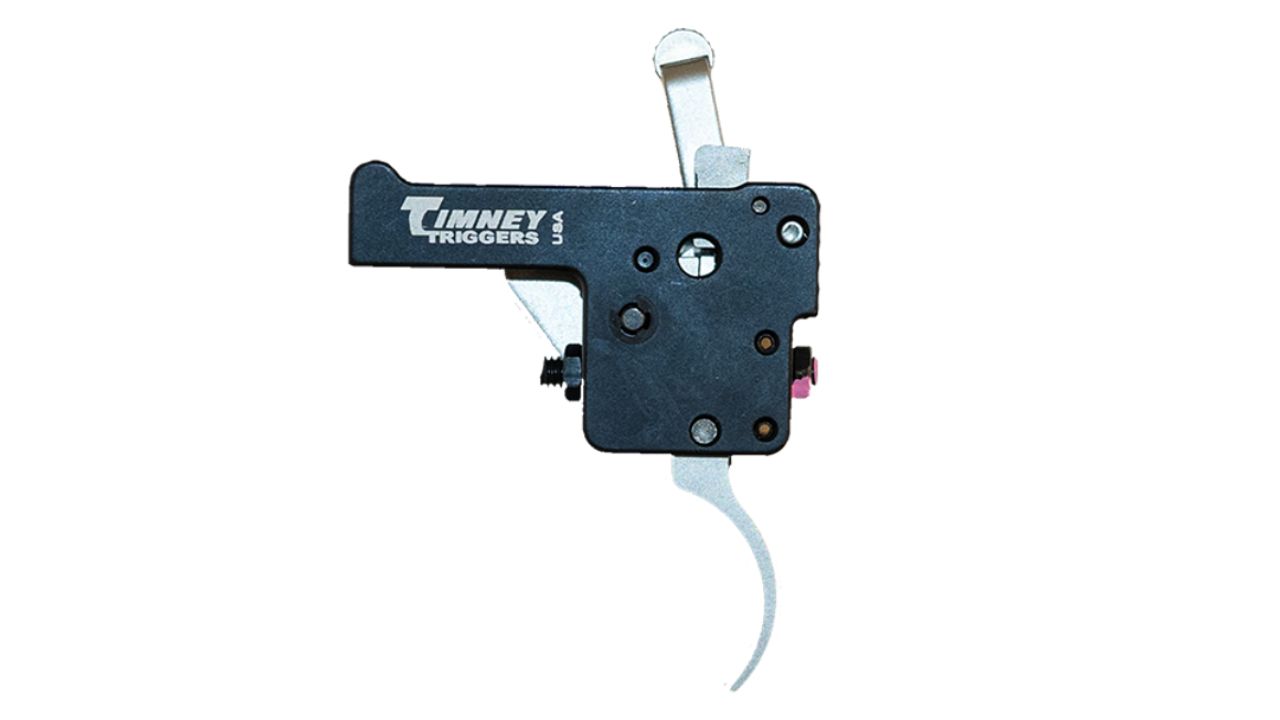
The early Japanese-made Weatherby Vanguard rifles were known for excellent barrels but inconsistent triggers. The original design was fully adjustable, and several shipped from the factory with dangerously light engagement. When adjusted too far—or left as shipped—those triggers could fire when the bolt was closed or when the safety was disengaged.
Some rifles exhibited “sear creep” after use, where engagement would shift due to wear or oil buildup. Weatherby later introduced a redesigned, two-stage system that improved safety significantly. The early models, though, are a different story. Collectors love them for craftsmanship, but you’d be smart to have a competent gunsmith inspect and reset the trigger if you plan to shoot one. Even pristine examples can show unsafe tendencies after years of storage or improper lubrication.
Remington Model Seven
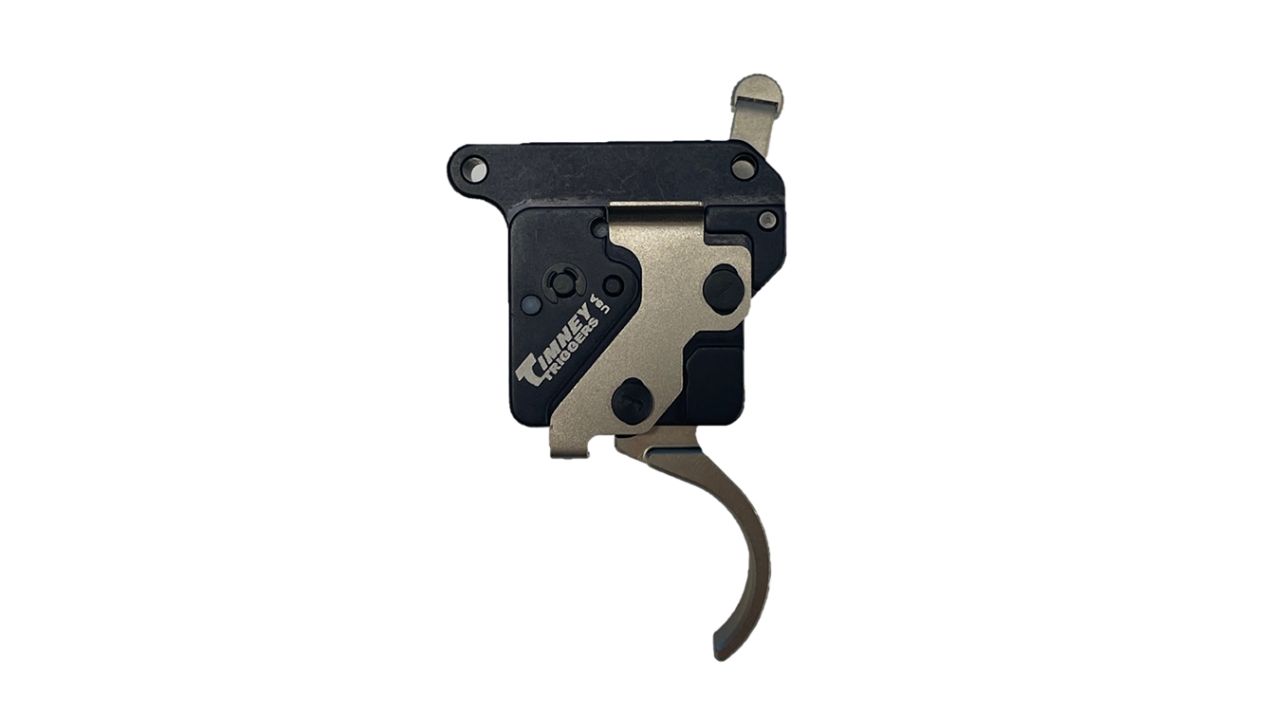
The Remington Model Seven used the same basic trigger assembly as the 700 series, meaning it inherited all the Walker design flaws. Many left the factory with sear engagement that was too light or safety linkages that didn’t reliably block the connector. Reports of rifles firing when the safety was flipped or when the bolt was closed prompted a recall.
Despite the recall, a surprising number of Model Seven rifles remain in circulation with their original triggers. They shoot fine—until they don’t. The issue is mechanical, not user error. If the connector gets fouled or the spring tolerances stack wrong, the sear can release unintentionally. Replacing it with an aftermarket Timney or TriggerTech assembly is cheap insurance against a well-documented hazard.
Ruger American (Early .308 and .30-06 Models)
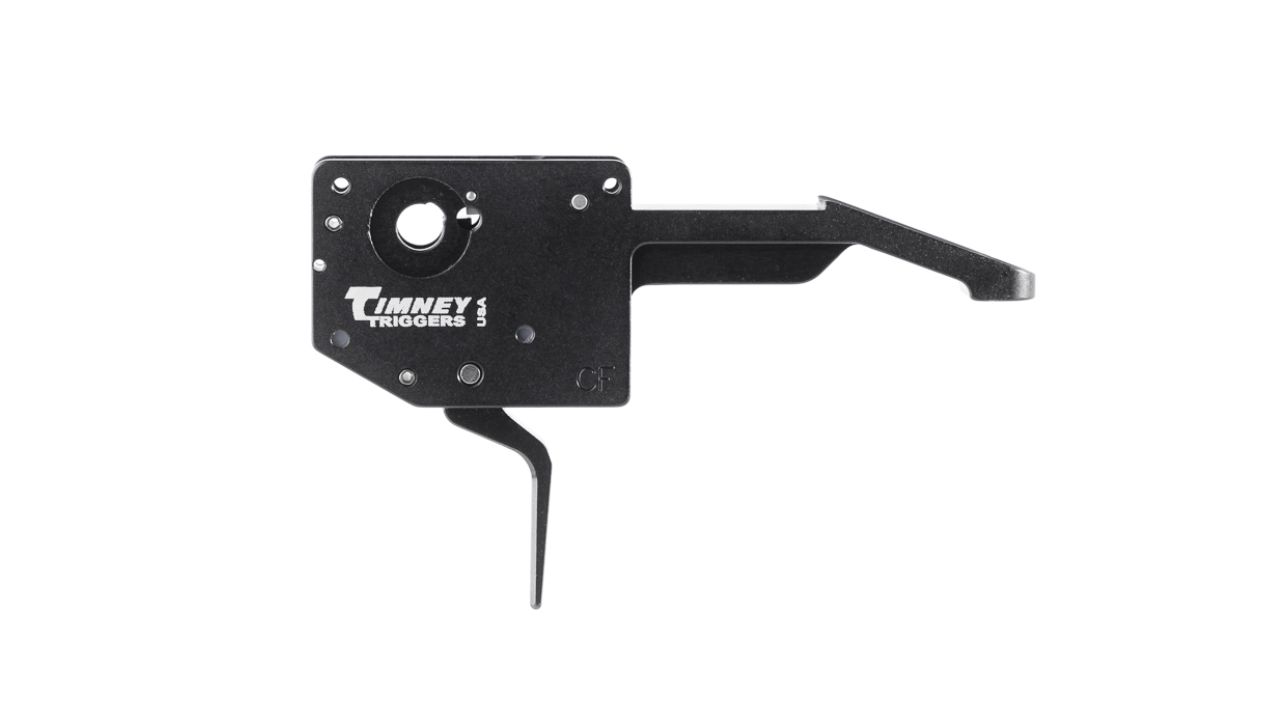
Early production Ruger American rifles occasionally left the factory with triggers adjusted below safe weight. The “Marksman Adjustable” system was meant to be tamper-proof, but tolerance variation sometimes caused dangerously short sear engagement right out of the box. A few users reported rifles firing when the bolt handle was slammed or when the safety was disengaged.
Ruger corrected the issue quickly and tightened production, but those first batches revealed that even small deviations in geometry could create big problems. If you own an early Ruger American, especially one in .308 or .30-06, inspect it for proper sear contact and perform standard drop and bump tests. Later generations have proven reliable, but the earliest examples taught a hard lesson about relying too heavily on factory adjustment fixtures.
Tikka T3 (Over-Adjusted Light Pulls)
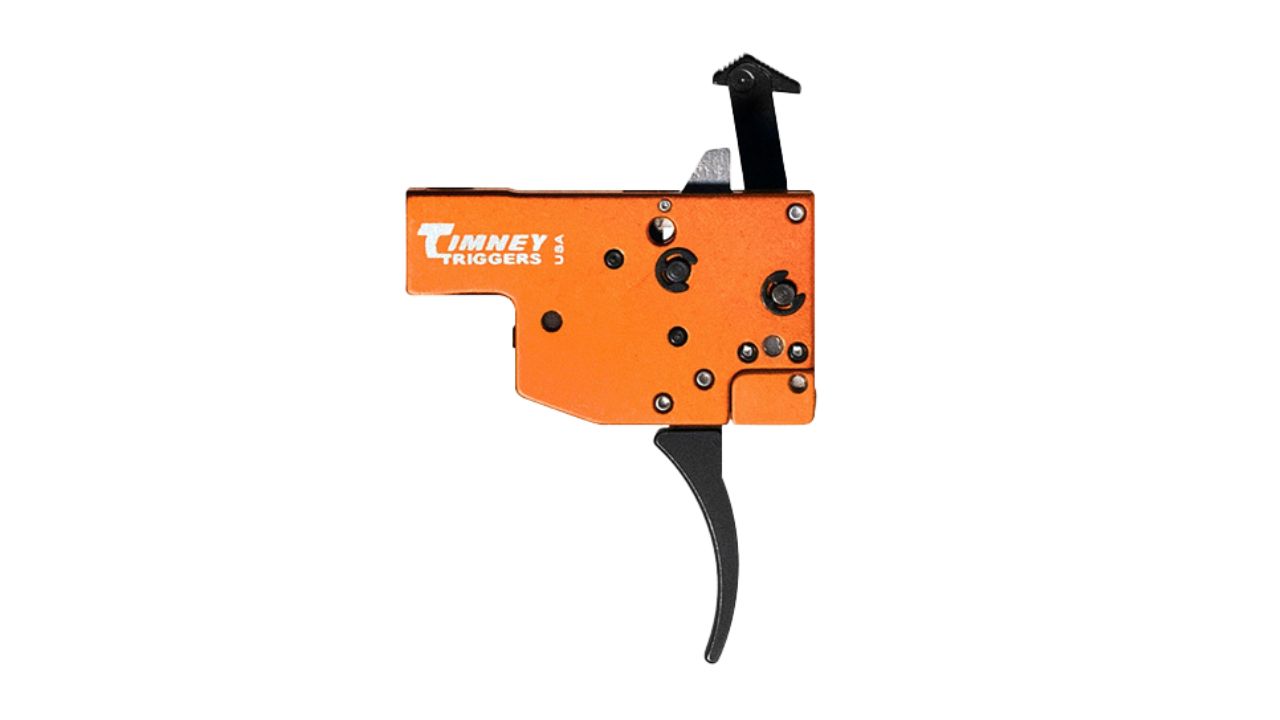
The Tikka T3 has an excellent reputation, but some rifles shipped with triggers adjusted so light they were borderline unsafe. Because the trigger is user-adjustable, some left the factory at the very low end of tolerance, with barely enough sear contact to hold under shock. A few shooters experienced discharges from light bumps or bolt closure when set at sub-two-pound pulls.
Tikka’s overall build quality kept failures rare, but the problem was real enough that gunsmiths recommend testing every new rifle for sear engagement before use. Light, crisp triggers are great for precision shooting, but at a certain point, they cross into unsafe territory. The T3 walked that line in a few unlucky units. If yours breaks like a competition trigger straight from the box, it’s worth checking that it actually holds when jolted.
Browning A-Bolt
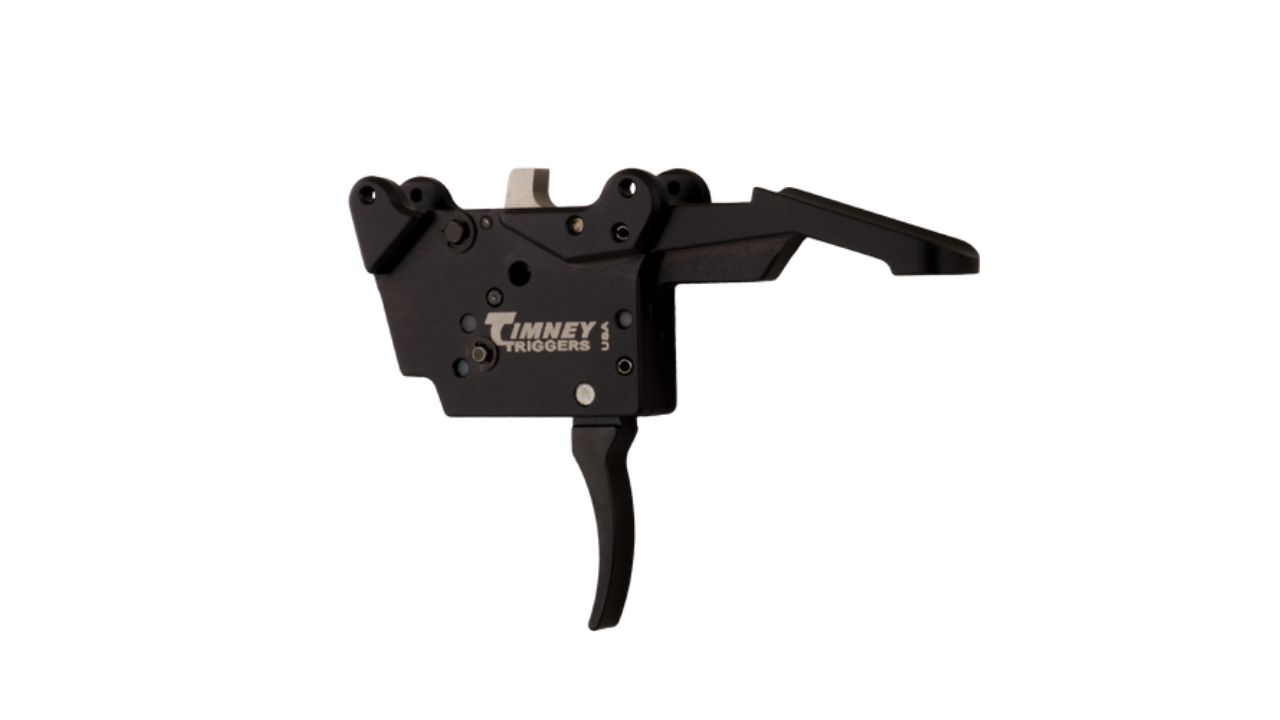
The Browning A-Bolt’s original trigger system had a clean break but was prone to being set dangerously light in the factory. Some rifles left with engagement screws backed out too far, creating a condition where a hard bolt slam or recoil shock could jar the sear loose. Shooters reported occasional “slam fires,” particularly in magnum calibers.
Browning’s design allowed user adjustment, but the instructions weren’t clear on minimum engagement. That led to owners—and a few factory settings—dipping into unsafe territory. The A-Bolt II and later designs corrected the geometry, but the early models remain an example of how too-light pull weights can cross the line from performance to hazard. Even today, some used rifles show signs of unsafe tuning from the factory or previous owners.
Remington Nylon 66
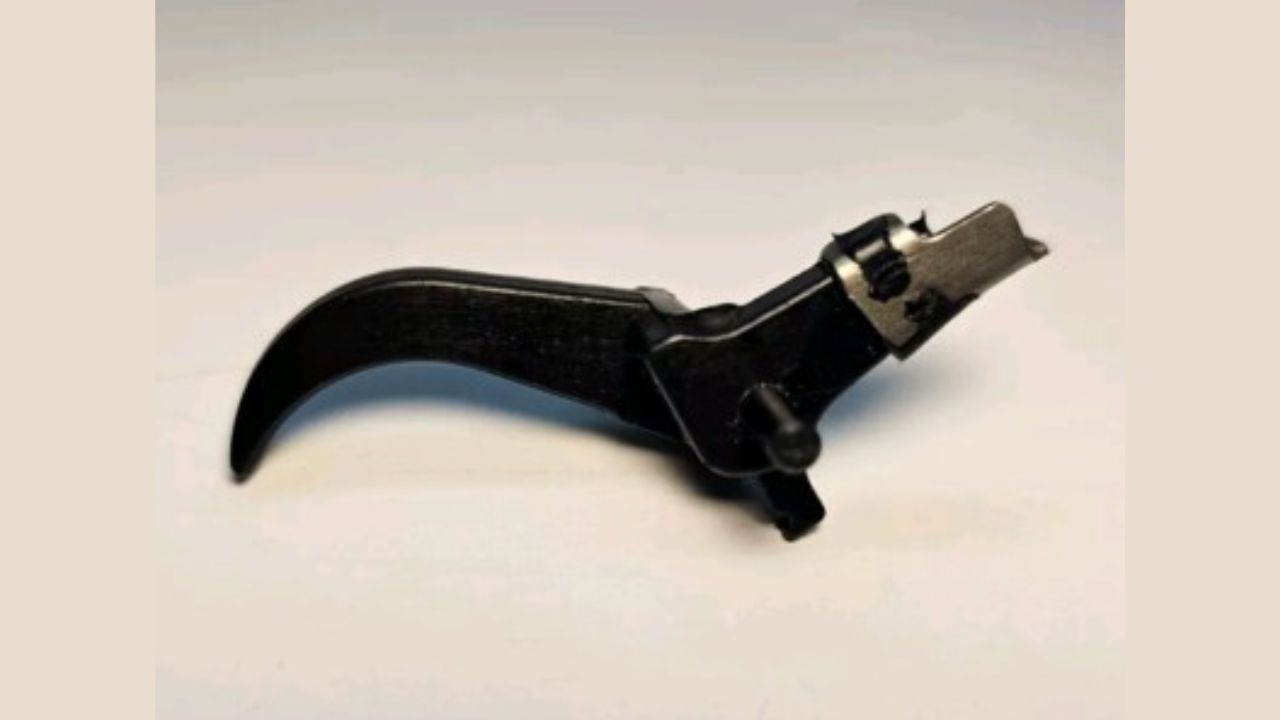
It’s easy to forget that even a .22 can cause trouble, and the Remington Nylon 66 proved it. This polymer-framed rimfire used a unique internal trigger linkage that could occasionally fail to reset properly if over-lubed or assembled loosely. In some rifles, the trigger bar wouldn’t fully re-engage the sear after cycling, meaning a bump or bolt movement could fire the next round unintentionally.
While rare, the issue was enough to earn the 66 a cautious reputation among gunsmiths. The lightweight polymer frame flexed under pressure, changing the trigger’s geometry slightly with each shot. That’s not catastrophic in a plinking rifle, but it’s still unsafe. Most of these rifles run fine with proper maintenance, yet it’s a good reminder that “out of the box” doesn’t always mean “out of danger.”
Like The Avid Outdoorsman’s content? Be sure to follow us.
Here’s more from us:
The worst deer rifles money can buy
Sidearms That Belong in the Safe — Not Your Belt
*This article was developed with AI-powered tools and has been carefully reviewed by our editors.