Photo credit: Chris Parkin Shooting Sports/YouTube
Modern rifles are easy to sell on paper. A company can add a threaded barrel, Cerakote, a lightweight stock, a detachable magazine, and a name that sounds ready for the mountains, and hunters will start picturing tags filled before the rifle ever leaves the shop.
The problem is that hunting rifles do not get judged on spec sheets once the season starts. They get judged when the bolt is cold, the magazine is dirty, the stock is wet, the shot angle is awkward, and the animal only gives you a few seconds. Some modern rifles have plenty of good ideas but still leave hunters frustrated when the real use does not match the sales pitch.
Savage Axis II Precision

The Savage Axis II Precision looks like a lot of rifle for the money, especially if you are thinking from the bench. It has a chassis-style setup, an adjustable stock, a detachable magazine, and the kind of appearance that makes it seem more serious than a basic budget rifle. For paper shooting, it can make sense.
In the field, though, that same setup can start working against you. It is heavier and bulkier than many hunters want to carry, and the chassis feel is not always friendly when you are shooting from improvised positions. It may group well, but a rifle that feels awkward on a cold hillside can frustrate you fast.
Mossberg Patriot Predator
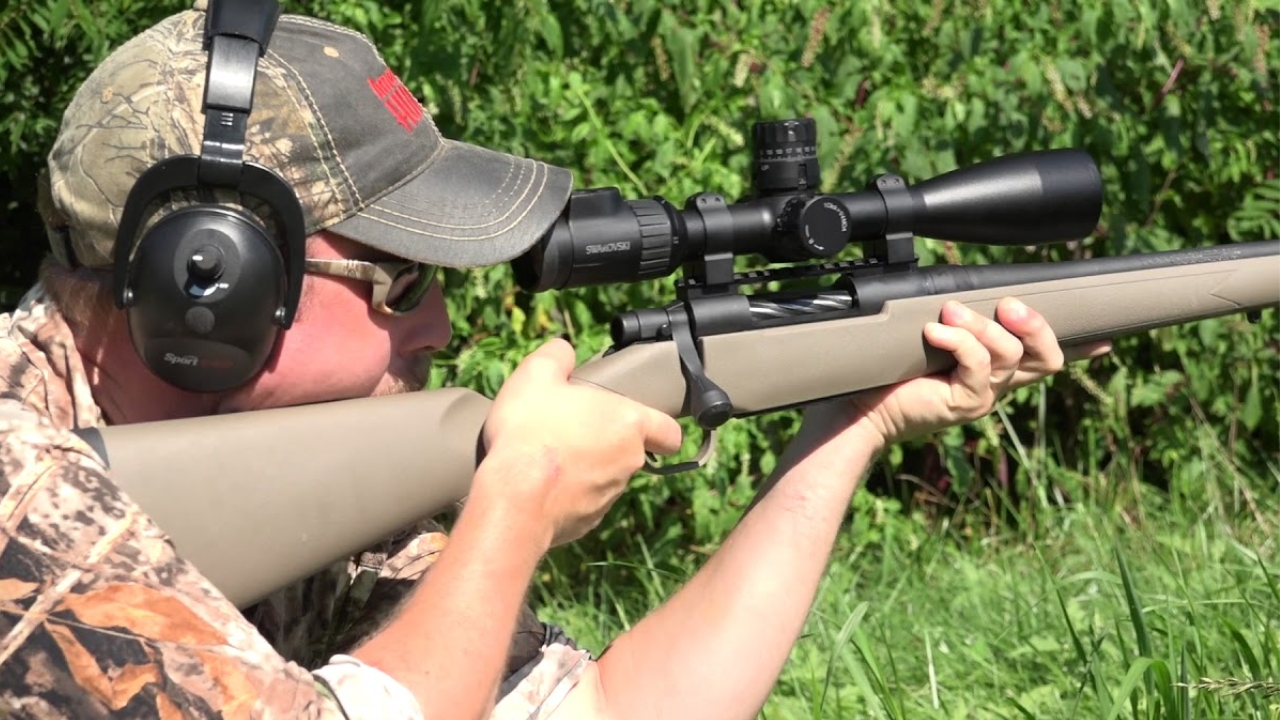
The Mossberg Patriot Predator gets plenty of attention because it is affordable, threaded, and offered in useful hunting calibers. On the rack, it looks like a smart buy for coyotes, deer, hogs, and general predator work. It checks a lot of boxes without asking for premium-rifle money.
The frustration usually comes from the overall feel. Some rifles shoot fine, but the stock, bolt feel, and magazine setup can leave hunters wanting more polish. It is the kind of rifle that can work, but it may not feel like something you trust immediately. When a rifle needs extra patience before you like it, hunters notice.
Remington 783

The Remington 783 was built to compete in the budget hunting rifle market, and it does that on price. It gives hunters a workable bolt gun with a detachable magazine and commonly available chamberings. For someone trying to get into deer hunting without spending heavily, it can look like a practical choice.
But it never really escaped feeling like a cost-cut rifle. The action can feel rough, the stock is plain, and the rifle does not carry the same confidence people once associated with Remington bolt guns. It may get the job done, but plenty of hunters expected more from the name. That gap between expectation and reality is where the frustration starts.
Winchester XPR
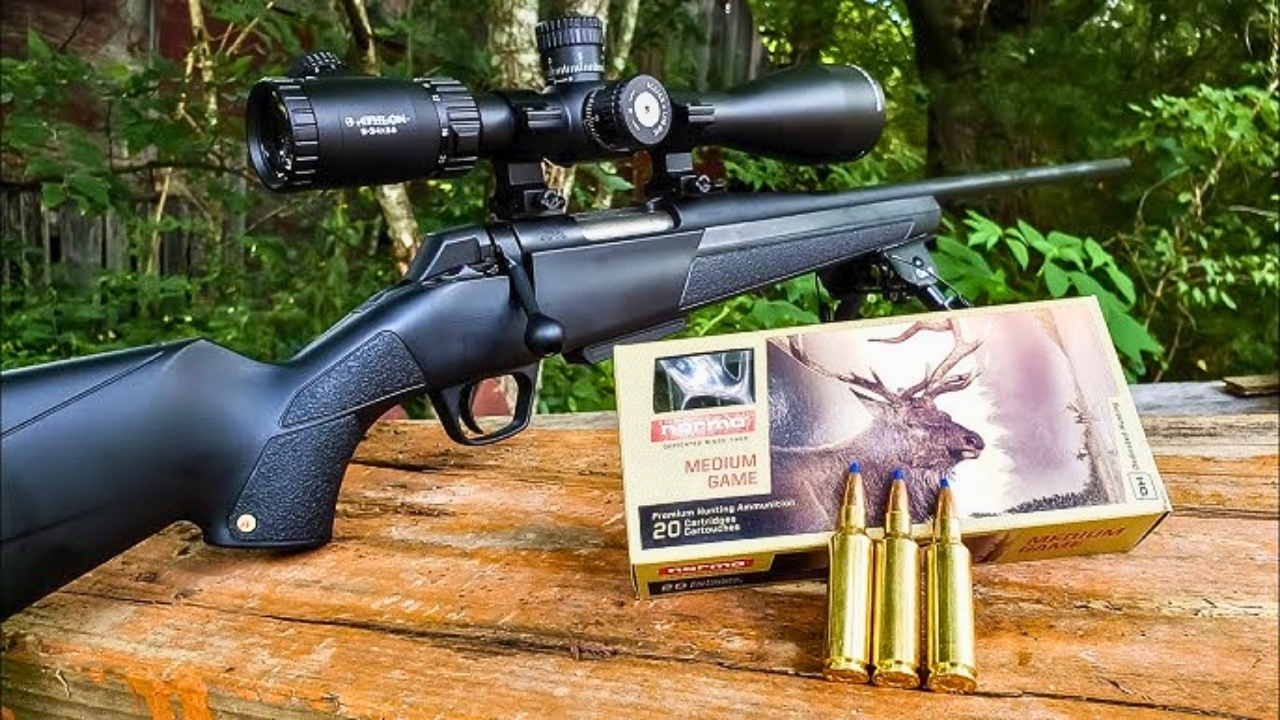
The Winchester XPR is not a bad rifle, but it is one of those modern bolt guns that can leave hunters cold. It has good features, decent accuracy potential, and a respected name behind it. For the money, it should be easy to recommend.
Still, the XPR does not always feel like the rifle people want it to be. The bolt, stock, and trigger feel can come across as more practical than satisfying. That might not matter on a quick range trip, but hunters spend a lot of time carrying, loading, unloading, and working a rifle in less-than-perfect conditions. If the rifle never feels natural, it becomes hard to love.
Ruger American Predator
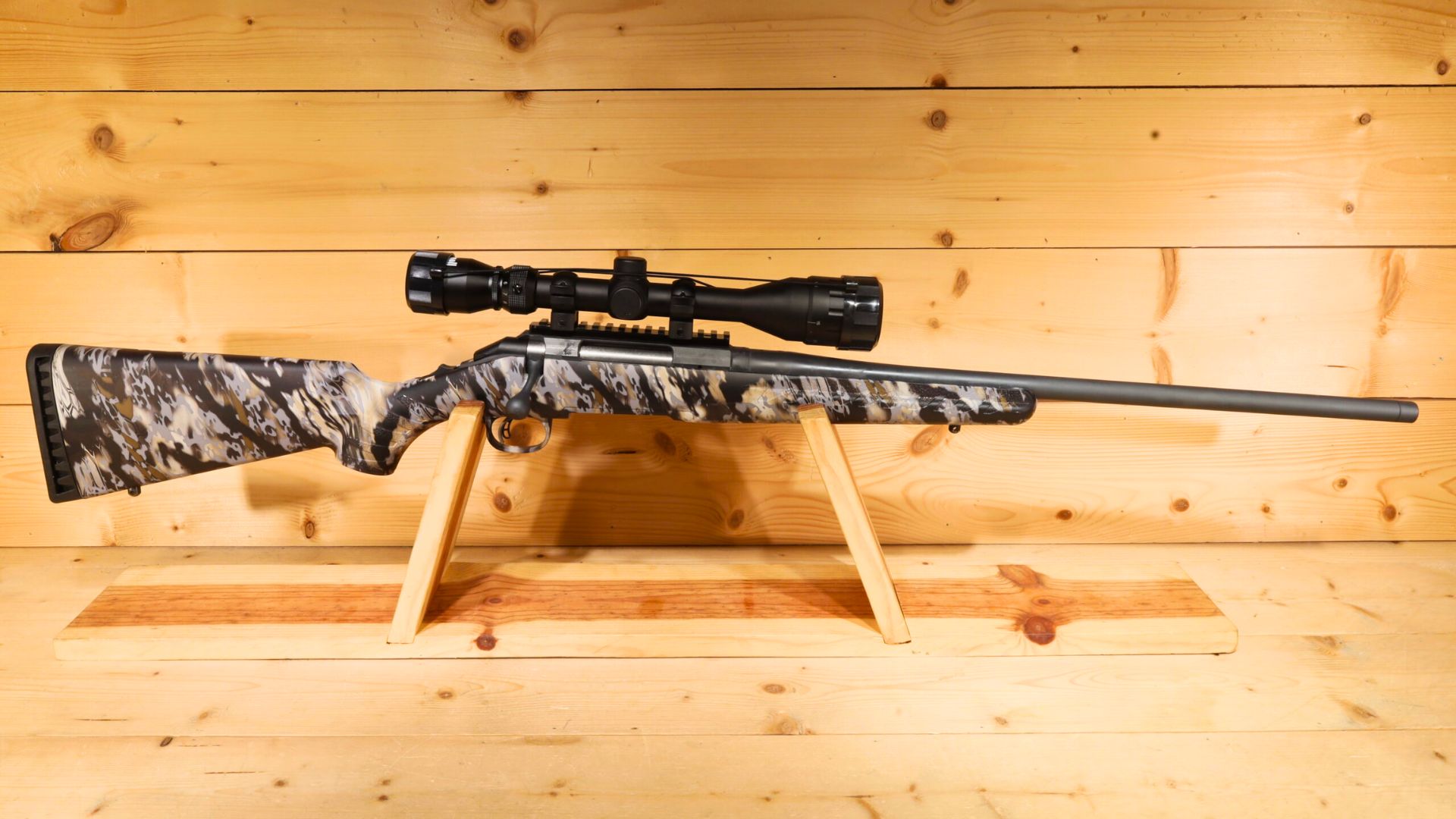
The Ruger American Predator has earned plenty of respect because many of them shoot well for the money. It is affordable, threaded, lightweight enough to carry, and offered in chamberings that make sense for deer, hogs, coyotes, and range work. On paper, it is hard to argue against.
The trouble is that accuracy does not erase every complaint. Some hunters dislike the flexible stock, the rotary magazine system on certain versions, and the hollow feel compared to older hunting rifles. You may get a rifle that prints great groups, yet still feels cheap in your hands. That disconnect can bother hunters who want a rifle to feel as good as it shoots.
Franchi Momentum

The Franchi Momentum came in with sleek styling and a European name that made it stand out from the usual American budget rifles. It has a comfortable shape, a clean look, and enough modern features to make hunters curious. For some buyers, it felt like a fresh alternative.
But the rifle does not always win people over once the new wears off. The unusual stock design, bolt feel, and overall handling can be hit or miss depending on the shooter. Some hunters like it just fine, while others never warm up to it. When a rifle looks refined but does not feel quite right in field positions, frustration follows.
CVA Cascade

The CVA Cascade brought a lot of value to the table. It offered threaded barrels, good chambering options, a decent trigger, and a price that made it competitive with better-known budget bolt guns. It also gave CVA a stronger presence in the centerfire hunting rifle space.
The problem is that hunters do not always trust a newer rifle line right away, especially from a brand still building its bolt-action reputation. Some shooters have had good results, but others have complained about fit, feeding feel, or inconsistency between examples. A rifle can be a strong value and still leave hunters wondering if they should have spent more on something proven.
Browning X-Bolt Speed

The Browning X-Bolt Speed looks like a serious modern hunting rifle. It has a slick finish, a nice stock pattern, a threaded barrel, and the kind of styling that makes it feel ready for bad weather and rough country. It is easy to see why hunters pick one up.
The frustration comes when expectations get too high for the price. Many X-Bolts are excellent, but some hunters find the rifle does not shoot as magically as they hoped, especially with picky ammo. Others dislike the magazine feel or the way it balances with a heavier optic and suppressor. At this price level, “pretty good” can still feel disappointing.
Weatherby Vanguard High Country
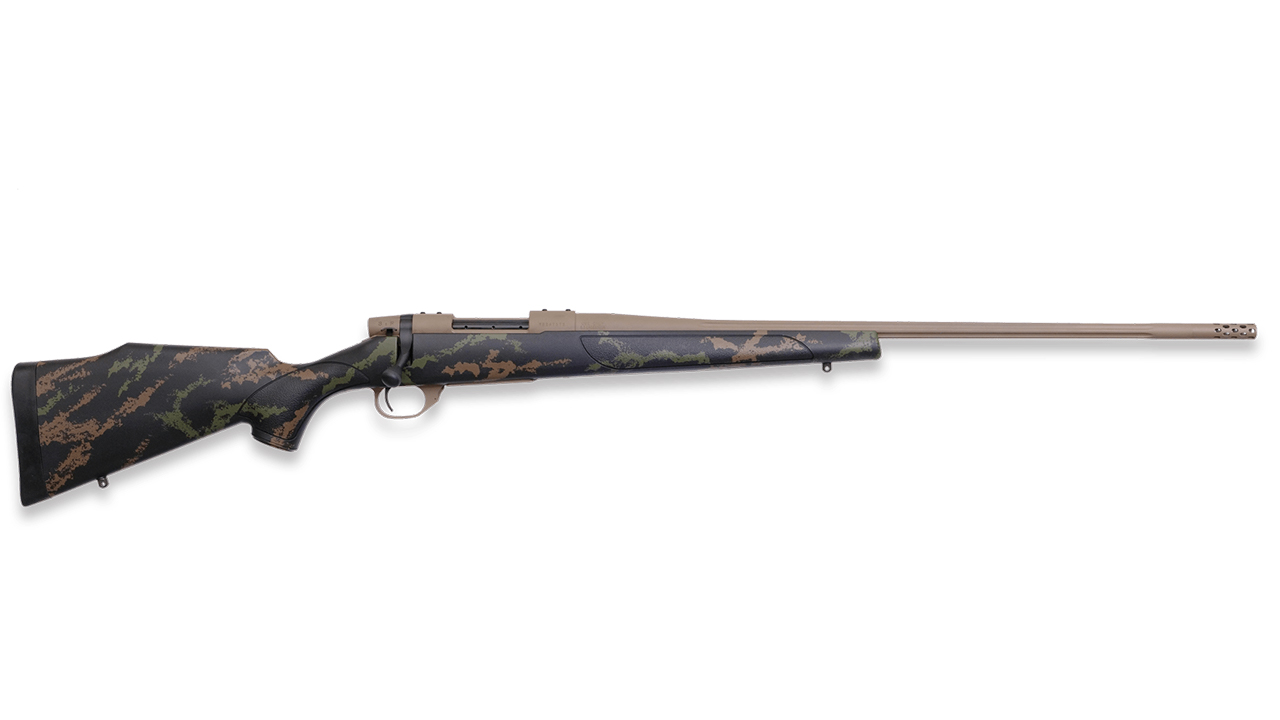
The Weatherby Vanguard High Country gives hunters the Weatherby name without going all the way into Mark V money. It has a strong action, a weather-ready finish, and chamberings that fit real big-game hunting. It looks like a rifle built for serious use.
But it can also feel heavier than some hunters expect from a rifle with “High Country” in the name. That weight is not always bad, especially for recoil control, but it matters when you are climbing, still-hunting, or covering ground all day. If a rifle is marketed with mountain-style expectations but carries like a heavier sporter, hunters can feel a little misled.
Kimber Hunter

The Kimber Hunter drew attention because it offered a lightweight Kimber hunting rifle at a more reachable price. For hunters who wanted mountain-rifle weight without paying top-tier money, it sounded like a smart shortcut. Light rifles always get attention when people are thinking about long walks and steep country.
But lightweight rifles are not forgiving. They can be harder to shoot well, more sensitive to technique, and less pleasant from the bench. Some hunters also expected a more premium feel than the Hunter delivered. It may make sense for the right person, but it reminded a lot of buyers that light weight alone does not make a rifle easy to hunt with.
SIG Sauer Cross
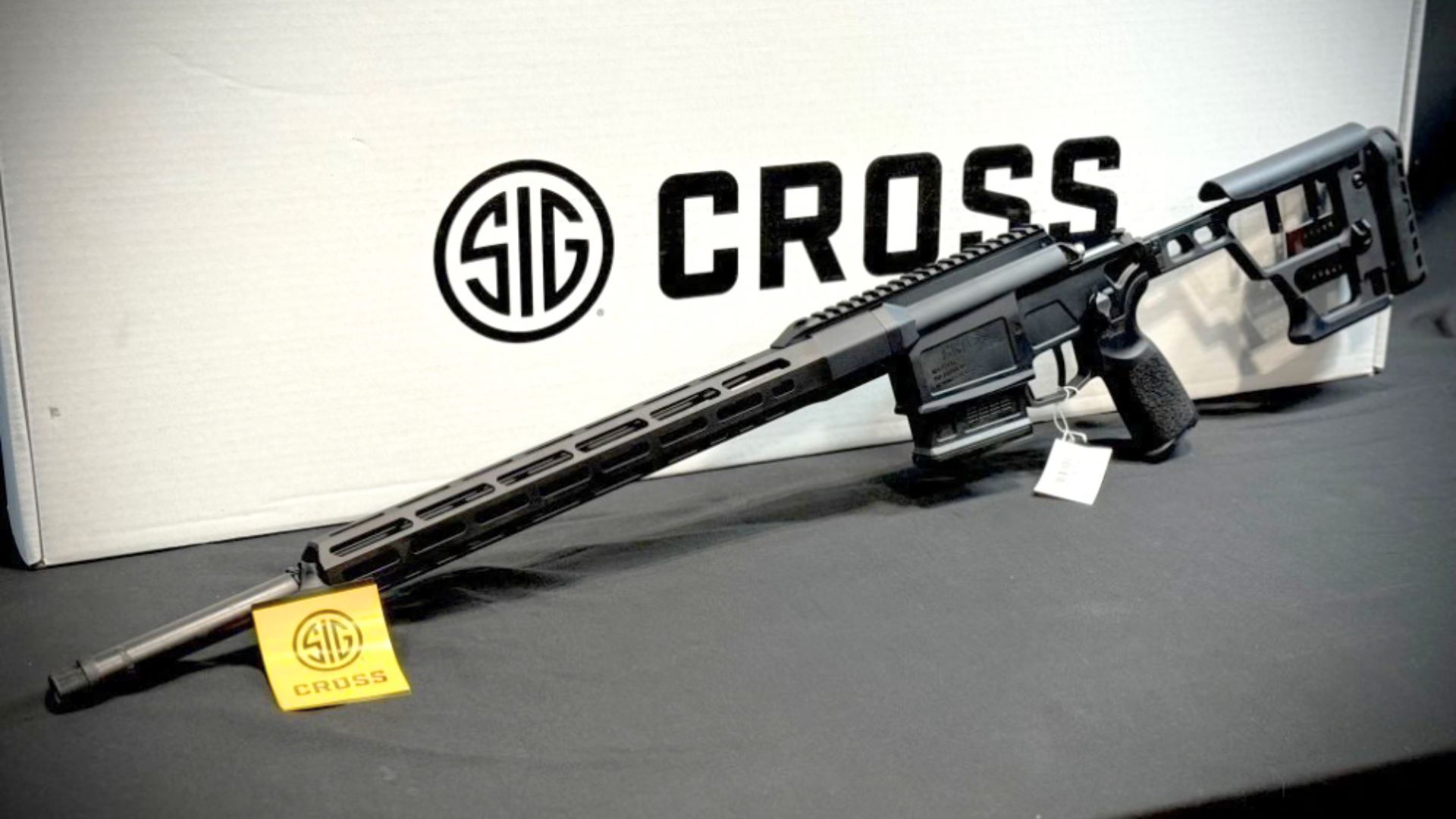
The SIG Sauer Cross came out looking like the future of hunting rifles. It had a folding stock, adjustable chassis, short barrel options, and a compact tactical-hunting feel that made it stand apart from traditional bolt guns. For hunters who like modern gear, it was hard not to notice.
In actual hunting use, the design can be more divisive. Some love the compact package, especially with a suppressor, but others find the chassis feel cold, awkward, or less natural than a conventional stock. It also had early recall attention that made some buyers cautious. The Cross may fit certain hunters well, but it is not the universal field rifle the hype suggested.
Christensen Arms Ridgeline

The Christensen Arms Ridgeline has the kind of spec sheet hunters dream about. Carbon-fiber barrel, lightweight build, good looks, and a reputation tied to mountain hunting. For the price, buyers expect a rifle that feels special and shoots like it belongs in a sheep camp.
That price is also why frustration hits harder when a rifle does not meet expectations. Some owners report excellent accuracy, while others struggle with ammo sensitivity or groups that do not match what they hoped for. A high-end lightweight rifle has less room for excuses. When you spend that much and still chase loads, bedding questions, or confidence issues, patience runs thin.
Bergara B-14 Ridge

The Bergara B-14 Ridge is often praised because it brings a smooth Remington 700-style footprint, good barrels, and strong out-of-the-box potential. It feels more refined than many budget rifles, and plenty of hunters have had great luck with them. That reputation helps sell a lot of rifles.
The frustration usually comes from expectations and weight. It is not always as light as hunters want for long field days, and some examples may still need the right ammunition before they shine. It is a solid rifle, but not every hunter gets the instant magic they expected. When a gun has a strong online reputation, anything less than excellent can feel like a letdown.
Springfield Model 2020 Waypoint

The Springfield Model 2020 Waypoint made a big splash because it looked like a serious premium hunting rifle from a company many shooters already trusted. Carbon-fiber stock, optional carbon barrel, modern chamberings, and a clean design made it easy to want.
But premium rifles carry premium expectations. Some hunters love the Waypoint, while others feel the price puts it in a tough fight against established high-end hunting rifles. If the accuracy is only good instead of outstanding, or the balance does not feel perfect with your optic and suppressor, disappointment sets in quickly. At this level, hunters are not just buying function. They are buying confidence.
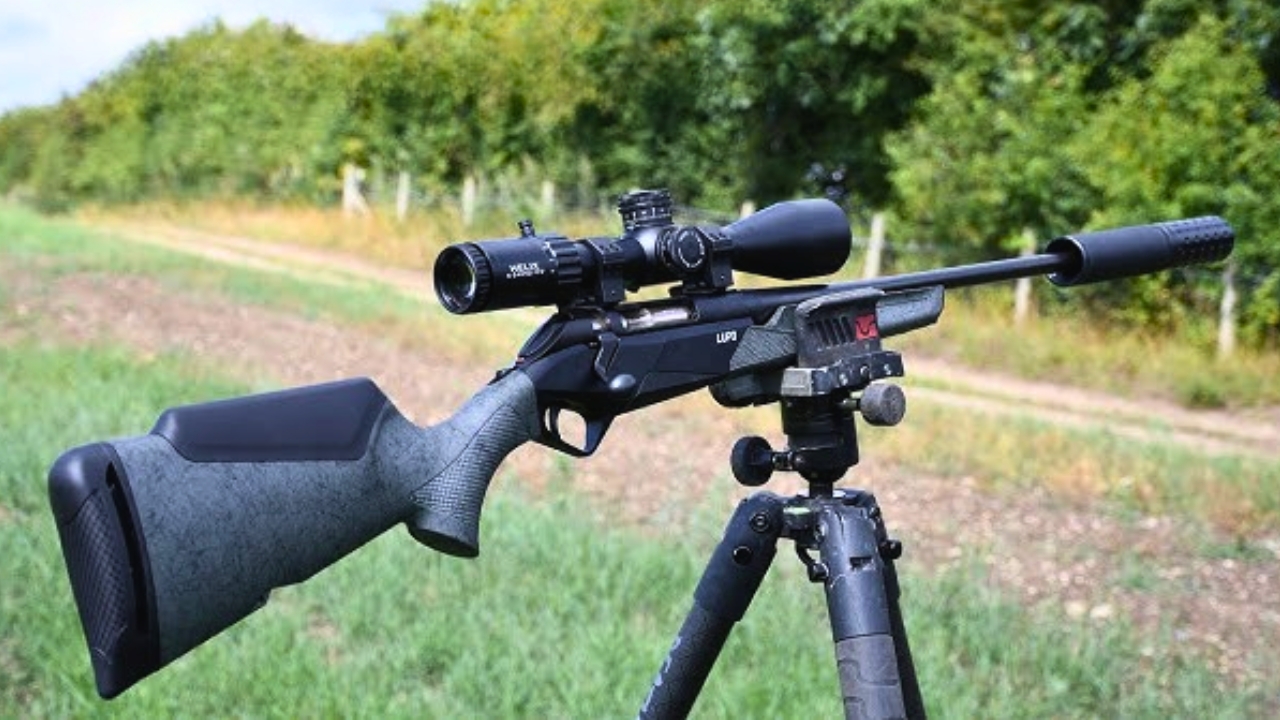
Benelli Lupo

The Benelli Lupo was interesting because it came from a company known far more for shotguns than bolt-action hunting rifles. It had a modular stock system, modern styling, and a different feel from the usual walnut-and-steel or basic synthetic rifle. That made it stand out right away.
Standing out is not the same as winning everyone over. Some hunters like the adjustability, but others find the shape, appearance, and handling too far removed from what they want in a hunting rifle. The Lupo can shoot, but it also asks hunters to accept a very specific design language. For traditional rifle guys, that can be a hard sell once the novelty wears off.
Like The Avid Outdoorsman’s content? Subscribe to our newsletter so you never miss an article.
Here’s more from us: