Photo credit: michasekdzi/Shutterstock.com
Landing big fish has less to do with luck and more to do with discipline. Every angler misses opportunities, but the biggest fish expose your mistakes faster than anything else on the water. Whether you’re chasing bass, trout, walleye, or pike, heavy fish don’t give second chances. They slip away when your timing, presentation, or awareness falls even slightly out of rhythm.
Most of the time, the difference between an average day and a story you tell for years comes down to avoiding a handful of common slipups. When you tighten those up, the big ones finally stay pinned instead of swimming off with your confidence.
Setting the hook too early or too late
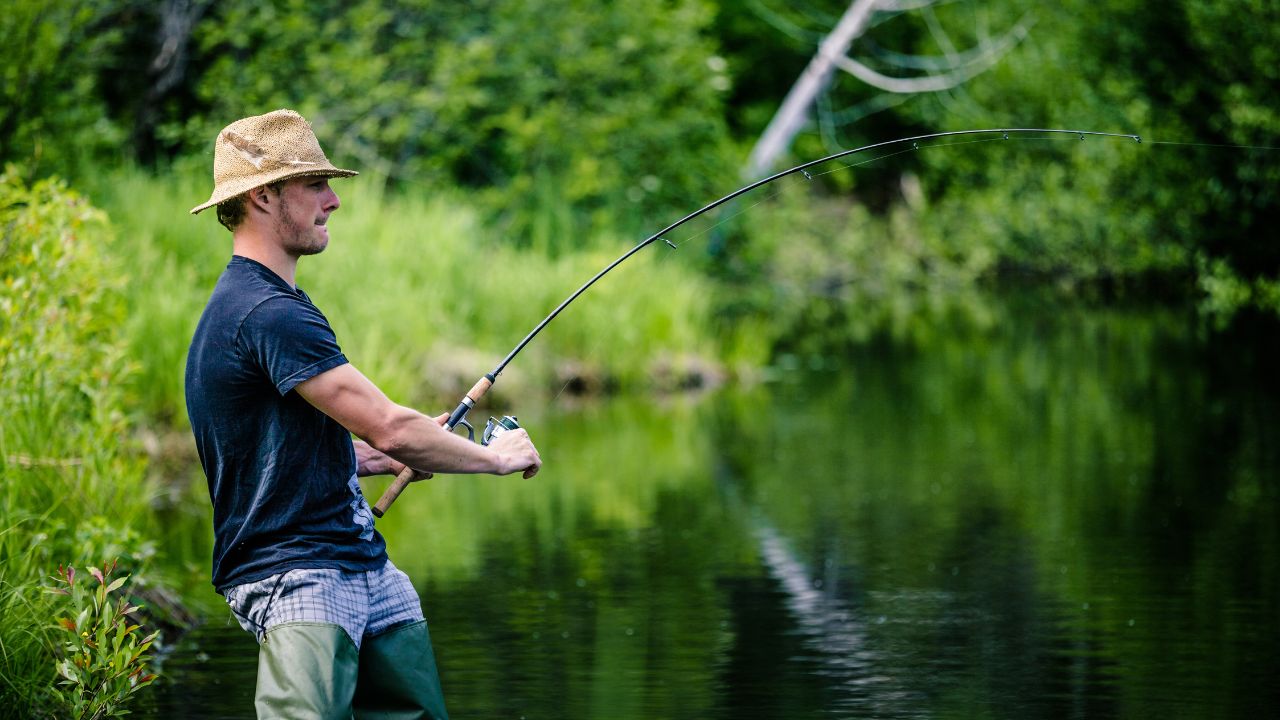
Many anglers swing before the fish has fully committed, ripping the bait right out of its mouth. Others wait too long, giving the fish enough time to feel resistance and spit the lure. Big fish are especially quick to punish poor timing. Their bites can feel heavy rather than sharp, tricking you into hesitating.
You start landing more giants when you learn to read the difference between a bump, a sweep, and a true load-up. Let the rod tell you what’s happening. When it pulls steadily instead of taps lightly, that’s your moment to drive the hook home cleanly.
Fishing too fast when big fish want a slower pace
Speed kills opportunities. Smaller fish often react to fast retrieves, but larger fish conserve energy and wait for something deliberate and vulnerable. Many anglers race a spinnerbait or crankbait through water that would hold giants if they simply slowed down.
When you deliberately pause, stall, or crawl a presentation, you give heavier fish time to size it up and commit. That slower cadence draws the mature ones that refuse to chase. Big bites happen when you show the fish something that looks like an easy meal, not a fleeing blur.
Ignoring subtle structure changes
You can fish a point, weedline, or edge all day and miss the biggest bites because you overlooked a single rock, stump, or depression where the heavy fish actually hold. Larger fish gravitate toward micro-structure that smaller fish ignore.
If you’re not paying attention to your electronics, your bottom contact, or slight shifts in vegetation, you’re skipping the best ambush spots. Slow down and pick apart those subtle details. Big fish often sit on the smallest piece of cover in the entire area.
Using line that’s too light for the situation
Many anglers hook the fish of a lifetime only to break off because they relied on line better suited for smaller water. Heavier fish test knots, abrasion resistance, and drag settings. Light line has its place, but not when heavy structure or toothy fish are around.
When you upgrade your line to match cover and target species, your odds go up immediately. Stronger line doesn’t spook big fish nearly as much as people assume, especially in stained or broken water. Give yourself an honest chance to land what you hook.
Not checking knots and hooks often enough
Small oversights ruin big opportunities. A dull hook point or a knot you tied in a hurry can fail exactly when you don’t want it to. Most trophy-caliber fish are lost because the gear wasn’t inspected, not because the angler did anything extreme.
Touch up your hook points and retie knots more often than you think you should. When you fish hard cover or catch multiple smaller fish, your rig is already compromised. Big fish expose every weak link in your setup.
Staying too long in unproductive water
Anglers often settle into a spot simply because it produced once. Meanwhile, the fish have shifted to a different depth, temperature band, or structure type. Staying put wastes the hours when big fish are actually willing to bite.
When you move strategically—adjusting for wind changes, light levels, or feeding windows—you stay in front of fish that are ready to eat. Fishing memories instead of conditions is the quickest way to miss your best bite of the day.
Not matching the forage the fish are keyed in on
When fish are locked onto a specific prey, they ignore anything that doesn’t resemble it closely enough. This is where anglers lose the biggest bites by being stubborn with lure choice. Big fish feed efficiently and focus on whatever’s most available.
Pay attention to what’s in the water—shad, crawfish, bluegill, smelt, or insects. Match the size, profile, and color. Even small adjustments in shape or action can turn a slow day into a heavy one. When you mimic the real meal, the biggest fish stop hesitating.
Making too much noise or commotion
Big fish respond instantly to pressure. The sound of a trolling motor bumping bottom, a dropped tackle box, or a sloppy cast can shut down an otherwise perfect window. Quiet water produces more quality bites because heavy fish are always on alert.
Take your time and act like you’re hunting. Soft steps, smooth casts, and staying aware of how your boat or bank presence affects the area go a long way. Big fish don’t tolerate disturbances the way smaller fish do.
Not adjusting depth as conditions change
Fish rarely stay at one depth all day. Weather, light penetration, and bait movement all shift the strike zone. Anglers who keep fishing the same depth—for convenience rather than observation—miss the window when big fish move shallower or deeper.
Pay attention to surface activity, where baitfish are showing up on your sonar, and how quickly the water warms or cools. When you track the depth changes, you meet the big fish exactly where they feed instead of guessing.
Overworking finesse presentations
Finesse tactics shine for big fish, but many anglers overwork them. Constant shaking, twitching, or lifting takes away the natural, effortless look that triggers slower, heavier fish. Sometimes the best move is letting the bait sit in place.
Big fish study a presentation longer than you think. They’re more likely to bite when it stays natural and subtle. When you let the bait breathe and settle instead of dancing it nonstop, you create the realism that convinces the cautious ones to commit.
Giving up too early on a pattern that’s developing
Big bites often come from patterns that feel slow at first. Many anglers abandon a strategy before the best window opens—like a subtle wind shift, shade line forming, or a baitfish push. Trophy fish feed in short, defined bursts, not all day.
When you recognize a pattern taking shape, stick with it long enough to see it mature. Big fish reward patience and timing. Leaving too early is one of the most common reasons people never connect with the fish they were actually setting up for.
Like The Avid Outdoorsman’s content? Subscribe to our newsletter so you never miss an article.
Here’s more from us: