Image Credit: Chad Robertson Media/ Shutterstock.com.
Catching bluegill and other panfish is about as fun and easy as fishing gets—if you’re using the right bait. These fish aren’t picky, but that doesn’t mean they’ll bite just anything. The best baits trigger more bites, attract bigger fish, and keep you from spending all day dealing with tiny nibblers that steal your bait before you can even set the hook.
Some baits have been panfish staples for generations, while others are underrated options that can put more fish in the bucket when nothing else is working. Whether you’re fishing with live bait, soft plastics, or small lures, knowing which ones work best and how to use them makes all the difference.
Worms
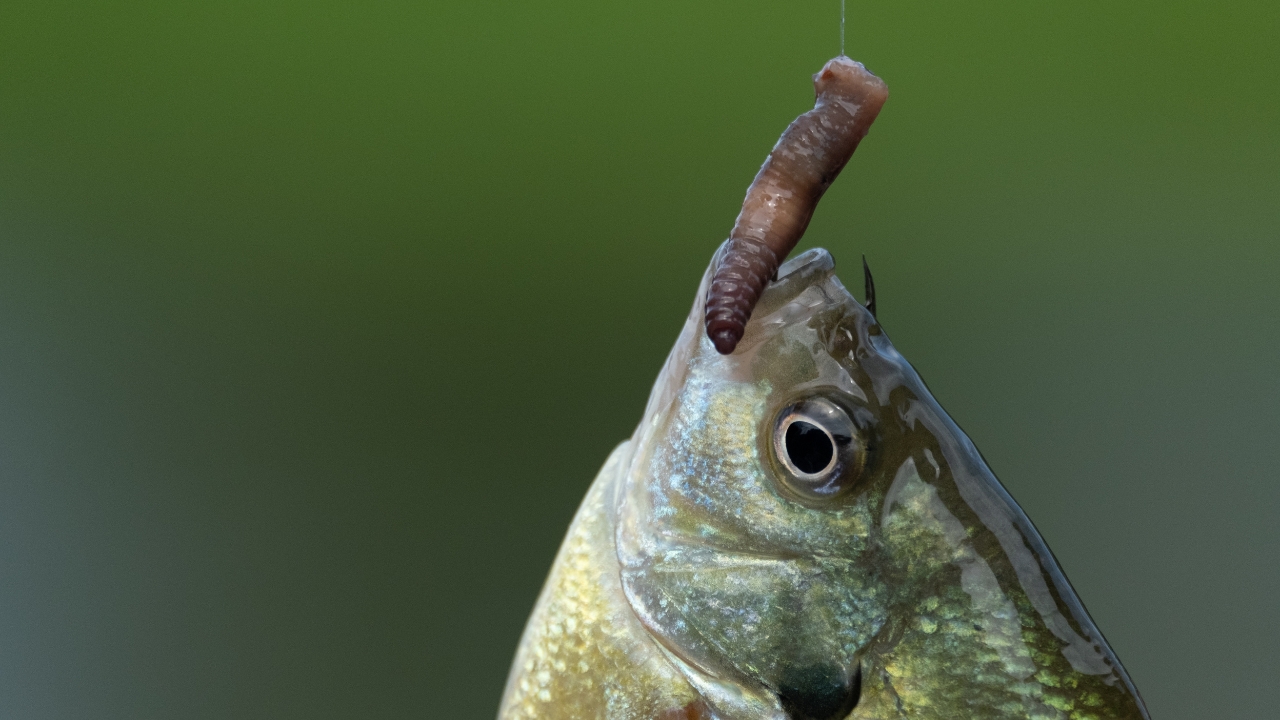
If you’ve ever fished in your life, you already know that garden worms are the go-to bait for just about everything, and panfish are no exception. They’re cheap, easy to find, and ridiculously effective. You can grab a pack at the gas station or just dig in the backyard and find a handful in minutes. And let’s be honest—there’s something satisfying about catching fish on bait you didn’t have to buy.
No bluegill, perch, or any other sunfish will pass up a juicy garden worm on a small hook under a bobber. You can also thread one onto a tiny jighead and let the extra worm wiggle behind the hook for a little extra action. Just don’t forget to keep them cool—nothing worse than a pile of mushy, overheated worms that won’t stay on the hook.
Crickets

If you’ve ever fished in the South, you’ve probably seen cricket stands along back roads. Down there, crickets are a staple for catching bream and shellcrackers, and for good reason—panfish go absolutely nuts for them. While they’re not as common up north, you can usually find them in pet stores.
Live crickets are delicate, which means you have to be careful when hooking them. A thin-wire, long-shank hook through the back lets them move naturally in the water without tearing apart. Fish them under a float or let them sink to the bottom—either way, they don’t last long because bluegill and crappies eat them up in seconds. Just make sure you bring plenty, because once you start catching, you’ll go through them fast.
Mealworms

Mealworms might not be as lively as garden worms, but they hold up a lot better—especially in the heat. Packed in sawdust and sporting a tougher outer shell, these beetle larvae don’t turn into a mess after an hour in the sun, which makes them a great choice for all-day fishing trips.
They’re not the wiggliest bait out there, but that doesn’t seem to bother sunfish. Drop a mealworm under a bobber, pin one on a jig, or even fish them on the bottom with a little split shot—either way, they’ll get eaten. And if you’re into ice fishing, keep some mealworms handy. They’re one of the easiest baits to use when the lakes freeze over.
Wax Worms

Wax worms, or “waxies,” are tiny, white grubs that panfish absolutely love. They’re most popular in winter because ice anglers swear by them, but they’ll catch fish all year long. The soft, squishy texture makes them an easy meal, and I’ve always noticed fish seem to hang on just a little longer when they bite.
In summer, a single wax worm on a tiny hook is all you need to start catching sunfish non-stop. In winter, a small jig tipped with a few waxies adds just enough scent and movement to tempt finicky bluegill, crappies, and perch. If you can find them in a bait shop, grab some—they might just save the day when nothing else is working.
Leeches
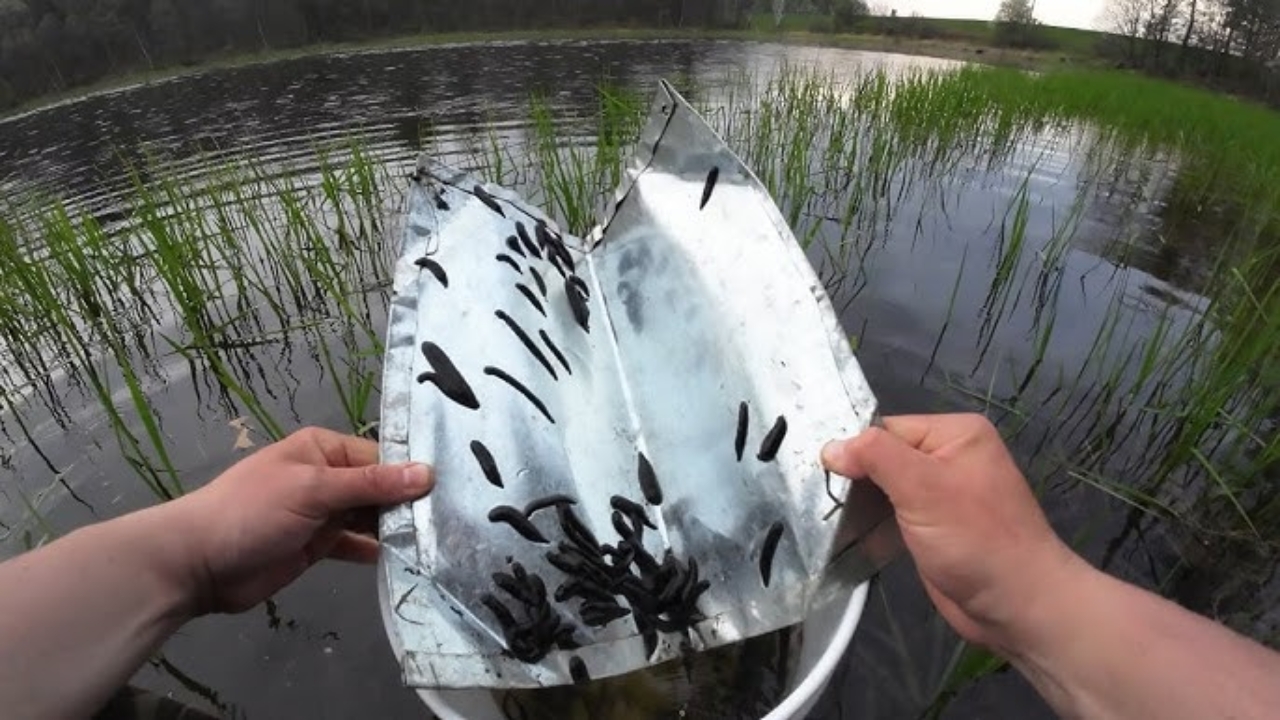
Most people think of leeches as walleye bait, but small leeches can be a secret weapon for big bluegill and perch. They’re tougher than worms, which means they stay on the hook longer and don’t get picked apart by tiny fish. That’s a huge plus when you’re after the bigger sunfish that can actually take down the whole bait.
If you fish a full garden worm, smaller bluegill will peck at it until it’s gone. But with a leech, you’re more likely to get a solid bite from a fish that can actually eat it. Fish them whole on a hook under a bobber or use them to tip a jig—either way, they’re a great choice when you’re looking to weed out the little guys and go for quality over quantity.
Grass Shrimp

Shrimp and freshwater don’t seem like they go together, but grass shrimp are one of the best-kept secrets in panfishing. Their scent drives sunfish crazy, and while they’re not as common as worms or crickets, you can still find freeze-dried grass shrimp in many bait shops and online.
They’re easy to use—no refrigeration, no mess, no dealing with wiggly bait. Just rig them on a light-wire hook (since they’re a bit fragile) and fish them under a bobber or let them settle on the bottom. If you’re looking for a simple bait that still gets results, grass shrimp are worth bringing along.
Fathead Minnows

Fathead minnows—sometimes called rosy reds—are a top pick when you’re targeting crappies and perch. They’re small, rarely exceeding two inches, which makes them the perfect snack for panfish with bigger mouths. If you’re after numbers instead of just trophies, these little guys will outfish larger shiners every time.
While bluegill will eat minnows, most anglers don’t want to spend money on live bait for fish that will hit just about anything. But for crappies and perch, fatheads are hard to beat. Hook one through the lips on a small jighead under a bobber, and let the natural movement do the work. The jighead helps get the minnow to the right depth fast, and keeping it horizontal makes for a more natural presentation that fish can’t resist.
Bread
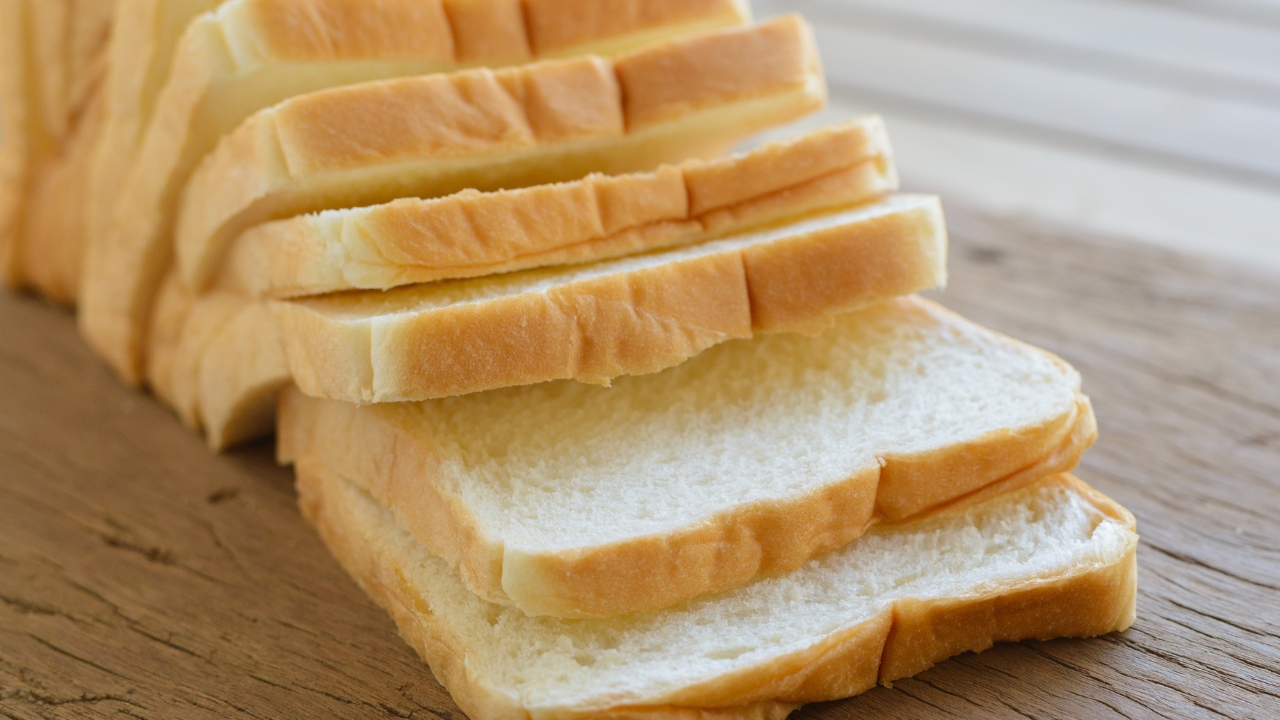
No bait? No problem. If you’ve got a loaf of white bread, you’re set. Whether you’re taking the kids to the pond or just making an impromptu trip, sunfish will devour a ball of bread just as fast as they would a worm.
Crappies and perch usually won’t go for it, but bluegill and other sunfish will swarm if you chum the water with crumbled bread first. The trick is using fresh, soft bread—it rolls into tight balls that stay on the hook longer. Stale bread falls apart too easily, so if that’s all you’ve got, mix in a little water and knead it before rolling it into bait-sized pieces. It’s simple, cheap, and works like a charm.
Small Crankbaits
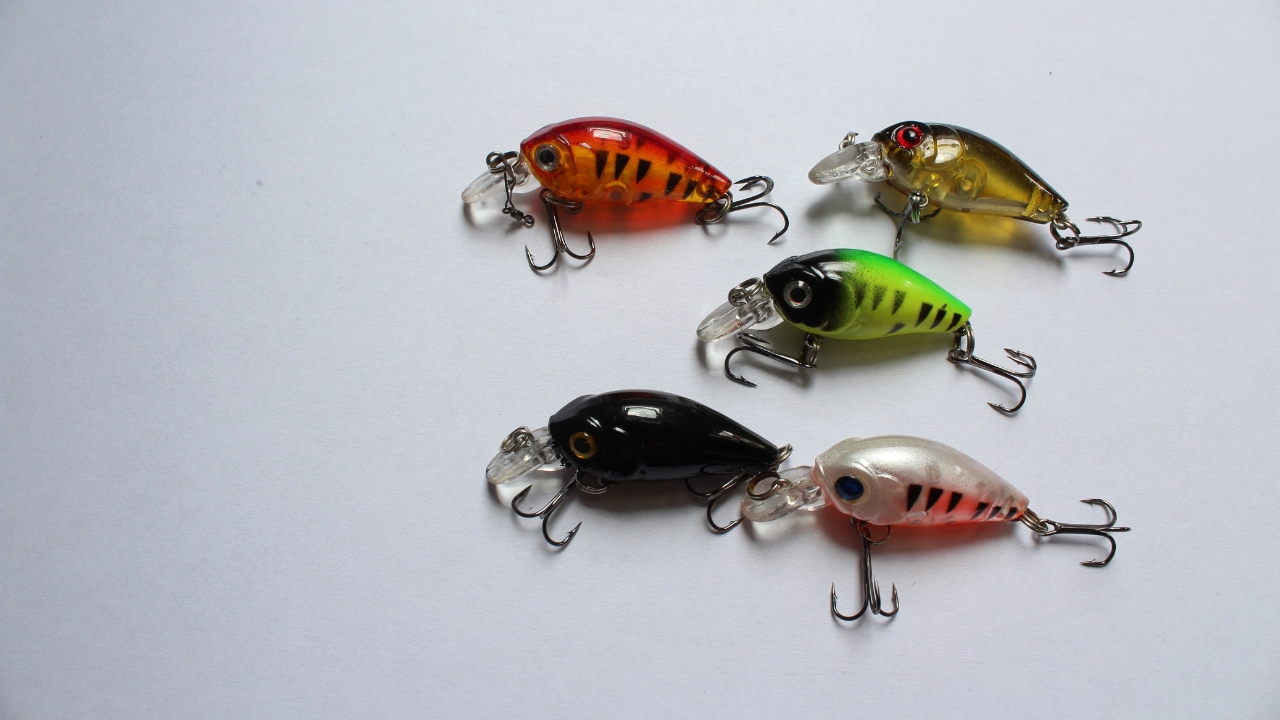
If you’re after aggressive panfish, small crankbaits like the Yo-Zuri Snap Bean or Rapala Floating Minnow are game-changers. These little baits mimic minnows perfectly and get crappies and perch fired up. Bluegill might take a swipe, but crappies and perch are the real chasers.
You can cast and retrieve them, but slow-trolling from a kayak or boat is where they really shine. Just be mindful of treble hooks—they love getting caught in weeds and wood, so fish them in open water or along drop-offs. If you’re used to finesse fishing for panfish, throwing a crankbait might feel odd, but once you hook into a slab crappie on one, you’ll be hooked too.
In-Line Spinners
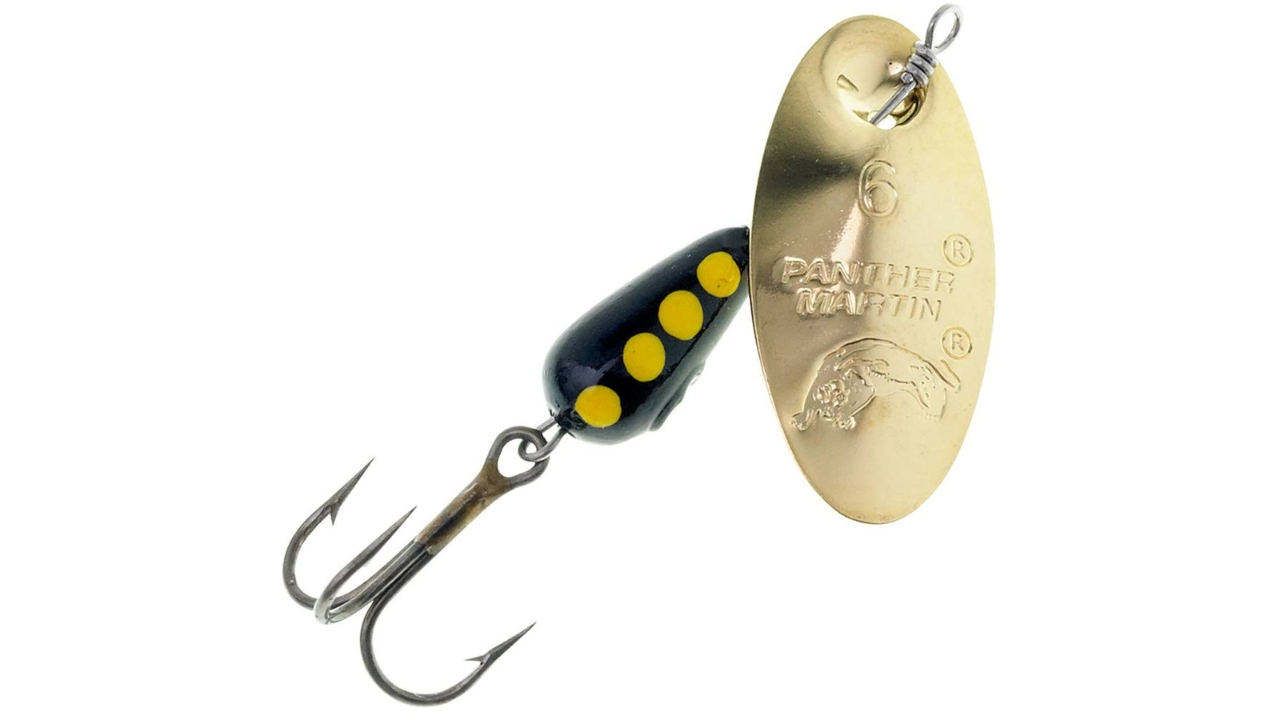
Few baits can fire up panfish like a small in-line spinner. A Panther Martin, Mepps Aglia, or even a Rooster Tail in the right size puts out flash and vibration that crappies, perch, and even big bluegill can’t resist. These baits are perfect for warmer months when fish are more active and willing to chase—unlike jigs and crankbaits, you have to keep them moving to get that blade spinning.
Color matters, and spinners with feathered or hair-dressed tails in red or orange often trigger more bites. Just keep in mind that spinners work best in open water or near structure that won’t eat your hook—because if you’re not careful, you’ll spend more time unsnagging than fishing. But when panfish are aggressive, nothing beats the reaction strike a spinner can trigger.
Soft-Plastic Jigs
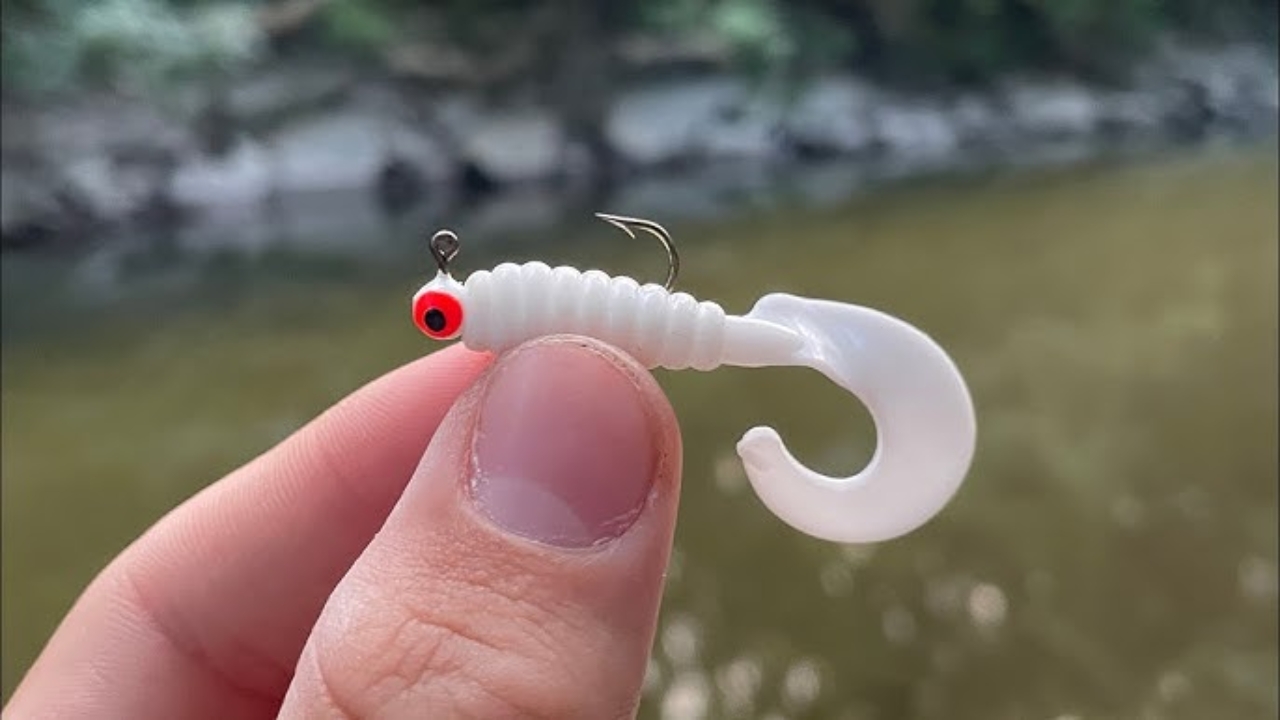
Soft plastics have taken over the panfish world for good reason—they flat-out catch fish. You’ve got micro tubes, curly-tail grubs, and all sorts of tiny, wiggly designs, and honestly, they all work in the right situation. Whether you’re casting, jigging under a float, or dropping them through the ice, these plastics give panfish something they can’t resist.
The key is size. Most panfish won’t go for anything over two inches, so keep it small and match the color to the conditions—brighter for murky water, more natural for clear. Pair them with a tiny jighead, and you’re set. If you’re tired of dealing with live bait but still want something that looks alive, soft plastics are a no-brainer.
Synthetic Baits
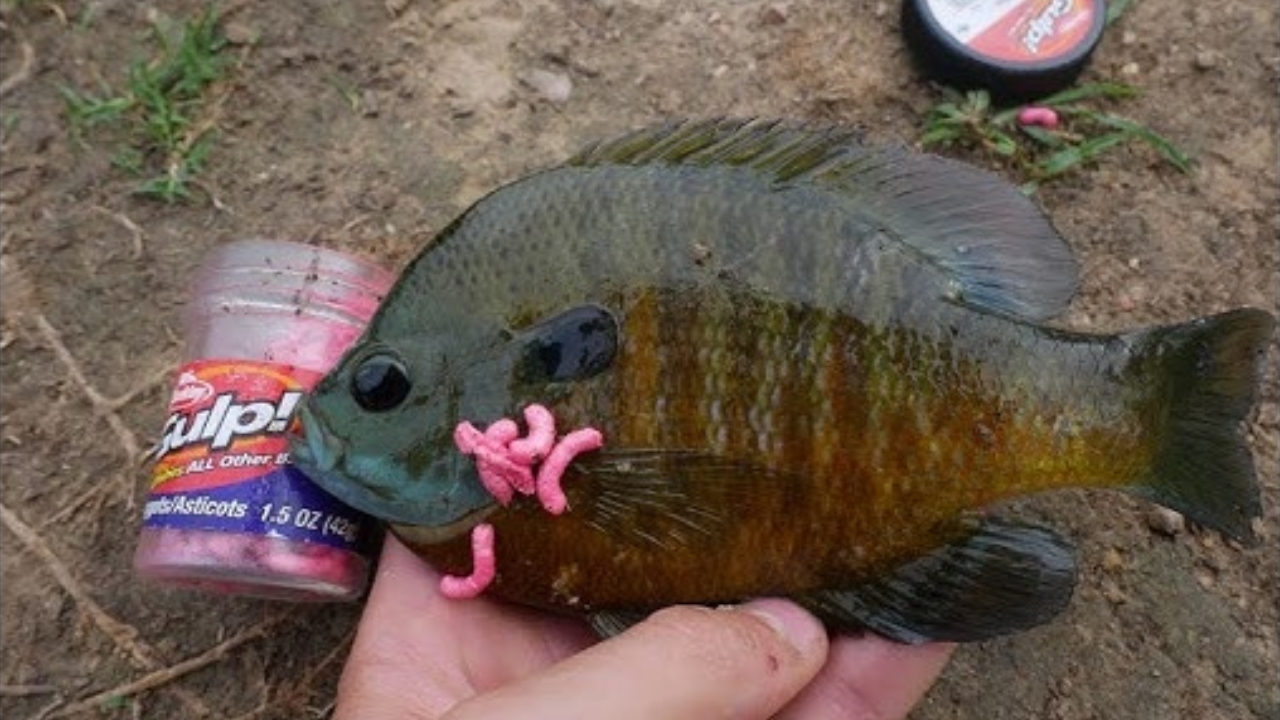
Synthetic baits might not be the real deal, but they can fool fish just as well—sometimes even better. Unlike lures, these are designed to look, feel, and smell just like the natural stuff, but with the added bonus of color variety and long shelf life. Brands like Berkley’s Gulp! offer wax worms, crickets, and nightcrawlers that come soaked in scent. Sometimes that fake bright pink maggot outperforms the real thing.
You don’t have to keep them cold; they don’t turn to mush, and they last for years if you store them properly. Rig them just like you would live bait—under a bobber, on a jighead, or even on the bottom. They’re a solid backup when live bait runs out or when fish seem to prefer something different.
*This article was created with the assistance of AI.