Photo credit: Nick Shabazz/Youtube
Guides are the worst people to shop for. Not because they’re picky, but because they’ve already learned what actually holds up when a blade is wet, cold, gritty, and used for the tenth job of the day that nobody planned on. They’ve tried the shiny new “super steel” stuff that looks great in photos. Then they go right back to the same fixed blades that ride on the belt season after season.
This isn’t a beauty contest. It’s a list of knives that keep ending up bloody, dulled, resharpened, and trusted anyway. Some are pricey, some are plain, and a couple are ugly as sin. But they’re the ones working guides keep grabbing after the new-gear excitement wears off.
1. Morakniv Companion (Carbon or Stainless)
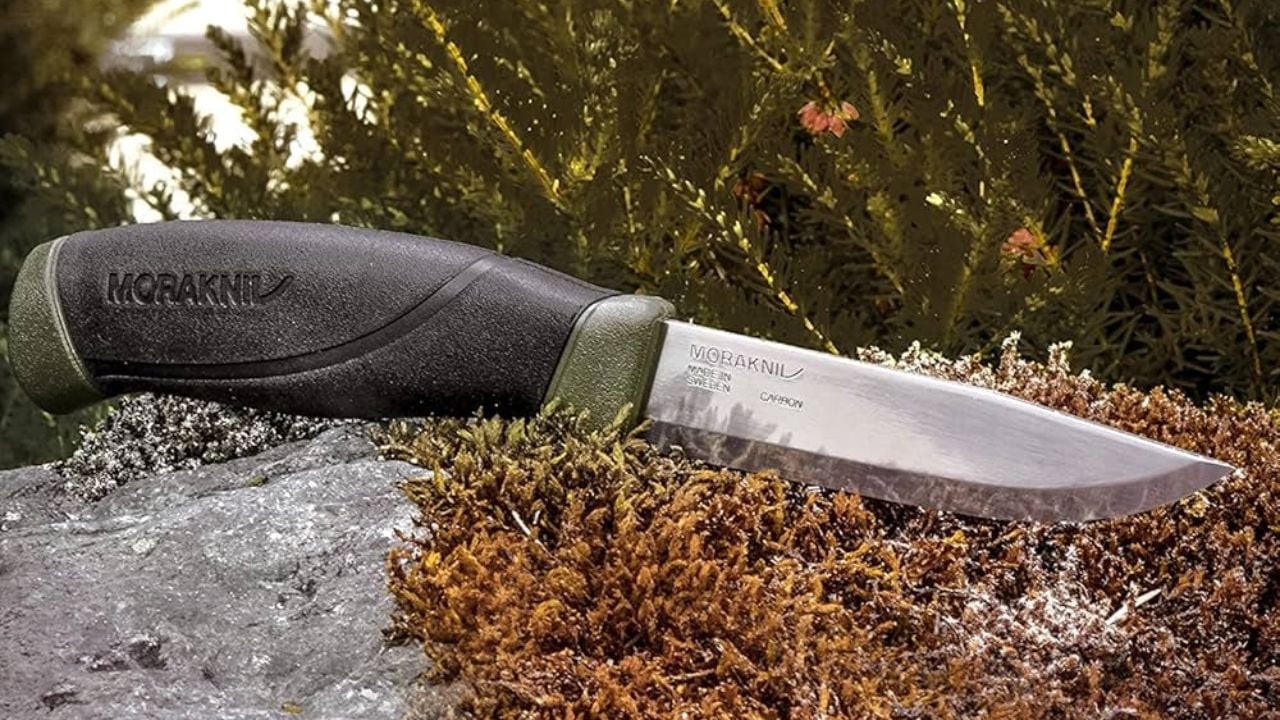
If you’ve ever watched a guide loan out a knife, this is the kind that gets handed over. The Mora is cheap enough that you won’t lose sleep if it disappears, but it cuts like a knife that should cost three times as much.
The handle stays friendly when your hands are cold, and the scandi grind is easy to touch up fast. It’s not a pry bar and it’s not a showpiece. It’s a working knife that doesn’t need a speech.
2. Morakniv Garberg

When a guide wants “Mora performance” but doesn’t want to baby it, the Garberg is the answer. Full tang, more stout, and still slices better than a lot of chunky so-called survival knives.
It’s one of those knives that lives through split kindling, cutting rope, food prep, and still has enough edge left to cape an animal without chewing up hair. Not fancy, just sorted out.
3. Buck 119 Special

This one is a classic for a reason. The 119 has cleaned piles of deer and elk, and it still shows up in guide packs because it’s predictable. That narrow clip point does clean work around joints.
Yes, it’s got that old-school leather sheath vibe, and yes, the steel isn’t the newest wonder-metal. Still, it sharpens easy and it behaves. A guide doesn’t need more than that.
4. Buck 102 Woodsman
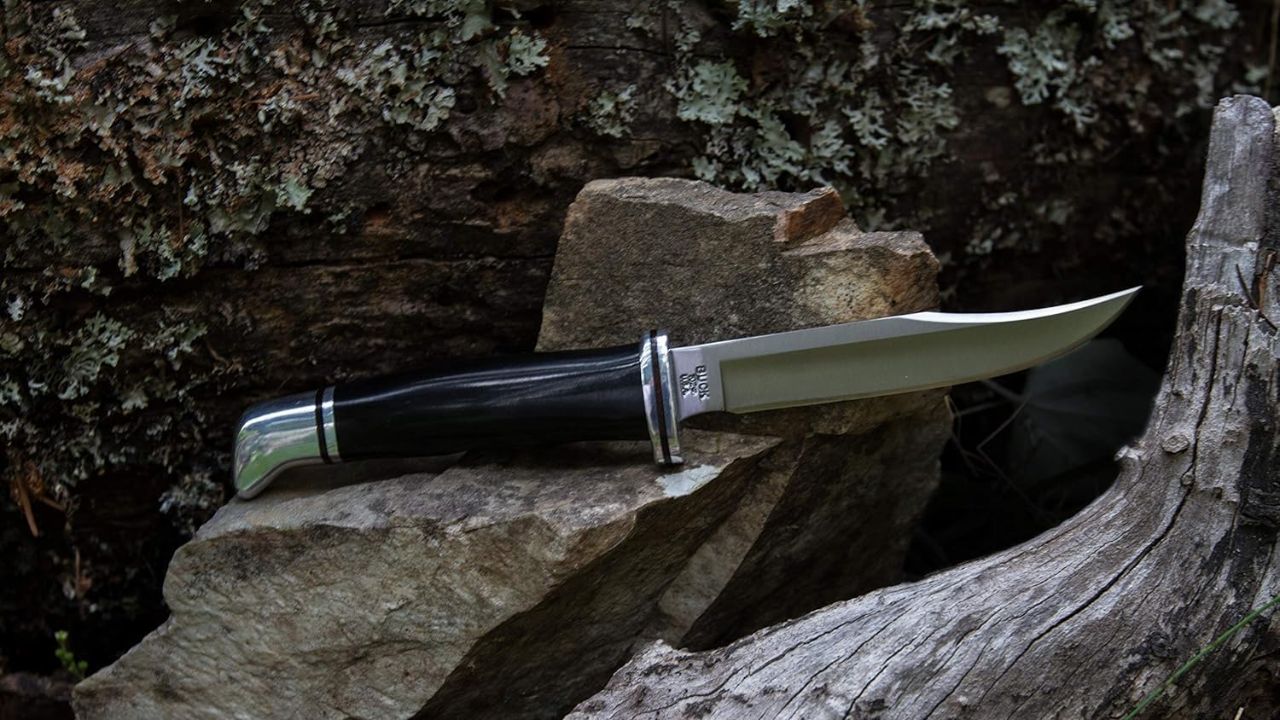
The 102 is what the 119 would be if it spent less time posing and more time riding on a belt every day. Shorter blade, more control, less pokey in the truck seat.
It’s a great “one animal” knife that doesn’t feel oversized for fish camp tasks either. It’s also the kind of knife you can hand to a client and not worry they’ll do something dumb with a huge blade.
5. Benchmade Hidden Canyon Hunter

Guides who like compact gear gravitate to this one. The blade length makes it feel almost too small until you start breaking down an animal and realize you’re not fighting the knife.
The handle fills the hand better than you’d think, and the steel choices tend to hold up through multiple animals before you’re hunting for a sharpener. It’s a “quietly excellent” knife.
6. Benchmade Saddle Mountain Skinner

This is a knife for folks who actually skin a lot of critters, not people who just talk about it. The blade shape does work without feeling like it’s trying to be clever.
It’s not the cheapest option, but guides like tools that don’t surprise them. This one stays stable in the hand when things get slick, and it’s built for real pressure.
7. ESEE-4

There’s nothing delicate about an ESEE-4, and that’s kind of the point. Guides use them when a knife might have to do “knife stuff” and also “stupid stuff,” like scraping, digging, and light batoning.
It won’t slice like a Mora out of the box, but it’s tough and easy to maintain. If you want a knife that feels like it could fall off a tailgate onto rocks and not care, this is the vibe.
8. ESEE-3
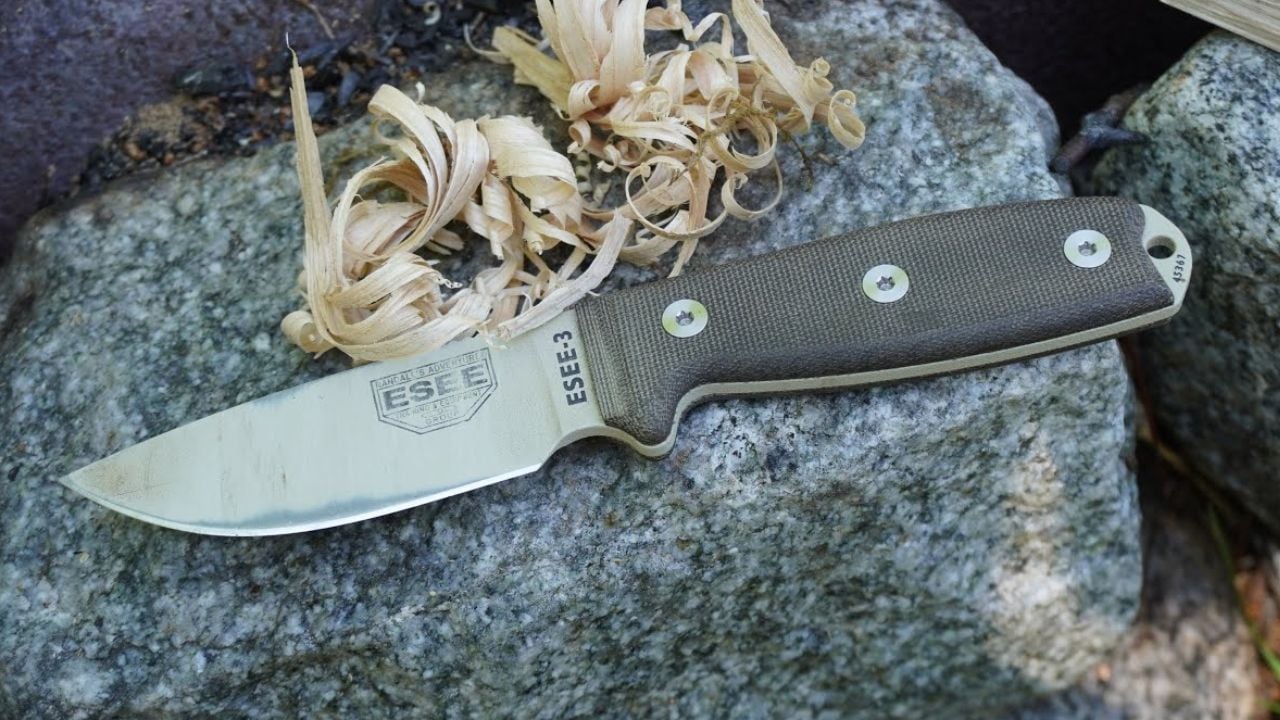
The ESEE-3 is the lighter, handier sibling that still has that no-nonsense feel. It carries easier on the belt and doesn’t snag on every layer of clothing you’ve got on.
For guides who hike hard and keep weight down, it’s a sweet spot. It does camp chores, opens feed bags, trims shooting sticks, and still has enough control for processing.
9. ESEE-6
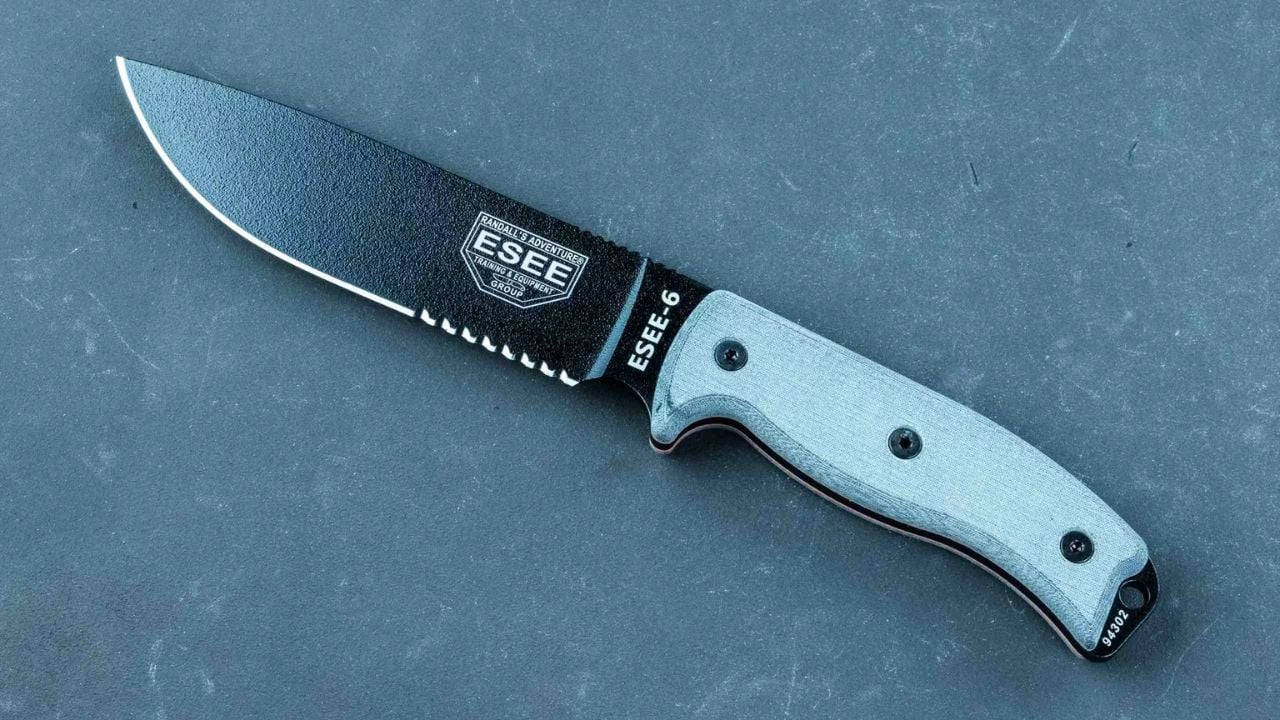
When the job leans more “camp knife” than “skinning knife,” the ESEE-6 shows up. More reach, more leverage, and more comfort when you’re doing bigger cuts.
It’s not subtle, and it’s not what I’d want for delicate caping. But for wood, shelter tasks, and general abuse, it’s a guide favorite because it forgives hard use.
10. KA-BAR Becker BK2 “Campanion”
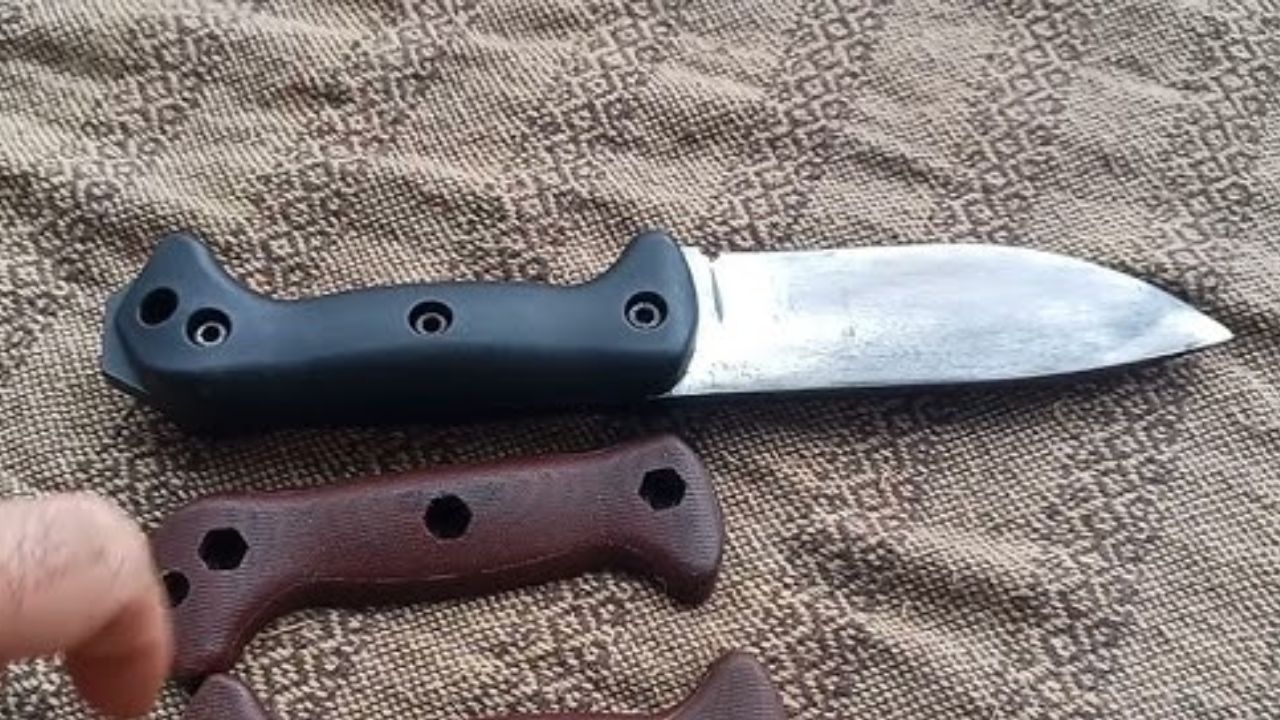
This is the knife version of a splitting maul. Heavy, thick, and unapologetic. A lot of new knife guys buy one and then realize they don’t want to carry it.
Guides keep them around for base camp because it’s nearly impossible to kill. If you need to baton kindling all week and don’t want to think about it, the BK2 is hard to argue with.
11. KA-BAR Becker BK16
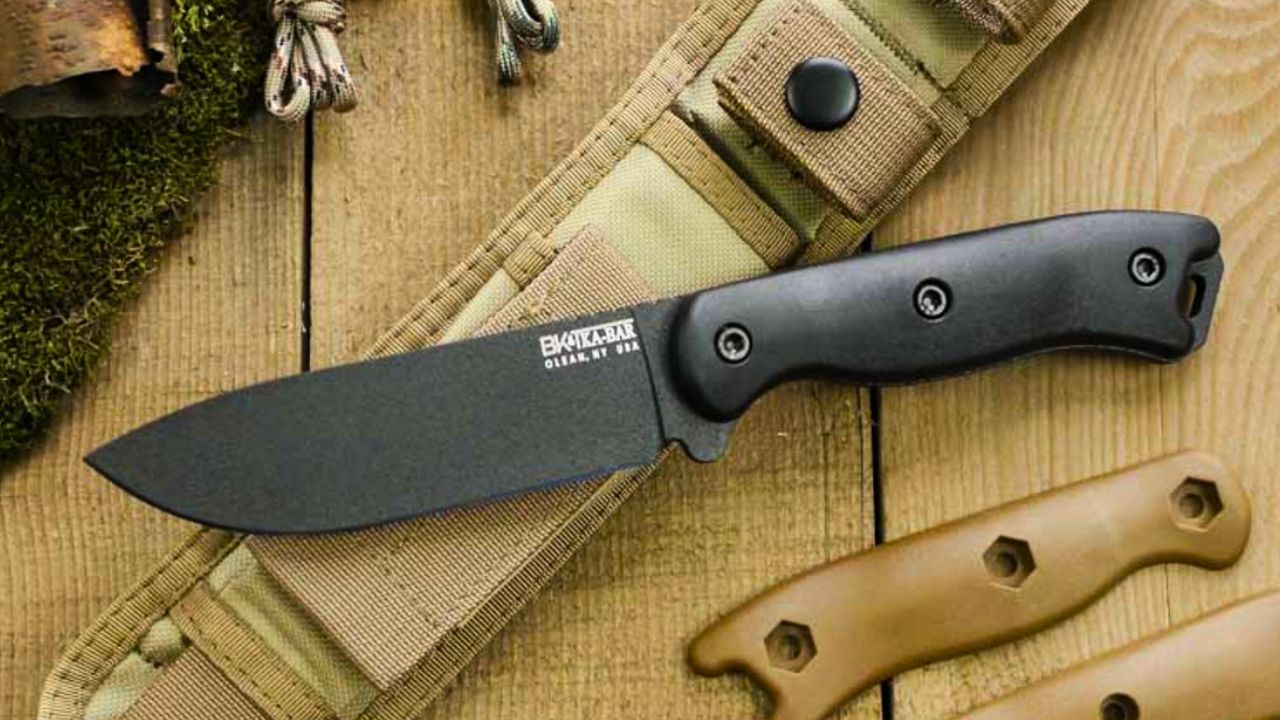
The BK16 is what you buy when you like the Becker idea but you also like having hips and knees that don’t hate you. It’s lighter, slicier, and more practical on the move.
It’s a good “one-knife” option for a guide who might be doing everything from cutting cord to cleaning trout. Still tough, just less of a brick.
12. Gerber StrongArm

The StrongArm is common because it’s available, affordable, and it works. Not “internet cool,” not boutique, just a knife you can find in a lot of small-town stores when you’re on the road.
The sheath system is a big part of the appeal. Guides rig it to belts, packs, or waders without drama, and the knife is sturdy enough for everyday camp chores.
13. Cold Steel SRK (Survival Rescue Knife)
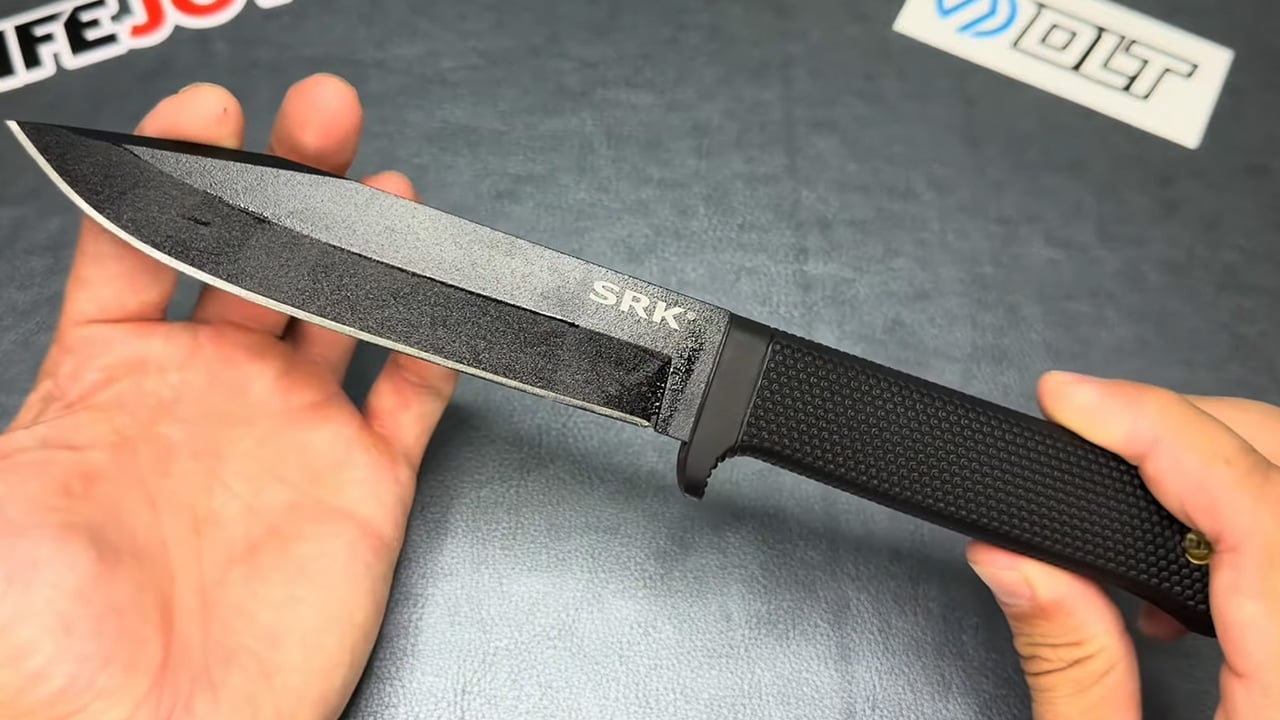
Cold Steel has made some mall-ninja stuff over the years, but the SRK isn’t that. It’s a straightforward working fixed blade that can take a beating and still cut.
Guides like the grip security and the no-fuss design. It’s not a scalpel, but it’s reliable for the ugly jobs: wet rope, stubborn zip ties, firewood, and occasional digging.
14. Bark River Bravo 1
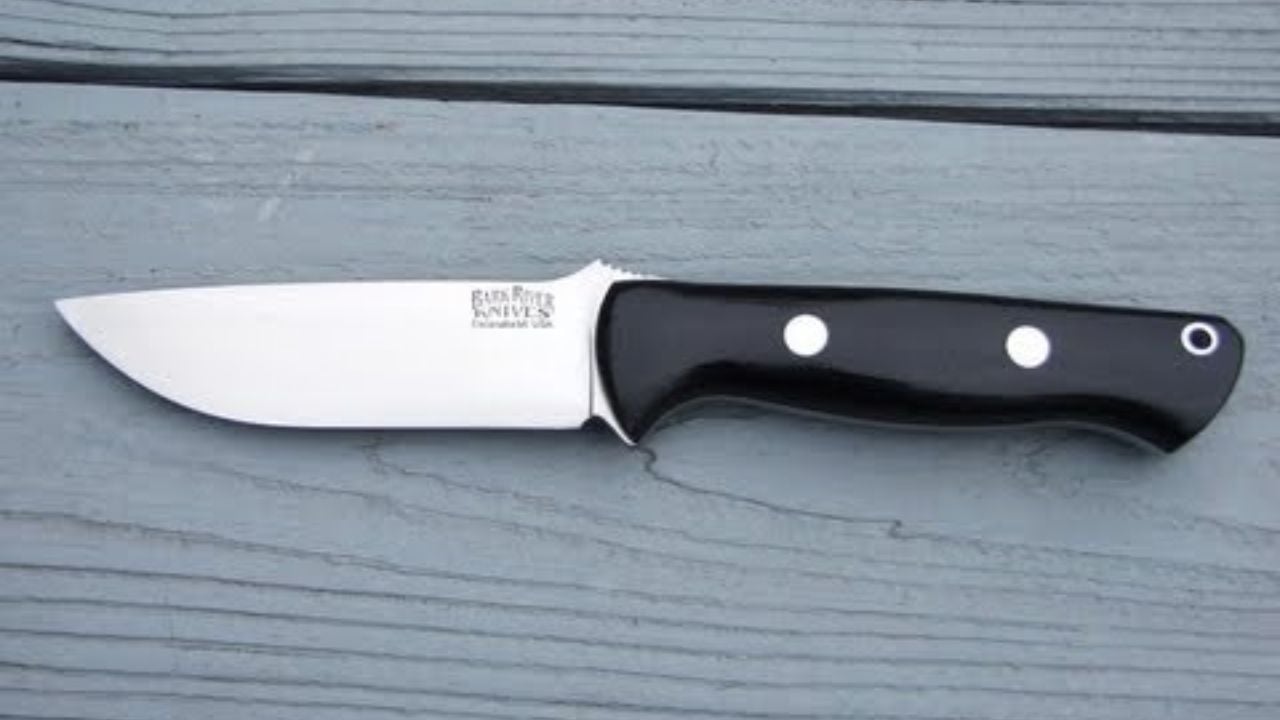
This is where you start hearing guides say, “Yeah, it’s expensive, but…” The Bravo 1 is a serious tool with a comfortable handle that lets you work longer without hot spots.
It’s also a knife that feels alive when you carve, feather sticks, and do fine camp tasks. Not everyone wants to baby a nicer knife, but plenty of guides use them hard and just keep sharpening.
15. Bark River Gunny

The Gunny is a compact workhorse. It’s small enough to carry all day without thinking about it, but it still has a handle that gives you control when things get slippery.
For guides who are constantly in and out of raingear, packs, boats, and brush, the smaller package matters. It’s a do-it-all knife that doesn’t feel like a compromise.
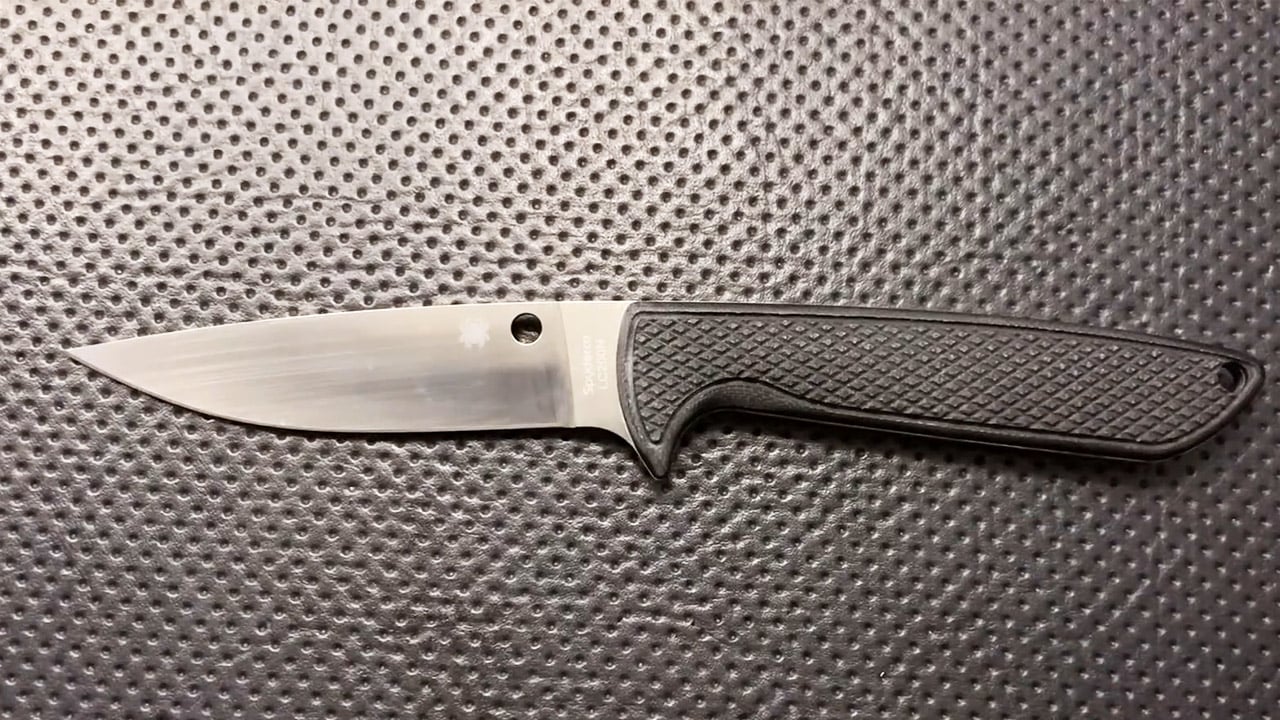
16. Spyderco Waterway
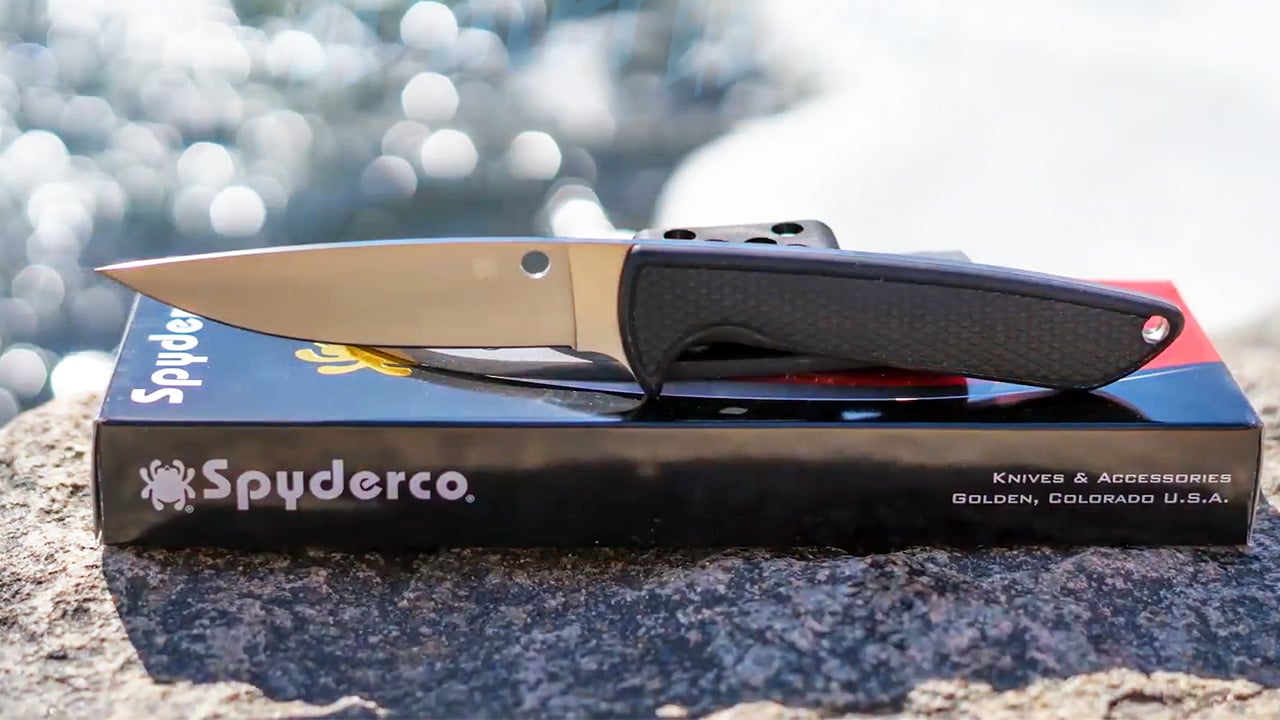
Guides who live around saltwater or run boats a lot tend to get religion about corrosion. The Waterway is built for wet environments, and it shows.
It’s one of those knives that gets rinsed, tossed back in the sheath, and doesn’t turn into a science project. If your “camp” is basically a moving puddle, this one makes sense.
17. Havalon Piranta (Replaceable-Blade)

Some guides want surgical sharp, right now, every time. The Havalon gives you that. You can break down an animal with a scary-sharp blade and swap when it’s done.
It’s not a pry tool, and it’s not what you want when you’re cutting through joints or doing rough work. But for skinning and caping where clean cuts matter, it saves time and effort.
18. Outdoor Edge RazorLite (Replaceable-Blade)

The RazorLite is the more “user-friendly” replaceable-blade option for a lot of folks. The handle fills the hand, and the blade swap feels less fiddly than some others.
Guides like it for clients who show up with dull knives and big plans. Hand them a RazorLite and a couple spare blades, and suddenly the knife problem goes away.
19. TOPS B.O.B. Fieldcraft

This one is a favorite with guides who do a lot of mixed work: bushcrafty camp tasks plus actual hunting chores. It’s built stout, but it still has enough edge geometry to cut well.
The handle shape is a big reason it sticks around. When you’re carving, splitting, and doing repetitive work, comfort matters more than a spec sheet.
20. Victorinox Fibrox 6-inch Boning Knife

Here’s the curveball: a kitchen-style boning knife that ends up in a lot of guide camps. Not on the belt, but in the meat kit. When it’s time to turn animals into clean quarters and trim, these shine.
They’re inexpensive, easy to sharpen, and they flat-out work. There is nothing tactical about it, and that’s exactly why it’s so useful when the real processing starts.
New knives are fun to look at. Guides don’t get paid to look at gear. They get paid to solve problems in bad weather with tired hands, and that’s why these fixed blades keep earning their spot. If you’re building a kit, start with “easy to carry, easy to sharpen, hard to break,” and you’ll end up in the same place most of these pros already live.
Like The Avid Outdoorsman’s content? Subscribe to our newsletter so you never miss an article.
Here’s more from us: